Tripods for Backpacking
A tripod is a must-have for anyone who wants to take great photos in the great outdoors. These tripods for backpacking allows you to take pictures without blurring the subject and it keeps your camera steady so you can take long exposure shots without getting dizzy. Here are some tripods for backpacking available on the market.
Sort
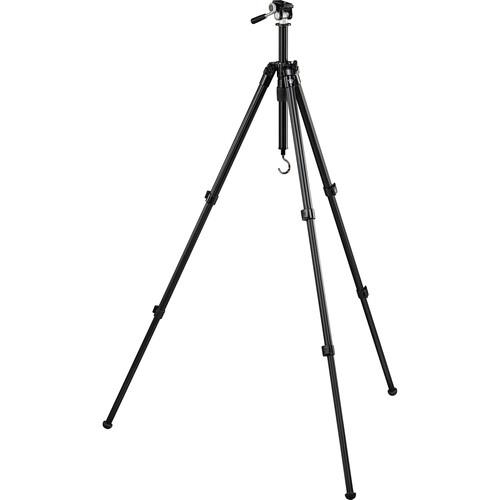
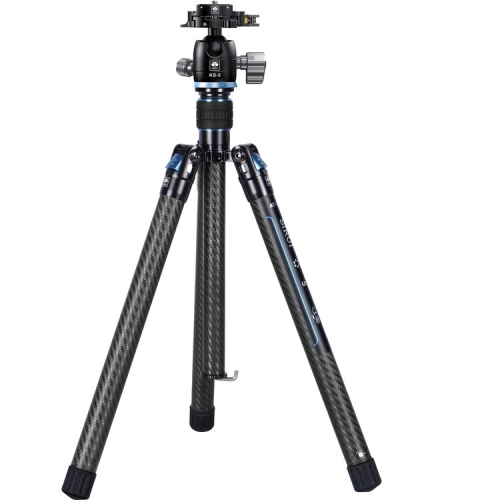
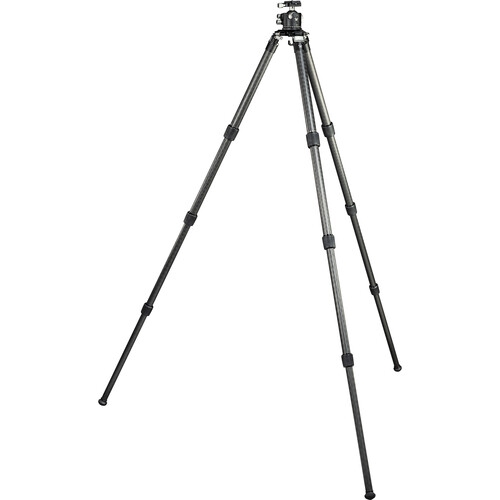
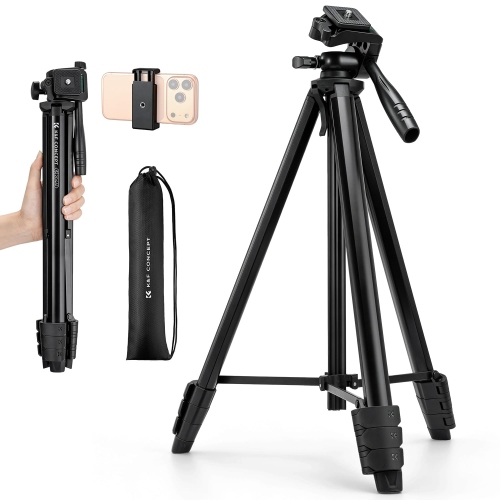
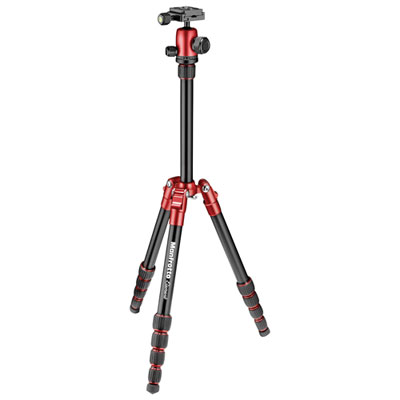

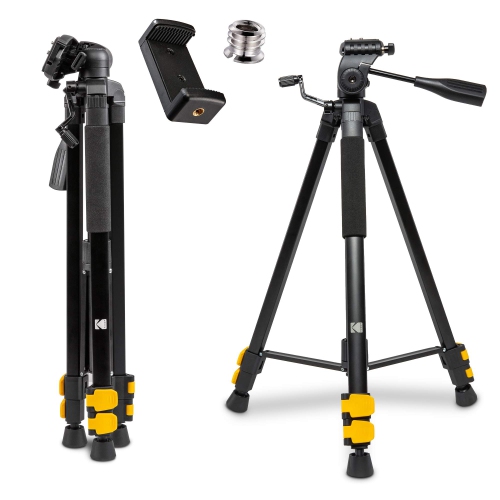
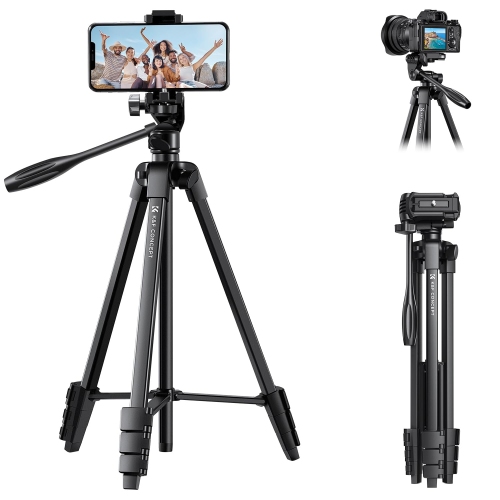
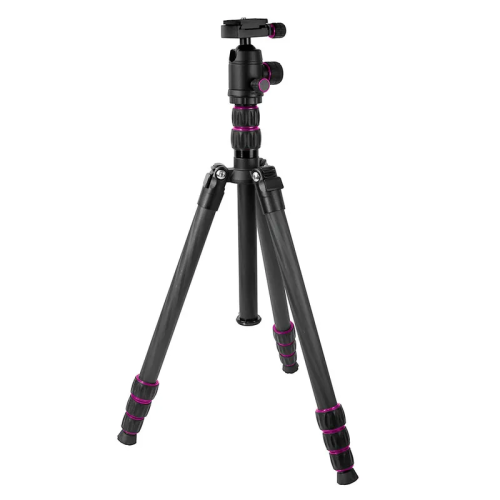
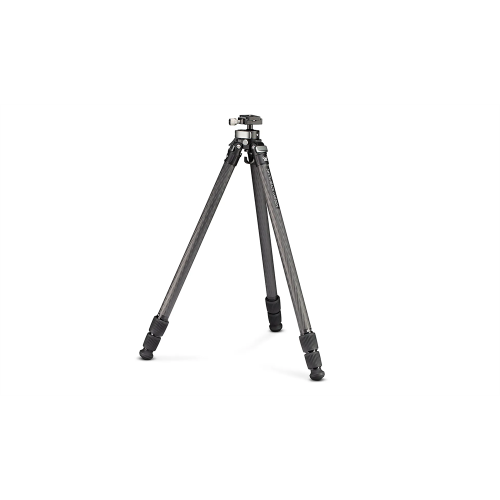
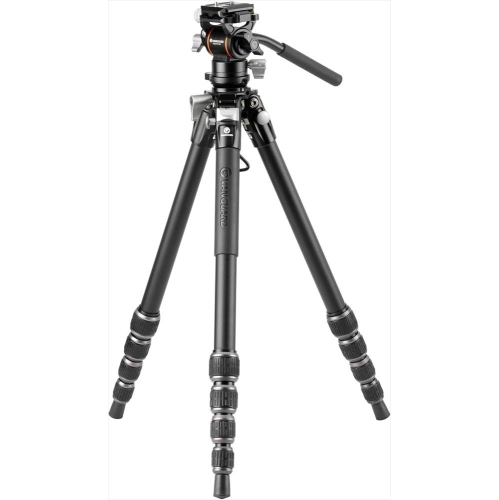
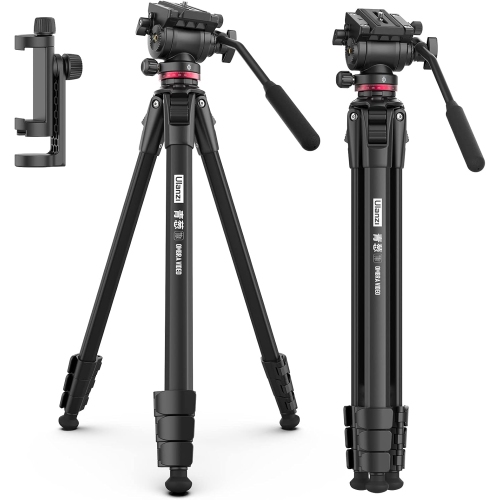
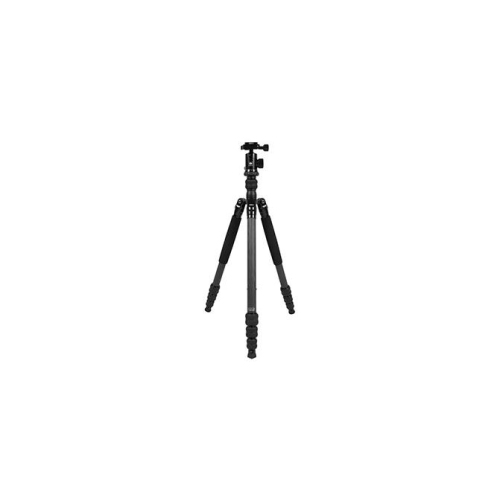

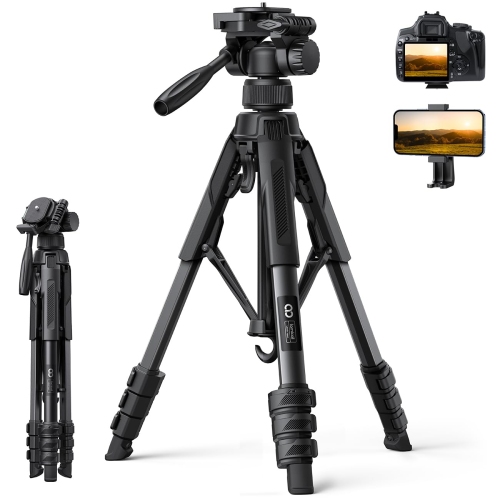
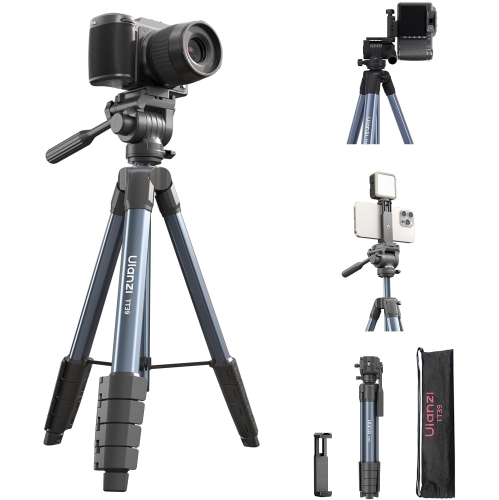
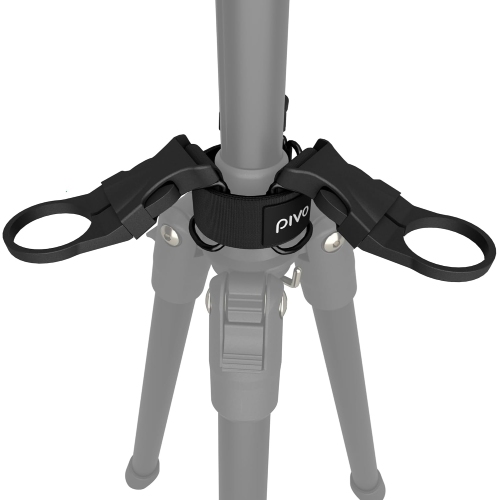
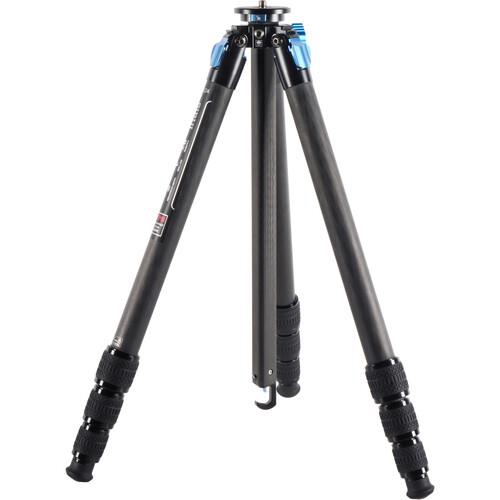
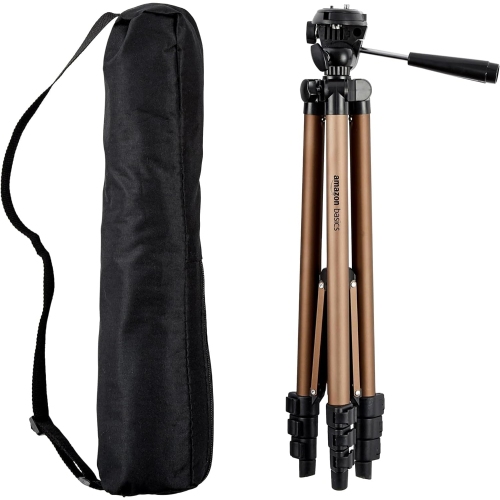
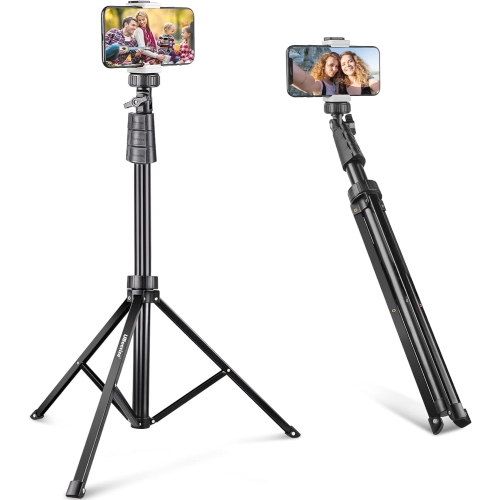
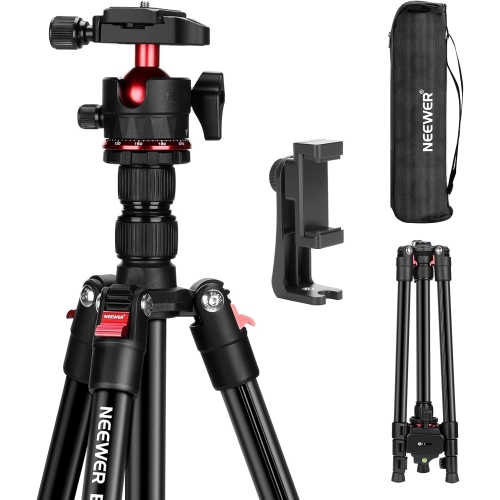
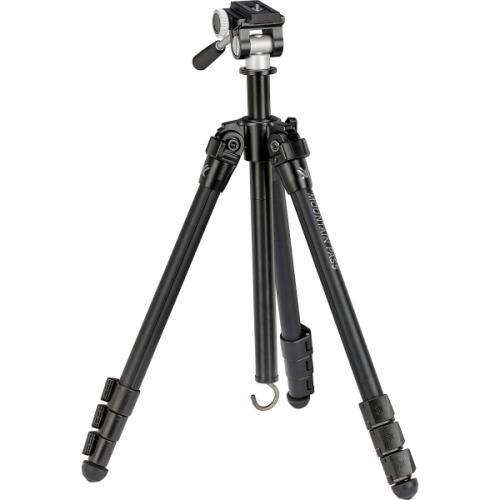
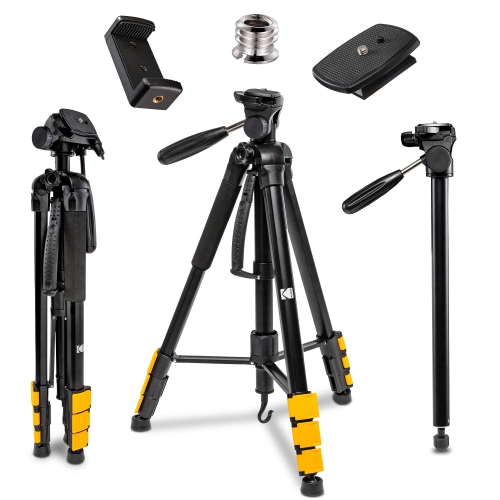
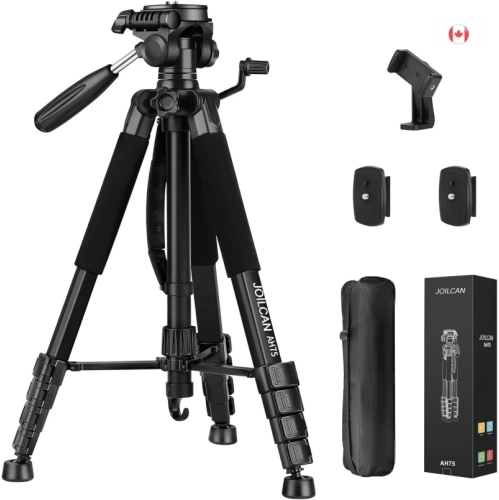

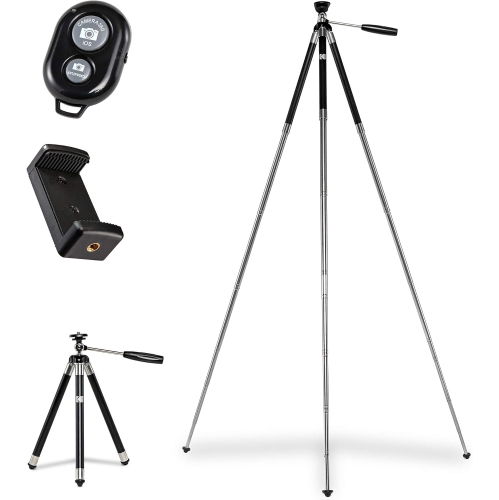
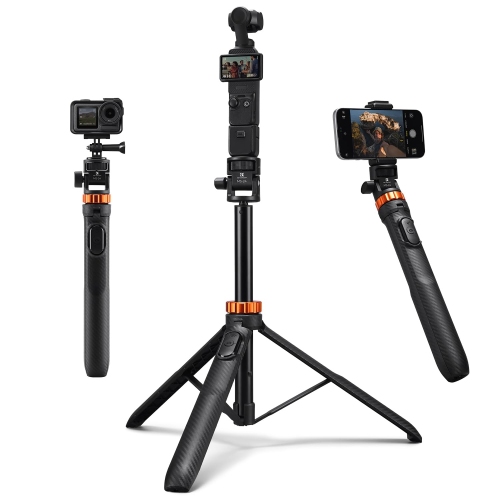
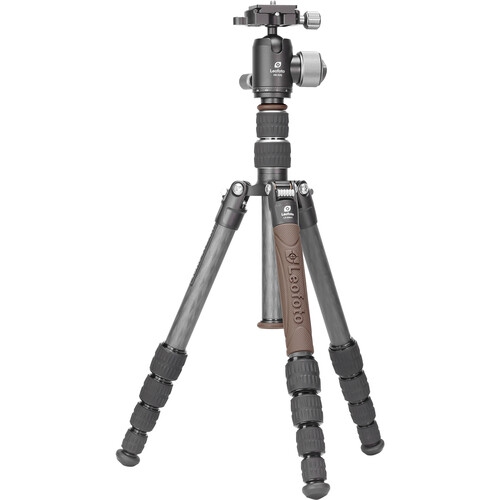
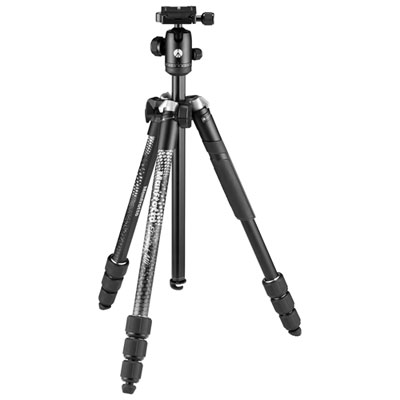
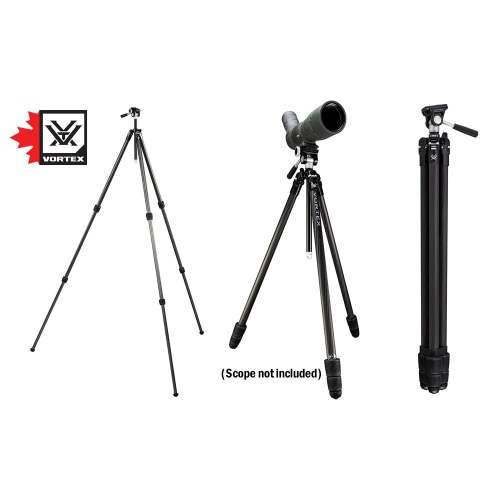

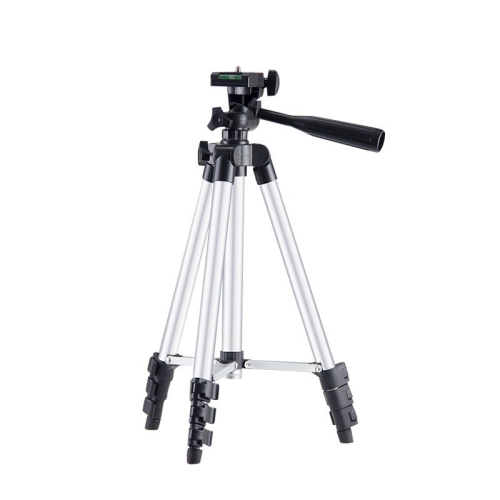
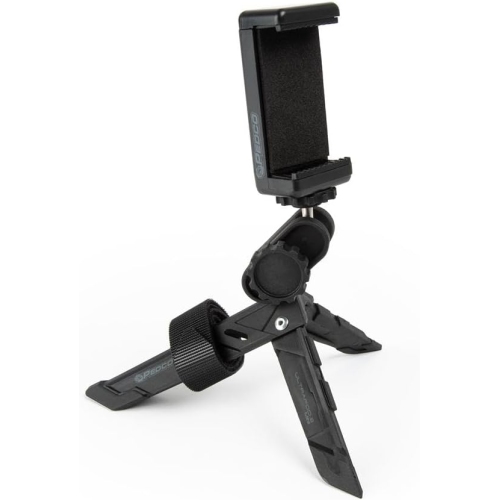
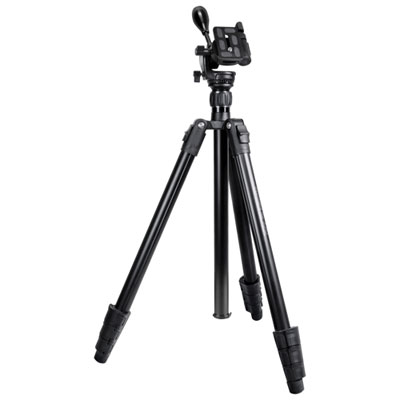

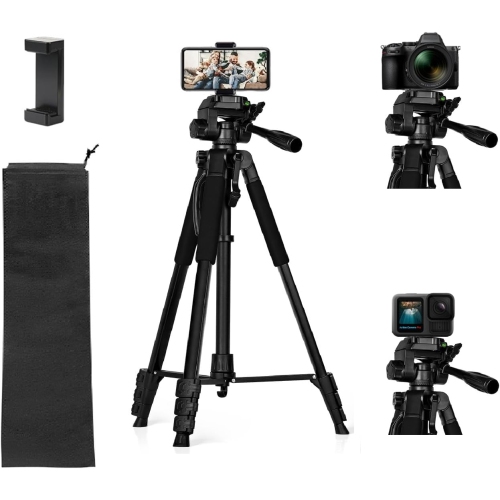
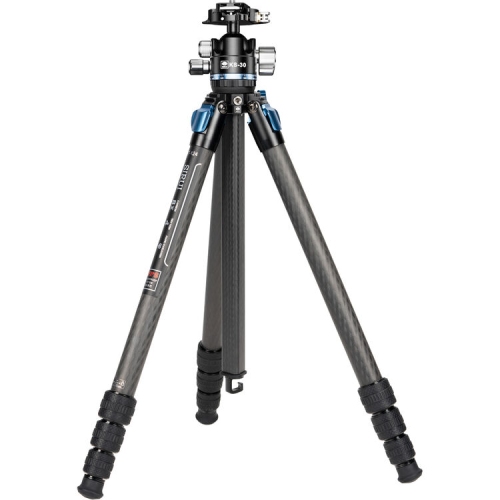
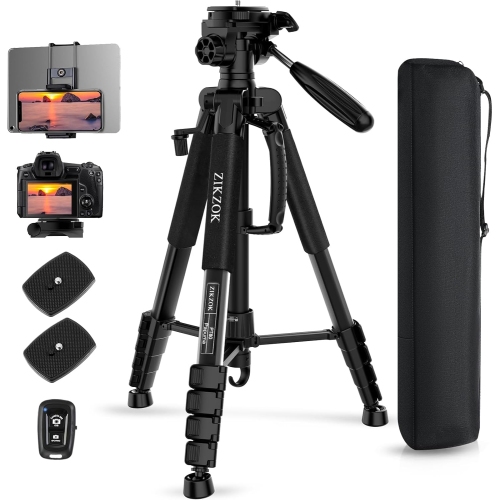
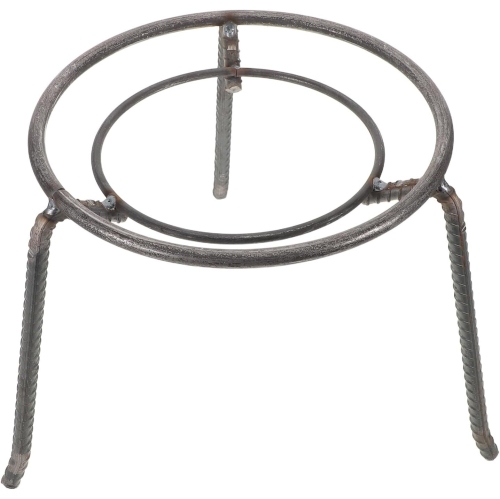
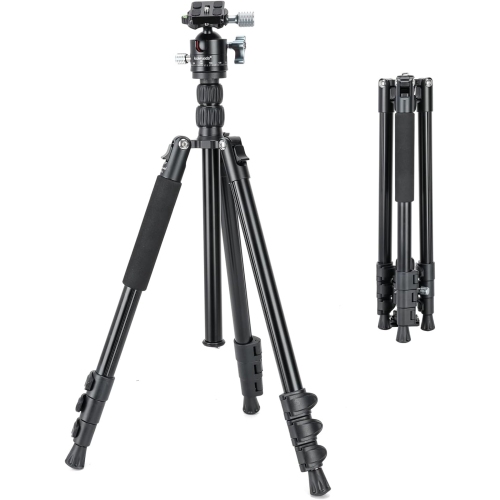
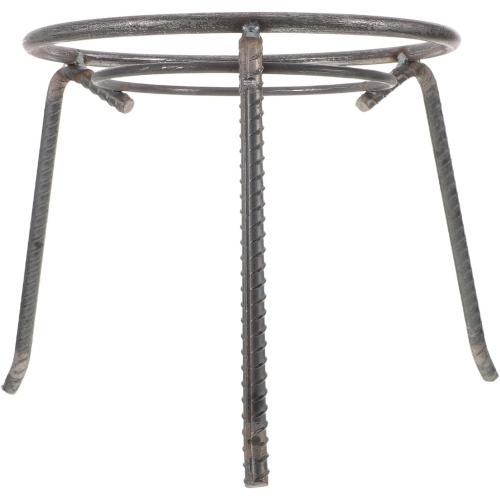
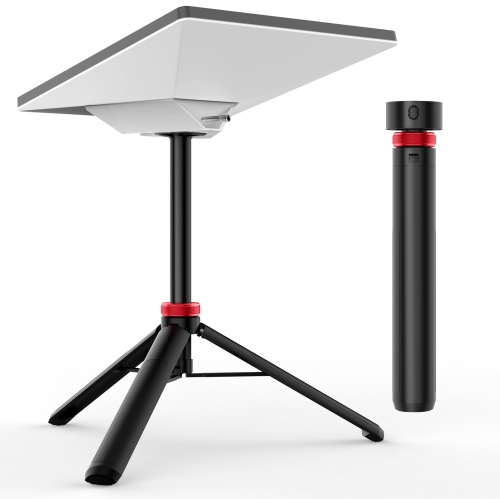
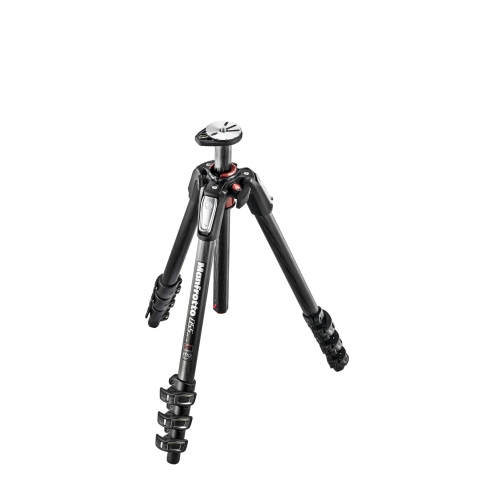

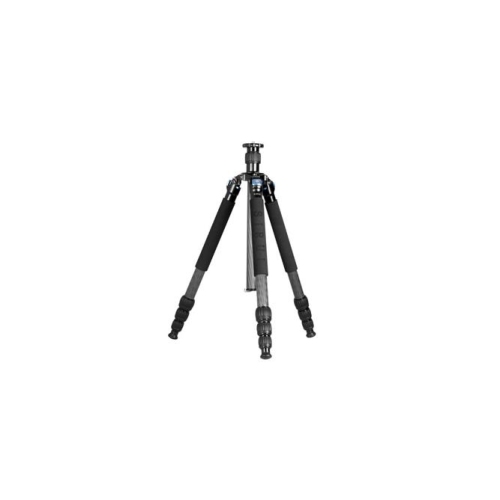
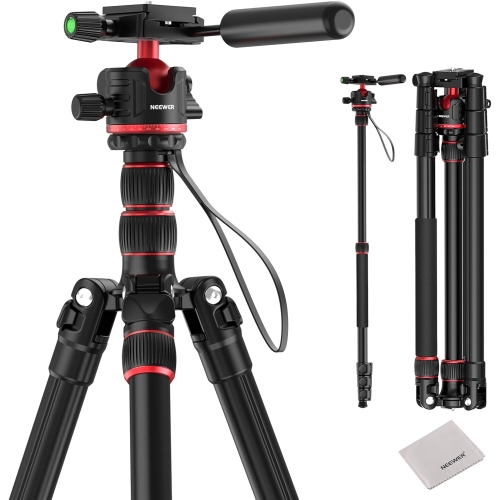
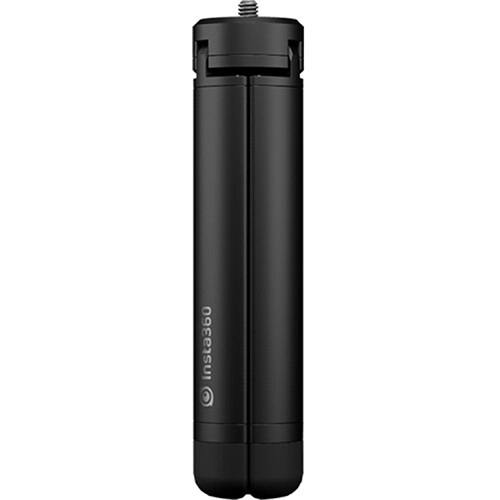
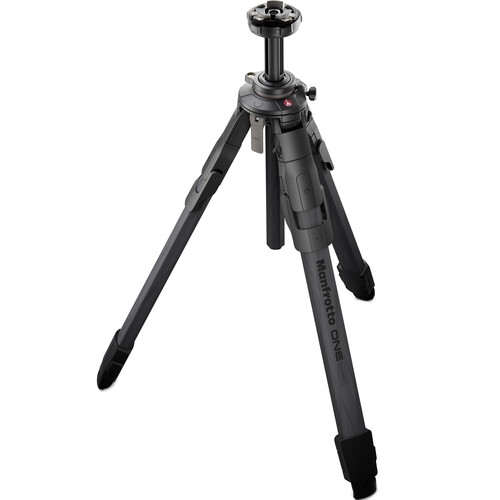
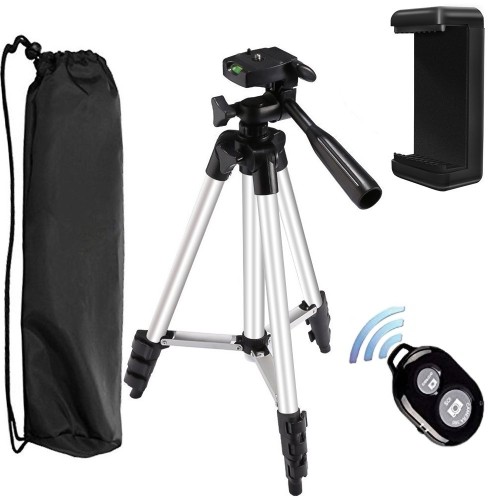
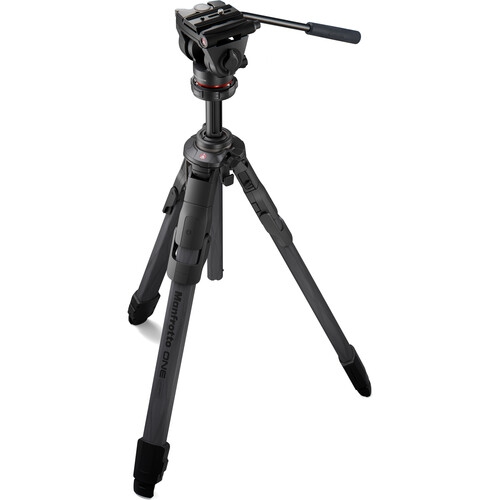
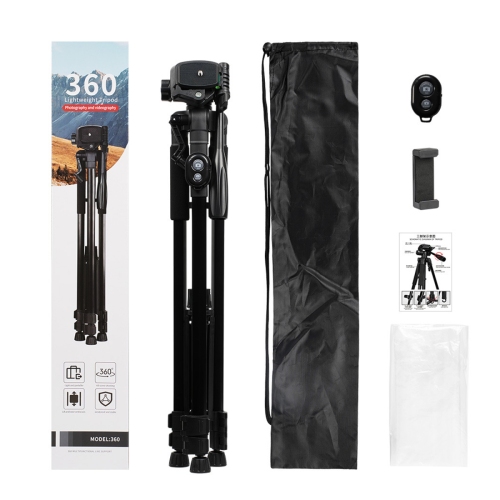
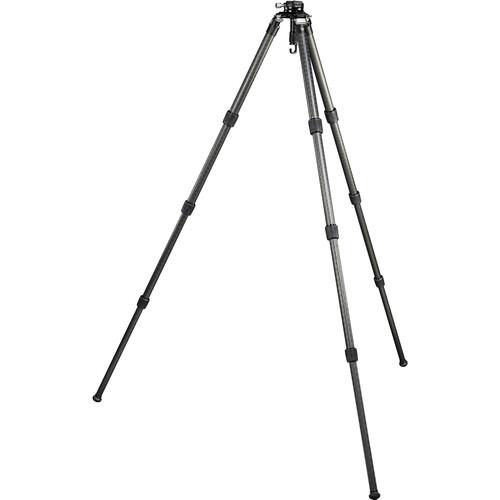
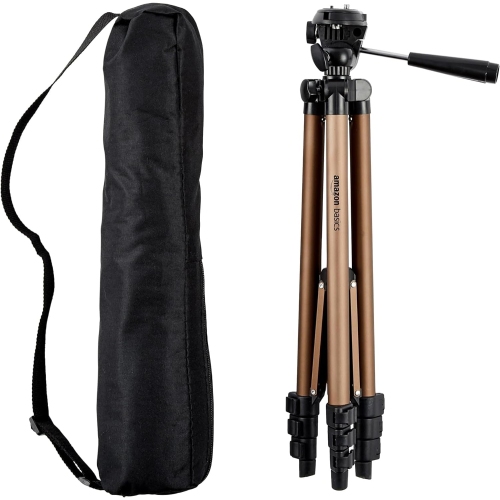
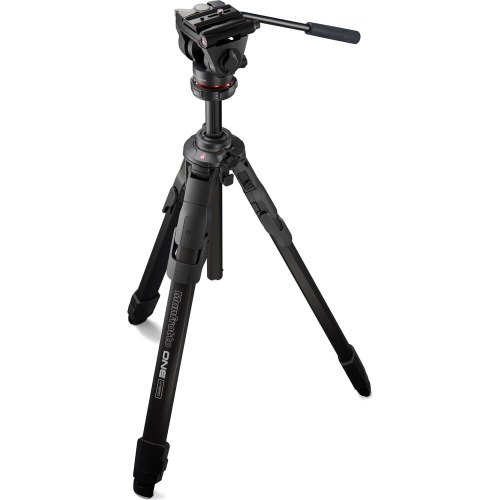

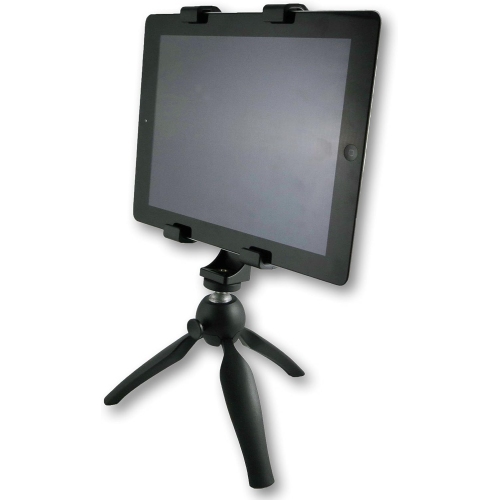
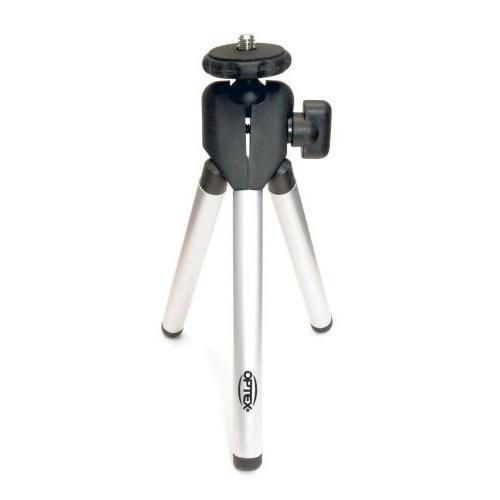
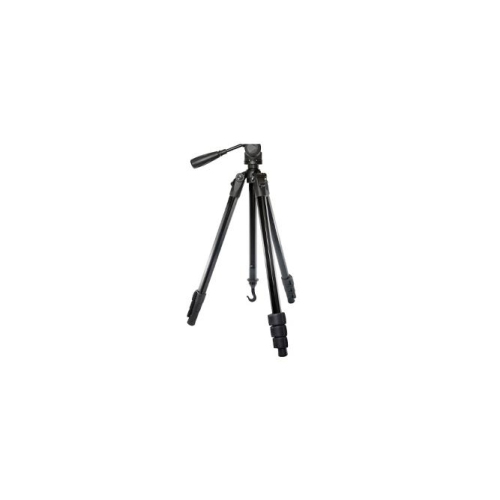
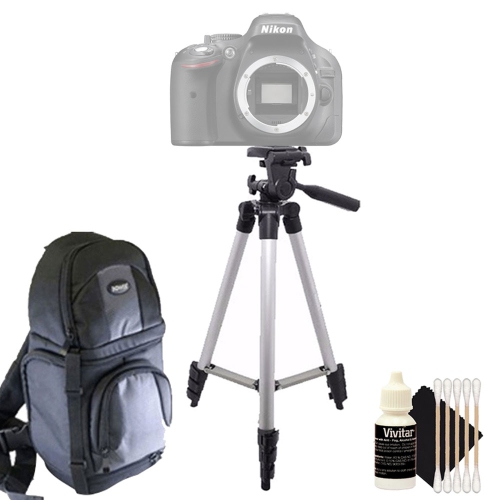
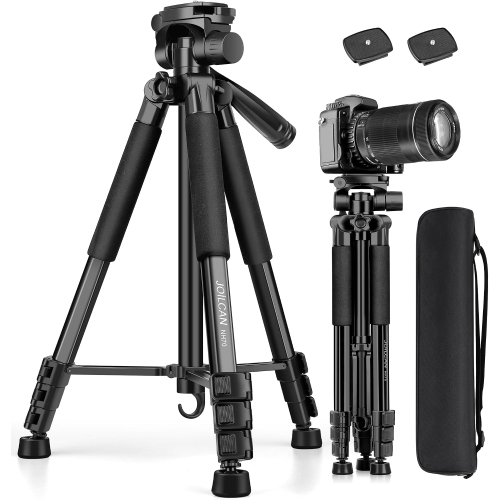
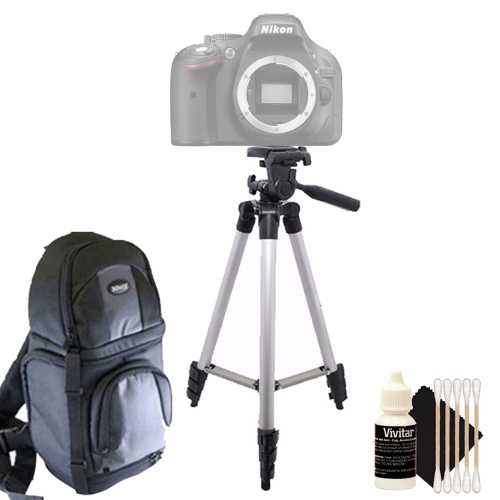
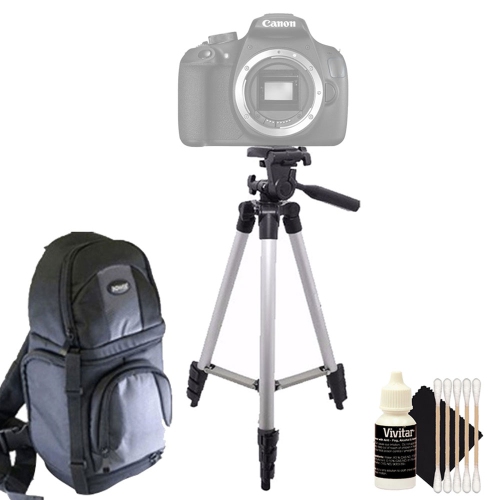
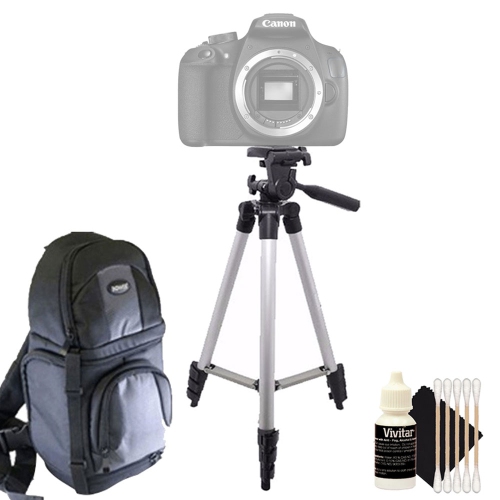
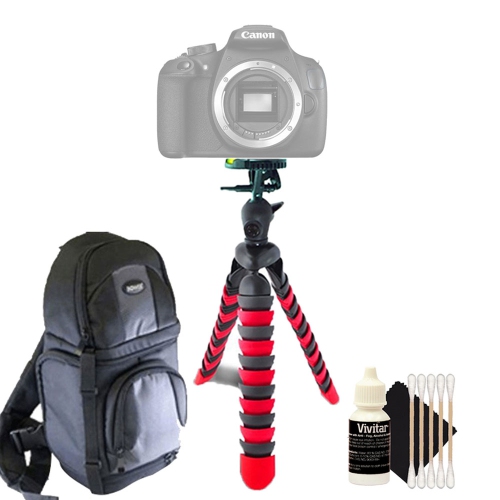
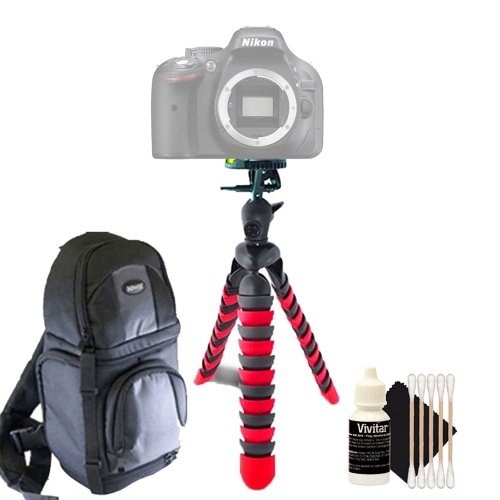
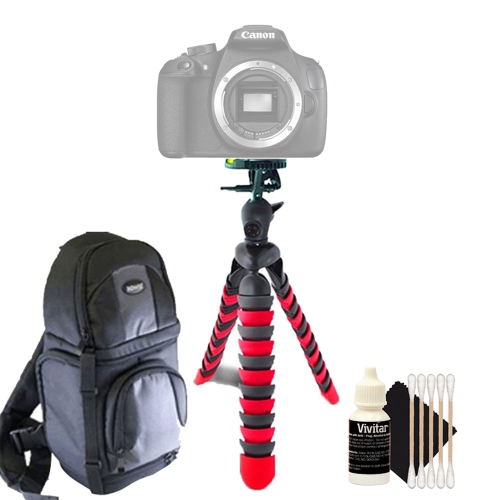
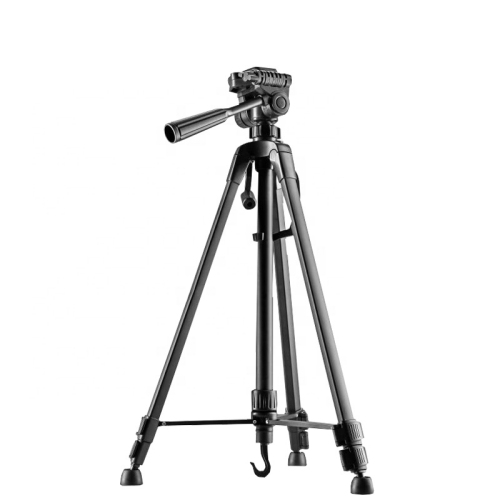

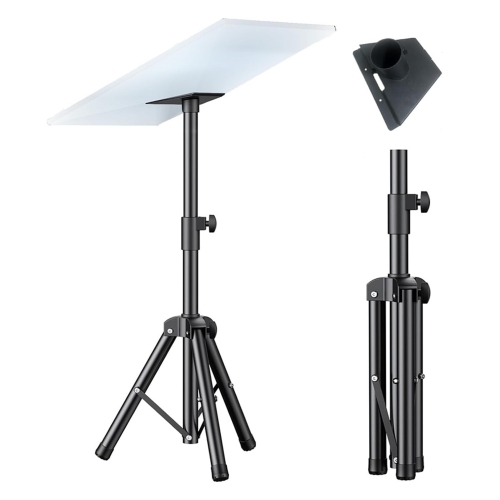

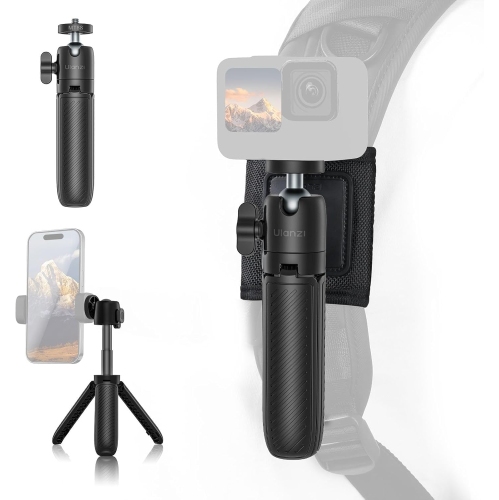
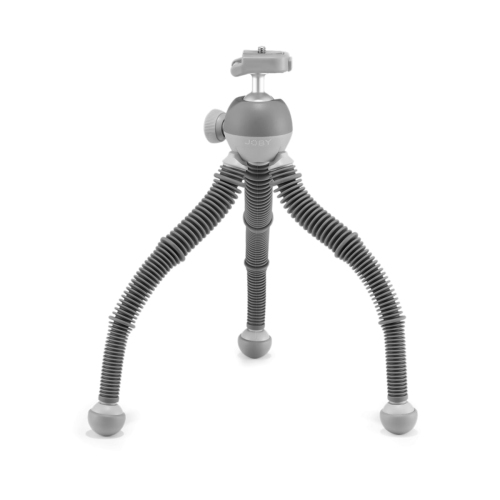
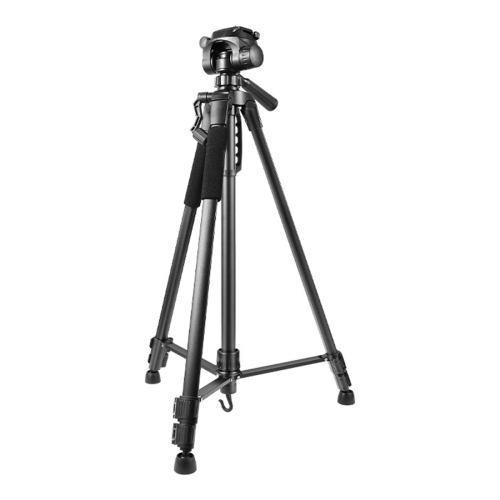
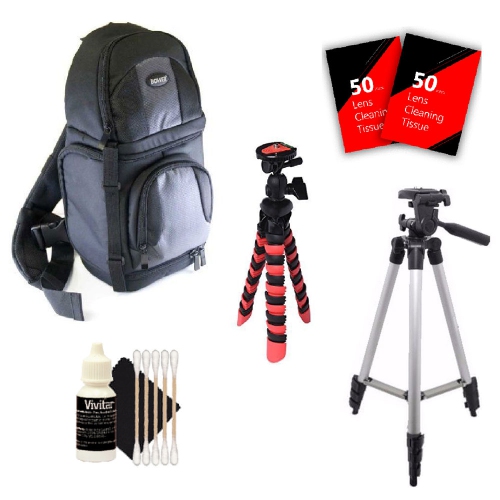
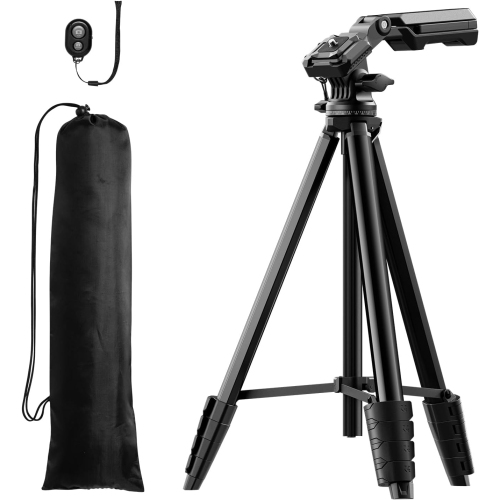
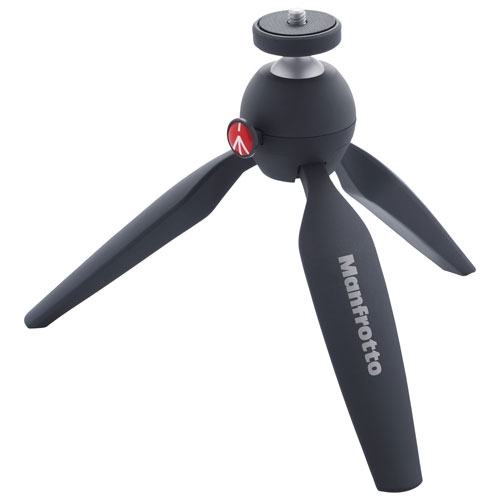
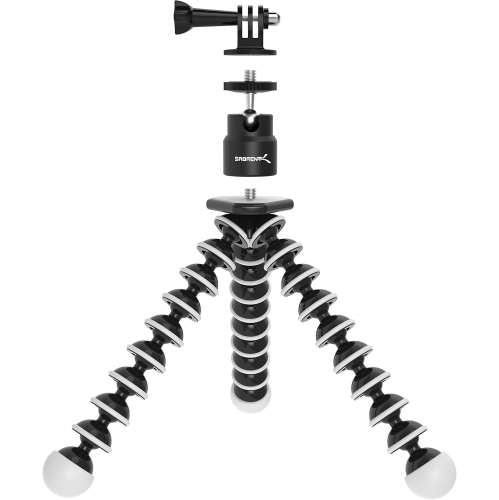
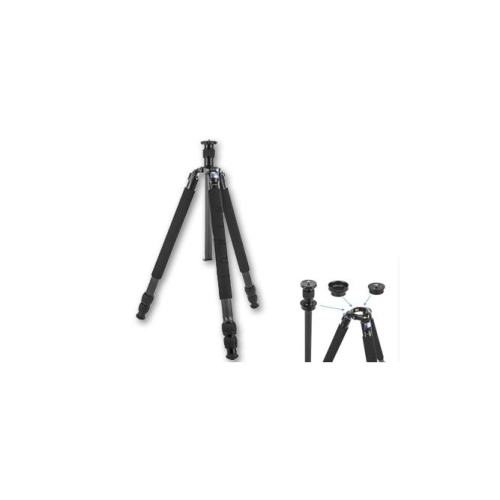
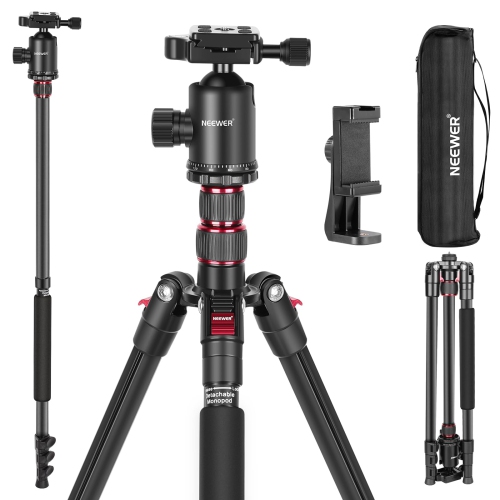


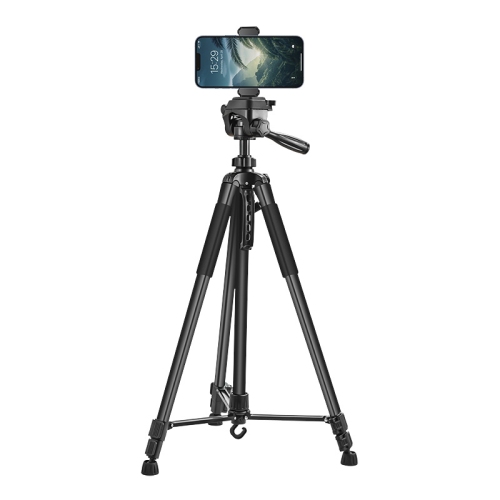
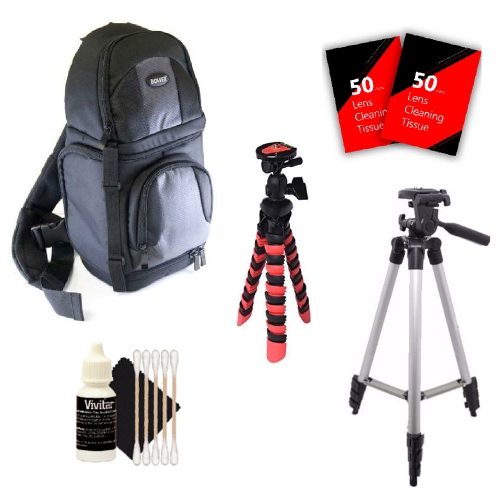
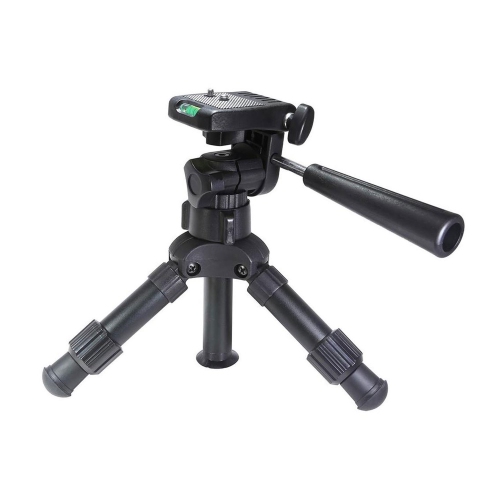
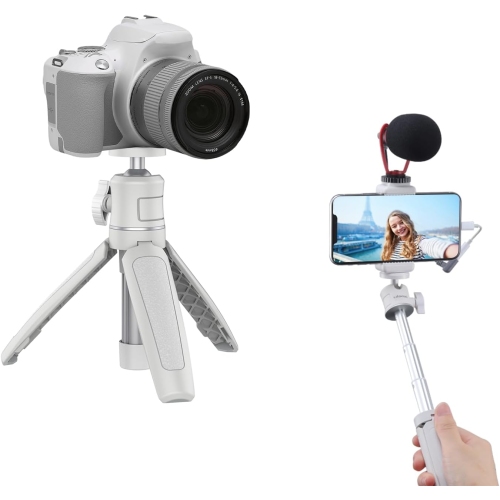
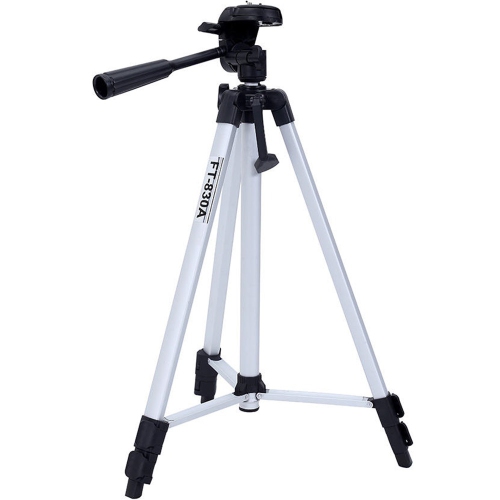
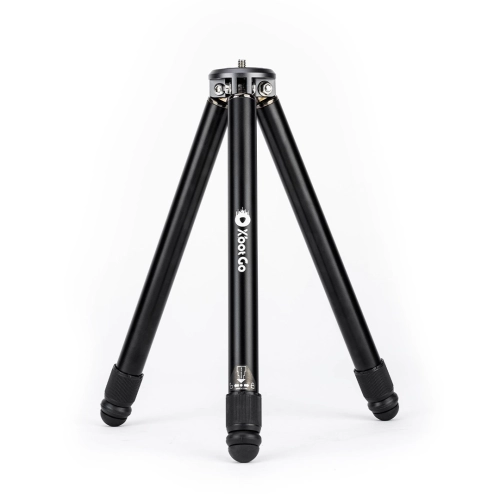
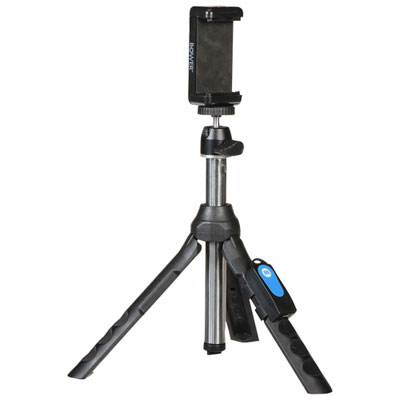
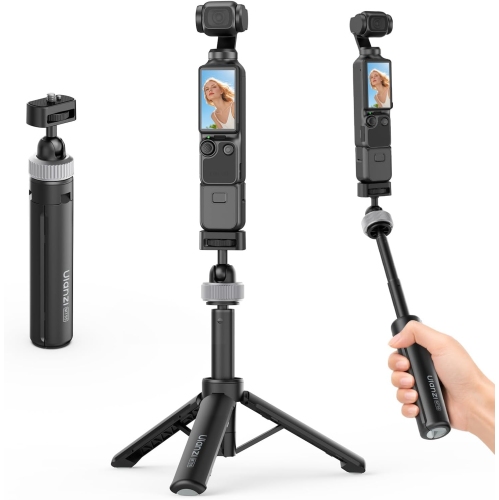
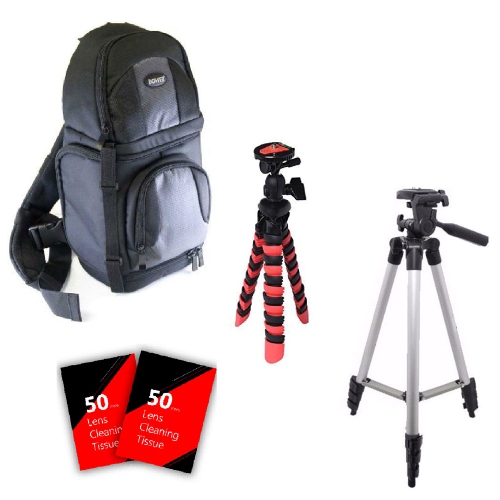

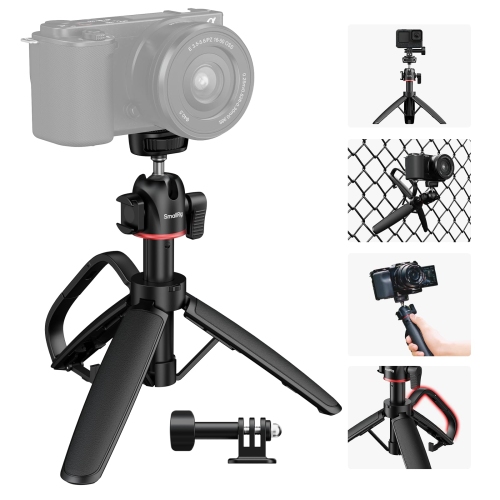
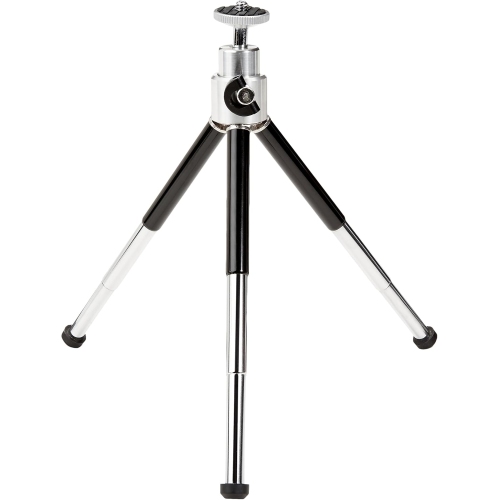

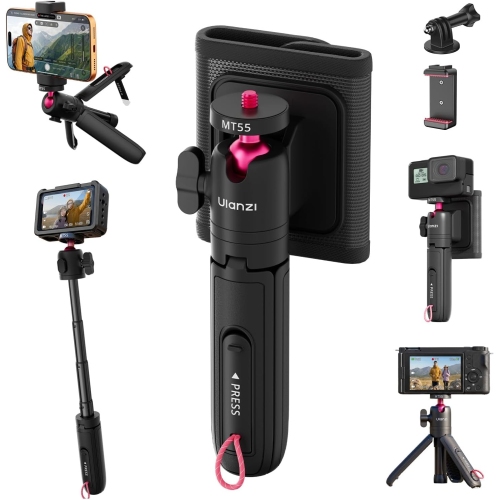
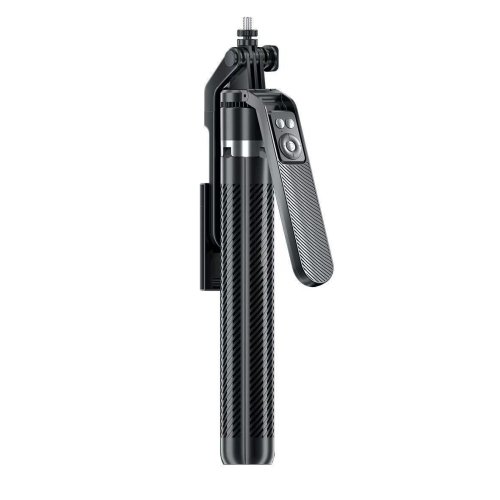
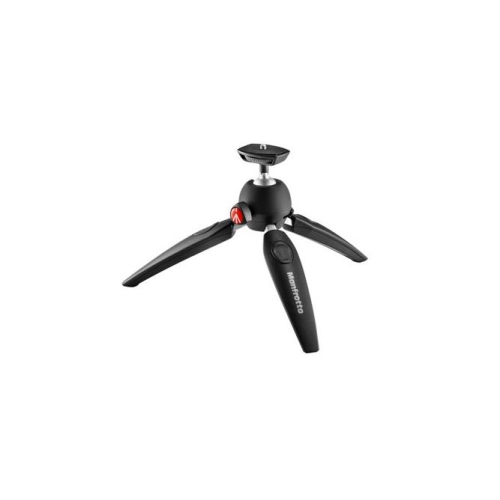
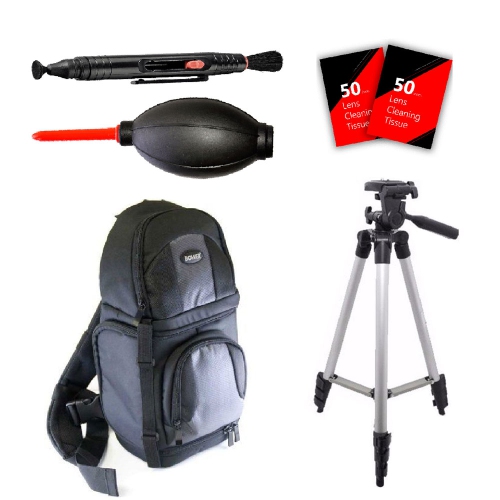

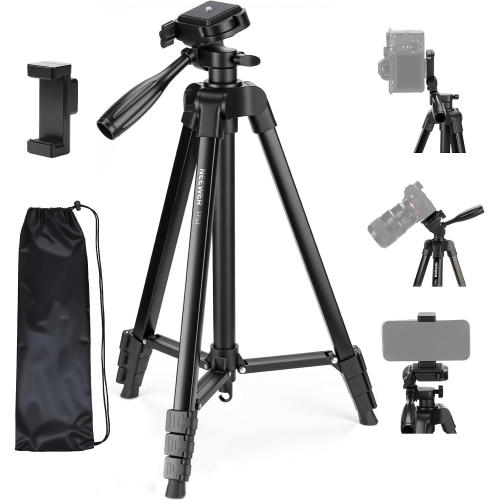
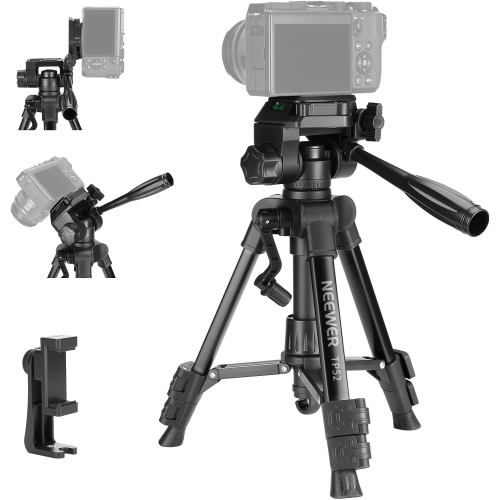
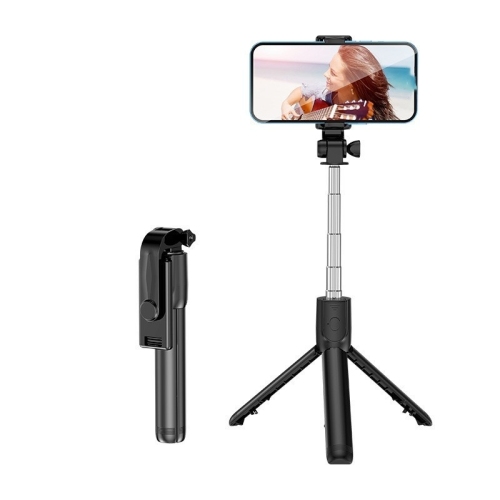
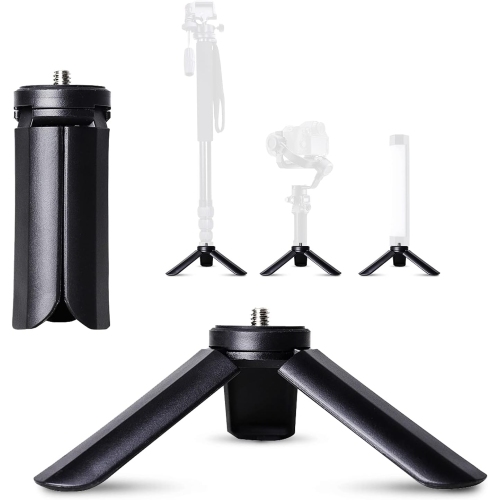
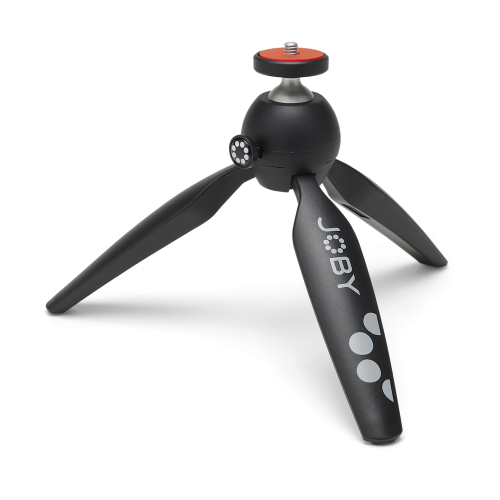
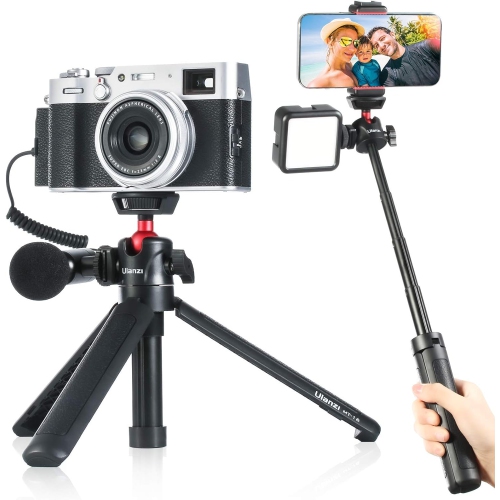
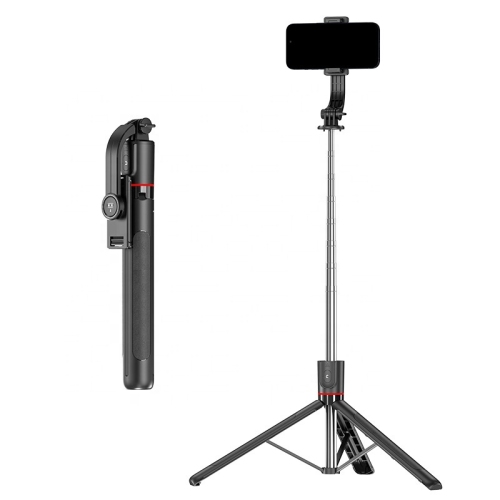
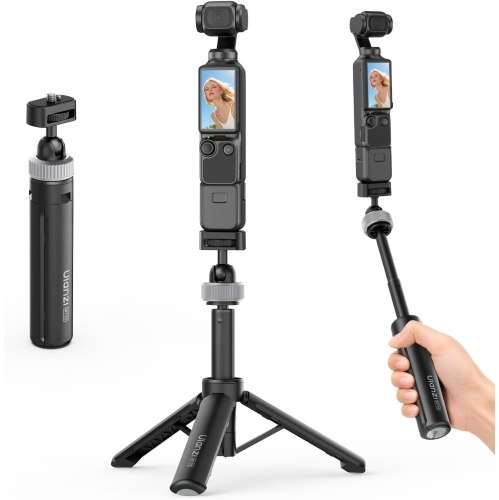
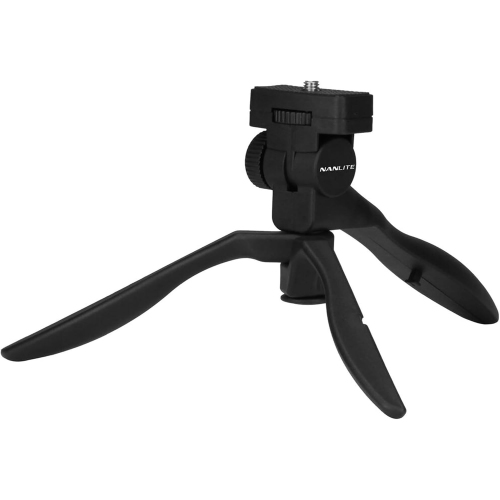
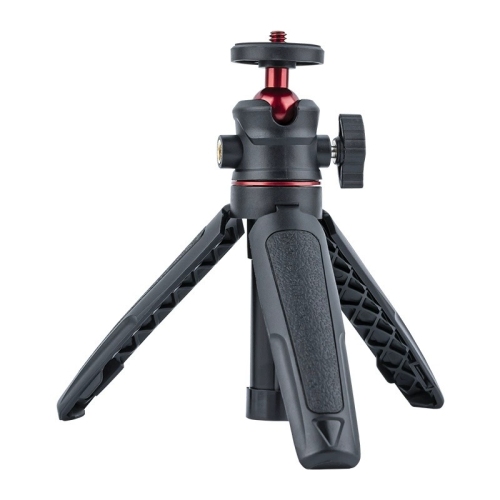
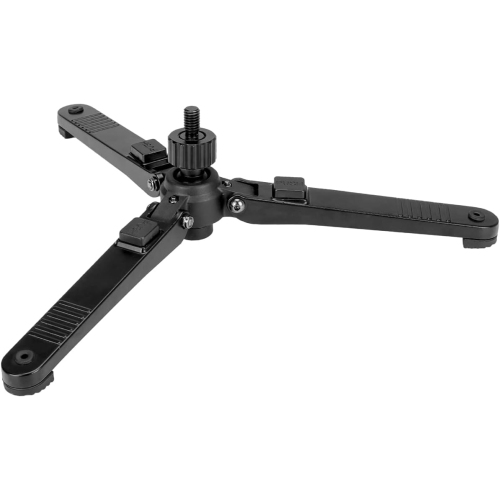
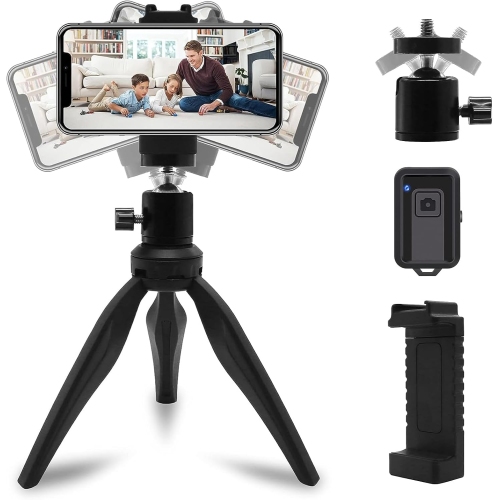
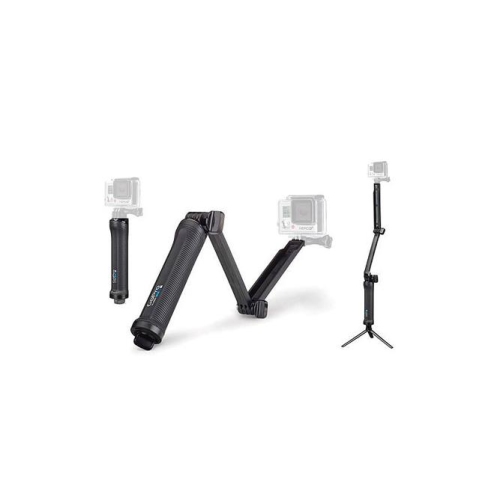
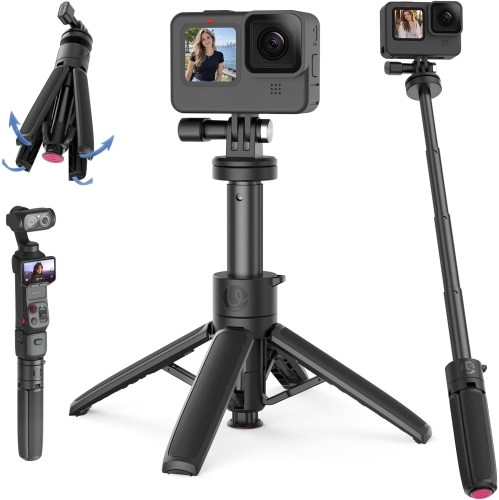
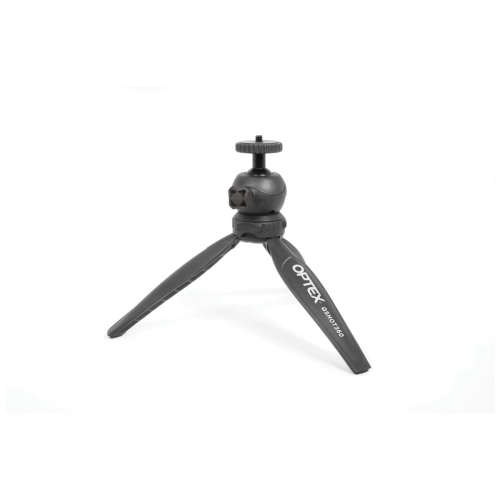
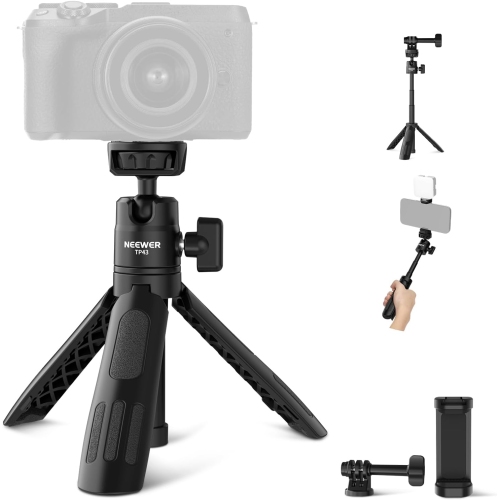
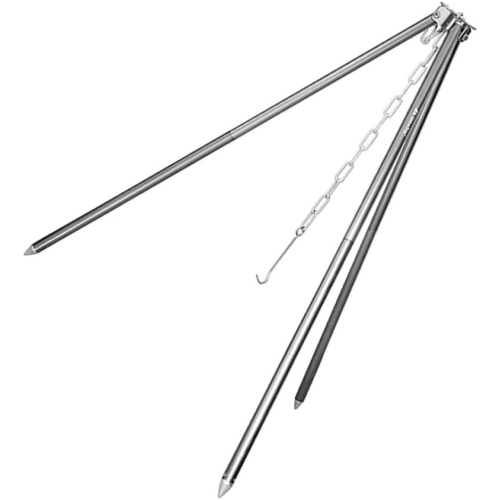
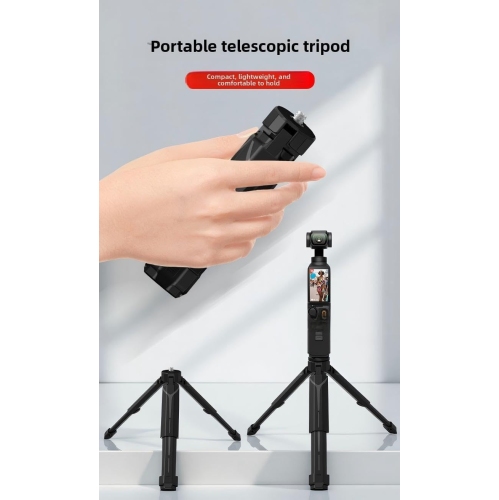
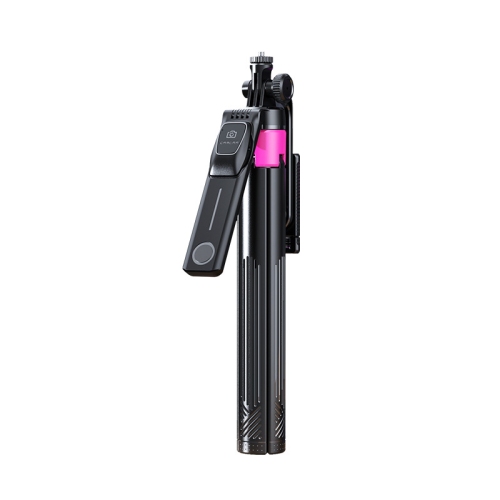
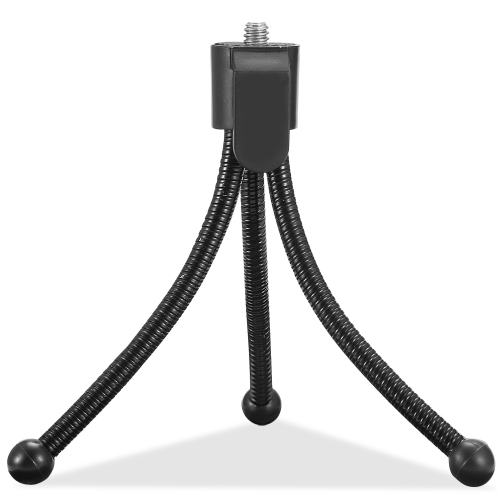
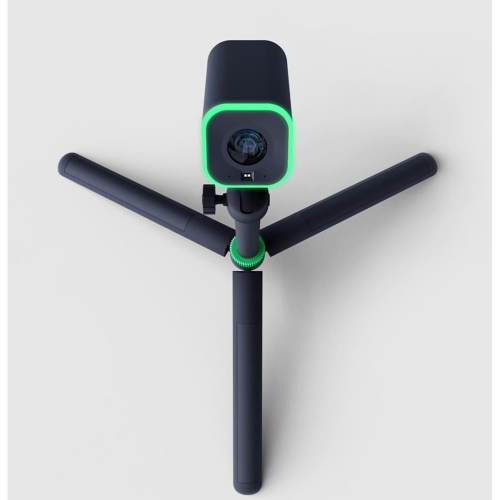
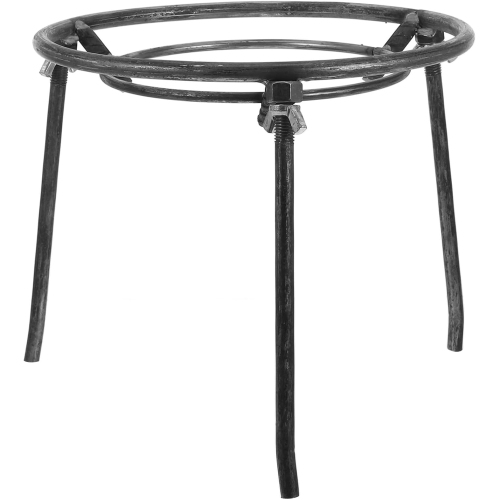
Steady trail photos take more than a lightweight tripod
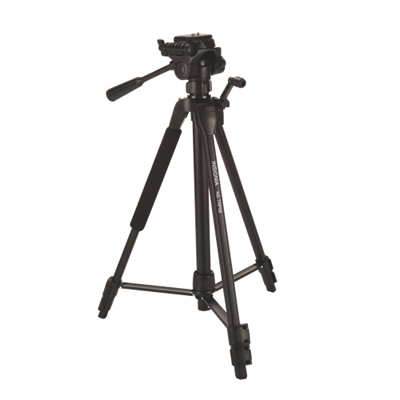
Tripods for backpacking balance low carrying weight, compact folded dimensions and enough stability to support a camera or phone on uneven ground. Unlike a tripod that stays in a studio or travels mainly by car, a backpacking tripod becomes part of the load carried along every kilometre of trail. Its usefulness depends on more than the weight listed in its specifications: folded length, leg shape, head size and carrying position all affect how comfortably it fits into a packed bag. A short, narrow design may slide beside a sleeping mat or fit inside a pack, while a longer tripod may need external straps that hold it securely without interfering with access to pockets. Carbon fibre and aluminum are common materials for travel tripod legs. Carbon fibre often offers a favourable balance of weight and rigidity, while aluminum can provide dependable support with a different weight profile. Neither material alone determines performance; tube diameter, leg construction, joint quality and the head also influence how firmly the camera stays in place. More leg sections generally allow a shorter folded length, but they also introduce additional joints and narrower lower sections. Fewer sections may mean a longer packed shape with less adjustment needed at each stop. Working height deserves similar attention. A tripod that reaches a comfortable shooting position without fully raising its centre column usually offers a steadier foundation than one relying on a tall column extension. At the same time, a lower setup can be entirely practical for someone composing through a tilting screen rather than an eye-level viewfinder. The most suitable balance depends on the photographer’s kit and habits: a small camera used for occasional trail photographs places different demands on a tripod than a larger camera with a long lens. For backpackers, a compact shape and manageable weight are valuable only when the tripod still provides the support needed for the photographs they intend to make.
Camera compatibility is central to choosing a backpacking tripod, particularly when a kit includes interchangeable lenses, a phone mount or video accessories. The load rating should accommodate the combined weight of the camera, lens and attached equipment, and both the legs and the head need suitable ratings. A published weight capacity is a useful starting point, but it does not describe every aspect of handling. A long lens places weight farther from the mounting point, and a top-heavy setup can be harder to position securely than a compact camera of similar total weight. A well-matched head makes small adjustments easier without letting the composition drift after the controls are tightened. Ball heads are popular for their compact form and quick positioning, while heads with separate movement controls can offer more deliberate framing. A dedicated panning movement is useful for overlapping landscape photographs, and smooth, controlled movement matters for video. Quick-release plates simplify the transition between handheld shooting and tripod use, although plate systems are not universally interchangeable. The mounting screw, plate shape and access to the camera’s battery compartment all deserve attention, as does whether a phone holder grips the device securely without pressing its side buttons. For vertical photographs, suitable head movement or a compatible mounting bracket can help keep the camera balanced rather than hanging awkwardly to one side. These details become especially noticeable beside a lookout, where a backpacker may want to frame a broad valley, capture a trail companion against a distant ridge, then return the camera to a shoulder strap. A tripod also supports long exposures, carefully aligned panoramas, close-up details and photographs that include the person carrying the camera. A timer or compatible remote release can limit movement caused by touching the shutter button. For related options suited to carrying a camera along a trail, Lightweight Tripods for Hiking offers a closely related category to explore.
Durability and practical handling help distinguish a tripod that is merely light from one that works well over repeated backpacking trips. Independent leg angles allow the feet to sit at different heights on a sloping trail edge or rocky ledge while keeping the camera platform level. A wide stance can provide useful support for low compositions, such as a close view of textured stone with distant peaks behind it. Rubber feet suit many hard surfaces, while replaceable feet or compatible pointed feet may offer options for other terrain; their usefulness depends on the surface and the tripod’s design. Twist locks can create a streamlined packed shape, and lever locks make it easy to see whether each section is secured. Either style benefits from controls that are comfortable to grip and joints that hold firmly without excessive force. Pack attachment points, a protective bag and a folded shape without awkward projections can also make a difference when the tripod shares space with clothing, food and camera equipment. Care is generally straightforward but important: grit around leg locks and joints can affect operation, and cleaning should follow the manufacturer’s directions, especially before disassembly. A soft cloth or brush can help remove surface debris, while regular checks of mounting screws, plates and locks help identify looseness before it affects a photograph. Carbon fibre tubes deserve inspection after hard impacts, and any damaged component should be assessed before supporting equipment again. A load hook, where included, is not a substitute for secure footing, and freely swinging weight can introduce movement rather than reduce it. For a gift, the recipient’s camera type, preferred pack size and tolerance for carrying extra gear are more useful starting points than maximum height alone. Backpacking tripods suit landscape photographers, travelling content creators, couples documenting shared hikes and anyone who wants more deliberate framing than handheld shooting allows. The strongest fit is a tripod that packs comfortably, supports the intended equipment and is simple enough to use when an interesting composition appears along the route.
Top selling and popular products
-
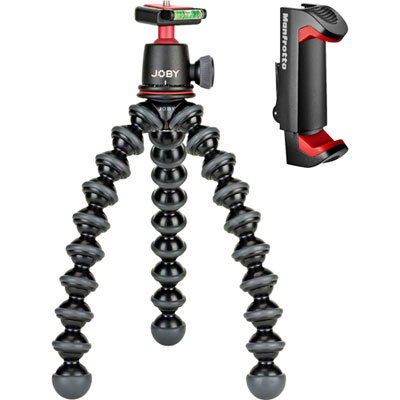 Your price for this item is $144.99
-
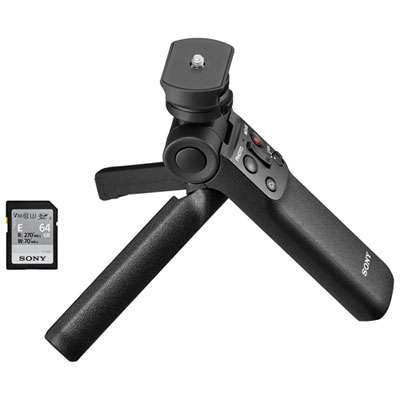 Your price for this item is $199.97
-
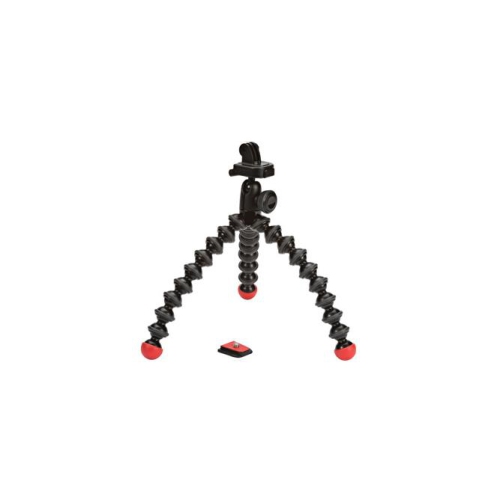 Your price for this item is $126.91
-
 Your price for this item is $139.99
-
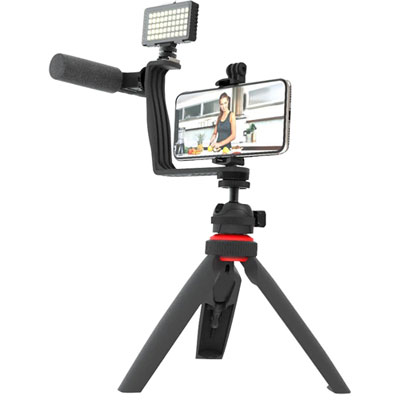 Your price for this item is $69.99
-
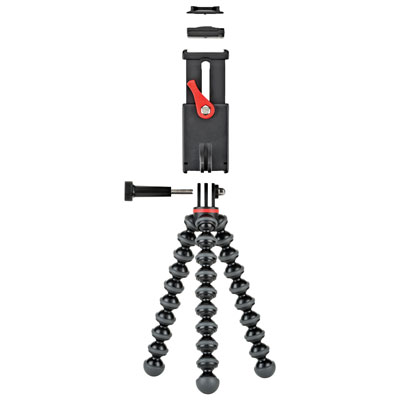 Your price for this item is $78.97
-
 Your price for this item is $259.99
-
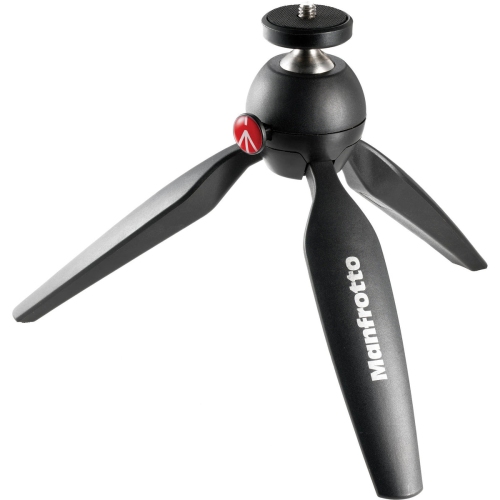 Your price for this item is $83.53
Discover more categories related to Tripods for Backpacking
Top Collections:
Best Black Friday Deals This Year, Best Black Friday Deals On Electronics, Kindle Devices, Pokemon Centers, Best Black Friday Deals On Apple Products, Best Cameras for Sports Photography, Dyson Airwrap, Pokémon 30th Celebration Cards, Apple iPhone 17 Pro, Canon G7X Cameras
Some products may be subject to Environmental Handling Fees
(EHF) depending on your province.
Learn more about EHFs.