Lightweight Tripods for Hiking
Lightweight Tripod for Hiking options are designed to make capturing stunning outdoor photos and videos easier while on the move. Ideal for adventurers and travel enthusiasts, these tripods offer convenient portability without weighing down your gear. Whether you're exploring mountain trails or setting up for a scenic sunset shot, a lightweight tripod ensures stability and ease of use in any terrain. Discover models that suit your hiking style and help you document every memorable moment with confidence.
Sort
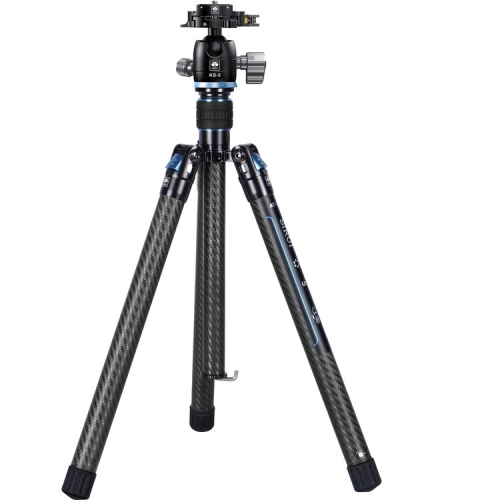
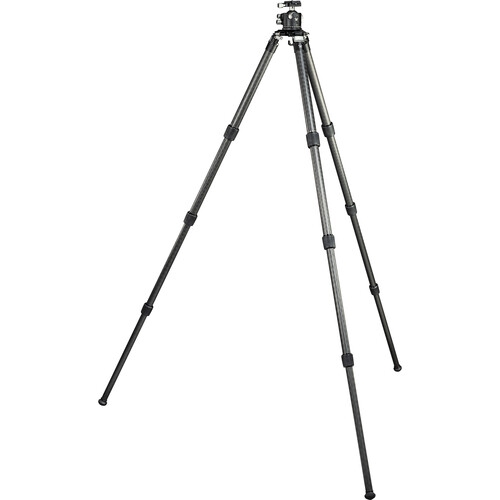
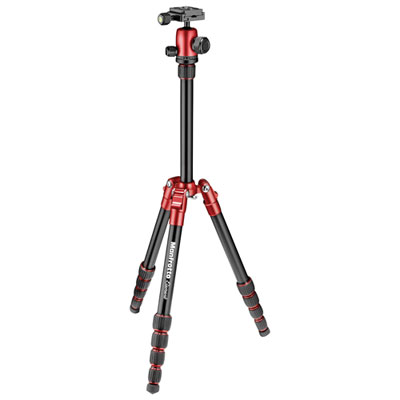
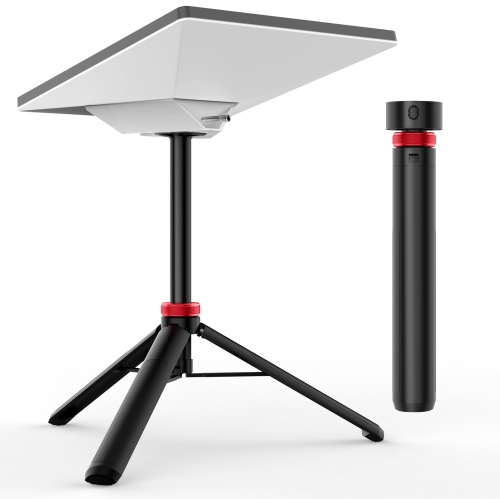
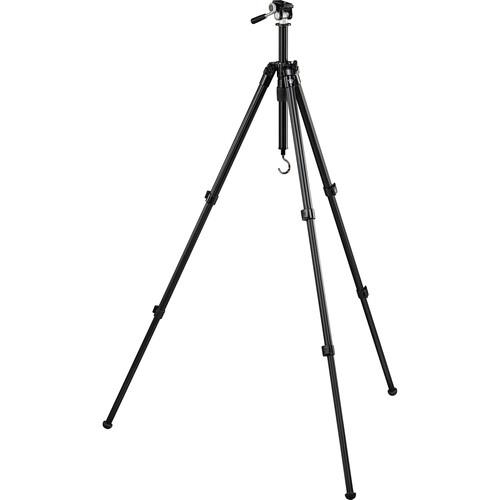
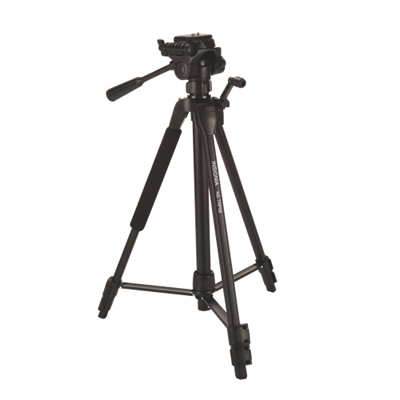
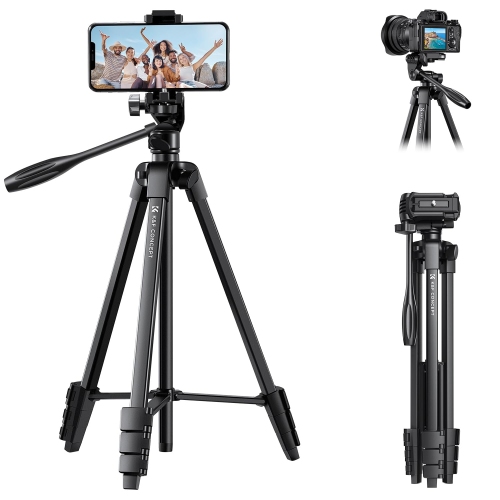
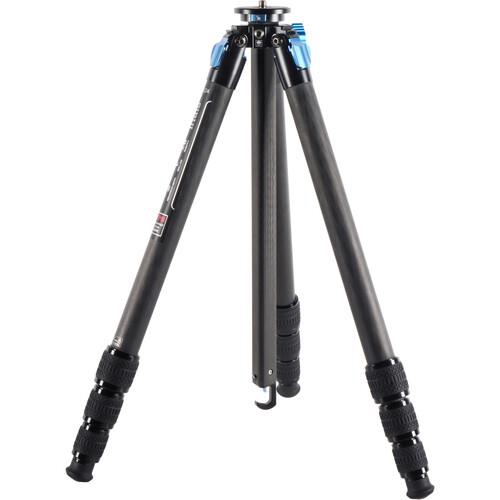
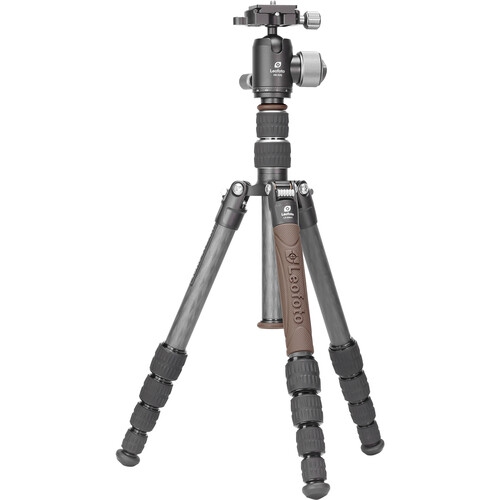

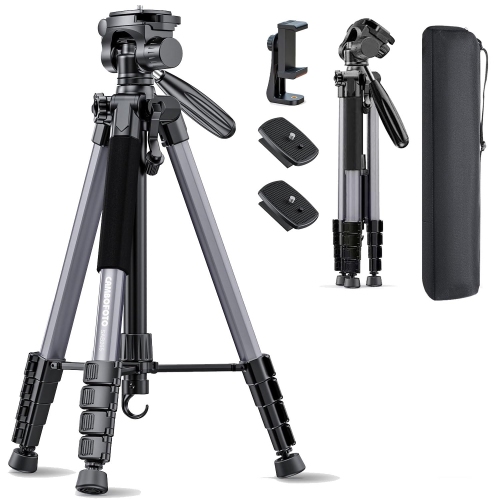
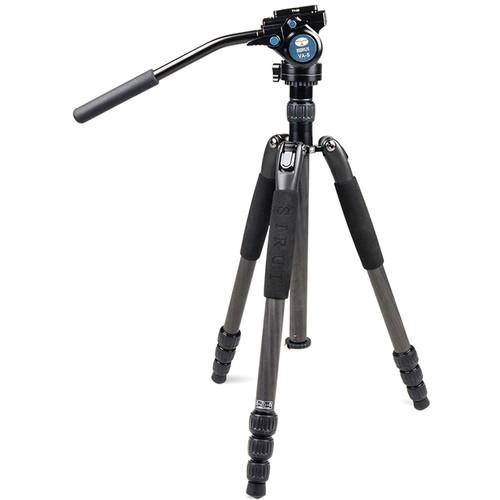

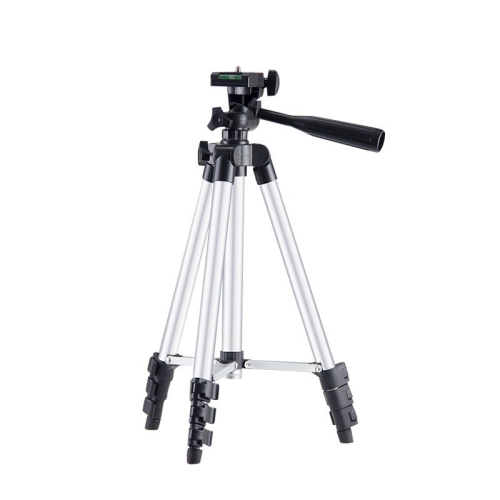
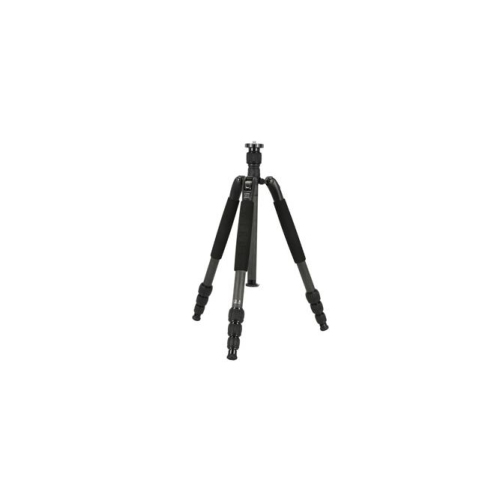
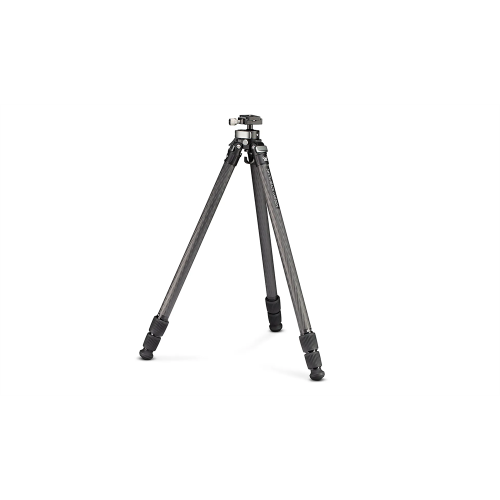
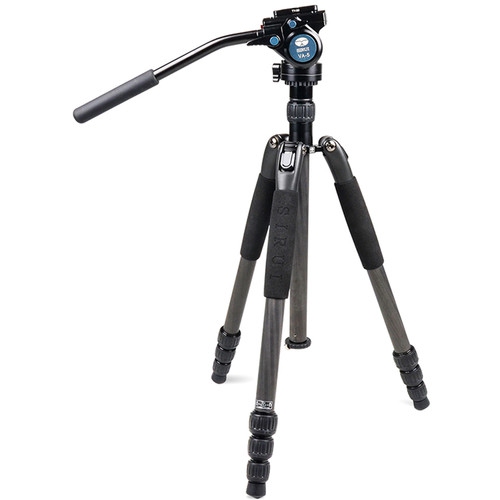
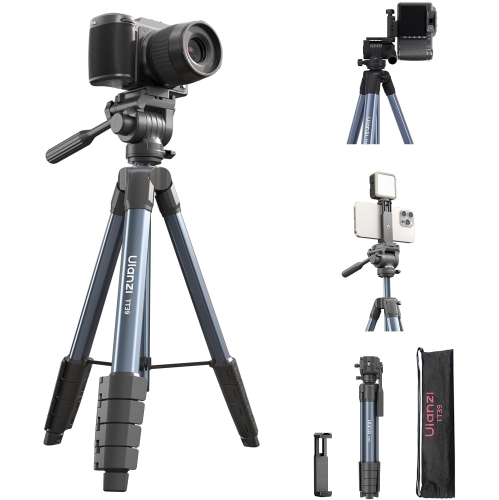

Steady trail photos depend on more than tripod weight
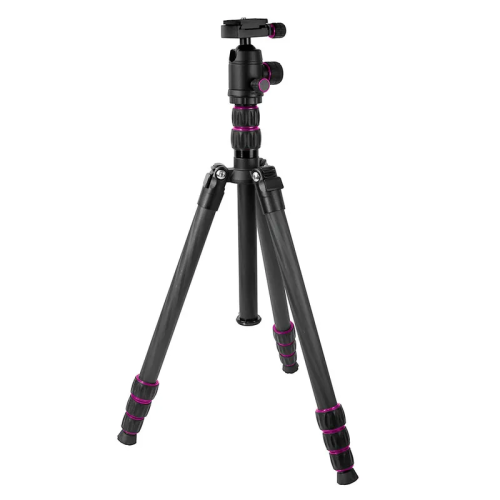
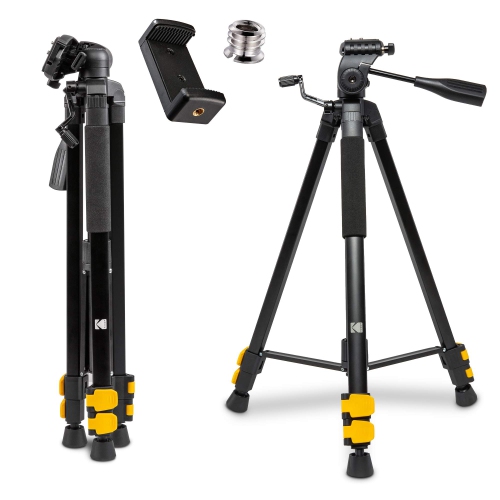
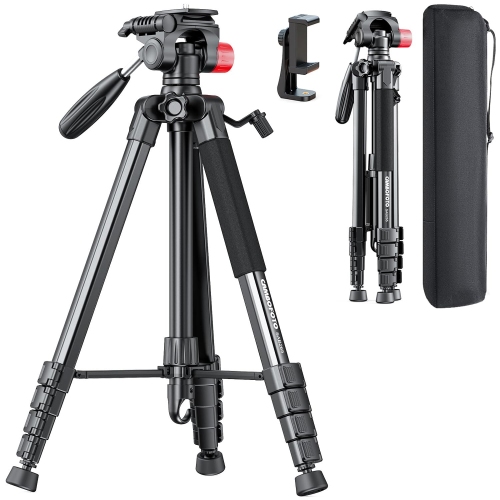
Lightweight tripods for hiking balance carrying weight, folded size, stability, and load capacity, giving a camera a steady base without making every kilometre feel harder. Their appeal becomes clear at a lookout, beside a waterfall, or along a trail where an interesting composition deserves more than a quick handheld shot. A tripod supports longer exposures, carefully framed landscapes, and group photos that include the person carrying the camera. For hiking, the most useful design is not necessarily the lightest one; it is one that fits comfortably with the rest of the kit and holds the intended camera and lens securely. Packed length matters alongside weight, particularly when a tripod needs to fit inside a daypack or sit in a side pocket beneath compression straps. Check the folded dimensions with the head attached, since the complete setup can occupy more space than the legs alone suggest. A narrow folded profile is easier to carry through close brush, while a secure attachment helps prevent the tripod from shifting against other gear. Carbon fibre and aluminium are common materials, with different strengths for trail use. Carbon fibre can offer good stiffness at a low weight, while aluminium can provide a sturdy, practical construction for regular outings. Material alone does not determine stability: leg diameter, joint design, and the quality of the locks also matter. More leg sections can produce a shorter packed length, but they introduce additional joints and often thinner lower sections. Fewer sections may be quicker to extend, though the folded tripod can be longer. Working height deserves similar attention. A comfortable viewfinder position can reduce bending during an extended stop, but a taller tripod generally needs more substantial legs to remain steady. For hikers who compose using a tilting screen or regularly photograph from a seated position, a shorter setup may be a comfortable compromise.
Stability depends on how the whole camera support system works together, not simply the load capacity printed beside it. The combined weight of the camera body, lens, head, mounting plate, and attached accessories needs to remain within the relevant ratings for both the legs and the head. A longer lens also places its weight farther from the mounting point, so balance and resistance to movement matter even when the total load appears modest. Extending a centre column raises the camera conveniently, but it can introduce more movement than keeping the camera close to the top of the legs. Independently adjustable leg angles help establish a level platform on sloping ground or uneven rock, and a low minimum height opens up compositions close to flowers, textured stone, or a winding trail. Leg locks should be easy to operate and clearly secured before the camera is mounted. Twist locks offer a streamlined shape, while lever locks make their open or closed position easy to see; comfort with either style is more important than choosing by appearance alone. Rubber feet provide contact on many hard surfaces, while other foot designs have more specialized uses and should suit the places where the tripod will be set down. The head affects everyday handling just as much as the legs. A ball head allows quick adjustments for still photography, while a pan-and-tilt design provides separate control over different movements. Smooth, controlled panning is especially relevant for video. Quick-release plates make it easier to move between handheld and tripod shooting, but their fit is not universal. The plate, clamp, camera mounting thread, and any adapters all need to work together securely. A plate should also leave essential controls and compartment doors accessible where possible. For slow exposures or closely framed detail shots, a self-timer or remote shutter release can reduce movement caused by pressing the shutter button. These small handling details often have more influence on a successful photograph than an extra increment of maximum height.
A hiking photography kit works best when the tripod suits both the camera and the way its owner likes to travel. Someone walking a short trail to photograph a familiar viewpoint may prefer a taller support with straightforward controls, while a photographer covering longer distances may place greater value on compact folding and a lower carrying weight. Pairing suitable support with a lightweight camera for hiking can make the complete kit easier to manage, but a smaller camera still needs a secure mount and a stable platform. A smartphone requires a compatible holder rather than direct attachment to a camera screw, and a heavier lens may need its own mounting support when the lens design provides one. For self-portraits or group pictures, the camera should be positioned on firm ground before anyone moves into the frame, with enough space around the legs to avoid accidental knocks. Close-up photography benefits from low-angle leg positions and precise adjustments, while repeated landscape compositions favour controls that lock firmly without shifting the frame. Durability also depends on what happens between outings. Dust and grit around leg joints can interfere with smooth operation, so wipe down the tripod after use and follow the manufacturer's directions before taking sections or locks apart. A soft brush can help remove loose debris from accessible areas; abrasive cleaners and unapproved lubricants can damage finishes or affect grip. Check mounting screws, feet, locks, and plates periodically, especially after a bump or a rough carry. Cracks, bent sections, or slipping locks deserve attention before the tripod supports a camera again. Store it clean and dry, and keep detachable plates or adapters somewhere easy to find. As a gift for a hiker who enjoys photography, a lightweight tripod is most useful when its carrying size, mounting compatibility, and working height match the recipient's existing gear and favourite ways to shoot.
Top selling and popular products
-
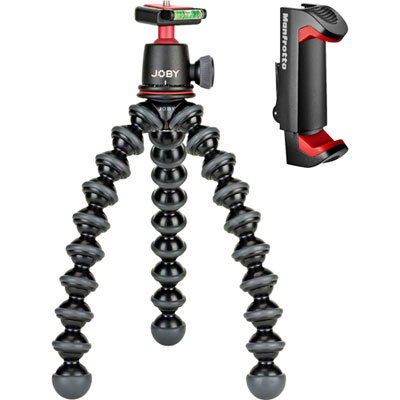 Your price for this item is $144.99
-
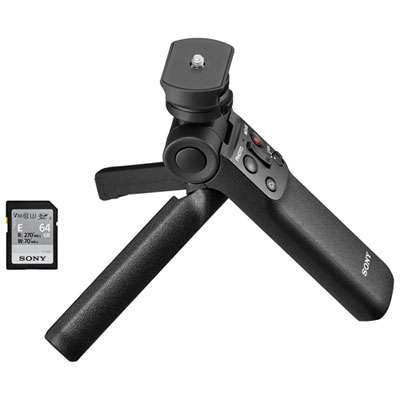 Your price for this item is $199.97
-
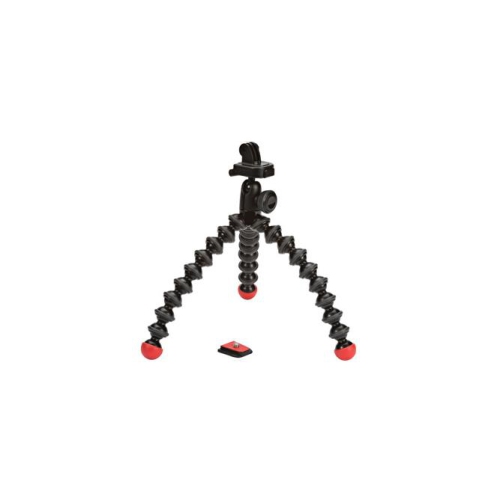 Your price for this item is $126.91
-
 Your price for this item is $139.99
-
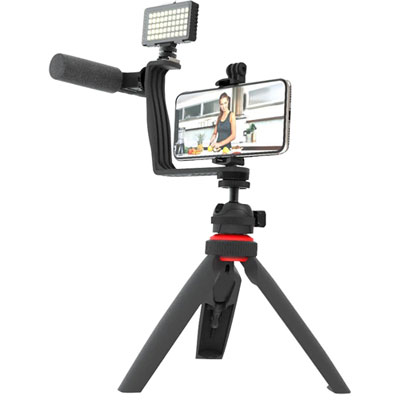 Your price for this item is $69.99
-
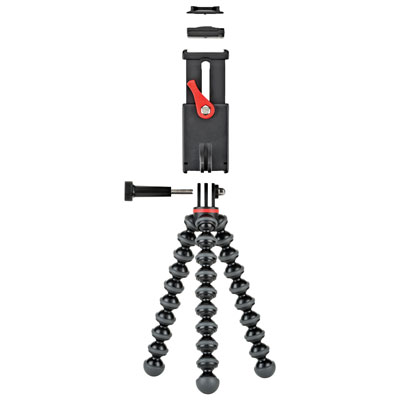 Your price for this item is $78.97
-
 Your price for this item is $259.99
-
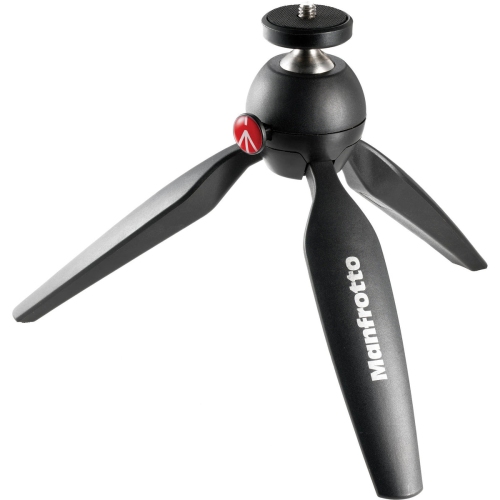 Your price for this item is $83.53
Discover more categories related to Lightweight Tripods for Hiking
Top Collections:
Best Black Friday Deals This Year, Best Black Friday Deals On Electronics, Kindle Devices, Pokemon Centers, Best Black Friday Deals On Apple Products, Best Cameras for Sports Photography, Dyson Airwrap, Pokémon 30th Celebration Cards, Apple iPhone 17 Pro, Canon G7X Cameras
Some products may be subject to Environmental Handling Fees
(EHF) depending on your province.
Learn more about EHFs.