Home Theater Cabinets
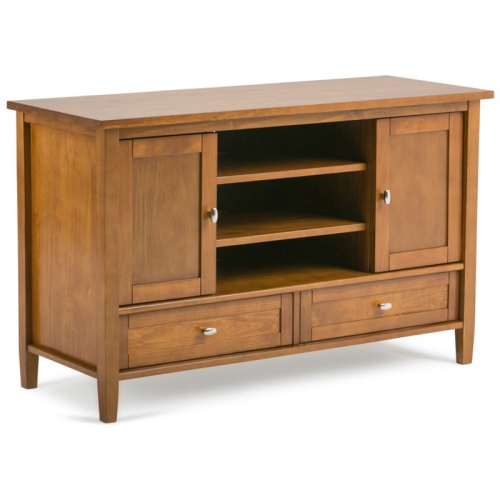
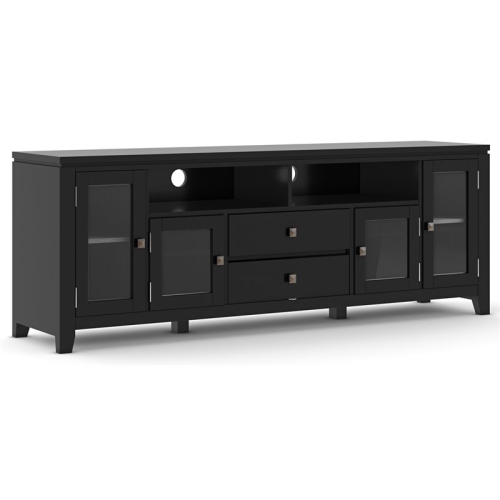
A cabinet is a piece of furniture that provides storage and protection for your home theater components. It also serves as a focal point for the room, so you want to make sure it's stylish and fits in with the rest of the decor. Here are some of our favorite home theater cabinets.
Sort
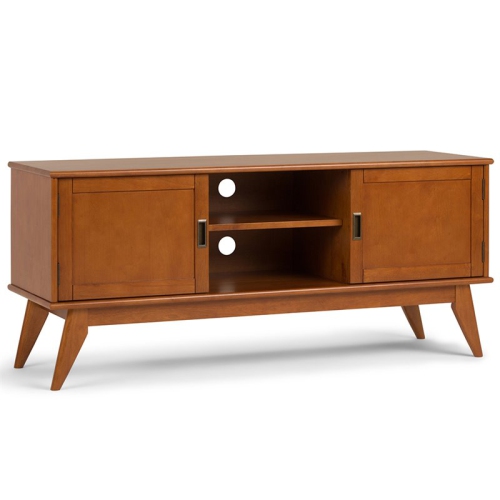
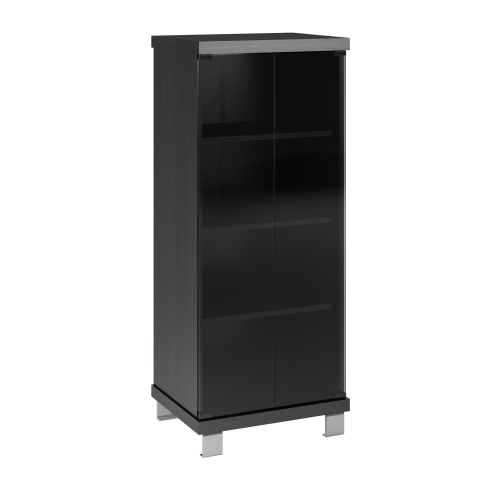
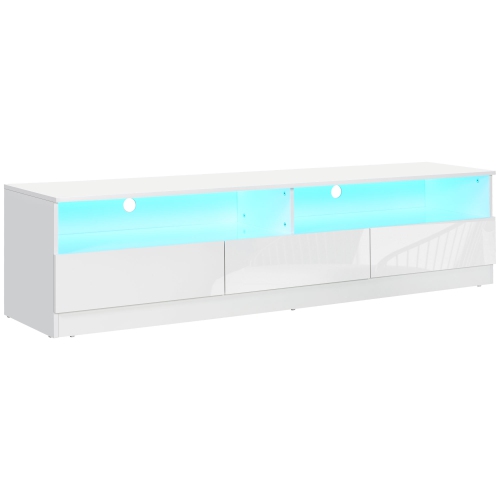
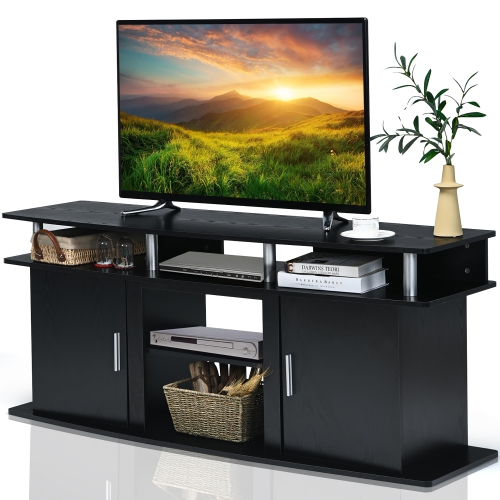
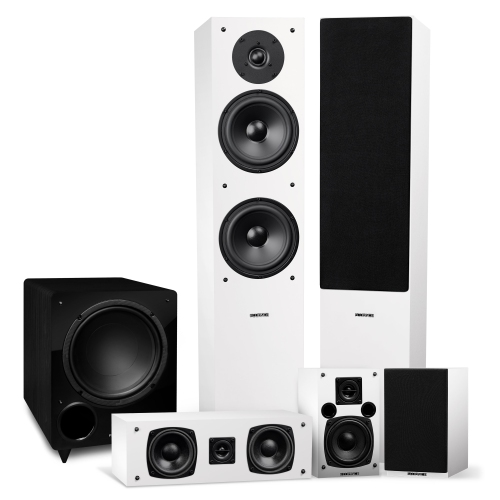
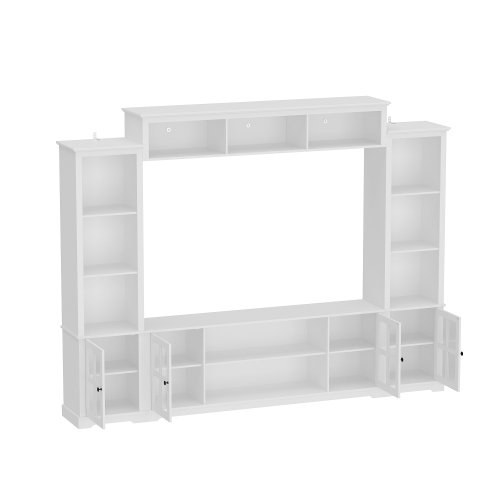
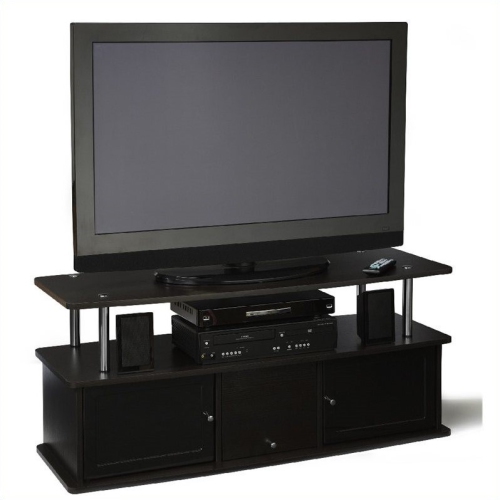
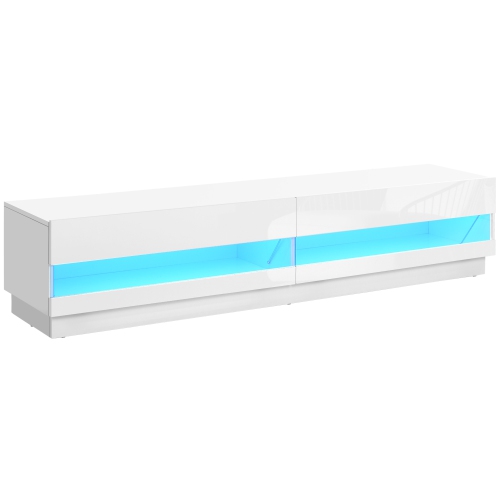
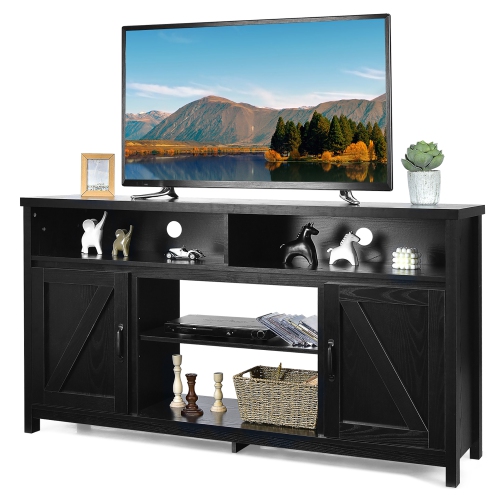
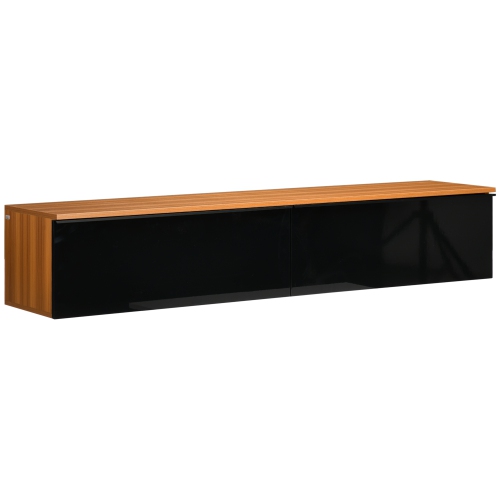
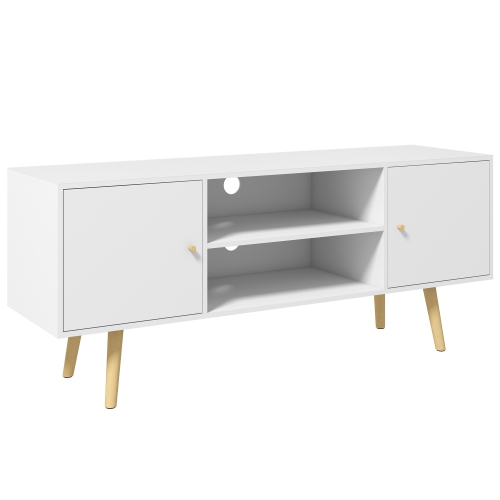
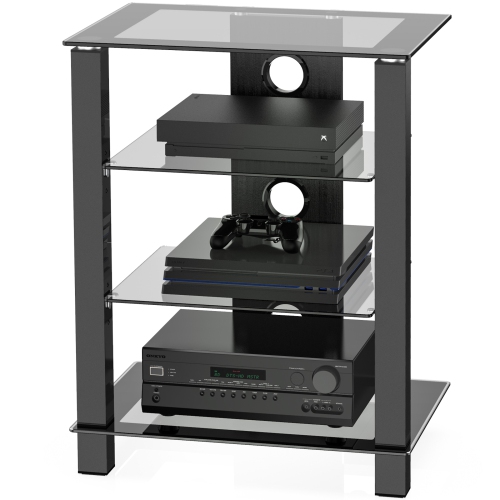
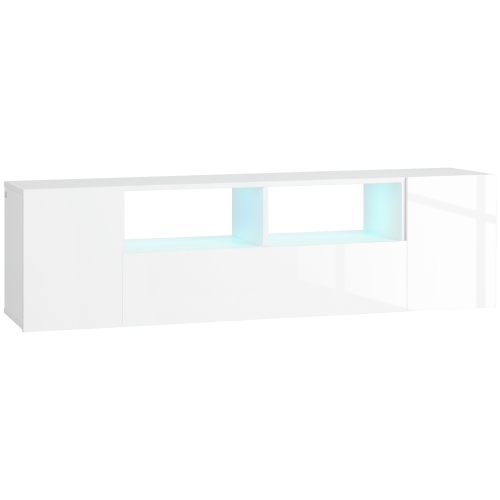
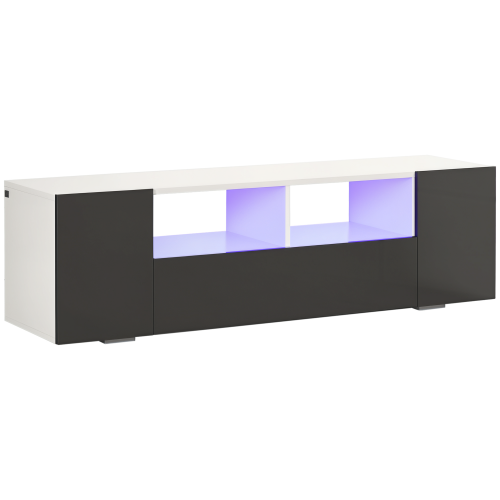
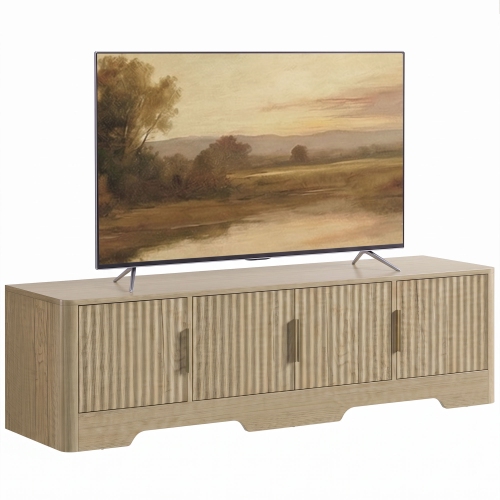
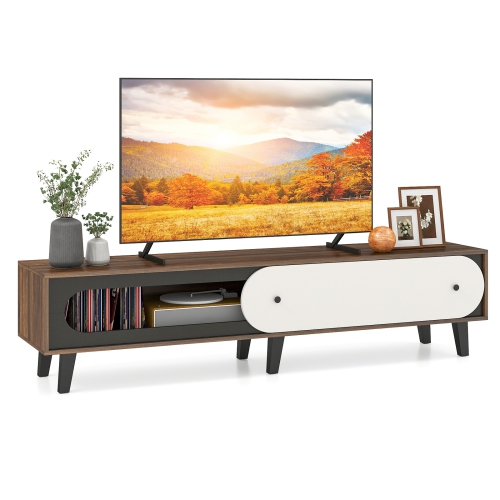
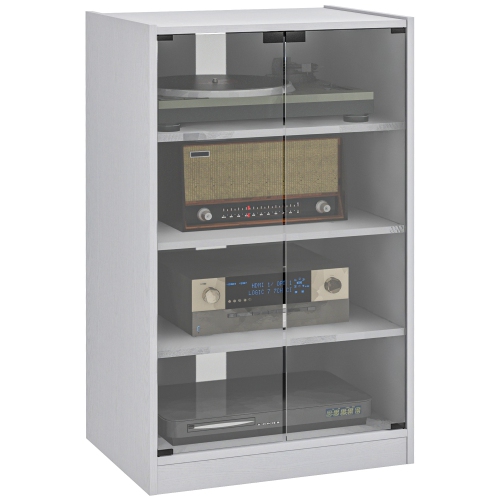
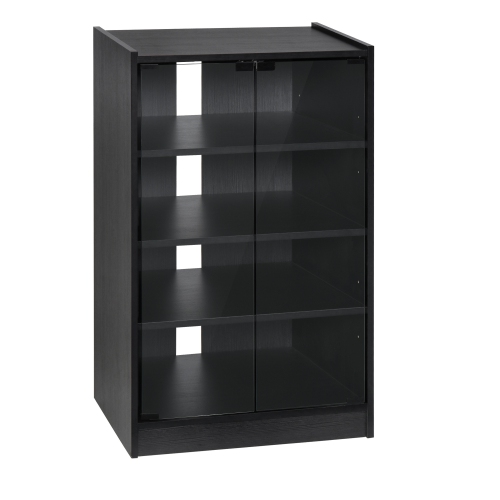
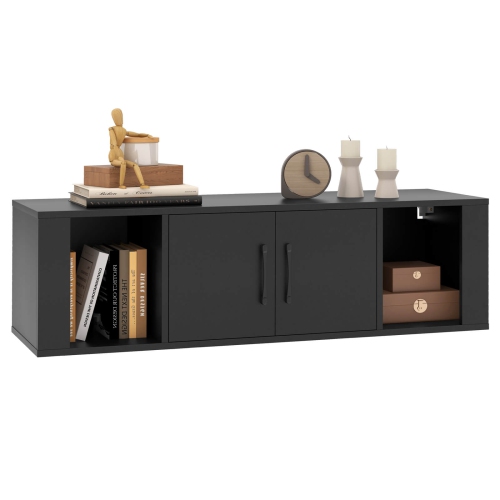
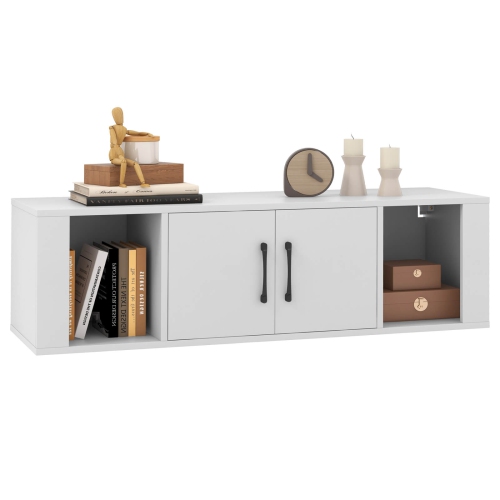
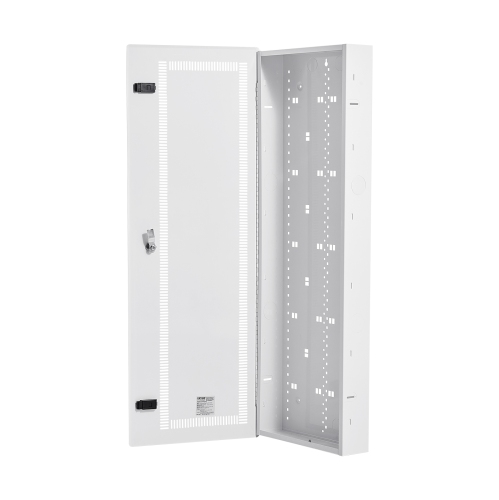
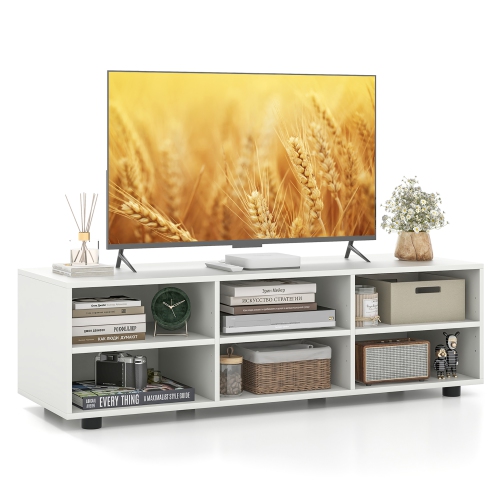
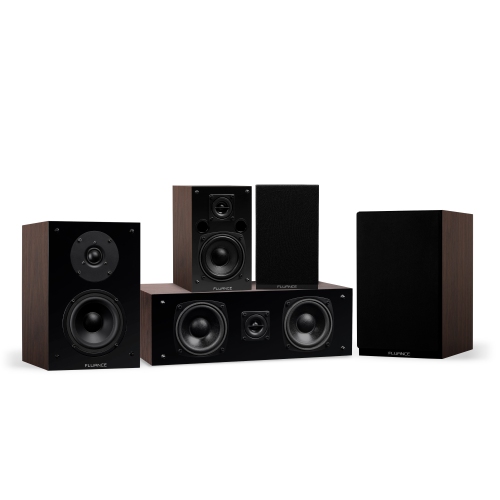
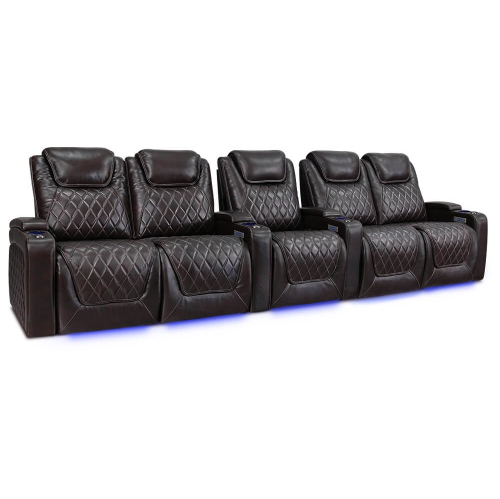
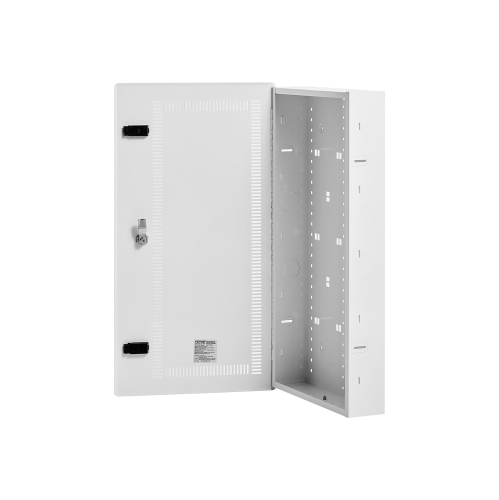
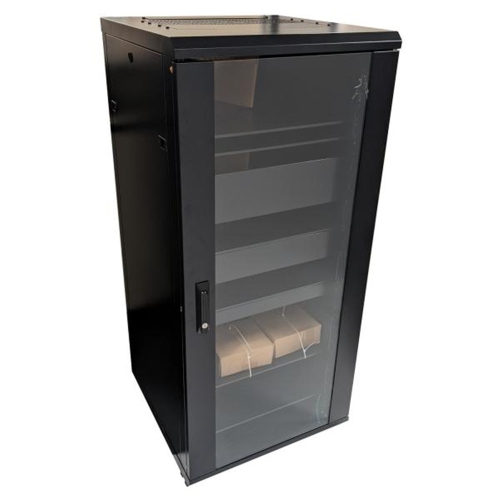
Thoughtful storage supports equipment, airflow, and a tidier room
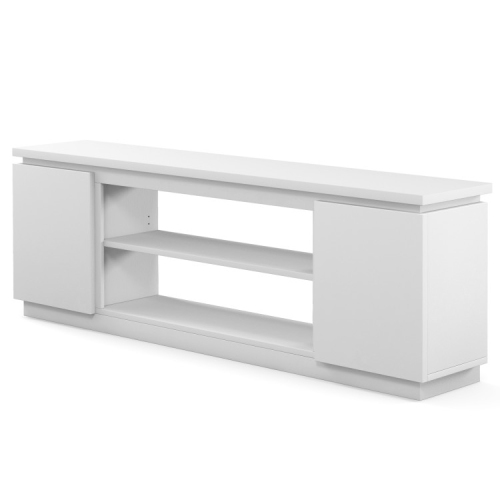
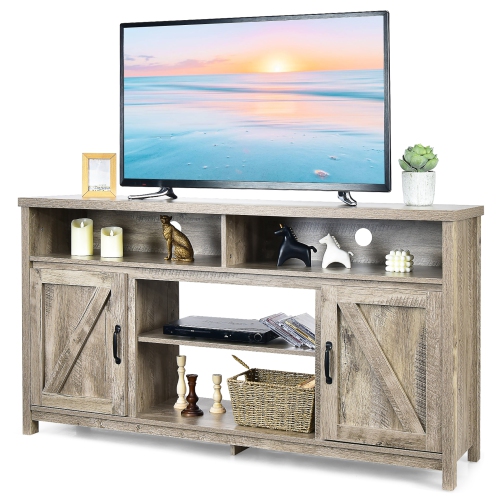
Home theatre cabinets bring structure and polish to the equipment that makes movie nights, gaming sessions, sports broadcasts, and streaming marathons more enjoyable. A well-chosen cabinet can support a television or projection setup while giving receivers, game consoles, media players, sound components, remotes, and accessories a designated place to live. The right piece also helps a room feel less cluttered: instead of a cluster of electronics and tangled cords beneath the screen, everything can be arranged behind doors or within open compartments for a cleaner, more considered appearance. Browse Entertainment Cabinets to compare storage-focused furniture in a variety of sizes and styles. When choosing among home theatre cabinets, begin with the equipment you already own and the components you may add later. Measure the width of the television or projection screen, then look for a cabinet that is at least as wide to create balanced proportions and a stable foundation. A cabinet that is noticeably narrower than the display can look top-heavy, while one that extends beyond the screen often provides useful space for speakers, décor, or accessories. Also measure the available wall or floor area, including the distance between the cabinet and nearby furniture, doorways, windows, or heating vents. Low-profile media credenzas can work particularly well beneath large displays, while taller storage cabinets may be useful in rooms where vertical space matters more than floor width. The cabinet’s height is worth considering too: the centre of a television should generally sit near eye level from the main seating position, reducing the need to tilt your head upward during a long film.
Depth is one of the most important details for home theatre storage, especially when a cabinet will hold an AV receiver or other full-sized components. Many standard receivers need approximately 15 to 16 inches of interior depth, and extra room is needed behind the unit for power cords, HDMI cables, speaker connections, ventilation, and easy access when equipment needs to be adjusted. A cabinet that appears deep enough from the outside may offer less usable space inside because of doors, rear panels, shelves, or cable channels, so check the interior dimensions rather than relying on the overall measurement alone. Give each component room to breathe and avoid pressing equipment tightly against the back of the cabinet. Electronics generate heat during use, and enclosed spaces can allow that warmth to build up over time. Look for practical ventilation features such as slatted doors, perforated panels, open-back sections, airflow channels, or integrated cooling fans. These details are especially valuable for systems used for several hours at a time, such as during a playoff game, a family gaming tournament, or a late-night movie. Adjustable shelves can make it easier to accommodate a receiver, console, soundbar, disc player, or compact streaming device, while sturdy construction helps the cabinet remain steady when doors are opened or equipment is connected. Cable management is equally useful. Rear cutouts, removable panels, and organized routing spaces can keep thick cables from bunching behind the unit and make it easier to identify connections later. Anyone who has moved a cabinet only to find a maze of cords knows how much time these features can save. If the setup includes a centre speaker, confirm that the cabinet has an open shelf or a door design that will not block sound. For ultra-short-throw projectors, a low cabinet with a pull-out or retractable platform may provide a convenient surface while preserving the clean lines of the room.
Home theatre cabinets suit a wide range of households, from first-time entertainment setup owners to experienced enthusiasts building a dedicated viewing room. They can be a practical choice for apartment living, where one piece of furniture may need to combine display support, equipment storage, and everyday organization. In a family room, doors or drawers can help keep remotes, controllers, headphones, and spare cables together rather than scattered across coffee tables and sofa cushions. In a more formal living area, a cabinet with concealed storage can help technology blend with existing furniture while keeping the screen as the visual focus. Extended media units are useful for wide televisions, multiple speakers, and several source components, while compact cabinets may suit bedrooms, dens, guest rooms, or smaller condos. These cabinets can also make thoughtful gifts for someone moving into a new home, setting up a first apartment, creating a gaming area, or upgrading a shared family room. A gift recipient may appreciate the cabinet itself, but the real benefit is the easier routine it creates: controllers return to one drawer, headphones have a reliable place, and cables stay accessible without being on display. As the weather warms or the cooler months encourage more time indoors, a comfortable entertainment space can become a natural gathering place for film nights, streaming, gaming, and catching up with friends. Before making a selection, compare the cabinet’s dimensions with the television, receiver, speakers, projector, and room layout; confirm the weight capacity; check shelf spacing and door clearance; and consider whether the finish complements the surrounding furniture. Taking a few careful measurements before ordering can prevent surprises on delivery day and help ensure that the finished setup feels intentional, comfortable, and ready for everyday use.
Depth is one of the most important details for home theatre storage, especially when a cabinet will hold an AV receiver or other full-sized components. Many standard receivers need approximately 15 to 16 inches of interior depth, and extra room is needed behind the unit for power cords, HDMI cables, speaker connections, ventilation, and easy access when equipment needs to be adjusted. A cabinet that appears deep enough from the outside may offer less usable space inside because of doors, rear panels, shelves, or cable channels, so check the interior dimensions rather than relying on the overall measurement alone. Give each component room to breathe and avoid pressing equipment tightly against the back of the cabinet. Electronics generate heat during use, and enclosed spaces can allow that warmth to build up over time. Look for practical ventilation features such as slatted doors, perforated panels, open-back sections, airflow channels, or integrated cooling fans. These details are especially valuable for systems used for several hours at a time, such as during a playoff game, a family gaming tournament, or a late-night movie. Adjustable shelves can make it easier to accommodate a receiver, console, soundbar, disc player, or compact streaming device, while sturdy construction helps the cabinet remain steady when doors are opened or equipment is connected. Cable management is equally useful. Rear cutouts, removable panels, and organized routing spaces can keep thick cables from bunching behind the unit and make it easier to identify connections later. Anyone who has moved a cabinet only to find a maze of cords knows how much time these features can save. If the setup includes a centre speaker, confirm that the cabinet has an open shelf or a door design that will not block sound. For ultra-short-throw projectors, a low cabinet with a pull-out or retractable platform may provide a convenient surface while preserving the clean lines of the room.
Home theatre cabinets suit a wide range of households, from first-time entertainment setup owners to experienced enthusiasts building a dedicated viewing room. They can be a practical choice for apartment living, where one piece of furniture may need to combine display support, equipment storage, and everyday organization. In a family room, doors or drawers can help keep remotes, controllers, headphones, and spare cables together rather than scattered across coffee tables and sofa cushions. In a more formal living area, a cabinet with concealed storage can help technology blend with existing furniture while keeping the screen as the visual focus. Extended media units are useful for wide televisions, multiple speakers, and several source components, while compact cabinets may suit bedrooms, dens, guest rooms, or smaller condos. These cabinets can also make thoughtful gifts for someone moving into a new home, setting up a first apartment, creating a gaming area, or upgrading a shared family room. A gift recipient may appreciate the cabinet itself, but the real benefit is the easier routine it creates: controllers return to one drawer, headphones have a reliable place, and cables stay accessible without being on display. As the weather warms or the cooler months encourage more time indoors, a comfortable entertainment space can become a natural gathering place for film nights, streaming, gaming, and catching up with friends. Before making a selection, compare the cabinet’s dimensions with the television, receiver, speakers, projector, and room layout; confirm the weight capacity; check shelf spacing and door clearance; and consider whether the finish complements the surrounding furniture. Taking a few careful measurements before ordering can prevent surprises on delivery day and help ensure that the finished setup feels intentional, comfortable, and ready for everyday use.
Top selling and popular products
-
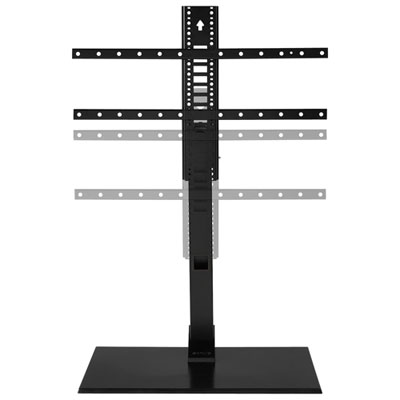 Your price for this item is $249.99
 -
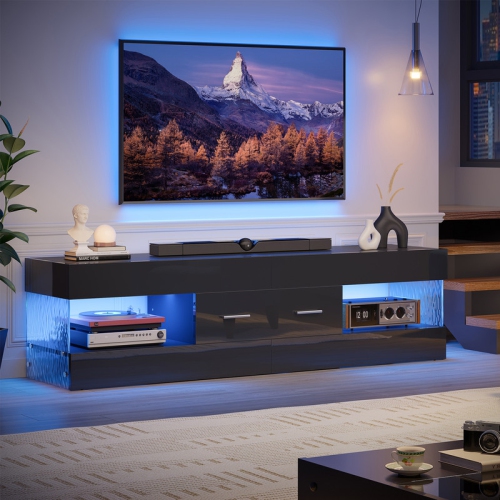 Your price for this item is $179.99
 -
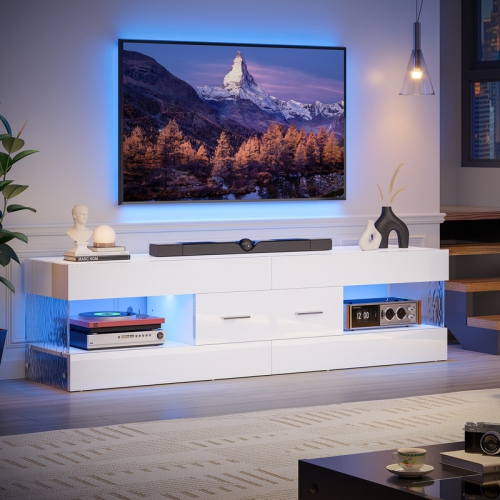 Your price for this item is $149.99
 -
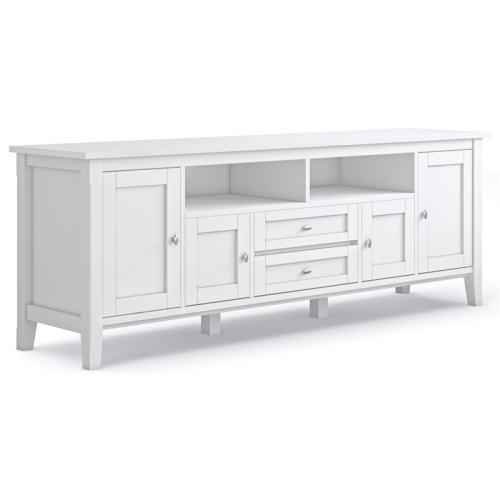 Your price for this item is $1522.15
 -
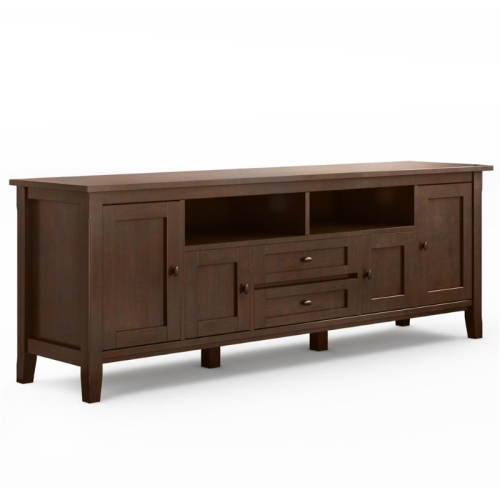 Your price for this item is $1535.26
 -
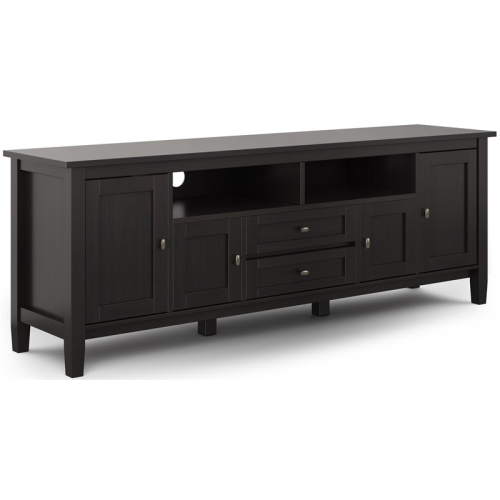 Your price for this item is $1505.85
 -
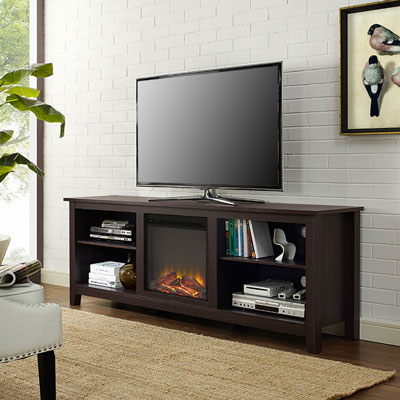 Your price for this item is $689.99
 -
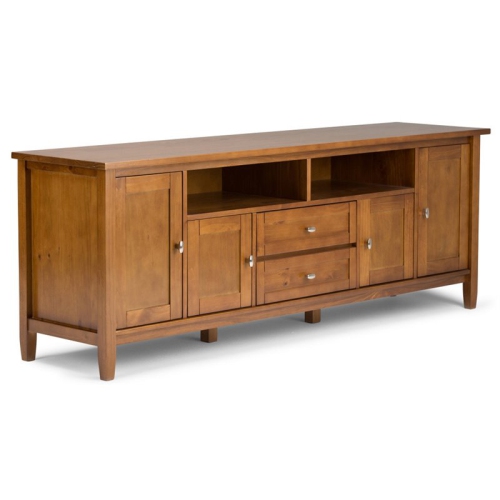 Your price for this item is $1522.01
Discover more categories related to Home Theater Cabinets

Top Collections:
Pokemon Centers, Kindle Devices, Best Budget Office Chairs, Apple iPhones 16, Best Laptops for Writers, iPhone 15 Apple, Canon G7X Cameras, Refurbished Apple Laptops, Alarm Clock, Motorola Razr Phones
Some products may be subject to Environmental Handling Fees
(EHF) depending on your province.
Learn more about EHFs.