Power Conditioners
Power conditioners are essential accessories for ensuring the optimal performance and protection of your valuable electronic equipment. By regulating voltage levels, filtering out noise, and providing surge protection, power conditioners help to maintain a stable and clean power supply to your devices. Whether you are a home theater enthusiast, a musician with sensitive audio equipment, or a tech-savvy individual looking to safeguard your electronics, investing in a quality power conditioner can make a significant difference in the longevity and functionality of your devices. Explore our selection of power conditioners to find the perfect solution for your needs.
Sort



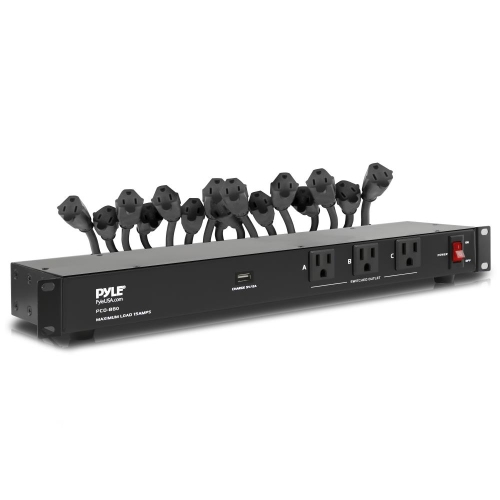
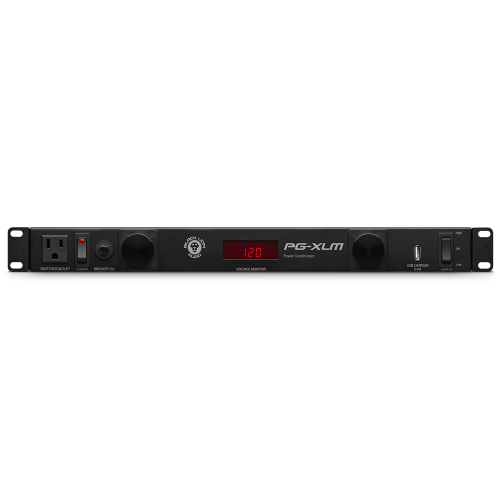
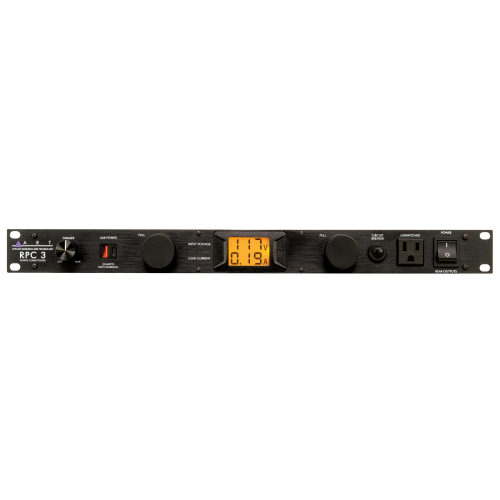
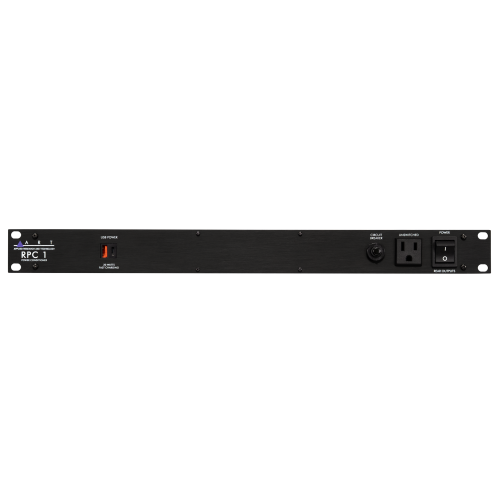











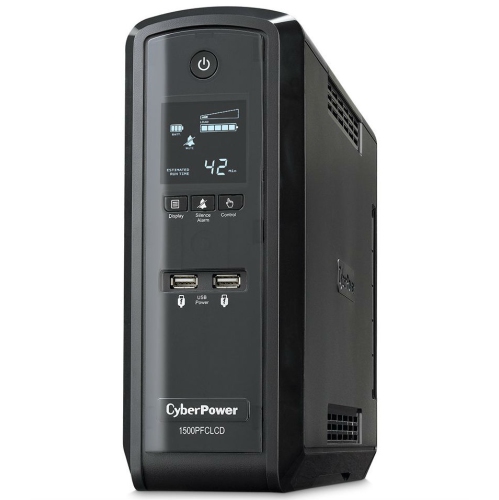

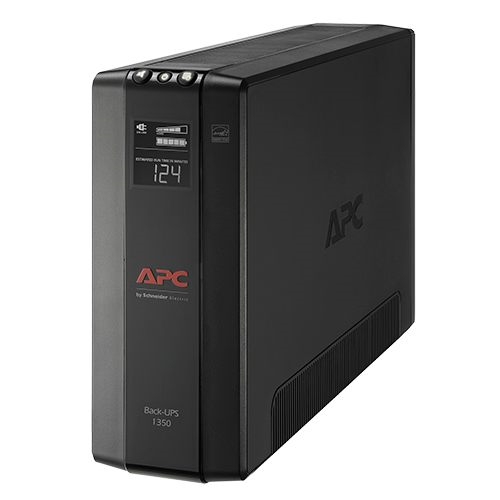
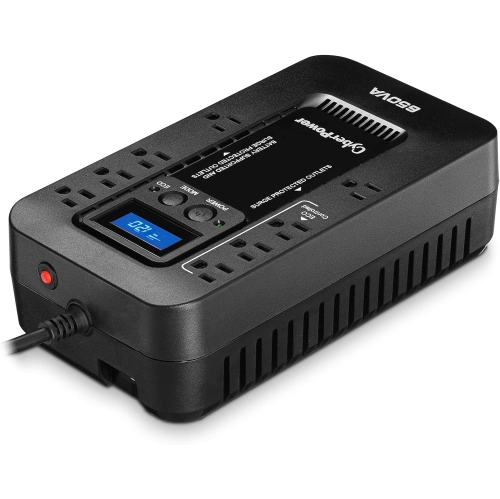

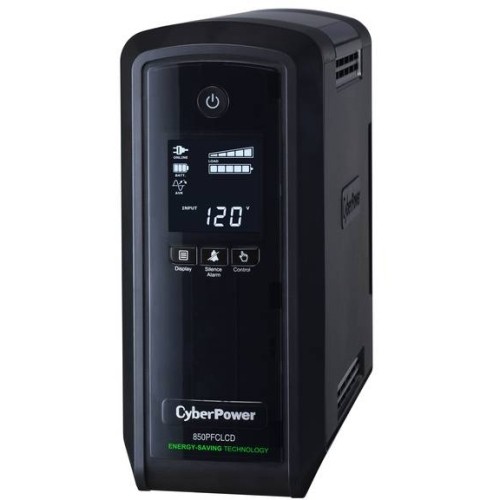




Why noise filtering and voltage regulation aren’t interchangeable
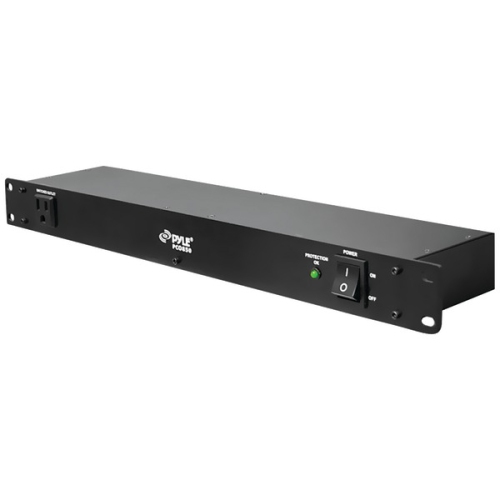
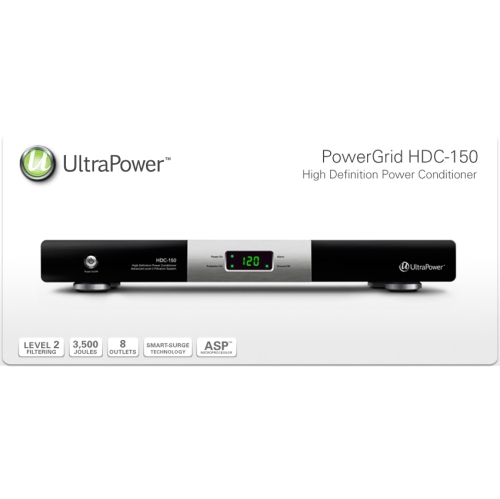
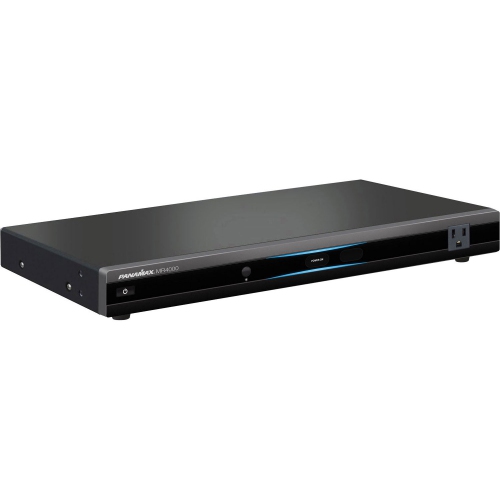
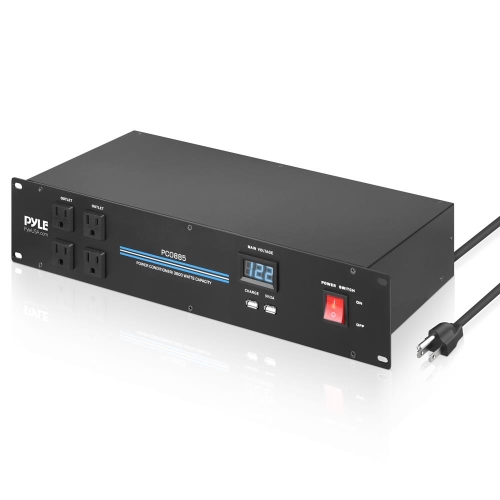
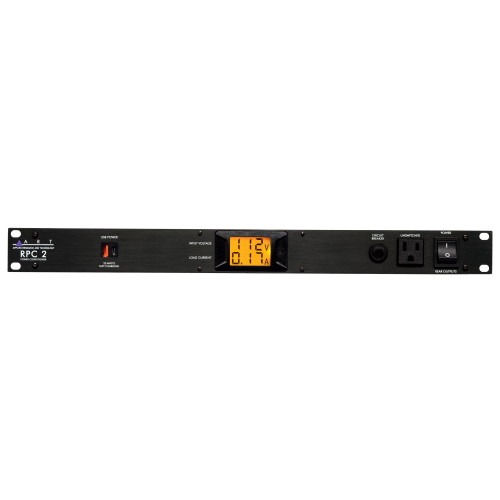
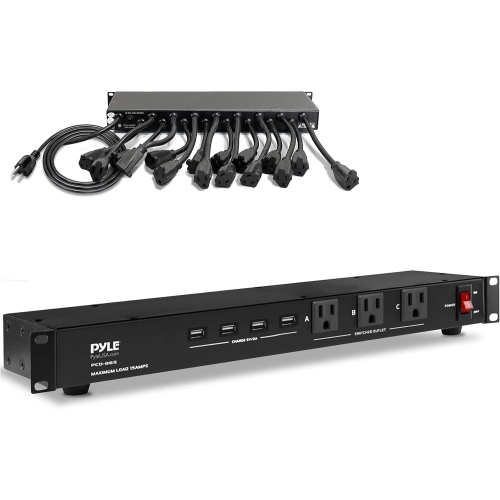
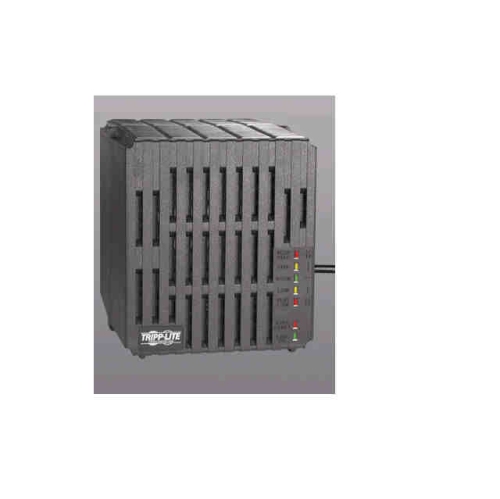
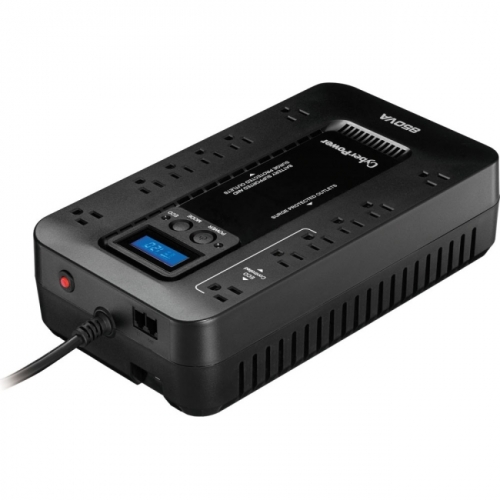
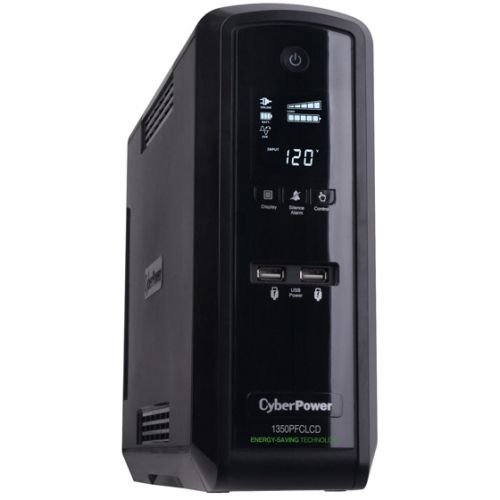
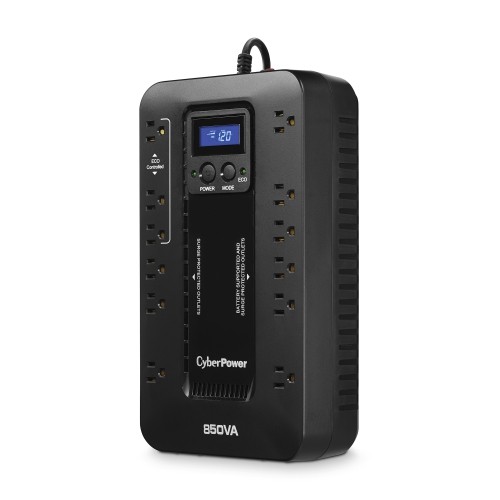
Power conditioners distribute electricity to connected equipment while helping reduce certain disturbances in the incoming supply. Depending on their design, they may combine electrical noise filtering, surge protection, voltage monitoring, and voltage regulation in a single unit. Those features are not interchangeable, and not every power conditioner includes all of them. Many models primarily provide multiple protected outlets and filtering for electromagnetic interference, or EMI, and radio frequency interference, or RFI. Others add automatic voltage regulation to help maintain output within a specified range when the incoming voltage rises or falls. This distinction matters for home theatres, music studios, gaming setups, and other spaces where several sensitive components share a power source. An amplifier, display, audio interface, and media player may sit together neatly, yet each has its own electrical requirements. A suitable power conditioner brings their connections together and adds the protections described in its specifications. Electrical noise can originate from sources such as dimmer switches, motors, and nearby appliances, sometimes travelling through power lines into connected equipment. Filtering may help when that interference is responsible for audible noise, but it cannot resolve every buzz, hum, or performance issue. Ground loops, damaged cables, poor signal routing, and faults in household wiring require different solutions. Likewise, a power conditioner should not be expected to make every speaker sound clearer or every screen look sharper; the benefit depends on the power disturbance, the equipment, and the filtering provided. For a home studio with a faint buzz that appears when a lamp is dimmed, identifying the source is more useful than assuming any conditioner will remove it. For a home theatre cabinet, the practical appeal may be organized power distribution with clearly labelled outlets and accessible status indicators. Understanding these everyday uses helps distinguish a power conditioner from a basic outlet expansion accessory and keeps expectations grounded in what the device is designed to do.
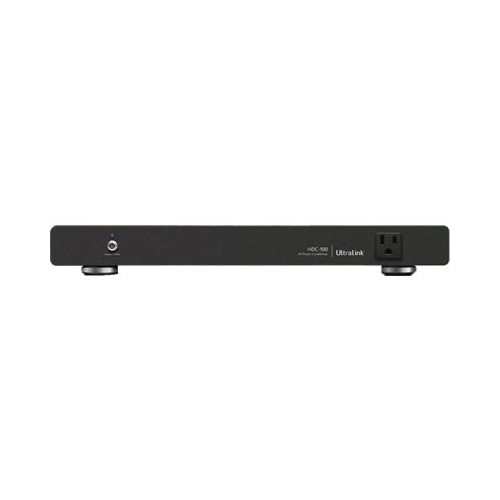
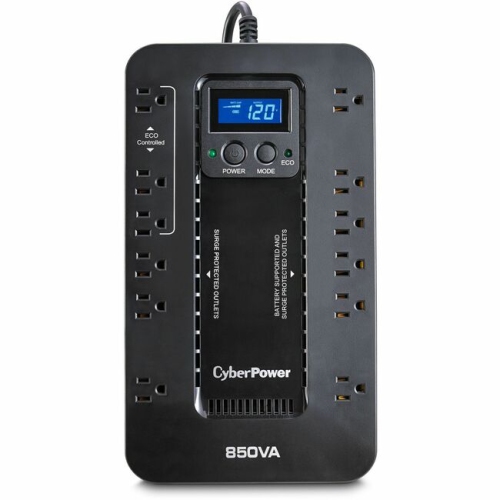
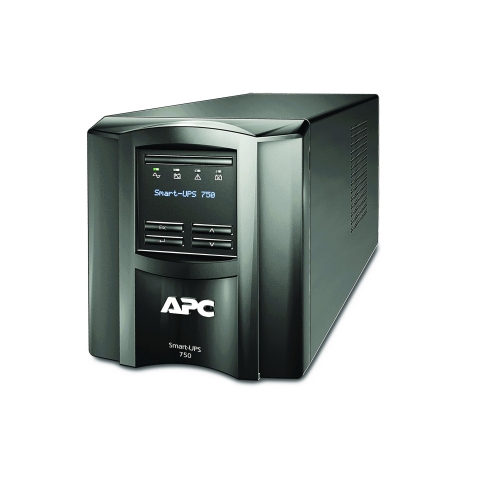
The most useful features depend on the equipment being connected and the conditions in which it operates. Surge protection helps limit brief voltage transients, while noise filtering targets unwanted high-frequency interference; neither automatically means that a unit can correct sustained low voltage. Where minor voltage fluctuations are a concern, look for an explicitly stated voltage regulation function and its supported input range. A power conditioner is also different from an uninterruptible power supply, or UPS. Unless battery backup is specifically included, it will not keep a computer running or preserve an unsaved recording during an outage. For straightforward outlet expansion, Power Strips serve a related purpose, though surge protection and filtering still depend on the individual design. Connection capacity deserves as much attention as protective features. The number of outlets is only part of the picture: widely spaced sockets can accommodate bulky adapters, while a front-facing outlet can make temporary connections easier without reaching behind a cabinet. Total connected load must stay within the conditioner's electrical rating and the limits of the wall circuit. Equipment with high startup demand, including some amplifiers, may need particular attention to manufacturer compatibility guidance. Household heating appliances and other heavy loads should not be added simply because an outlet is free. For Canadian homes and workspaces, compatibility with the local supply, grounded receptacles, and electrical safety certification recognized in Canada are important considerations. A power conditioner should connect directly to an appropriate wall outlet rather than being linked through another strip or extension arrangement contrary to its instructions. No plug-in device offers absolute protection against every surge, particularly a direct lightning strike. Persistent flickering, hot outlets, damaged receptacles, or repeated breaker trips call for assessment by a qualified electrician, not an additional accessory. Voltage displays and protection indicators can provide useful information, but they do not replace an inspection or establish that the building's wiring is sound.
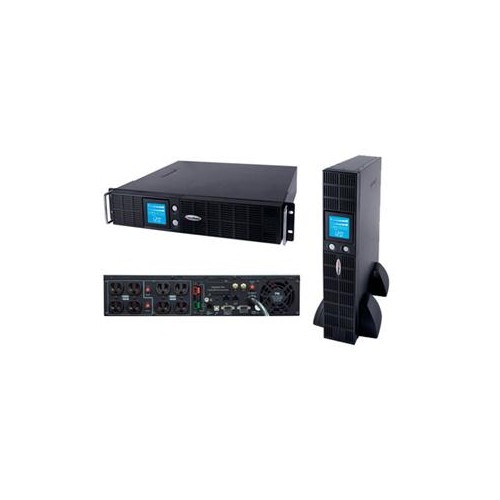
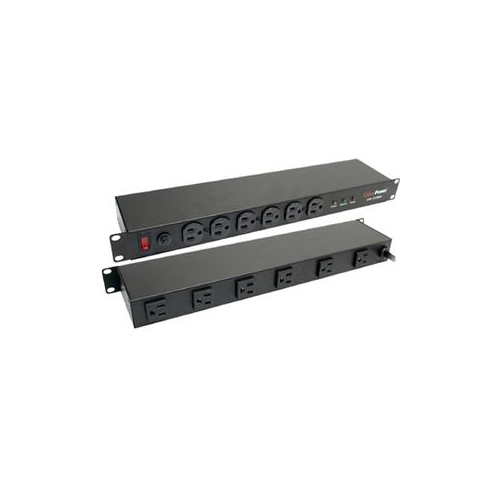
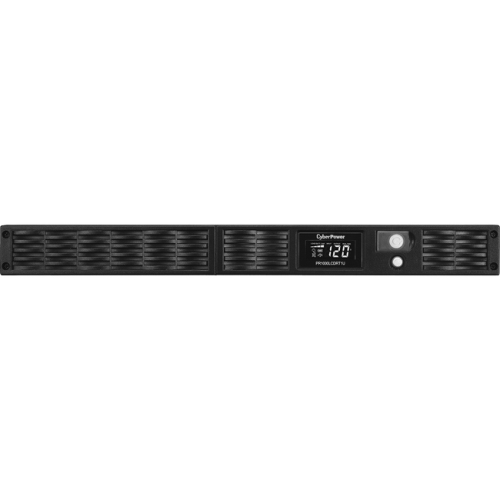
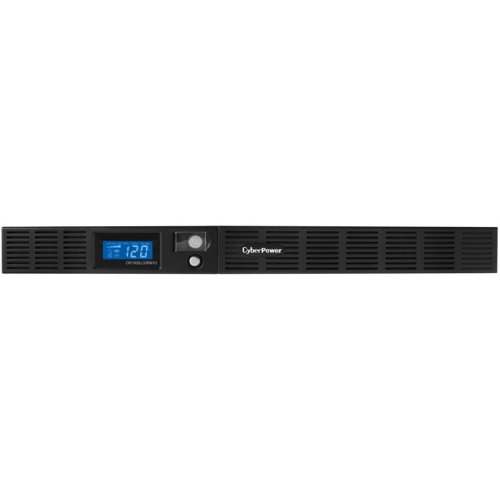
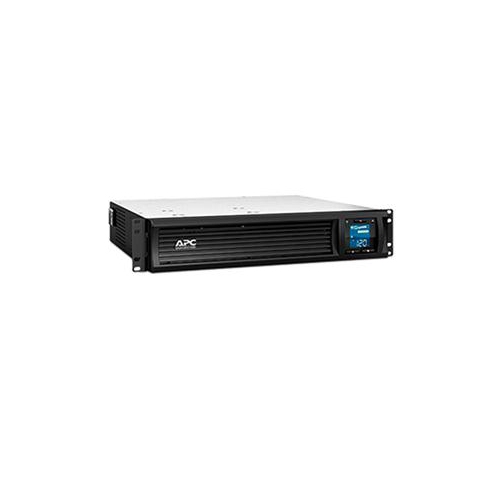
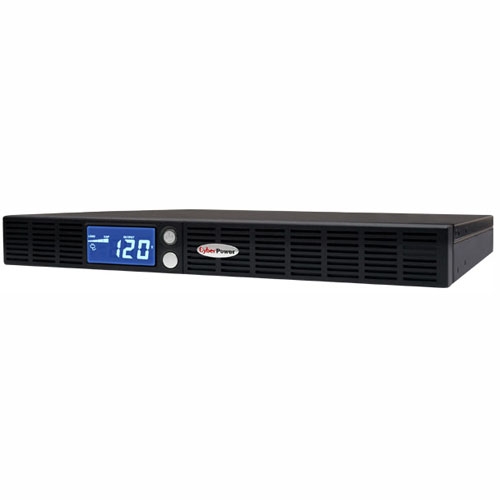
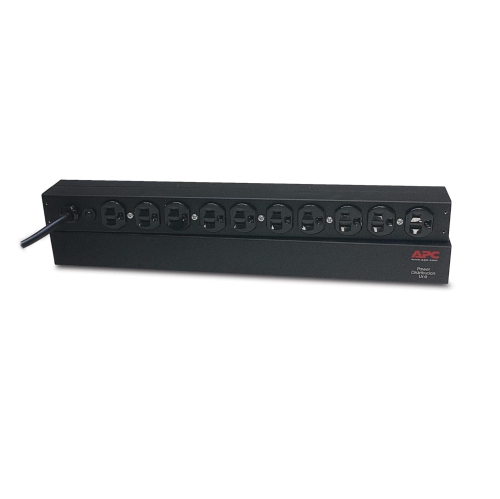
Physical design makes a substantial difference once a power conditioner becomes part of a room or equipment rack. Rack-mount power conditioners suit studio desks, installed audio systems, and home theatre racks, where matching the rack width, mounting depth, and available vertical space helps prevent awkward installation. A slim front panel can keep switches and meters within reach while rear outlets gather power connections behind the equipment. Desktop and floor-standing formats may fit better beside a workstation or inside an open media unit, provided their placement follows the manufacturer's ventilation requirements. Check the enclosure dimensions with connected plugs in mind: a unit that fits on a shelf by itself may need considerably more clearance once thick cords and large adapters are attached. Metal housings are common in rack-oriented designs and can offer useful rigidity around mounting points, while lighter enclosures may be more convenient for stationary desktop use. Durability also depends on secure sockets, a well-supported cord entry, firmly attached mounting hardware, and switches positioned to avoid accidental operation. In a shared entertainment space, a clearly visible master switch can simplify shutdown; in a recording setup, a guarded switch may help prevent an unexpected interruption. Some designs offer sequenced switching, which can support an appropriate startup and shutdown order for compatible audio systems, but this is a separate feature rather than a standard capability. Keep power cords organized without pinching them beneath furniture, and allow enough slack to move equipment for routine access. Separating signal cables from power cables where practical can also help with interference troubleshooting. Care is generally straightforward: keep the unit dry, leave ventilation openings clear, and follow the manufacturer's instructions for disconnecting and cleaning the exterior. Inspect cords and plugs periodically, and pay attention to indicators that show whether protective functions remain active. Surge-protection components can wear out after repeated events, so a unit that still supplies power may no longer provide its original protection. For musicians, film enthusiasts, and anyone maintaining a carefully arranged electronics setup, the right fit is less about adding another box and more about giving connected equipment suitable power distribution, accessible connections, and clearly defined protection.
Top selling and popular products
-
 Your price for this item is $117
-
 Your price for this item is $149.99
-
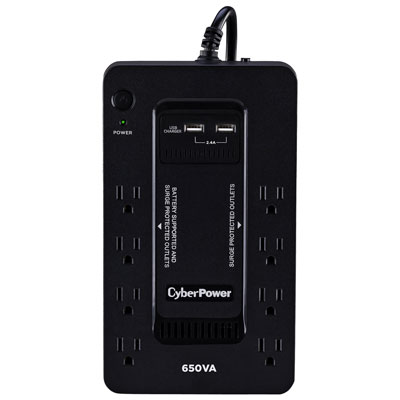 Your price for this item is $99.99
-
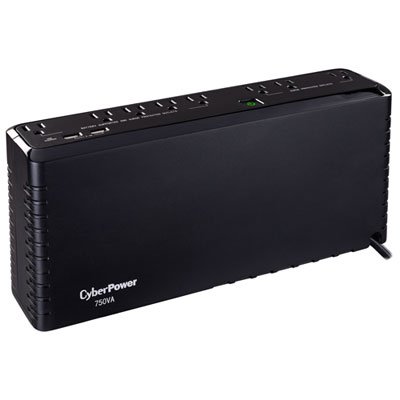 Your price for this item is $99.99
-
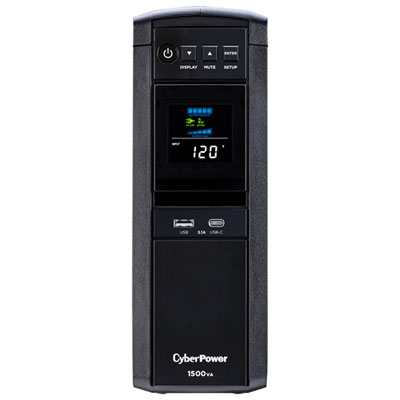 Your price for this item is $229.99
-
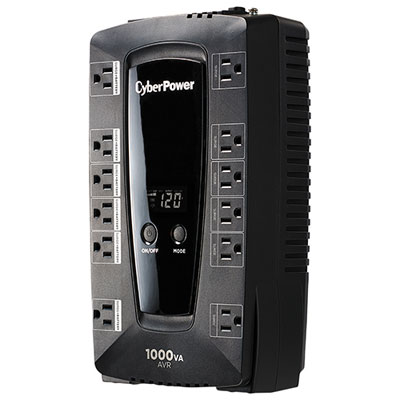 Your price for this item is $149.99
-
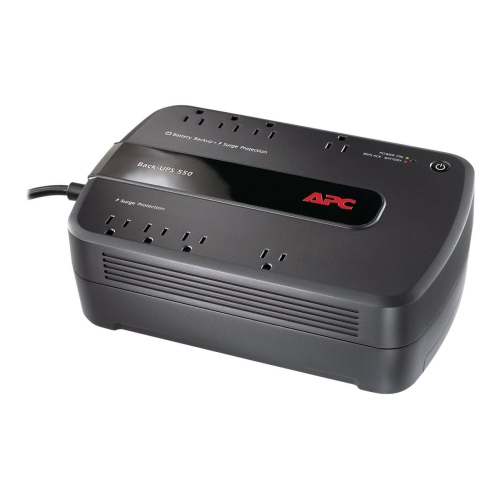 Your price for this item is $170.69
-
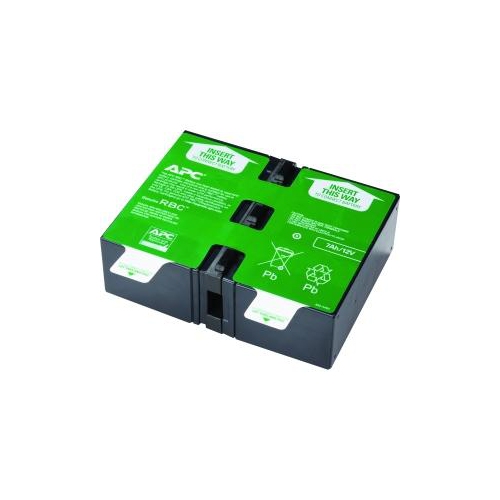 Your price for this item is $172.68
Discover more categories related to Power Conditioners


Top Collections:
Pokemon Centers, Best Cameras for Sports Photography, Kindle Devices, Samsung Galaxy Phones, Canon G7X Cameras, Pokémon 30th Celebration Cards, Refurbished Apple Laptops, iPhone 15 Apple, Laptops for Students, Budget Smartphones
Some products may be subject to Environmental Handling Fees
(EHF) depending on your province.
Learn more about EHFs.