Video Transmitters
Unlock the full potential of your audio-visual setup with cutting-edge video transmitters. Designed to deliver seamless streaming and crystal-clear connections, these devices are essential for both professional and personal use. Whether you're setting up a home theater, enhancing your gaming experience, or equipping a conference room, video transmitters offer the flexibility and reliability you need. Explore options that cater to a variety of needs and environments, ensuring you can transmit high-quality video signals effortlessly. Dive into a world where connectivity meets innovation and elevate your viewing experience like never before.
Sort
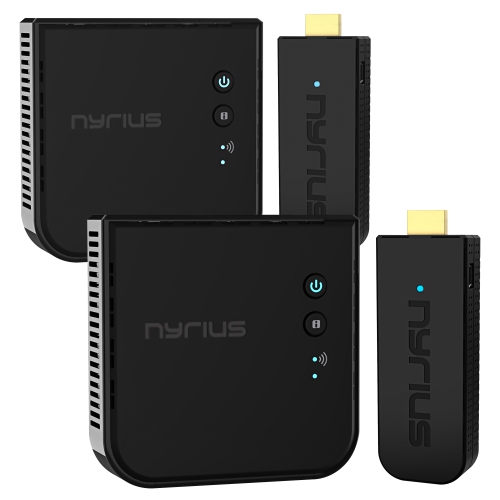
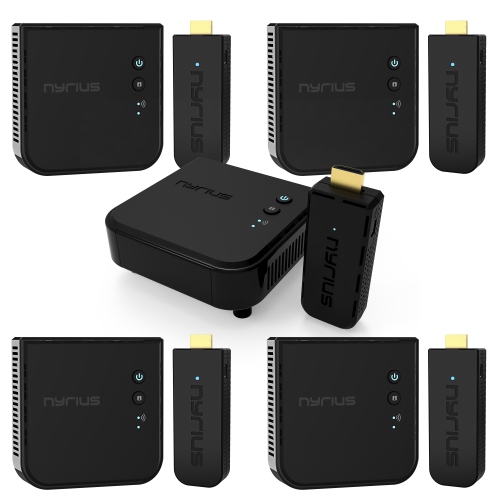
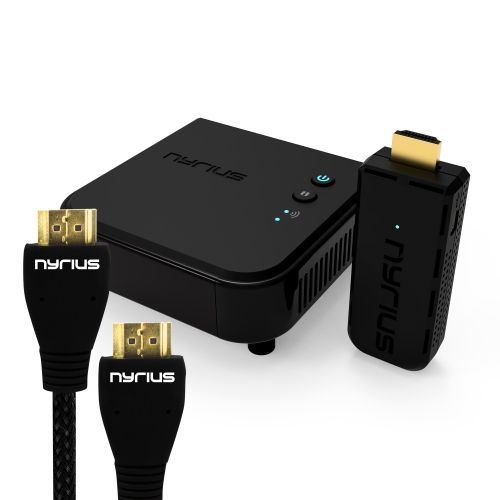
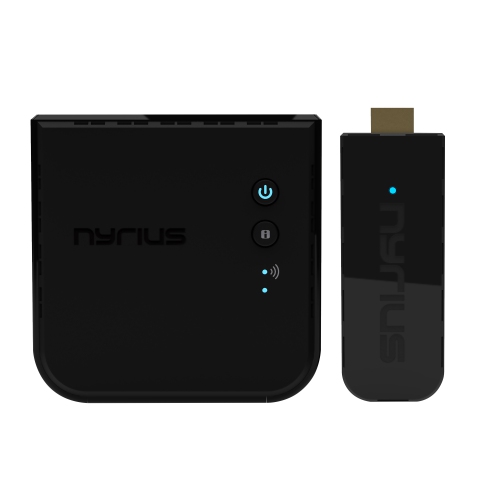
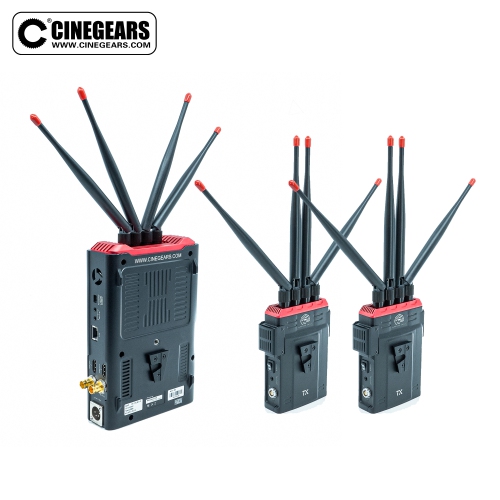
Understand wireless range, latency, compatibility, and power needs
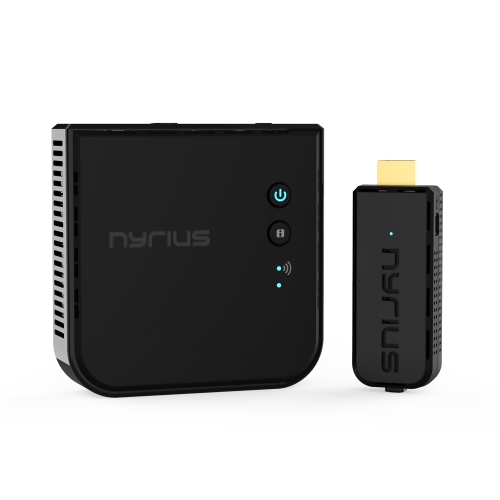
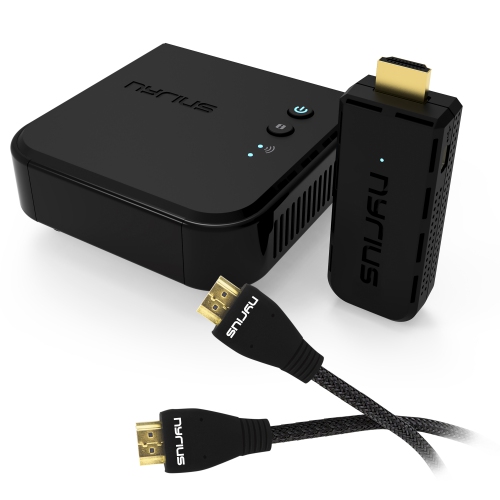
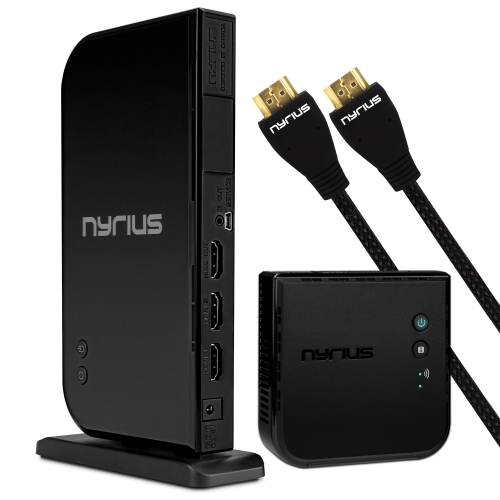
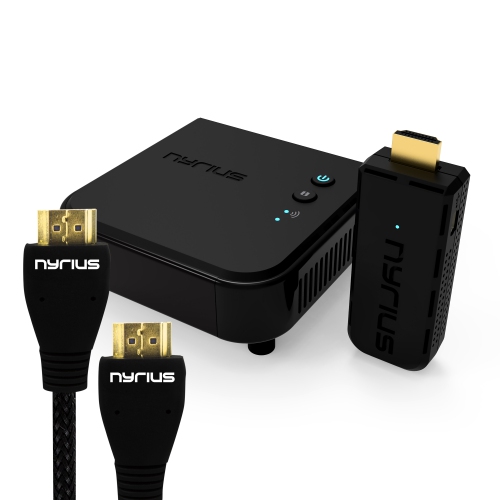
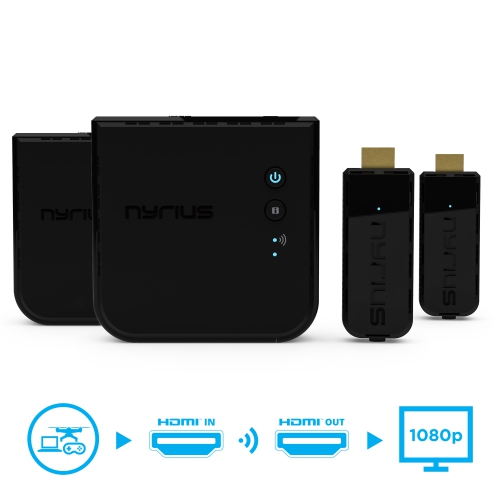
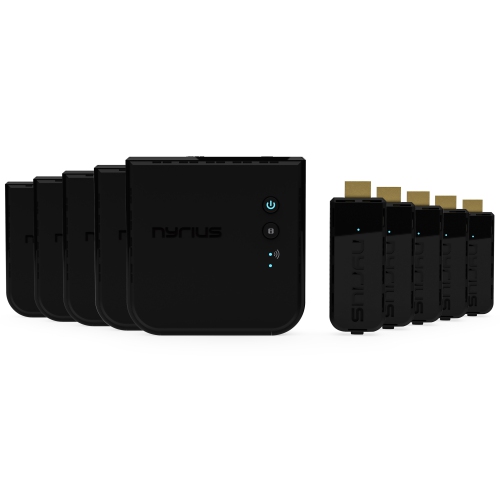
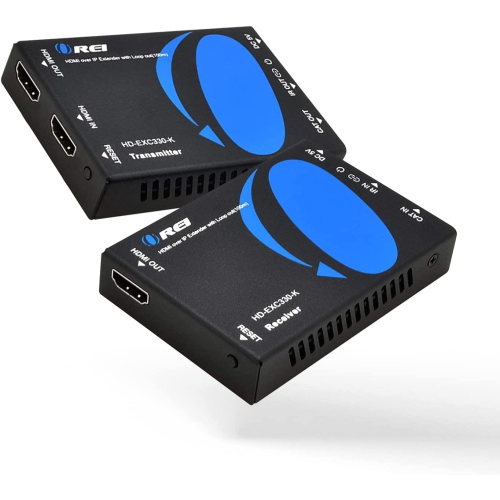
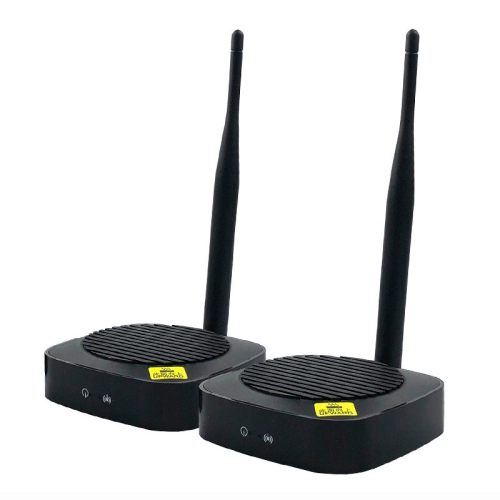
Video transmitters send video and audio wirelessly from a source device to a compatible display, monitor, recorder, mobile device, or receiving unit. They are useful whenever a cable would be inconvenient, too short, or likely to get in the way. A camera operator can send a live feed to a director’s monitor while moving around a set, a presenter can share content with a screen without running a long cable across a room, and a livestreamer can monitor a camera feed from a more comfortable position. Wireless video transmitters are also popular with videographers, filmmakers, event crews, educators, content creators, and anyone building a flexible home theatre or presentation setup. Most systems connect to a source through HDMI, while professional video equipment may use SDI connections. Some compact options send a feed to a dedicated receiver, while app-based systems can deliver video to a compatible phone or tablet over Wi-Fi. When browsing video transmitters, start by checking the inputs and outputs on every device in the setup. A transmitter with the wrong connector will not solve a connection problem without an appropriate adapter, and adapters may affect compatibility, resolution, or audio support. It is also important to confirm whether the listing includes both a transmitter and receiver or is intended to work with a receiver purchased separately. For related products designed around HDMI connections, HDMI Transmitters can help narrow the search.
Performance depends on more than the advertised wireless range. Line-of-sight distance is a useful starting point, but walls, floors, furniture, metal structures, and other wireless equipment can reduce the practical range. A system rated for a long distance in an open space may perform differently in a busy venue, a multi-room home, or an outdoor location with obstructions. Consider where the transmitter and receiver will be placed, whether people will move between them, and how much flexibility is needed for repositioning cameras or displays. Latency is another key specification. Latency is the delay between an image being captured and appearing on the receiving screen. A small delay may be perfectly acceptable for showing a presentation, previewing a recording, or monitoring a general scene. Very low latency is more important for pulling focus, following live action, operating a camera remotely, or making precise adjustments while recording. Resolution and frame-rate support should match the source and display as well. Many video transmitters support Full HD, while some support 4K signals or pass-through features that let the original source remain connected to a local display. Check whether the system supports the required refresh rate, HDR format, colour settings, and audio channels, particularly when connecting a modern camera, gaming system, computer, or projector. Compatibility details can vary between transmitters, receivers, cameras, monitors, and televisions, so reviewing the complete signal path before buying helps prevent unexpected limitations.
Power and portability can shape the everyday experience as much as image quality. Compact video transmitters may draw power through USB-C, while other models use a DC barrel connection or a camera battery plate. USB-C power can be convenient for desks, mobile carts, and travel kits, but confirm the required wattage and whether a power adapter is included. Battery-powered systems are useful for filming on location, covering an event, or monitoring a camera away from an outlet; however, battery life can change with resolution, wireless distance, connected accessories, and temperature. A secure mounting point can also make a difference. Cold shoes, threaded mounts, and compact housings allow a transmitter to sit neatly on a camera rig, tripod, monitor, or production cart instead of hanging from a cable. For a home setup, look for simple pairing, clear status indicators, stable performance, and a receiver that can be placed close to the television or projector. For production work, features such as multi-channel selection, encryption, multiple receivers, reliable reconnecting, and support for crowded wireless environments may be more valuable. These products can make thoughtful gifts for someone who enjoys filmmaking, photography, livestreaming, online teaching, or building a home studio, especially when the recipient already has a compatible camera or display. During the warmer months, a wireless feed can make outdoor shoots and gatherings easier to organize; during the cooler months, it can help keep a camera operator or presenter away from a crowded equipment area while maintaining a clear view of the action. Before choosing, compare connector type, supported resolution, latency, range, power method, mounting options, and included components so the video transmitter fits the way it will actually be used.
Performance depends on more than the advertised wireless range. Line-of-sight distance is a useful starting point, but walls, floors, furniture, metal structures, and other wireless equipment can reduce the practical range. A system rated for a long distance in an open space may perform differently in a busy venue, a multi-room home, or an outdoor location with obstructions. Consider where the transmitter and receiver will be placed, whether people will move between them, and how much flexibility is needed for repositioning cameras or displays. Latency is another key specification. Latency is the delay between an image being captured and appearing on the receiving screen. A small delay may be perfectly acceptable for showing a presentation, previewing a recording, or monitoring a general scene. Very low latency is more important for pulling focus, following live action, operating a camera remotely, or making precise adjustments while recording. Resolution and frame-rate support should match the source and display as well. Many video transmitters support Full HD, while some support 4K signals or pass-through features that let the original source remain connected to a local display. Check whether the system supports the required refresh rate, HDR format, colour settings, and audio channels, particularly when connecting a modern camera, gaming system, computer, or projector. Compatibility details can vary between transmitters, receivers, cameras, monitors, and televisions, so reviewing the complete signal path before buying helps prevent unexpected limitations.
Power and portability can shape the everyday experience as much as image quality. Compact video transmitters may draw power through USB-C, while other models use a DC barrel connection or a camera battery plate. USB-C power can be convenient for desks, mobile carts, and travel kits, but confirm the required wattage and whether a power adapter is included. Battery-powered systems are useful for filming on location, covering an event, or monitoring a camera away from an outlet; however, battery life can change with resolution, wireless distance, connected accessories, and temperature. A secure mounting point can also make a difference. Cold shoes, threaded mounts, and compact housings allow a transmitter to sit neatly on a camera rig, tripod, monitor, or production cart instead of hanging from a cable. For a home setup, look for simple pairing, clear status indicators, stable performance, and a receiver that can be placed close to the television or projector. For production work, features such as multi-channel selection, encryption, multiple receivers, reliable reconnecting, and support for crowded wireless environments may be more valuable. These products can make thoughtful gifts for someone who enjoys filmmaking, photography, livestreaming, online teaching, or building a home studio, especially when the recipient already has a compatible camera or display. During the warmer months, a wireless feed can make outdoor shoots and gatherings easier to organize; during the cooler months, it can help keep a camera operator or presenter away from a crowded equipment area while maintaining a clear view of the action. Before choosing, compare connector type, supported resolution, latency, range, power method, mounting options, and included components so the video transmitter fits the way it will actually be used.
Top selling and popular products
-
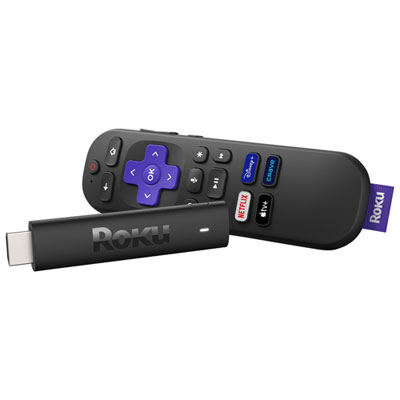 Your price for this item is $69.99
 -
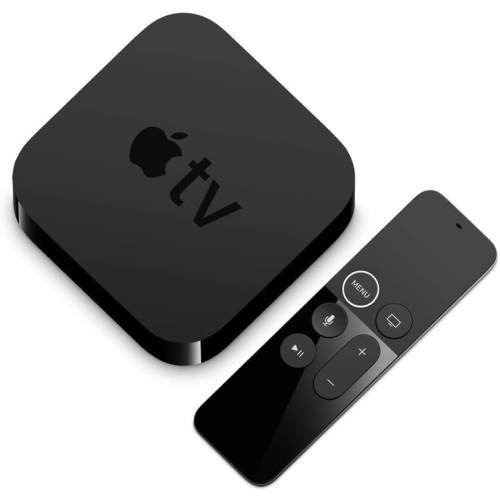 Your price for this item is $144.99
 -
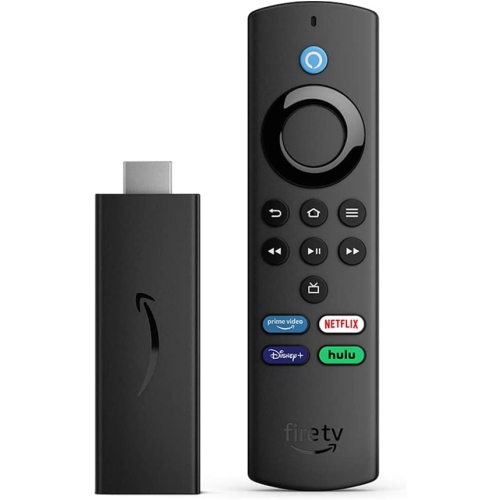 Your price for this item is $39.97
 -
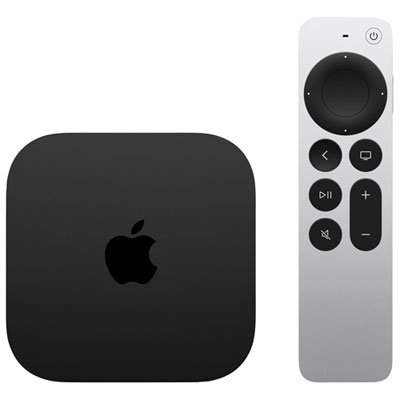 Your price for this item is $349.99
 -
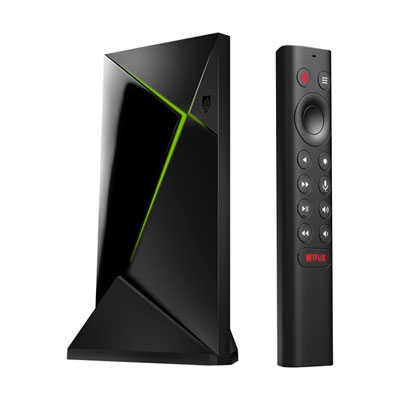 Your price for this item is $259.99
 -
 Your price for this item is $39.99
 -
 Your price for this item is $98.85
 -
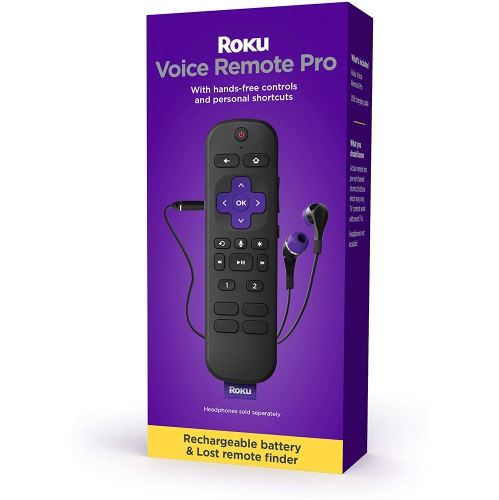 Your price for this item is $110
Discover more categories related to Video Transmitters
Top Collections:
Best Laptops for Video Editing, Pokemon Centers, Samsung Z Fold, Kindle Devices, Best Cell Phones Under $300, Best Laptop Computers for Students, iPhone 15 Apple, Best Cell Phones Under $500, Alarm Clock, Canon G7X Cameras
Some products may be subject to Environmental Handling Fees
(EHF) depending on your province.
Learn more about EHFs.