Quiet Robot Vacuums
If you're looking for a vacuum that's quiet, easy to use, and can clean your home without making too much of a scene, consider these robot vacuums. These appliances are designed to clean your floors for you without making too much noise. Here are some excellent quiet robot vacuum cleaner options.
Sort
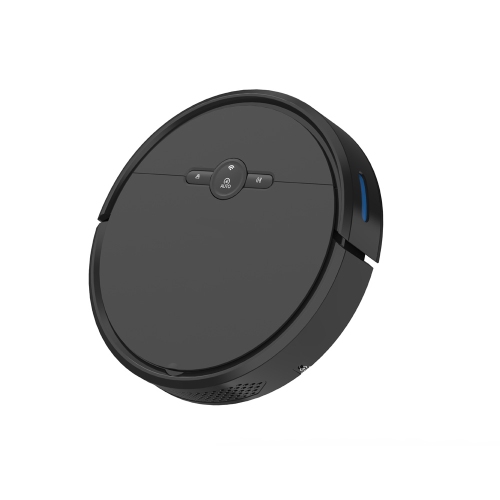
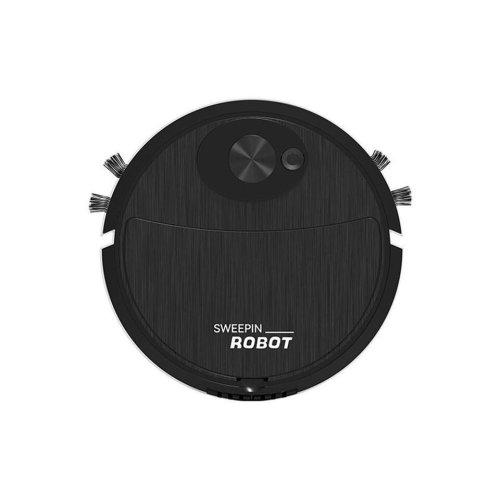

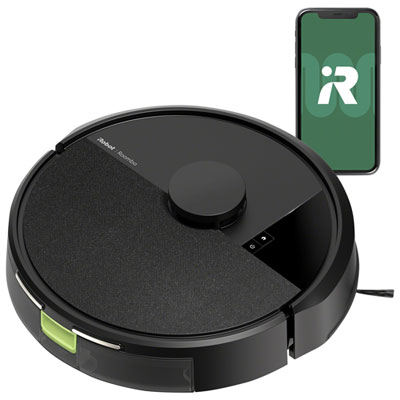
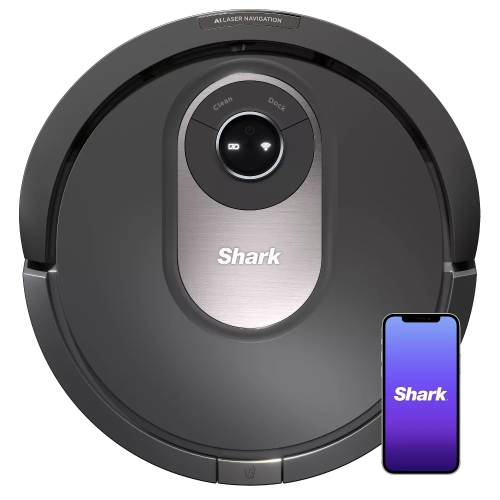
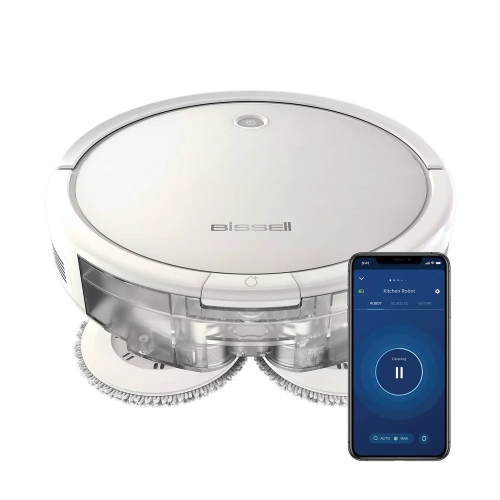
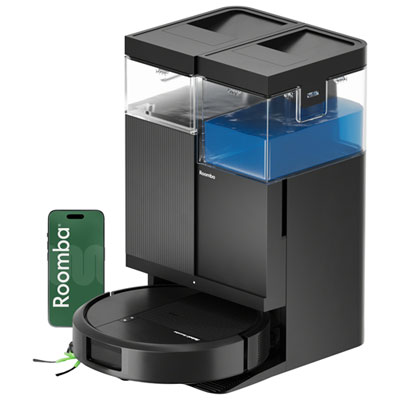
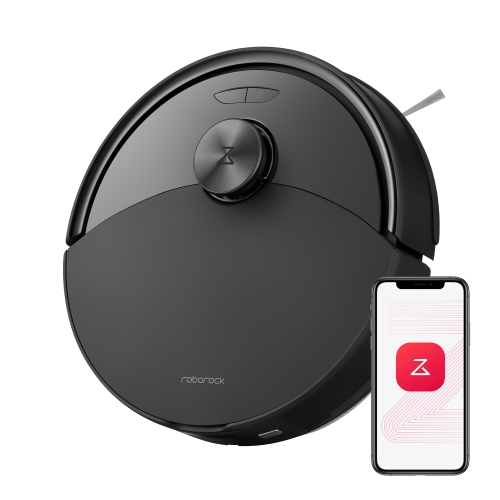

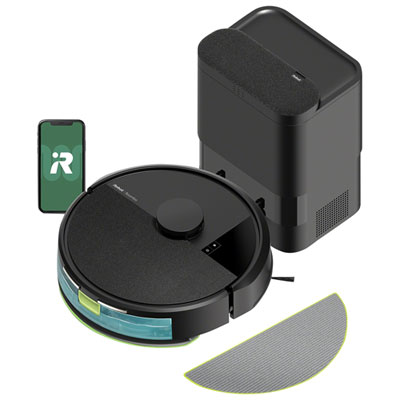


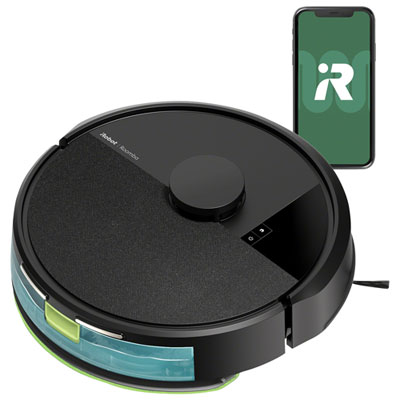

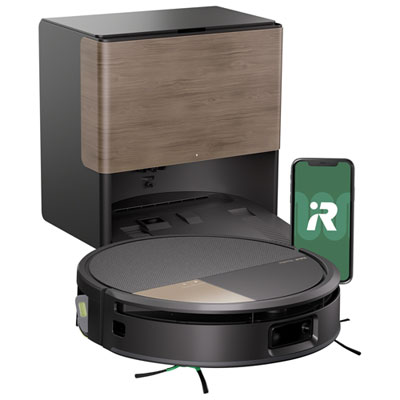


Quieter cleaning that fits around your daily routines
Quiet robot vacuums are designed to keep everyday floors tidy without taking over the soundscape of your home. Many operate at roughly 45 to 55 decibels in their quieter settings, creating a low hum that is easier to live with than the sharper noise of a traditional vacuum, which can reach approximately 70 to 80 decibels. That difference matters in homes where cleaning happens around conversations, television, music, work calls, naps or bedtime routines. A quiet robot vacuum can move through a kitchen while someone reads at the table, collect crumbs from a playroom while a baby sleeps nearby, or handle dust and pet hair in the background while you prepare dinner. Noise levels can vary depending on the floor surface, suction setting and cleaning mode, so it is helpful to look for a model with a clearly stated decibel rating and adjustable power controls. Quiet mode usually reduces suction to create a softer operating sound, while standard or maximum mode may be better suited to thicker carpets, heavier debris and areas that need a more thorough pass. For more options designed with lower operating noise in mind, explore Quiet Vacuum Cleaners. A robot vacuum is especially useful for maintaining floors between deeper cleaning sessions. It can pick up dust, crumbs, tracked-in grit and loose hair on a regular schedule, helping prevent small messes from collecting in busy areas. Since the appliance works independently, it is well suited to households where cleaning time is limited, including homes with children, pets, open-plan living spaces or frequent foot traffic.
Navigation technology has a major effect on both cleaning performance and the sounds a robot vacuum makes as it works. Older bump-and-go designs may change direction after touching furniture, walls or chair legs, creating occasional tapping and impact noises. Models with more advanced mapping can identify rooms, avoid obstacles and follow a more deliberate route, which may result in smoother movement and fewer interruptions. LiDAR navigation uses laser-based mapping to help a robot understand the layout of a home, while other systems may combine cameras, sensors and software to recognize objects in its path. Mapping can also make it easier to send the vacuum to a particular room, schedule different cleaning routines or create no-go areas around delicate furniture, pet bowls and cable bundles. Before choosing a quiet robot vacuum, consider the layout of the home as much as its noise rating. A compact apartment may benefit from a model that navigates narrow spaces and returns reliably to its charging station. A larger home may call for longer battery life, room-by-room controls and the ability to resume cleaning after charging. Floor type is another important consideration. Hard floors often show crumbs and fine dust more readily, while carpets may require stronger suction and a brush design that can lift debris from the fibres. If pets share the home, check the brush system, dustbin capacity and hair-handling features. A smaller dustbin may need frequent emptying, particularly during periods of shedding. Some models include a self-emptying dock, which can reduce daily maintenance, although the dock’s emptying cycle is generally louder than the robot’s regular cleaning pass. Scheduling is also worth considering: a quiet cleaning routine can run while people are out, during a workday or at another convenient time, while a lower-power cycle can be selected when the home is occupied.
The best choice depends on how much hands-on control you prefer and what you expect from your cleaning routine. App-based controls can let you start, pause and schedule cleaning, adjust suction, select rooms and review maps from a phone. Voice-control compatibility may add convenience when your hands are full, although dependable physical controls can still be useful for guests or family members who do not use the app. Look for sensors that help prevent falls near stairs, detect obstacles and guide the robot back to its dock when the battery is low. Clearance is important as well: measure the space beneath sofas, beds and cabinets if you want the robot to clean beneath them, and keep charging areas open so it can return without difficulty. A quiet robot vacuum can make a practical gift for someone moving into a new home, managing a busy household, caring for pets or looking for a simpler way to stay on top of daily chores. It can also be helpful for older adults or anyone who finds a full-size vacuum difficult to lift and manoeuvre. During the cooler months, when doors and windows may stay closed and tracked-in dirt can accumulate near entrances, scheduled floor care can make living spaces feel more manageable without adding another loud task to the day. Regularly emptying the dustbin, clearing hair from the brush roll, wiping sensors and replacing filters as recommended will help maintain performance and keep operation consistent. With the right combination of noise level, navigation, suction, battery life and maintenance features, a quiet robot vacuum can fit naturally into the rhythm of a home, cleaning steadily in the background while the people, pets and routines around it carry on.
Top selling and popular products
-
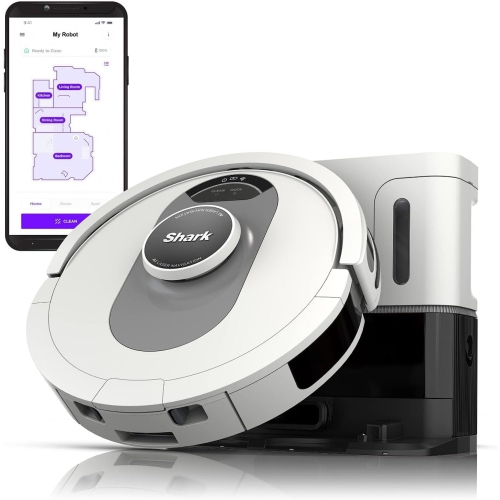 Your price for this item is $699.99
-
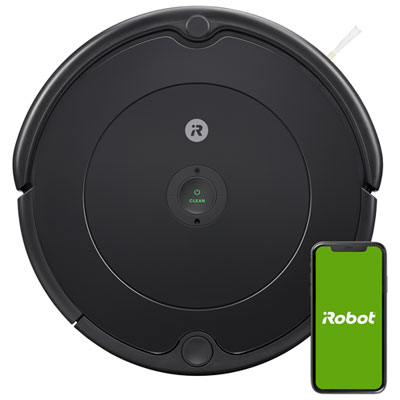 Your price for this item is $279.97
-
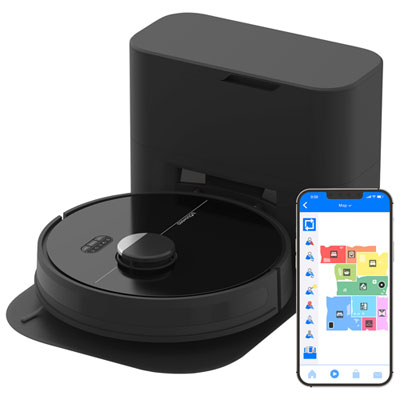 Your price for this item is $199.99
-
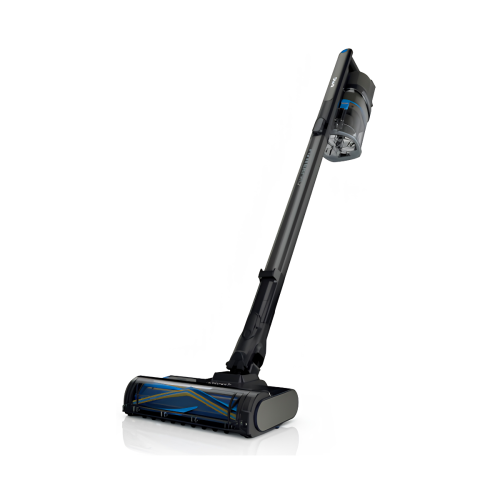 Your price for this item is $399.99
-
 Your price for this item is $999
-
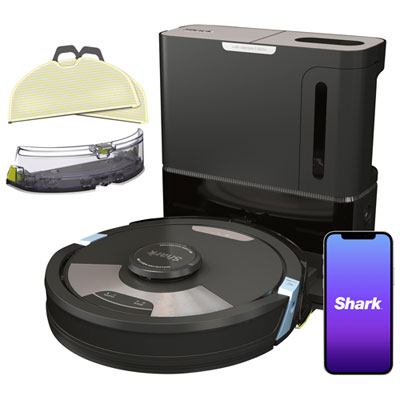 Your price for this item is $899.99
-
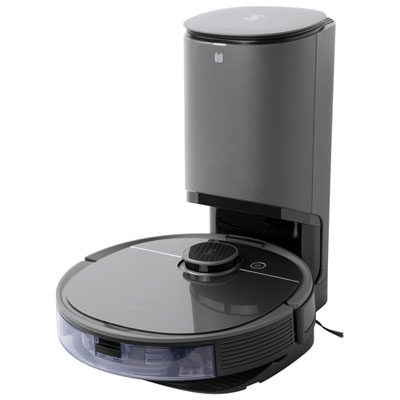 Your price for this item is $799.95
-
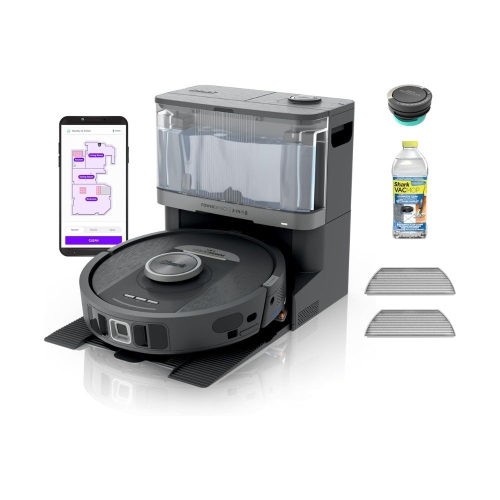 Your price for this item is $1149.99
Discover more categories related to Quiet Robot Vacuums
Top Collections:
Pokemon Centers, Kindle Devices, Best Cameras for Sports Photography, Pokémon 30th Celebration Cards, Canon G7X Cameras, Samsung Galaxy Phones, iPhone 15 Apple, Best Black Friday Deals On Electronics, Jackery Power Stations, Solar Generators for Home
Some products may be subject to Environmental Handling Fees
(EHF) depending on your province.
Learn more about EHFs.