Legacy Games
Step into a world where nostalgia meets innovation with our captivating collection of legacy games. These timeless classics have been reimagined for the modern era, offering a perfect blend of tradition and technology that promises endless entertainment for gamers of all ages. Whether you're rekindling fond memories or introducing these beloved treasures to a new generation, our diverse selection caters to every taste and skill level. Dive into immersive adventures, strategic challenges, and cooperative quests that bring friends and family together in the spirit of fun and competition. Explore our legacy games today and rediscover the joy of play!
Sort
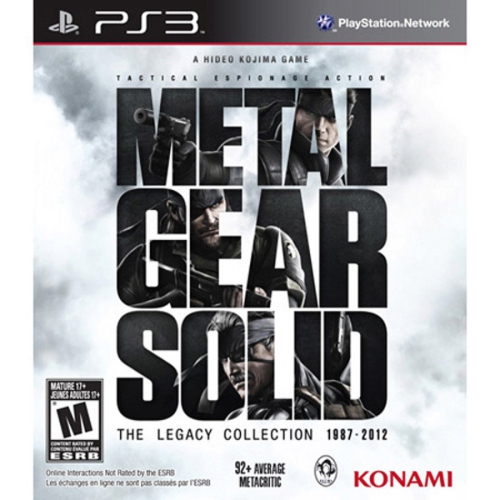
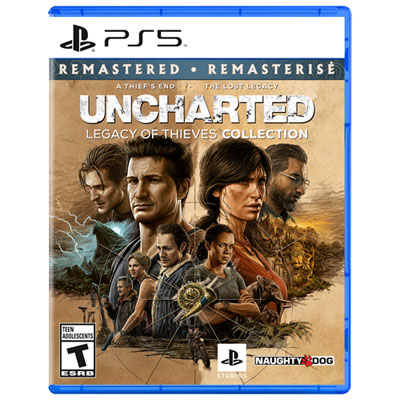
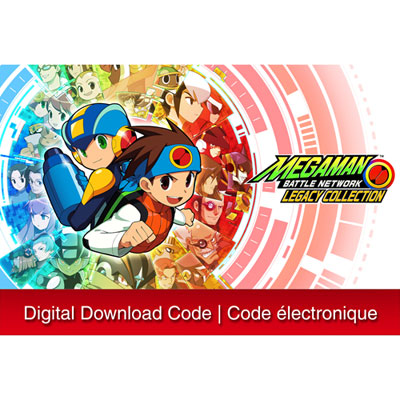
![CAPCOM Mega Man Legacy Collection 1 + 2 [Nintendo Switch] Great Collection, love the extras](https://multimedia.bbycastatic.ca/multimedia/products/500x500/139/13913/13913587.jpeg)
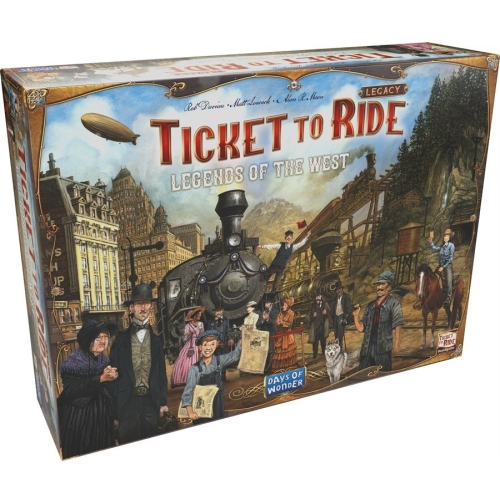
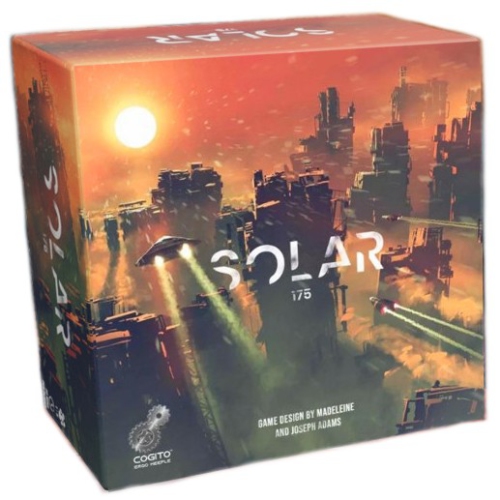

![LIMITED RUN GAMES Castle Vania Advance Collection - Aria Of Sorrow [PC]](https://multimedia.bbycastatic.ca/multimedia/products/500x500/193/19383/19383253.jpeg)
![LIMITED RUN GAMES Rogue Legacy 2 - #240 [Nintendo Switch]](https://multimedia.bbycastatic.ca/multimedia/products/500x500/193/19385/19385153.jpeg)
![GS2 GAMES Starlight Legacy [Playstation 5]](https://multimedia.bbycastatic.ca/multimedia/products/500x500/198/19877/19877414.jpeg)
![GENERIC Alwa's Collection [Standard Edition] - Playstation 4, Brand New](https://multimedia.bbycastatic.ca/multimedia/products/500x500/162/16241/16241557.jpeg)

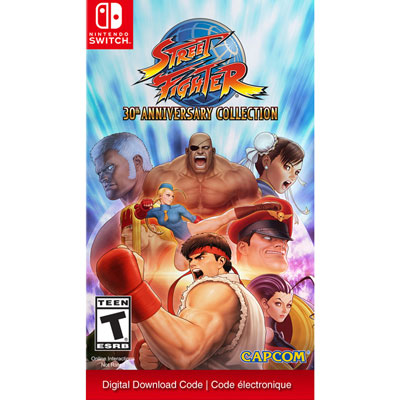
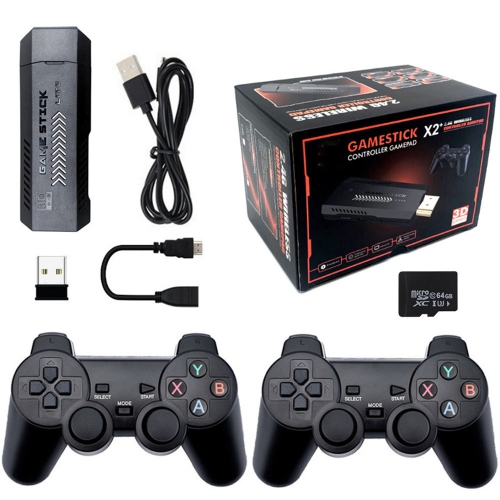
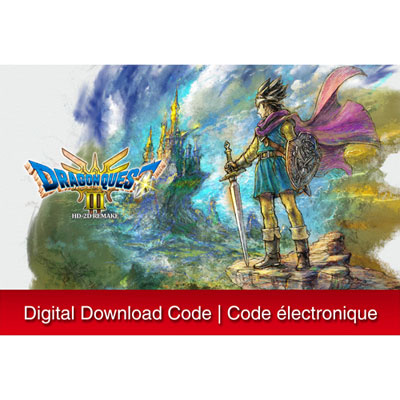
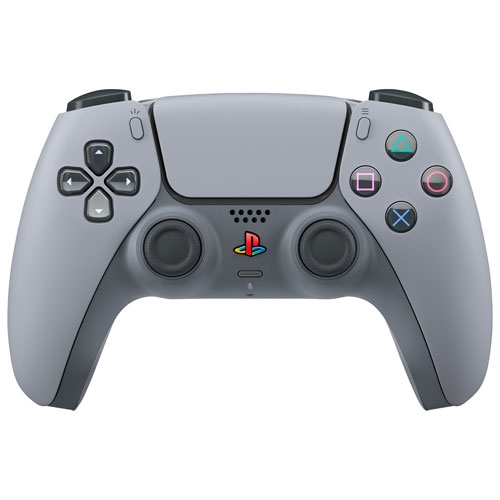
![FAIRYSHIP GAMES Shame Legacy - The Cult Edition [Playstation 5]](https://multimedia.bbycastatic.ca/multimedia/products/500x500/193/19382/19382681.jpeg)
![INTI CREATES Striker: Gunvolt 3 [Nintendo Switch] In Azure](https://multimedia.bbycastatic.ca/multimedia/products/500x500/192/19284/19284297.jpeg)
![STRICTLY LIMITED Lode Runner Legacy [Nintendo Switch]](https://multimedia.bbycastatic.ca/multimedia/products/500x500/152/15264/15264997.jpeg)
![RED ART GAMES Evoland: Legendary Edition [Playstation 4]](https://multimedia.bbycastatic.ca/multimedia/products/500x500/152/15264/15264237.jpeg)

![LIMITED RUN GAMES Alwa's Collection - Limited Collector Special Edition [Nintendo Switch]](https://multimedia.bbycastatic.ca/multimedia/products/500x500/169/16982/16982582.jpeg)
Past decisions shape the next game night
Legacy games turn a series of tabletop sessions into one connected experience, with earlier decisions shaping what happens when the box comes out again. Rather than returning every card, rule, and character to a starting position after each play, a legacy game carries part of its history forward. Depending on the design, players might add stickers to a board, name a location, open sealed packets, introduce new rules, or permanently change the role of a familiar character. A marked map or a handwritten name becomes a reminder of something the group actually did, giving the game a personal history that grows over time. Some legacy games are cooperative, bringing everyone together against shared challenges, while others are competitive, with individual ambitions influencing a larger unfolding story. Their themes can range from exploration and mystery to building communities or managing fictional crises, but the defining feature is lasting change rather than a particular setting. That distinction matters because a game with a long campaign is not necessarily a legacy game: some campaigns can be reset completely, whereas legacy designs may involve alterations that cannot easily be undone. The appeal often lies in that sense of consequence. A narrow victory can affect the next session, and an awkward compromise can become part of the table’s shared history. For players who enjoy discussing possibilities, remembering past turns, and watching a familiar game develop in unexpected directions, this format offers more continuity than a standalone game night. It can also create a satisfying routine during the cooler months, when the same group gathers around a dining table for another chapter. The pace varies considerably, however. Some designs introduce their systems gradually, while others expect players to manage several moving parts from the outset. Suggested ages, rules complexity, reading demands, and the level of player interaction all help establish whether the experience suits a family table, a regular group of friends, or adults looking for a longer tabletop project.
The physical contents of legacy games deserve attention because they need to support repeated handling while preserving changes between sessions. Boards and punchboard tokens are commonly made from printed cardboard, cards use varying weights and finishes of card stock, and playing pieces may be wood or plastic. Booklets, paper records, stickers, and sealed envelopes can be just as important as the main board, particularly when they track progress or reveal instructions at a specific point. Material thickness, readable printing, and clearly differentiated symbols all contribute to comfortable play, especially when several people need to read information across a table. A generous playing surface is useful for layouts that expand as the campaign develops; the starting board may occupy only part of the space eventually needed for cards, reference sheets, and personal player areas. A side table can hold drinks and snacks away from paper components, leaving more room for the game itself. Storage also affects how smoothly the next session begins. Labelled bags, compartments, and separate spaces for active and unopened contents help keep the campaign state intact without revealing information too early. Cards that are handled frequently may benefit from correctly sized sleeves, although sleeves are less convenient when cards need writing, stickers, or other permanent changes. Any protective accessories need to suit the way the game actually works, rather than interfere with its core features. Care is generally straightforward: clean, dry hands, a dry storage location, and gentle handling help protect printed surfaces and adhesive elements. Paper and cardboard components are best kept away from moisture and strong direct sunlight, and cleaning methods should follow any manufacturer guidance. Packing everything away in the required order is particularly valuable in this category, since a misplaced packet or mixed deck can interrupt the next chapter. Durability here is not simply about keeping every component untouched; it is about keeping the parts readable, usable, and organised while allowing the intended changes to become part of play.
A good match between the game and its players is especially important when the experience extends across multiple sittings. The stated player count, whether the game supports solo play, the expected length of each session, and the total campaign commitment are all practical considerations. A group that can meet for two uninterrupted hours has different needs from a household fitting a game around younger children’s bedtimes. Some legacy games work best with the same participants throughout, while others have rules that accommodate changes in attendance. Consistency can strengthen the story, but clear provisions for absent players may make a longer campaign easier to maintain. The amount of reading aloud, hidden information, negotiation, and direct competition also influences the mood at the table. A household that enjoys solving problems together may prefer shared objectives, while a group comfortable with rivalry may appreciate decisions that help one player and complicate matters for another. For gifts, legacy games are particularly suited to someone who already enjoys tabletop play and has the time and company to follow an ongoing experience. They can mark a birthday, a housewarming, or the beginning of a regular game-night tradition, provided the recipient is comfortable with permanent changes to the contents. Writing on a card or placing a sticker can feel unusual at first, especially for someone who normally keeps games pristine, but those actions may be central to the design. Replay expectations are worth understanding as well: some games remain playable after the campaign ends, some offer a defined conclusion, and others may support a reset only through additional materials. Legacy describes how a game changes over time, not its physical size; shoppers interested in a bigger tabletop presence can also explore Large Games for a different way to shape a gathering. What makes the legacy format distinctive is the accumulated experience: familiar pieces gain new meaning, past choices remain visible, and each return to the table starts with a history shared by the people sitting around it.
The physical contents of legacy games deserve attention because they need to support repeated handling while preserving changes between sessions. Boards and punchboard tokens are commonly made from printed cardboard, cards use varying weights and finishes of card stock, and playing pieces may be wood or plastic. Booklets, paper records, stickers, and sealed envelopes can be just as important as the main board, particularly when they track progress or reveal instructions at a specific point. Material thickness, readable printing, and clearly differentiated symbols all contribute to comfortable play, especially when several people need to read information across a table. A generous playing surface is useful for layouts that expand as the campaign develops; the starting board may occupy only part of the space eventually needed for cards, reference sheets, and personal player areas. A side table can hold drinks and snacks away from paper components, leaving more room for the game itself. Storage also affects how smoothly the next session begins. Labelled bags, compartments, and separate spaces for active and unopened contents help keep the campaign state intact without revealing information too early. Cards that are handled frequently may benefit from correctly sized sleeves, although sleeves are less convenient when cards need writing, stickers, or other permanent changes. Any protective accessories need to suit the way the game actually works, rather than interfere with its core features. Care is generally straightforward: clean, dry hands, a dry storage location, and gentle handling help protect printed surfaces and adhesive elements. Paper and cardboard components are best kept away from moisture and strong direct sunlight, and cleaning methods should follow any manufacturer guidance. Packing everything away in the required order is particularly valuable in this category, since a misplaced packet or mixed deck can interrupt the next chapter. Durability here is not simply about keeping every component untouched; it is about keeping the parts readable, usable, and organised while allowing the intended changes to become part of play.
A good match between the game and its players is especially important when the experience extends across multiple sittings. The stated player count, whether the game supports solo play, the expected length of each session, and the total campaign commitment are all practical considerations. A group that can meet for two uninterrupted hours has different needs from a household fitting a game around younger children’s bedtimes. Some legacy games work best with the same participants throughout, while others have rules that accommodate changes in attendance. Consistency can strengthen the story, but clear provisions for absent players may make a longer campaign easier to maintain. The amount of reading aloud, hidden information, negotiation, and direct competition also influences the mood at the table. A household that enjoys solving problems together may prefer shared objectives, while a group comfortable with rivalry may appreciate decisions that help one player and complicate matters for another. For gifts, legacy games are particularly suited to someone who already enjoys tabletop play and has the time and company to follow an ongoing experience. They can mark a birthday, a housewarming, or the beginning of a regular game-night tradition, provided the recipient is comfortable with permanent changes to the contents. Writing on a card or placing a sticker can feel unusual at first, especially for someone who normally keeps games pristine, but those actions may be central to the design. Replay expectations are worth understanding as well: some games remain playable after the campaign ends, some offer a defined conclusion, and others may support a reset only through additional materials. Legacy describes how a game changes over time, not its physical size; shoppers interested in a bigger tabletop presence can also explore Large Games for a different way to shape a gathering. What makes the legacy format distinctive is the accumulated experience: familiar pieces gain new meaning, past choices remain visible, and each return to the table starts with a history shared by the people sitting around it.
Top selling and popular products
-
![NINTENDO Super Smash Bros. Ultimate [ Switch]](https://multimedia.bbycastatic.ca/multimedia/products/500x500/166/16618/16618377.jpeg) Your price for this item is $89.95
Your price for this item is $89.95 -
![NINTENDO Animal Crossing: New Horizons [ Switch]](https://multimedia.bbycastatic.ca/multimedia/products/500x500/148/14828/14828033.jpeg) Your price for this item is $80.49
Your price for this item is $80.49 -
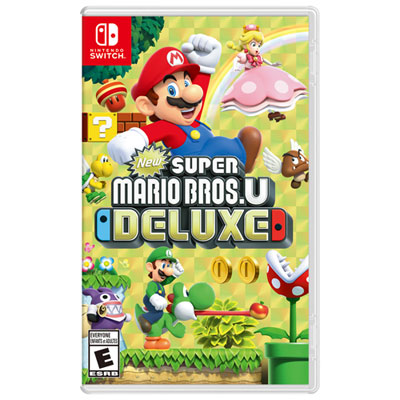 Your price for this item is $84.99
 -
![NINTENDO GAMES New Super Mario Bros. U Deluxe for Nintendo Switch [Videogames]](https://multimedia.bbycastatic.ca/multimedia/products/500x500/176/17683/17683406.jpeg) Your price for this item is $71.75
Your price for this item is $71.75 -
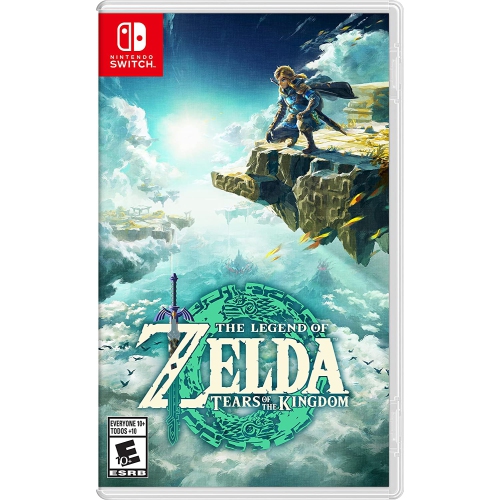 Your price for this item is $109.99
 -
![NINTENDO GAMES The Legend Of Zelda: Tears Of The Kingdom for Nintendo Switch [Videogames]](https://multimedia.bbycastatic.ca/multimedia/products/500x500/176/17661/17661818.jpeg) Your price for this item is $99.99
Your price for this item is $99.99 -
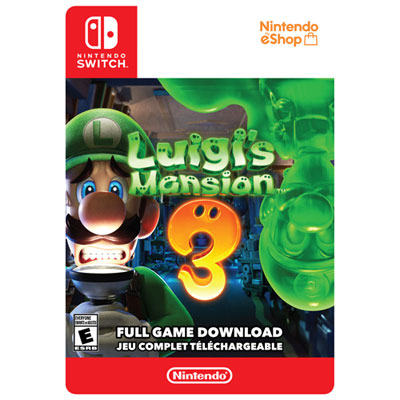 Your price for this item is $84.99
 -
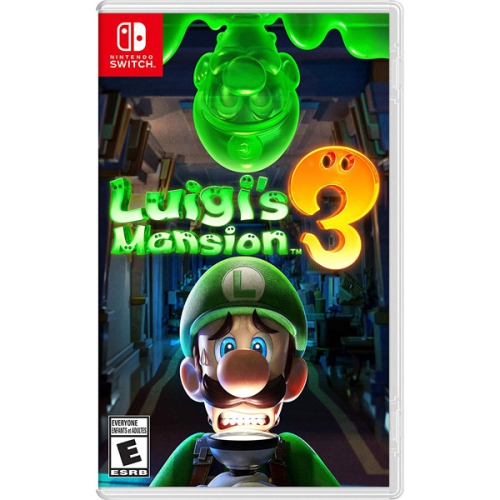 Your price for this item is $87.75
Discover more categories related to Legacy Games

Top Collections:
Pokemon Centers, Kindle Devices, Best Budget Office Chairs, Apple iPhones 16, Best Laptops for Writers, iPhone 15 Apple, Canon G7X Cameras, Refurbished Apple Laptops, Alarm Clock, Motorola Razr Phones
Some products may be subject to Environmental Handling Fees
(EHF) depending on your province.
Learn more about EHFs.