First Person Shooters
Immerse yourself in the fast-paced world of first-person shooters with our curated selection of top-of-the-line gaming experiences. Whether you're a seasoned gamer looking for your next adrenaline-pumping challenge or a newcomer eager to dive into the action-packed gameplay, our range of first-person shooters offers something for every player. From intense combat missions to thrilling multiplayer battles, gear up and get ready to experience heart-pounding excitement like never before.
Sort
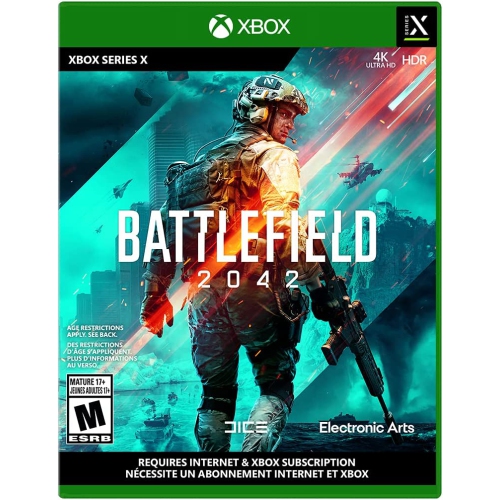

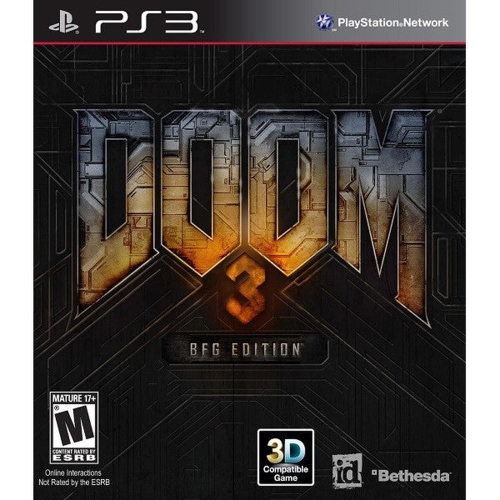
![ELECTRONIC ARTS Battlefield 2042 [Playstation 4] Best Battlefield yet!](https://multimedia.bbycastatic.ca/multimedia/products/500x500/193/19382/19382873.jpeg)
![UBISOFT Tom Clancy's Rainbow Six Extraction [Xbox Series X / Xbox One] Love this game](https://multimedia.bbycastatic.ca/multimedia/products/500x500/193/19382/19382917.jpeg)
![UBISOFT Tom Clancy's Rainbow Six Extraction [Playstation 4] Great](https://multimedia.bbycastatic.ca/multimedia/products/500x500/193/19382/19382736.jpeg)
![REEF ENTERTAINMENT Terminator: Resistance [Xbox One & Xbox Series X]](https://multimedia.bbycastatic.ca/multimedia/products/500x500/193/19382/19382826.jpeg)
![REEF ENTERTAINMENT Terminator: Resistance - Collector's Edition [Xbox Series X]](https://multimedia.bbycastatic.ca/multimedia/products/500x500/197/19776/19776652.jpeg)
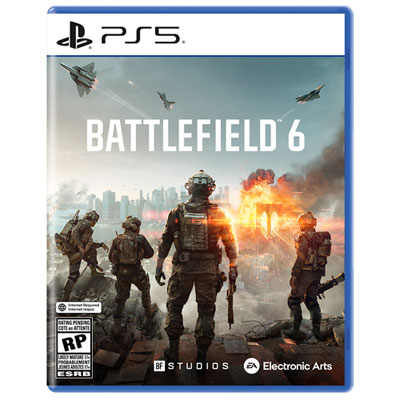
![SUPER RARE GAMES Post Void - #96 [Nintendo Switch]](https://multimedia.bbycastatic.ca/multimedia/products/500x500/193/19382/19382583.jpeg)
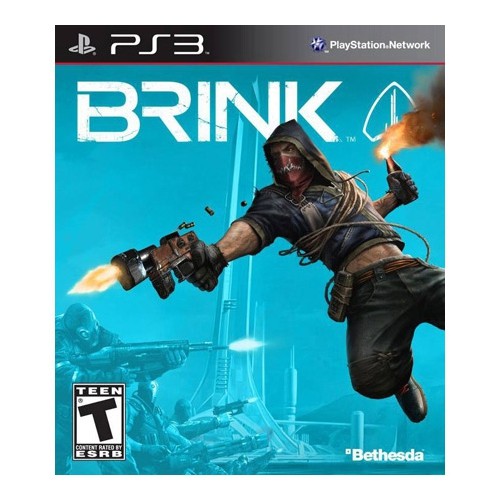
![ACTIVISION Call Of Duty: Infinite Warfare - Legacy Edition [Playstation 4] Great game](https://multimedia.bbycastatic.ca/multimedia/products/500x500/148/14828/14828212.jpeg)
![SUPER RARE GAMES Post Void [Playstation 5]](https://multimedia.bbycastatic.ca/multimedia/products/500x500/193/19382/19382768.jpeg)
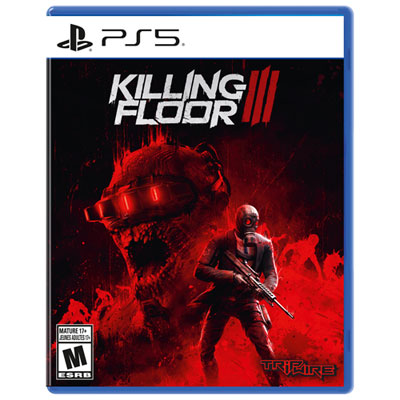
![LIMITED RUN GAMES Nightmare Reaper - #98 [Playstation 5]](https://multimedia.bbycastatic.ca/multimedia/products/500x500/194/19477/19477111.jpeg)
![SONY Killzone: Shadow Fall [Playstation 4]](https://multimedia.bbycastatic.ca/multimedia/products/500x500/148/14828/14828090.jpeg)
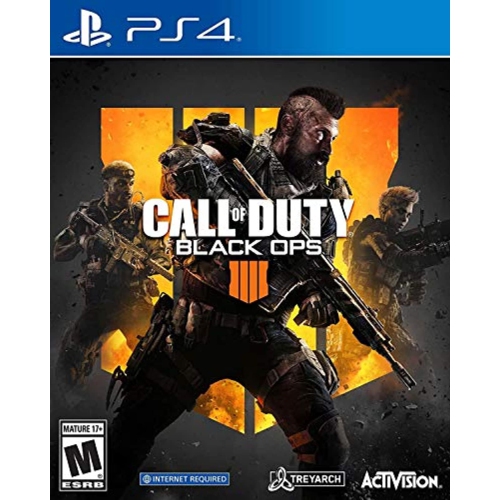
![ACTIVISION Call Of Duty: Ops 4 [Playstation 4] In Black](https://multimedia.bbycastatic.ca/multimedia/products/500x500/148/14881/14881123.jpeg)
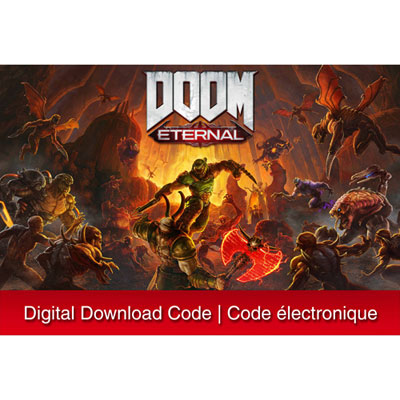
![BETHESDA Doom Eternal [Xbox One / Xbox Series X]](https://multimedia.bbycastatic.ca/multimedia/products/500x500/199/19940/19940958.jpeg)
![STRICTLY LIMITED Roboquest - Limited Edition [Playstation 5]](https://multimedia.bbycastatic.ca/multimedia/products/500x500/194/19477/19477052.jpeg)
![PLAYSTATION Terminator: Resistance Enhanced [ 5] great memories](https://multimedia.bbycastatic.ca/multimedia/products/500x500/155/15555/15555625.jpeg)
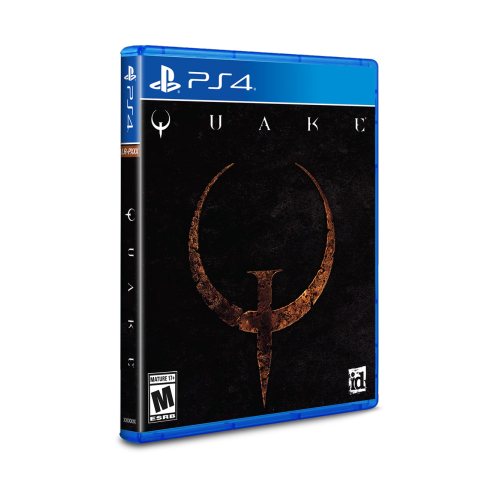
![LIMITED RUN GAMES Quake - Limited Run #030 [Xbox One / Xbox Series X]](https://multimedia.bbycastatic.ca/multimedia/products/500x500/198/19839/19839715.jpeg)
![LIMITED RUN GAMES Lawbreakers [Playstation 4]](https://multimedia.bbycastatic.ca/multimedia/products/500x500/193/19382/19382964.jpeg)
![ACTIVISION Call Of Duty: Modern Warfare [Xbox One]](https://multimedia.bbycastatic.ca/multimedia/products/500x500/165/16590/16590825.jpeg)
![UBISOFT Tom Clancy's Rainbow Six Siege [Xbox One]](https://multimedia.bbycastatic.ca/multimedia/products/500x500/148/14880/14880632.jpeg)
![LIMITED RUN GAMES Industria - Limited Run #139 [Playstation 5]](https://multimedia.bbycastatic.ca/multimedia/products/500x500/198/19867/19867771.jpeg)

![LIMITED RUN GAMES Fashion Police Squad - Limited Run #274 [Nintendo Switch]](https://multimedia.bbycastatic.ca/multimedia/products/500x500/198/19869/19869018.jpeg)
![LIMITED RUN GAMES Rise Of The Triad 30Th Anniversary Ludicrous Edition - Limited Run #249 [Nintendo Switch]](https://multimedia.bbycastatic.ca/multimedia/products/500x500/199/19971/19971381.jpeg)
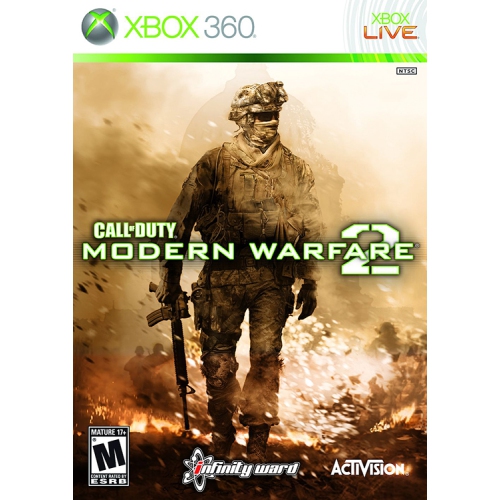
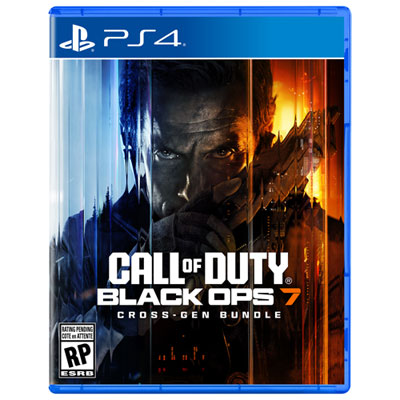
![LIMITED RUN GAMES Quake Ii Ultimate Edition - Limited Run #530 [Playstation 4]](https://multimedia.bbycastatic.ca/multimedia/products/500x500/193/19382/19382699.jpeg)
![LIMITED RUN GAMES Turok - Limited Run #020 [Xbox One]](https://multimedia.bbycastatic.ca/multimedia/products/500x500/198/19842/19842077.jpeg)
![BETHESDA Doom Eternal [Xbox One]](https://multimedia.bbycastatic.ca/multimedia/products/500x500/193/19384/19384093.jpeg)
![LIMITED RUN GAMES Star Wars: Dark Forces Remaster - #024 [Xbox Series X]](https://multimedia.bbycastatic.ca/multimedia/products/500x500/194/19476/19476891.jpeg)
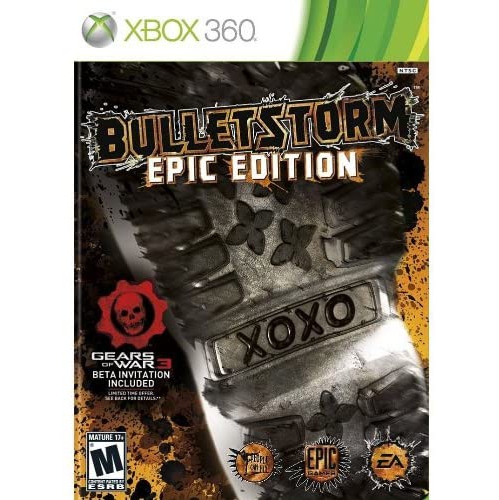
![LIMITED RUN GAMES Quake 2 Special Edition - Limited Run #530 [Playstation 4]](https://multimedia.bbycastatic.ca/multimedia/products/500x500/193/19382/19382919.jpeg)
![LIMITED RUN GAMES Quake: Quad Damage Edition - Limited Run #30 [Xbox One]](https://multimedia.bbycastatic.ca/multimedia/products/500x500/199/19971/19971380.jpeg)
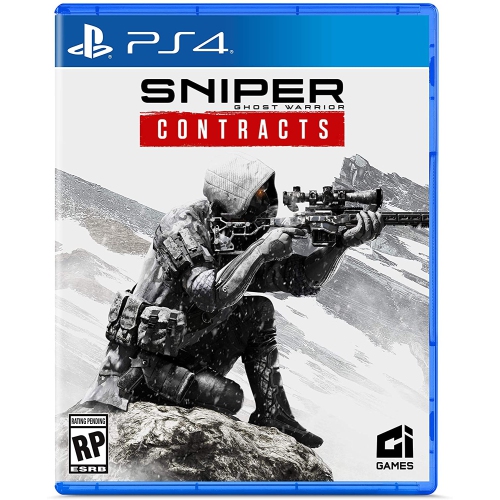
![LIMITED RUN GAMES Star Wars: Dark Forces Remaster - #107 [Playstation 5]](https://multimedia.bbycastatic.ca/multimedia/products/500x500/194/19476/19476924.jpeg)
![FOCUS HOME Atomic Heart [Playstation 4]](https://multimedia.bbycastatic.ca/multimedia/products/500x500/197/19776/19776602.jpeg)
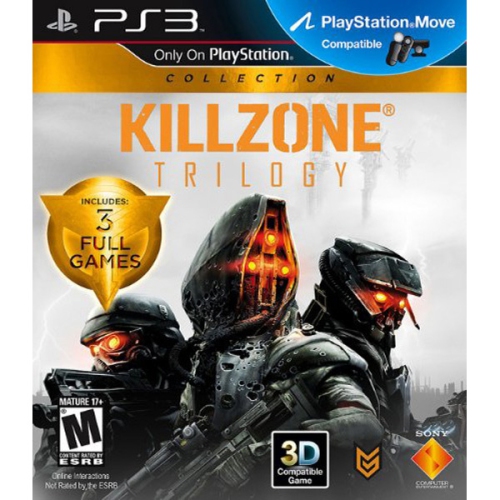
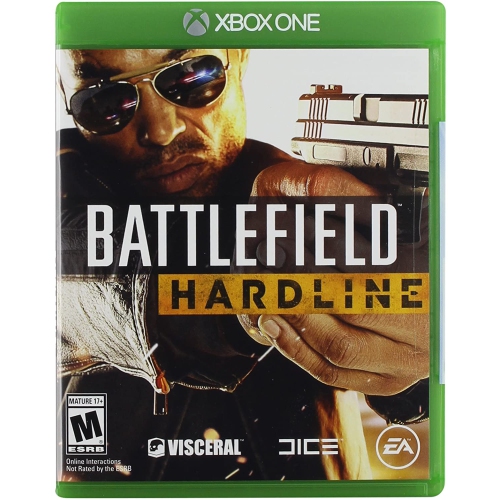
![LIMITED RUN GAMES Star Wars: Dark Forces Remaster Premium Edition - Limited Run #024 [Xbox Series X]](https://multimedia.bbycastatic.ca/multimedia/products/500x500/199/19940/19940794.jpeg)
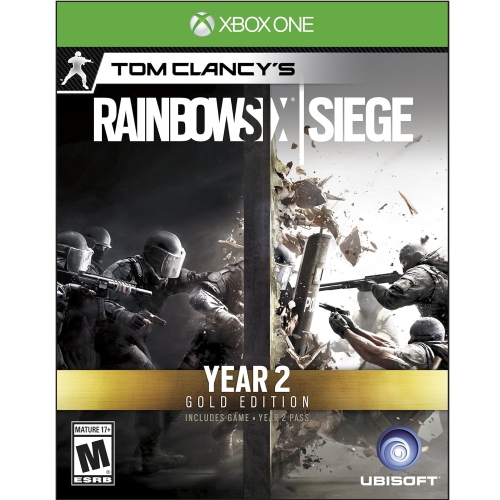
![LIMITED RUN GAMES Quake 2 Special Edition - Limited Run #10 [Xbox One]](https://multimedia.bbycastatic.ca/multimedia/products/500x500/193/19382/19382816.jpeg)
![REEF ENTERTAINMENT Terminator: Resistance - Complete Edition [Xbox Series X]](https://multimedia.bbycastatic.ca/multimedia/products/500x500/193/19383/19383690.jpeg)
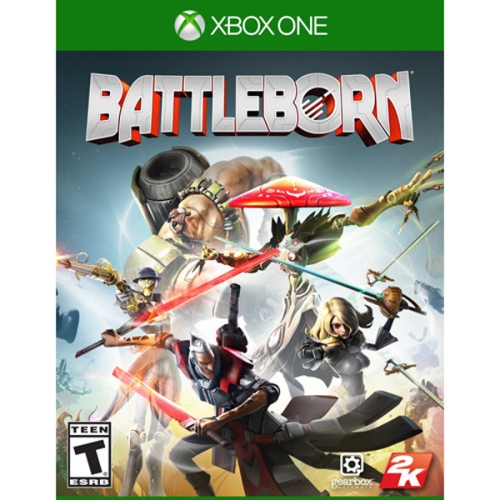
![LIMITED RUN GAMES Quake 2 Special Edition - Limited Run #207 [Nintendo Switch]](https://multimedia.bbycastatic.ca/multimedia/products/500x500/193/19382/19382568.jpeg)
![LIMITED RUN GAMES Quake Ii Ultimate Edition - Limited Run #76 [Playstation 5]](https://multimedia.bbycastatic.ca/multimedia/products/500x500/196/19633/19633027.jpeg)
![LIMITED RUN GAMES Star Wars: Dark Forces Remaster Master Edition - Limited Run #107 [Playstation 5]](https://multimedia.bbycastatic.ca/multimedia/products/500x500/199/19922/19922333.jpeg)
![LIMITED RUN GAMES Quake Ii - Limited Run #10 [Xbox One / Xbox Series X]](https://multimedia.bbycastatic.ca/multimedia/products/500x500/193/19382/19382541.jpeg)
![LIMITED RUN GAMES Star Wars: Dark Forces Remaster Premium Edition - Limited Run #244 [Nintendo Switch]](https://multimedia.bbycastatic.ca/multimedia/products/500x500/199/19922/19922337.jpeg)
![ELECTRONIC ARTS Titanfall [Xbox One]](https://multimedia.bbycastatic.ca/multimedia/products/500x500/148/14876/14876271.jpeg)
![LIMITED RUN GAMES Star Wars: Dark Forces Remaster Premium Edition - Limited Run #107 [Playstation 5]](https://multimedia.bbycastatic.ca/multimedia/products/500x500/199/19922/19922336.jpeg)
![LIMITED RUN GAMES Star Wars: Dark Forces Remaster Master Edition - Limited Run #244 [Nintendo Switch]](https://multimedia.bbycastatic.ca/multimedia/products/500x500/199/19922/19922339.jpeg)
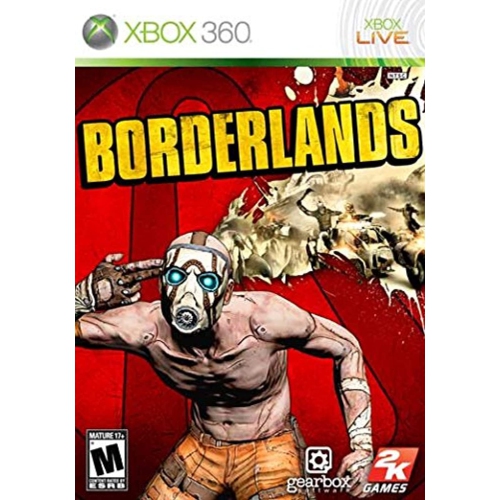
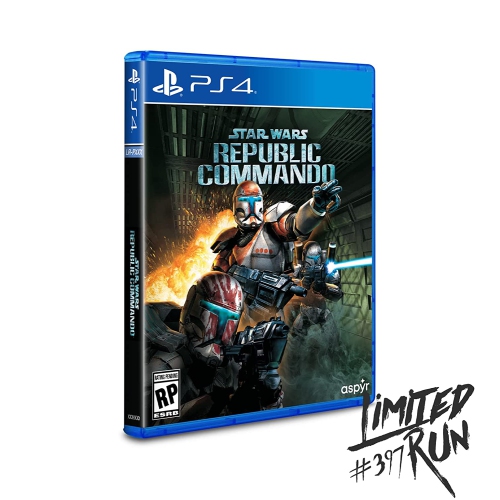
![SUPER RARE GAMES Nightmare Reaper [Nintendo Switch]](https://multimedia.bbycastatic.ca/multimedia/products/500x500/196/19600/19600778.jpeg)
![GAMEMILL Nerf Legends [Playstation 5]](https://multimedia.bbycastatic.ca/multimedia/products/500x500/194/19476/19476967.jpeg)
![LIMITED RUN GAMES Doom + Doom Ii - Limited Run #44 [Xbox One & Xbox Series X]](https://multimedia.bbycastatic.ca/multimedia/products/500x500/196/19636/19636755.jpeg)
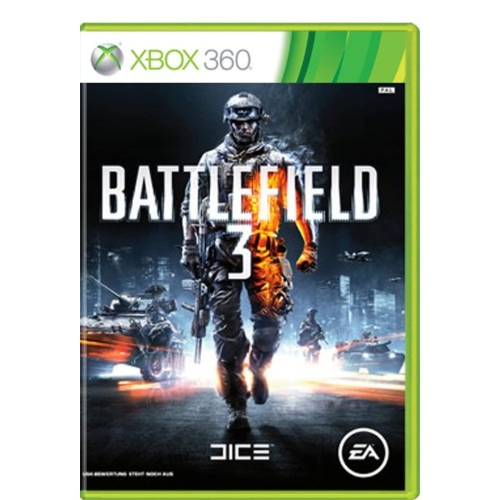
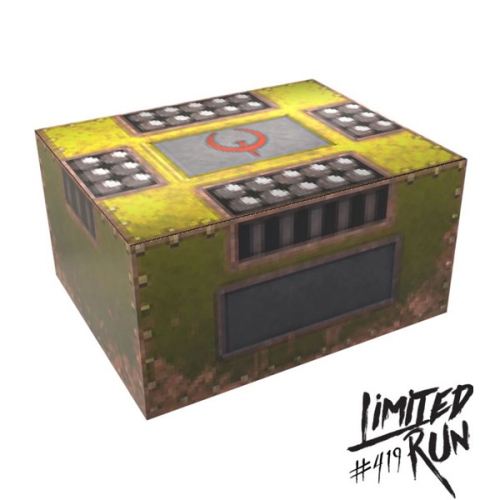
![LIMITED RUN Quake - Deluxe Edition - #419 [Playstation 4]](https://multimedia.bbycastatic.ca/multimedia/products/500x500/171/17150/17150172.jpeg)
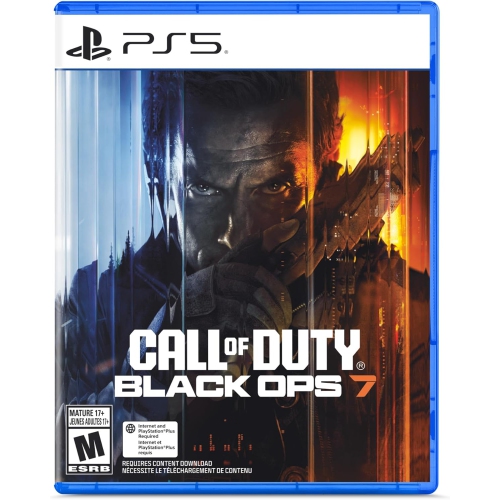
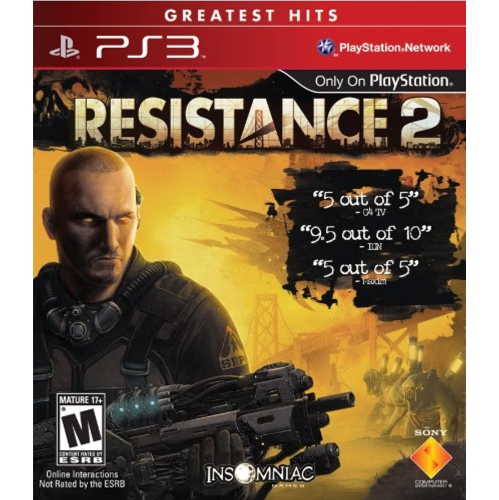
![FUNBOX MEDIA United Assault - Normandy '44 [Playstation 4]](https://multimedia.bbycastatic.ca/multimedia/products/500x500/201/20167/20167777.jpeg)
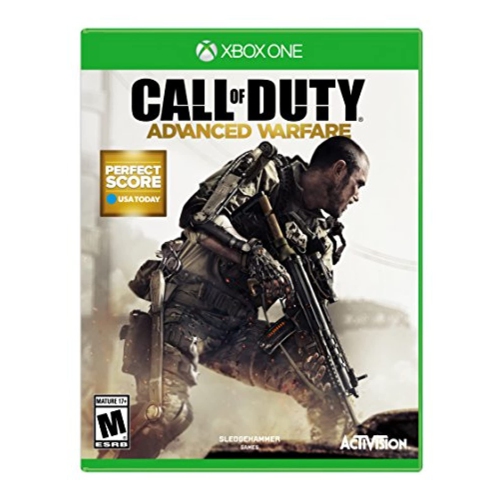
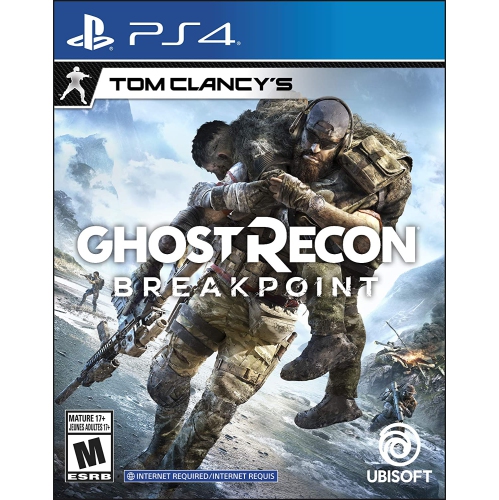
![FIRESHINE GAMES Mothergunship [Xbox One]](https://multimedia.bbycastatic.ca/multimedia/products/500x500/197/19776/19776589.jpeg)
![GS2 GAMES United Assault: World War 2 [Playstation 5]](https://multimedia.bbycastatic.ca/multimedia/products/500x500/194/19476/19476965.jpeg)
![LIMITED RUN GAMES Quake Ii - Limited Run #207 [Nintendo Switch]](https://multimedia.bbycastatic.ca/multimedia/products/500x500/193/19382/19382727.jpeg)
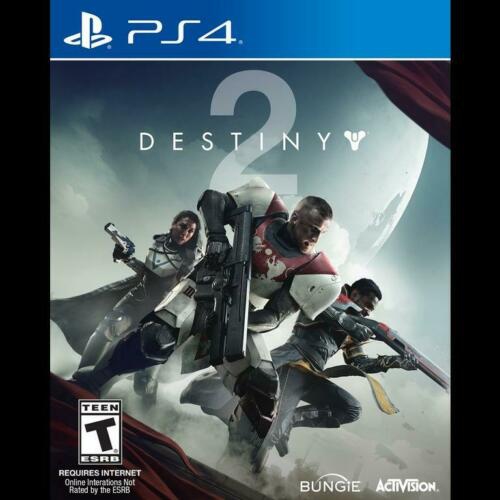
![ACTIVISION Call Of Duty: Ops Collection [Playstation 3] In Black](https://multimedia.bbycastatic.ca/multimedia/products/500x500/148/14828/14828200.jpeg)
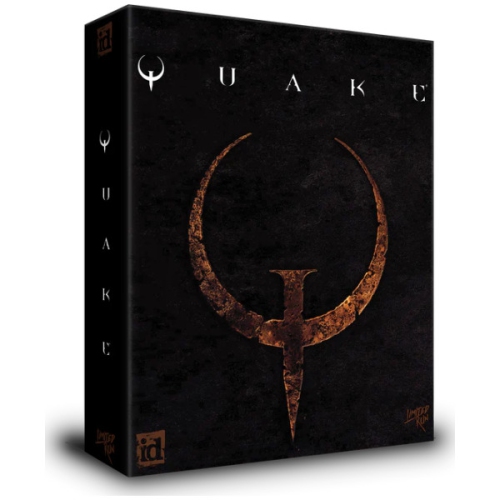
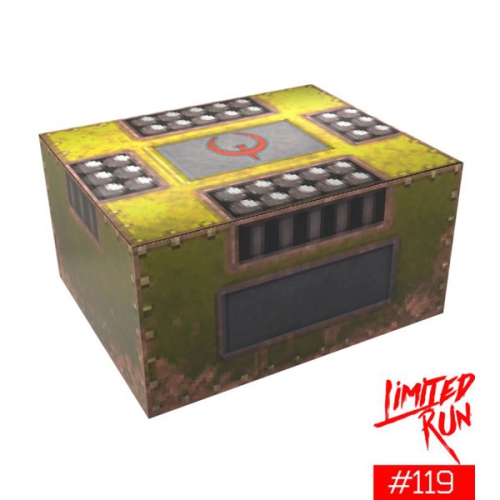
![LIMITED RUN GAMES Quake - Deluxe Edition - Limited Run #119 [Nintendo Switch]](https://multimedia.bbycastatic.ca/multimedia/products/500x500/171/17150/17150162.jpeg)
![LIMITED RUN GAMES Strife: Veteran Edition [Nintendo Switch]](https://multimedia.bbycastatic.ca/multimedia/products/500x500/165/16590/16590937.jpeg)
![PERP GAMES Operation Serpens [Playstation 5]](https://multimedia.bbycastatic.ca/multimedia/products/500x500/193/19382/19382590.jpeg)

![LIMITED RUN GAMES Quake 2 Special Edition - Limited Run - Code In Box [PC]](https://multimedia.bbycastatic.ca/multimedia/products/500x500/193/19383/19383256.jpeg)
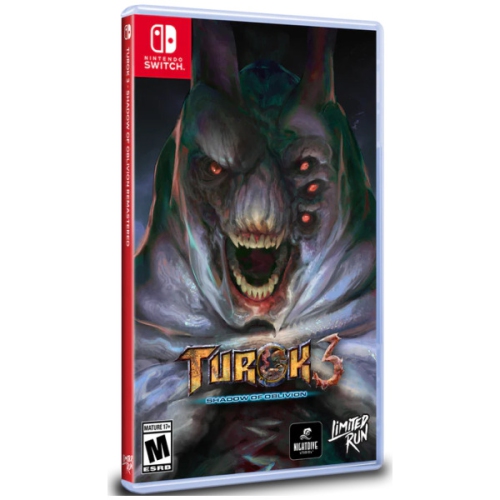
![LIMITED RUN GAMES Po'ed Definitive Edition - 2GB Thumb Drive With Game [PC]](https://multimedia.bbycastatic.ca/multimedia/products/500x500/199/19971/19971382.jpeg)
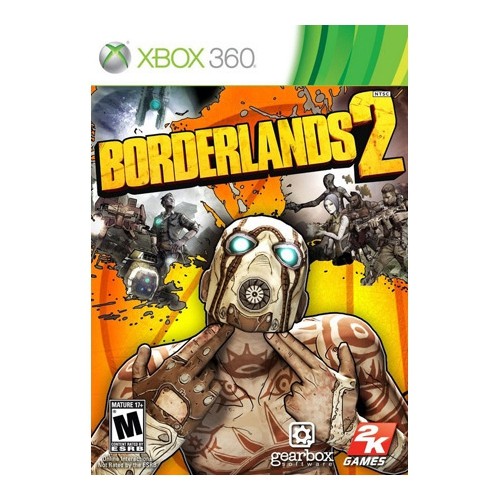
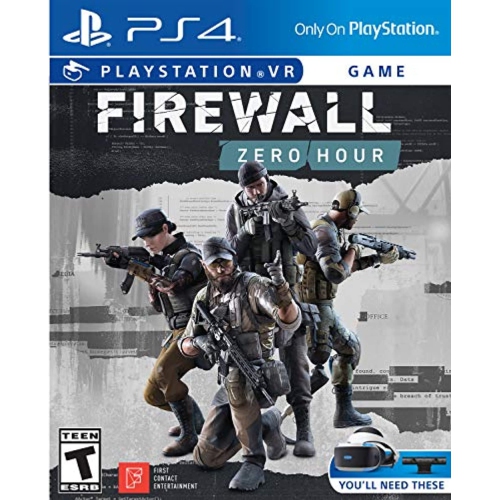
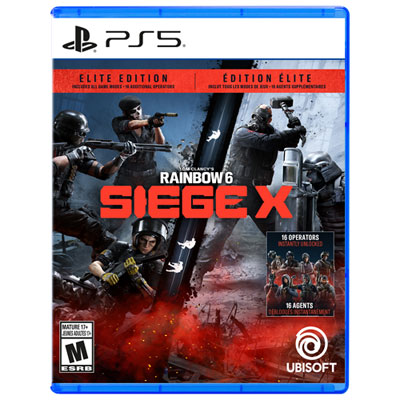
![REEF ENTERTAINMENT Xeno Crisis [Playstation 4]](https://multimedia.bbycastatic.ca/multimedia/products/500x500/200/20015/20015738.jpeg)
![GS2 GAMES Battle Of Rebels [Playstation 4]](https://multimedia.bbycastatic.ca/multimedia/products/500x500/197/19776/19776667.jpeg)
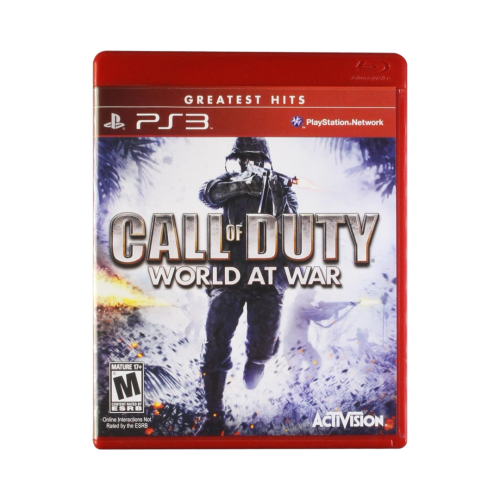
![GS2 GAMES Battle Of Rebels [Playstation 5]](https://multimedia.bbycastatic.ca/multimedia/products/500x500/197/19776/19776597.jpeg)
![BETHESDA Doom Vfr [PC]](https://multimedia.bbycastatic.ca/multimedia/products/500x500/153/15396/15396065.jpeg)
![PLAYSTATION Arizona Sunshine - Psvr [ 4]](https://multimedia.bbycastatic.ca/multimedia/products/500x500/148/14865/14865412.jpeg)
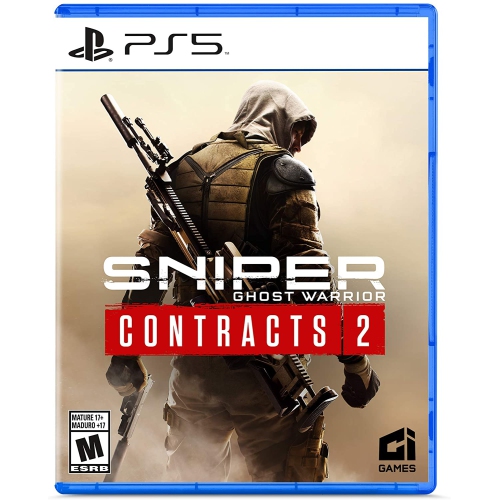
![RED ART GAMES Shinorubi [Playstation 5]](https://multimedia.bbycastatic.ca/multimedia/products/500x500/193/19382/19382762.jpeg)
![UFO INTERACTIVE Raiden Nova [Playstation 5]](https://multimedia.bbycastatic.ca/multimedia/products/500x500/195/19594/19594016.jpeg)
![STRICTLY LIMITED Rolling Gunner [Playstation 4]](https://multimedia.bbycastatic.ca/multimedia/products/500x500/194/19476/19476981.jpeg)
![REBELLION Zombie Army 4: Dead War [Playstation 4]](https://multimedia.bbycastatic.ca/multimedia/products/500x500/169/16982/16982646.jpeg)
![GS2 GAMES Battle Of Rebels [Nintendo Switch]](https://multimedia.bbycastatic.ca/multimedia/products/500x500/197/19776/19776659.jpeg)
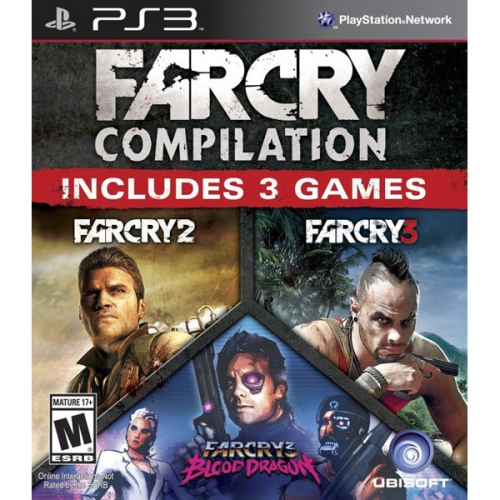
![LIMITED RUN GAMES Far Cry 3: Blood Dragon - #19 [Xbox One]](https://multimedia.bbycastatic.ca/multimedia/products/500x500/193/19385/19385154.jpeg)
![RED ART GAMES Endocrisis [Playstation 4]](https://multimedia.bbycastatic.ca/multimedia/products/500x500/165/16590/16590757.jpeg)
![NUMSKULL GAMES Rico London [Nintendo Switch]](https://multimedia.bbycastatic.ca/multimedia/products/500x500/165/16590/16590870.jpeg)
![STRICTLY LIMITED Rolling Gunner [Nintendo Switch]](https://multimedia.bbycastatic.ca/multimedia/products/500x500/194/19476/19476926.jpeg)
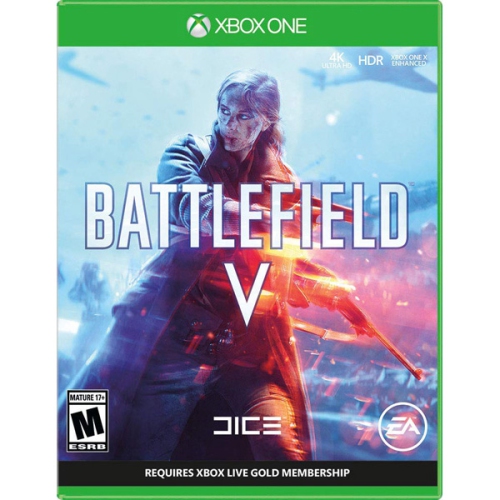
![ANGEL MATRIX Neon [Playstation 5] In White](https://multimedia.bbycastatic.ca/multimedia/products/500x500/189/18902/18902702.jpeg)
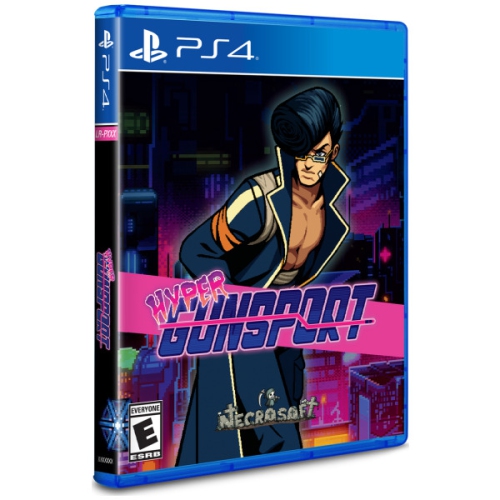
![RED ART GAMES Godstrike [Playstation 4]](https://multimedia.bbycastatic.ca/multimedia/products/500x500/165/16590/16590460.jpeg)
![PERP GAMES Unearthing Mars 2: The Ancient War - Psvr [Playstation 4]](https://multimedia.bbycastatic.ca/multimedia/products/500x500/152/15238/15238439.jpeg)
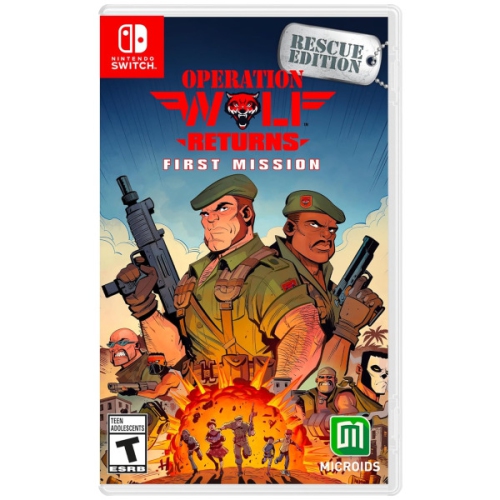
![FIRESHINE GAMES Sniper Elite 4 [Nintendo Switch]](https://multimedia.bbycastatic.ca/multimedia/products/500x500/199/19999/19999442.jpeg)
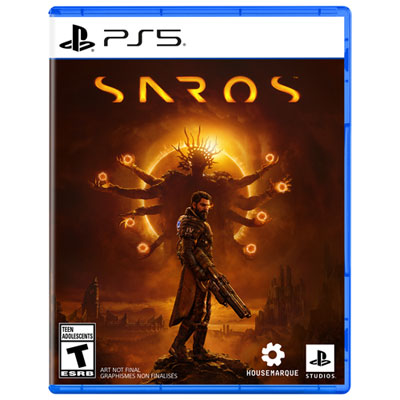
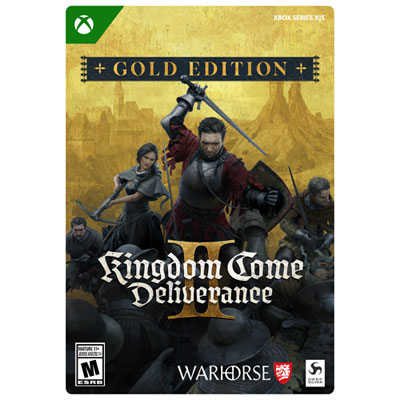
![PLAYSTATION Sublevel Zero Redux [ 4]](https://multimedia.bbycastatic.ca/multimedia/products/500x500/148/14828/14828354.jpeg)
![GS2 GAMES Wild West Shooter Bundle + 2 Guns: Code In Box [Nintendo Switch 2 Oled]](https://multimedia.bbycastatic.ca/multimedia/products/500x500/197/19726/19726394.jpeg)
![LIMITED RUN GAMES Graven [Playstation 4]](https://multimedia.bbycastatic.ca/multimedia/products/500x500/201/20196/20196458.jpeg)
![PLAYSTATION Time Carnage - Psvr [ 4]](https://multimedia.bbycastatic.ca/multimedia/products/500x500/148/14828/14828081.jpeg)
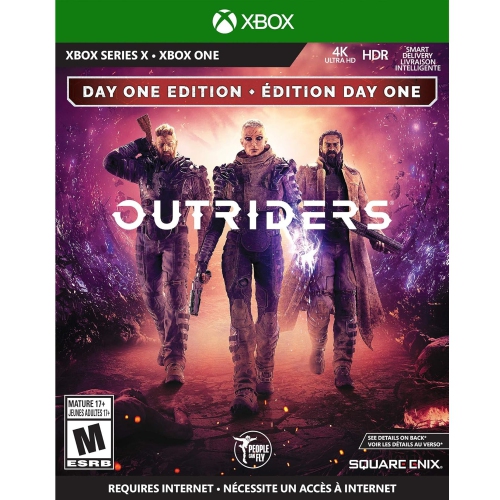
![NINTENDO Back 4 Blood [Xbox One & Xbox Series X] GREAT GAME! Developers worked on Left 4 Dead and it shows](https://multimedia.bbycastatic.ca/multimedia/products/500x500/193/19382/19382665.jpeg)
![FOCUS Evil West [Playstation 4]](https://multimedia.bbycastatic.ca/multimedia/products/500x500/201/20196/20196454.jpeg)
![CLEAR RIVER GAMES Under Defeat [Playstation 5]](https://multimedia.bbycastatic.ca/multimedia/products/500x500/199/19924/19924508.jpeg)

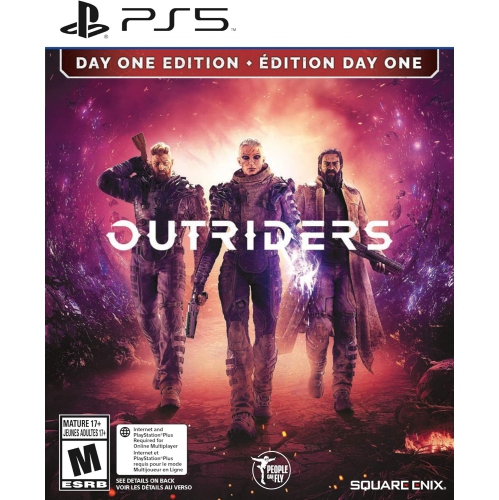
![SQUARE ENIX Outriders - Day One Edition for Playstation 5 [Videogames] Love it](https://multimedia.bbycastatic.ca/multimedia/products/500x500/165/16558/16558338.jpeg)
![LIMITED RUN GAMES Jamestown+ - #523 [Playstation 4]](https://multimedia.bbycastatic.ca/multimedia/products/500x500/193/19384/19384035.jpeg)
![MICROIDS The House Of The Dead Remake [Playstation 5]](https://multimedia.bbycastatic.ca/multimedia/products/500x500/201/20184/20184087.jpeg)
![PERP GAMES Operation Warcade - Psvr [Playstation 4]](https://multimedia.bbycastatic.ca/multimedia/products/500x500/152/15238/15238442.jpeg)
![PLAYSTATION Rambo: The Video Game [ 3]](https://multimedia.bbycastatic.ca/multimedia/products/500x500/148/14827/14827990.jpeg)
![RED ART GAMES Project Starship [Playstation 4]](https://multimedia.bbycastatic.ca/multimedia/products/500x500/161/16177/16177011.jpeg)
![RED ART GAMES Death [Playstation 4]](https://multimedia.bbycastatic.ca/multimedia/products/500x500/161/16176/16176989.jpeg)
![PM STUDIOS West Of Dead: Path Of The Crow Edition [Nintendo Switch]](https://multimedia.bbycastatic.ca/multimedia/products/500x500/165/16590/16590809.jpeg)
![PLAYSTATION Starblood Arena - Psvr [ 4]](https://multimedia.bbycastatic.ca/multimedia/products/500x500/148/14876/14876615.jpeg)
![CLEAR RIVER GAMES Batsugun Saturn Tribute Boosted [Playstation 4]](https://multimedia.bbycastatic.ca/multimedia/products/500x500/199/19940/19940797.jpeg)
![505 GAMES Ghostrunner [Nintendo Switch] One of the very best!](https://multimedia.bbycastatic.ca/multimedia/products/500x500/193/19384/19384083.jpeg)
![CURVEBALL Sker Ritual [Playstation 5]](https://multimedia.bbycastatic.ca/multimedia/products/500x500/197/19776/19776594.jpeg)
![NIS AMERICA Psikyo Shooting Stars Alpha [Nintendo Switch]](https://multimedia.bbycastatic.ca/multimedia/products/500x500/193/19382/19382570.jpeg)
![RED ART GAMES Sophstar [Playstation 4]](https://multimedia.bbycastatic.ca/multimedia/products/500x500/193/19382/19382730.jpeg)
![RED ART GAMES Sophstar [Playstation 5]](https://multimedia.bbycastatic.ca/multimedia/products/500x500/193/19382/19382794.jpeg)
![RED ART GAMES Null Drifter [Playstation 4]](https://multimedia.bbycastatic.ca/multimedia/products/500x500/165/16590/16590791.jpeg)
![RED ART GAMES Iro Hero [Playstation 4]](https://multimedia.bbycastatic.ca/multimedia/products/500x500/161/16176/16176899.jpeg)
![CLEAR RIVER GAMES Under Defeat [Nintendo Switch]](https://multimedia.bbycastatic.ca/multimedia/products/500x500/198/19871/19871916.jpeg)
![BANDAI NAMCO Sword Art Online: Fatal Bullet [Xbox One] A great rpg based on the anime](https://multimedia.bbycastatic.ca/multimedia/products/500x500/193/19383/19383715.jpeg)
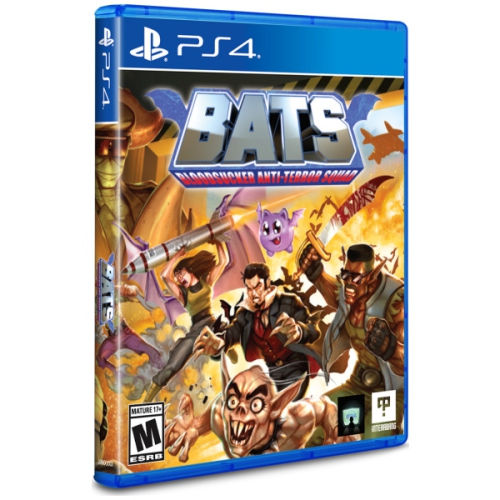
![RED ART GAMES Bats: Bloodsucker Anti-Terror Squad [Playstation 4]](https://multimedia.bbycastatic.ca/multimedia/products/500x500/161/16176/16176886.jpeg)
![STRICTLY LIMITED Warhammer 40K: Shootas, Blood And Teef - Collector's Edition [Playstation 4]](https://multimedia.bbycastatic.ca/multimedia/products/500x500/198/19825/19825276.jpeg)
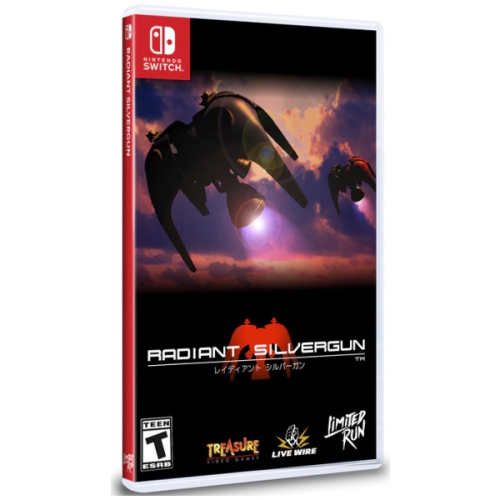
Why every footstep can change your next move
First-person shooters are video games built around weapon-based combat viewed through the eyes of the character being controlled. Often shortened to FPS, the genre places aiming, movement, and awareness at the centre of play, with weapons and equipment typically visible in the foreground. That viewpoint makes small details meaningful: footsteps beyond a doorway, a flicker of movement on a distant rooftop, or a teammate’s signal can shape what happens next. First-person shooters differ from third-person shooters, which show the player’s character from an outside perspective, but both belong to the broader category of Shooting Games. Within FPS games, the pace and style vary considerably. Arena shooters often emphasize quick movement, precise aim, and learning where useful equipment appears across compact maps. Tactical shooters tend to reward deliberate positioning, communication, and careful use of limited resources rather than constant forward movement. Hero shooters add characters with distinct abilities and team roles, so success may depend as much on supporting teammates or controlling an objective as on accuracy. Battle royale modes place players or squads in large survival contests, often with a shrinking playable area that brings opponents closer together; some use a first-person viewpoint, while others offer different perspectives. Story-driven shooters follow a different rhythm, combining combat with exploration, dialogue, and scripted moments that give each mission a sense of purpose. Settings can range from imagined historical conflicts to distant worlds, with visual styles that are realistic, stylized, or deliberately playful. Not every game includes all of these elements, and the FPS label alone does not indicate how demanding, graphic, or competitive the experience will be. For someone drawn to a tense solo adventure, a campaign-focused game can feel very different from a match-based shooter built around repeated contests against other players. The perspective connects them, but their structure, tone, and intended audience help define the experience.
How a first-person shooter fits into everyday play depends largely on its modes, mission structure, and level of challenge. Single-player campaigns suit players who enjoy following a story at their own pace, especially when adjustable difficulty, frequent checkpoints, or the option to pause make it easier to step away. A mission with a clear beginning and end can be satisfying during a shorter session, while branching objectives and larger explorable spaces encourage a more leisurely approach. Cooperative play lets friends work towards shared goals, whether that means completing a campaign together, defending a position against waves of opponents, or combining complementary abilities to get through a difficult encounter. Local multiplayer and online multiplayer are separate features: a game that supports online teams does not necessarily allow two people to share one screen. Competitive modes bring another kind of appeal, from straightforward team contests to objective-based matches in which holding an area or escorting a target matters more than individual eliminations. Match length, respawn rules, and matchmaking systems all affect the feel of a session. Quick respawns offer frequent chances to try again, while round-based formats can make each decision carry more weight. Players learning the genre may appreciate practice areas, computer-controlled opponents, clear tutorials, and difficulty settings that leave room to build confidence. Experienced players may be more interested in responsive movement, varied maps, and systems that reward mastery over time. Adjustable controls, subtitles, colour settings, and options for camera motion can also make a meaningful difference to comfort and readability, although the features offered vary by game. Age ratings and content descriptions help distinguish between experiences with different levels of violence, strong language, or frightening imagery. For a gift, the recipient’s preferred platform, age-appropriate interests, and enjoyment of solo or shared play are more useful starting points than the genre label alone. A player who loves carefully paced story missions may not want the same experience as a friend who enjoys coordinating a full squad.
Platform compatibility and format are practical parts of choosing first-person shooter games, particularly when an existing gaming setup or a regular group of friends is involved. Console games need to match the supported system and generation, while PC games have minimum and recommended hardware requirements that influence whether they run and how smoothly they perform. Storage space matters too, since the initial installation may be only part of the total needed after updates and additional content. A physical edition requires a compatible disc drive and may still need downloads or an internet connection; a digital edition is generally connected to the account used to obtain it. These differences matter for gifting, lending, and using a game across more than one device. Physical game discs benefit from straightforward care: hold them by the edges, return them to their cases after use, and keep the reading surface free of fingerprints and scratches. Their condition, rather than decorative packaging, affects long-term usability. For online play, a stable connection helps maintain consistent responsiveness, and some platforms or modes may require a separate membership. Cross-platform play, cross-generation multiplayer, and shared progression are distinct features, so owning the same game does not automatically mean friends can join the same match or carry progress between systems. Input support also varies. Some players prefer the familiar feel of a controller, while others value the aiming control of a mouse and keyboard, but each game and platform determines which options work. Clear audio can help make footsteps and directional cues easier to distinguish, while readable menus and adjustable sensitivity support a more comfortable setup without changing the core game. Long-term appeal often comes from replayable missions, varied objectives, cooperative options, or multiplayer systems that stay engaging beyond the opening hours. Online-focused features also depend on continued service support, whereas offline modes may offer a different degree of independence. Across these formats, the most satisfying fit connects the game’s pace and demands with the way its player actually likes to spend time: absorbed in a story, solving challenges with friends, or refining skills one match at a time.
How a first-person shooter fits into everyday play depends largely on its modes, mission structure, and level of challenge. Single-player campaigns suit players who enjoy following a story at their own pace, especially when adjustable difficulty, frequent checkpoints, or the option to pause make it easier to step away. A mission with a clear beginning and end can be satisfying during a shorter session, while branching objectives and larger explorable spaces encourage a more leisurely approach. Cooperative play lets friends work towards shared goals, whether that means completing a campaign together, defending a position against waves of opponents, or combining complementary abilities to get through a difficult encounter. Local multiplayer and online multiplayer are separate features: a game that supports online teams does not necessarily allow two people to share one screen. Competitive modes bring another kind of appeal, from straightforward team contests to objective-based matches in which holding an area or escorting a target matters more than individual eliminations. Match length, respawn rules, and matchmaking systems all affect the feel of a session. Quick respawns offer frequent chances to try again, while round-based formats can make each decision carry more weight. Players learning the genre may appreciate practice areas, computer-controlled opponents, clear tutorials, and difficulty settings that leave room to build confidence. Experienced players may be more interested in responsive movement, varied maps, and systems that reward mastery over time. Adjustable controls, subtitles, colour settings, and options for camera motion can also make a meaningful difference to comfort and readability, although the features offered vary by game. Age ratings and content descriptions help distinguish between experiences with different levels of violence, strong language, or frightening imagery. For a gift, the recipient’s preferred platform, age-appropriate interests, and enjoyment of solo or shared play are more useful starting points than the genre label alone. A player who loves carefully paced story missions may not want the same experience as a friend who enjoys coordinating a full squad.
Platform compatibility and format are practical parts of choosing first-person shooter games, particularly when an existing gaming setup or a regular group of friends is involved. Console games need to match the supported system and generation, while PC games have minimum and recommended hardware requirements that influence whether they run and how smoothly they perform. Storage space matters too, since the initial installation may be only part of the total needed after updates and additional content. A physical edition requires a compatible disc drive and may still need downloads or an internet connection; a digital edition is generally connected to the account used to obtain it. These differences matter for gifting, lending, and using a game across more than one device. Physical game discs benefit from straightforward care: hold them by the edges, return them to their cases after use, and keep the reading surface free of fingerprints and scratches. Their condition, rather than decorative packaging, affects long-term usability. For online play, a stable connection helps maintain consistent responsiveness, and some platforms or modes may require a separate membership. Cross-platform play, cross-generation multiplayer, and shared progression are distinct features, so owning the same game does not automatically mean friends can join the same match or carry progress between systems. Input support also varies. Some players prefer the familiar feel of a controller, while others value the aiming control of a mouse and keyboard, but each game and platform determines which options work. Clear audio can help make footsteps and directional cues easier to distinguish, while readable menus and adjustable sensitivity support a more comfortable setup without changing the core game. Long-term appeal often comes from replayable missions, varied objectives, cooperative options, or multiplayer systems that stay engaging beyond the opening hours. Online-focused features also depend on continued service support, whereas offline modes may offer a different degree of independence. Across these formats, the most satisfying fit connects the game’s pace and demands with the way its player actually likes to spend time: absorbed in a story, solving challenges with friends, or refining skills one match at a time.
Top selling and popular products
-
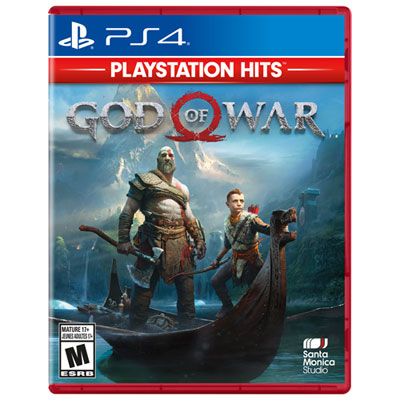 Your price for this item is $19.99
 -
![ROCKSTAR Dead Emption 2 [Playstation 4] In Red](https://multimedia.bbycastatic.ca/multimedia/products/500x500/139/13916/13916462.jpeg) Your price for this item is $39.74
Your price for this item is $39.74 -
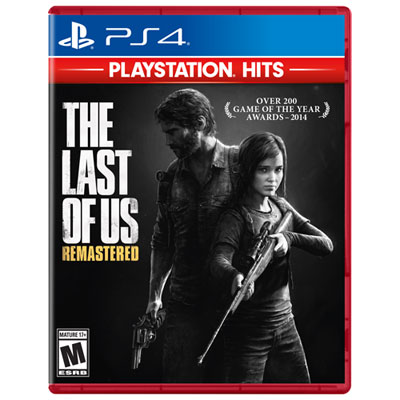 Your price for this item is $19.99
 -
![ACTIVISION CLASSICS Call Of Duty: Modern Warfare for Playstation 4 [Videogames]](https://multimedia.bbycastatic.ca/multimedia/products/500x500/176/17630/17630751.jpeg) Your price for this item is $79.99
Your price for this item is $79.99 -
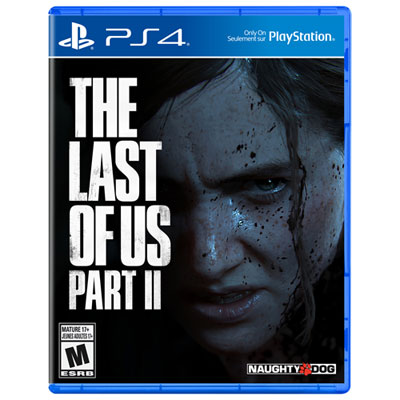 Your price for this item is $49.99
 -
![NAUGHTY DOG Uncharted: The Nathan Drake Collection [Playstation 4]](https://multimedia.bbycastatic.ca/multimedia/products/500x500/152/15268/15268955.jpeg) Your price for this item is $31.95
Your price for this item is $31.95 -
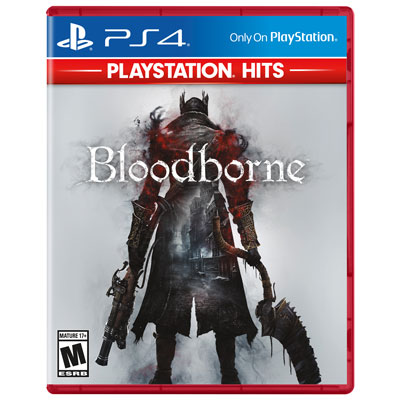 Your price for this item is $19.99
 -
![PLAYSTATION Until Dawn Hits for 4 [Videogames]](https://multimedia.bbycastatic.ca/multimedia/products/500x500/165/16558/16558327.jpeg) Your price for this item is $29.99
Your price for this item is $29.99
Discover more categories related to First Person Shooters
Top Collections:
Pokemon Centers, Kindle Devices, Apple iPhones 16, Samsung Galaxy Phones, Canon G7X Cameras, iPhone 15 Apple, Flip Phones, Apple Wired Earphones, Best Budget Office Chairs, Refurbished Apple Laptops
Some products may be subject to Environmental Handling Fees
(EHF) depending on your province.
Learn more about EHFs.