Games for Tweens
Discover the perfect blend of fun and learning with our selection of games designed specifically for tweens. These engaging options cater to their growing interests and evolving skills, offering a dynamic mix of adventure, strategy, and creativity. Whether they're looking to challenge their minds or simply unwind with friends, our diverse assortment ensures there's something for every taste. Encourage exploration and imagination while providing hours of entertainment that are both enjoyable and enriching. Dive into a world where fun meets growth, and let the good times roll!
Sort







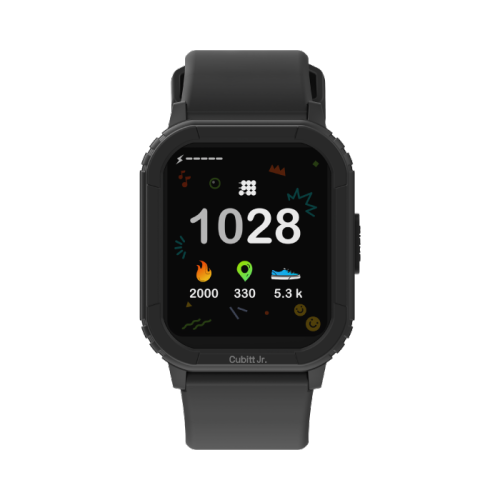
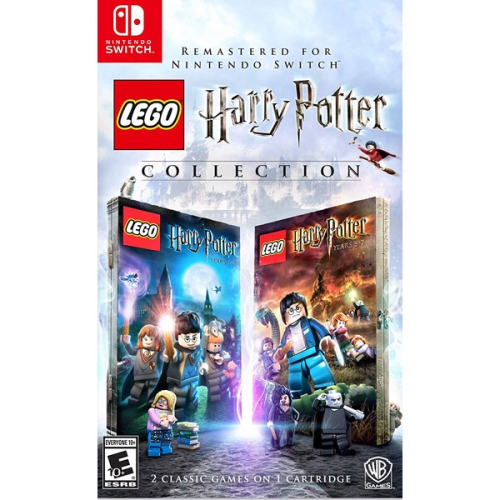
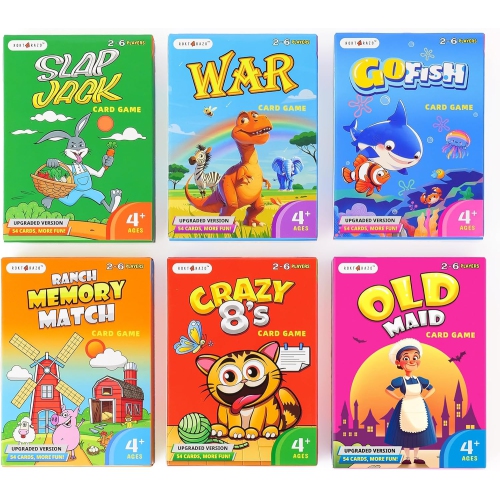
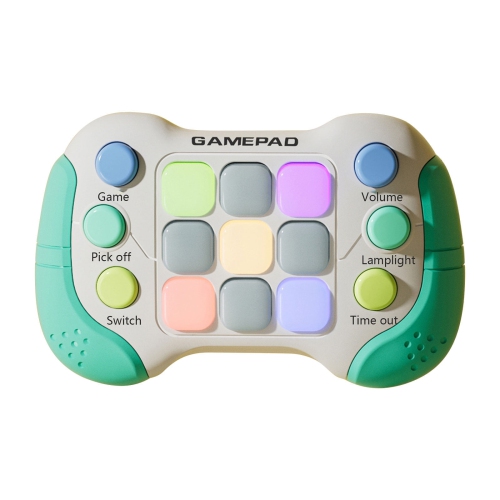
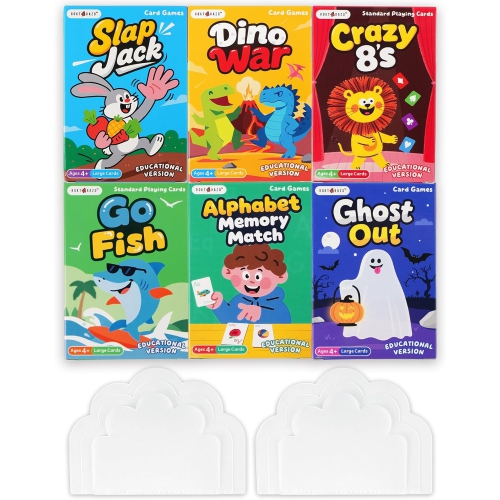
Simple rules with room for clever choices
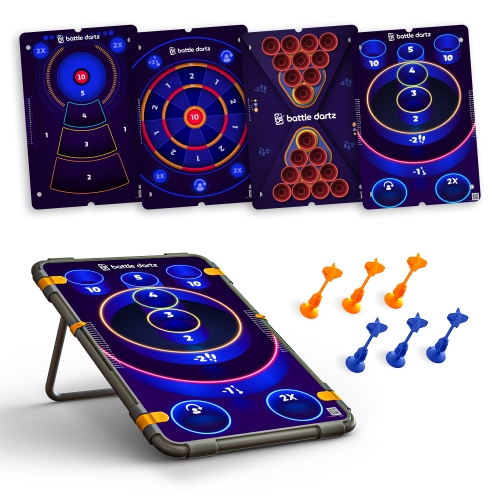
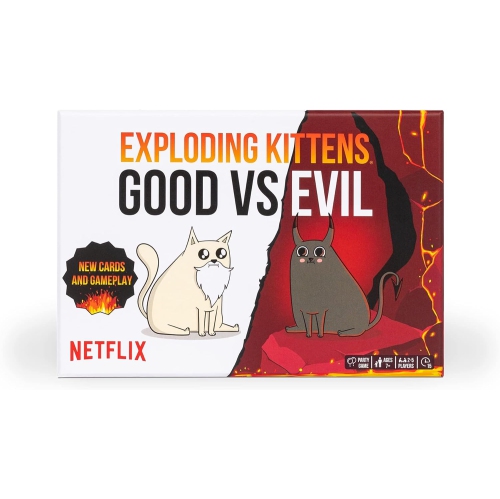
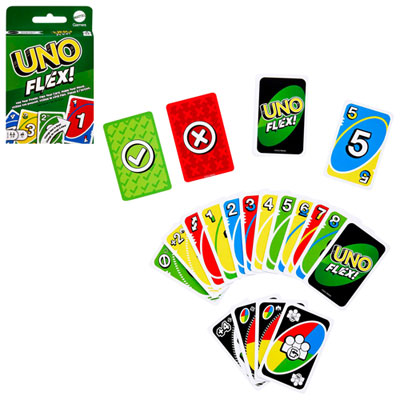
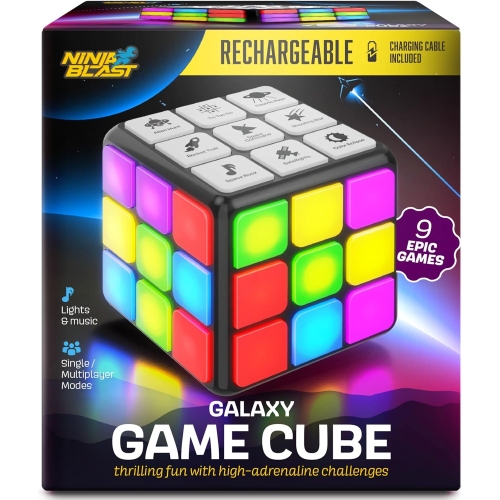
Games for tweens include board games, card games, cooperative challenges, puzzles and age-appropriate video games, with options for family game nights, birthday gatherings and time with friends. For families shopping for players roughly 8 to 14 years old, the best fit depends on interests, reading confidence and familiarity with games as much as the age printed on the box. Straightforward rules and meaningful choices make a useful combination: players can get started without a lengthy explanation but still have room to develop tactics. Card games often work well for quick rounds, while strategy board games give players time to plan, manage resources and adapt when someone changes the direction of play. Word and drawing games appeal to groups that enjoy creative connections, and dexterity games bring a hands-on challenge without relying heavily on reading. Cooperative games give everyone a shared objective, making them a good fit for siblings or friends who prefer solving a problem together rather than competing for first place. A playing time of around 30 to 40 minutes can suit an after-school session or a family game night, although shorter rounds offer flexibility when players want to join or leave between games. The stated player count matters just as much as the theme. A game that accommodates six people may feel quite different with two, particularly when its appeal depends on discussion, guessing or team interaction. For a birthday gathering, simultaneous turns can keep more players involved; for a quieter afternoon, a two-player challenge or solo puzzle may be a better match. Themes involving exploration, building, mysteries or imaginative storytelling can connect with existing interests without requiring specialist knowledge. Replay value comes from varied setups, different routes to success and decisions that change with the people at the table. A game does not need complicated rules to stay interesting; sometimes a small hand of cards and a well-timed choice are enough to make the next round feel different.
The physical design of tabletop games makes a noticeable difference to everyday use. Sturdy boards, clearly printed cards and pieces that are comfortable to pick up help a game hold up to repeated play. Cardstock thickness, smooth edges and readable symbols are worth considering, especially when several players will handle the same components every session. Wooden pieces, plastic tokens and cardboard tiles each have their own feel, but construction and finish matter more than the material alone. A board should sit flat, pieces should be easy to distinguish, and important information should remain visible from across the table. Colour is useful for identifying teams or resources, though symbols or patterns alongside colour can make play easier for people who have difficulty telling shades apart. Larger text and uncluttered layouts can also reduce the effort of checking rules or reading a hand of cards. The space a game needs is another practical consideration. A compact card game can suit a small work surface or a travel bag, while a board with separate player areas may need most of a dining table. Games with many small pieces benefit from fitted trays, resealable bags or divided storage that keeps setup manageable and helps prevent missing components. Small-parts warnings are particularly important in homes where younger children may have access to the play area. For care, dry hands, a clean table and drinks kept away from cards and boards help protect printed surfaces. Follow the maker’s cleaning directions for washable components, and avoid soaking cardboard or applying cleaning products to materials that are not designed for them. Keeping the instructions with the game, counting pieces before packing up and storing the box away from moisture can extend its useful life. These details are especially helpful for games that travel between homes, accompany family visits or become a regular choice for shared play.
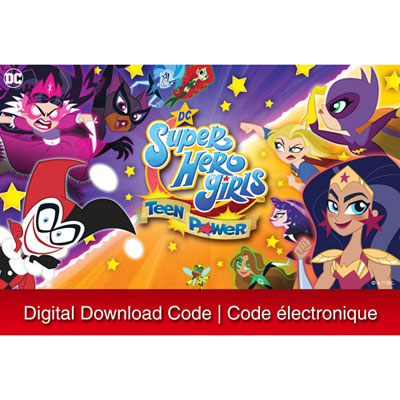
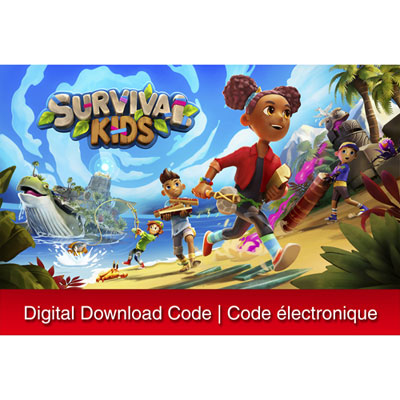
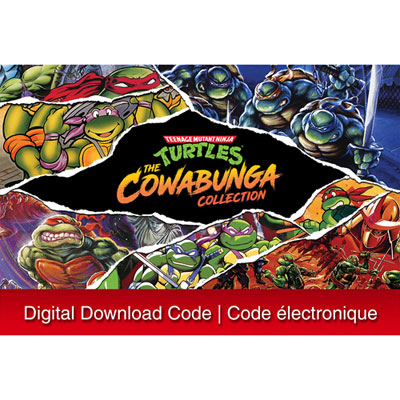
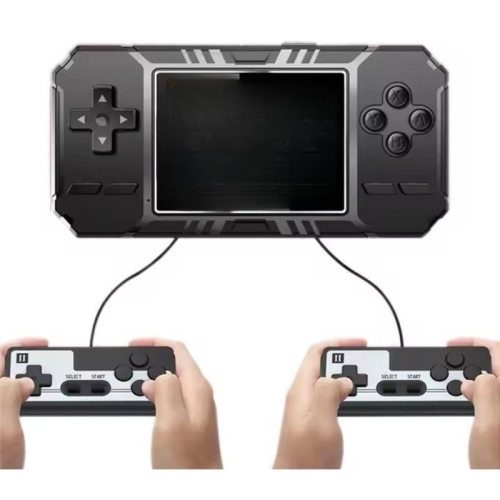
Video games for tweens offer another way to build, explore, solve puzzles and play together, with experiences ranging from relaxed creative activities to fast-moving sports and cooperative adventures. The distinction between single-player, local multiplayer and online multiplayer is important when matching a game to its intended use. Local multiplayer lets friends share a screen or play together in the same room, but it may require additional controllers. Online play can connect friends in different homes, although access requirements, account settings and communication features vary by game and platform. Compatibility should be checked carefully, including the console or computer required, supported controllers, storage needs and whether an internet connection is necessary for setup or ongoing play. Cross-platform play is not universal, so friends using different systems may not be able to join the same session. Content ratings and their accompanying descriptors provide useful information about themes, language and violence; online chat and player-created content deserve a separate look because those interactions can differ from the main game. Parental controls can help manage communication, purchases and play schedules, with the available settings depending on the device or service. For younger or less experienced players, adjustable difficulty, clear tutorials, subtitle options and remappable controls can make a game more approachable. Frequent save points or short matches are useful when play needs to fit around homework, meals and other activities, while longer adventures may suit players who enjoy returning to a continuing story. As a gift, a game feels more personal when it reflects how the recipient likes to spend time: creating something independently, tackling a challenge with a friend or bringing a whole group into the fun. Checking what they already enjoy, which system they use and whether they prefer competition or collaboration helps narrow the choice. Families shopping for an older sibling can also explore Video Games for Teens, while matching content and features to the individual player. Across tabletop and digital formats, a well-matched game gives tweens enough support to begin confidently and enough freedom to make the experience their own.
Top selling and popular products
-
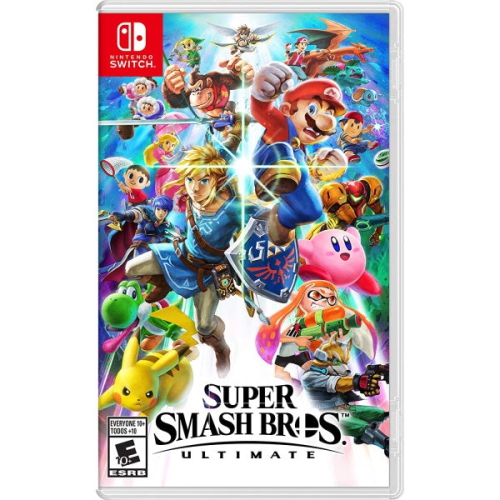 Your price for this item is $89.95
-
 Your price for this item is $89.95
-
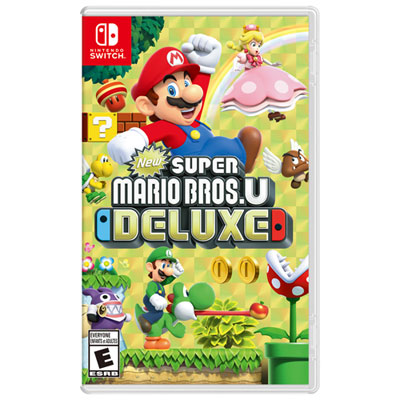 Your price for this item is $79.99
-
 Your price for this item is $85
-
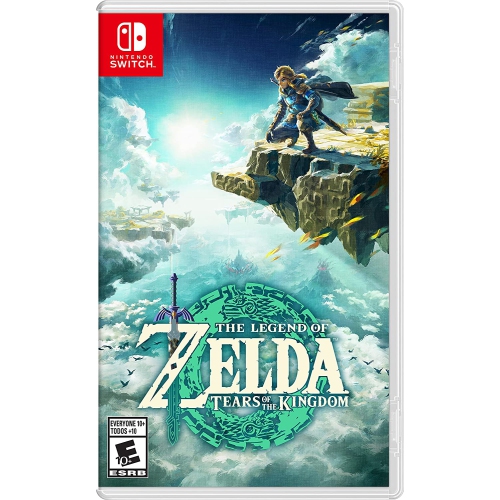 Your price for this item is $109.99
-
 Your price for this item is $99.99
-
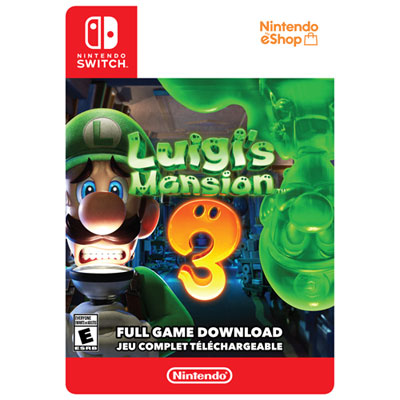 Your price for this item is $84.99
-
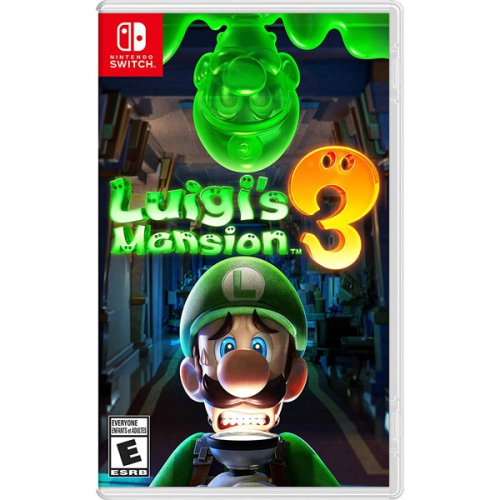 Your price for this item is $87.75
Discover more categories related to Games for Tweens

Top Collections:
Pokemon Centers, Kindle Devices, Best Black Friday Deals This Year, Pokémon 30th Celebration Cards, Best Black Friday Deals On Electronics, Best Cameras for Sports Photography, Best Black Friday Deals On Apple Products, Canon G7X Cameras, iPhone 15 Apple, Candle Warmer Lights
Some products may be subject to Environmental Handling Fees
(EHF) depending on your province.
Learn more about EHFs.