Nintendo Switch Multiplayer Adventure Games
Nintendo Switch Multiplayer Adventure Games offer an exciting way to team up with friends and family for unforgettable journeys. Dive into immersive worlds, solve challenging puzzles, and embark on epic quests—all while enjoying cooperative or competitive play. Whether gathering for a lively game night or connecting online, these adventure games deliver hours of engaging entertainment. Discover the perfect titles to spark your next multiplayer adventure on Nintendo Switch.
Sort
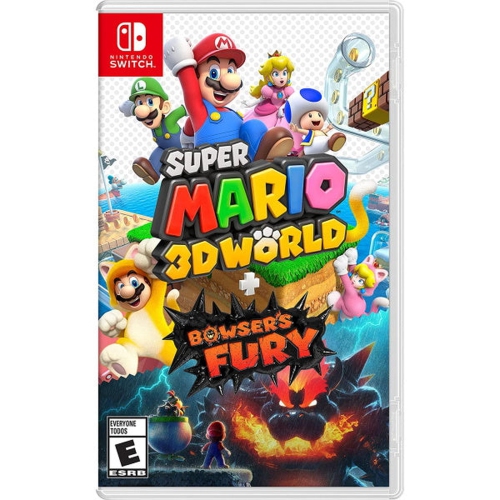
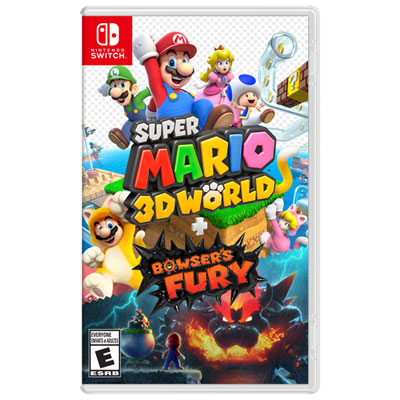
![NINTENDO Super Mario 3D World + Bowser's Fury for Switch [Videogames] Great buy](https://multimedia.bbycastatic.ca/multimedia/products/500x500/174/17452/17452672.jpeg)
![NINTENDO Pokemon Let's Go Pikachu for Switch [Videogames] Great game](https://multimedia.bbycastatic.ca/multimedia/products/500x500/176/17664/17664603.jpeg)
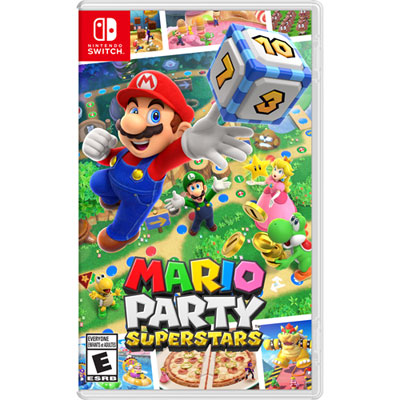
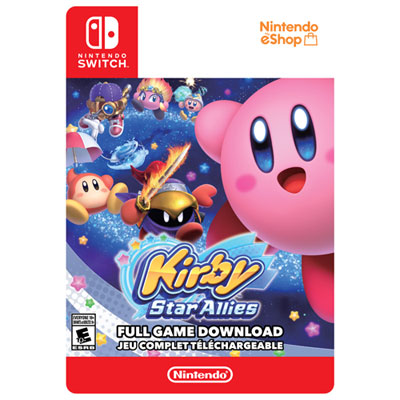
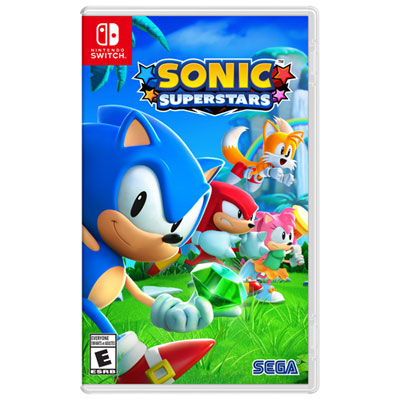
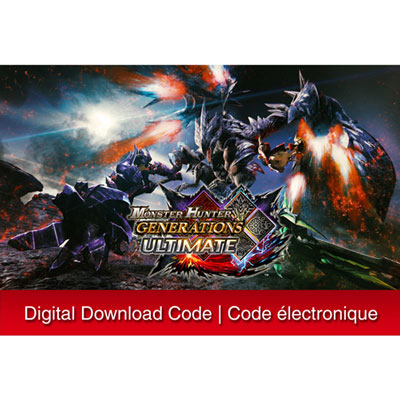
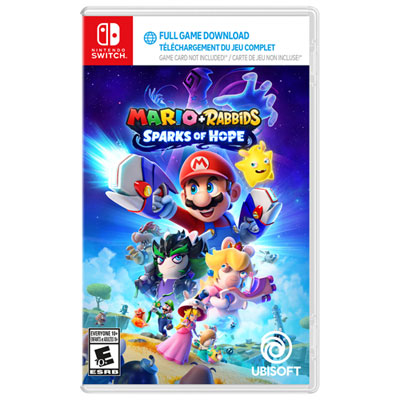
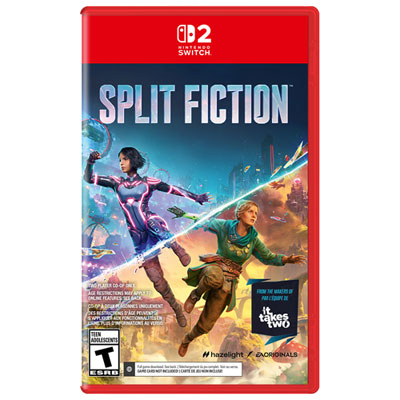

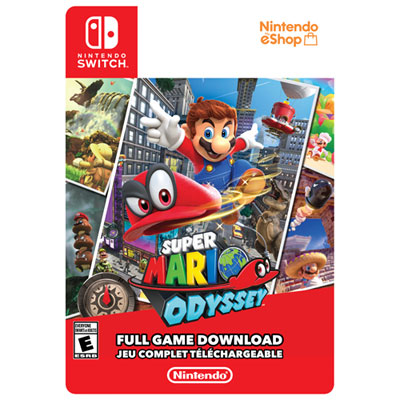
![LIMITED RUN GAMES Rwby: Grimm Eclipse - Definitive Edition - Limited Run #113 [Nintendo Switch] Great game](https://multimedia.bbycastatic.ca/multimedia/products/500x500/161/16176/16176875.jpeg)

Shared quests where every player has a meaningful role
Multiplayer adventure games bring exploration, storytelling, and teamwork together, giving players a shared journey rather than a series of isolated matches. The appeal might be finding a hidden passage behind a waterfall, working out how to open a locked gate, or helping a teammate across moving platforms before facing a larger challenge together. Within this category, adventures can lean towards puzzle-solving, action, platforming, or role-playing, with different balances of dialogue, combat, and discovery. Cooperative campaigns put players on the same side, often making each person’s abilities useful to the group. One character might hold a mechanism in place while another crosses a gap, or teammates might combine different skills to overcome an obstacle neither could manage alone. Other games mix shared objectives with friendly competition over points or treasures. For households interested in playing through a story together, campaign support matters more than a general multiplayer label: some games offer a shared main adventure, while others reserve multiplayer for separate challenges or side modes. Player counts also vary by mode, so a game that supports a larger group in one activity may allow only two people in its story campaign. Two-player adventures can suit couples, siblings, or friends who enjoy settling into an ongoing story, while adventures designed for larger groups can make family evenings more lively. A clearly defined objective helps occasional players follow the action, whereas branching paths, character upgrades, and optional discoveries give more experienced players room to explore. Those interested in other ways to play together can also explore Nintendo Switch Multiplayer Games alongside adventure-focused choices. The defining feature of a satisfying shared adventure is not simply having several characters on screen; it is giving each player something meaningful to do, whether that means solving a clue, supporting a teammate, or spotting a route everyone else has missed. That sense of contribution can turn even a short play session into a memorable shared achievement.
The multiplayer setup shapes how an adventure fits into everyday life. Same-system local play lets compatible games bring people together around one screen, with supported controllers for each participant. Local wireless play is different: it connects nearby compatible systems, and participating players may each need their own system and copy of the game. Online multiplayer allows friends to join from different locations, but requirements can include an internet connection, separate game copies, accounts, and a paid membership, depending on the title and mode. These formats are not interchangeable, and a game may support one without offering the others. Controller requirements deserve similar attention, since some adventures work with a single small controller per person while others need a fuller set of controls. Console model and supported play modes matter as well, particularly when the plan is to gather around a television rather than use a handheld screen. A shared-screen adventure keeps everyone looking at the same scene, which can make teamwork feel immediate but may limit how far characters can move apart. Split-screen play gives players separate views, although text and distant details can be harder to follow on a smaller display. The way a game handles joining, saving, and progression also makes a practical difference. Drop-in play can suit a household where someone joins after dinner, while a campaign built around a fixed partnership works well for players who can return together. Some adventures save progress primarily for the host, and others may place conditions on which chapters a guest can access. For friends planning regular online sessions, those details affect whether everyone can continue from the same point. Frequent checkpoints and shorter stages are useful for evenings with limited time; longer quests and involved puzzles are better suited to uninterrupted sessions. During the cooler months, either format can offer a comfortable indoor activity, from a quick shared challenge to a relaxed evening spent searching every corner of a colourful world.
A good match also depends on the players’ ages, confidence, and preferred pace. An age rating and its content descriptors help identify themes, language, and intensity, but they do not necessarily indicate how difficult the controls or puzzles will be. Younger players may be comfortable moving a character yet still need help reading dialogue, managing equipment, or understanding a map. Adventures with clear visual cues, adjustable difficulty, or forgiving restarts can make mixed-experience groups more comfortable, where those features are supported. A less experienced player may enjoy a supporting role, although it is worth distinguishing that arrangement from a game in which both participants have equally broad abilities. For some pairs, helping with a few actions is an easy introduction; for others, having independent movement and meaningful choices is central to the fun. Subtitles, text size options, control settings, and readable menus can further affect comfort during longer sessions. As gifts, multiplayer adventures are especially thoughtful when they fit an existing shared interest, such as light-hearted fantasy, intricate puzzles, or exploring unfamiliar landscapes. Compatibility with the recipient’s console, the intended player count, and the required accessories matters just as much as the story’s appeal. Physical and digital formats also have different practical considerations. Physical game cards are small and easy to misplace, so keeping them in their cases between sessions helps protect them from spills, dust, and accidental damage. Handling cards by their edges and keeping their contacts clean and dry supports reliable use; they should not be forced into a slot or left loose in a bag. Digital games do not need physical storage, but they require sufficient console storage space and are subject to account access and download requirements. Either format may need updates or additional downloads, making setup time worth allowing before a planned gathering. Lasting appeal comes from the adventure itself: optional routes, varied character abilities, hidden challenges, and enjoyable teamwork can give players reasons to return after the main story ends. The strongest fit is an adventure whose pace and demands leave everyone eager to take the next step together.
The multiplayer setup shapes how an adventure fits into everyday life. Same-system local play lets compatible games bring people together around one screen, with supported controllers for each participant. Local wireless play is different: it connects nearby compatible systems, and participating players may each need their own system and copy of the game. Online multiplayer allows friends to join from different locations, but requirements can include an internet connection, separate game copies, accounts, and a paid membership, depending on the title and mode. These formats are not interchangeable, and a game may support one without offering the others. Controller requirements deserve similar attention, since some adventures work with a single small controller per person while others need a fuller set of controls. Console model and supported play modes matter as well, particularly when the plan is to gather around a television rather than use a handheld screen. A shared-screen adventure keeps everyone looking at the same scene, which can make teamwork feel immediate but may limit how far characters can move apart. Split-screen play gives players separate views, although text and distant details can be harder to follow on a smaller display. The way a game handles joining, saving, and progression also makes a practical difference. Drop-in play can suit a household where someone joins after dinner, while a campaign built around a fixed partnership works well for players who can return together. Some adventures save progress primarily for the host, and others may place conditions on which chapters a guest can access. For friends planning regular online sessions, those details affect whether everyone can continue from the same point. Frequent checkpoints and shorter stages are useful for evenings with limited time; longer quests and involved puzzles are better suited to uninterrupted sessions. During the cooler months, either format can offer a comfortable indoor activity, from a quick shared challenge to a relaxed evening spent searching every corner of a colourful world.
A good match also depends on the players’ ages, confidence, and preferred pace. An age rating and its content descriptors help identify themes, language, and intensity, but they do not necessarily indicate how difficult the controls or puzzles will be. Younger players may be comfortable moving a character yet still need help reading dialogue, managing equipment, or understanding a map. Adventures with clear visual cues, adjustable difficulty, or forgiving restarts can make mixed-experience groups more comfortable, where those features are supported. A less experienced player may enjoy a supporting role, although it is worth distinguishing that arrangement from a game in which both participants have equally broad abilities. For some pairs, helping with a few actions is an easy introduction; for others, having independent movement and meaningful choices is central to the fun. Subtitles, text size options, control settings, and readable menus can further affect comfort during longer sessions. As gifts, multiplayer adventures are especially thoughtful when they fit an existing shared interest, such as light-hearted fantasy, intricate puzzles, or exploring unfamiliar landscapes. Compatibility with the recipient’s console, the intended player count, and the required accessories matters just as much as the story’s appeal. Physical and digital formats also have different practical considerations. Physical game cards are small and easy to misplace, so keeping them in their cases between sessions helps protect them from spills, dust, and accidental damage. Handling cards by their edges and keeping their contacts clean and dry supports reliable use; they should not be forced into a slot or left loose in a bag. Digital games do not need physical storage, but they require sufficient console storage space and are subject to account access and download requirements. Either format may need updates or additional downloads, making setup time worth allowing before a planned gathering. Lasting appeal comes from the adventure itself: optional routes, varied character abilities, hidden challenges, and enjoyable teamwork can give players reasons to return after the main story ends. The strongest fit is an adventure whose pace and demands leave everyone eager to take the next step together.
Top selling and popular products
-
![NINTENDO Super Smash Bros. Ultimate [ Switch]](https://multimedia.bbycastatic.ca/multimedia/products/500x500/166/16618/16618377.jpeg) Your price for this item is $89.95
Your price for this item is $89.95 -
![NINTENDO Animal Crossing: New Horizons [ Switch]](https://multimedia.bbycastatic.ca/multimedia/products/500x500/148/14828/14828033.jpeg) Your price for this item is $80.49
Your price for this item is $80.49 -
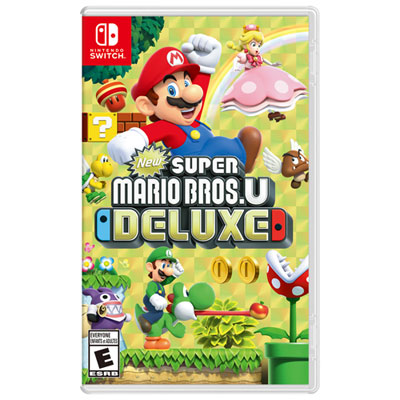 Your price for this item is $84.99
 -
![NINTENDO GAMES New Super Mario Bros. U Deluxe for Nintendo Switch [Videogames]](https://multimedia.bbycastatic.ca/multimedia/products/500x500/176/17683/17683406.jpeg) Your price for this item is $71.75
Your price for this item is $71.75 -
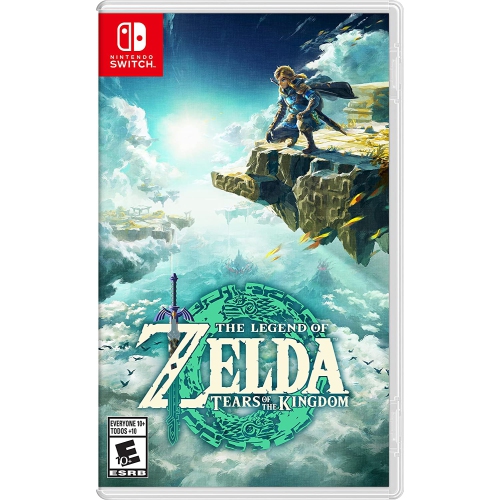 Your price for this item is $109.99
 -
![NINTENDO GAMES The Legend Of Zelda: Tears Of The Kingdom for Nintendo Switch [Videogames]](https://multimedia.bbycastatic.ca/multimedia/products/500x500/176/17661/17661818.jpeg) Your price for this item is $99.99
Your price for this item is $99.99 -
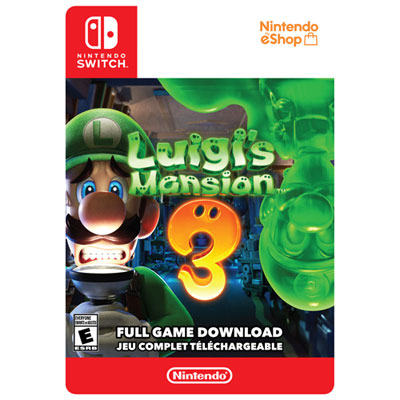 Your price for this item is $84.99
 -
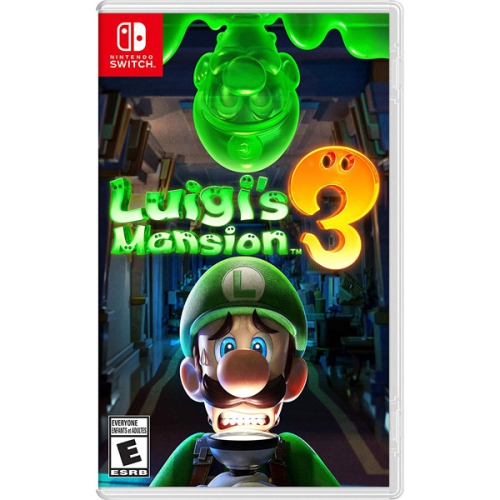 Your price for this item is $87.75
Discover more categories related to Nintendo Switch Multiplayer Adventure Games

Top Collections:
Pokemon Centers, Kindle Devices, Best Budget Office Chairs, Apple iPhones 16, Best Laptops for Writers, iPhone 15 Apple, Canon G7X Cameras, Refurbished Apple Laptops, Alarm Clock, Motorola Razr Phones
Some products may be subject to Environmental Handling Fees
(EHF) depending on your province.
Learn more about EHFs.