Split Controllers
Split Controllers offer an innovative way to enhance your gaming experience by providing flexibility and comfort during play. Whether you're looking for improved ergonomics or a more customizable setup, Split Controllers are designed to fit a variety of gaming preferences. Discover options that cater to both casual and competitive gamers, making it easy to find the right match for your playstyle. Explore the latest selection of Split Controllers to elevate your gameplay and enjoy greater control.
Sort
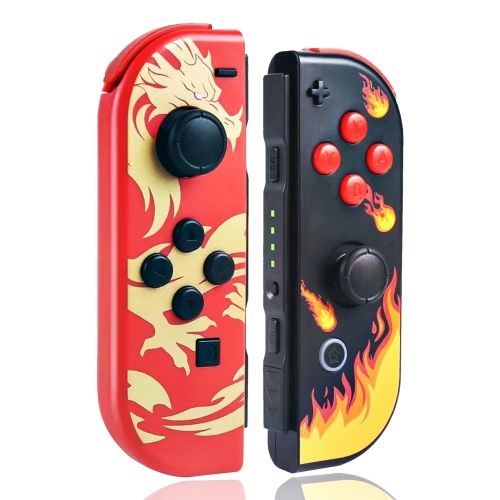
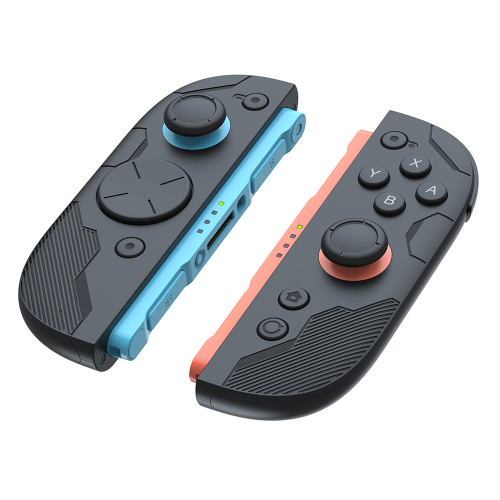


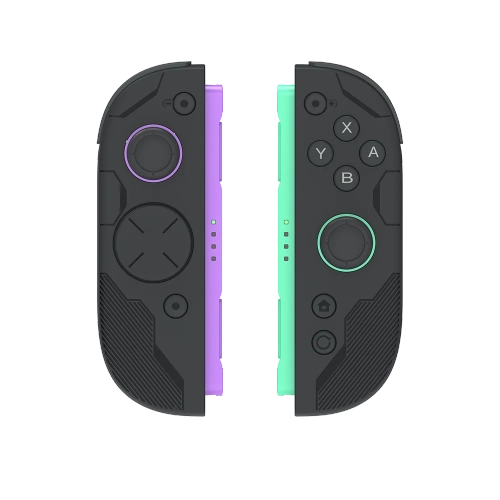
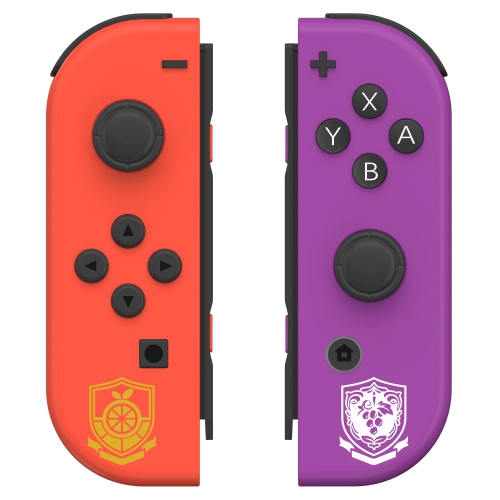
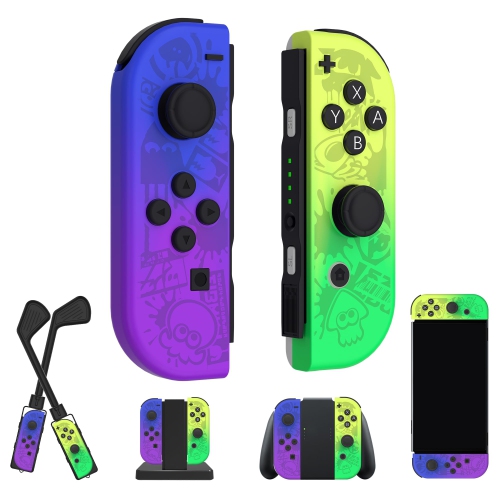
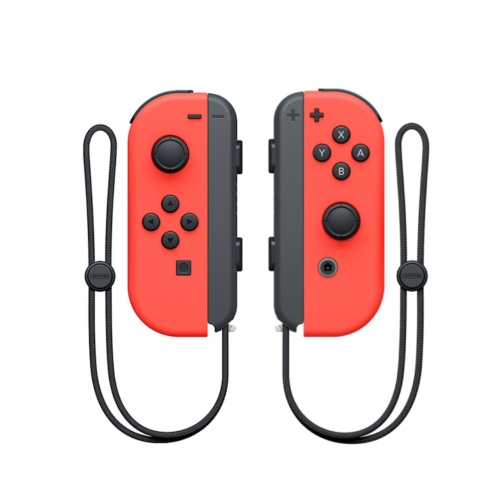
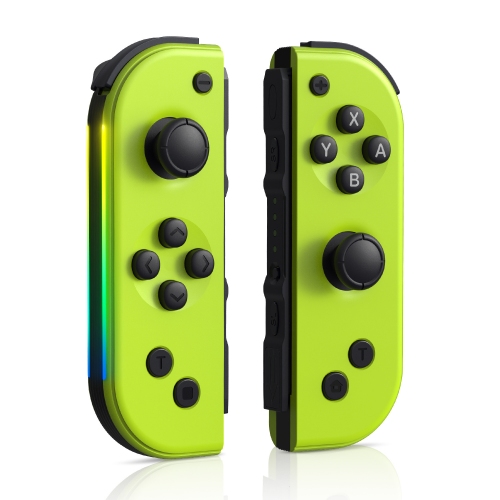
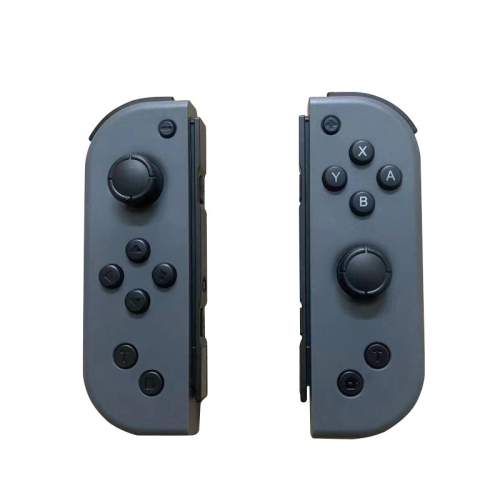
Detachable halves do not always mean wireless play
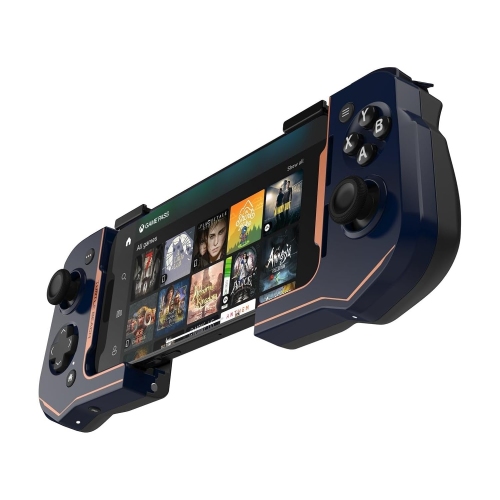
Split controllers divide the controls of a traditional gamepad between separate left and right units. Depending on their design, they can attach to a compatible handheld console, work wirelessly in separate hands, or connect through an additional grip or attachment. This distinction matters: a controller made for attached handheld play does not necessarily function when removed from the console. In supported wireless configurations, holding the two halves apart lets players choose their own hand spacing instead of keeping both hands around a single central grip. That flexibility can suit someone playing with their elbows supported on a sofa, while larger attached grips may appeal to players who want a more substantial hold on a handheld screen. The category includes different shapes and sizes, from slim designs that preserve a portable feel to fuller grips with roomier buttons and more pronounced palm support. Comfort depends on how the controller fits the player, not simply how large it looks. Thumbstick height, button spacing, grip thickness, and the distance to shoulder buttons all influence how naturally the controls fall under the fingers. A player with smaller hands may prefer shorter reaches, while someone with larger hands may appreciate extra space beneath the palms. Weight also changes the experience, particularly when the controller halves attach directly to a screen that must be held throughout a session. Balanced weight and secure attachment can feel more useful than extra features that add bulk. Split controllers are relevant to many kinds of play, including navigating a story-driven adventure, making small steering adjustments in a racing game, or timing jumps in a platform game. Their appeal is not limited to lengthy sessions: a comfortable grip can be just as welcome during a short break. For shared play, some designs allow each half to serve as a separate controller, but this requires compatible hardware and games. Two detachable halves should not automatically be treated as two complete gamepads.
Compatibility is the foundation of how split controllers perform. The console family, hardware generation, attachment system, and supported connection methods all affect whether a pair will fit and function as expected. Similar-looking rails or connectors do not guarantee compatibility, and a controller intended for handheld use may draw power directly from the console rather than contain its own rechargeable battery. Wireless designs introduce different considerations, including charging arrangements, battery life, pairing, and whether both halves maintain their connection during play. A tabletop setup, for example, needs controllers that work while detached, along with a suitable way to support the screen. Beyond the connection itself, the control layout shapes the experience. Larger thumbsticks can provide a different range of movement and feel from low-profile sticks, while a well-defined directional pad may be especially appealing for games that rely on precise directional inputs. Button resistance and shoulder-trigger travel also matter, since a light press and a deeper pull create noticeably different sensations. Some split controllers include rear buttons that can duplicate supported inputs, allowing certain actions to remain within reach without moving a thumb away from a stick. Their usefulness depends on the available mapping options and the games being played. Features such as motion controls, vibration, wake functions, and accessory support vary between designs; none should be assumed simply because a controller attaches correctly. Thumbstick technology is another point of distinction. Hall effect sticks use magnetic sensing rather than the contact-based sensing found in many conventional designs, which can reduce wear associated with that sensing mechanism. They are not a guarantee against every cause of unwanted movement, since calibration, debris, physical damage, and other components can still affect performance. For everyday play, consistent centring, predictable response, and accessible controls are more meaningful than a long feature list. A straightforward layout with dependable inputs may suit relaxed adventures, while players who make frequent camera adjustments or rapid directional changes may place greater value on stick feel, button placement, and customization options.
Materials, construction, and care influence how split controllers feel after repeated use. Moulded plastic shells keep many designs relatively light, while textured surfaces and shaped handles can help maintain a steady hold. A heavily textured grip may feel secure but collect residue more readily than a smoother finish, and soft-touch surfaces can have different cleaning requirements from hard plastic. The areas around buttons, thumbsticks, seams, and attachment points deserve particular attention because ordinary handling can leave dust and skin oils in these spaces. A soft, dry cloth is a sensible starting point for routine cleaning, with any additional cleaning method following the manufacturer’s directions. Spraying liquid directly onto controls or allowing moisture into connectors can damage electronic components. Secure attachment is equally important during everyday use: properly seated halves should remain stable without being forced into place, and the complete handheld should be supported rather than carried by one controller grip. For travel, a case needs enough space for the assembled shape, including any extra depth from larger handles or taller sticks. A case intended for a slimmer setup may press against buttons or fail to close comfortably. Players who frequently pack a console into a bag may value a smaller footprint, whereas those who mainly play at home may favour broader palm support. The Compact Controllers collection is also relevant when reduced bulk and shorter reaches are priorities, although compact sizing does not itself indicate a split design or a particular connection method. As a gift, split controllers can be a thoughtful choice for someone who regularly uses a compatible handheld system, especially when their preferred grip size and playing style are already familiar. Matching the recipient’s exact hardware and usual setup matters more than choosing by appearance alone. Colour can personalize the setup, but comfortable proportions, secure connections, and the right feature support are what make the controllers feel like a natural part of everyday play.
Top selling and popular products
-
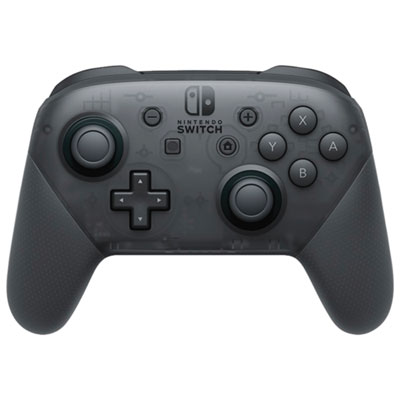 Your price for this item is $99.99
-
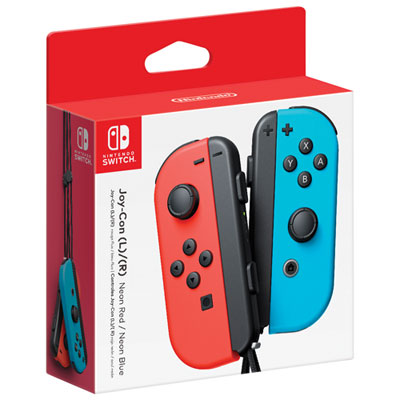 Your price for this item is $109.99
-
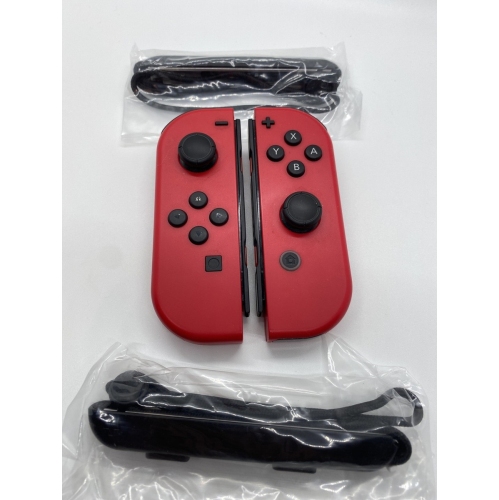 Your price for this item is $79.99
-
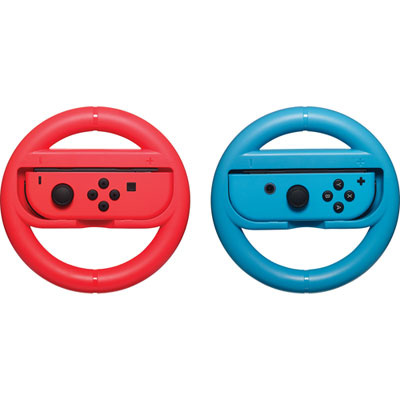 Your price for this item is $16.99
-
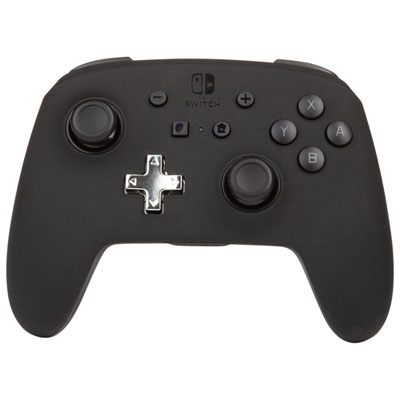 Your price for this item is $79.99
-
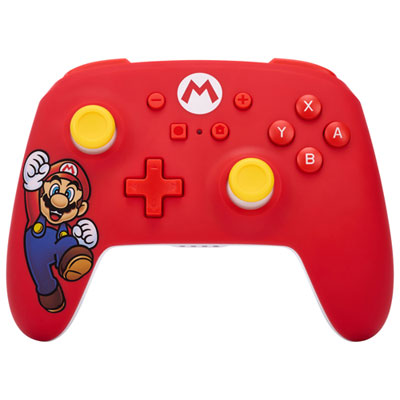 Your price for this item is $58.97
-
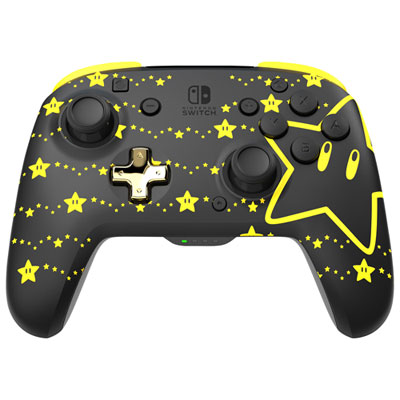 Your price for this item is $64.99
-
 Your price for this item is $51.68
Discover more categories related to Split Controllers
Top Collections:
Best Black Friday Deals This Year, Best Black Friday Deals On Electronics, Kindle Devices, Pokemon Centers, Best Black Friday Deals On Apple Products, Best Cameras for Sports Photography, Dyson Airwrap, Pokémon 30th Celebration Cards, Apple iPhone 17 Pro, Canon G7X Cameras
Some products may be subject to Environmental Handling Fees
(EHF) depending on your province.
Learn more about EHFs.