Switch Controllers for Smash Bros
Switch Controllers for Smash Bros are essential for players looking to enhance their gaming experience and enjoy precise control during intense matches. Whether you’re competing with friends or aiming for victory in online battles, finding the right controller can make a big difference. Explore a wide selection of Switch Controllers for Smash Bros designed to help you play your best, no matter your skill level or play style. Discover options that offer comfort, reliability, and responsive gameplay for every match.
Sort


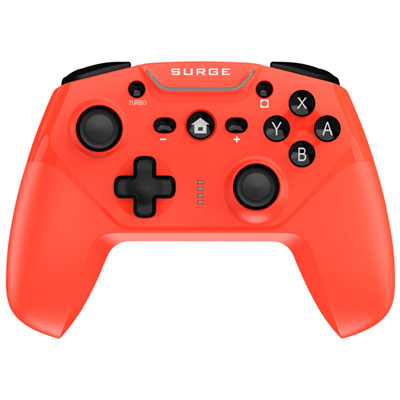
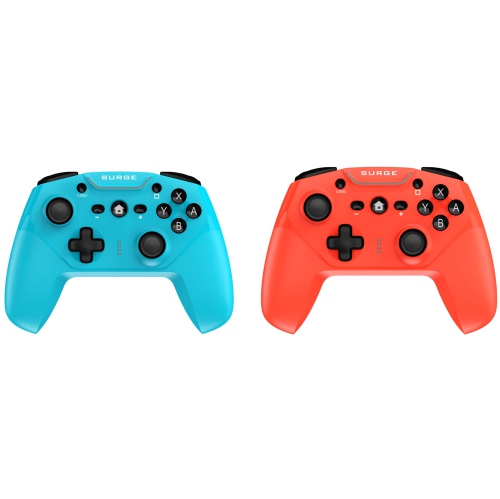


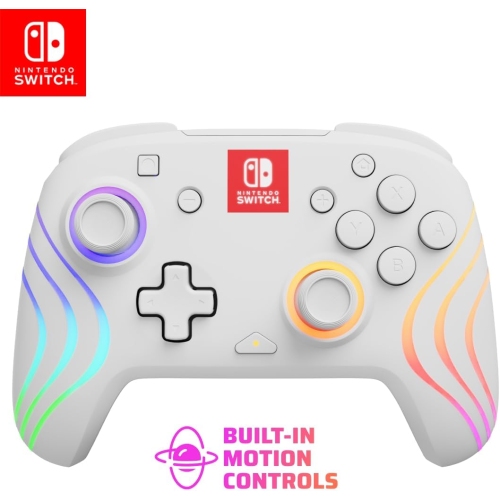


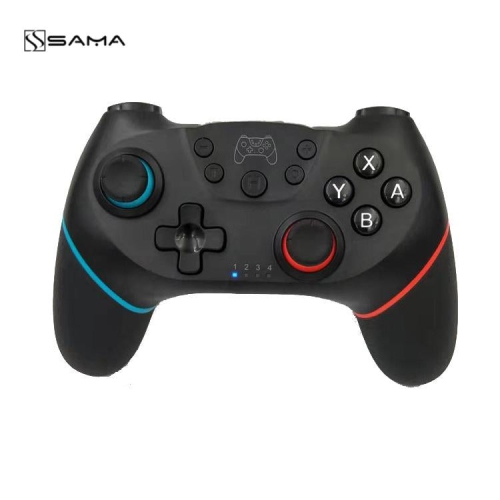
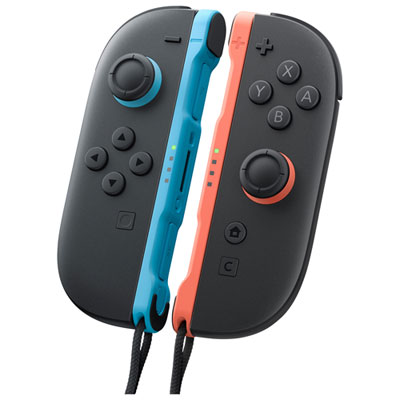


Controller comfort goes beyond a familiar button layout
Switch controllers for Smash Bros include wired gamepads, wireless designs, and compatible classic-style controllers that may need a separate adapter. The most useful differences are the button layout, stick shape, grip size, and connection method, rather than appearance alone. Smash Bros combines quick directional inputs with attacks, jumps, shields, and grabs, so a controller needs to feel comfortable during both rapid exchanges and careful movement near the edge of a stage. Classic-style layouts often appeal to players who prefer a prominent main action button, differently shaped neighbouring buttons, and a notched gate around the control stick. Those notches provide a physical reference for directional inputs, although their usefulness depends on personal preference and familiarity. Modern layouts generally offer a more uniform arrangement of face buttons and a familiar feel for players who move between fighting games, racing games, and other genres. Neither layout guarantees better results; consistent inputs and a comfortable grip matter more than matching another player’s setup. Stick resistance, button travel, and the effort needed to press shoulder controls can all affect how a controller feels over a long set of matches. A slightly firmer stick may feel reassuring to one player and tiring to another, while shorter button travel can feel crisp without necessarily making an input faster in practice. Fit also involves more than overall size. The distance between the grips, the position of the shoulder buttons, and the reach from the stick to the face buttons influence whether fingers can stay relaxed. Smaller hands may find broad grips awkward, while larger hands may feel cramped around a compact body. Smooth plastic shells allow easy changes in hand position, while textured grips can feel steadier during close matches. For players practising short hops, directional attacks, or precise landings, a layout that keeps essential controls within comfortable reach is especially useful. In-game control settings can help tailor supported button assignments to familiar habits without requiring a completely different controller shape.
Connection type shapes how Switch controllers for Smash Bros fit into a gaming setup. A wired controller suits a fixed play area where the cable can reach the console or compatible connection point without stretching across a walkway. It also removes the need to monitor a controller battery during play, although cable routing and the number of usable ports still matter. Wireless controllers allow more freedom around a sofa or shared screen and avoid several cables crossing the same space during multiplayer sessions. Their practical considerations include pairing, charging or battery replacement, and keeping track of which controller belongs to each player. A wired connection should not automatically be treated as proof of lower input delay, since responsiveness depends on the controller, its connection method, and the wider setup. Compatibility deserves the same attention as comfort. A controller described as classic-style may connect directly through USB, use wireless pairing, or require an adapter; the shape alone does not establish how it connects. Adapter support, cable connections, and any required operating mode need to match the console setup. Television play, tabletop play, and handheld use can also present different connection requirements, especially when a controller depends on access to a USB port. Features such as vibration, motion controls, a headphone connection, or the ability to wake the console are not universal across compatible designs. These differences may matter more when the same controller is used beyond Smash Bros. Extra rear buttons can provide alternative access to existing inputs, but they do not necessarily add new actions to the game. For organized competitive play, permitted controller functions depend on the event’s rules, particularly where programmable inputs or rapid-fire features are concerned. For casual multiplayer, straightforward pairing and easily distinguished controllers can be more useful than an extensive feature list. A group rotating through matches benefits from controls that are simple to identify, comfortable to pass around, and easy to reconnect without interrupting the next round.
Durability is particularly relevant for controllers used for repeated practice, shared gaming sessions, or travel between homes and events. Most gamepads combine a rigid plastic body with softer stick caps or grip surfaces, and the condition of those contact points affects everyday handling. Well-fitted shell joints, secure buttons, and a cable that is not repeatedly pulled sideways help a controller remain comfortable to use. Frequent play can gradually wear stick surfaces and introduce changes in button feel, so a familiar design is only part of the picture; careful storage and handling matter too. Cables last better when loosely coiled rather than tightly wrapped around the controller, and a protective case can keep sticks and shoulder buttons from being pressed inside a crowded bag. For detachable connections, storing the cable alongside the controller reduces the chance of arriving at a shared gaming session with an incomplete setup. Cleaning should follow the manufacturer’s directions, using an appropriate soft cloth and keeping liquid out of openings, stick bases, and charging ports. Abrasive cleaners and unnecessary pressure can damage finishes or markings, especially on decorated shells. For a gift, the recipient’s existing habits are often the best reference point. A regular player may appreciate a familiar layout that preserves established muscle memory, while someone joining family matches may benefit more from comfortable grips and uncomplicated controls. Connection requirements and any necessary adapter are worth confirming before treating a controller as ready for play. Colour and artwork can help distinguish controllers in a shared household, as well as make a gift feel more personal. Players interested in game-inspired styling can also browse Legend Of Zelda Switch Controllers, while keeping compatibility and layout preferences central to the choice. Whether intended for focused practice, lively multiplayer sessions, or use across several games, a suitable controller combines dependable inputs with a shape and setup that feel natural each time it is picked up.
Top selling and popular products
-
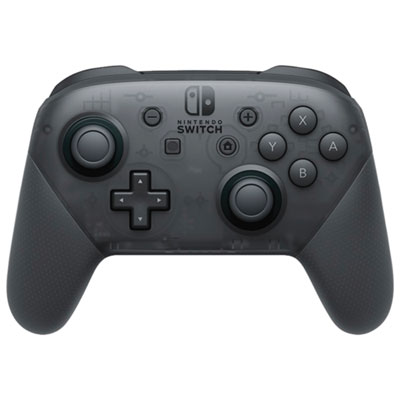 Your price for this item is $99.99
-
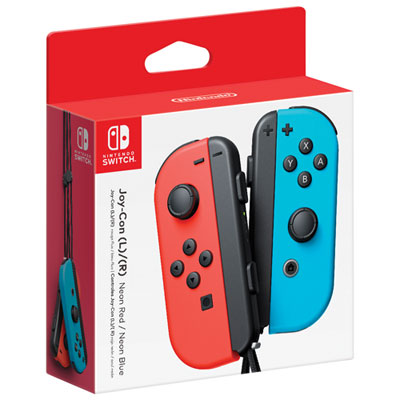 Your price for this item is $109.99
-
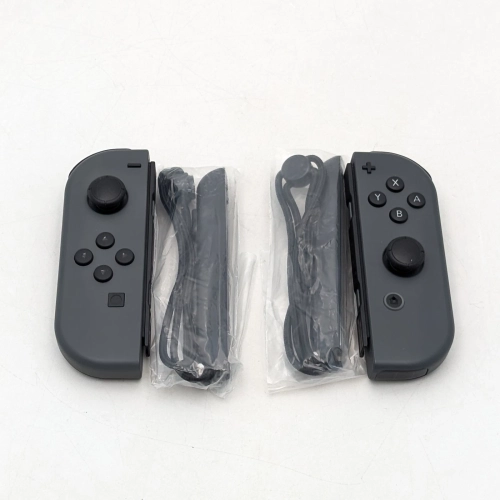 Your price for this item is $79.99
-
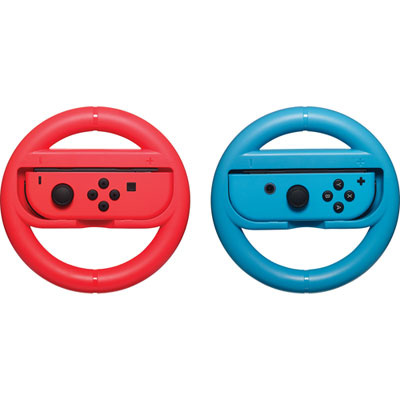 Your price for this item is $16.99
-
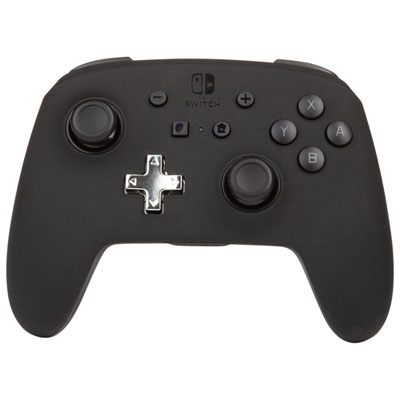 Your price for this item is $79.99
-
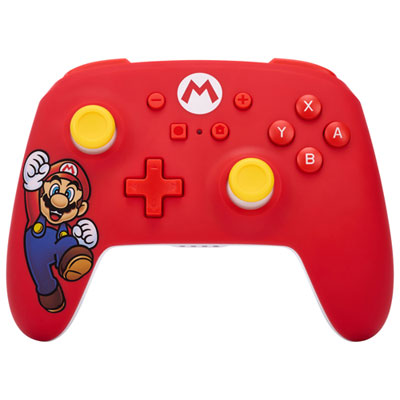 Your price for this item is $58.97
-
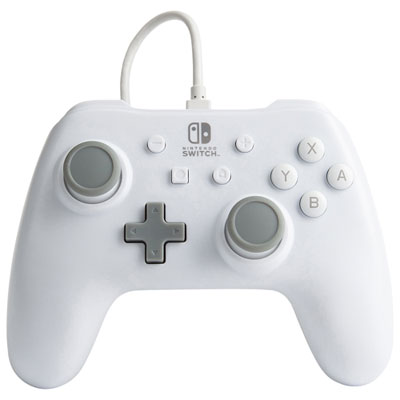 Your price for this item is $26.98
-
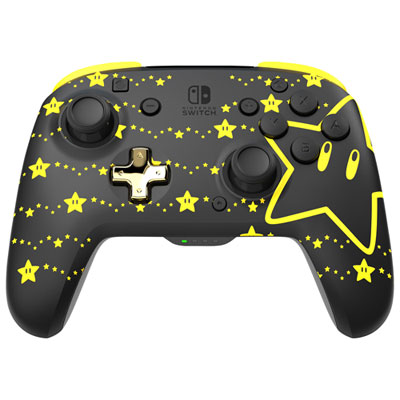 Your price for this item is $64.99
Discover more categories related to Switch Controllers for Smash Bros
Top Collections:
Pokemon Centers, Best Cameras for Sports Photography, Kindle Devices, Samsung Galaxy Phones, Canon G7X Cameras, Pokémon 30th Celebration Cards, Refurbished Apple Laptops, iPhone 15 Apple, Laptops for Students, Budget Smartphones
Some products may be subject to Environmental Handling Fees
(EHF) depending on your province.
Learn more about EHFs.