Switch Games for Couples
Switch Games for Couples offer a fun and engaging way to spend quality time together, whether you're looking for lighthearted competition or cooperative adventures. Discover a variety of options perfect for date nights, friendly challenges, or simply enjoying each other's company. Explore the selection of Switch Games for Couples to find the perfect match for your next gaming session.
Sort
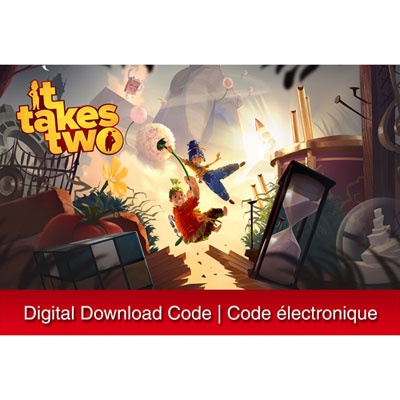
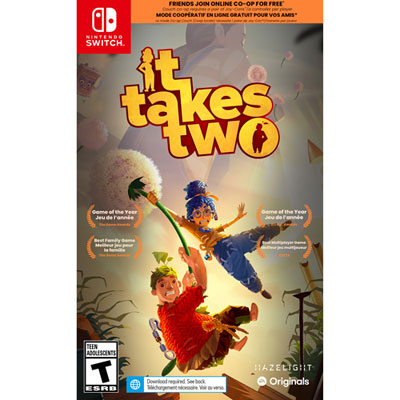
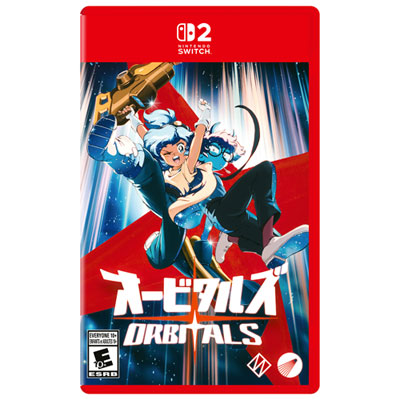

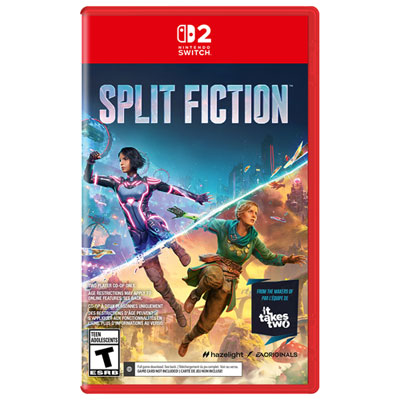
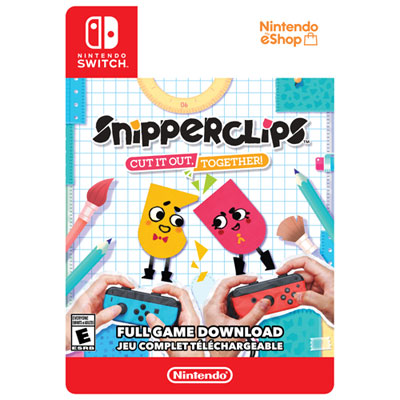
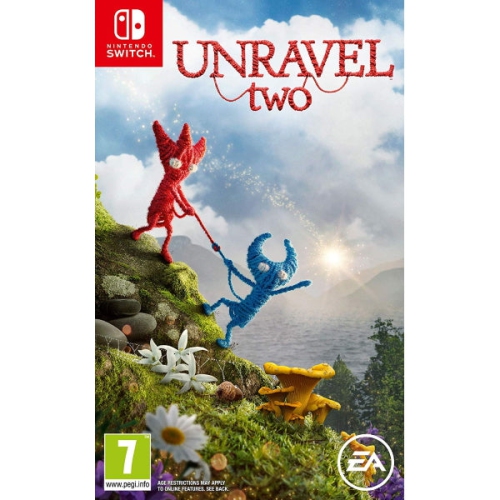


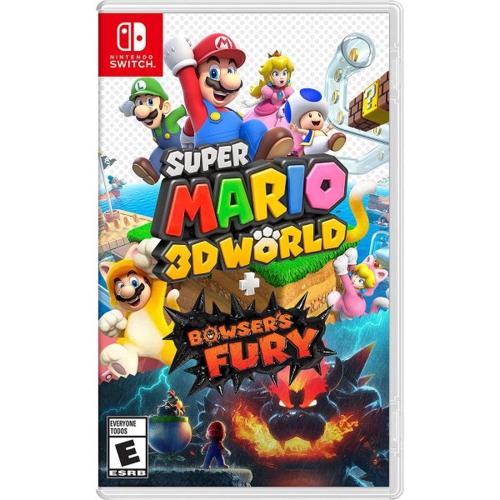
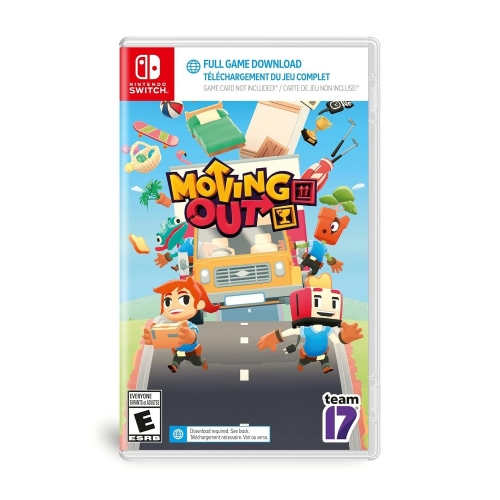


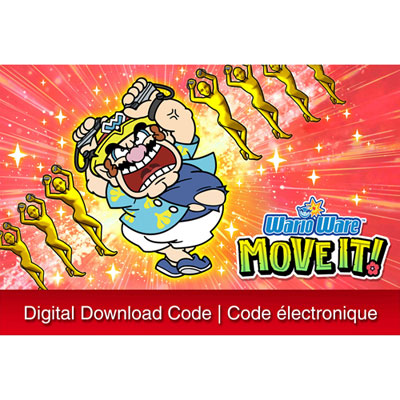


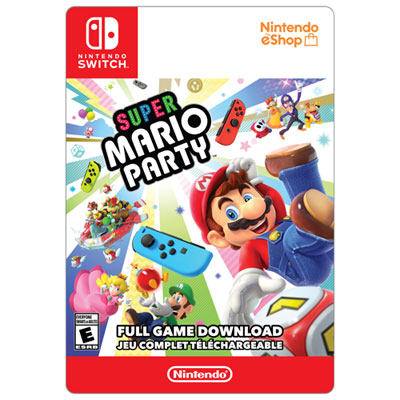

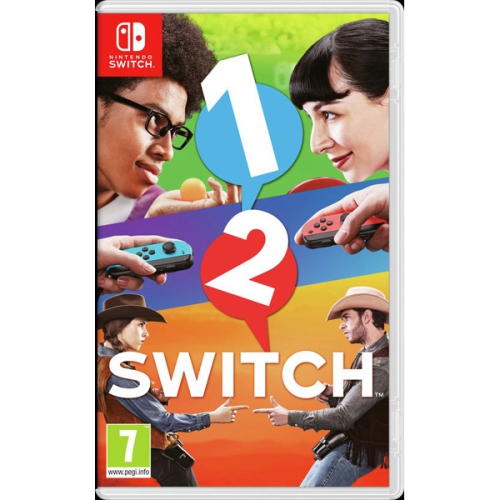

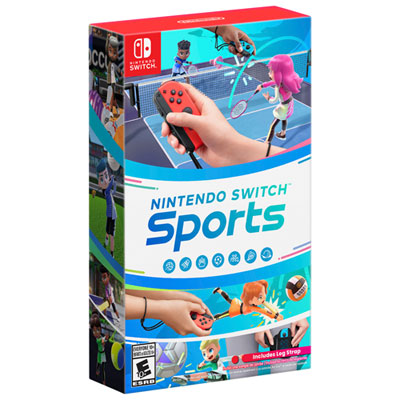
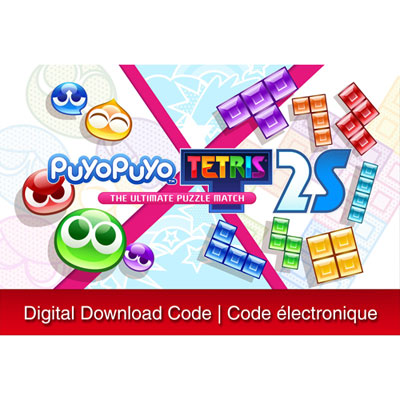
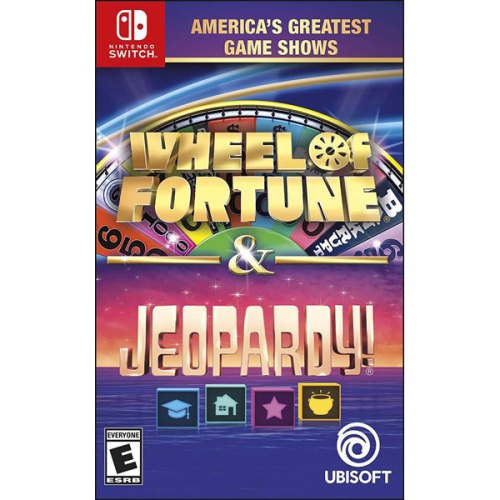
Two-player fun works best when both players matter
Switch games for couples bring shared adventures, cooperative puzzles and friendly competition to time spent together. The best fit depends on how two people like to play: working towards the same goal, challenging each other in short rounds, or settling into a story at a comfortable pace. Cooperative games give both players a reason to communicate, whether that means coordinating jumps across moving platforms, passing ingredients through a busy kitchen or spotting the missing piece of a puzzle. Some divide responsibilities between two characters, making each person’s contribution essential; others let both players explore, collect and solve problems with more freedom. A shared objective can be especially satisfying when one player notices a hidden route while the other works out how to reach it. For couples who prefer an unhurried experience, building, farming and life-simulation games can offer smaller pleasures, such as arranging a shared space, completing daily tasks or deciding what to create next. Story-led adventures add another kind of connection, with characters, discoveries and decisions to talk about between sessions. The multiplayer setup matters as much as the genre. Local cooperative play lets two people participate on one console when supported, while online multiplayer can connect partners playing from separate locations. Shared-screen games keep both characters in the same view, which can encourage close coordination but may limit how far apart they can move. Split-screen games give each player a separate view, making independent movement easier while reducing the screen space available to each person. Multiplayer labels deserve a closer look because a game that supports several players does not necessarily offer two-player cooperation throughout its main story. Some include separate multiplayer challenges, unlock a second character after an opening section or give the supporting player a more limited role. Those differences help determine whether a game feels like a fully shared adventure or a mostly solo experience with occasional assistance.
A good match also leaves room for different skill levels and different ideas of fun. One partner may be comfortable navigating a three-dimensional world, while the other is still learning how to move a character and control the camera at the same time. Games with clear objectives, forgiving checkpoints and opportunities to practise can make that gap easier to manage. Adjustable difficulty, optional assistance and separate settings for each player are useful features where offered, particularly when both people want to contribute without having identical experience. Unequal roles can work well when they suit both players: one person might handle movement through a tricky area while the other activates switches, gathers supplies or keeps track of clues. Couples looking for equal participation may instead prefer games that give both characters comparable abilities and meaningful tasks. Racing, sports and party-style games offer a different rhythm, with defined rounds and frequent chances to start fresh. A close finish, a well-timed defensive move or an unexpected comeback can make a short session memorable without requiring a long story commitment. Team modes can also let partners compete together rather than against each other. For relaxed competition, adjustable assists and customizable match settings may help keep the challenge enjoyable, though the options vary by game. Session length is another practical consideration. Quick puzzles and individual races can fit into a brief break, while longer adventures benefit from clear save points and progress that carries between sessions. Drop-in play can be convenient, but it is worth distinguishing between a second player joining temporarily and both players retaining their own progress. Readable text, subtitles, clear visual cues and adjustable audio levels can also affect comfort. On a shared television, small interface details may be harder to follow from the sofa, especially in split-screen mode. Controls matter, too: motion-based actions, rapid button presses and camera movement can feel very different from slower, turn-based play. Features such as remappable controls or reduced camera effects, when included, give couples more ways to find a comfortable setup.
Practical details help make Switch games for couples easier to enjoy beyond the first session. Controller requirements vary, and support for two players does not always mean that two small individual controllers will be enough. Some games allow a simplified controller arrangement, while others require a fuller set of inputs for each person. The supported play modes also determine whether two people can share a television, use a console in tabletop mode or connect through separate systems. For online play, the details may include separate copies of the game, compatible accounts, a reliable internet connection and a paid membership for certain features. Local wireless multiplayer is different from playing together on a single console, so the wording on the packaging or game details can clarify what is needed. Physical and digital formats have their own practical considerations. A physical game card can be stored in its case between sessions, with the contacts kept clean and dry and the card protected from bending or being left loose in a bag. Digital games avoid handling a card but use console or memory-card storage, and downloads or updates may need to be completed before play begins. Physical editions can also require downloads, so the format alone does not establish whether every feature is ready to use without an internet connection. Compatibility information, player counts and any additional download requirements are useful details to confirm. As a gift for a partner or another couple, a game is most thoughtful when its pace, humour and level of challenge reflect the recipients’ tastes. Familiarity with action games, interest in storytelling and tolerance for timed challenges can be more useful clues than a broad multiplayer label. Age ratings and content descriptions help identify themes, language and intensity that suit the people playing. For shared-play ideas beyond one console, Video Games for Couples offers a broader starting point. Whether the appeal is solving a puzzle side by side or celebrating a hard-earned team victory, a well-matched game gives both players something enjoyable to contribute.
Top selling and popular products
-
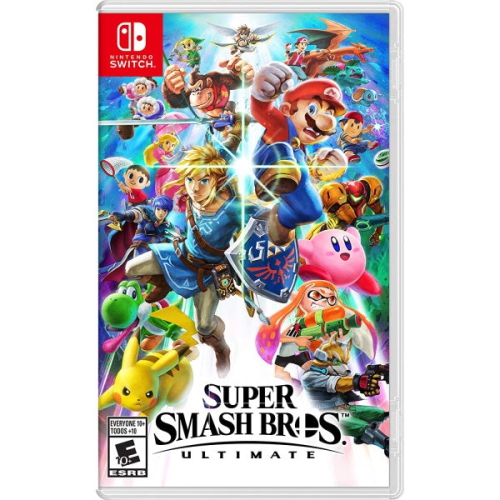 Your price for this item is $89.95
-
 Your price for this item is $89.95
-
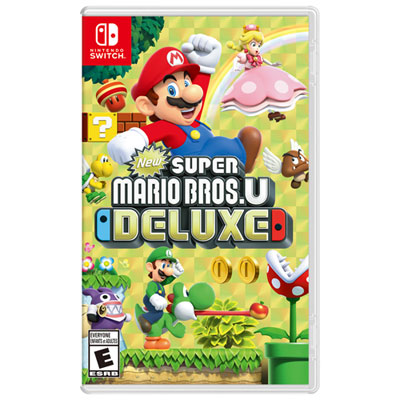 Your price for this item is $79.99
-
 Your price for this item is $85
-
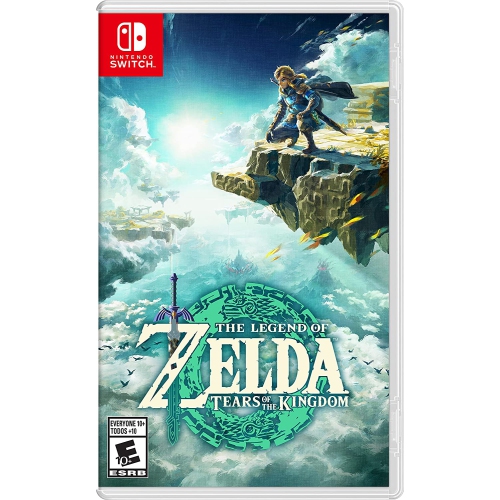 Your price for this item is $109.99
-
 Your price for this item is $99.99
-
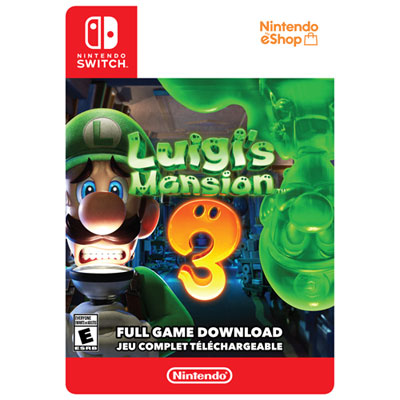 Your price for this item is $84.99
-
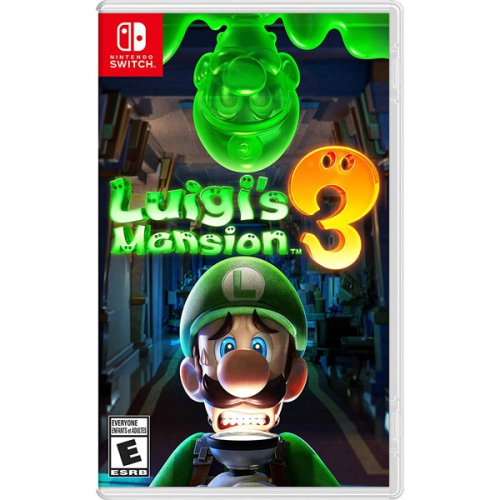 Your price for this item is $87.75
Discover more categories related to Switch Games for Couples

Top Collections:
Pokemon Centers, Kindle Devices, Best Black Friday Deals This Year, Pokémon 30th Celebration Cards, Best Black Friday Deals On Electronics, Best Cameras for Sports Photography, Best Black Friday Deals On Apple Products, Canon G7X Cameras, iPhone 15 Apple, Candle Warmer Lights
Some products may be subject to Environmental Handling Fees
(EHF) depending on your province.
Learn more about EHFs.