Multiplayer Games for Couples
Multiplayer Games for Couples offer an exciting way to connect, compete, and create lasting memories together. Whether you’re looking to team up or challenge each other, these games bring fun and laughter into any date night or cozy evening at home. Explore a wide variety of engaging options designed to suit every interest and skill level, making it easy to find the perfect match for your next gaming session. With Multiplayer Games for Couples, enjoying quality time together has never been more entertaining.
Sort

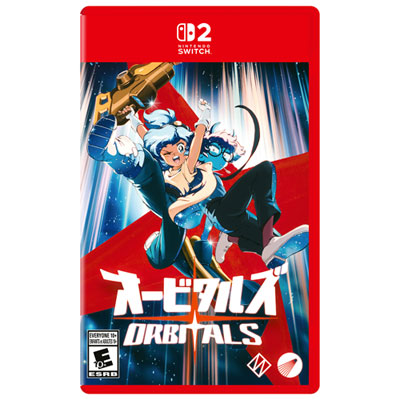
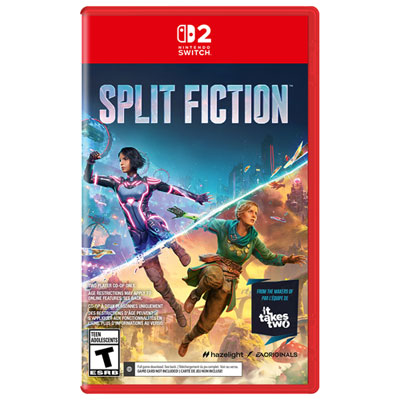


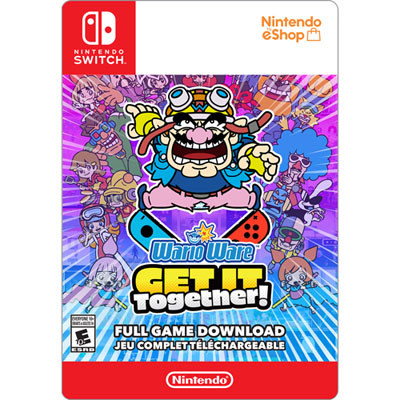


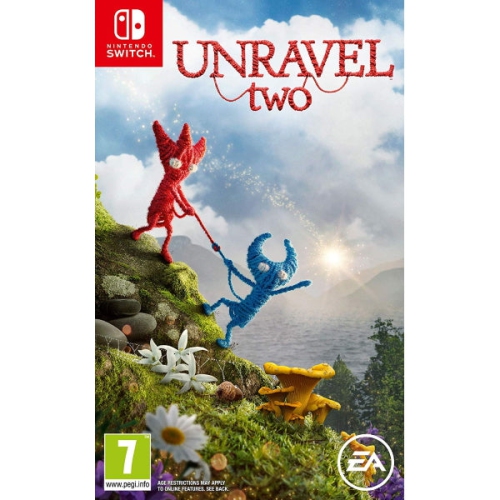
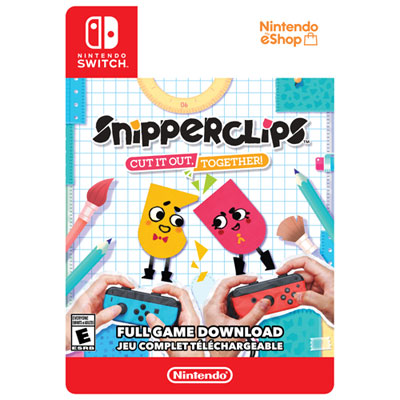


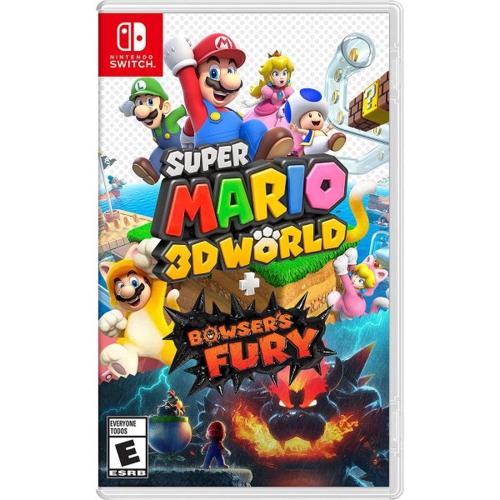
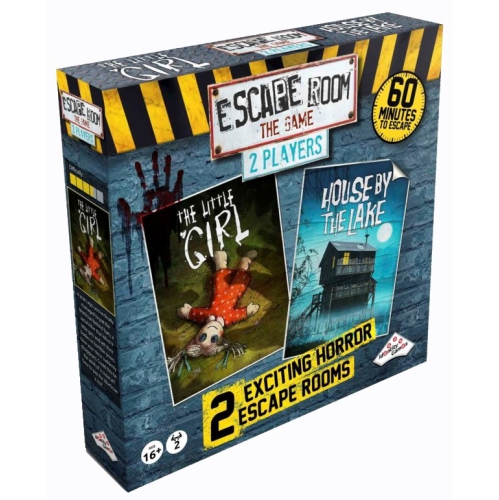
Shared adventures work best when both players matter
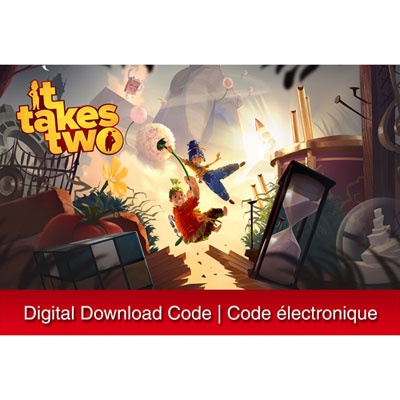
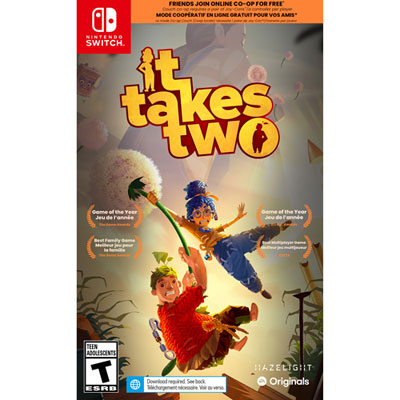
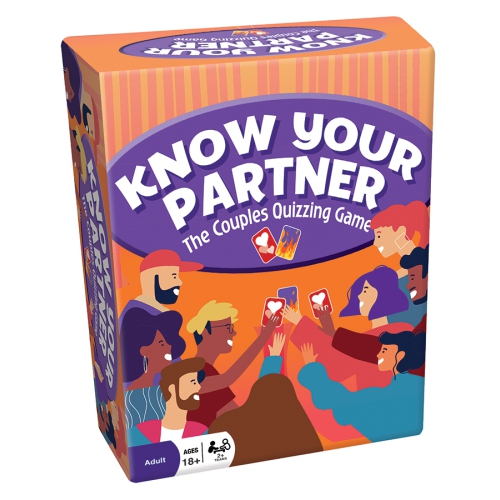
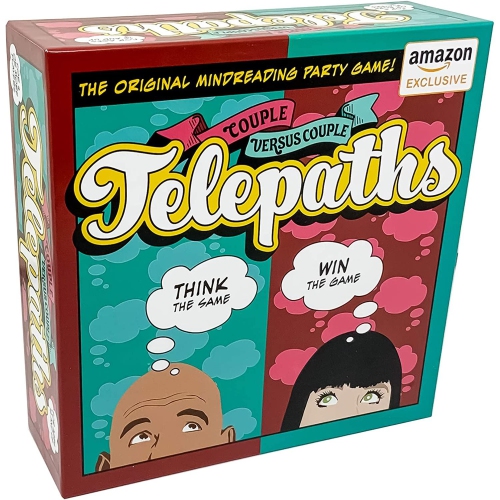
Multiplayer games for couples bring two players into the same adventure, puzzle, competition, or creative project, whether they share a couch or connect from separate homes. Cooperative games centre on working towards a shared goal, while competitive games place partners on opposing sides; some games offer both styles through different modes. The right fit depends less on gaming experience alone than on how two people enjoy spending time together. A puzzle adventure can turn a quiet evening into an exchange of clues, with one person describing a pattern while the other tests a solution. A building or simulation game offers a different rhythm, leaving room to arrange a shared space, gather supplies, or explore without constantly watching a timer. Faster party and arcade games suit couples who enjoy quick decisions, playful rivalry, and rounds that end with a clear opportunity for a rematch. Story-led cooperative adventures can feel closer to following a series together, with recurring characters, unfolding discoveries, and decisions that carry across several sessions. For partners with different interests, games that assign complementary roles can give each person a satisfying contribution: one might navigate while the other handles equipment, or each might hold information the other needs. That distinction matters because two-player support does not always mean both players have equally active roles. Some experiences give both partners full control throughout, while others let a second player assist in a more limited way. Session length also shapes the experience. Short challenges work well for a spare half-hour, whereas a continuing campaign rewards couples who enjoy returning to the same shared activity. Open-ended play can accommodate conversation and experimentation, while timed objectives put communication and coordination at the centre. These differences make multiplayer games for couples a broad category rather than a single genre, with room for thoughtful problem-solving, relaxed creativity, friendly competition, and energetic teamwork. A useful match gives both players something they genuinely enjoy doing, rather than asking one partner simply to watch the other progress.
How a game connects two people is just as important as what happens on screen. Local multiplayer usually means playing in the same place, but its setup varies: shared-screen games keep both players within one view, while split-screen games divide the display so each person can follow their own character. Some games instead use a local connection between separate systems. Couch co-op specifically describes cooperative play together in the same room, making it a helpful distinction from a game that supports only online teamwork. Online multiplayer connects players over the internet and can suit couples living apart or playing from different rooms, though each person may need a compatible system, an account, and access to the game. Depending on the platform and mode, an online membership may also be required. Cross-platform play allows supported versions on different platforms to connect, but it is a separate feature from cross-progression, which concerns carrying saved progress between platforms. Neither should be assumed from a general multiplayer label. The supported player count also deserves attention: a game designed around a larger group may offer a different experience with just two people, while a dedicated two-player adventure can build every challenge around a pair. Practical details help keep shared play comfortable. Clear text, readable menus, adjustable subtitles, remappable controls, and separate difficulty options can make a noticeable difference when partners have different preferences or levels of experience. In a split-screen game, the size of each viewing area affects how easily small instructions and map details can be read. A stable internet connection and clear voice chat matter more when partners need to describe clues or coordinate precise actions from different locations. Pause options, checkpoints, and flexible saving are useful when an evening includes interruptions. Shared progress also varies: some games save campaign advancement for both players, while others attach it primarily to the host. For longer adventures, that detail affects who can continue the story and how easily the pair can resume a session together.
The lasting appeal of a multiplayer game often comes from the reasons it gives a couple to return. A campaign with varied challenges can become a regular shared activity, while a collection of short modes offers variety without requiring either player to remember a complicated storyline. Creative games may support a longer-running project, such as laying out a village or adding rooms to a shared base, with visible progress that belongs to both players. Competitive games often gain replay value from learning each other’s habits, trying different strategies, and keeping matches friendly through adjustable rules or balanced match settings. For couples who are still discovering their preferred style, the broader Video Games for Couples collection connects with the same interest in shared play across different genres and formats. A game can also make a thoughtful anniversary, birthday, or housewarming gift when it reflects both partners’ tastes and works with the setup they already use. Platform compatibility, supported play modes, language options, and age ratings are more useful considerations than assuming every game labelled multiplayer will suit the pair. Physical and digital formats bring different practical needs. Physical discs and cartridges need compatible hardware, careful handling, and their protective cases; keeping contact surfaces clean and avoiding heat or scratches helps preserve their condition. Digital games are tied to account and platform arrangements and require sufficient storage, with downloads or updates sometimes needed before play. Either format may have additional installation requirements, so a physical copy does not necessarily mean play can begin without a download. Long-term usability also depends on the features involved: online modes rely on supported services, whereas local modes may allow play without a remote connection, subject to the game’s requirements. Comfortable controls, forgiving restart points, and a pace both people enjoy can matter more over repeated sessions than sheer complexity. Whether the shared ritual is solving one puzzle after dinner or spending an evening on a larger adventure, the strongest fit leaves both players eager to take part again.
Top selling and popular products
-
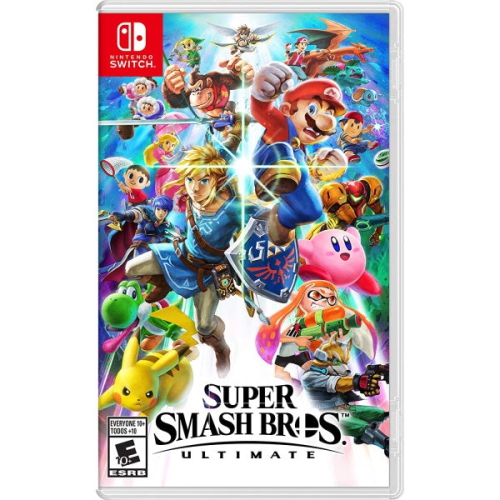 Your price for this item is $89.95
-
 Your price for this item is $89.95
-
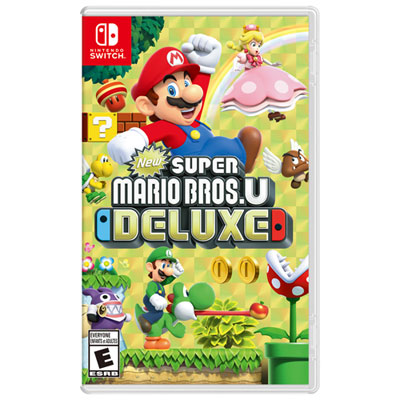 Your price for this item is $79.99
-
 Your price for this item is $85
-
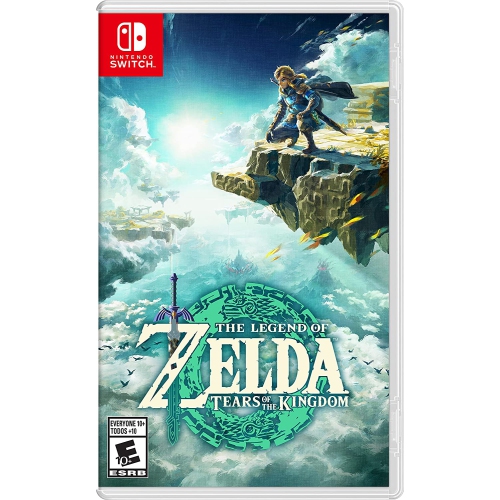 Your price for this item is $109.99
-
 Your price for this item is $99.99
-
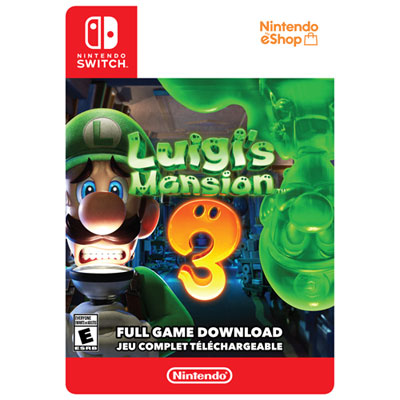 Your price for this item is $84.99
-
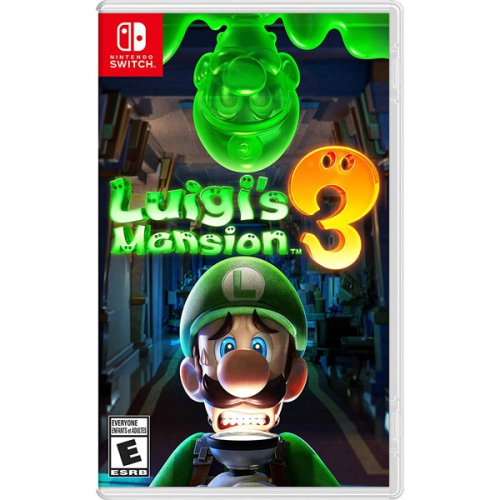 Your price for this item is $87.75
Discover more categories related to Multiplayer Games for Couples


Top Collections:
Pokemon Centers, Kindle Devices, Best Black Friday Deals This Year, Pokémon 30th Celebration Cards, Best Black Friday Deals On Electronics, Best Cameras for Sports Photography, Best Black Friday Deals On Apple Products, Canon G7X Cameras, iPhone 15 Apple, Candle Warmer Lights
Some products may be subject to Environmental Handling Fees
(EHF) depending on your province.
Learn more about EHFs.