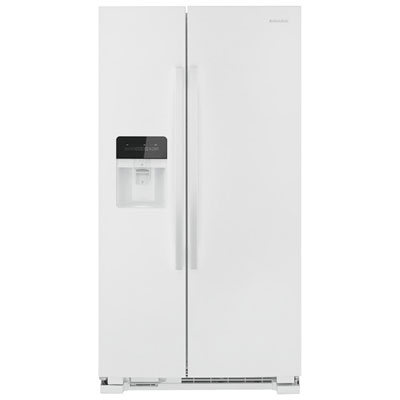
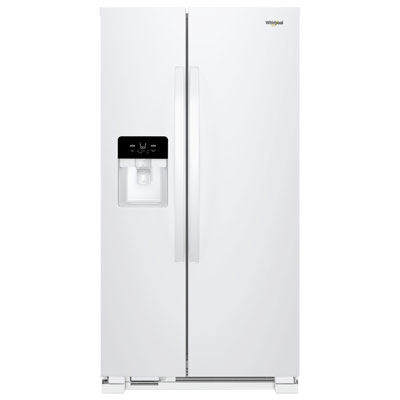
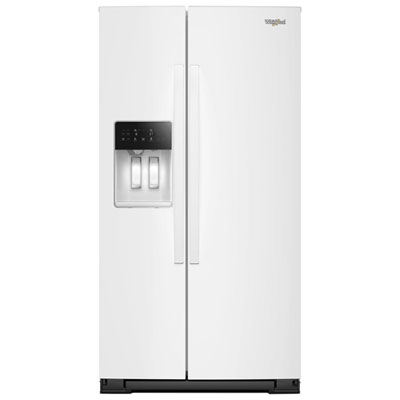
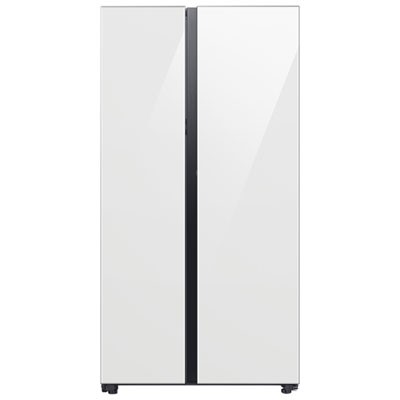
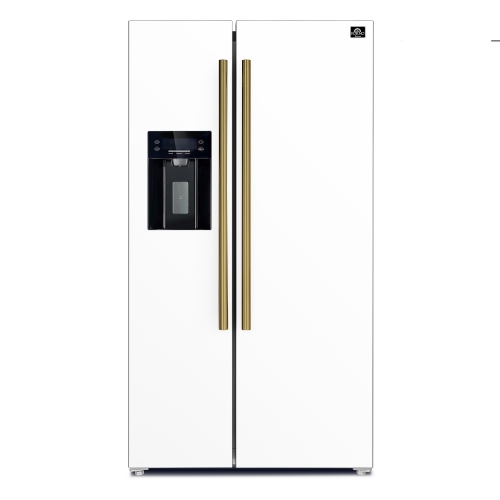
White Side-by-Side Fridge Freezers with Water Dispensers

Compare white side-by-side fridge freezers with water dispensers to find a fit for your kitchen and food storage needs. This layout places fresh and frozen food in separate compartments next to each other, with a dispenser for convenient water access. When comparing models, check fridge and freezer capacity, overall dimensions, door clearance and any water connection requirements.
How side-by-side storage fits your daily kitchen routine

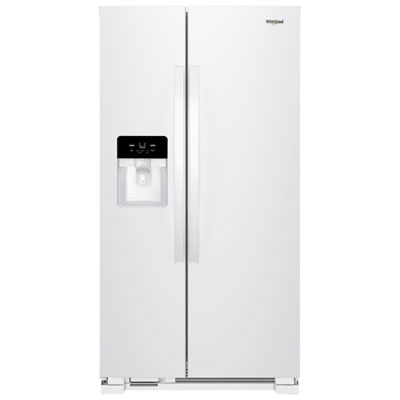
White side-by-side fridge freezers with water dispensers bring fresh food storage, frozen food storage, and convenient drinking water into one appliance with a clean, neutral finish. Their defining layout places the refrigerator and freezer beside each other behind separate, full-height doors, usually with a wider fresh food compartment and a narrower freezer compartment. This arrangement keeps a portion of both sections within easy reach, making it practical for households that use frozen ingredients as regularly as fresh produce. A door-mounted external water dispenser lets someone fill a glass without opening the main refrigerator compartment, while an internal dispenser keeps the water outlet behind the door. The distinction matters when comparing designs, especially for a kitchen where frequent refills are part of the daily routine. Some dispensers also provide ice, but a water dispenser alone does not necessarily mean an appliance includes an automatic ice maker or offers cubed and crushed ice. The white exterior works comfortably with light cabinetry, tiled splashbacks, natural wood, and darker countertops, whether the kitchen has a traditional look or simpler contemporary lines. Finish texture and handle style influence the overall appearance: a smooth door panel has a different feel from a textured surface, and recessed handles create a different profile from projecting ones. Inside, adjustable shelves, door bins, and separate drawers can help accommodate everything from tall milk containers to a stack of prepared lunches. Tempered glass shelves, where fitted, provide a clear view of food below, while raised shelf edges can help contain small spills. Plastic bins and drawers make frequently used ingredients easier to separate, although their dimensions and weight limits deserve attention. For families sharing breakfast preparation, couples who cook ahead, or households storing a mix of fresh groceries and frozen meals, the appeal is less about a single feature than having both compartments organized vertically, with everyday contents visible across several shelf levels.

Fit involves more than matching the appliance width to the gap between cupboards. Overall height, cabinet depth, handles, hinge clearance, and the space needed for ventilation all affect how a side-by-side fridge freezer sits in a kitchen. A counter-depth design generally projects less beyond surrounding cabinetry than a standard-depth design, though doors and handles may still extend past the countertop. That shallower profile can help preserve a walkway, while the interior storage space may differ from a deeper appliance of similar width. The relatively narrow doors of a side-by-side layout need less forward swing than a single, full-width refrigerator door, but nearby walls or cabinetry can still prevent them from opening far enough to remove drawers and shelves. Space beside the hinges is particularly important when the fridge stands at the end of a cabinet run. Delivery access also matters, including entrance widths, stair turns, lift dimensions, and the route into the kitchen. Inside the freezer, shelf width can be more useful than total capacity when judging whether a wide baking tray or large food container will lie flat. Water dispensing adds another installation consideration. Many designs connect to a household cold-water supply, which requires a suitable connection, a shut-off valve, and installation according to the appliance instructions. Other designs use a refillable reservoir, avoiding a permanent water connection but requiring regular filling and cleaning. Dispenser position and recess height affect whether a tall bottle fits comfortably beneath the outlet or has to be tilted. Controls also differ: some operate with a paddle, while others use buttons or a touch panel. A dispenser lock can help prevent unintended operation in a busy household. If filtration is included, the replacement filter type, replacement interval, and stated filtration capabilities are worth understanding. A filter should not be assumed to make an unsafe water supply suitable for drinking; its function depends on its specifications and the water supplied to the appliance.

Day-to-day satisfaction often comes down to how well the interior supports familiar kitchen habits. Adjustable door bins can keep condiments together, separate produce drawers can prevent delicate vegetables from being buried beneath heavier groceries, and freezer baskets can contain small packages that otherwise slip behind larger containers. Storage flexibility is especially useful when the same fridge needs to hold lunch boxes, leftovers, tall drink containers, and ingredients for a larger meal. Leaving room around interior air vents helps cold air circulate, while avoiding tightly packed shelves makes it easier to see what needs using. Refrigerator storage should generally stay at 4°C or below, with the freezer at −18°C; an appliance thermometer can help confirm conditions rather than relying only on a numbered control dial. Door seals deserve regular attention because crumbs, sticky residue, or a container blocking the door can interfere with a proper closure. For routine care, a soft cloth and a mild cleaning solution suitable for the surface help maintain white door panels without abrasive scrubbing. Spills are easier to remove before they dry around handles, shelf supports, or drawer runners, and removable parts should be cleaned according to the appliance instructions. Dispenser drip trays and outlets also need regular cleaning, while water filters and refillable tanks have their own maintenance requirements. Where an ice maker is included, its bin and dispensing path require care as well. Sturdy shelf supports, smoothly moving drawers, secure handles, and accessible replacement parts all contribute to long-term practicality, alongside correct installation and regular upkeep. For a different storage arrangement, bottom freezer refrigerators with water dispensers place frozen food below the fresh food compartment rather than beside it. A side-by-side layout instead suits kitchens and routines that benefit from separate vertical storage zones, particularly when easy access to frequently used frozen food is as important as convenient water dispensing and a white finish.

FAQ

Some products may be subject to Environmental Handling Fees (EHF) depending on your province. Learn more about EHFs.