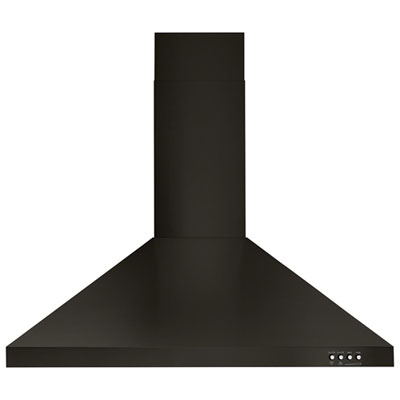
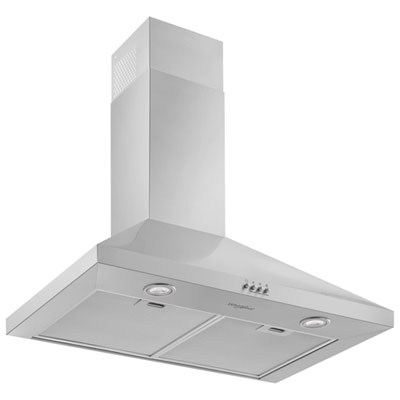
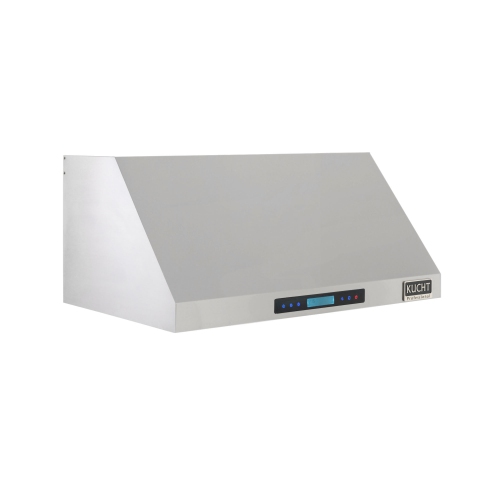
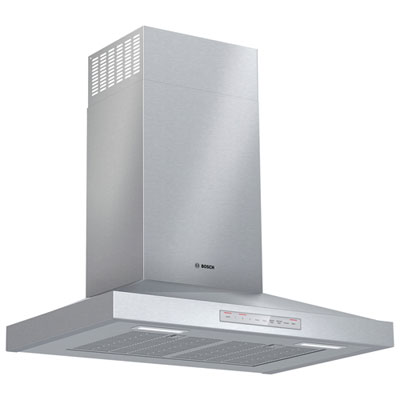
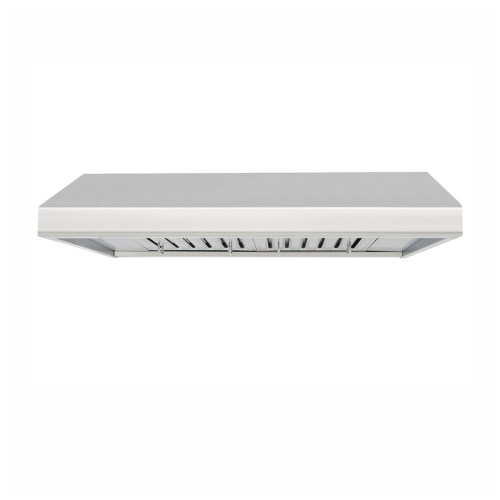
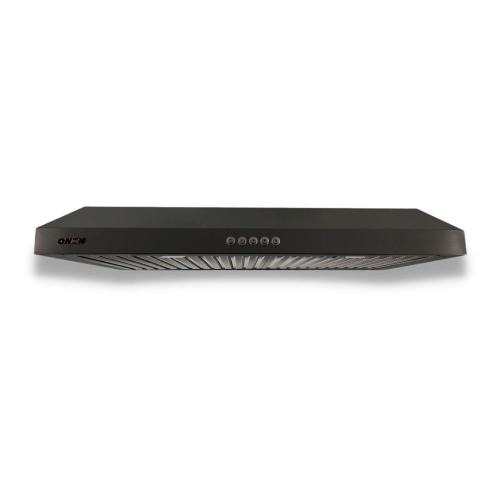
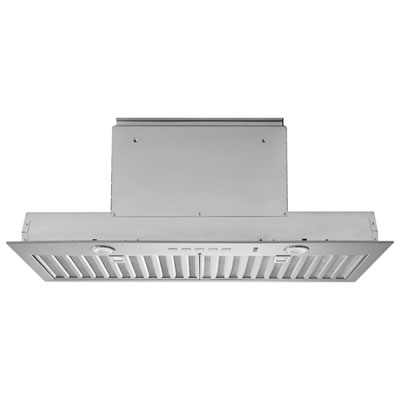
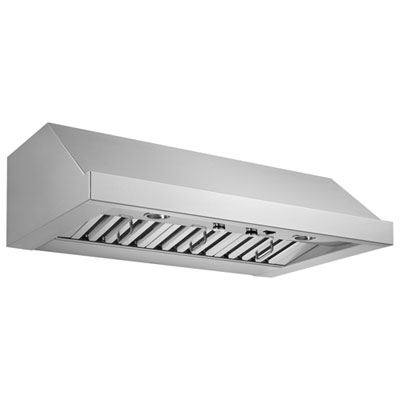
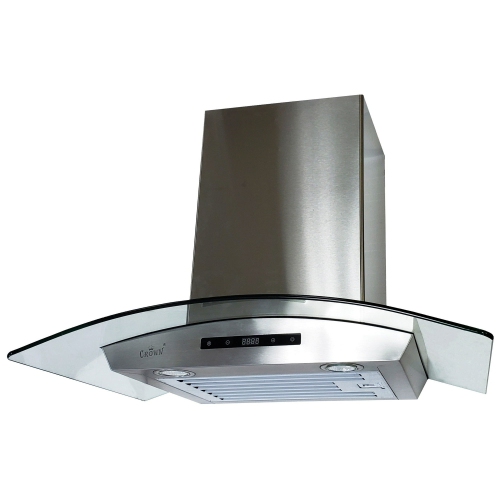
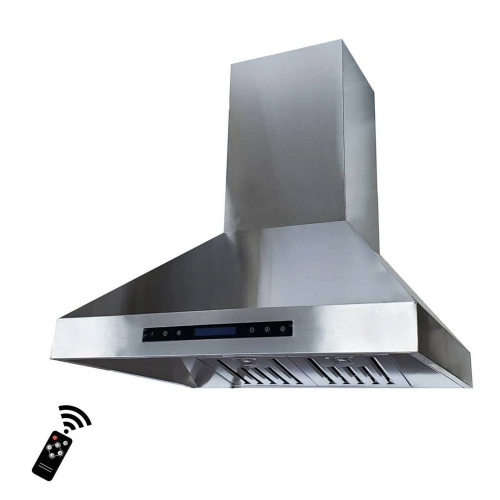
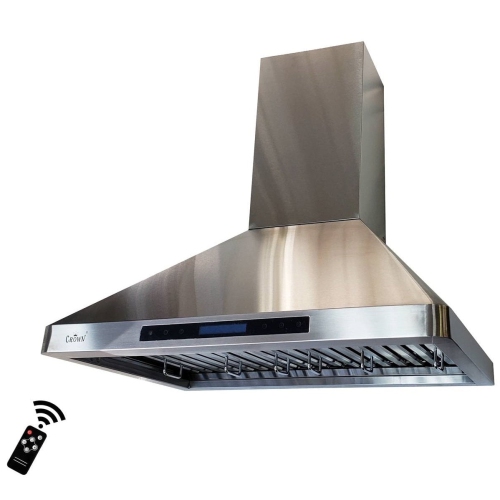
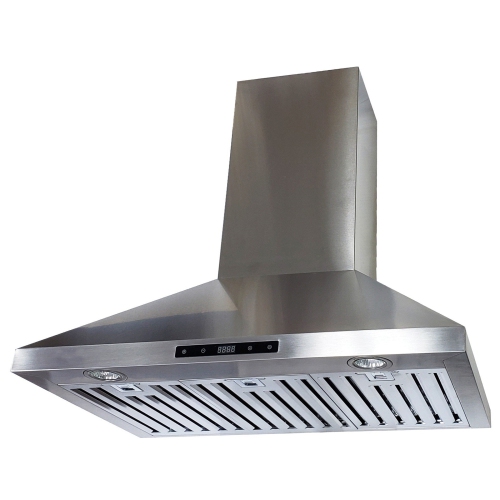
30-inch Stainless Steel Range Hoods

Shop 30-inch stainless steel range hoods to help clear cooking smoke, steam, and odours while complementing your kitchen appliances. Compare ventilation capacity, noise levels, and installation requirements to find a kitchen hood that fits your space and cooking habits. Check each model’s dimensions and ducting requirements before choosing.
Read More

Sort

Kitchen ventilation that goes beyond a matching finish

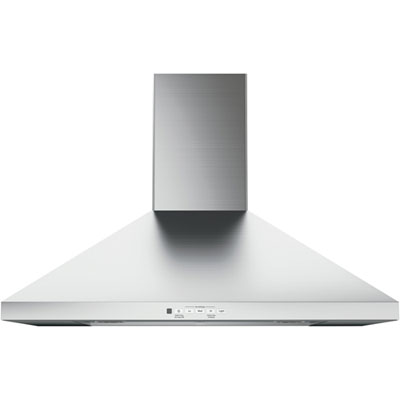
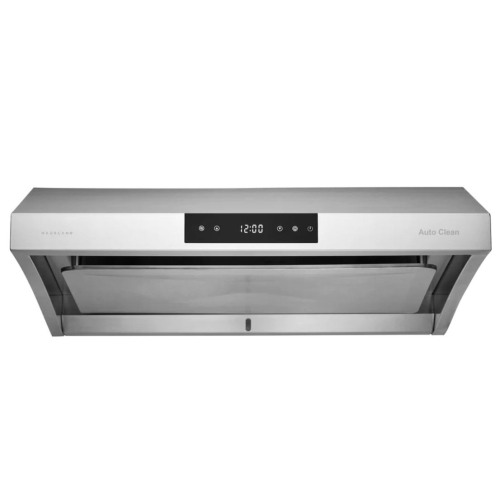
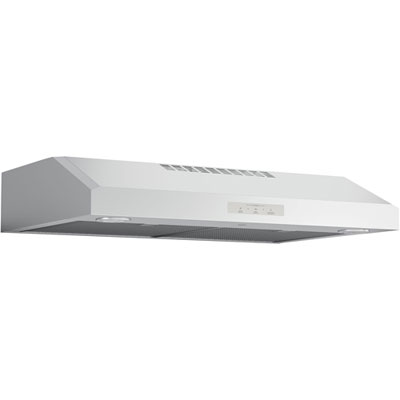
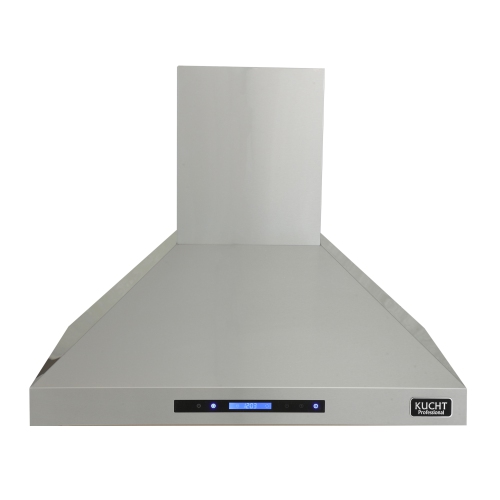
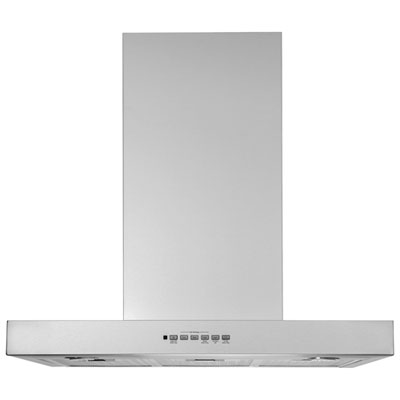
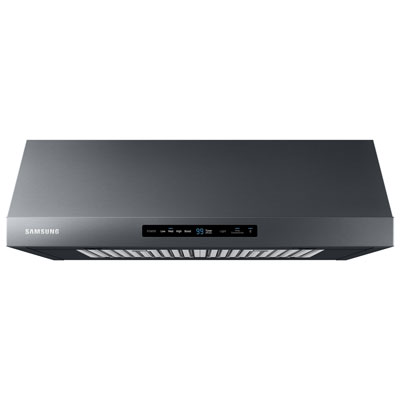
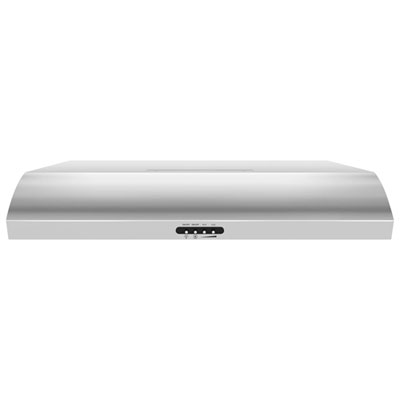
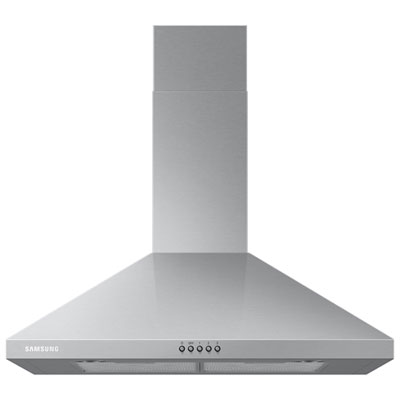
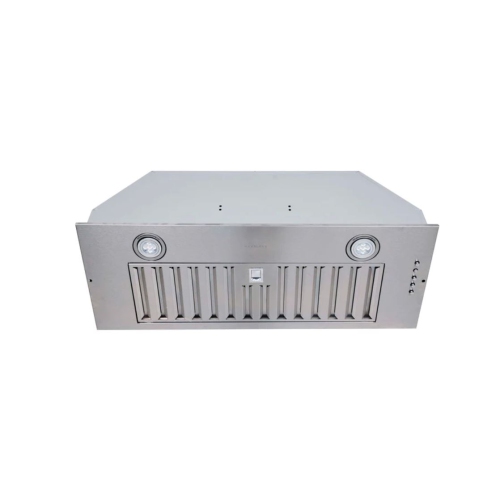
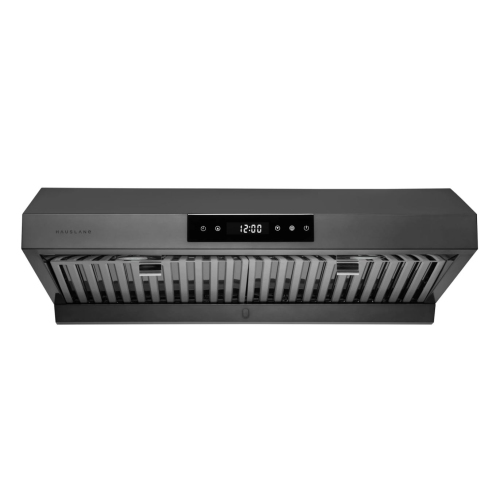
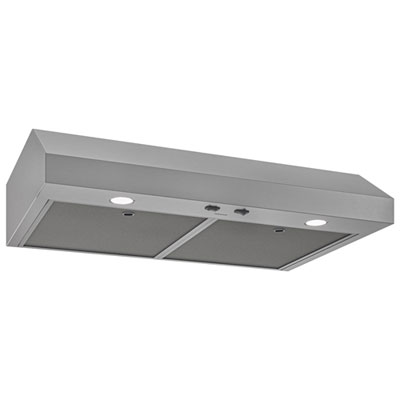
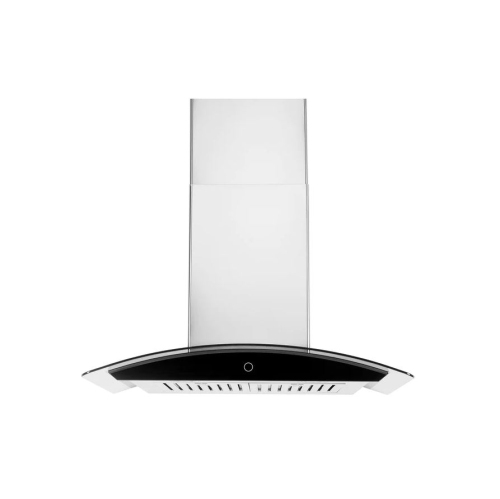
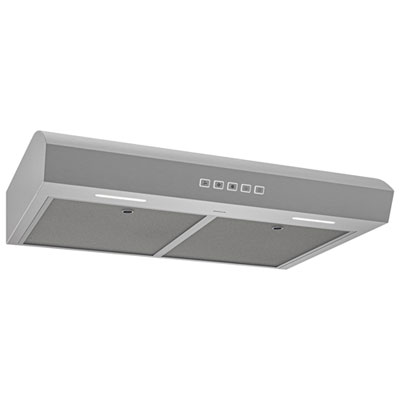
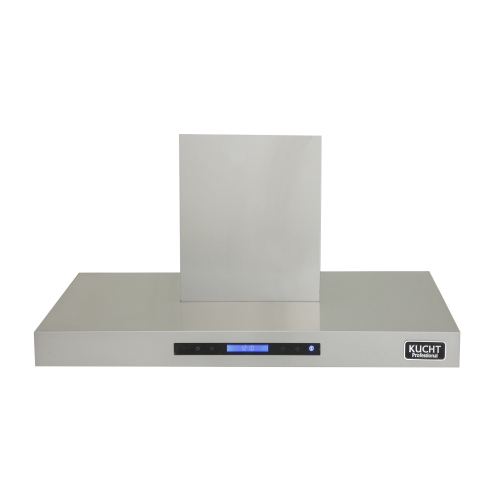
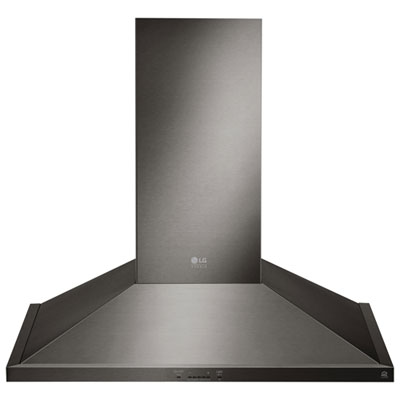
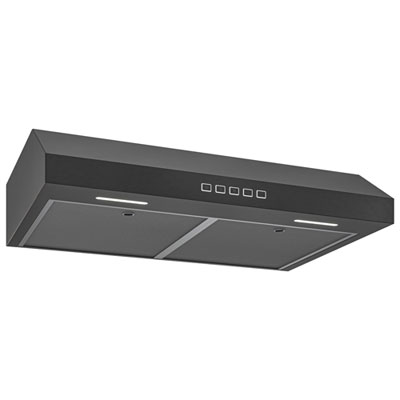
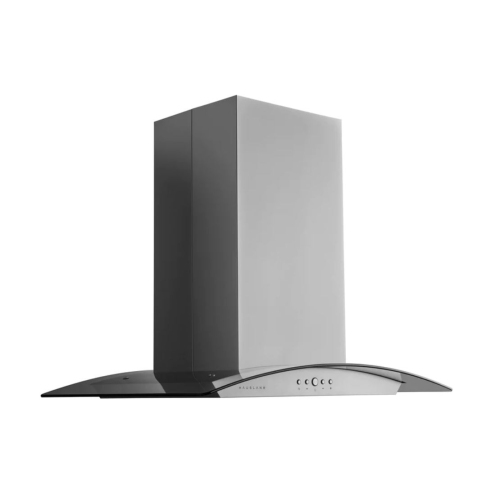
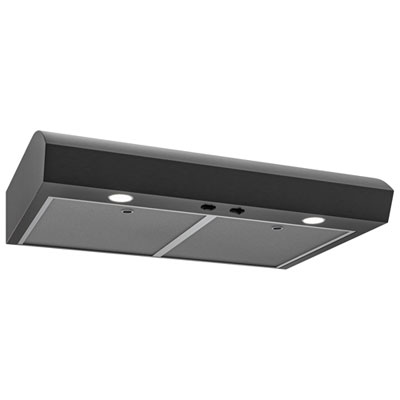
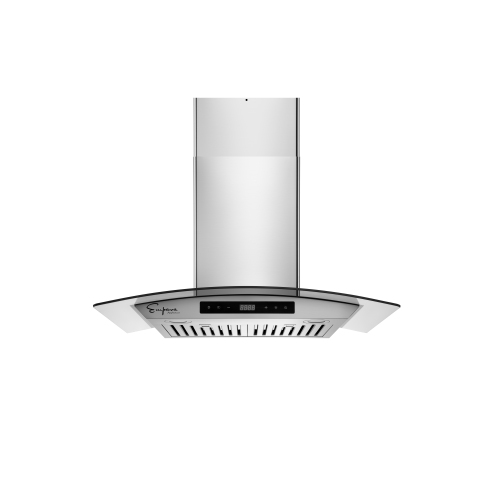
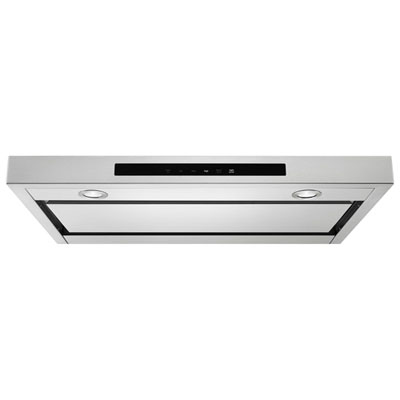
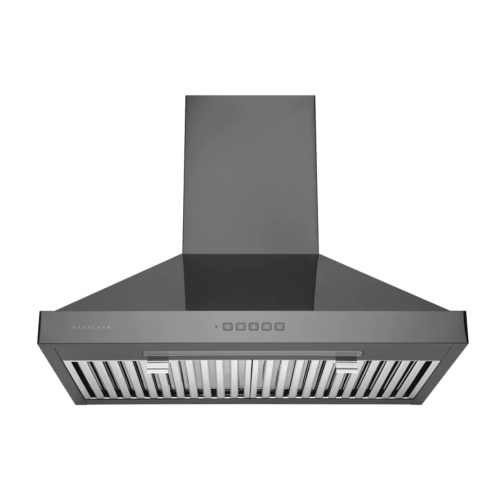
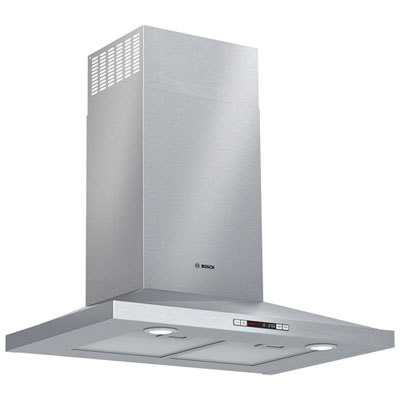
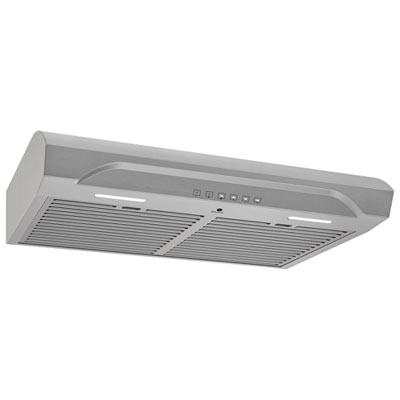
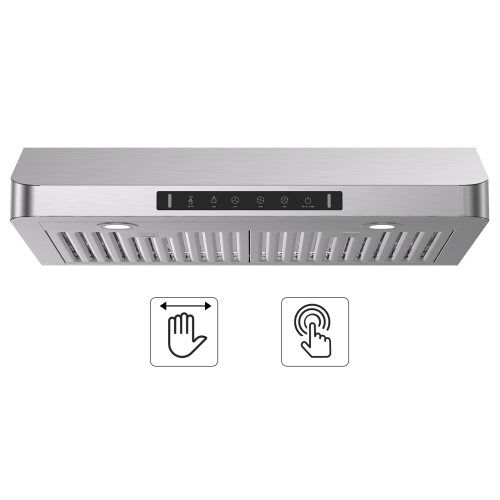
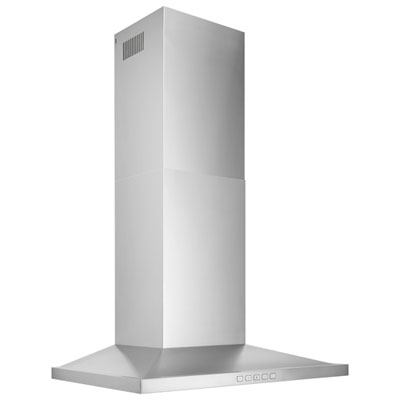
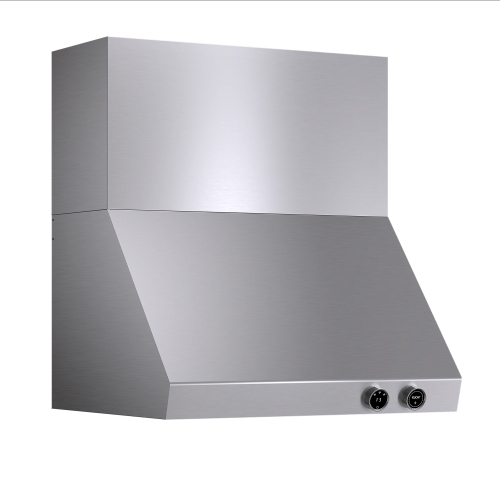
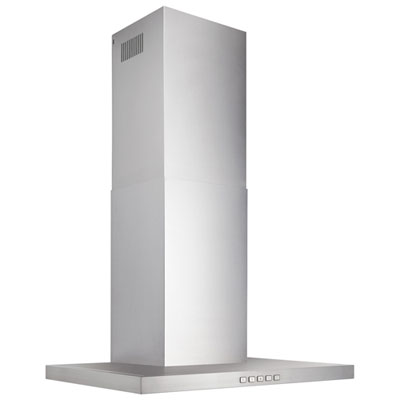
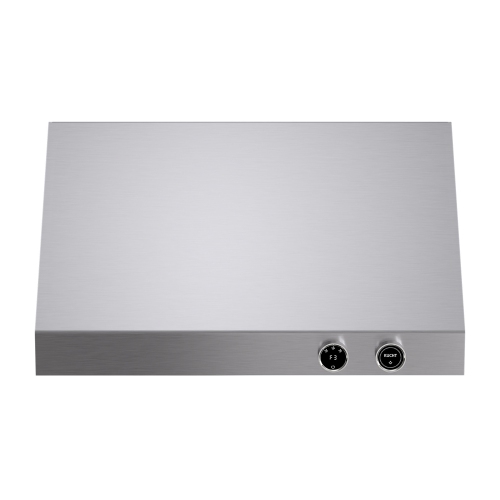
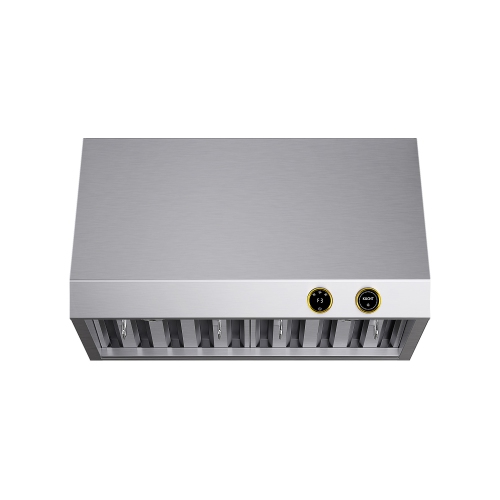
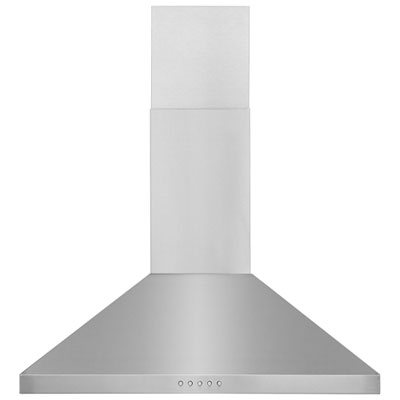
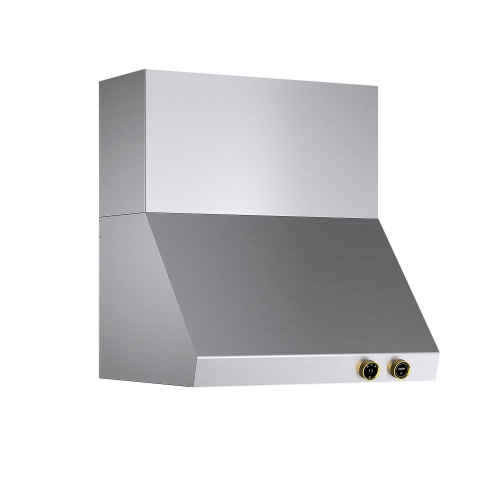
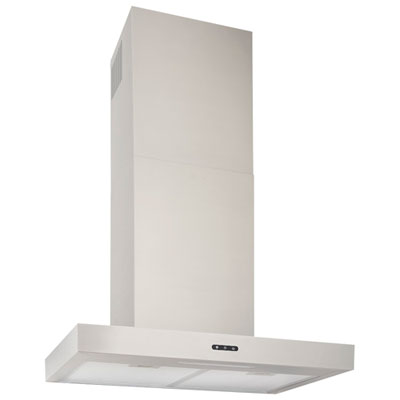
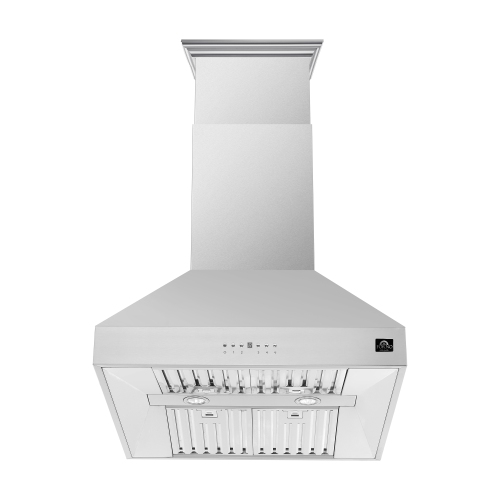
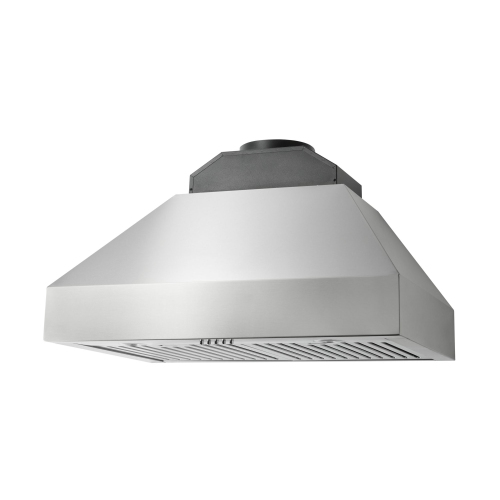
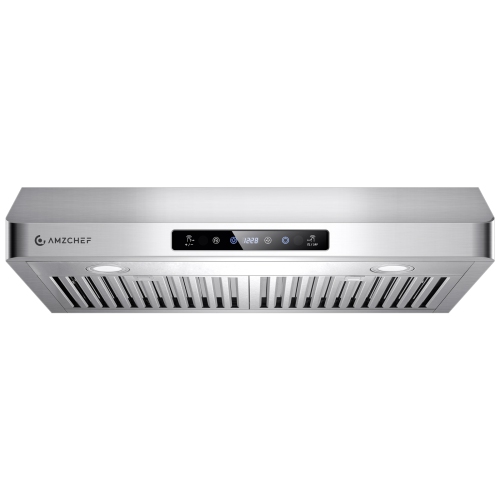
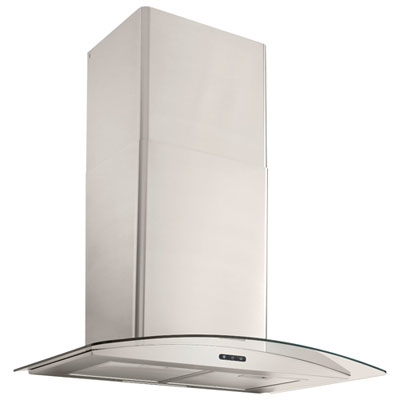
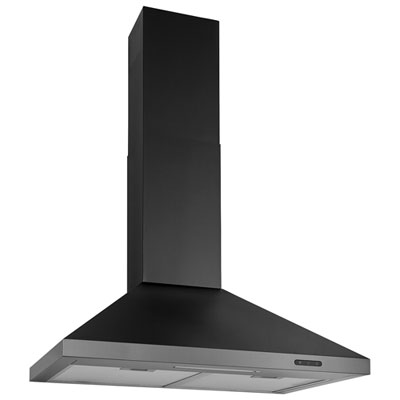
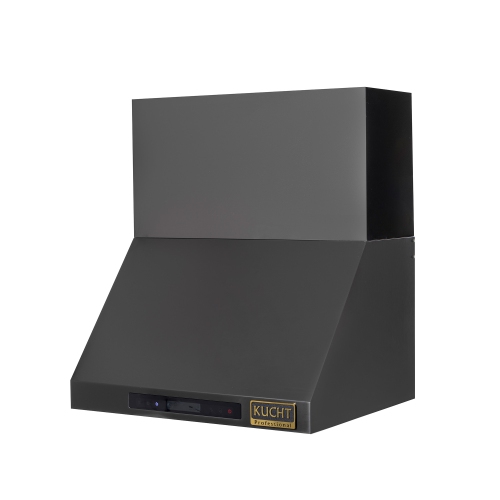
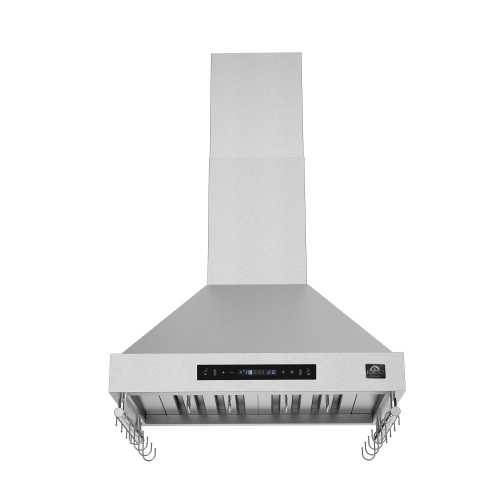
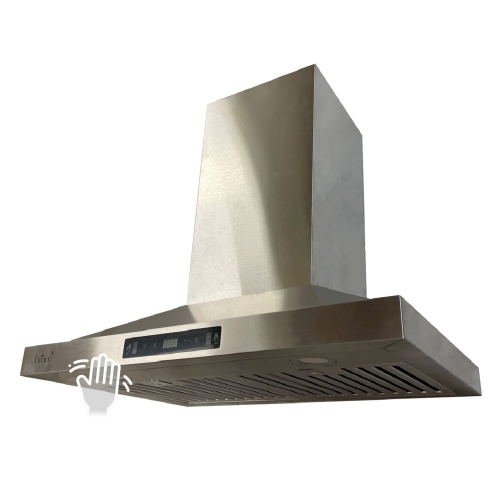
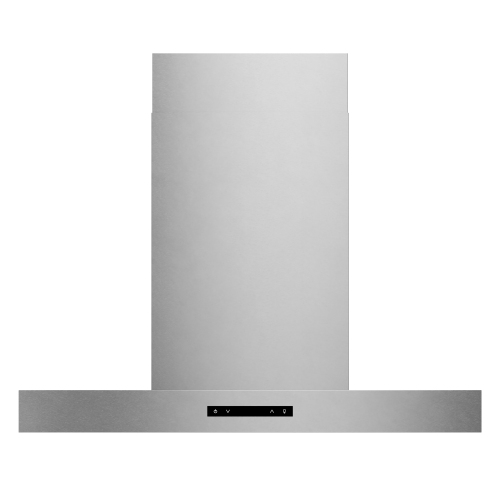
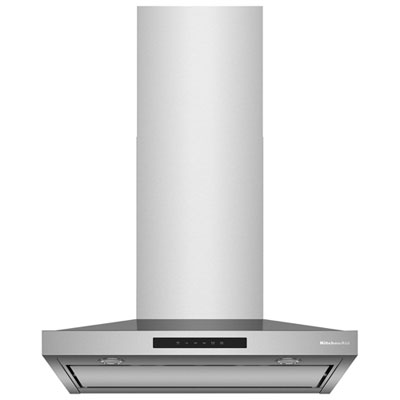
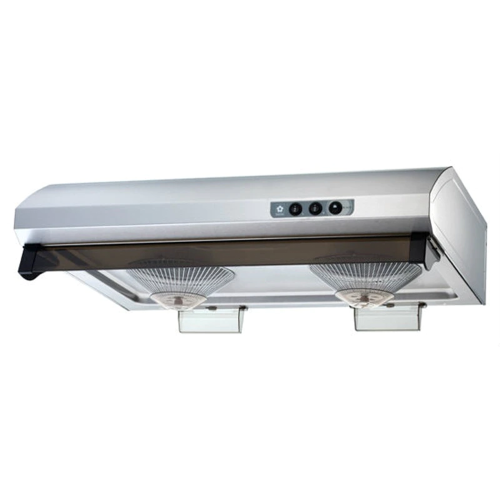
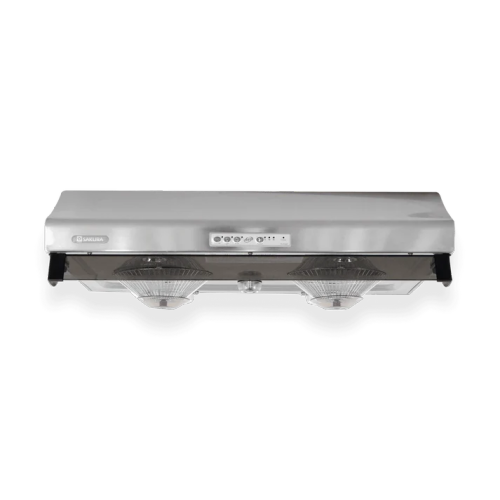
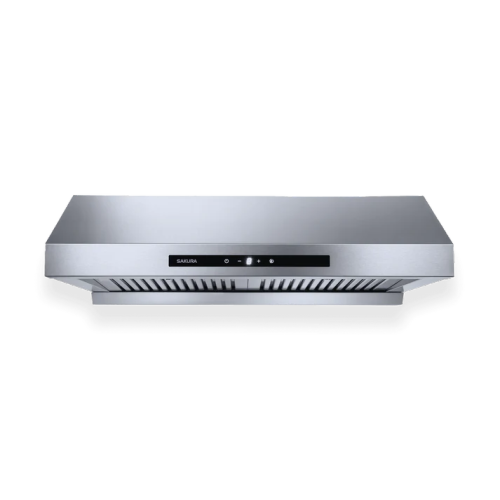
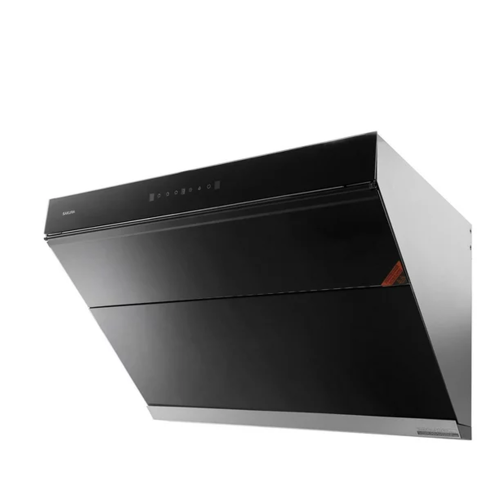
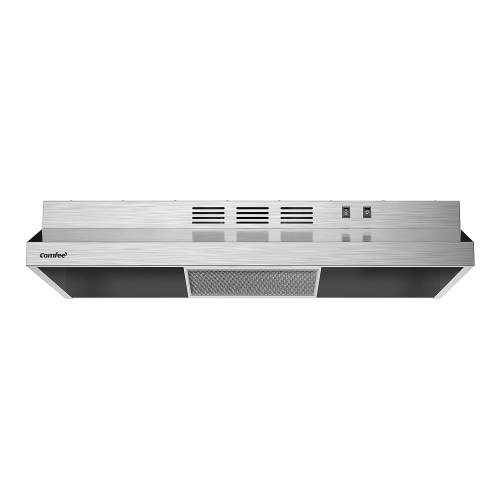
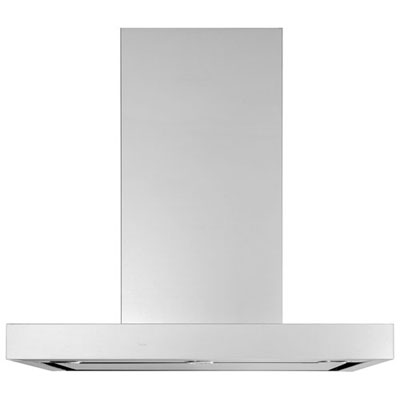
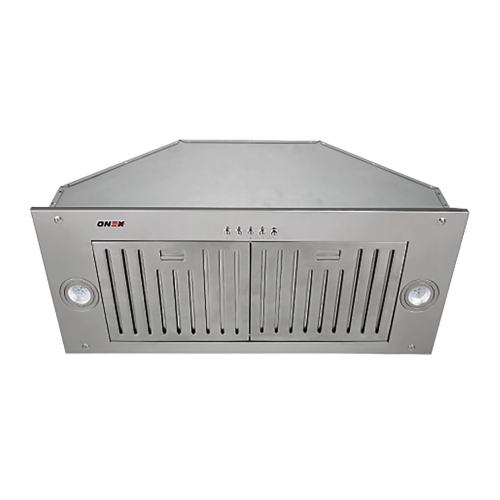
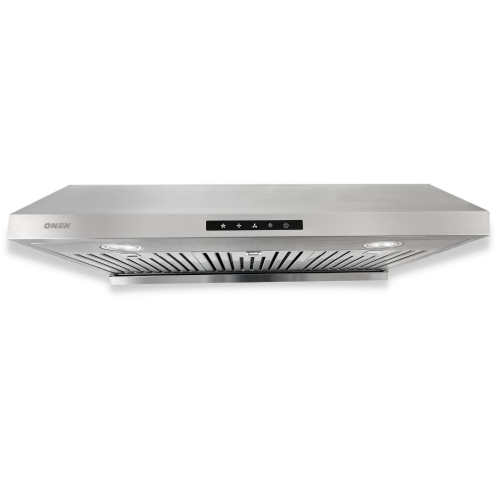
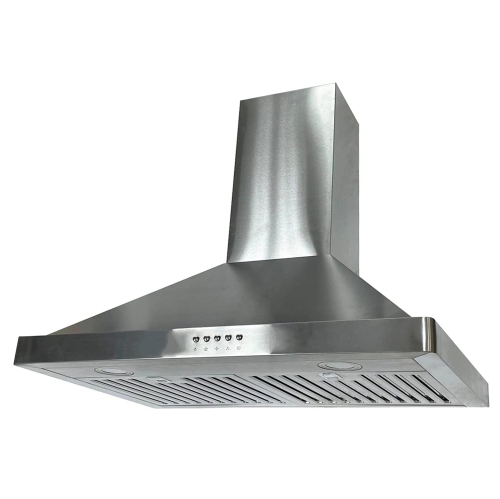
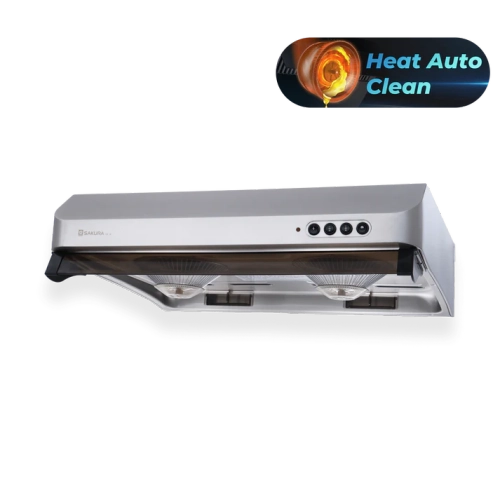
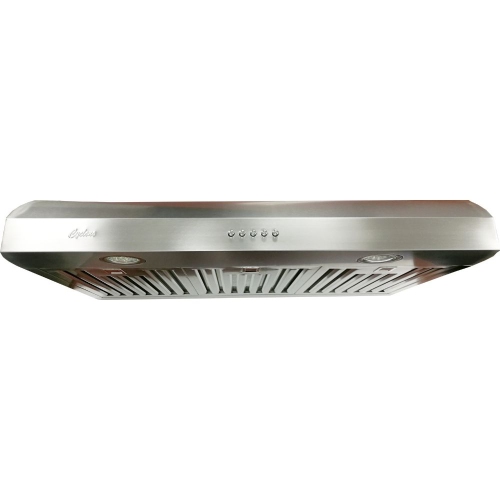
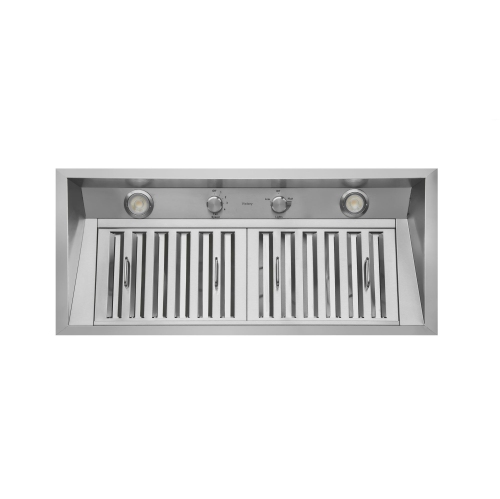
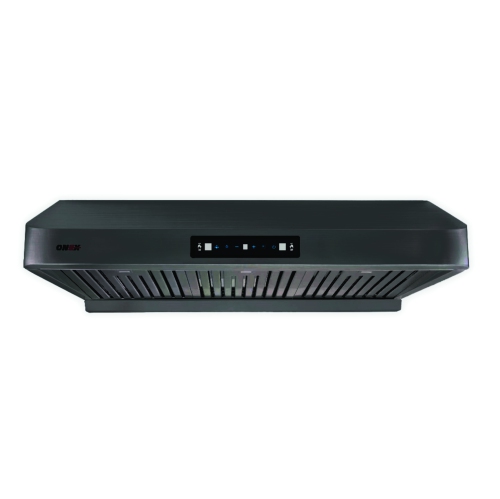
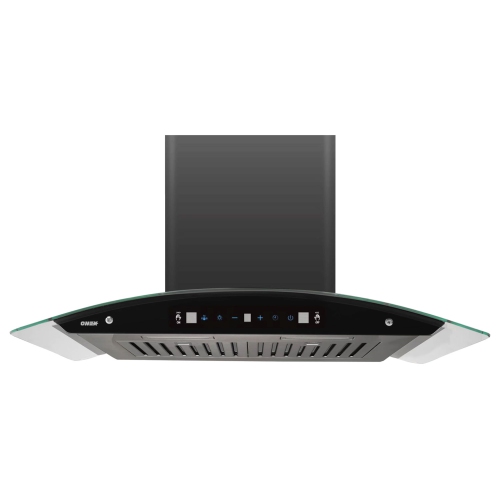
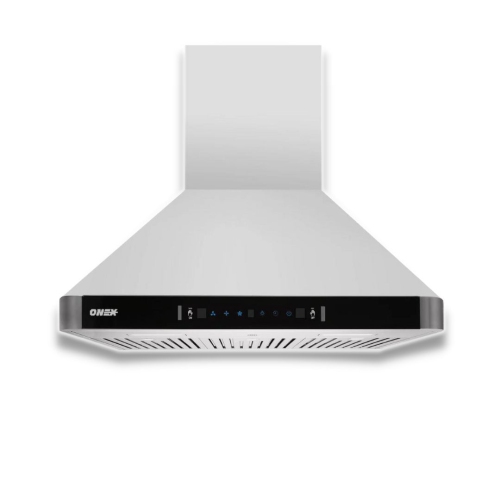
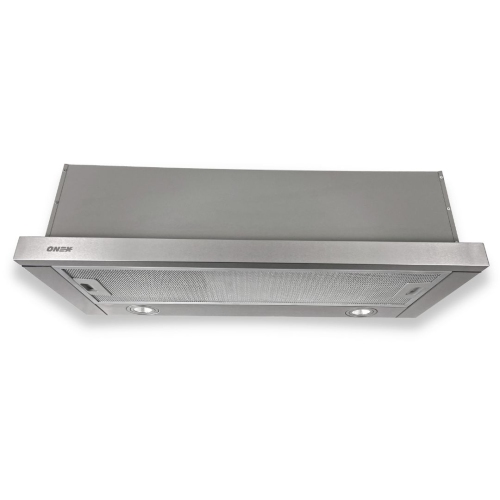
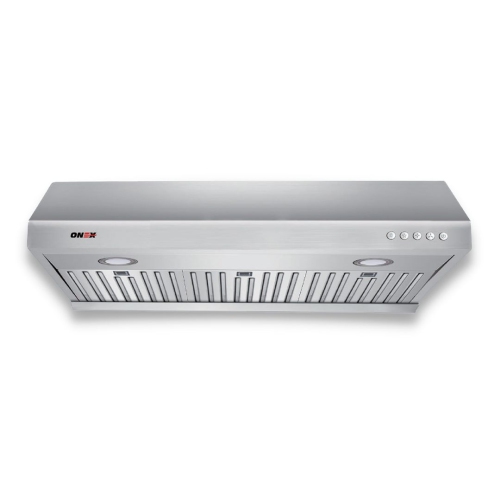
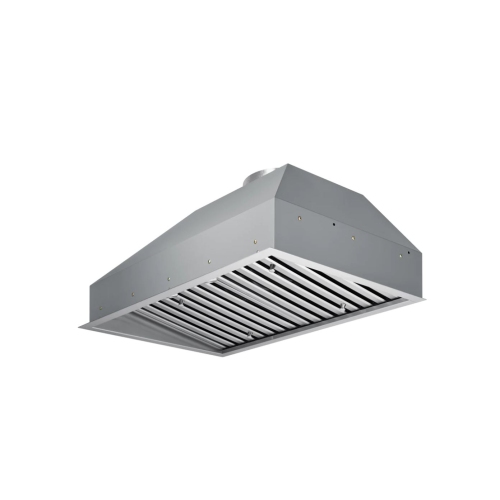
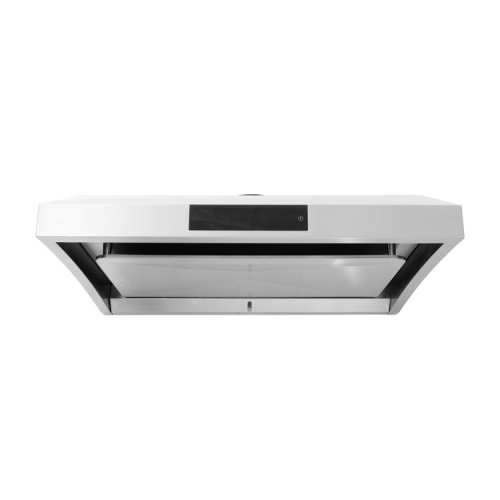
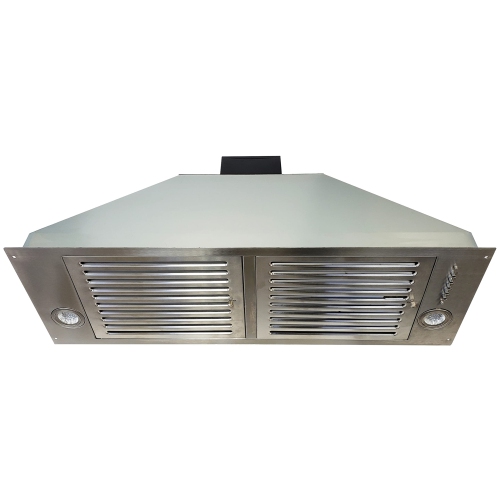
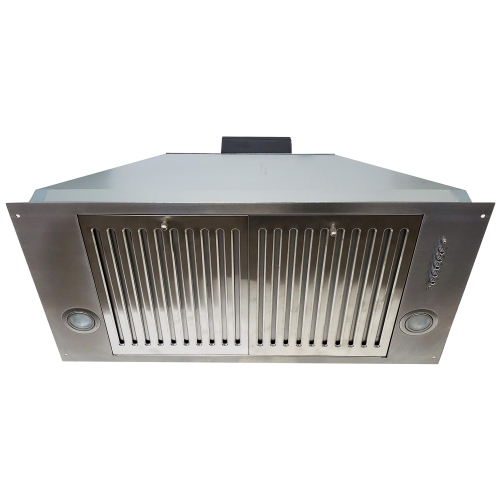
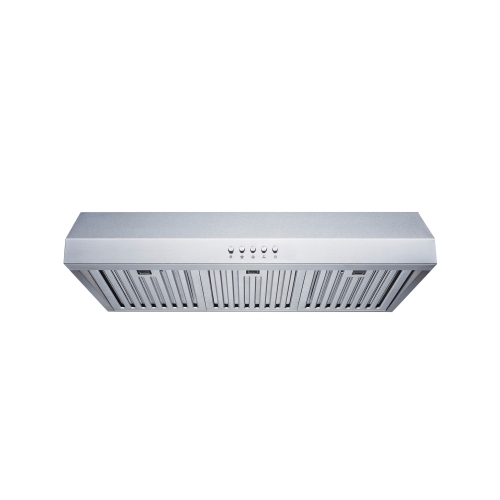
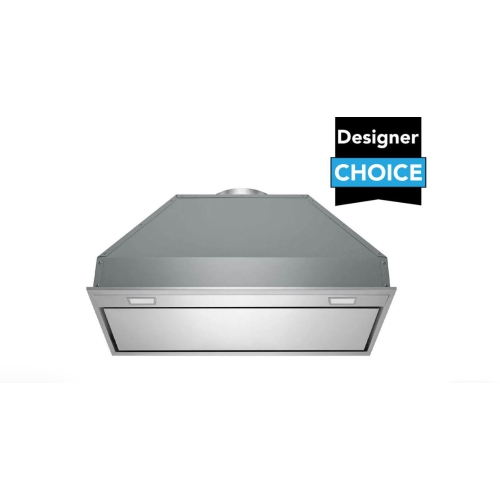
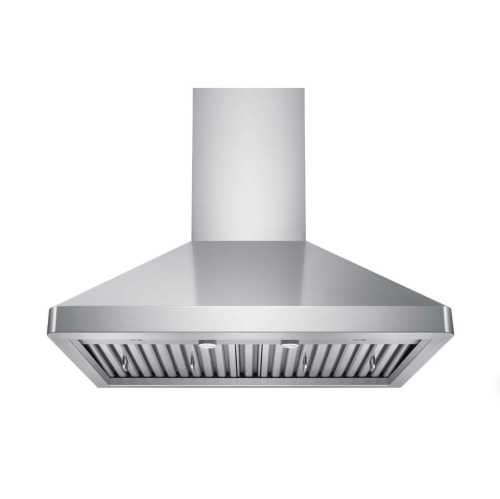
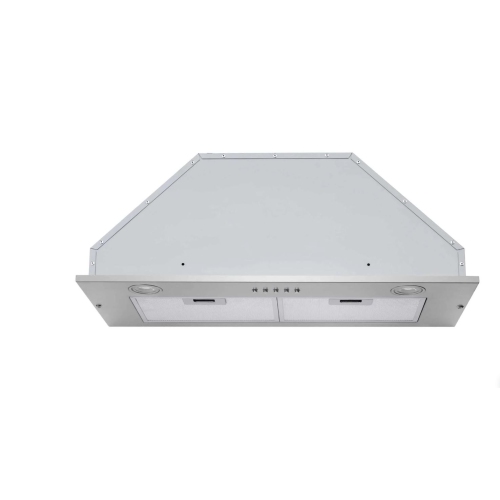
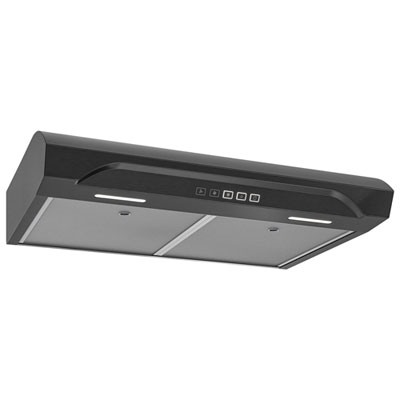
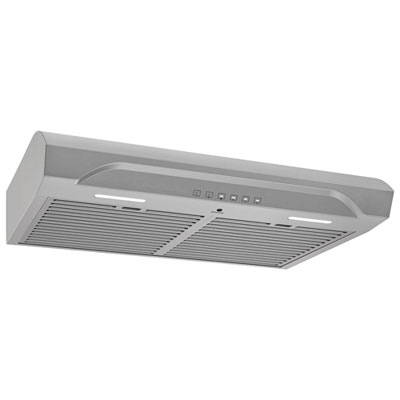
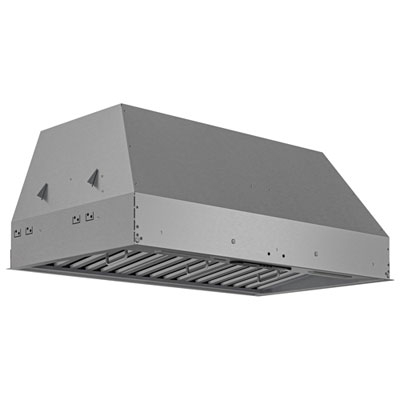
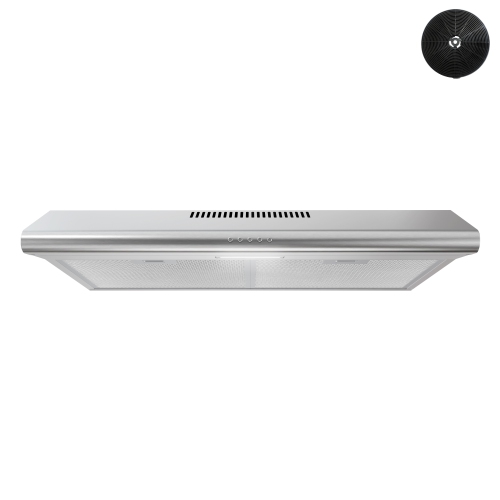
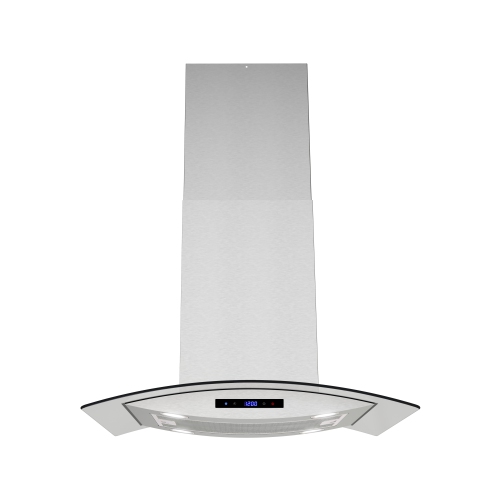
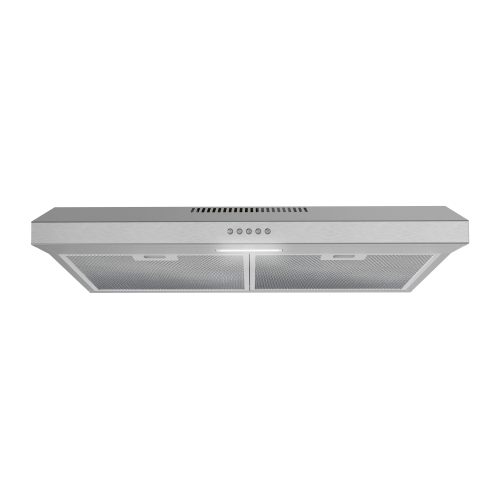
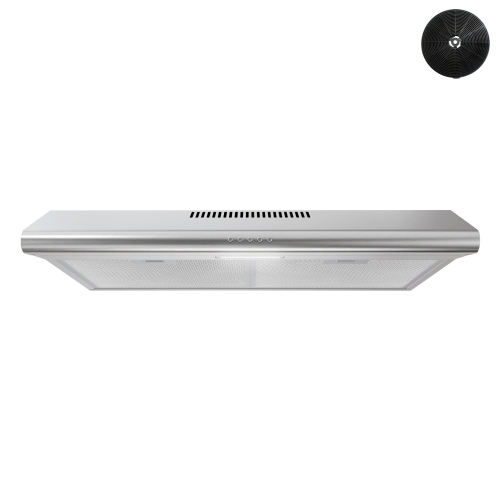
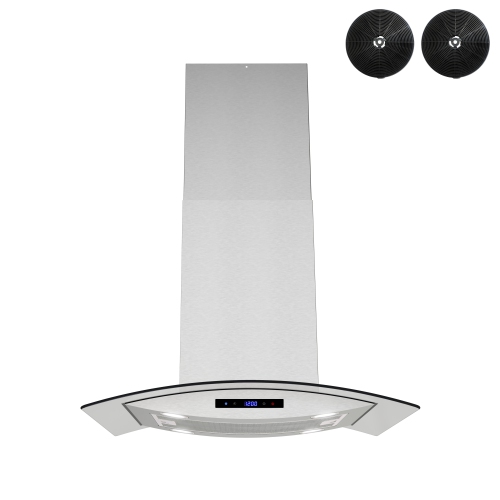
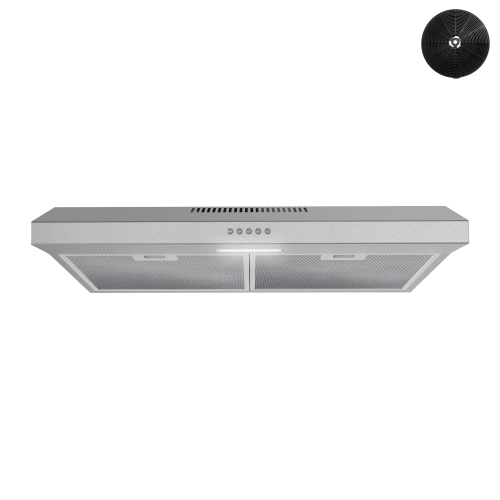
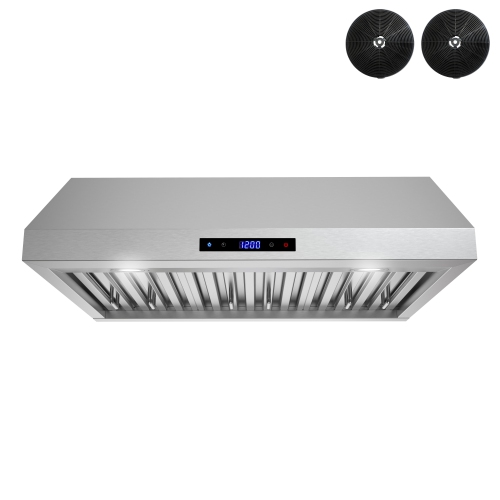
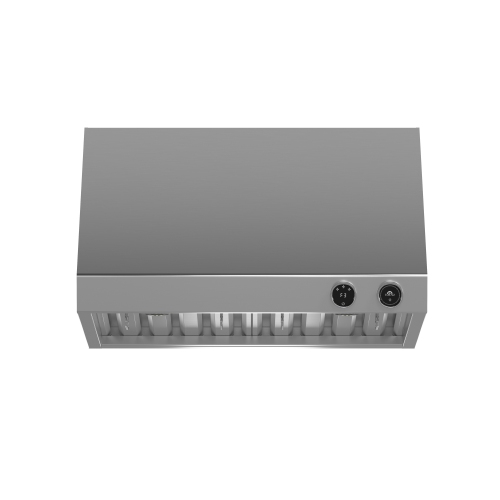
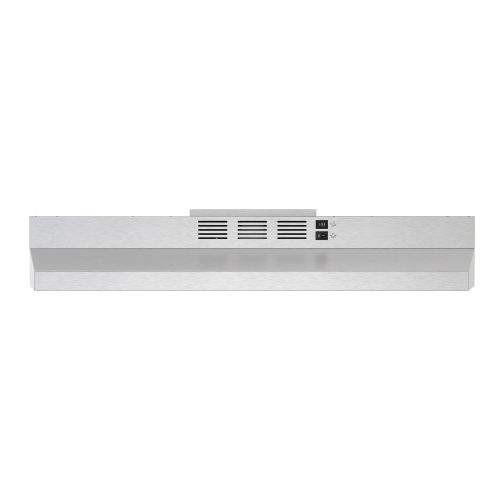
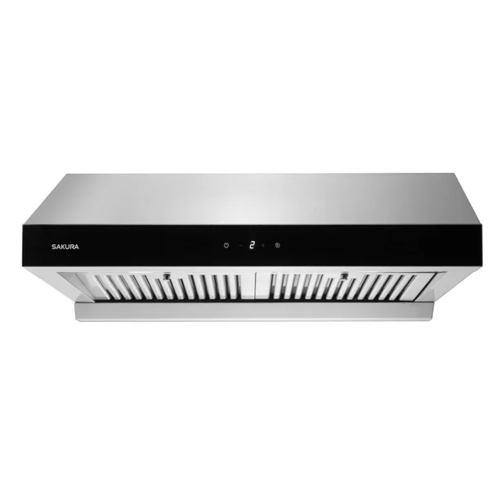
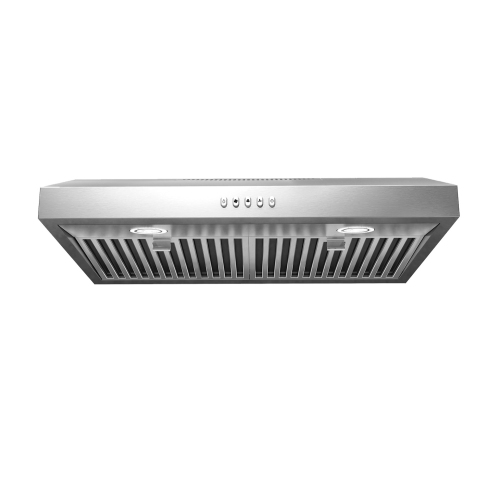
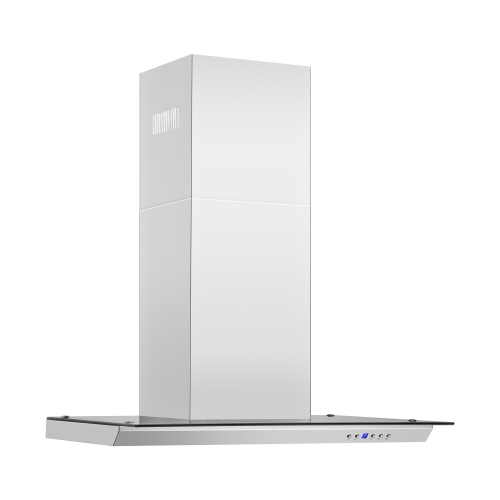
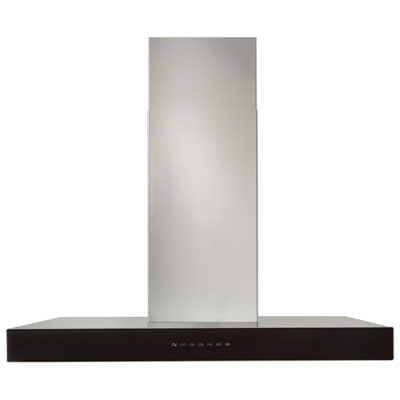
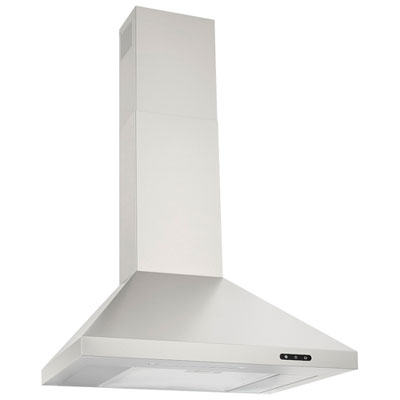
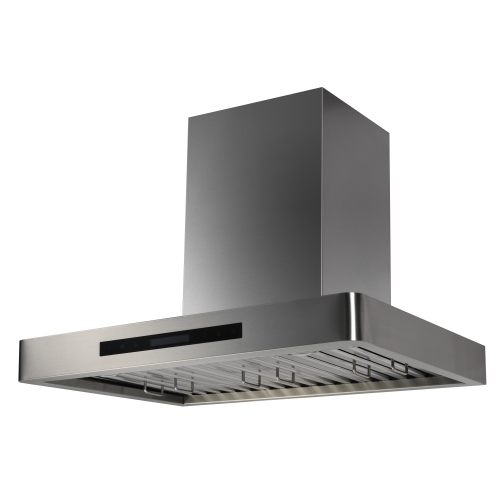
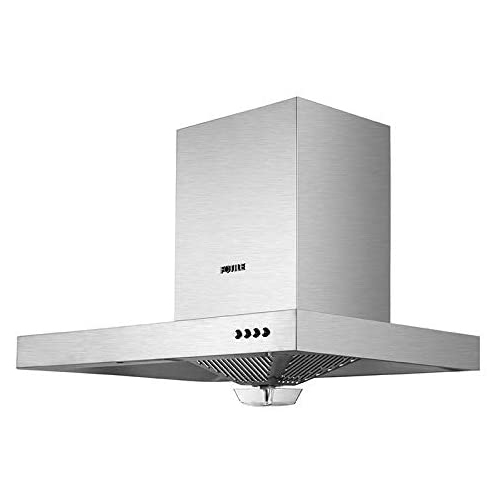
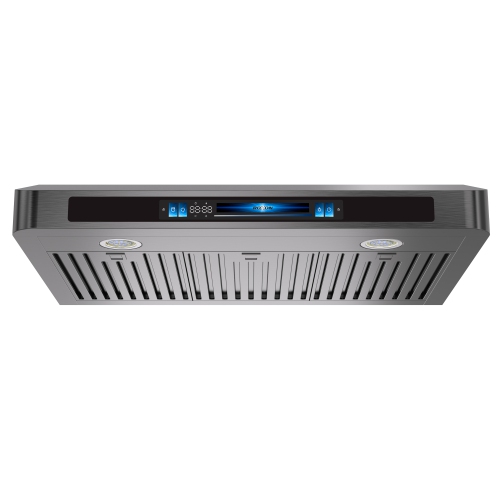
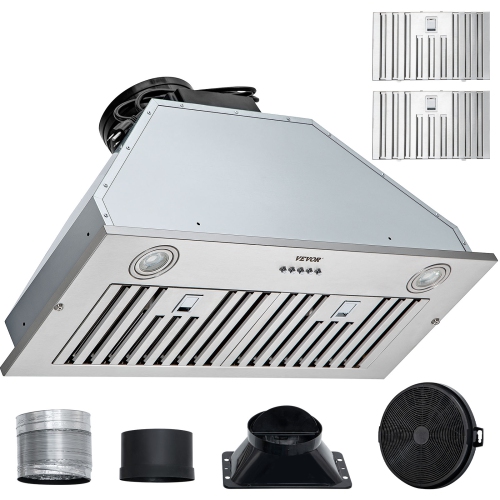
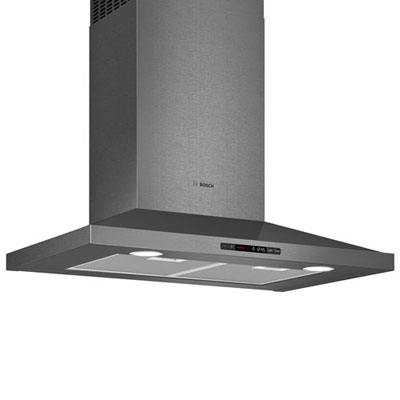
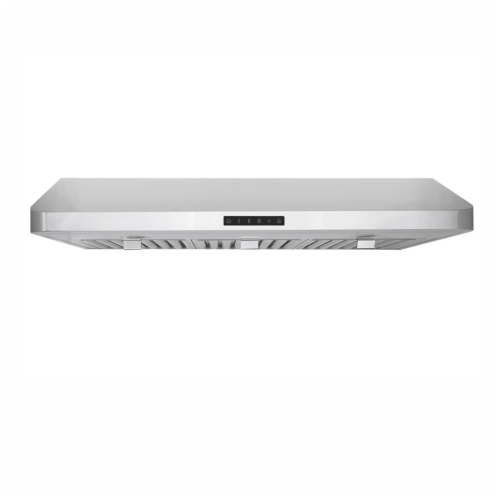
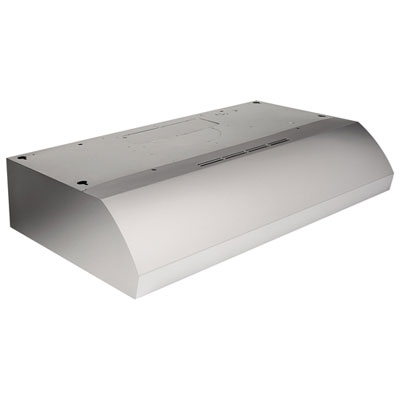
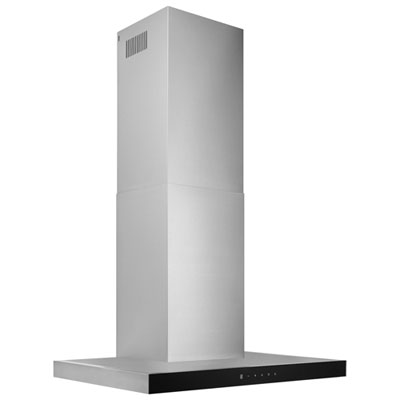
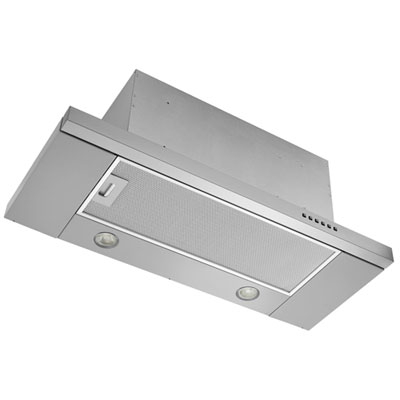
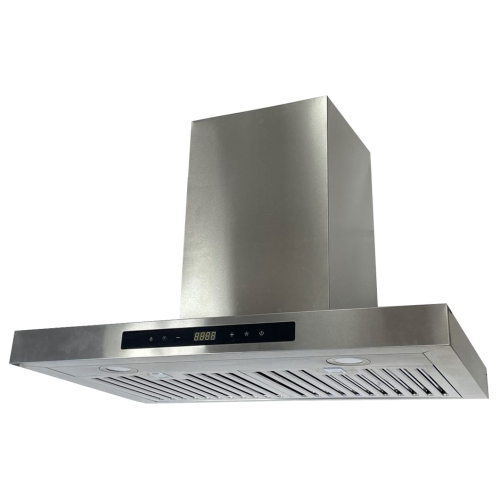
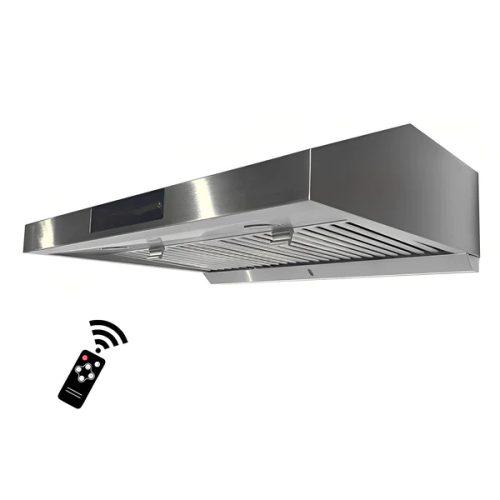
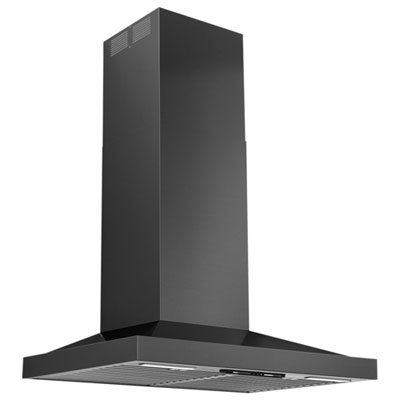
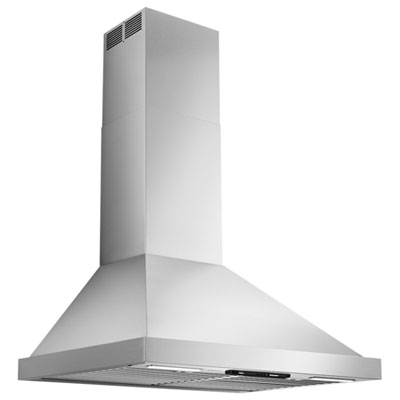
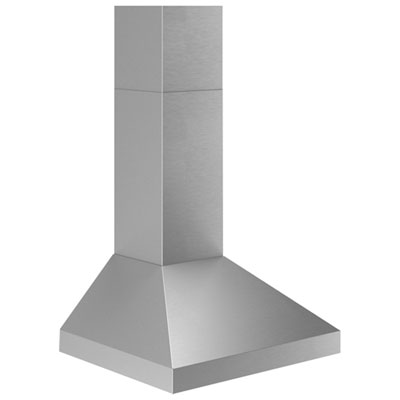
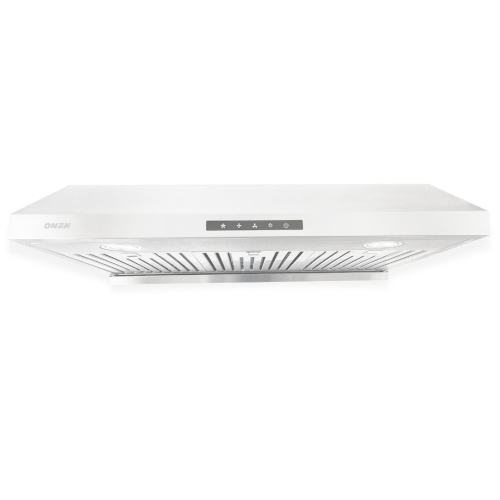
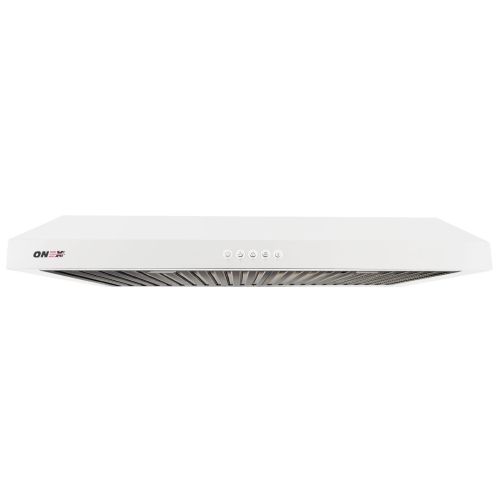
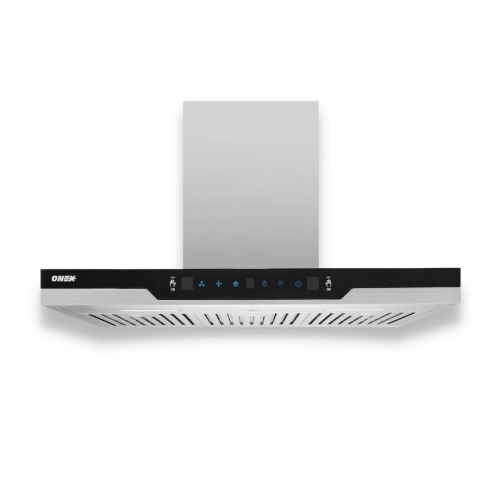
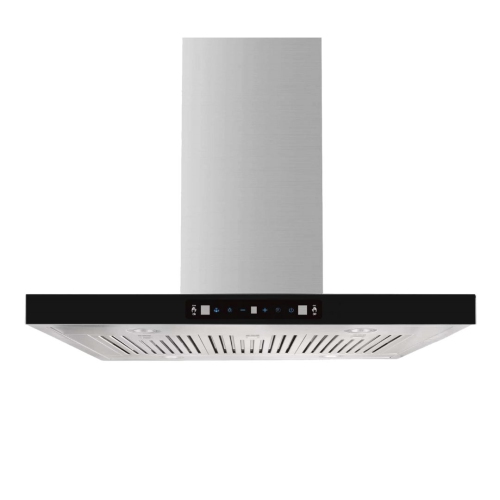
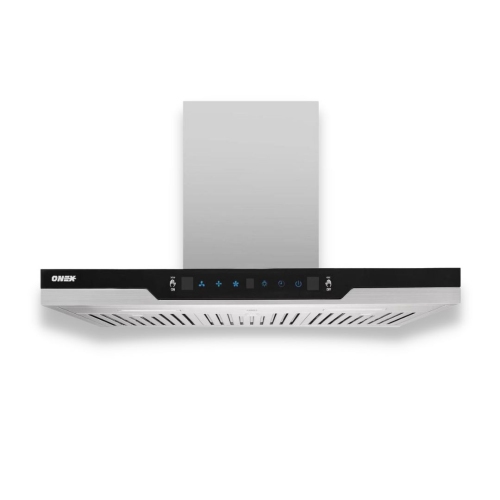
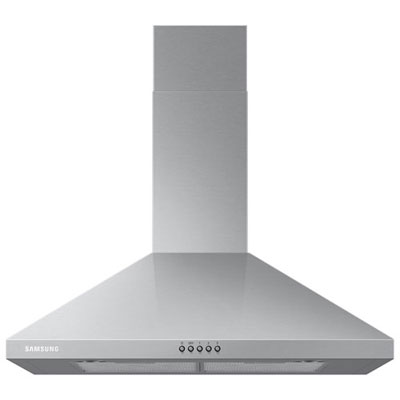
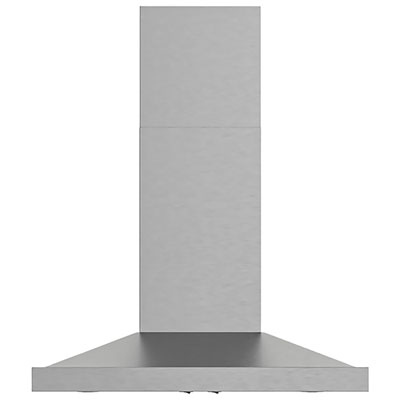
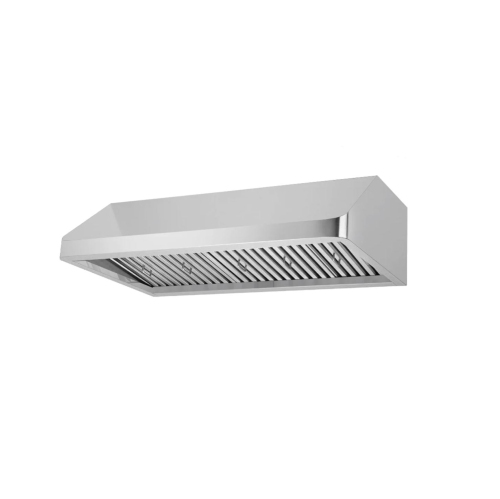
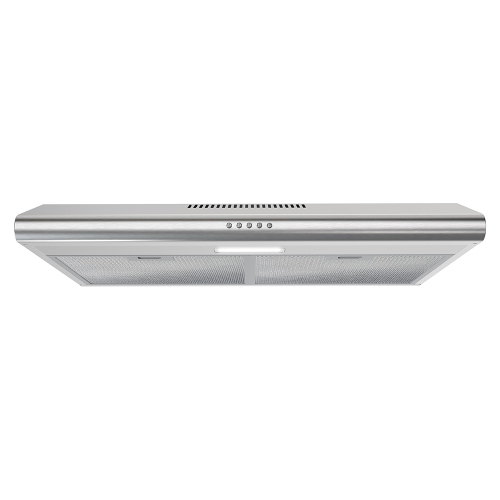
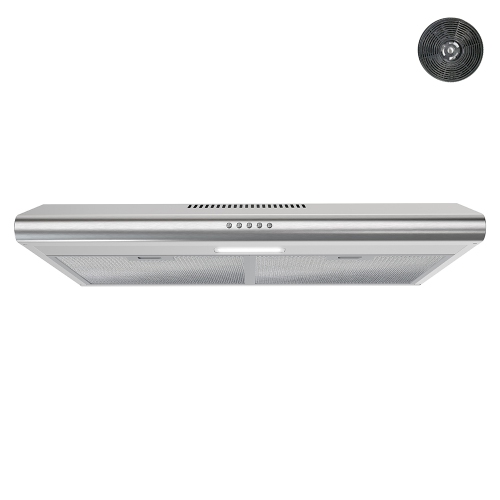
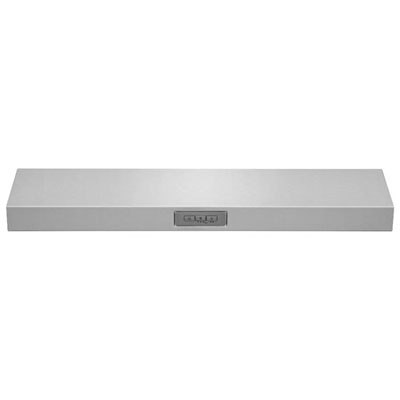
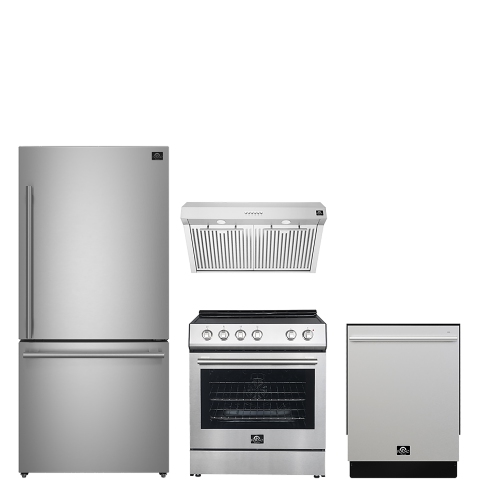
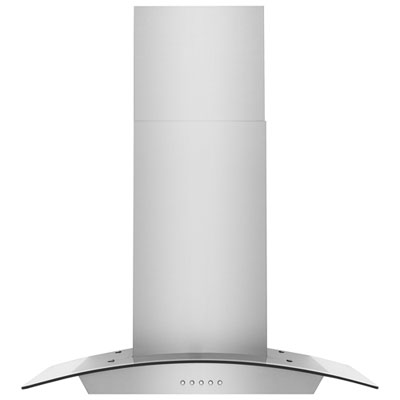
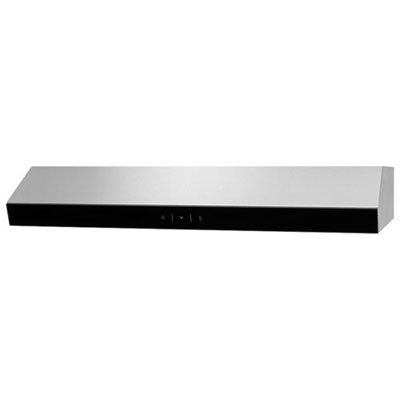
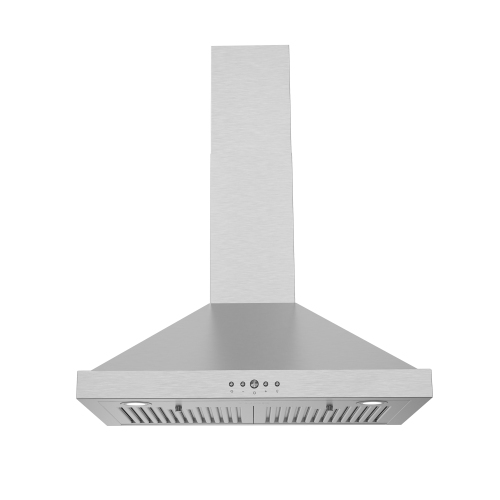
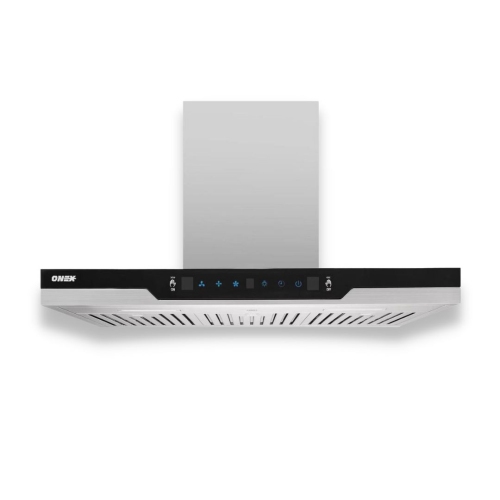
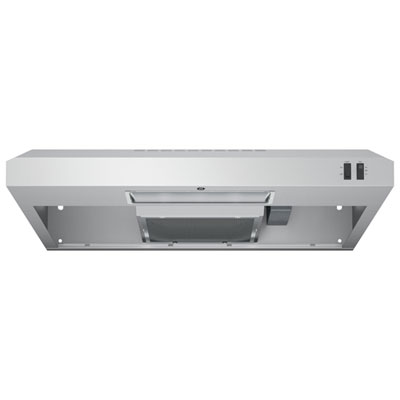
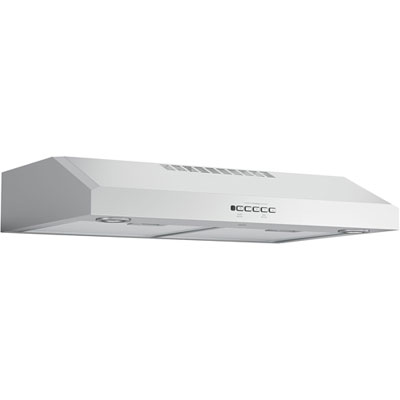
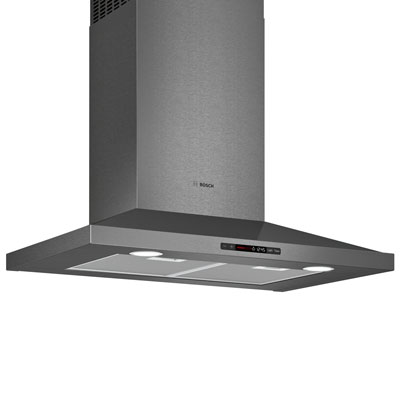
30-inch stainless steel range hoods pair a familiar kitchen appliance finish with ventilation designed to capture cooking fumes, airborne grease, and odours near the cooktop. Their nominal width suits many 30-inch cooking surfaces, although the right match depends on the cooking appliance’s specifications, the hood’s actual dimensions, and the required installation clearances. Stainless steel works comfortably alongside matching appliances, dark cabinetry, painted cupboards, and natural wood, making it a versatile choice for a kitchen refresh or a larger renovation. Brushed finishes have a subtle grain that softens reflections, while smoother surfaces create a brighter appearance under kitchen lighting. Fingerprints, water spots, and cooking splashes can still show, so the finish is as much a practical consideration as a visual one. Under-cabinet designs fit beneath an overhead cupboard and can preserve useful storage around the ventilation route. Wall-mounted chimney designs make the hood a more prominent feature, with a vertical cover that conceals the ductwork above the canopy. For a kitchen layout with an exposed wall above the cooking surface, 30 inch Chimney Range Hoods offer a related style to consider alongside cabinet-mounted options. The stainless steel exterior alone does not determine installation type, airflow, or filtration, so those details matter just as much as appearance. A shallow hood can look unobtrusive beneath cabinetry, but canopy depth and coverage over the front burners also affect how well it captures rising cooking fumes. Someone who regularly sears meat, stir-fries vegetables, or cooks with several burners at once may have different ventilation needs from someone who mainly simmers soup or prepares simple breakfasts. In either case, the most useful design brings together appropriate coverage, accessible controls, effective task lighting, and a finish that is straightforward to maintain through everyday cooking.
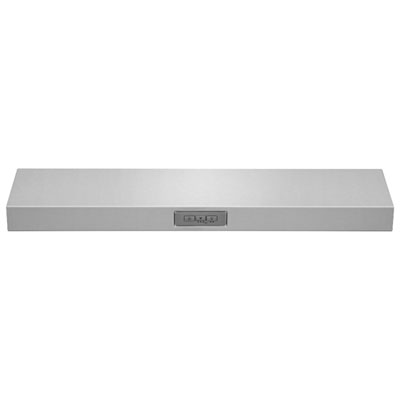
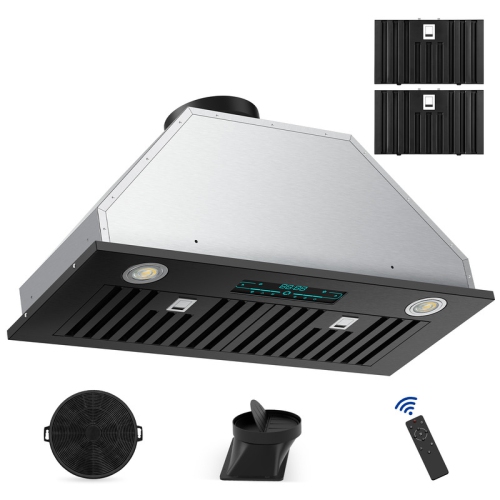
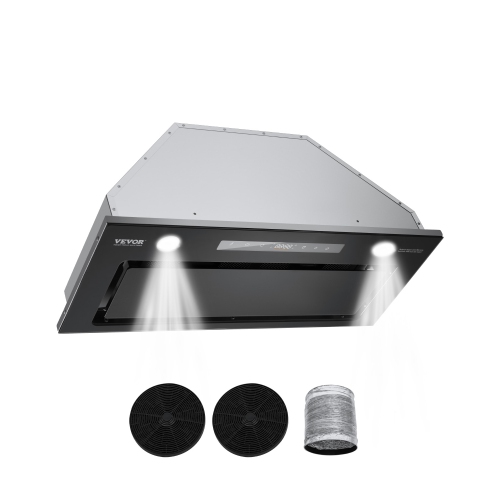
Ventilation configuration is one of the main differences among 30-inch stainless steel range hoods. Ducted hoods move captured air outdoors through an approved exhaust route, carrying cooking odours, moisture, and some airborne pollutants out of the kitchen. Ductless configurations pass air through grease filters and odour-reducing filters before returning it to the room; they do not remove moisture or combustion gases in the same way as outdoor exhaust. Convertible designs can support either arrangement when installed with the required components, but charcoal filters or conversion kits may be separate. This distinction is especially important in condos, apartments, and renovations where an exterior exhaust route may be restricted or difficult to add. Airflow is commonly expressed in cubic feet per minute, or CFM, and describes the volume of air moved under specified test conditions. A higher published CFM figure does not guarantee better results in every kitchen: duct diameter, bends, total duct length, mounting height, and canopy coverage all influence performance after installation. Matching the hood to the cooking appliance and following both manufacturers’ requirements is more useful than choosing by airflow alone. Multiple fan speeds provide flexibility for different tasks, from gently simmering a saucepan to frying food in a wide skillet. Sound ratings deserve attention as well, particularly when the kitchen opens onto a dining area or living room. Ratings stated in sones or decibels should be compared at similar operating speeds and test conditions wherever possible, since a quiet low setting and a maximum-speed rating describe different experiences. Starting the fan shortly before cooking helps establish airflow, and leaving it running briefly afterwards can help clear lingering odours. Delayed shut-off, where included, makes that final step easier. With higher-capacity exhaust systems, local building requirements may call for make-up air provisions. A qualified installer can assess the duct route, electrical connection, clearances, and any interaction with fuel-burning appliances before installation.
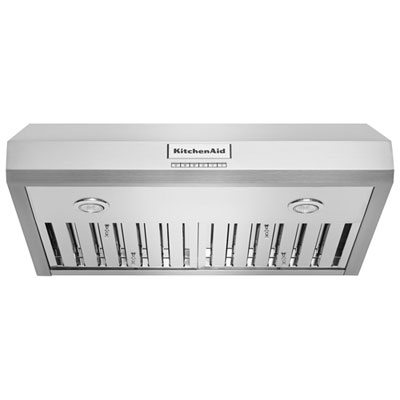
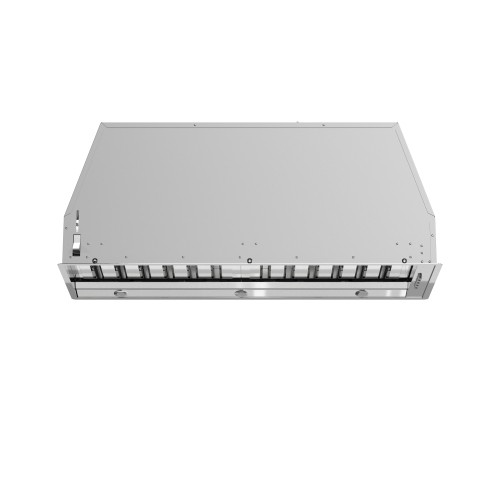
Day-to-day convenience often comes down to details that are easy to overlook when focusing on the stainless steel finish. Mesh grease filters use layers of metal to trap grease, while baffle filters direct air through channels that help separate grease from the airflow. Both need regular cleaning, with the interval depending on cooking habits and the manufacturer’s care instructions. Frequent frying can leave filters needing attention sooner than occasional light cooking, and accumulated grease can restrict airflow. Some removable filters are dishwasher-safe, but that should be confirmed for the particular filter rather than assumed from its metal construction. Charcoal odour filters generally require replacement rather than washing unless their instructions explicitly state otherwise. Easy-to-release filters and accessible interior surfaces make this routine maintenance less awkward, especially when the hood sits above a deep cooking surface. For the exterior, a soft cloth and a cleaner approved for stainless steel help remove greasy marks without scratching the grain. Wiping in the direction of the grain and drying the surface afterwards can reduce streaks; abrasive pads and harsh chlorine-based cleaners can damage the finish. Stainless steel offers good resistance to corrosion in normal kitchen use, but it is not immune to staining or damage from unsuitable cleaning products. Well-fitted panels, sturdy controls, and filters that sit securely also contribute to a solid feel over time. Integrated lighting is useful for checking the colour of sautéed onions or seeing the edges of a pan without relying entirely on overhead fixtures. LED lighting is common, though brightness, coverage, dimming, and replacement methods vary by design. Clearly marked buttons, responsive touch controls, and reachable fan settings each suit different preferences, so ease of operation is worth considering alongside appearance. Before fitting a replacement hood, measuring the cabinet opening is only the beginning: the existing duct outlet location, vertical or rear venting arrangement, electrical supply, and required distance above the cooktop all need to align. Chimney installations also require enough height for the duct cover within its specified adjustment range. For homeowners updating a busy family kitchen, renovating a compact cooking space, or replacing an ageing hood, a carefully matched 30-inch stainless steel range hood can provide practical ventilation and focused lighting while keeping the cooking area visually cohesive.
Read More

FAQ

Some products may be subject to Environmental Handling Fees (EHF) depending on your province. Learn more about EHFs.