Charcoal Air Purifiers
If you're looking for a way to improve the air quality in your home, a charcoal air purifier can help. A charcoal filter can remove odors, airborne bacteria, and other pollutants from the air. A charcoal filter captures particles as they pass through its pores. Here are some of our top picks for charcoal air purifiers.
Sort
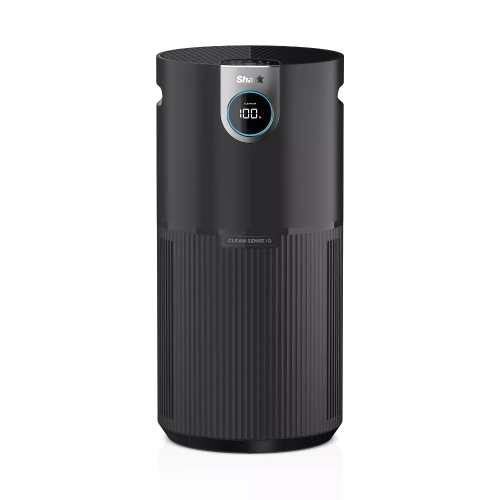
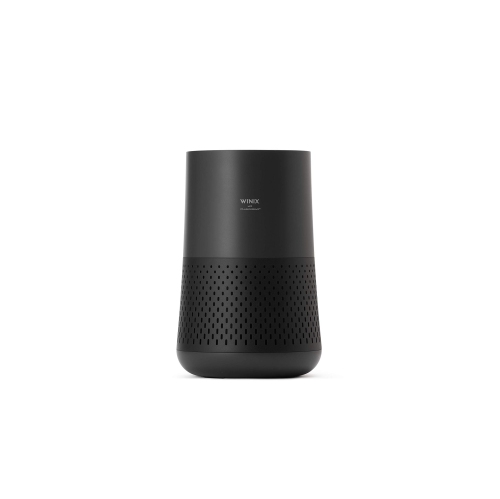
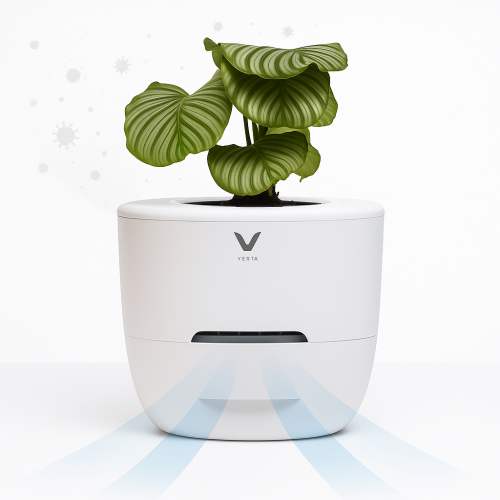
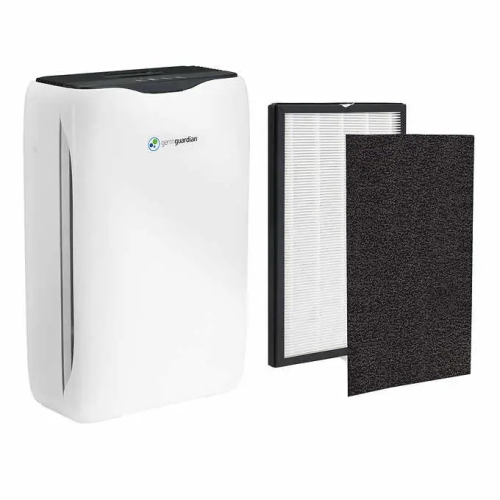
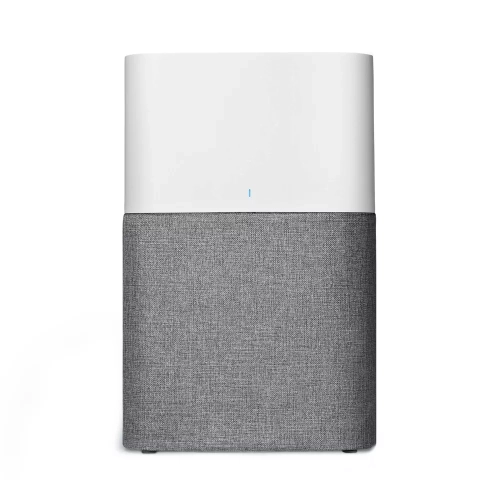
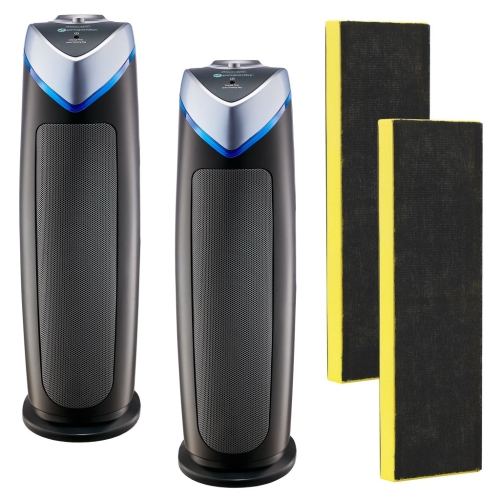
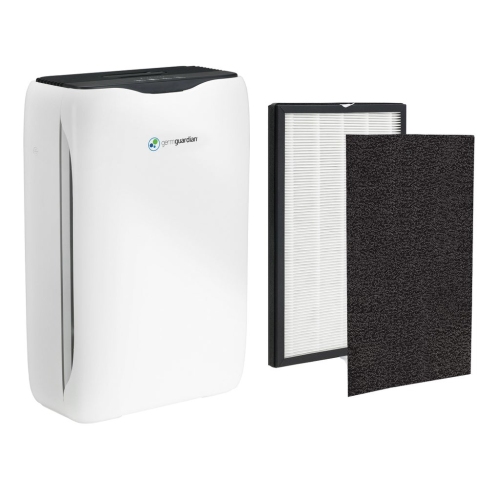
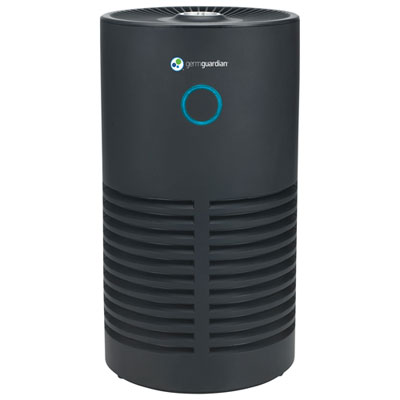
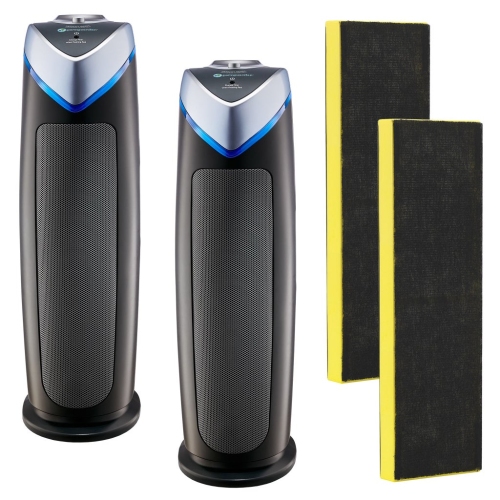
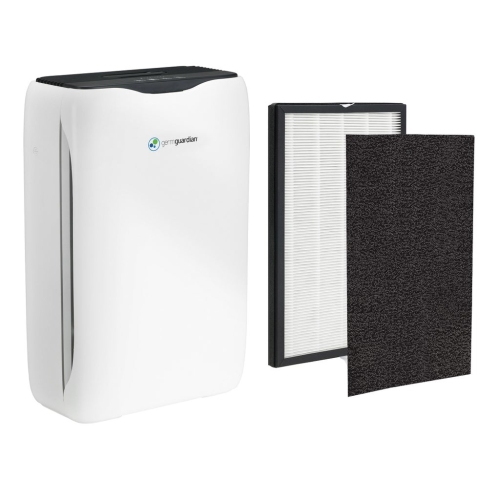
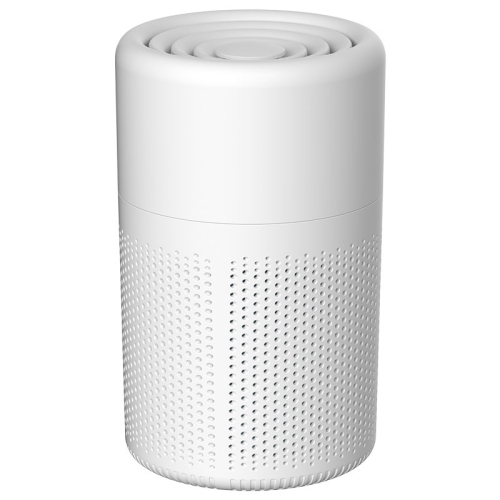
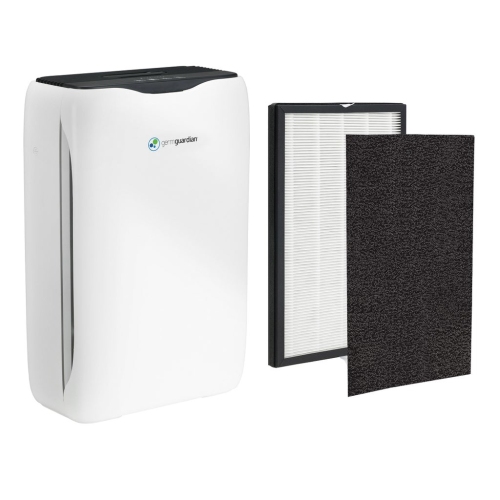
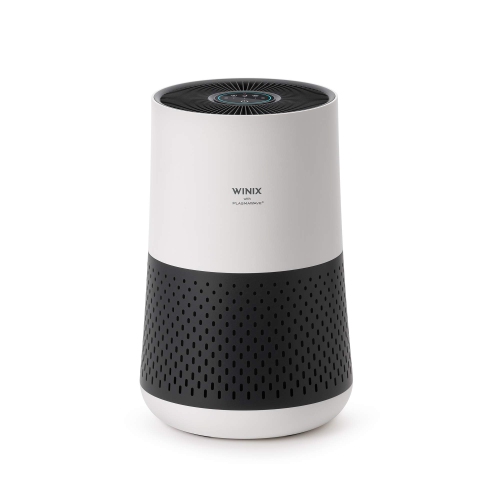
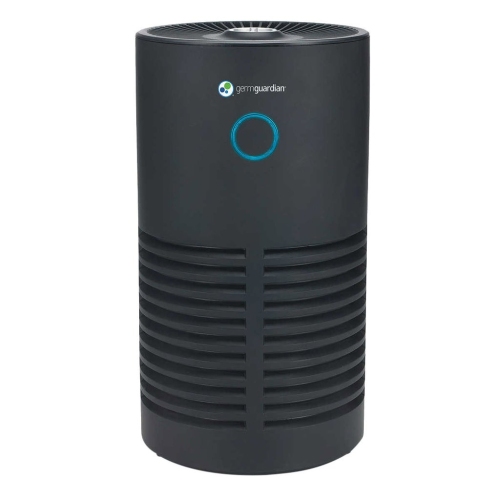
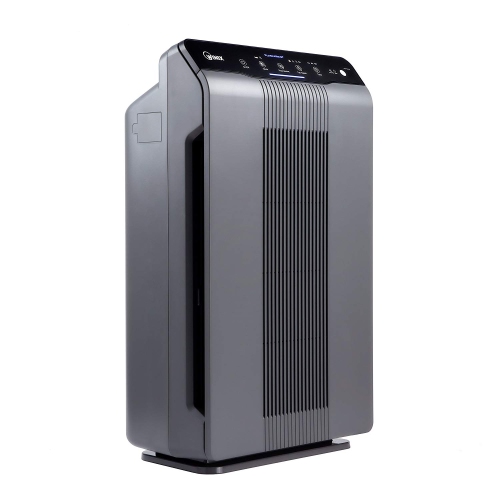
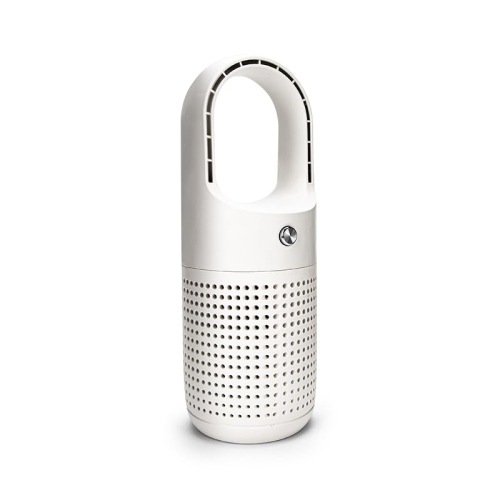

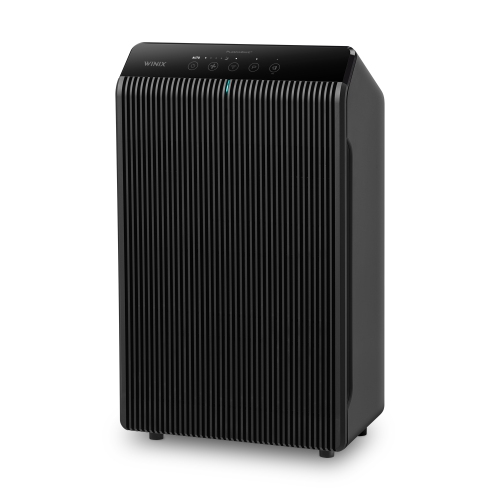
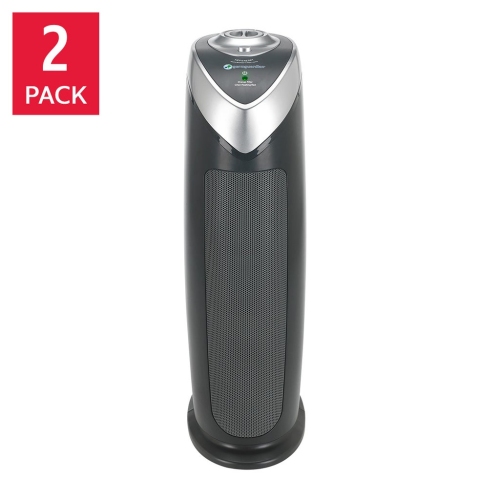
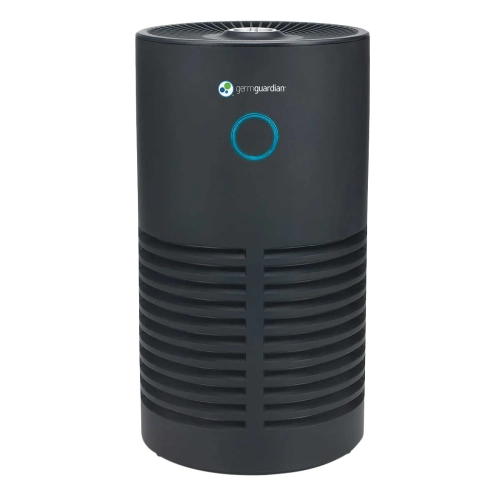
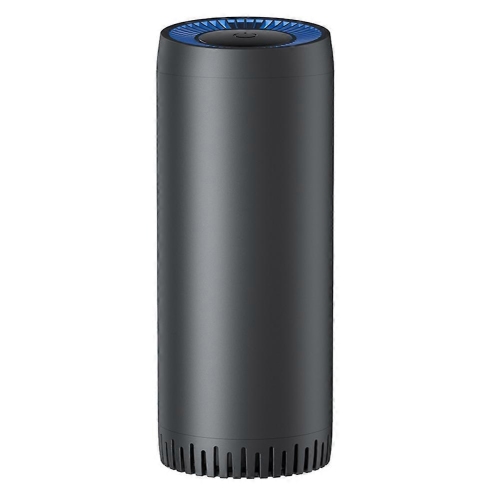
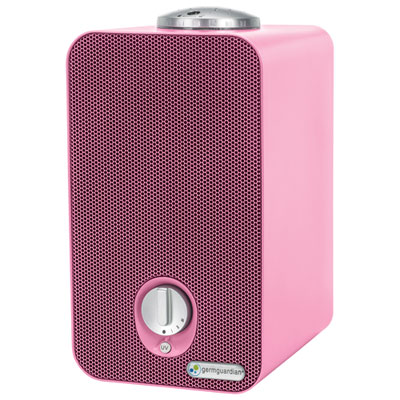
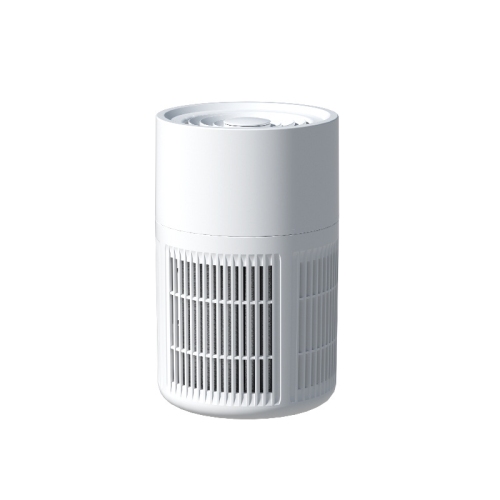
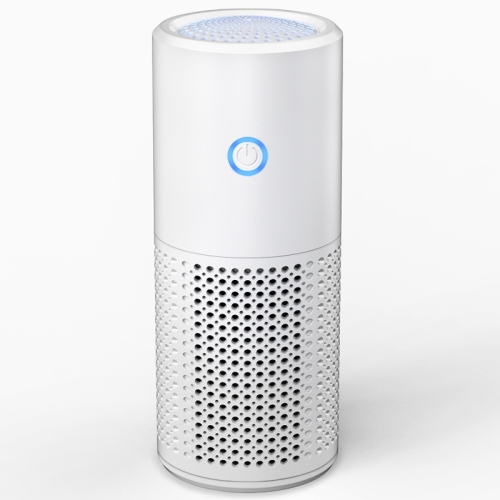
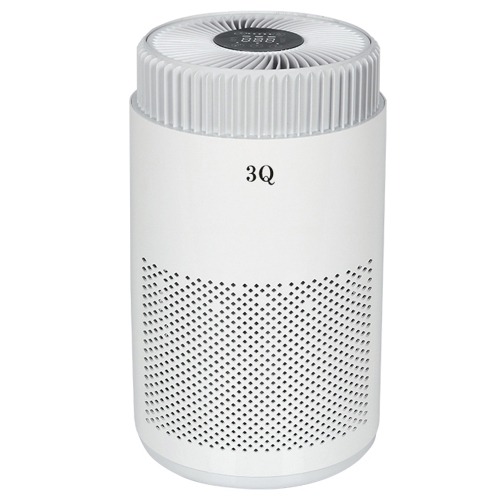


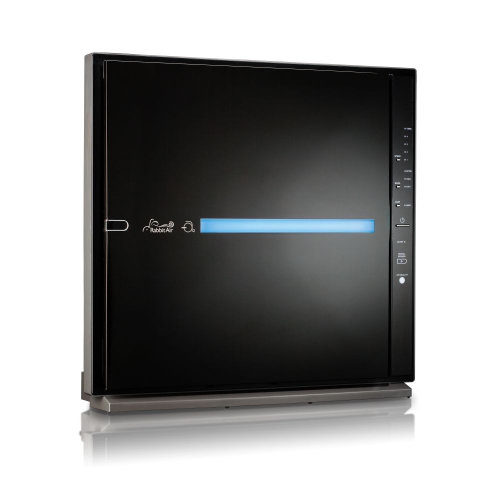

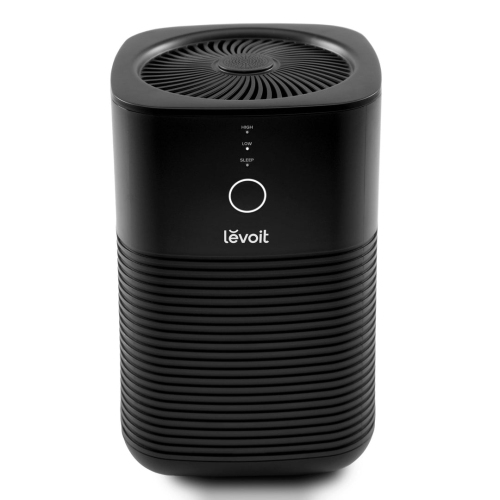
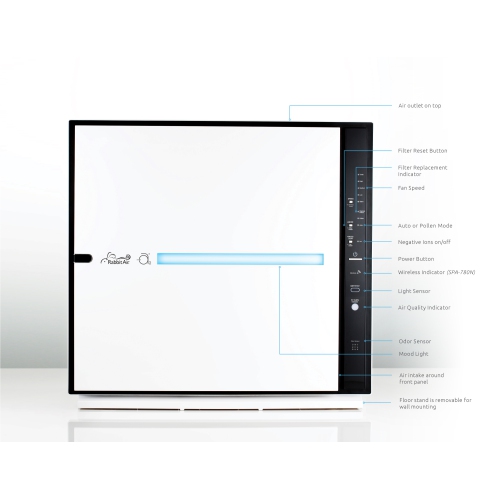

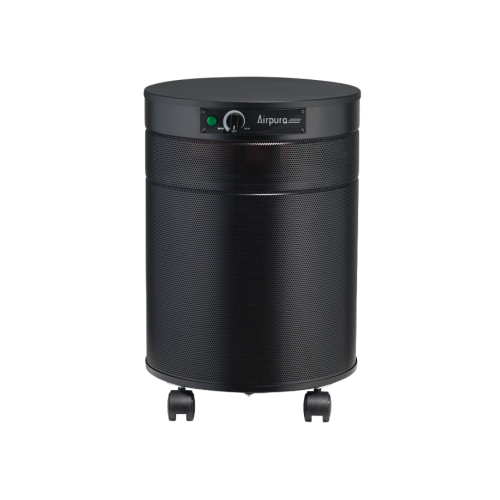
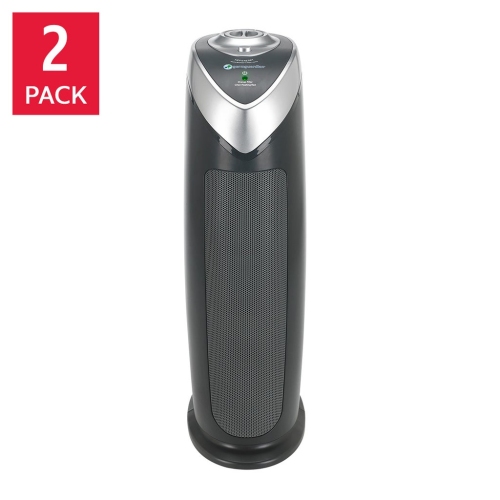
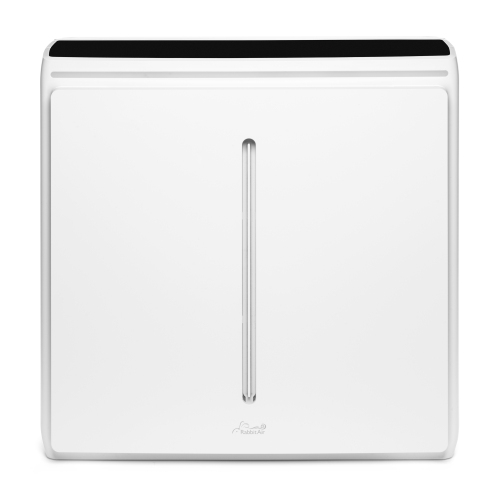
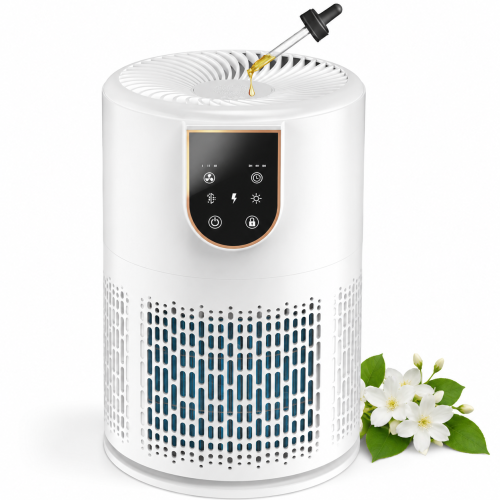
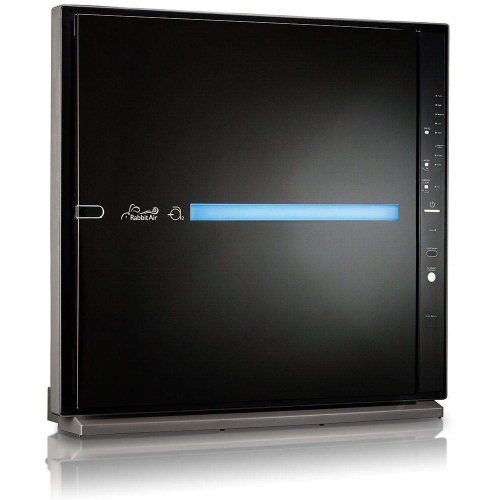


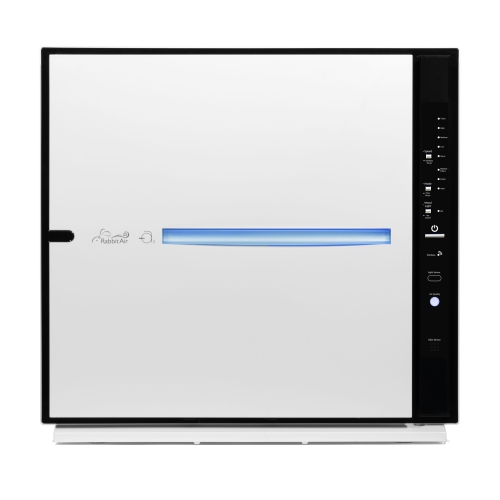
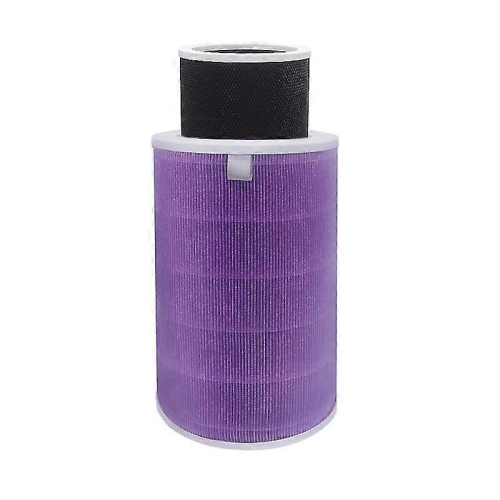
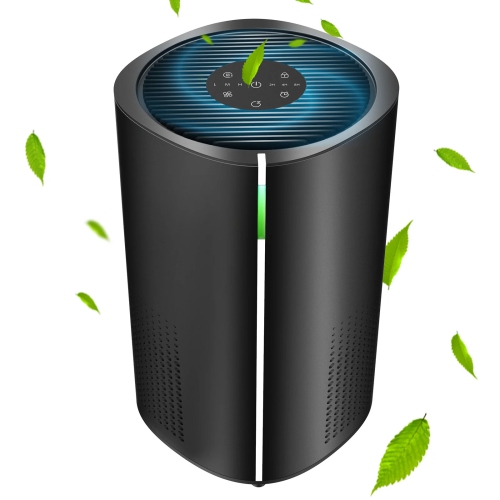
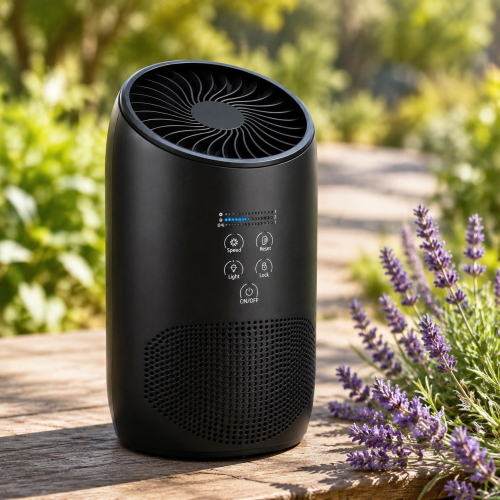

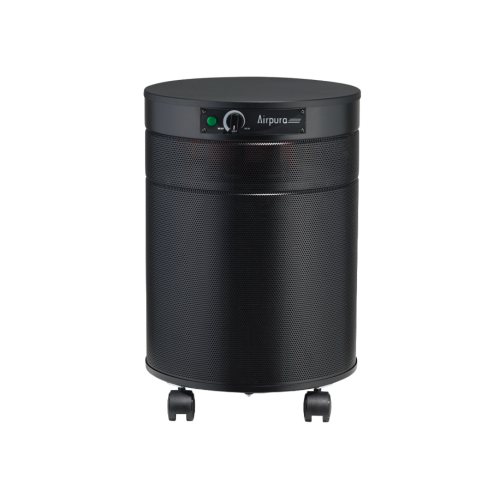
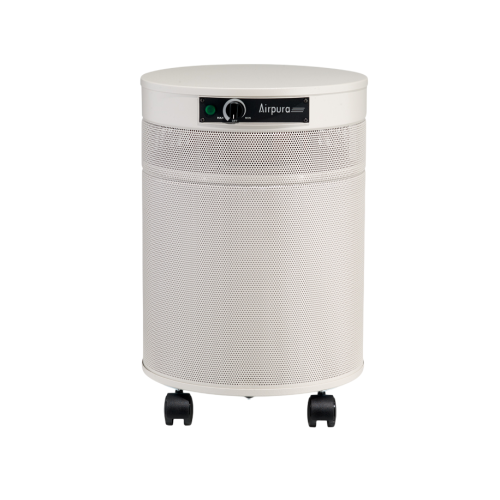
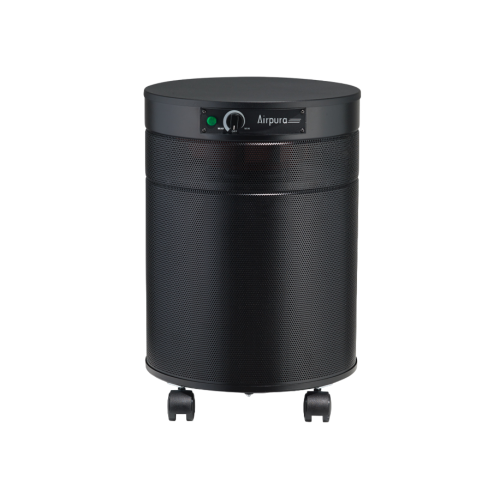
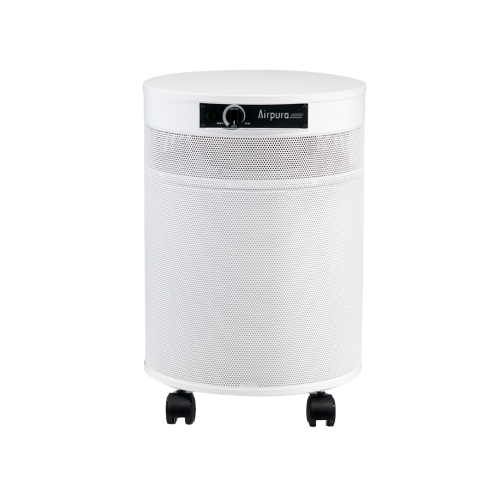

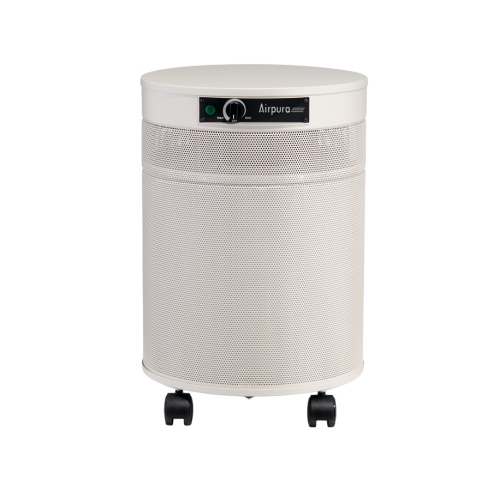
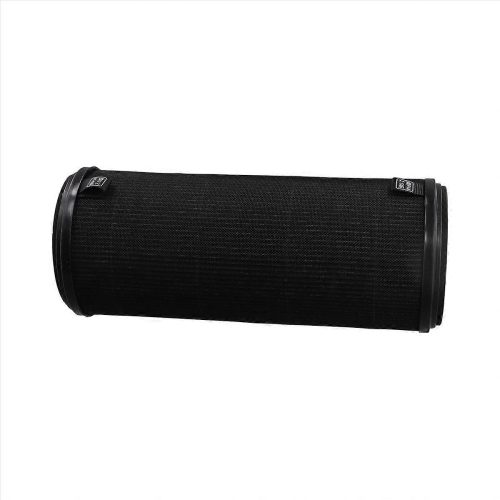
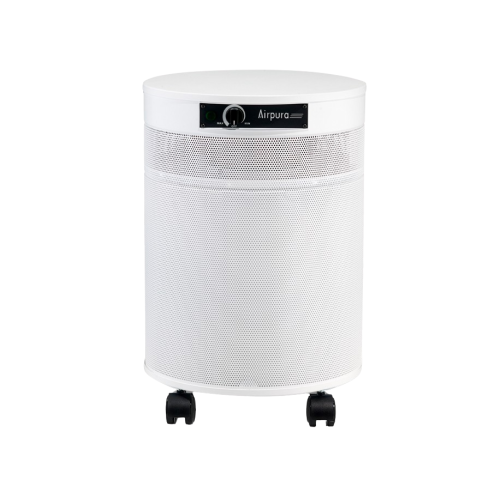
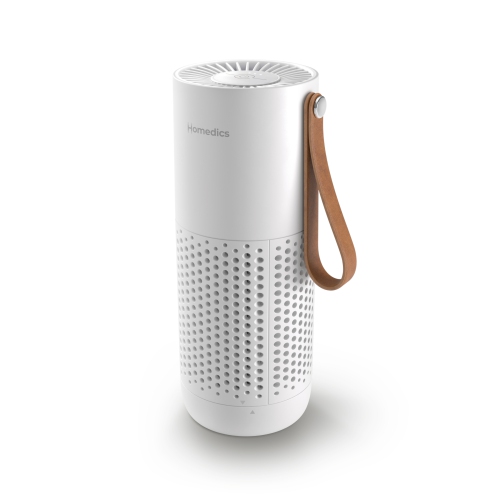


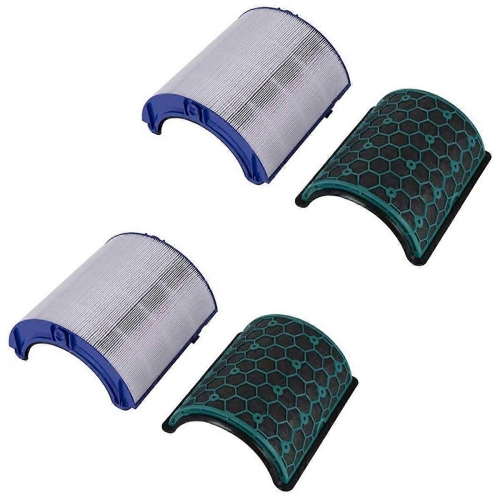
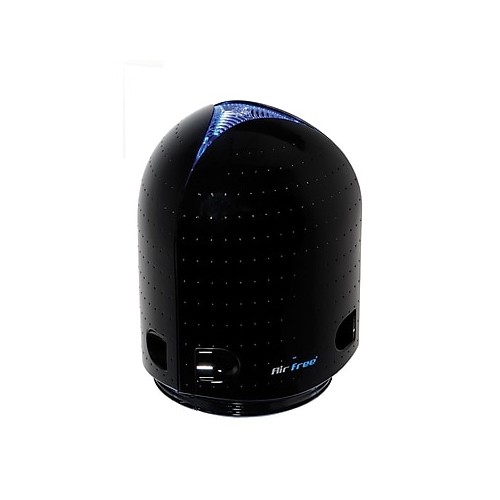
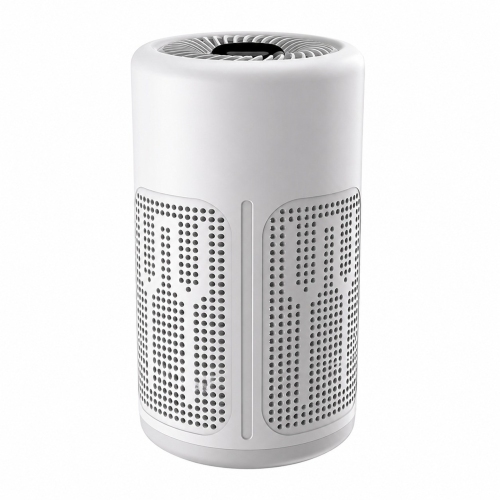
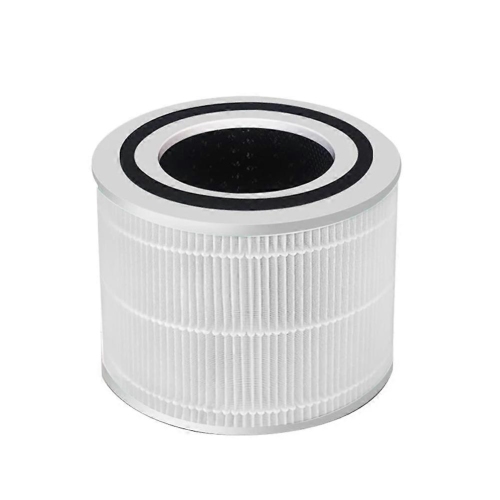

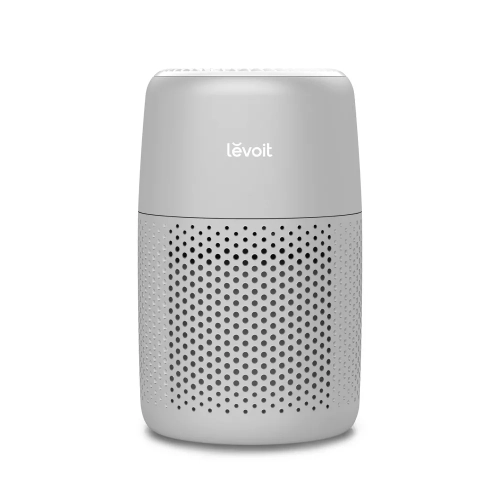
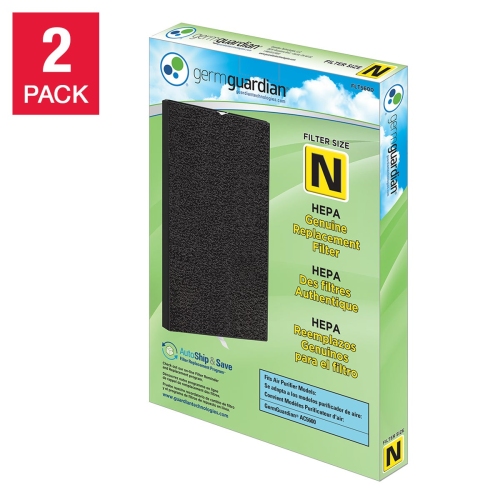
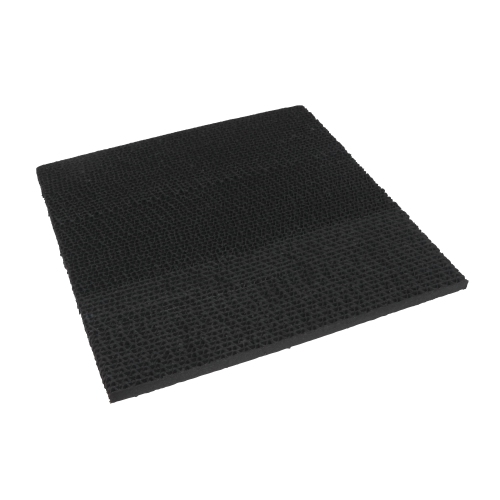
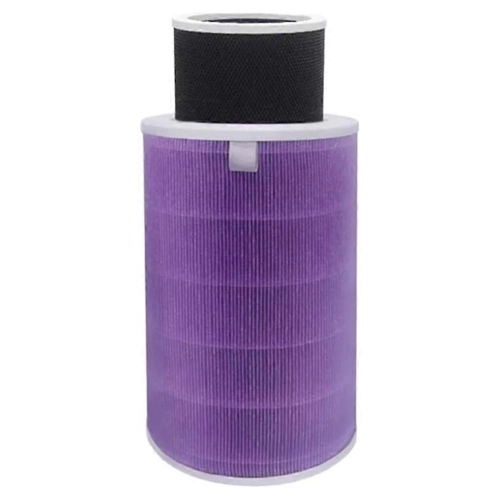
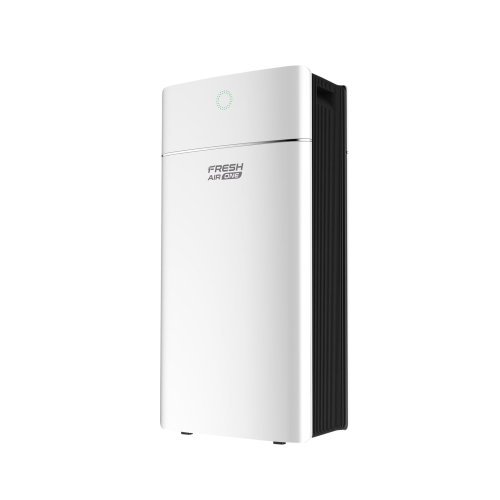
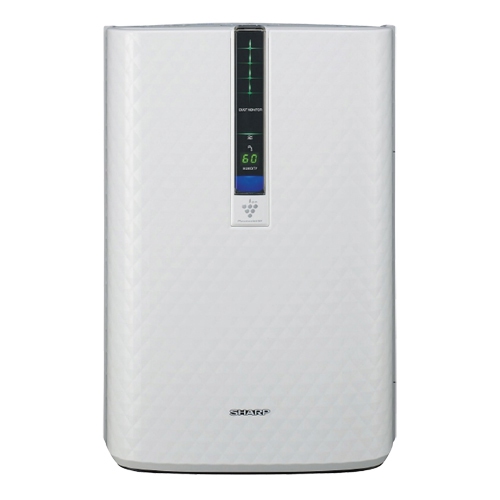
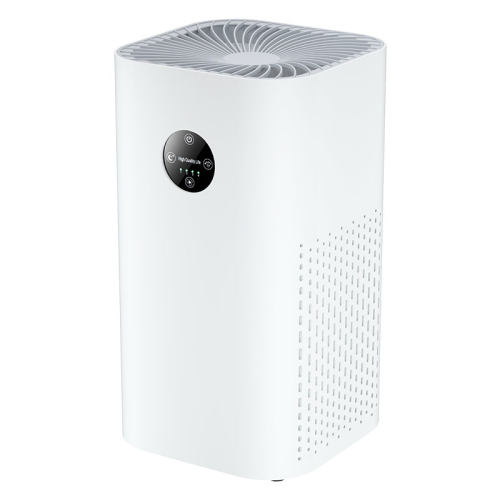

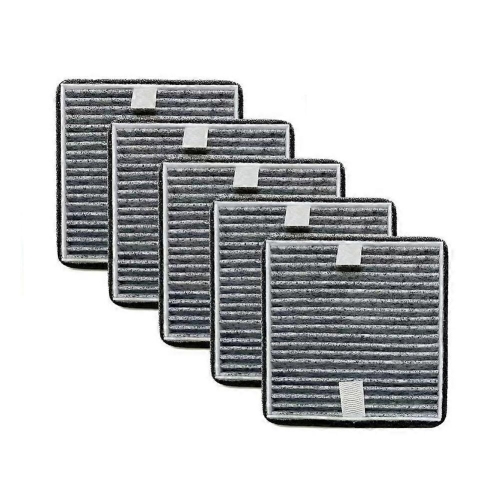

How activated carbon helps reduce everyday household odours
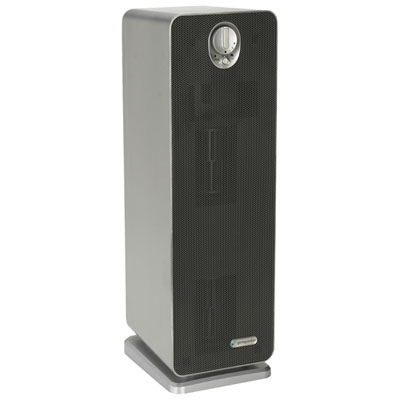
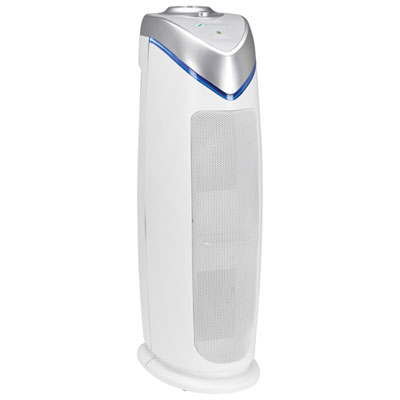
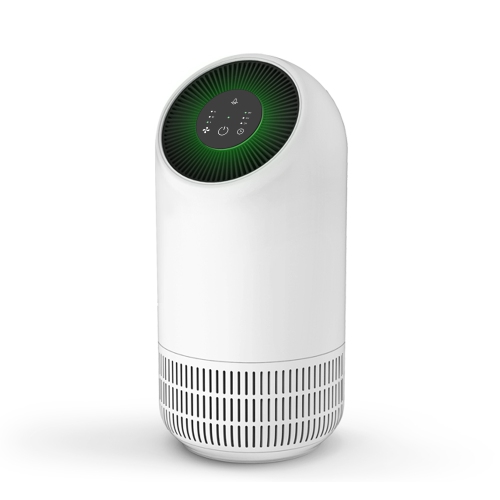
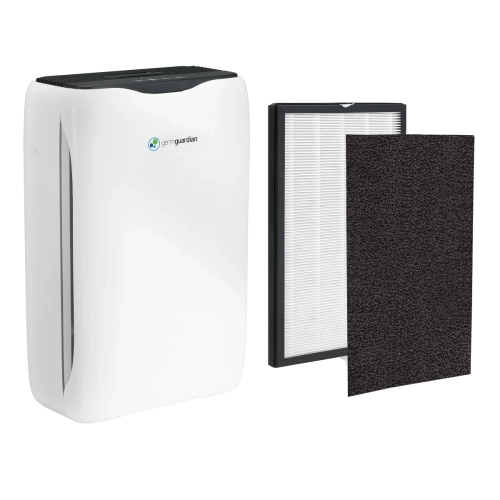
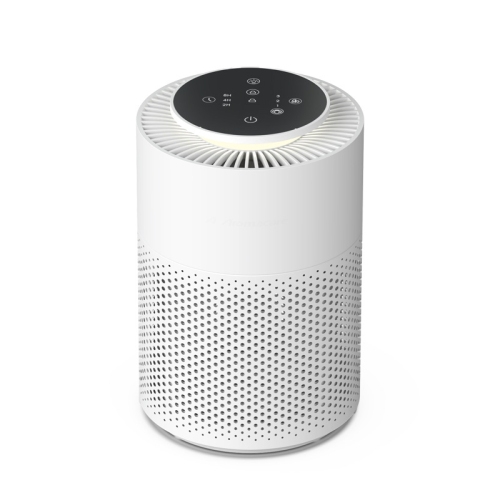
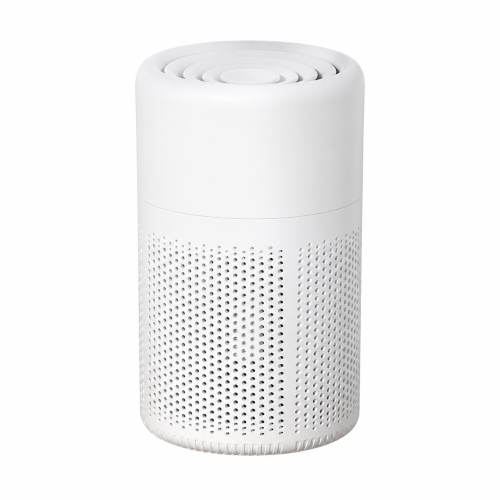
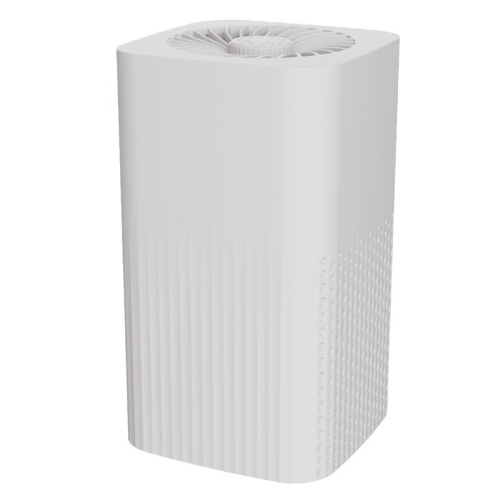
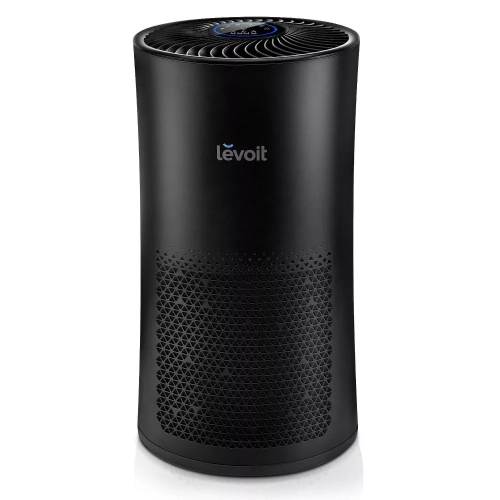
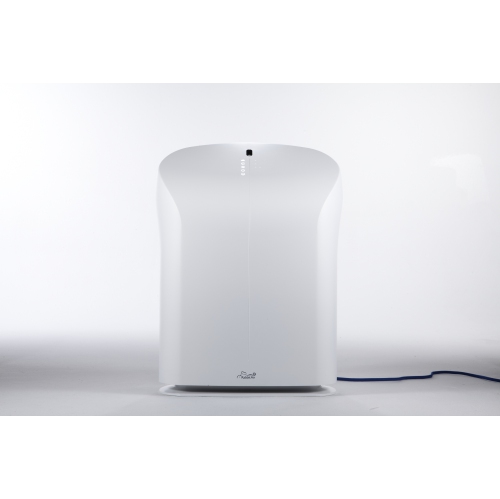
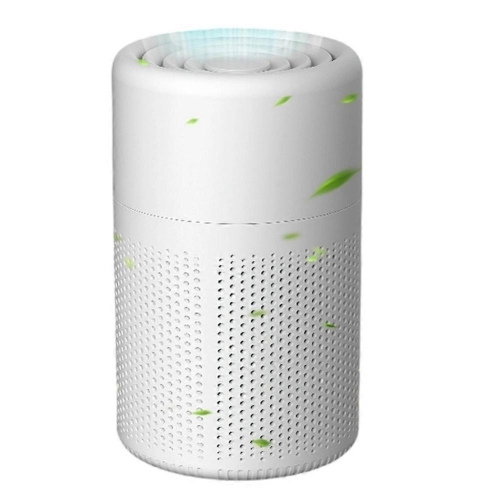
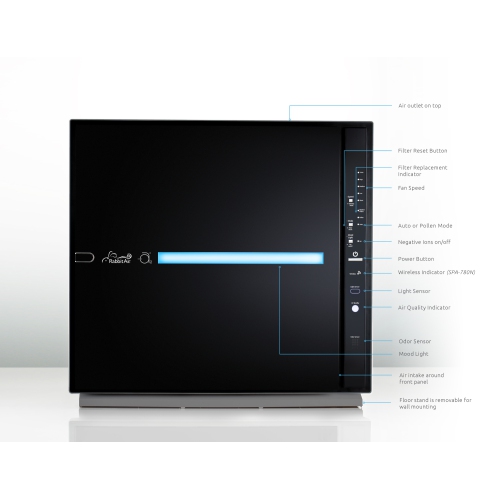
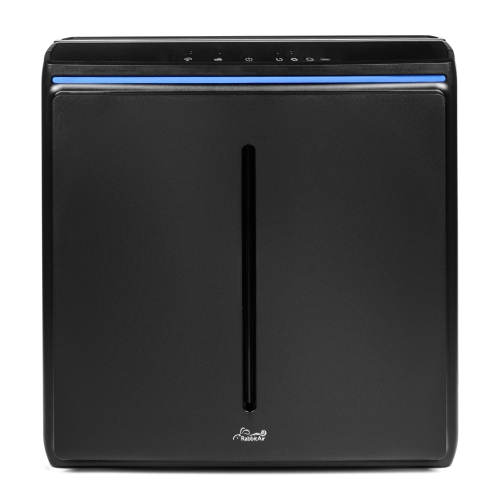
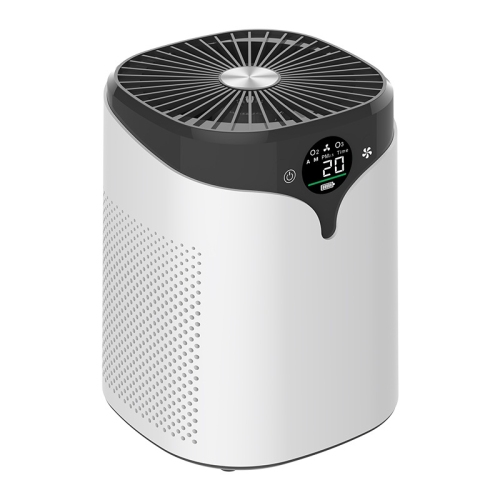
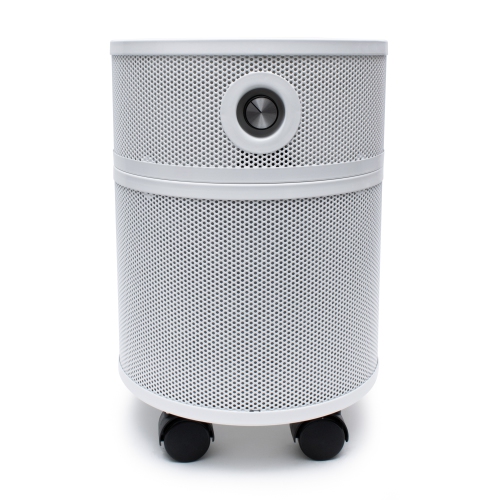
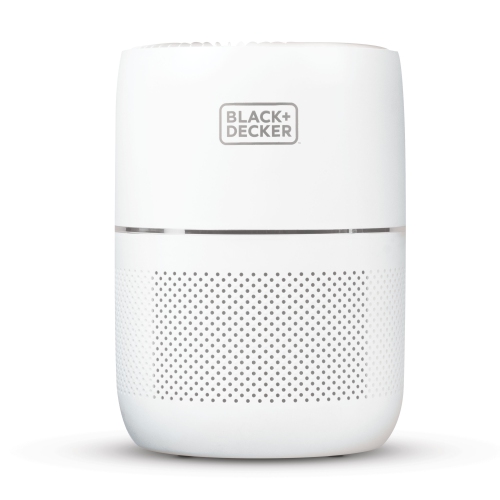
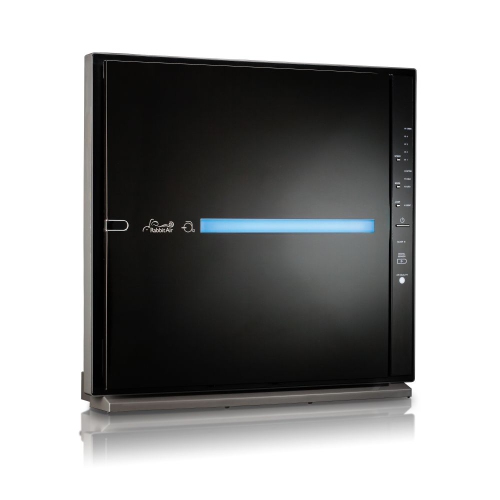
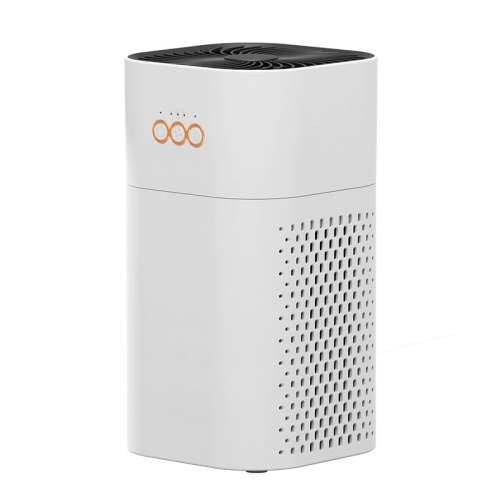
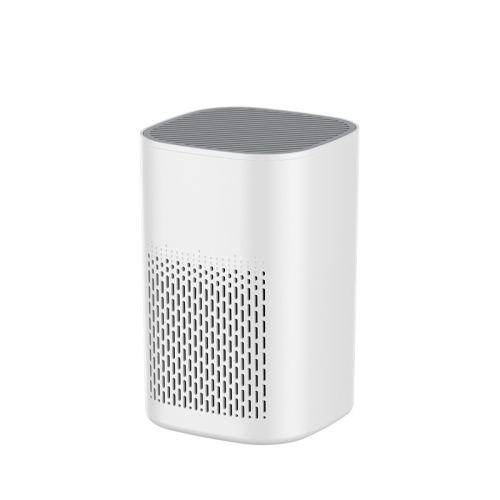
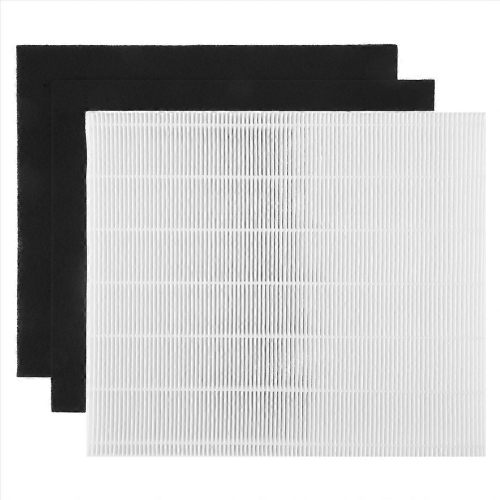
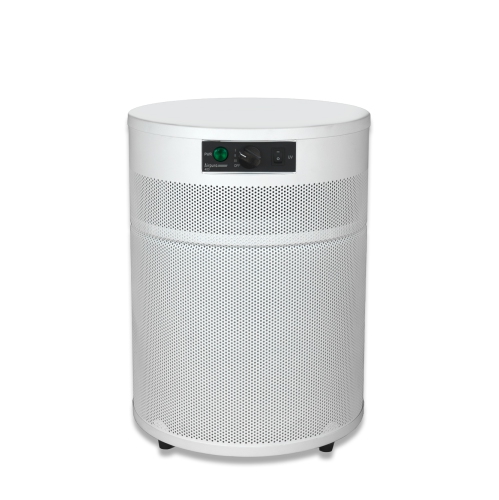
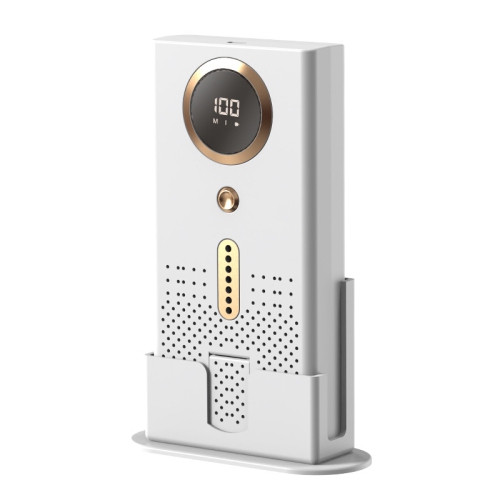
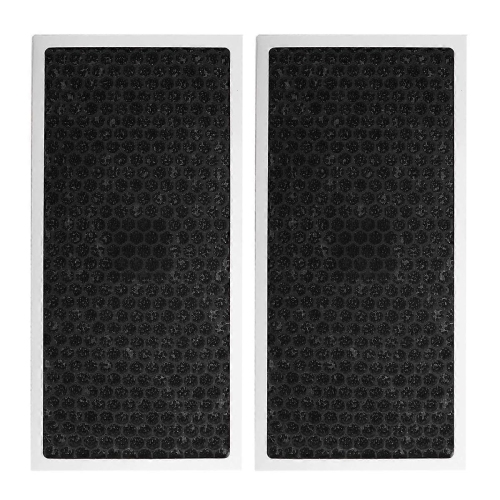
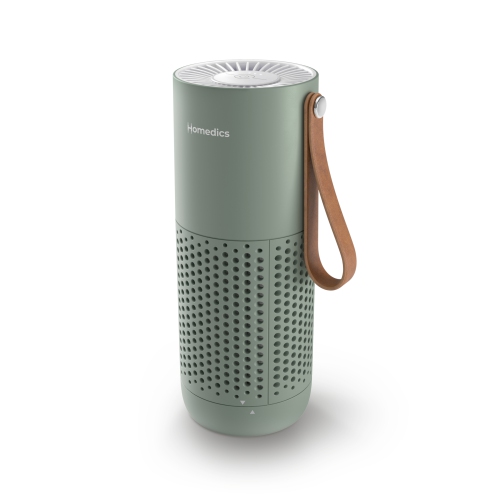
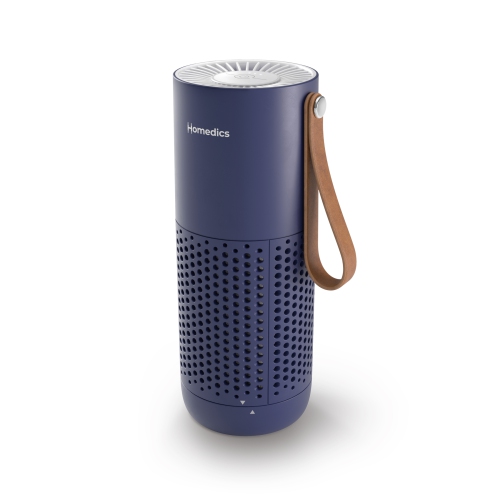
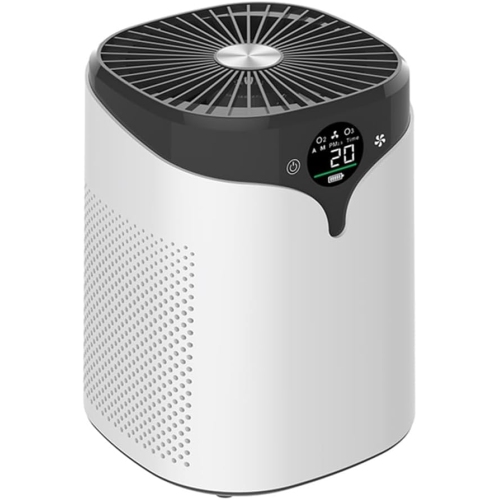
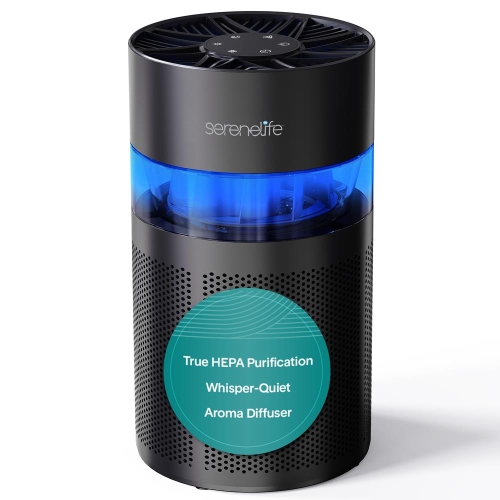
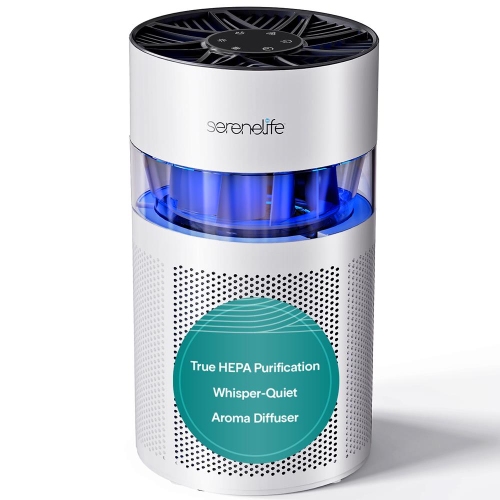
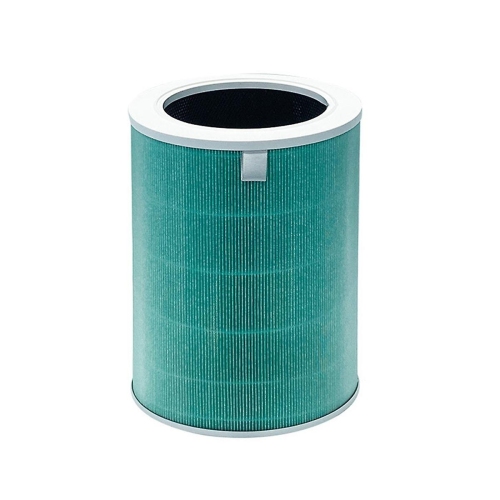
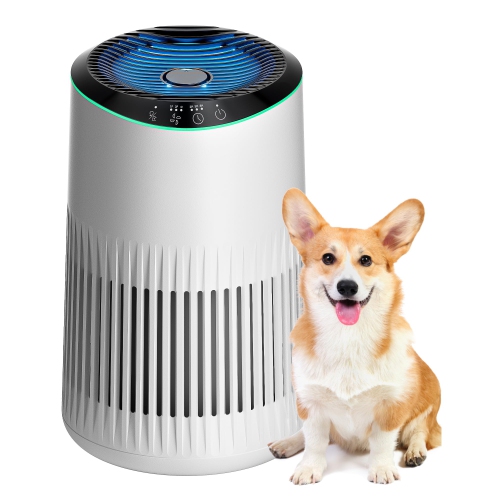
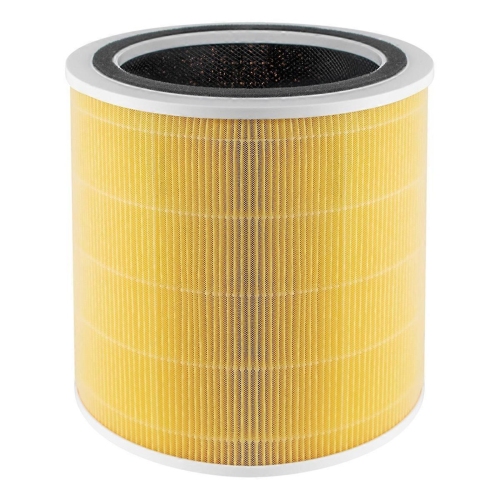
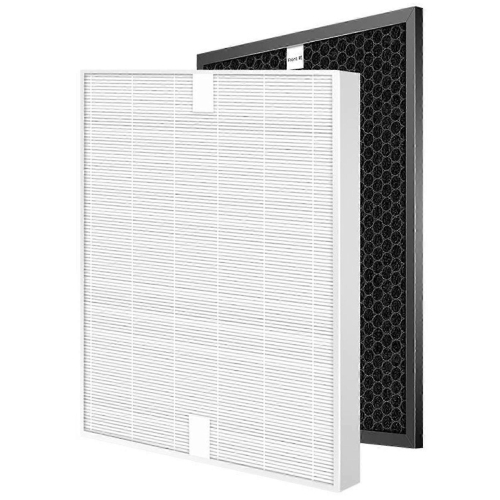
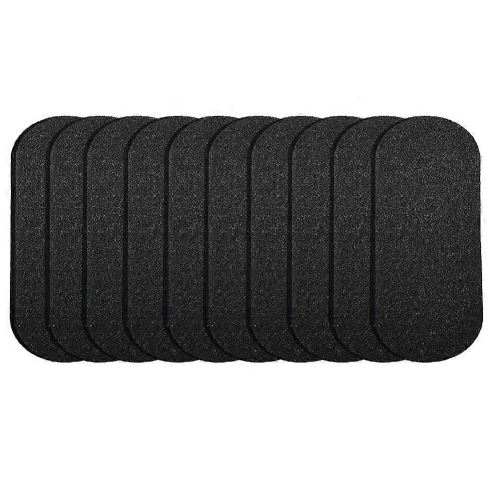
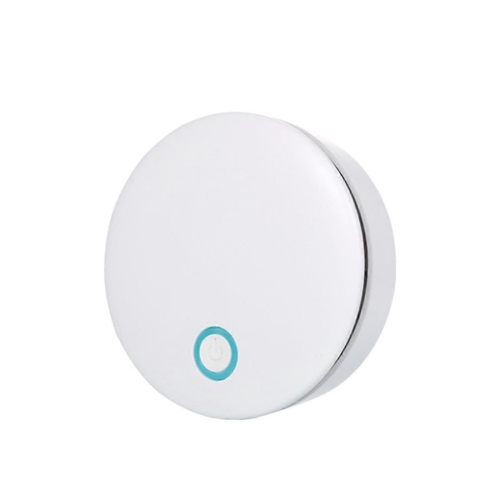
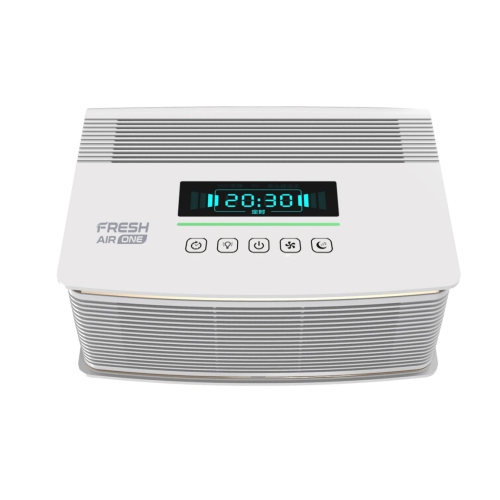
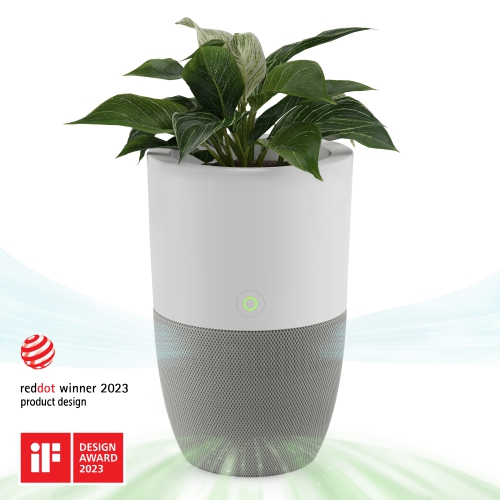
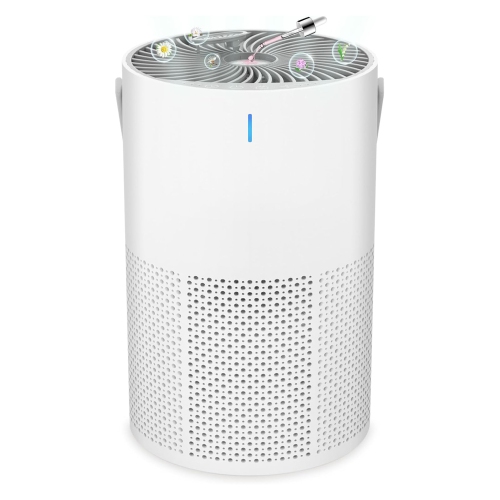
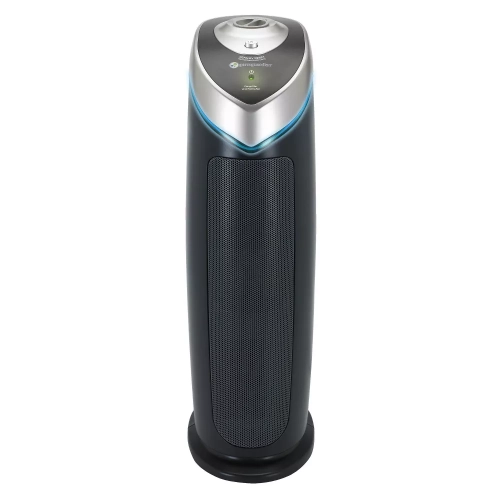
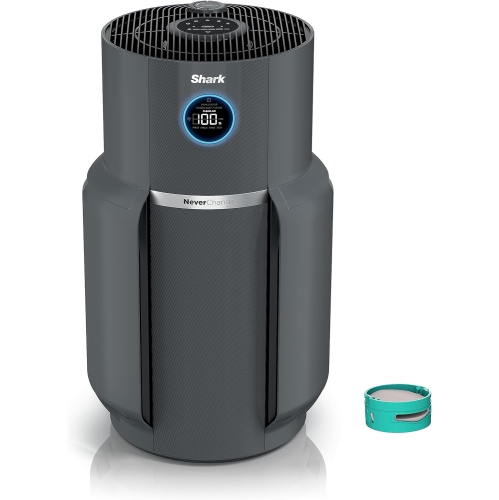
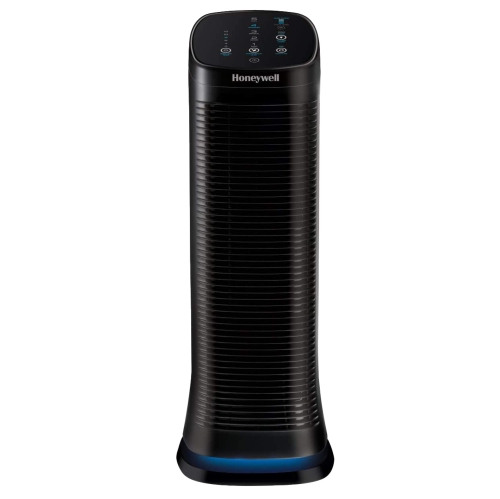
Charcoal air purifiers use activated carbon filtration to help reduce certain airborne gases and odours, often alongside a particle filter that captures dust, pollen and other fine particles. Activated charcoal and activated carbon refer to the same type of filtration material: carbon processed to create a highly porous structure with a large internal surface area. As air passes through the filter, some gas molecules attach to that surface through adsorption, rather than soaking into the material through absorption. This makes carbon filtration useful for lingering cooking smells, everyday pet odours and some volatile organic compounds, or VOCs, released by household materials and activities. Performance varies with the substance involved, the amount and type of carbon, airflow and the time air spends in contact with the filter. Carbon does not capture every gas equally, and a purifier cannot make hazardous fumes safe or replace proper ventilation and removal of the source. A charcoal filter also serves a different purpose from a HEPA filter. Carbon targets certain gases and smells, while HEPA filtration targets airborne particles; a purifier combining both can address a broader mix of household concerns. In a living room shared with a dog, for example, a prefilter can catch loose fur, a particle filter can capture airborne dander, and a carbon stage can help with associated odours. In a dining area beside the kitchen, carbon filtration may help reduce a lingering food smell after cooking, but it does not replace an externally vented range hood. The word charcoal can also describe a purifier’s dark grey finish rather than its filter technology. A charcoal-coloured housing does not necessarily contain activated carbon, so the filtration specifications matter more than the colour name when odour reduction is the goal. That distinction helps separate two different preferences: a purifier chosen for how it treats the air and one chosen for how it looks beside a sofa, desk or bedroom dresser.
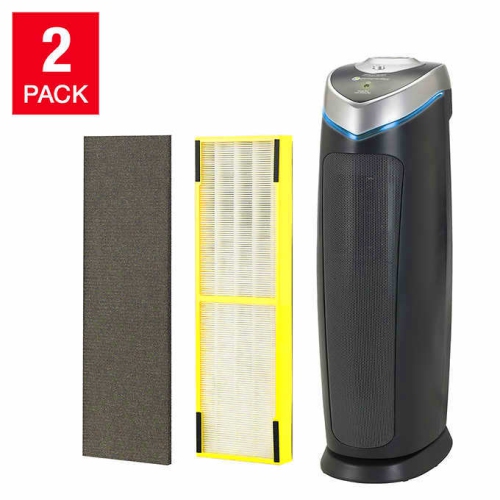
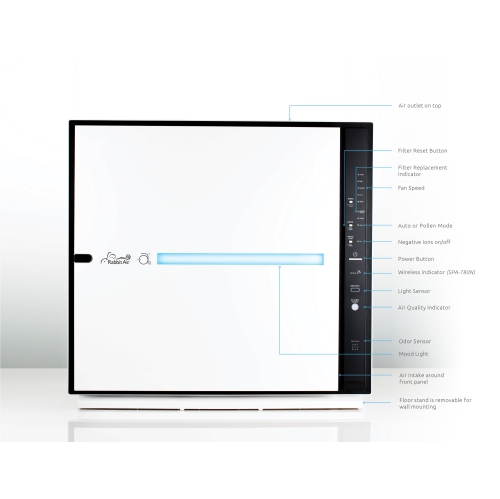
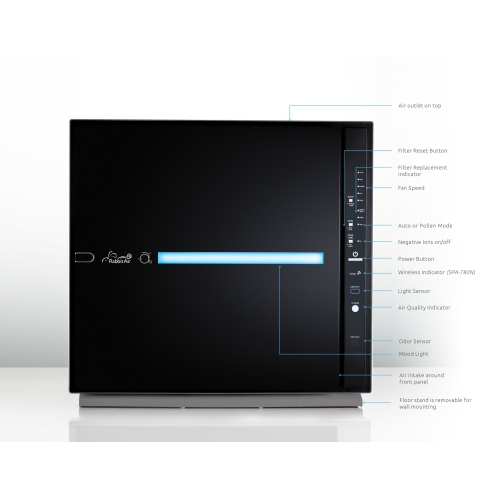
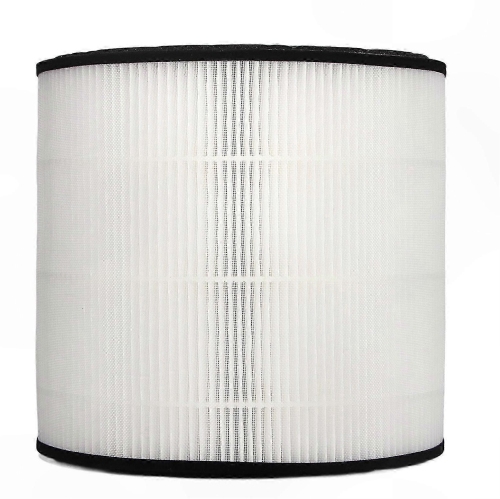
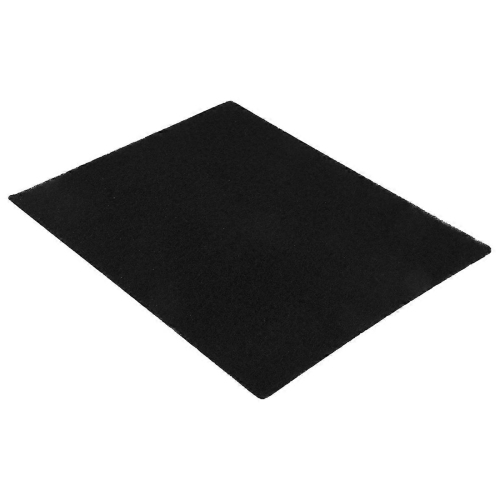
The construction of the carbon filter is an important consideration when comparing charcoal air purifiers for everyday use. Some designs use a thin carbon-coated sheet or foam layer, while others contain granules or pellets held in a deeper filter bed. A thin layer may offer modest odour reduction, but it generally has less adsorption capacity than a substantial bed of activated carbon. For persistent odour concerns, the stated carbon quantity and any gas-specific testing are more informative than a broad deodorizing claim. More carbon can provide greater capacity, although overall results still depend on filter design, the gases present and airflow through the unit. Smoke illustrates why the complete filtration system matters: smoke contains both particles and gases, so a carbon filter alone does not address all of its components. Suitable particle filtration and sufficient carbon capacity serve separate roles, and neither eliminates the need to address the source. Room size is another practical factor. Coverage claims are most useful when accompanied by the ceiling height, fan setting and number of air changes per hour used to calculate them. A purifier rated for a large space at one air change per hour will not clean that space as frequently as one sized to deliver several air changes per hour. Clean air delivery rate, or CADR, helps compare particle-cleaning performance, but it does not measure how effectively the carbon filter removes gases. For an open-plan kitchen and living area, the connected space matters more than the dimensions of the corner where the purifier sits. In a bedroom or home office, sound levels at the fan speed needed for that room deserve equal attention. A quiet sleep mode can be pleasant beside a bed, but its lower airflow may provide less cleaning than a higher setting. Clear controls, dimmable display lights, timers and automatic modes can make daily operation easier. Sensor capabilities vary, however, and a particle sensor should not be treated as proof that odours or gases have been removed.
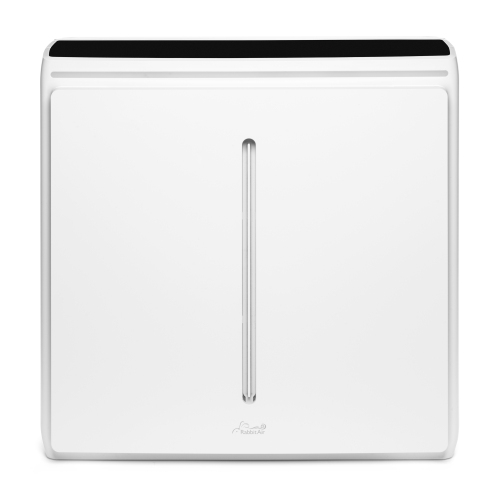
Fit, placement and routine care influence how well a charcoal air purifier works over time. The cabinet needs enough space around its intake and outlet for air to circulate according to the manufacturer’s clearance requirements. Tucking a unit behind a curtain, crowding it between furniture or placing objects over the outlet can restrict airflow. A stable position on an appropriate surface, with the cord kept clear of walkways, makes a purifier easier to live with in a busy household. Compact dimensions may suit a small office, while handles or castors can help when moving a larger unit between rooms, provided each room falls within its intended coverage. Exterior materials and finish also affect upkeep: a smooth housing is usually straightforward to wipe down as directed, while grilles and textured surfaces may need more attention to remove settled dust. Inside, a removable prefilter can help keep larger debris from building up on the main filters. Only components specifically labelled washable should be washed, and they should be fully dry before reassembly. Activated carbon filters gradually become saturated and usually need replacement; washing, vacuuming or setting them in sunlight is not a reliable way to restore their gas-removal capacity. Replacement timing depends on use and exposure, not simply elapsed time. A filter handling frequent cooking odours may reach its limit sooner than one used in a room with fewer odour sources. Follow the specified replacement schedule and pay attention to returning smells, while remembering that some gases have little or no noticeable odour. A filter indicator may track operating hours rather than directly measure remaining carbon capacity. Accessible filter compartments, clearly identified replacement filters and sturdy controls make ongoing care less awkward. For households focused on appearance as well as function, charcoal finishes offer a softer dark accent that can sit comfortably alongside wood furniture, metal shelving and neutral upholstery. Related Black Air Purifiers offer another dark-finish option, with the same need to compare filtration, room suitability and maintenance separately from cabinet colour.
Top selling and popular products
-
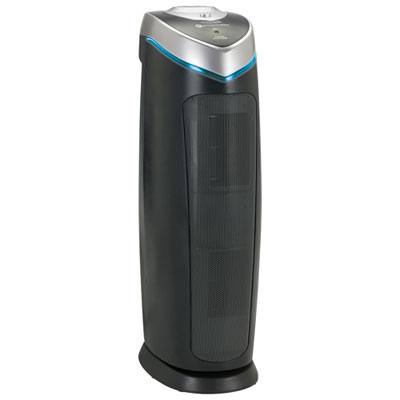 Your price for this item is $139.99
-
 Your price for this item is $323.72
-
 Your price for this item is $999.99
-
 Your price for this item is $729.99
-
 Your price for this item is $583.14
-
 Your price for this item is $719.39
-
 Your price for this item is $699.99
-
 Your price for this item is $229.95
Discover more categories related to Charcoal Air Purifiers
Top Collections:
Pokemon Centers, Best Cameras for Sports Photography, Kindle Devices, Samsung Galaxy Phones, Canon G7X Cameras, Pokémon 30th Celebration Cards, Refurbished Apple Laptops, iPhone 15 Apple, Laptops for Students, Budget Smartphones
Some products may be subject to Environmental Handling Fees
(EHF) depending on your province.
Learn more about EHFs.