Bicycle Headlights
When it comes to cycling at night or in low-light conditions, having a reliable set of bicycle headlights is essential for both safety and visibility. Whether you're commuting to work on your Road Bike, going for an evening ride, or exploring off-road trails, these powerful lights are designed to illuminate your path and alert others to your presence on the road. With a wide selection of options available, finding the perfect bicycle headlights to suit your needs has never been easier. From compact and lightweight options to high-powered models with advanced features, Best Buy Canada offers a range of choices that will help you stay safe and confident during your rides.
Sort


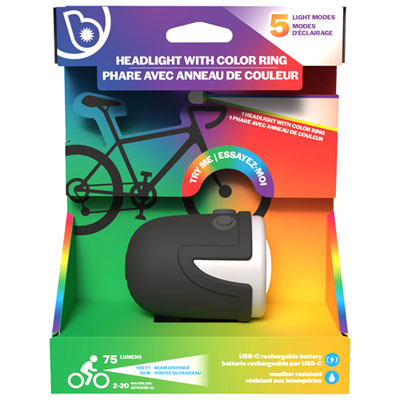
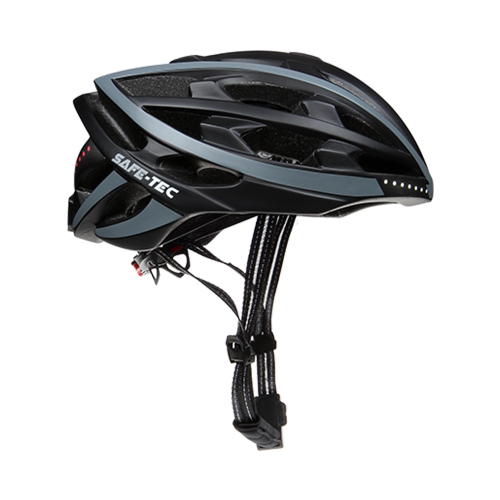
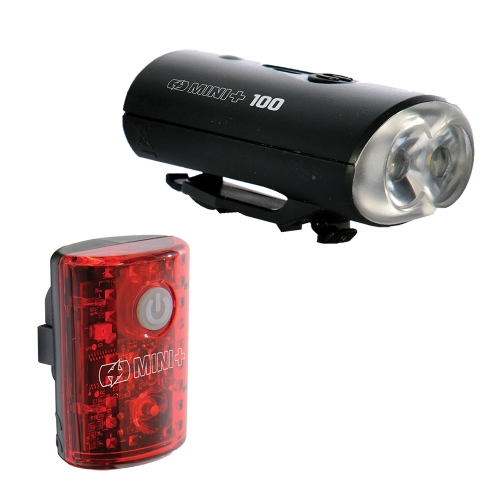
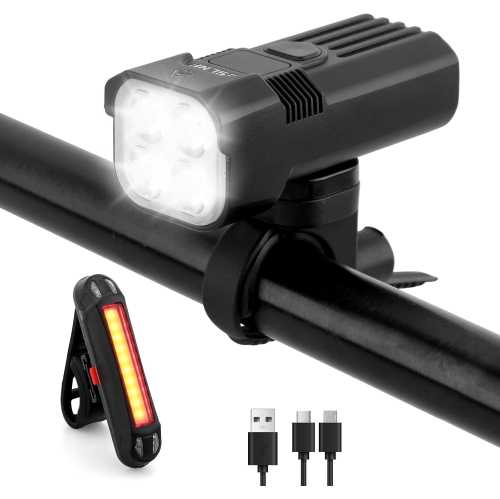
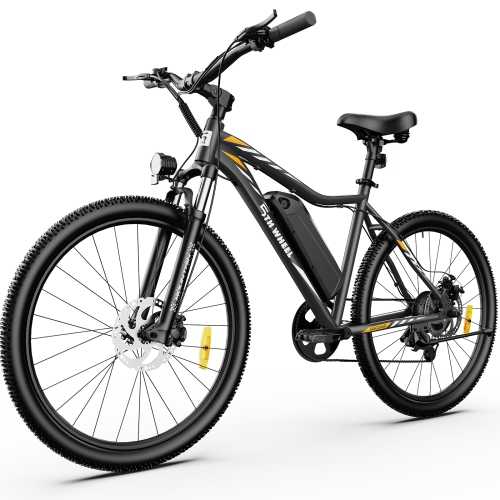
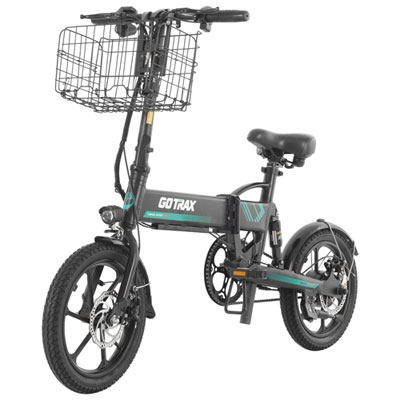
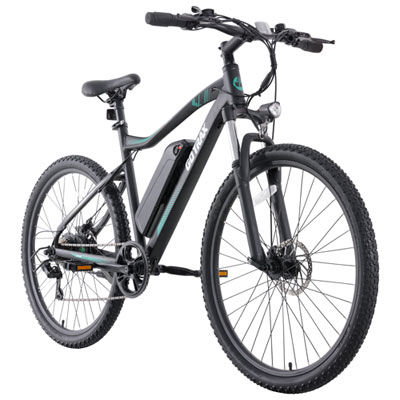
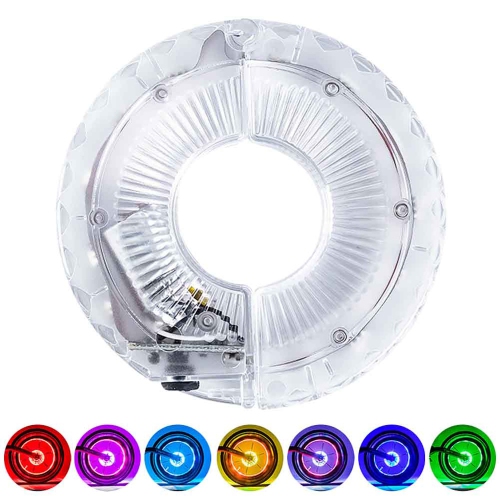

Why brightness and beam design matter after dark
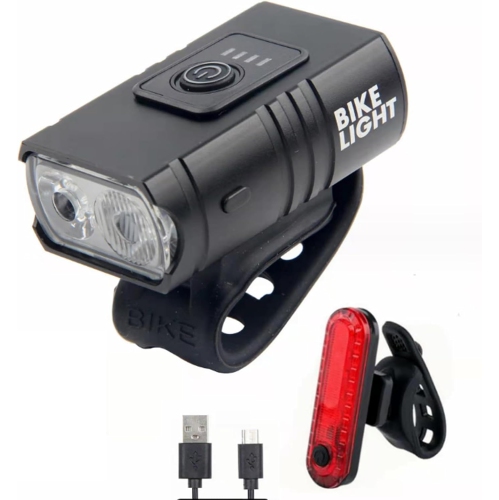
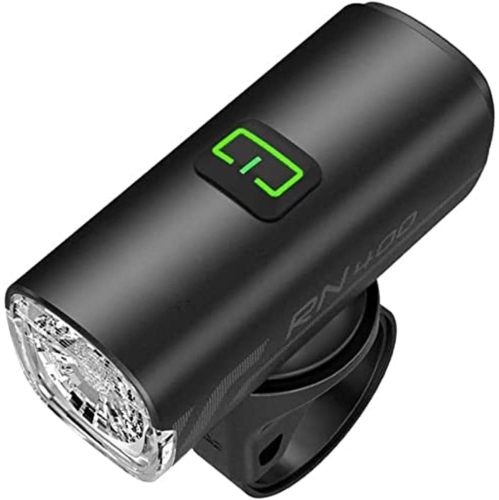
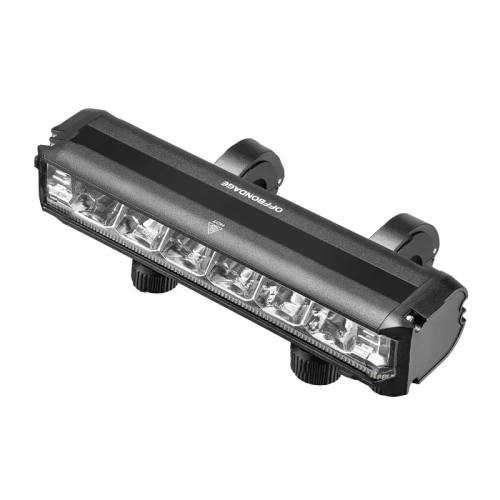
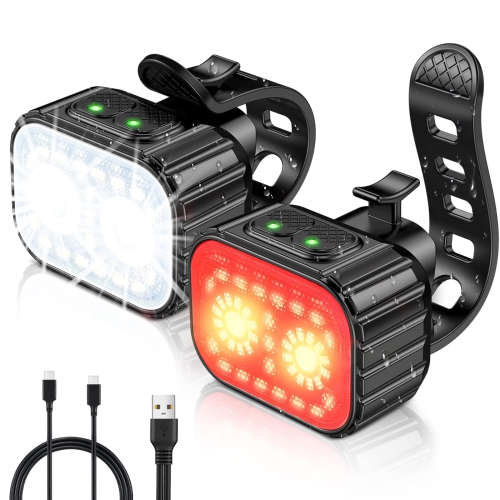
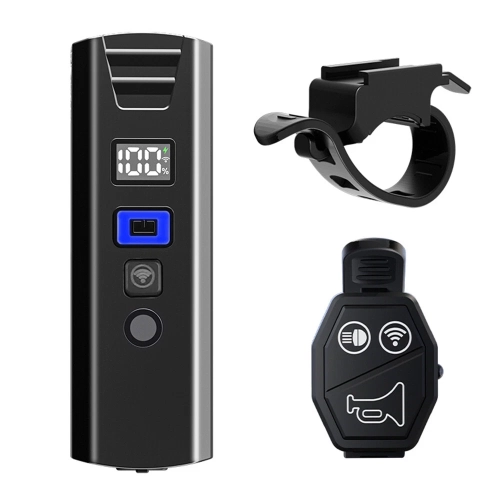
Bicycle headlights help riders see where they are going and make their presence easier for motorists, pedestrians, and other cyclists to notice. They can be useful for daily commuters travelling home after sunset, recreational riders following a multi-use path, students cycling between classes, and anyone who wants added visibility during the darker parts of the day. A front light is especially helpful as daylight fades earlier and the weather becomes cooler, when a familiar route can look very different beneath a cloudy sky or beside a tree-lined road. Even on streets with overhead lighting, a headlight can illuminate potholes, painted lines, loose gravel, wet leaves, and other details that may be difficult to see from the saddle. On completely dark roads or unlit trails, the right light can also help reveal the shape of the route ahead so riders have more time to adjust their speed and direction. For more options intended for road-focused riding, browse Road Bike Lights. When comparing bicycle headlights, brightness is one of the most important specifications, but it should be considered alongside the riding environment and beam design. Lights around 200 lumens can be suitable for well-lit city streets where the main goal is being seen, while lights in the 300- to 500-lumen range can offer a practical balance for commuting and paths with limited lighting. Riders travelling quickly, using rural roads, or exploring dark off-road trails may prefer 1,000 lumens or more for a stronger view of the surface ahead. A higher lumen rating does not automatically make one light the best choice for every cyclist: an intense, narrowly focused beam may be useful on a dark trail, while a broader beam or side visibility can be more helpful in an urban setting. Look for several brightness levels, a flashing or pulsing mode for daytime visibility, and a steady setting for illuminating the road. A light with a clear, controlled beam can help reduce glare for people approaching from the opposite direction, while an angled mount can direct illumination towards the path instead of directly into oncoming eyes. Checking local cycling and road-safety requirements is also a sensible step, since regulations may specify when lights must be used and how bicycles should be equipped.
A bicycle headlight can be a thoughtful gift for a new cyclist, a commuter setting up a bike for cooler-weather travel, or an experienced rider preparing for longer routes. It is also a practical addition to a family cycling kit, especially when different riders may leave home in daylight and return after dark. USB-rechargeable models are convenient for many routines because they can be topped up from a wall adapter, computer, or portable battery, helping riders avoid searching for replacement batteries before heading out. Battery life varies according to brightness and mode, so it is worth checking the expected runtime at the setting that will be used most often rather than relying only on the maximum figure. A battery indicator or low-power warning can provide useful notice before a ride, and a removable light makes it easier to bring the unit indoors for charging instead of leaving it attached to a locked bicycle. Strap mounts are popular because they can fit a variety of handlebars and usually allow quick installation without tools. Bracket-mounted designs may provide a more secure feel for rougher routes, while adjustable mounts can make it easier to position the beam on handlebars of different shapes and sizes. Consider the available space around a handlebar, brake cables, a basket, or a phone holder, and make sure the light will not interfere with normal steering or braking. Weather resistance is another key consideration during the cooler months, when a ride may begin beneath clear skies and end in drizzle or heavier rain. An IP rating can indicate how well a light is protected against moisture and dust; a more robust rating may be worthwhile for regular commuting or exposed trails, while every light should still be used and stored according to its instructions. Cold temperatures can affect battery performance, so riders who travel in winter conditions may appreciate a light with dependable runtime and a mount that remains easy to operate while wearing gloves. Before each ride, check that the light is charged, firmly attached, aimed at a useful angle, and visible from a reasonable distance. With the right combination of brightness, beam pattern, runtime, mounting style, and weather resistance, bicycle headlights can make everyday riding more comfortable and help cyclists feel better prepared as daylight changes throughout the season.
A bicycle headlight can be a thoughtful gift for a new cyclist, a commuter setting up a bike for cooler-weather travel, or an experienced rider preparing for longer routes. It is also a practical addition to a family cycling kit, especially when different riders may leave home in daylight and return after dark. USB-rechargeable models are convenient for many routines because they can be topped up from a wall adapter, computer, or portable battery, helping riders avoid searching for replacement batteries before heading out. Battery life varies according to brightness and mode, so it is worth checking the expected runtime at the setting that will be used most often rather than relying only on the maximum figure. A battery indicator or low-power warning can provide useful notice before a ride, and a removable light makes it easier to bring the unit indoors for charging instead of leaving it attached to a locked bicycle. Strap mounts are popular because they can fit a variety of handlebars and usually allow quick installation without tools. Bracket-mounted designs may provide a more secure feel for rougher routes, while adjustable mounts can make it easier to position the beam on handlebars of different shapes and sizes. Consider the available space around a handlebar, brake cables, a basket, or a phone holder, and make sure the light will not interfere with normal steering or braking. Weather resistance is another key consideration during the cooler months, when a ride may begin beneath clear skies and end in drizzle or heavier rain. An IP rating can indicate how well a light is protected against moisture and dust; a more robust rating may be worthwhile for regular commuting or exposed trails, while every light should still be used and stored according to its instructions. Cold temperatures can affect battery performance, so riders who travel in winter conditions may appreciate a light with dependable runtime and a mount that remains easy to operate while wearing gloves. Before each ride, check that the light is charged, firmly attached, aimed at a useful angle, and visible from a reasonable distance. With the right combination of brightness, beam pattern, runtime, mounting style, and weather resistance, bicycle headlights can make everyday riding more comfortable and help cyclists feel better prepared as daylight changes throughout the season.
Top selling and popular products
-
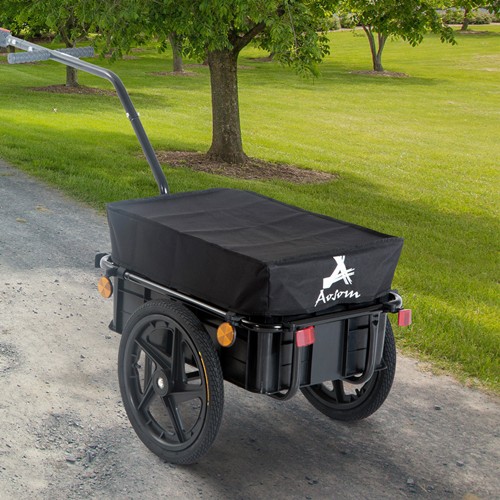 Your price for this item is $155.44
 -
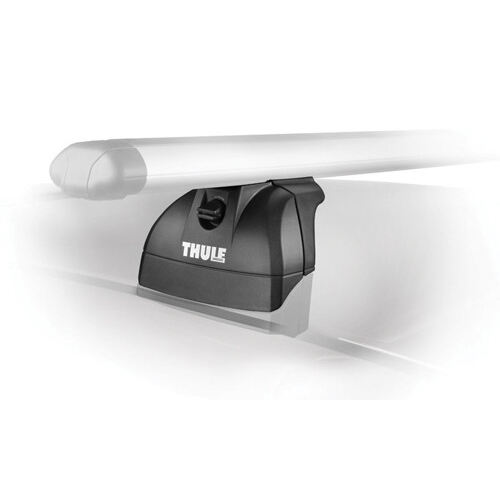 Your price for this item is $285
 -
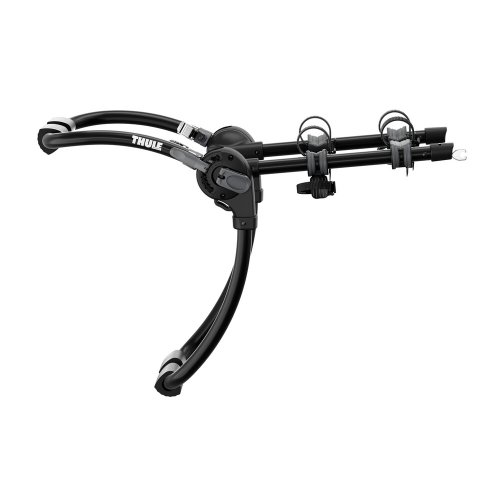 Your price for this item is $499
 -
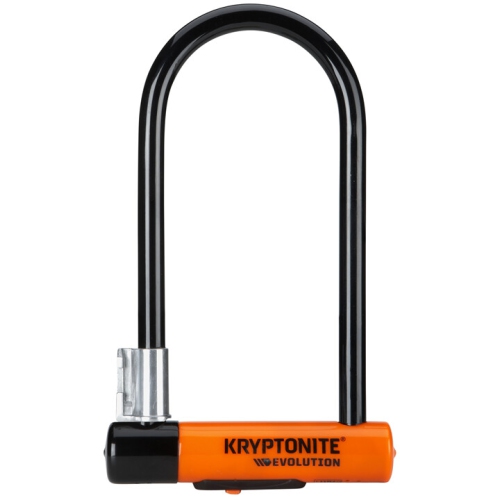 Your price for this item is $209.99
 -
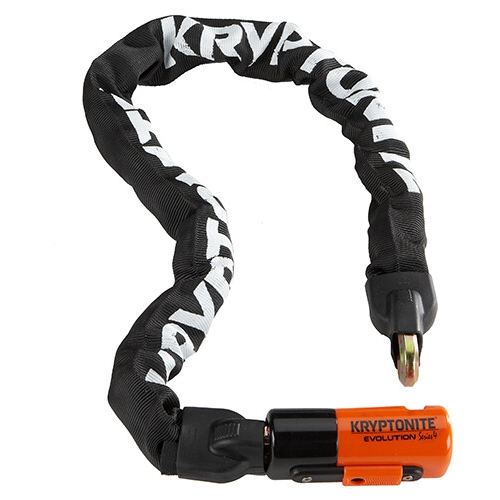 Your price for this item is $199.99
 -
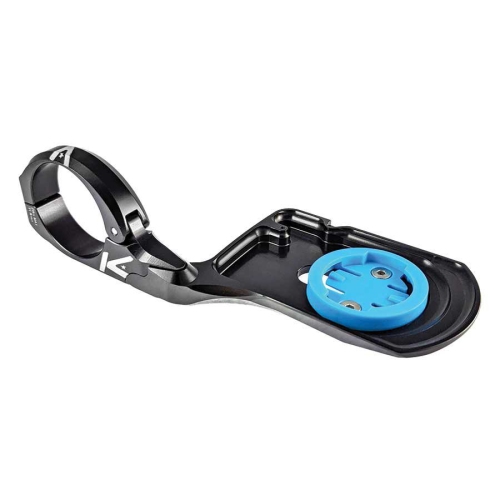 Your price for this item is $134.99
 -
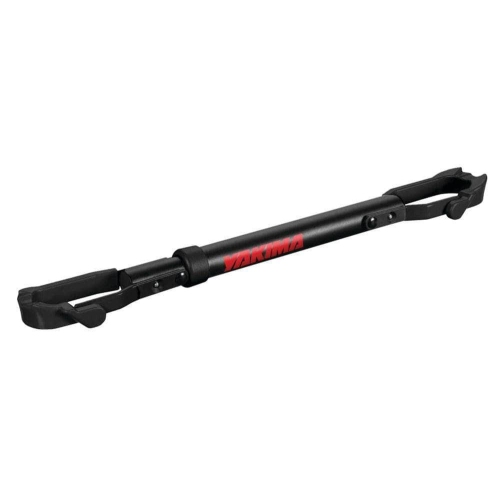 Your price for this item is $96.99
 -
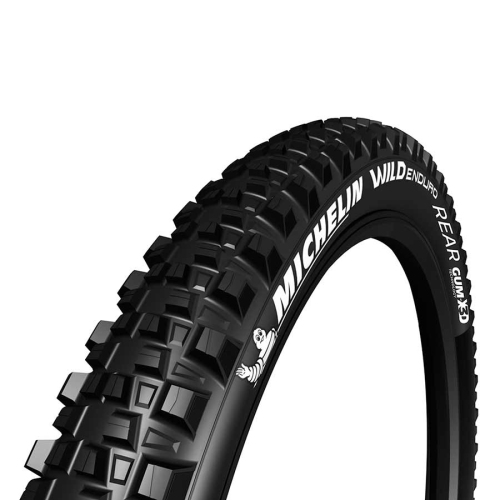 Your price for this item is $120.99
Discover more categories related to Bicycle Headlights
Top Collections:
Pokemon Centers, Kindle Devices, Best Budget Office Chairs, Apple iPhones 16, Canon G7X Cameras, iPhone 15 Apple, Alarm Clock, Refurbished Apple Laptops, Flip Phones, Best Laptops for Writers
Some products may be subject to Environmental Handling Fees
(EHF) depending on your province.
Learn more about EHFs.