Combo Ovens
Looking to streamline your cooking experience and save space in your kitchen? Combo ovens might just be the solution you've been searching for. These versatile appliances combine the functions of a traditional oven with a microwave, offering a convenient all-in-one cooking solution. Whether you're looking to bake, roast, grill, or reheat leftovers, combo ovens provide flexibility and efficiency to help you whip up delicious meals with ease. Explore our selection of combo ovens to find the perfect addition to your culinary arsenal.
Sort
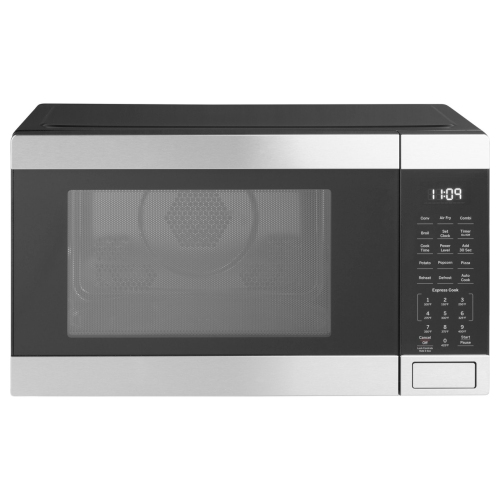
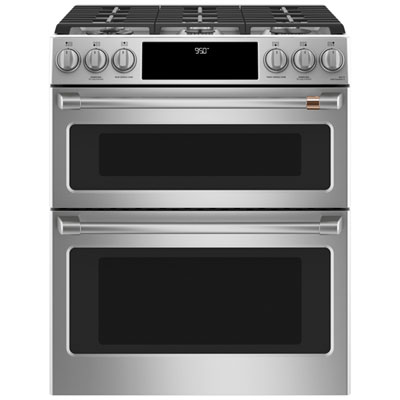
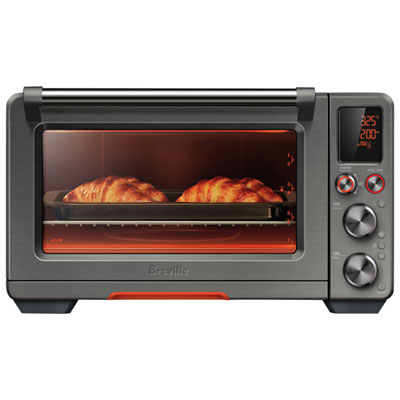
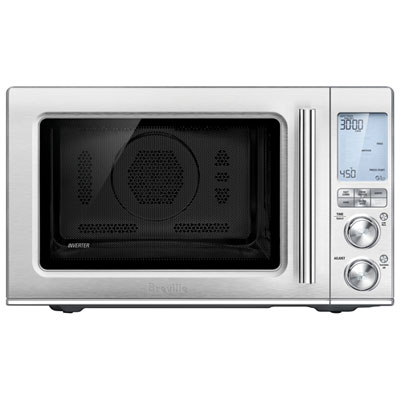
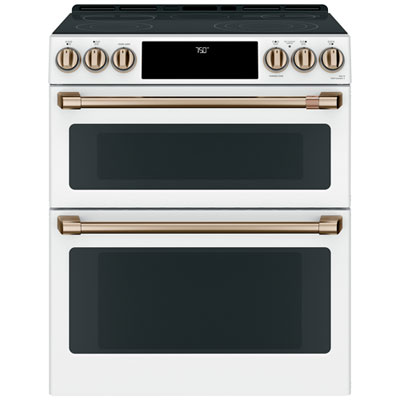
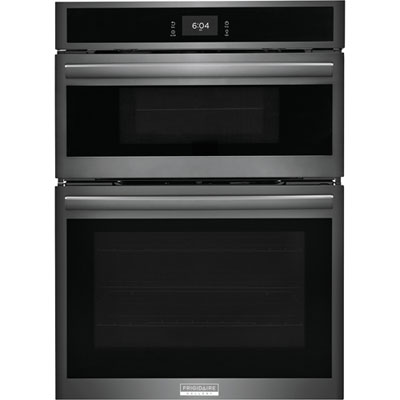
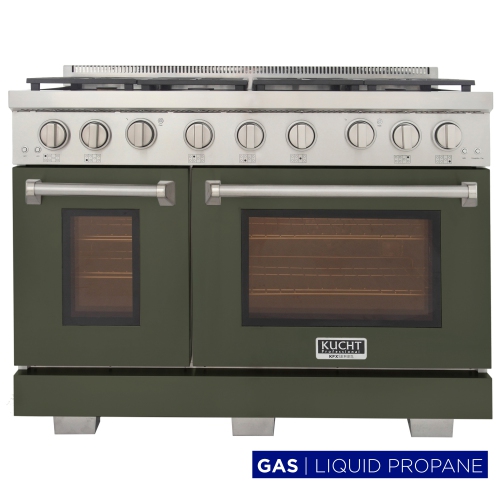
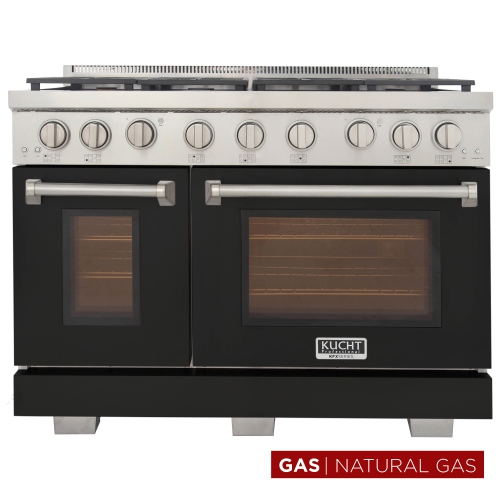
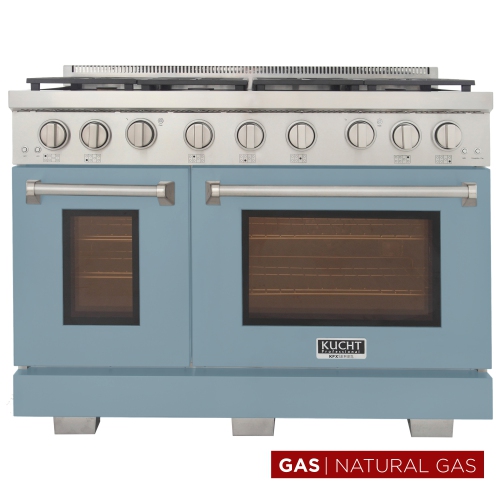
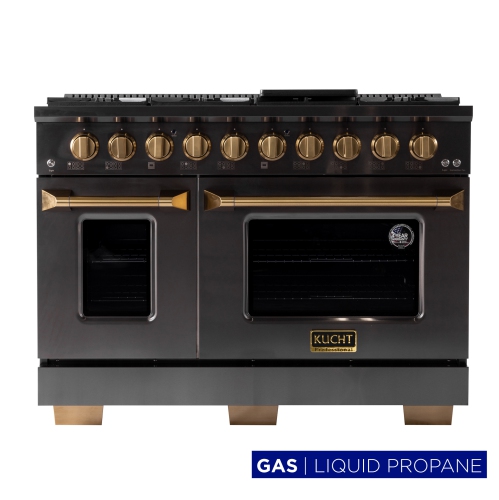
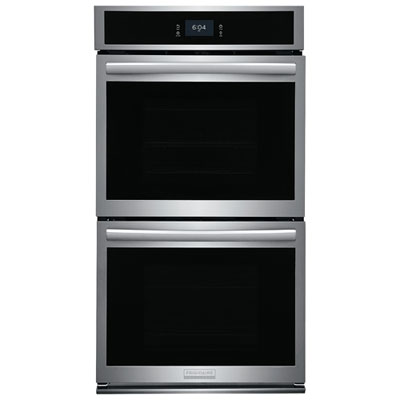
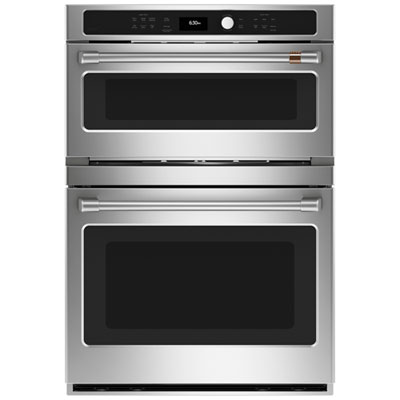
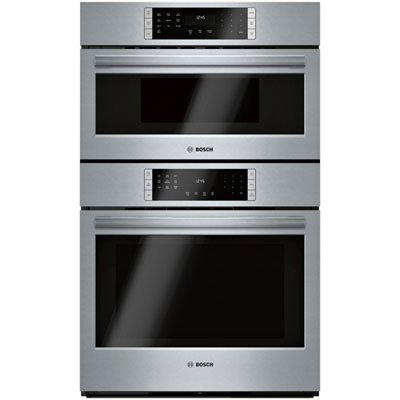
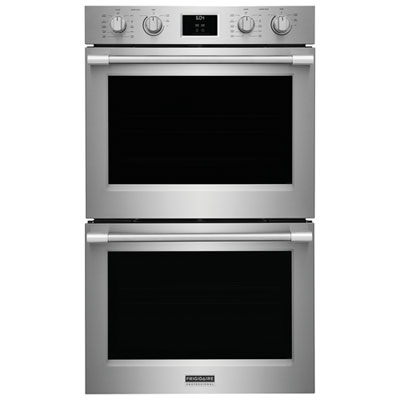
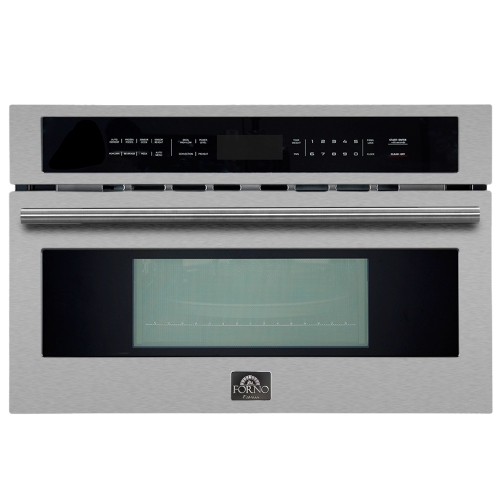
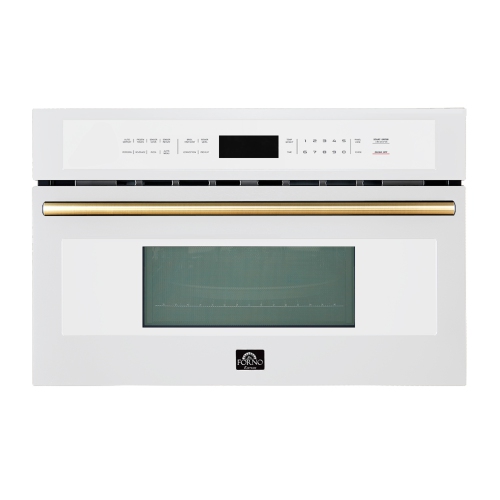
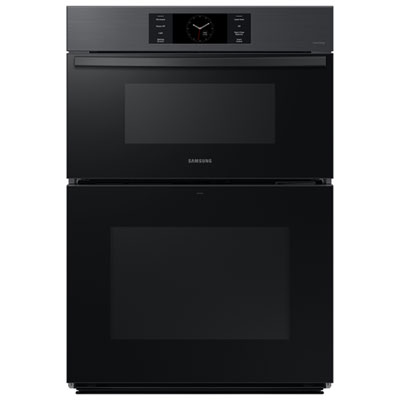
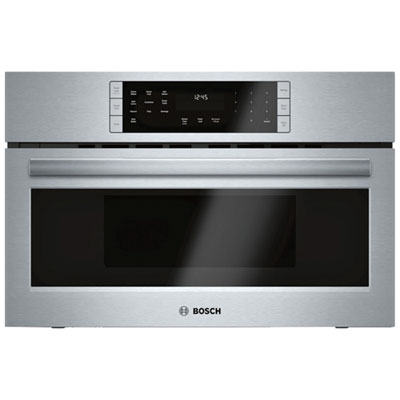
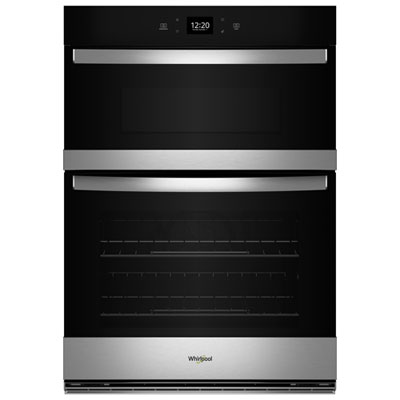
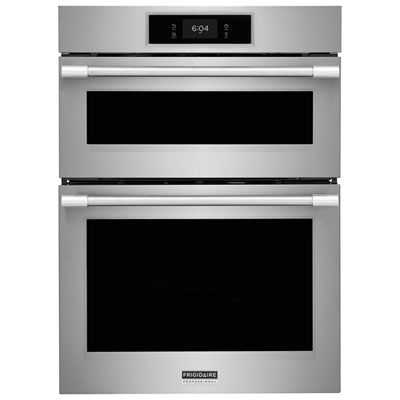
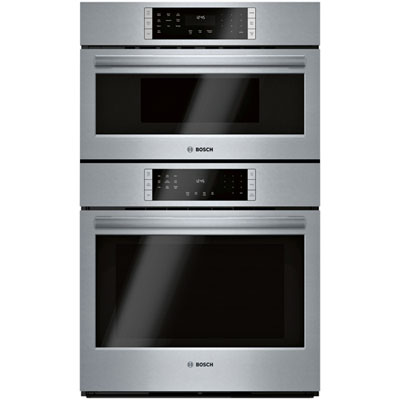
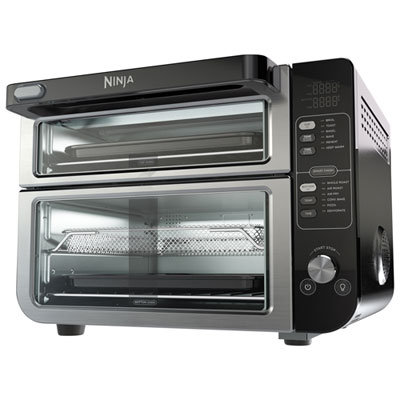
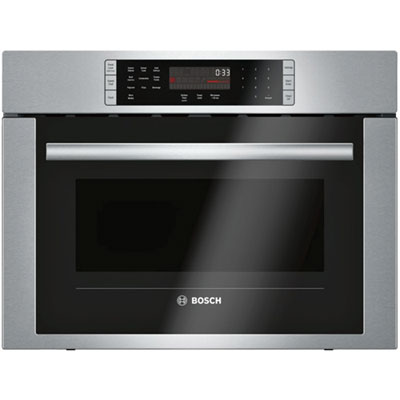
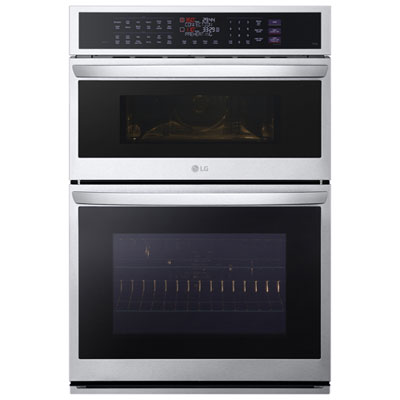
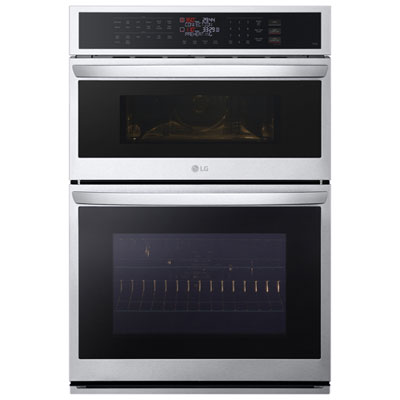
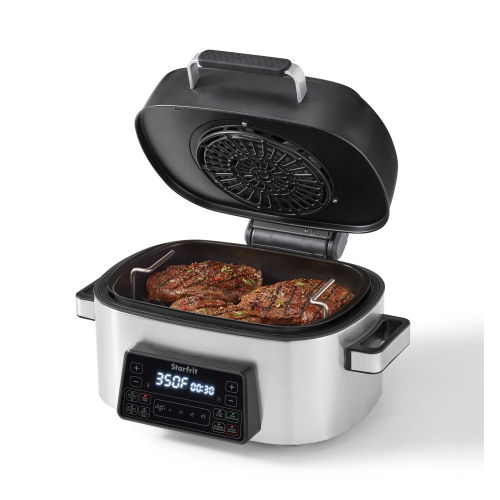
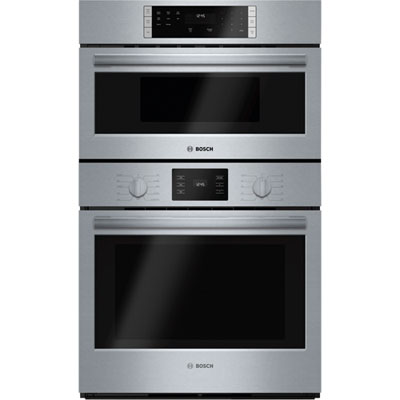


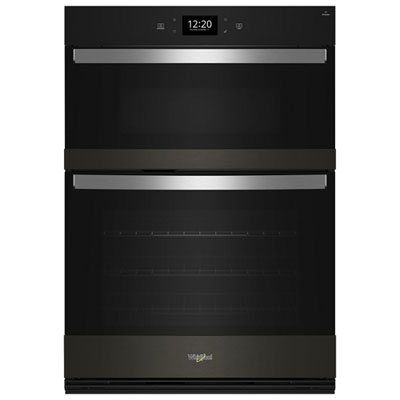

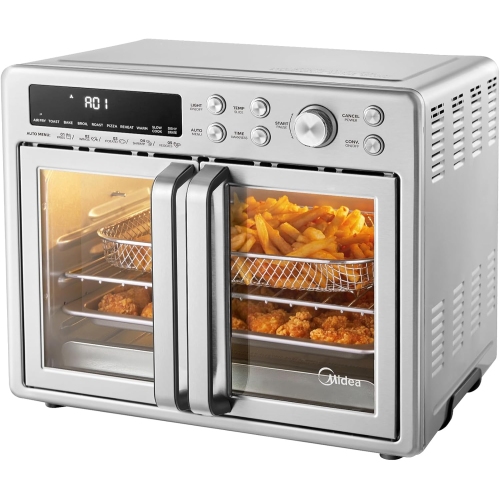
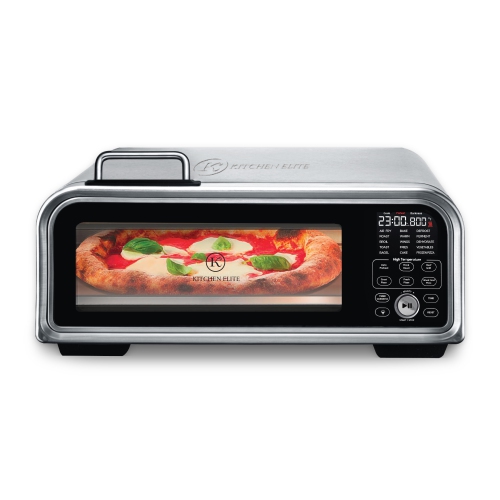
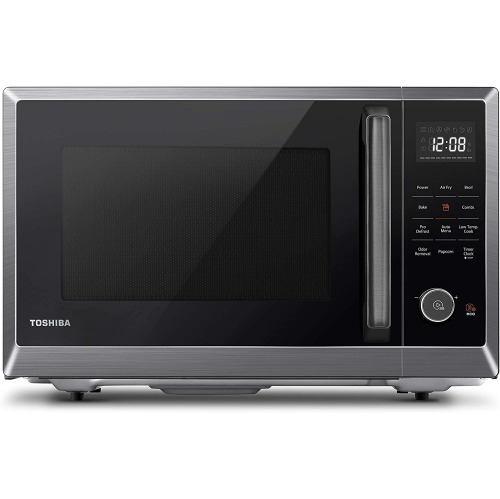
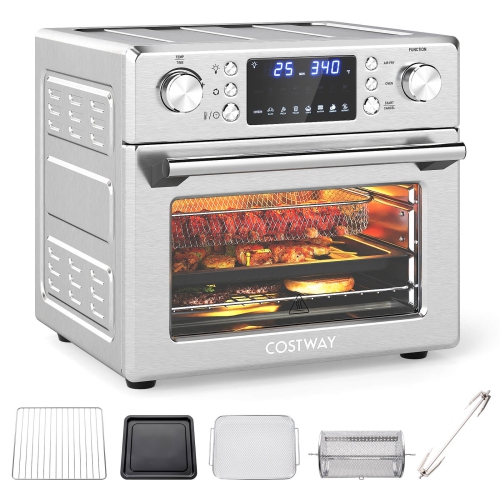
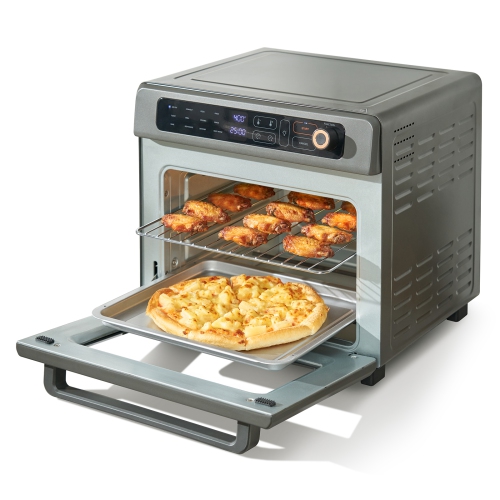
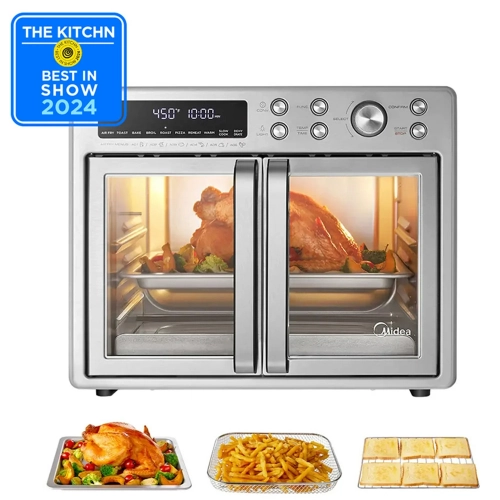
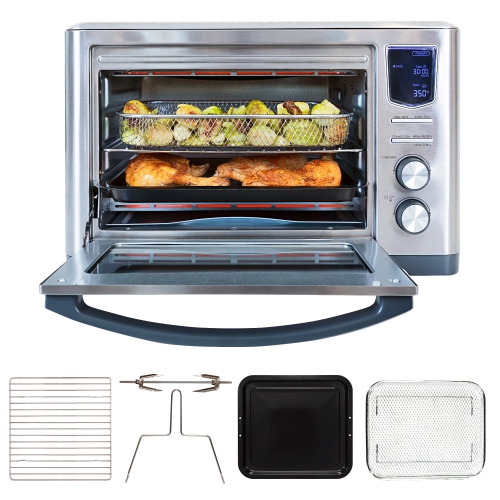
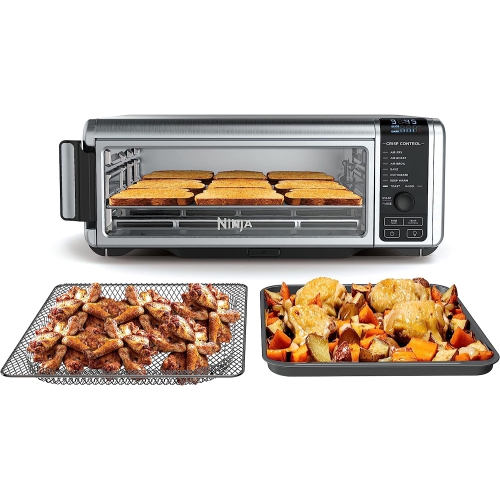
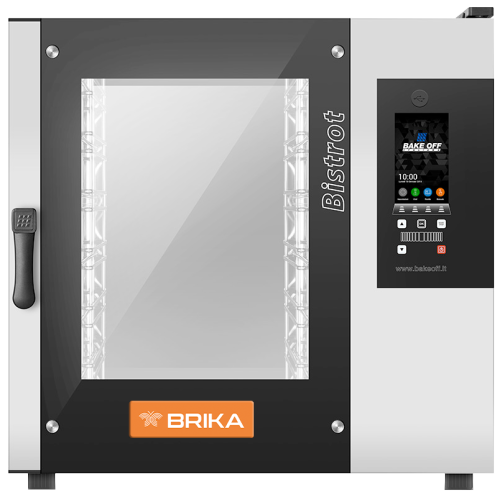
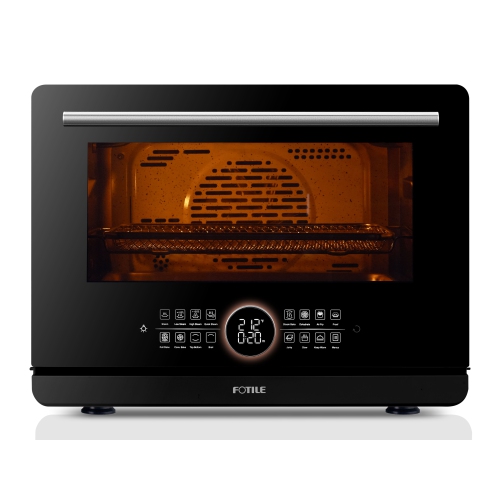
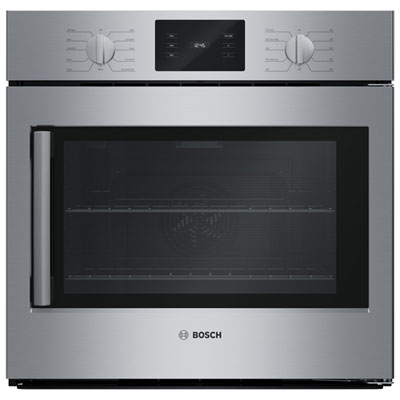
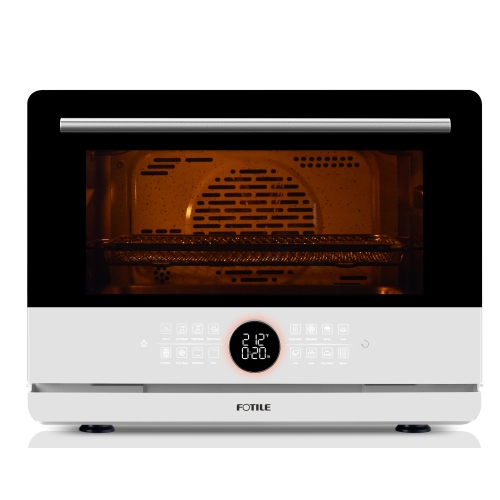
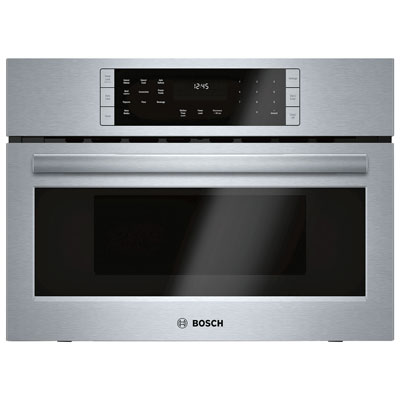
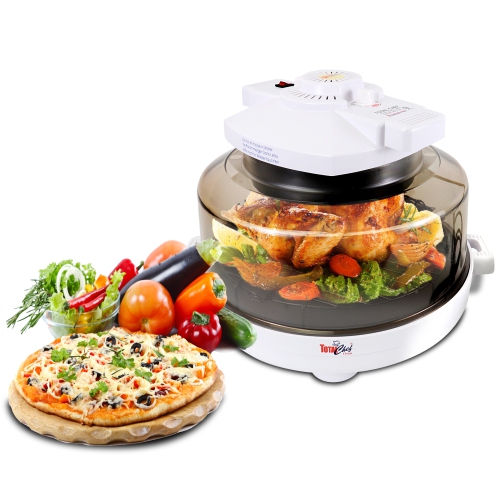
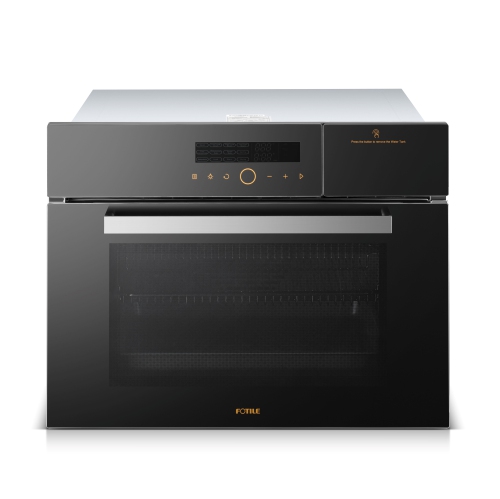
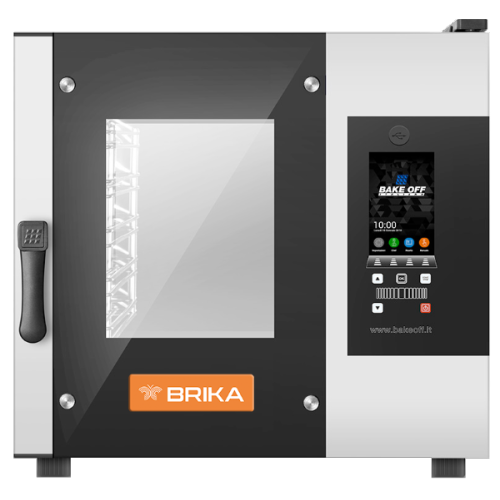
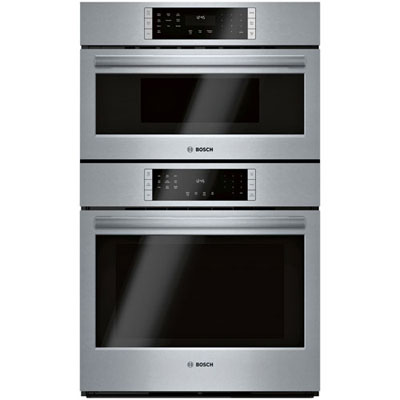
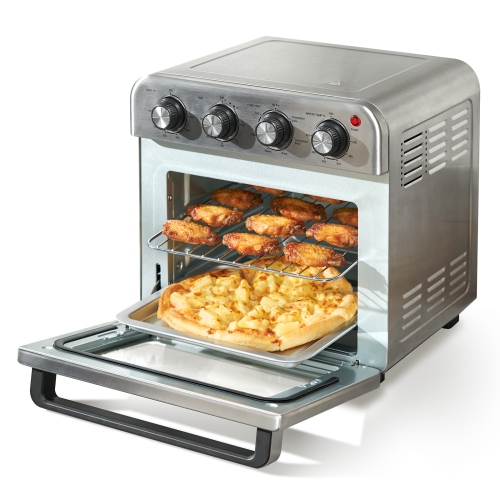
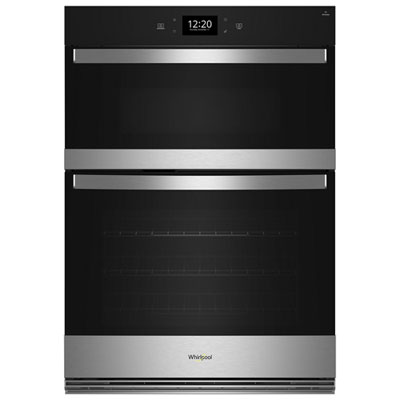
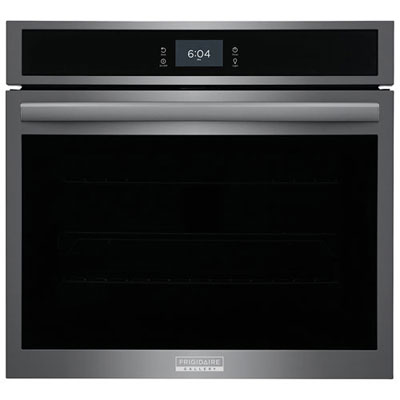
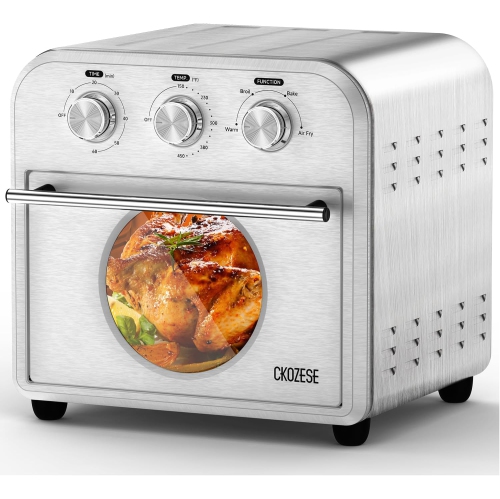
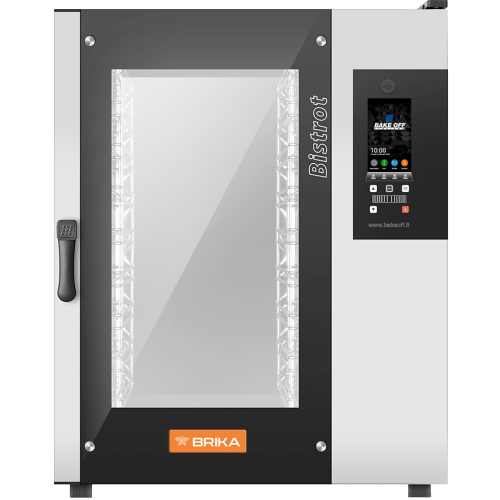
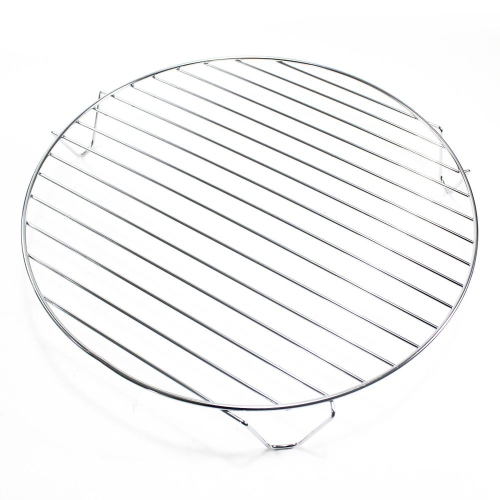
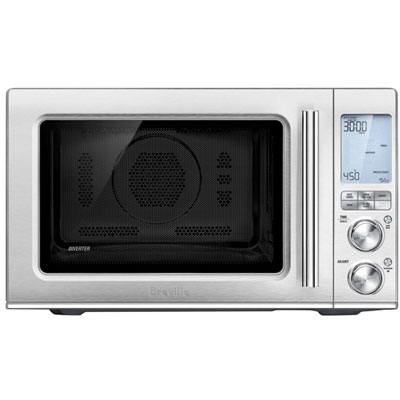
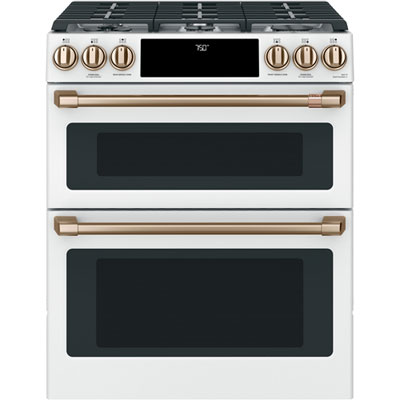
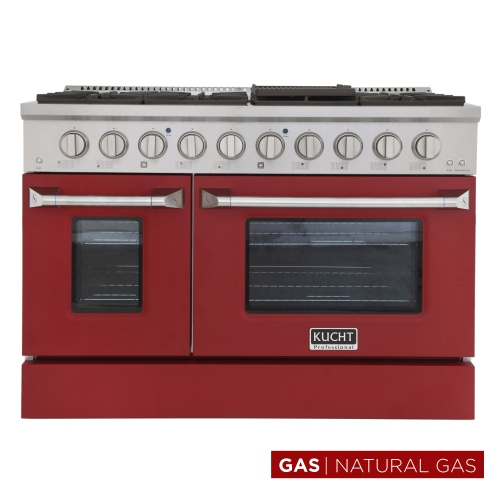
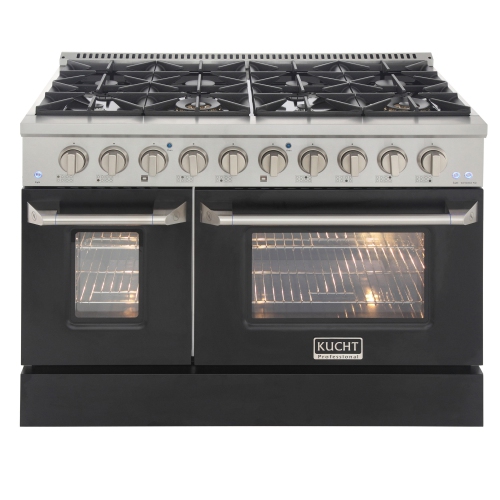
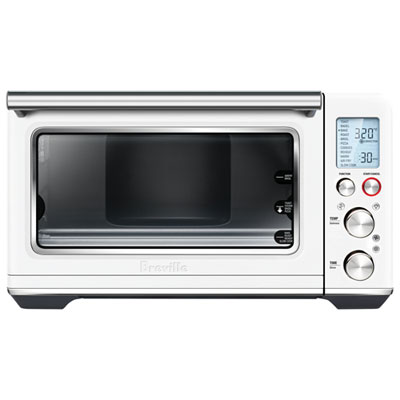

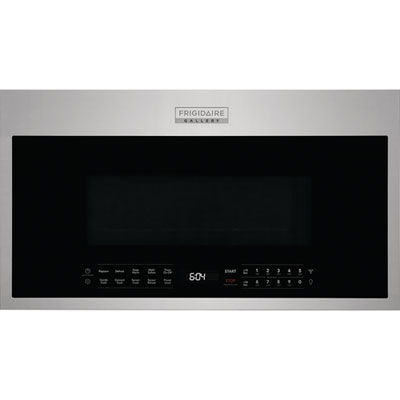
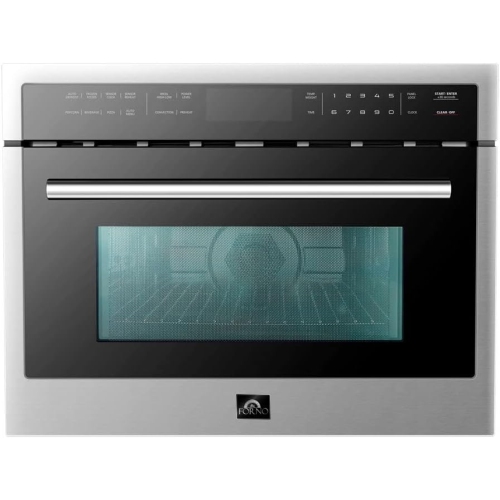
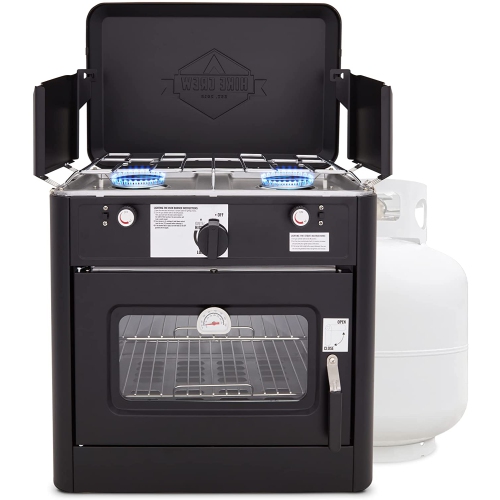
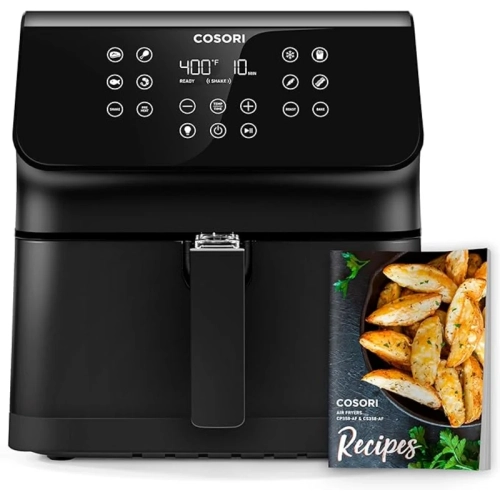
One appliance for faster meals and flexible cooking
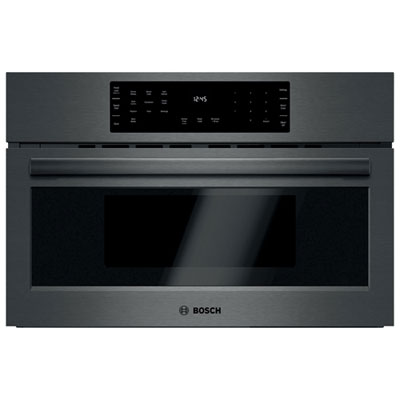
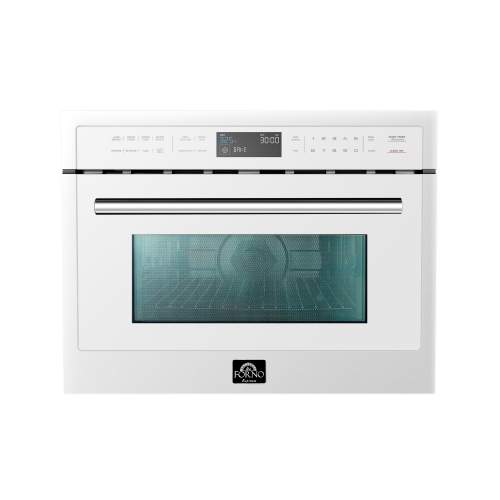
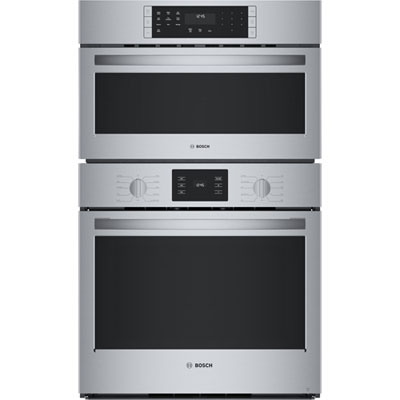
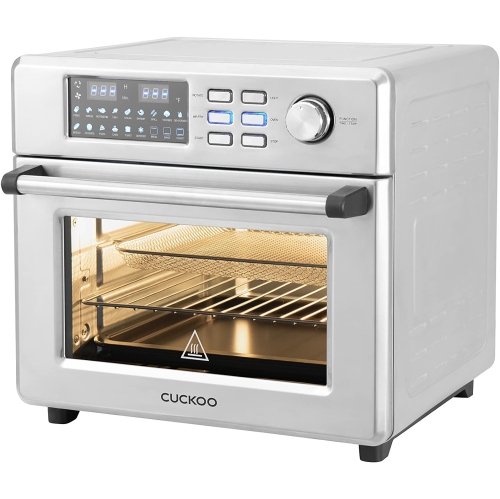
Combo ovens bring several cooking methods together in one appliance, making it easier to prepare everything from crisp roasted vegetables and golden casseroles to moist fish, reheated leftovers and freshly baked treats. Depending on the model, a combination oven may blend convection heat with microwave cooking, steam, grilling or air frying, allowing you to choose the method that best suits the food and the time available. Convection circulates hot air for even browning and can help create crisp edges, while microwave energy heats food quickly from within. Steam helps retain moisture in bread, vegetables, poultry and seafood, and a grill function can add colour and texture to the surface of a dish. Some models combine two cooking technologies at once, such as microwave and convection, to shorten cooking times without giving up the finish associated with conventional oven cooking. This versatility is especially useful in kitchens where counter space is limited or where several separate appliances would otherwise compete for room. A busy household might use a rapid combination setting to warm a weeknight meal, then switch to convection for a tray of potatoes or a small batch of cookies. Someone living in a condo, apartment or compact home may appreciate having multiple functions in one appliance, while an enthusiastic home cook can use the different modes to experiment with proofing dough, roasting, baking, reheating and finishing dishes. Combo ovens can also be a thoughtful gift for new homeowners, cooks setting up a first kitchen or anyone who enjoys preparing meals but prefers equipment that can handle more than one task. Before choosing a model, consider how you cook from day to day, how many people you usually serve and whether you want a built-in appliance or a countertop unit. Countertop combo ovens are often convenient for renters, secondary kitchens and smaller spaces because they can be placed on a sturdy, heat-resistant surface without changing cabinetry. Their more compact cavities may suit smaller portions, lunches, side dishes and baking projects, although the interior dimensions should be checked carefully if you regularly prepare large roasts, wide casseroles or full-size baking trays. Built-in units can provide a more integrated appearance and may offer a larger cooking cavity, but they require suitable cabinetry, electrical planning and professional installation in many kitchens. For a more focused selection of integrated microwave and oven configurations, browse Wall Oven Combos.
When comparing combo ovens, look beyond the number of functions and consider how each setting works in practical use. Capacity is a key starting point: measure the space where a countertop model will sit, allowing room around the appliance as recommended by the manufacturer, and compare the usable interior with the dishes and cookware you already own. A compact cavity may be ideal for a couple or for quick meals, while a larger interior can make it easier to cook several portions at once. Check whether the racks, trays and pans are included, whether they can be positioned at different heights and whether the interior can accommodate the cookware you use most often. Controls also make a real difference. A clear display, dedicated function buttons, adjustable temperature and time settings can make everyday cooking feel straightforward, particularly when switching between microwave, convection, steam and grill modes. Preset programmes may be useful for common foods, but manual controls are valuable when you want to fine-tune a recipe. It is worth reviewing the power requirements and electrical connection before purchase, especially for a built-in model or a high-powered countertop appliance. Steam-capable ovens may require a water reservoir that needs to be filled and emptied, while some units include descaling or cleaning programmes to help maintain performance. Look for removable racks, accessible corners and an interior surface that can be wiped down without awkward scrubbing. If you often reheat food, consider how evenly the oven warms different portions and whether the controls allow you to combine microwave power with conventional heat. If baking is a priority, pay attention to temperature range, airflow and rack placement; if crisp foods are your main focus, look for an air-fry or grill setting and confirm which accessories are supplied. Families may value child-lock controls and simple presets, while frequent entertainers may prefer a larger cavity, multiple rack positions and a way to save or repeat favourite settings. Combo ovens can be particularly helpful during the cooler months, when a warm kitchen and a tray of roasted food can turn an ordinary evening into something comforting, but their usefulness extends well beyond seasonal cooking. They can steam vegetables while another dish cooks, revive yesterday’s pizza with a crisp base, bake a small dessert without heating a full-size oven or prepare a quick breakfast before the day begins. Taking a moment to compare capacity, cooking modes, controls, installation needs, included accessories and cleaning requirements can help you choose an appliance that fits naturally into your kitchen routine rather than one that simply offers the longest feature list.
A combo oven is most useful when its functions match the way you actually prepare food. Think about the meals that appear most often on your table: sheet-pan dinners, baked pasta, toast, roasted vegetables, reheated takeout, frozen snacks, steamed dumplings or homemade bread. If speed matters, a microwave-convection combination can reduce the time needed to heat or cook many dishes, while convection helps finish them with a more oven-baked texture. If moisture and gentle cooking are important, steam functions can help prevent poultry and fish from drying out and can keep vegetables tender without making them limp. If you enjoy crisp finishes, a grill or air-fry mode may help brown the tops of casseroles, crisp potatoes and add texture to smaller portions. Remember that combination settings may require a little experimentation: cooking times can vary with portion size, container material, starting temperature and the selected power level. Glass, ceramic and microwave-safe cookware are commonly suitable for microwave use, while metal pans may be restricted to particular convection or grill settings, so always follow the manufacturer’s instructions. Leave enough space around food for hot air or steam to circulate, avoid overcrowding trays and use oven mitts when removing cookware, as compact interiors can become very hot. For households with different schedules, the ability to prepare a smaller portion without running a large oven can be convenient, and for hosts, a second cooking appliance can help manage several dishes when the main oven is already occupied. A combo oven can also support gradual skill-building: a beginner might start with reheating and preset programmes, then move on to convection baking, steaming or multi-stage cooking as confidence grows. The best choice balances versatility with practical details such as footprint, capacity, installation, power, maintenance and ease of use. With the right fit, one appliance can take on the role of several kitchen tools while giving everyday meals more flexibility, from a quick breakfast on a busy morning to a carefully finished dinner shared around the table.
When comparing combo ovens, look beyond the number of functions and consider how each setting works in practical use. Capacity is a key starting point: measure the space where a countertop model will sit, allowing room around the appliance as recommended by the manufacturer, and compare the usable interior with the dishes and cookware you already own. A compact cavity may be ideal for a couple or for quick meals, while a larger interior can make it easier to cook several portions at once. Check whether the racks, trays and pans are included, whether they can be positioned at different heights and whether the interior can accommodate the cookware you use most often. Controls also make a real difference. A clear display, dedicated function buttons, adjustable temperature and time settings can make everyday cooking feel straightforward, particularly when switching between microwave, convection, steam and grill modes. Preset programmes may be useful for common foods, but manual controls are valuable when you want to fine-tune a recipe. It is worth reviewing the power requirements and electrical connection before purchase, especially for a built-in model or a high-powered countertop appliance. Steam-capable ovens may require a water reservoir that needs to be filled and emptied, while some units include descaling or cleaning programmes to help maintain performance. Look for removable racks, accessible corners and an interior surface that can be wiped down without awkward scrubbing. If you often reheat food, consider how evenly the oven warms different portions and whether the controls allow you to combine microwave power with conventional heat. If baking is a priority, pay attention to temperature range, airflow and rack placement; if crisp foods are your main focus, look for an air-fry or grill setting and confirm which accessories are supplied. Families may value child-lock controls and simple presets, while frequent entertainers may prefer a larger cavity, multiple rack positions and a way to save or repeat favourite settings. Combo ovens can be particularly helpful during the cooler months, when a warm kitchen and a tray of roasted food can turn an ordinary evening into something comforting, but their usefulness extends well beyond seasonal cooking. They can steam vegetables while another dish cooks, revive yesterday’s pizza with a crisp base, bake a small dessert without heating a full-size oven or prepare a quick breakfast before the day begins. Taking a moment to compare capacity, cooking modes, controls, installation needs, included accessories and cleaning requirements can help you choose an appliance that fits naturally into your kitchen routine rather than one that simply offers the longest feature list.
A combo oven is most useful when its functions match the way you actually prepare food. Think about the meals that appear most often on your table: sheet-pan dinners, baked pasta, toast, roasted vegetables, reheated takeout, frozen snacks, steamed dumplings or homemade bread. If speed matters, a microwave-convection combination can reduce the time needed to heat or cook many dishes, while convection helps finish them with a more oven-baked texture. If moisture and gentle cooking are important, steam functions can help prevent poultry and fish from drying out and can keep vegetables tender without making them limp. If you enjoy crisp finishes, a grill or air-fry mode may help brown the tops of casseroles, crisp potatoes and add texture to smaller portions. Remember that combination settings may require a little experimentation: cooking times can vary with portion size, container material, starting temperature and the selected power level. Glass, ceramic and microwave-safe cookware are commonly suitable for microwave use, while metal pans may be restricted to particular convection or grill settings, so always follow the manufacturer’s instructions. Leave enough space around food for hot air or steam to circulate, avoid overcrowding trays and use oven mitts when removing cookware, as compact interiors can become very hot. For households with different schedules, the ability to prepare a smaller portion without running a large oven can be convenient, and for hosts, a second cooking appliance can help manage several dishes when the main oven is already occupied. A combo oven can also support gradual skill-building: a beginner might start with reheating and preset programmes, then move on to convection baking, steaming or multi-stage cooking as confidence grows. The best choice balances versatility with practical details such as footprint, capacity, installation, power, maintenance and ease of use. With the right fit, one appliance can take on the role of several kitchen tools while giving everyday meals more flexibility, from a quick breakfast on a busy morning to a carefully finished dinner shared around the table.
Top selling and popular products
-
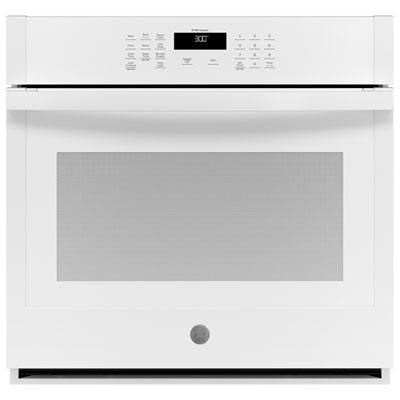 Your price for this item is $2699.99
 -
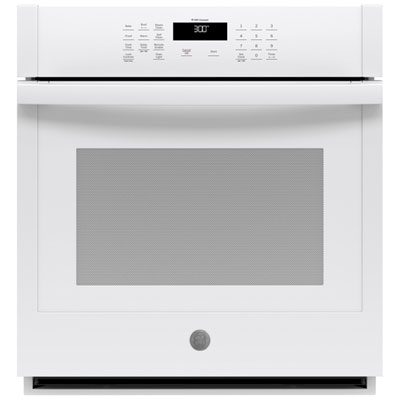 Your price for this item is $2449.99
 -
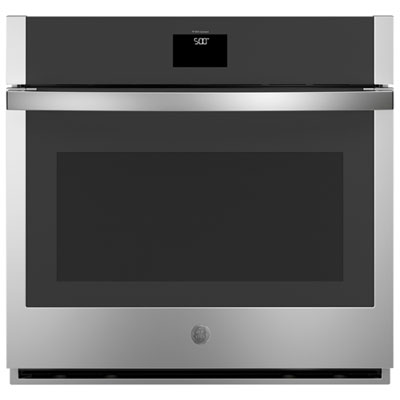 Your price for this item is $2699.99
 -
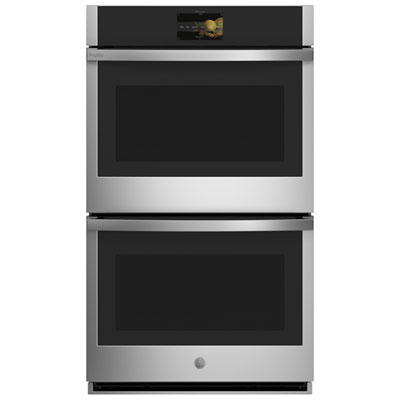 Your price for this item is $5999.99
 -
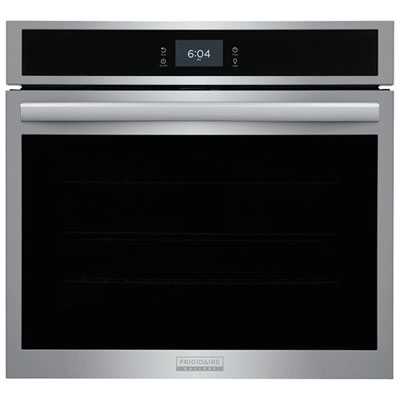 Your price for this item is $2199.99
 -
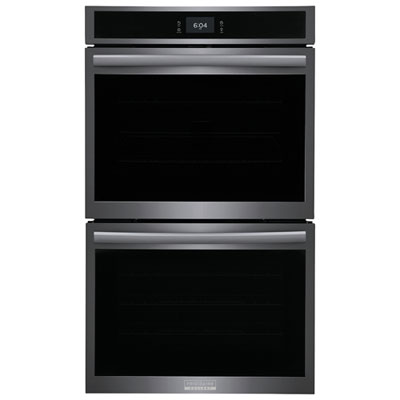 Your price for this item is $3699.99
 -
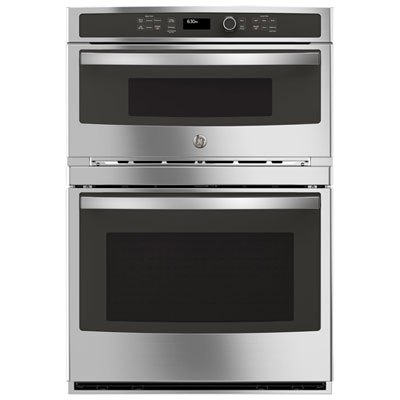 Your price for this item is $4399.99
 -
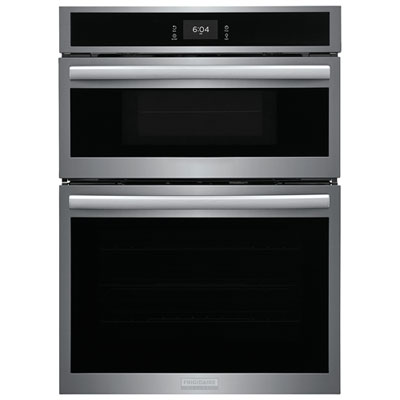 Your price for this item is $3899.99
Discover more categories related to Combo Ovens
Top Collections:
Pokemon Centers, Kindle Devices, Best Budget Office Chairs, Apple iPhones 16, Best Laptops for Writers, iPhone 15 Apple, Canon G7X Cameras, Refurbished Apple Laptops, Alarm Clock, Motorola Razr Phones
Some products may be subject to Environmental Handling Fees
(EHF) depending on your province.
Learn more about EHFs.