Combination Ovens
Discover the perfect blend of convenience and culinary creativity with a combination oven. These versatile kitchen marvels bring together the power of multiple cooking methods, offering you the flexibility to bake, roast, grill, and steam all in one appliance. Ideal for both busy households and aspiring chefs, combination ovens streamline meal preparation without compromising on taste or texture. Whether you're whipping up a quick weeknight dinner or experimenting with gourmet recipes, these ovens provide the efficiency and precision needed to elevate your cooking experience. Explore our selection to find the perfect addition to your kitchen that meets your culinary needs and complements your lifestyle.
Sort
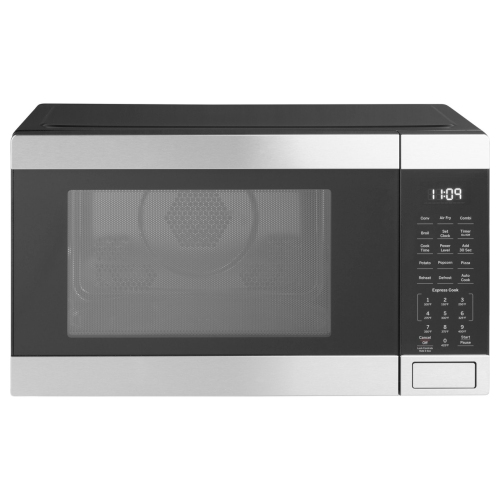
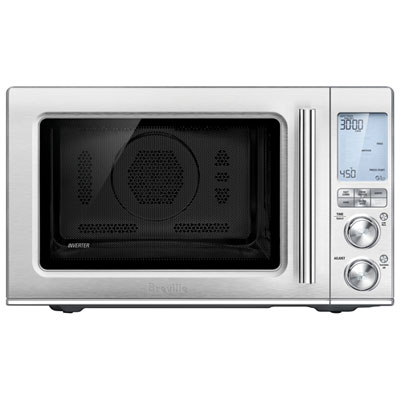
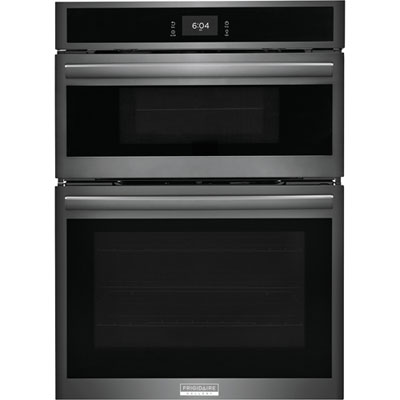
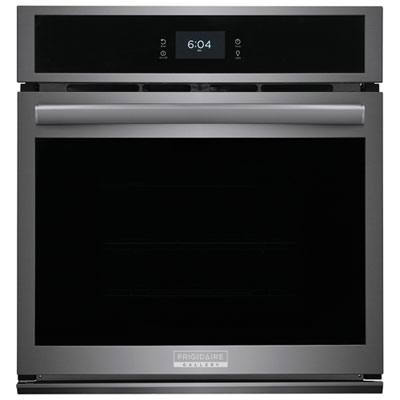
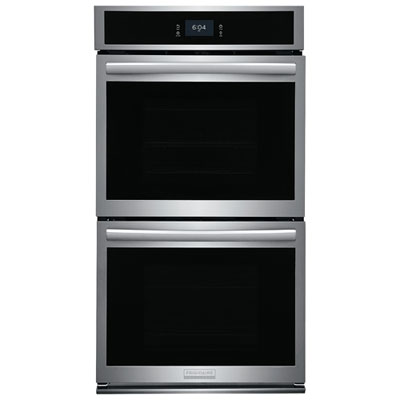
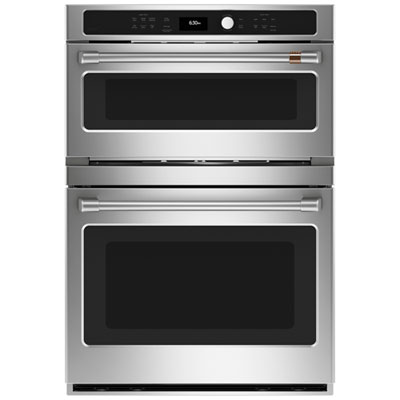
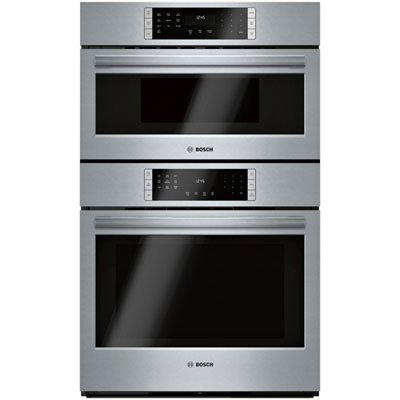
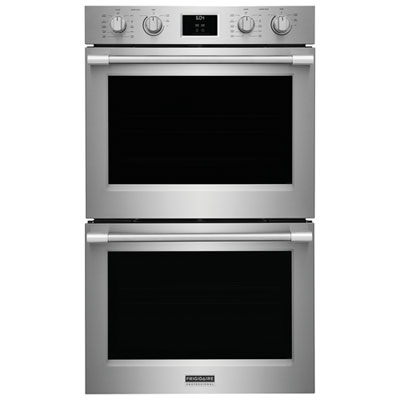
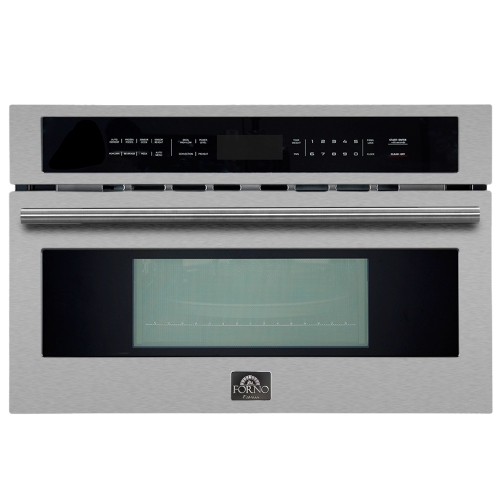
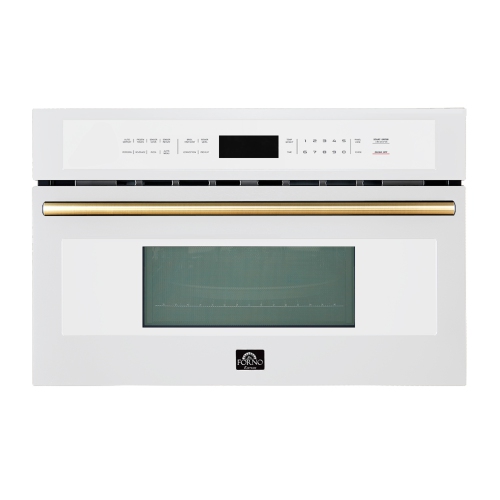
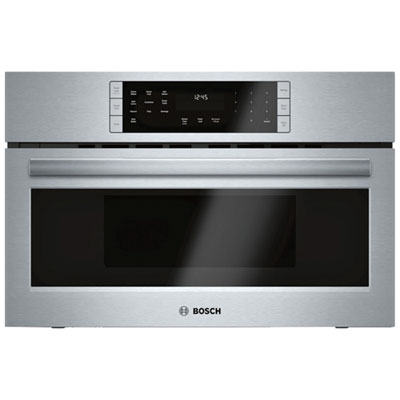
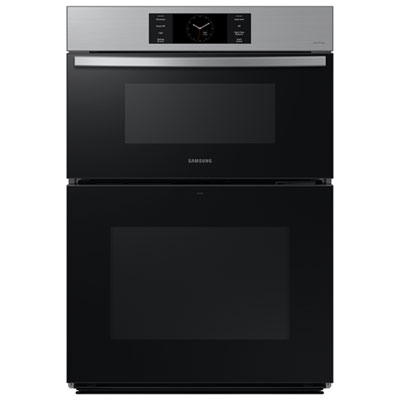
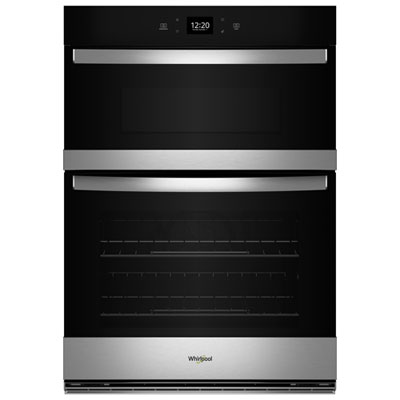
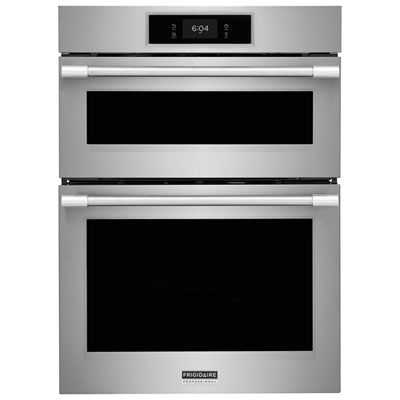
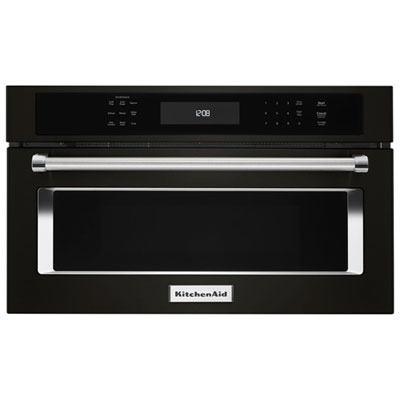
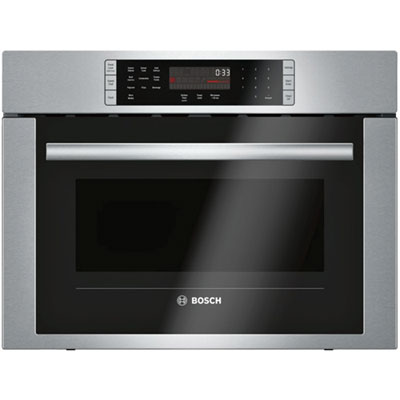
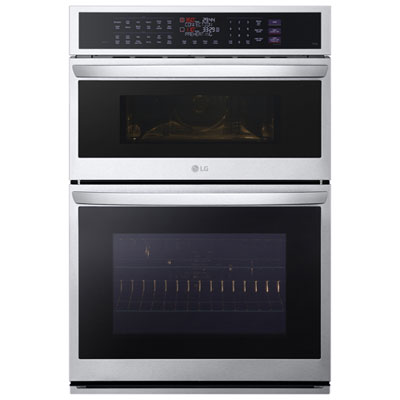
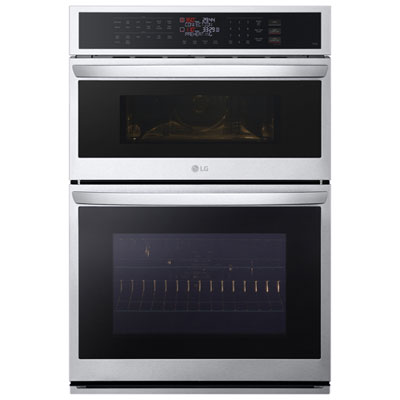
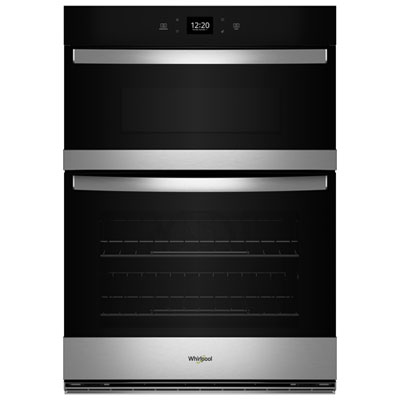
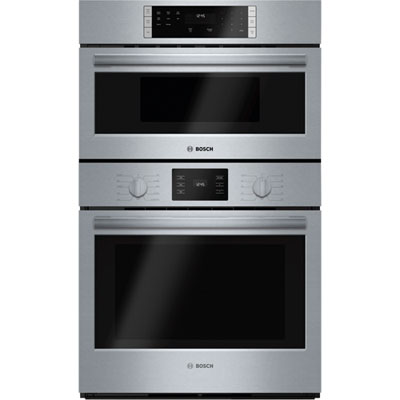
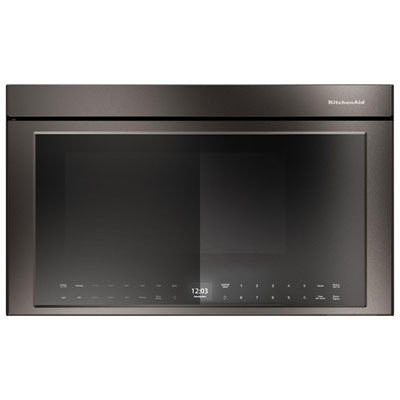

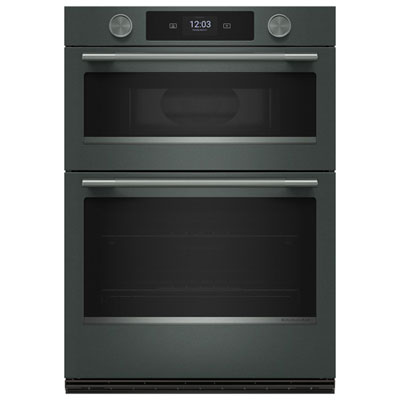

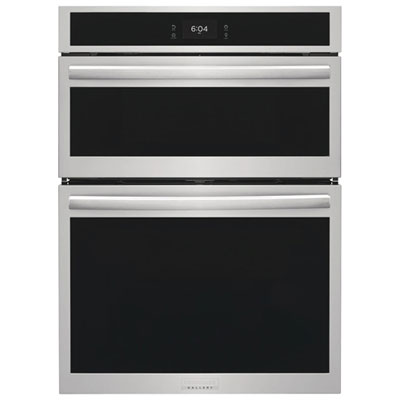
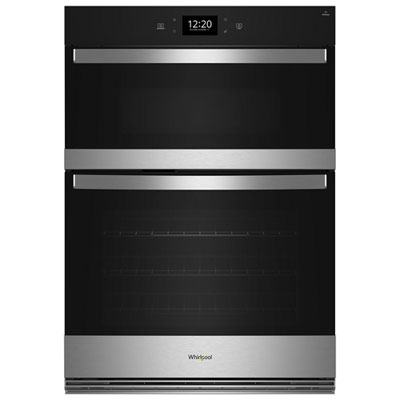
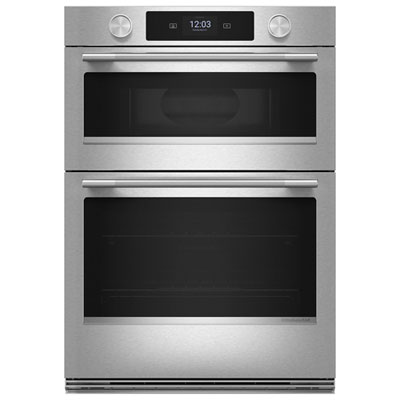
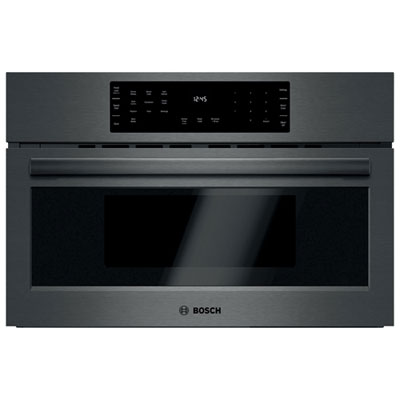
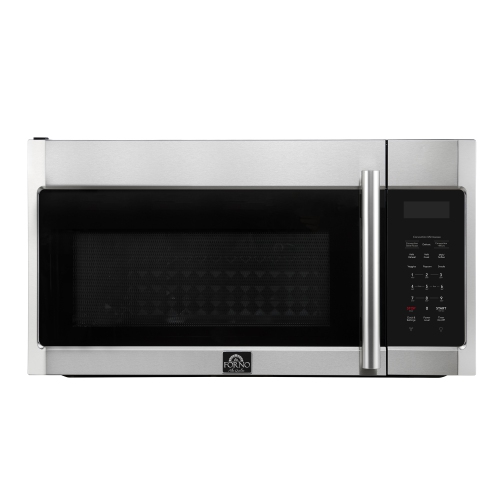
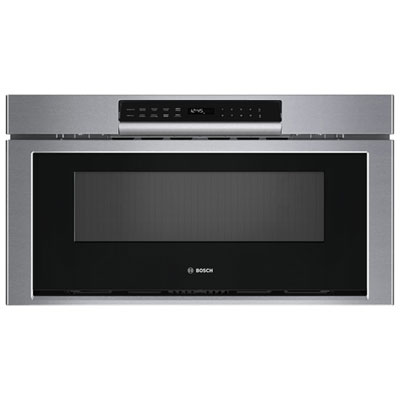

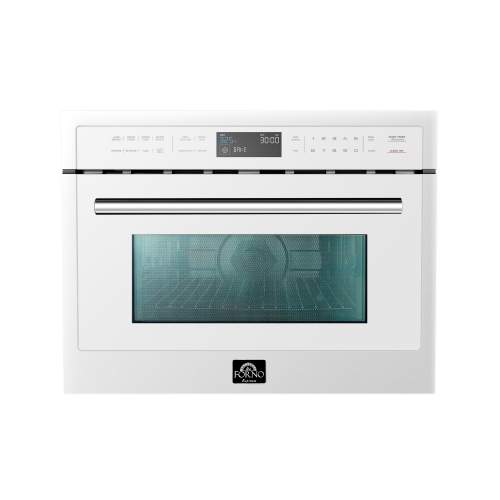
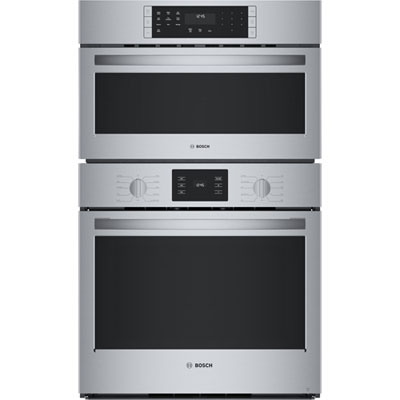
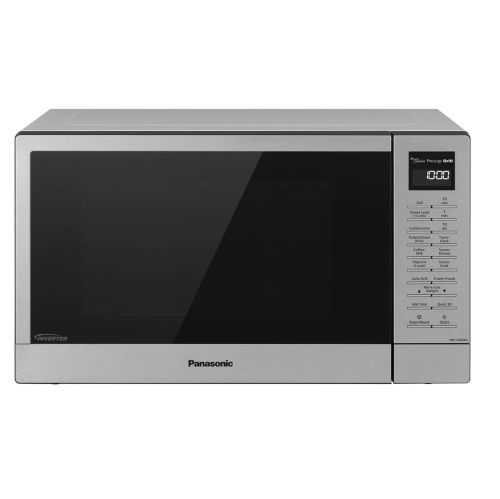
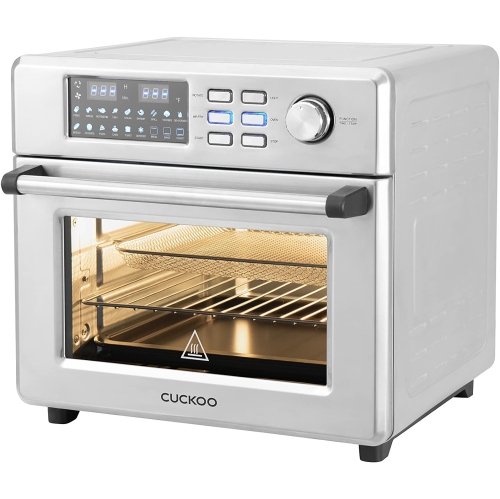
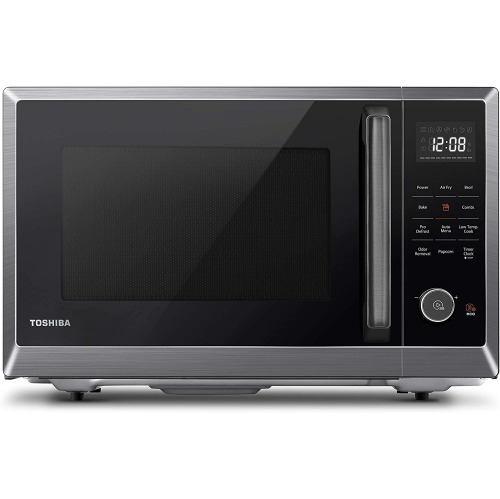
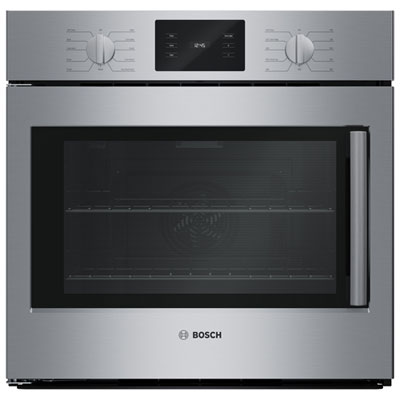
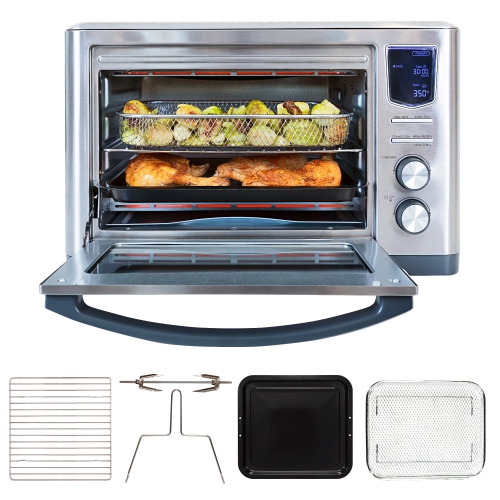
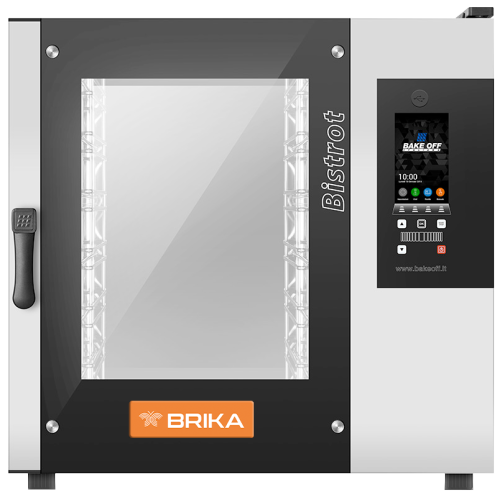
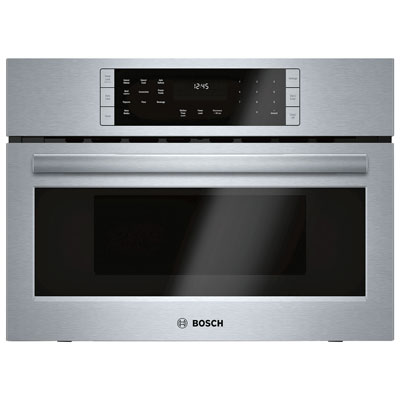
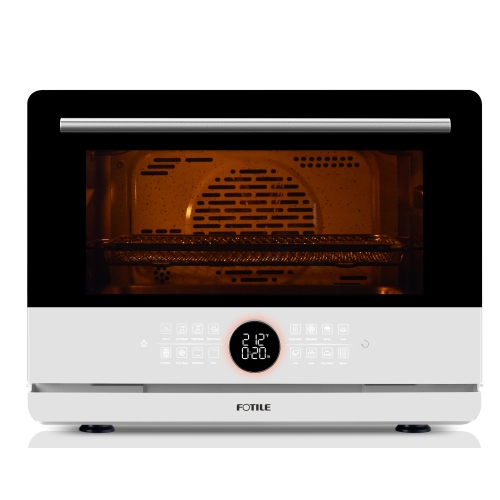
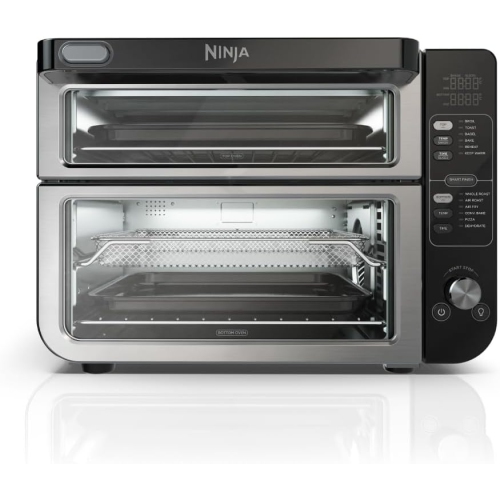
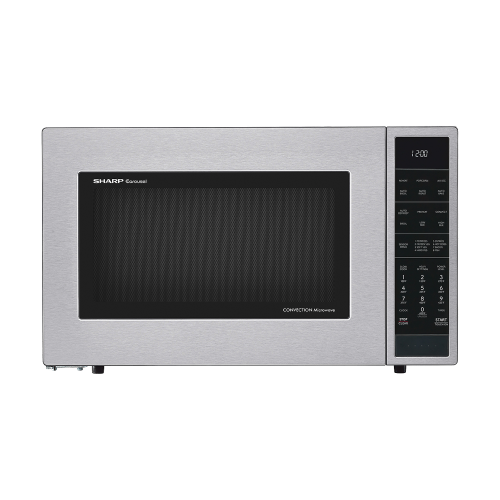
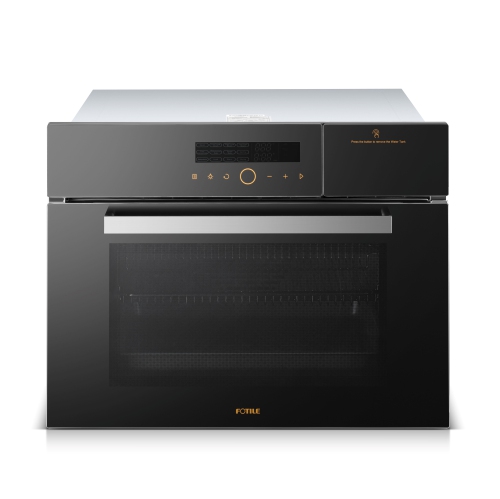
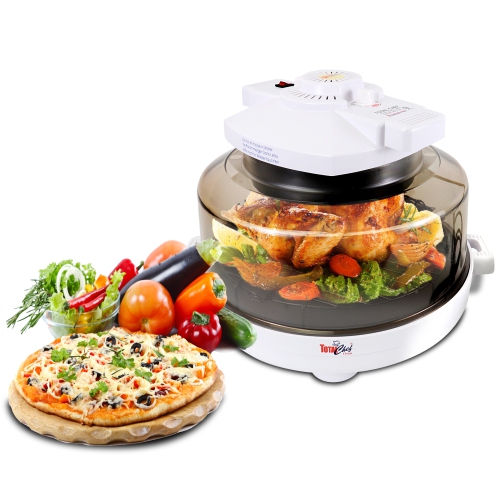

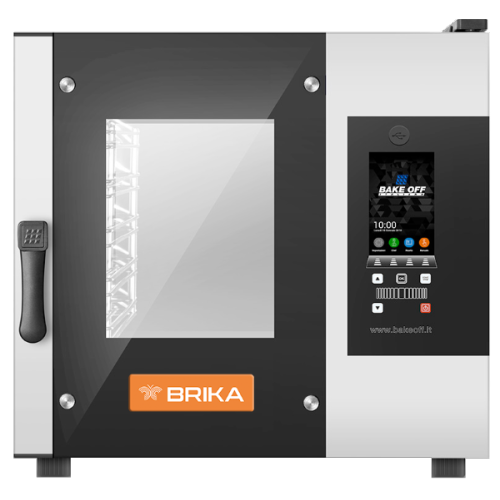
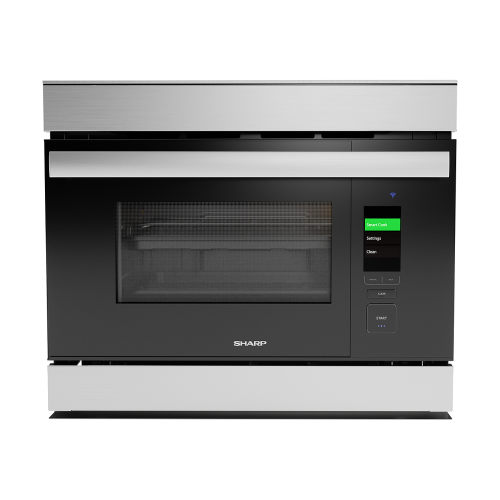
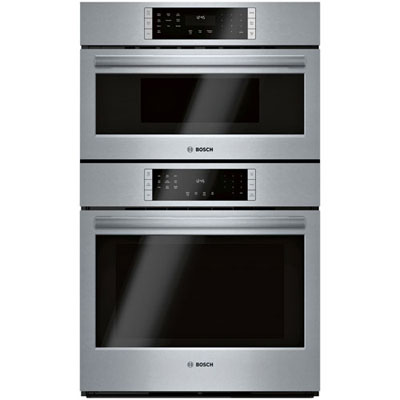
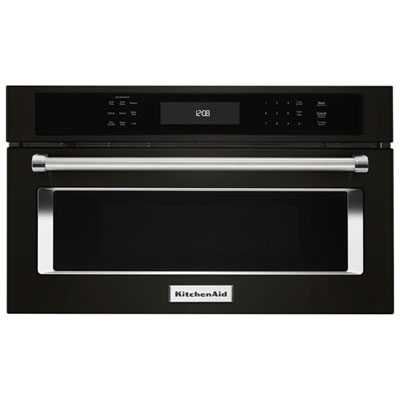
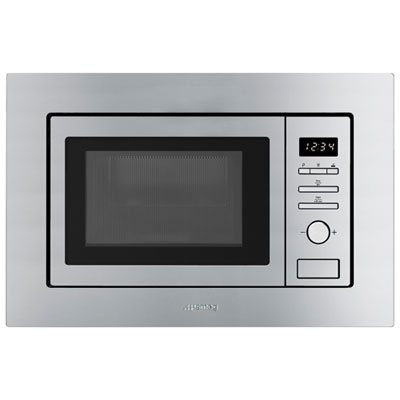
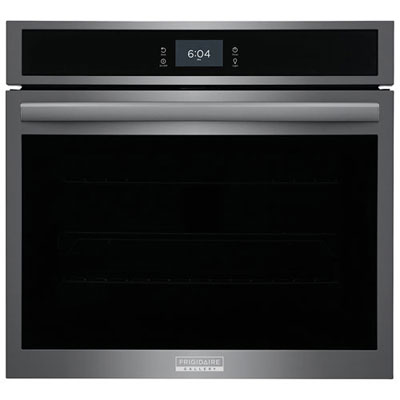
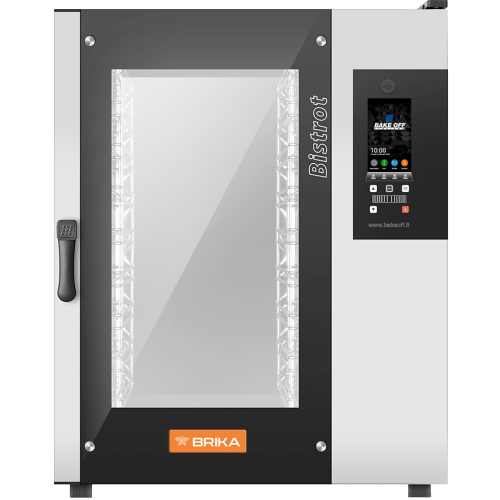
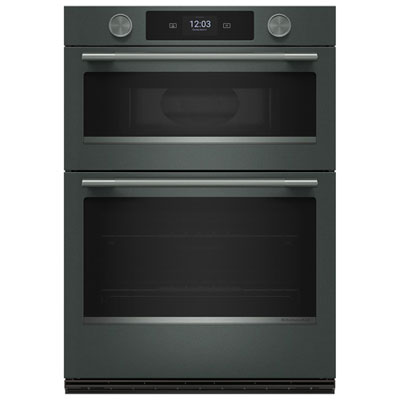
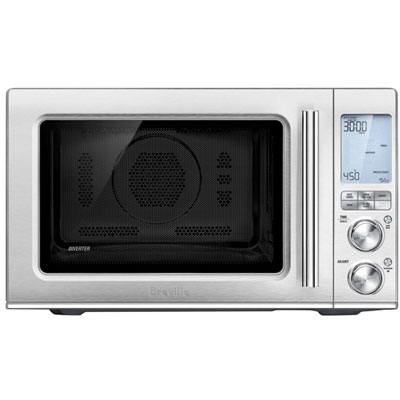
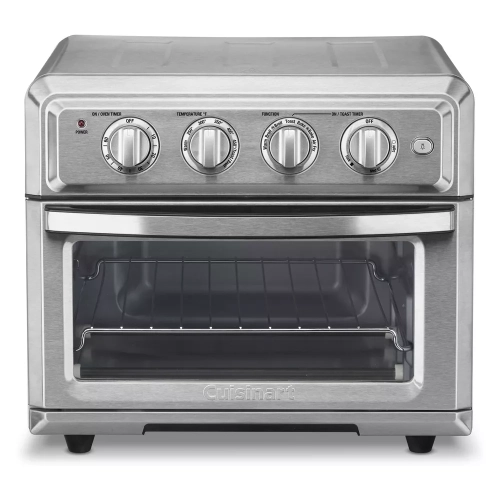
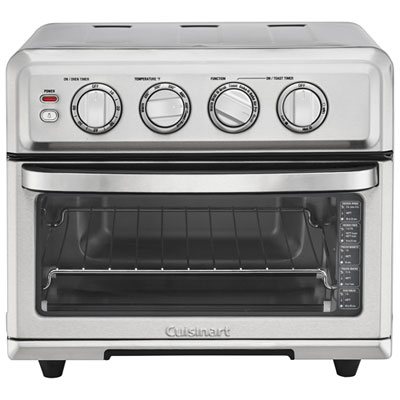
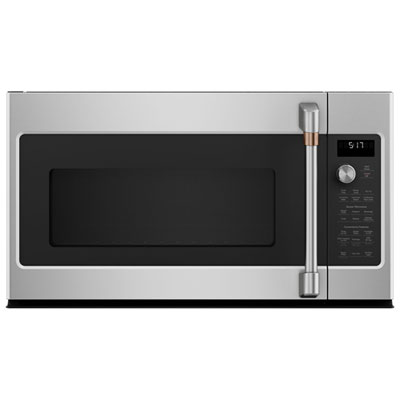
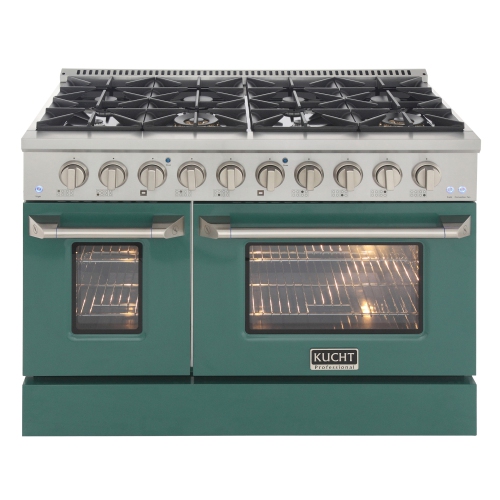
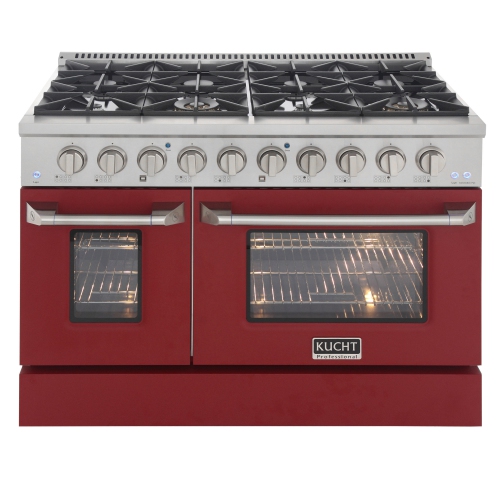
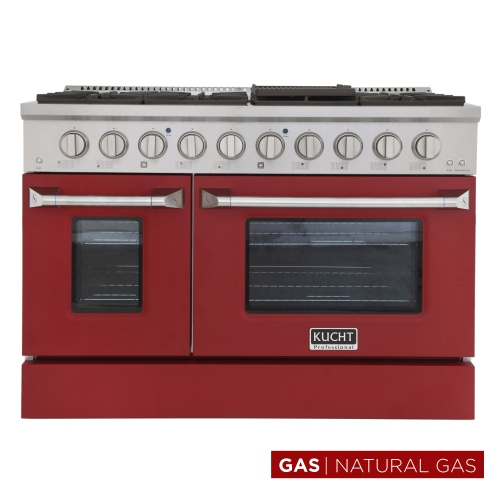
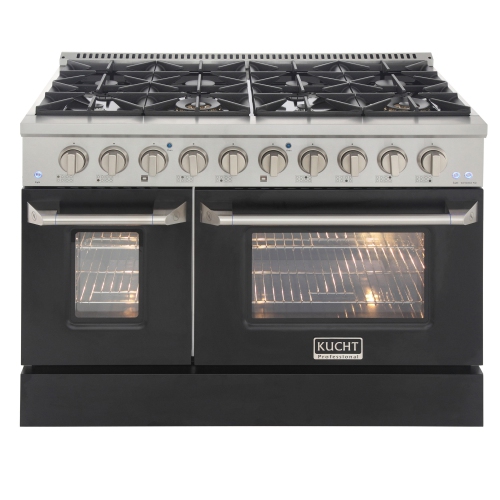
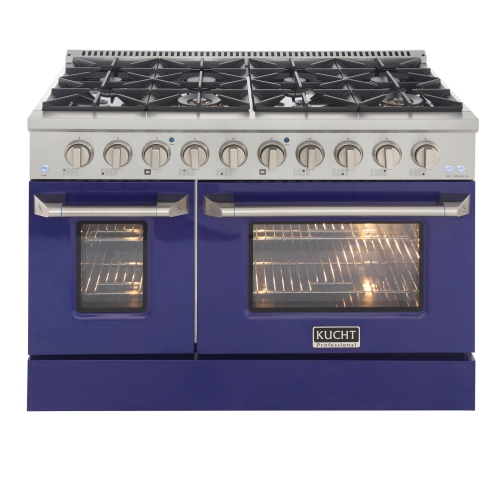
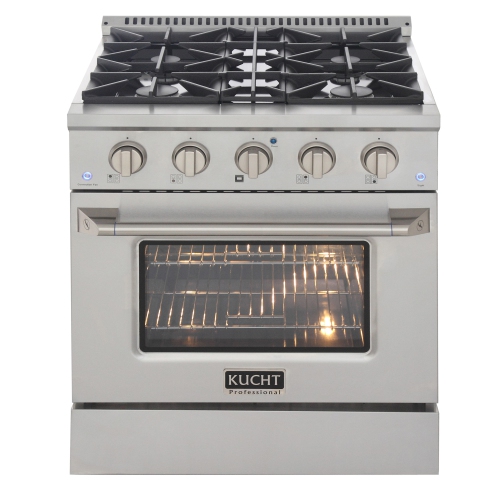

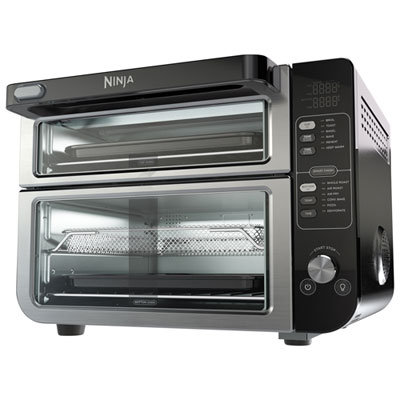
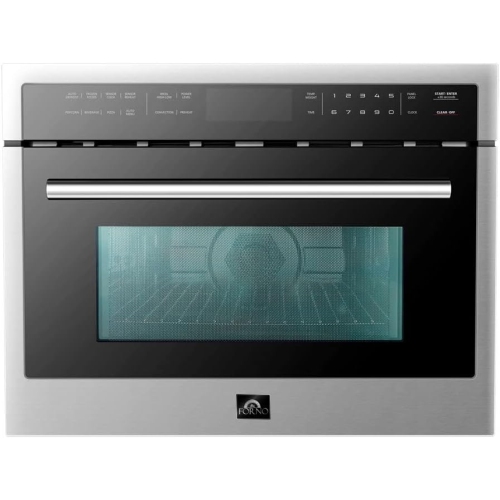
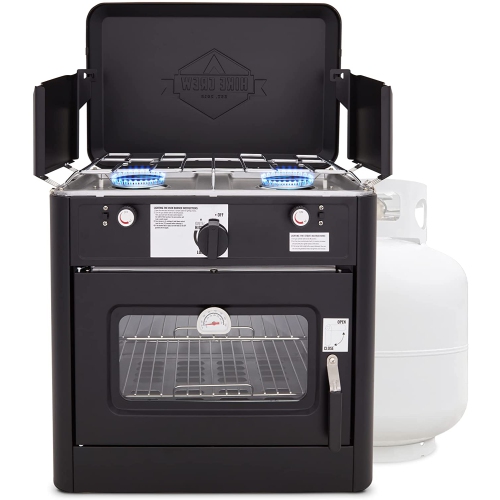
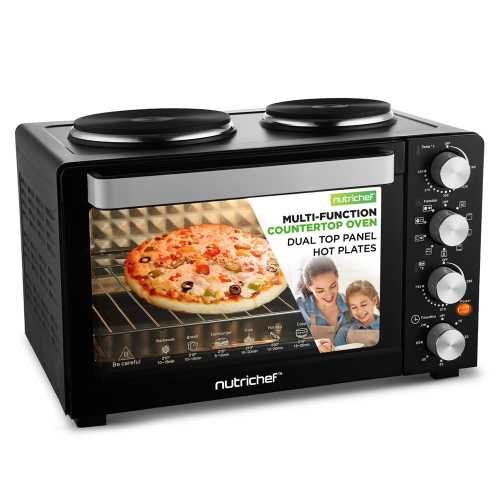
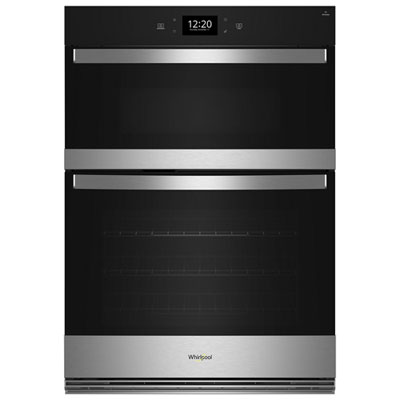
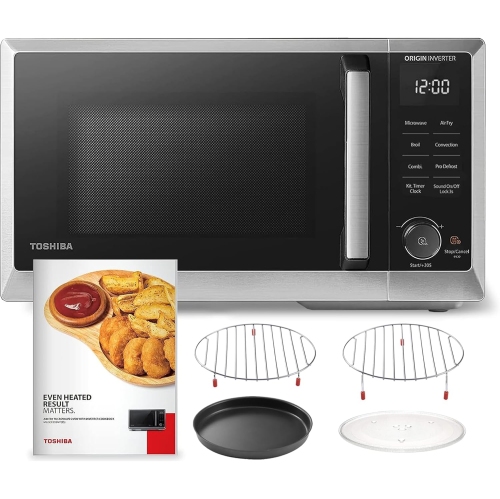
Flexible cooking methods for busy, space-conscious kitchens
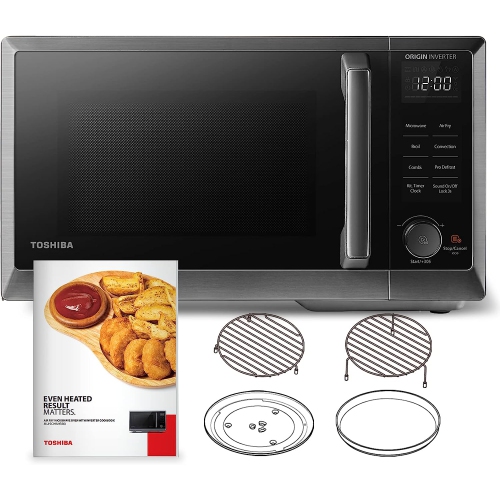
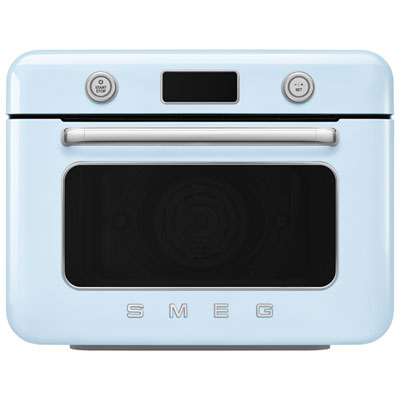
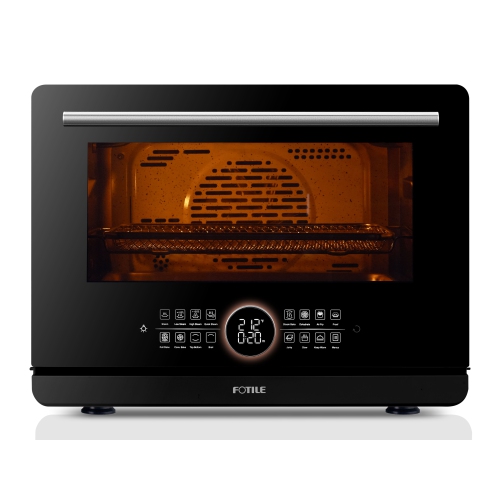
Combination ovens bring several cooking methods together in one appliance, making them a practical choice for kitchens where flexibility and efficient use of space matter. Depending on the model, a combination oven may pair microwave power with convection heat and grilling, or combine convection cooking with controlled steam. Microwave-convection models are especially useful as a second oven for busy households: microwave energy heats food quickly, while convection air circulates around it to brown and crisp the exterior. This can be helpful for reheating leftovers without leaving them soft, preparing a quick frozen meal, baking a small batch of cookies, or getting dinner on the table when the main oven is already occupied. Steam-convection models take a different approach by adding moisture during cooking. Steam helps delicate foods retain their natural texture, while circulating hot air creates the golden surface associated with roasting and baking. Fish can stay tender, vegetables can retain a pleasant bite, and bread or pastry can develop a crisp outside without becoming overly dry inside. Some combination ovens also include grilling, broiling, air frying, or other specialized settings, giving home cooks more ways to prepare familiar foods. Because the term “combination oven” covers more than one type of appliance, it is worth checking which cooking technologies are included before choosing a model. A microwave-convection oven and a steam-convection oven can both be versatile, but they are designed around different cooking strengths. Reviewing the available modes, temperature range, steam controls, microwave power, and recommended cookware can make it easier to select an oven that suits the way your household actually cooks. For shoppers exploring different formats and features, Combi Ovens for Home Use can be a useful starting point for comparing options intended for residential kitchens.
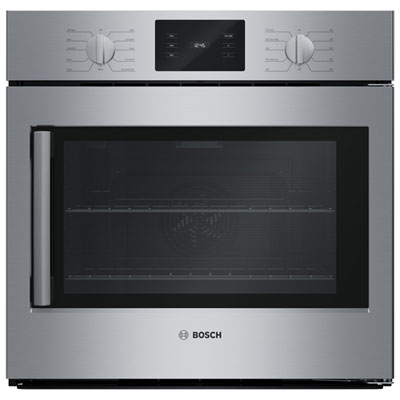
Size and installation are important considerations when choosing a combination oven. Countertop models are convenient for apartments, condos, cottages, offices, and kitchens where a permanent renovation is not planned. They can often be placed near the preparation area and moved if the layout changes, although adequate ventilation and clearance are still essential. Built-in models create a more integrated appearance and can be installed at a comfortable height in a wall or cabinet arrangement, which may be appealing for anyone who wants to avoid bending to reach a hot dish. Measure the available space carefully, including the height, width, depth, door swing, and space required for ventilation. Interior capacity matters just as much as the outside dimensions. A compact cavity may be ideal for one or two people, smaller portions, and everyday reheating, while a larger interior is more suitable for family meals, casserole dishes, roast cuts, or several servings prepared at once. Look at the shape of the usable cooking area rather than relying only on the stated capacity, since turntables, racks, steam trays, and heating elements can affect the size and type of cookware that fits. Controls are another feature worth considering. Touch panels can offer clear access to preset programmes, while dial controls may feel more familiar when adjusting time and temperature by hand. Automatic sensors, guided cooking functions, multi-stage programmes, interior lights, removable racks, and easy-clean surfaces can all make regular use more straightforward. If steam is part of the appliance, check how the water reservoir is filled, whether it can be refilled during a cooking cycle, and how the interior should be dried and cleaned. For microwave-convection cooking, confirm that the included racks and trays are safe for the selected mode, as metal cookware may be suitable for convection or grilling but not for microwave operation. Reading the care instructions before purchase can help set realistic expectations and keep the appliance performing well through frequent use.
Combination ovens can suit a wide range of cooks, from people preparing quick meals between work and family commitments to enthusiastic home chefs who want more control over texture and timing. They are useful when a full-size oven feels excessive for a small portion, when a main oven is needed for a large meal, or when several dishes require different temperatures. During the warmer part of the year, a compact combination oven can help prepare roasted vegetables, fish, baked pasta, or crisp snacks without relying on a large oven for every meal. As the weather turns cooler, its ability to handle soups, casseroles, baked dishes, reheated leftovers, and slow, gentle cooking can make it a dependable part of everyday kitchen routines. It can also be a thoughtful gift for someone moving into a first home, setting up a compact kitchen, furnishing a recreational property, or replacing several older countertop appliances with one more capable unit. For a household with children, fast reheating and simple preset programmes may be particularly convenient, while experienced cooks may value manual control over temperature, fan speed, microwave power, or steam intensity. The best results usually come from using the right mode for the food: convection for even browning, microwave power for speed, grill or broil settings for finishing the surface, and steam for retaining moisture. Combination modes can shorten cooking times while balancing a tender interior with a browned exterior, but cooking times may differ from those listed for a conventional oven, so recipes often need small adjustments. Avoid overcrowding the cavity, allow hot air or steam to circulate, and use heat-resistant cookware suited to the selected function. With the right capacity, installation style, controls, and cooking modes, a combination oven can become a reliable everyday appliance for quick breakfasts, weeknight dinners, careful reheating, weekend baking, and meals shared around the table.
Size and installation are important considerations when choosing a combination oven. Countertop models are convenient for apartments, condos, cottages, offices, and kitchens where a permanent renovation is not planned. They can often be placed near the preparation area and moved if the layout changes, although adequate ventilation and clearance are still essential. Built-in models create a more integrated appearance and can be installed at a comfortable height in a wall or cabinet arrangement, which may be appealing for anyone who wants to avoid bending to reach a hot dish. Measure the available space carefully, including the height, width, depth, door swing, and space required for ventilation. Interior capacity matters just as much as the outside dimensions. A compact cavity may be ideal for one or two people, smaller portions, and everyday reheating, while a larger interior is more suitable for family meals, casserole dishes, roast cuts, or several servings prepared at once. Look at the shape of the usable cooking area rather than relying only on the stated capacity, since turntables, racks, steam trays, and heating elements can affect the size and type of cookware that fits. Controls are another feature worth considering. Touch panels can offer clear access to preset programmes, while dial controls may feel more familiar when adjusting time and temperature by hand. Automatic sensors, guided cooking functions, multi-stage programmes, interior lights, removable racks, and easy-clean surfaces can all make regular use more straightforward. If steam is part of the appliance, check how the water reservoir is filled, whether it can be refilled during a cooking cycle, and how the interior should be dried and cleaned. For microwave-convection cooking, confirm that the included racks and trays are safe for the selected mode, as metal cookware may be suitable for convection or grilling but not for microwave operation. Reading the care instructions before purchase can help set realistic expectations and keep the appliance performing well through frequent use.
Combination ovens can suit a wide range of cooks, from people preparing quick meals between work and family commitments to enthusiastic home chefs who want more control over texture and timing. They are useful when a full-size oven feels excessive for a small portion, when a main oven is needed for a large meal, or when several dishes require different temperatures. During the warmer part of the year, a compact combination oven can help prepare roasted vegetables, fish, baked pasta, or crisp snacks without relying on a large oven for every meal. As the weather turns cooler, its ability to handle soups, casseroles, baked dishes, reheated leftovers, and slow, gentle cooking can make it a dependable part of everyday kitchen routines. It can also be a thoughtful gift for someone moving into a first home, setting up a compact kitchen, furnishing a recreational property, or replacing several older countertop appliances with one more capable unit. For a household with children, fast reheating and simple preset programmes may be particularly convenient, while experienced cooks may value manual control over temperature, fan speed, microwave power, or steam intensity. The best results usually come from using the right mode for the food: convection for even browning, microwave power for speed, grill or broil settings for finishing the surface, and steam for retaining moisture. Combination modes can shorten cooking times while balancing a tender interior with a browned exterior, but cooking times may differ from those listed for a conventional oven, so recipes often need small adjustments. Avoid overcrowding the cavity, allow hot air or steam to circulate, and use heat-resistant cookware suited to the selected function. With the right capacity, installation style, controls, and cooking modes, a combination oven can become a reliable everyday appliance for quick breakfasts, weeknight dinners, careful reheating, weekend baking, and meals shared around the table.
Top selling and popular products
-
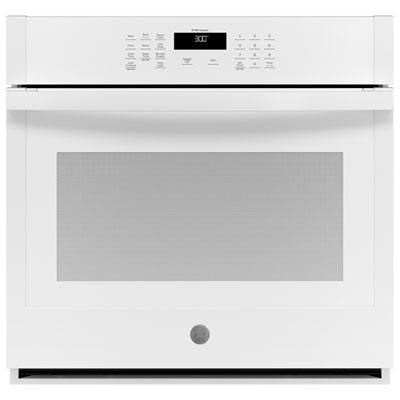 Your price for this item is $2699.99
 -
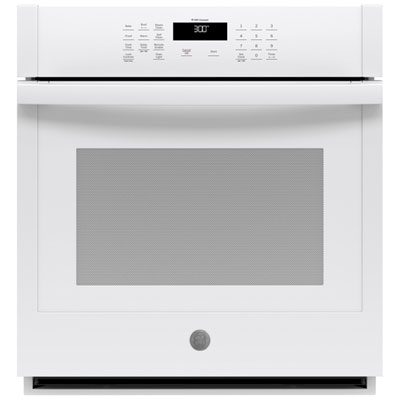 Your price for this item is $2449.99
 -
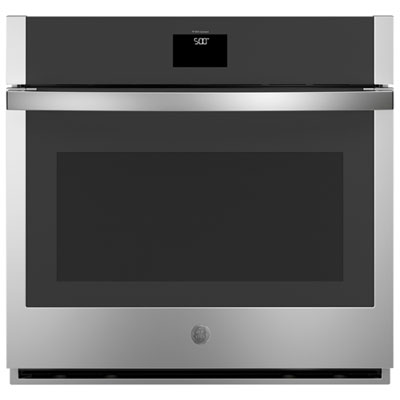 Your price for this item is $2699.99
 -
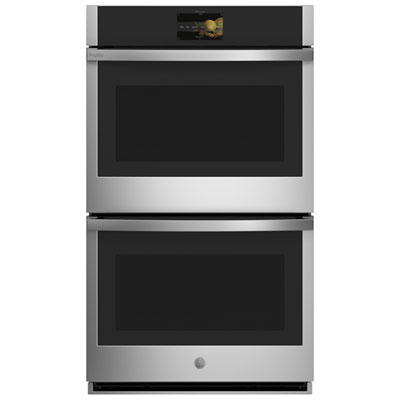 Your price for this item is $5999.99
 -
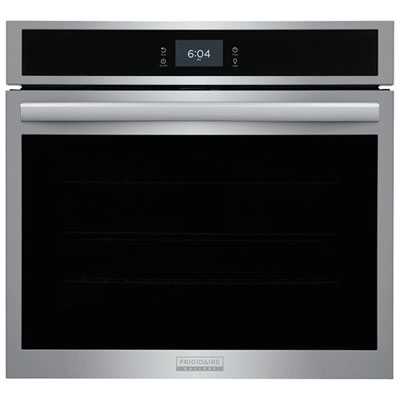 Your price for this item is $2199.99
 -
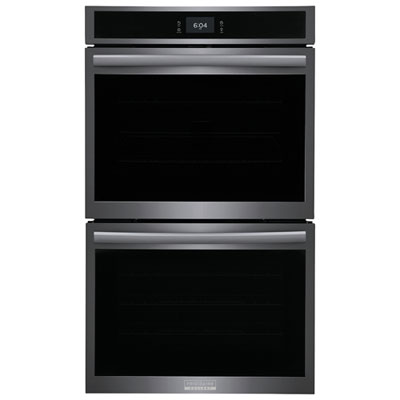 Your price for this item is $3699.99
 -
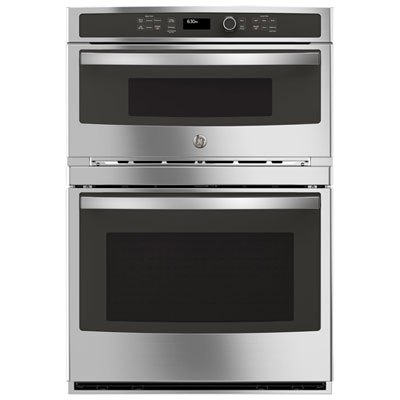 Your price for this item is $4399.99
 -
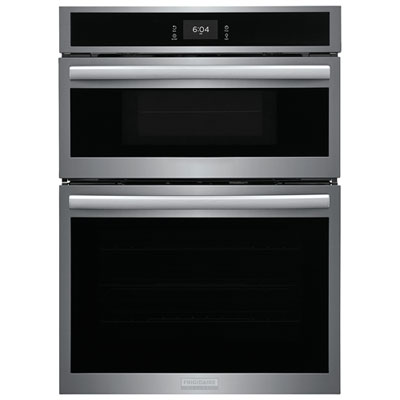 Your price for this item is $3899.99
Discover more categories related to Combination Ovens
Top Collections:
Pokemon Centers, Kindle Devices, Best Budget Office Chairs, Apple iPhones 16, Best Laptops for Writers, iPhone 15 Apple, Canon G7X Cameras, Refurbished Apple Laptops, Alarm Clock, Motorola Razr Phones
Some products may be subject to Environmental Handling Fees
(EHF) depending on your province.
Learn more about EHFs.