Commercial Dishwashers for Home
Upgrade your kitchen with the efficiency and power of a commercial dishwasher designed for home use. Say goodbye to endless hours spent washing dishes by hand and hello to sparkling clean dishes in no time. These heavy-duty machines are built to handle the toughest grease and grime, making them perfect for busy households or those who love to entertain. With sleek designs and advanced features, a commercial dishwasher for home will not only save you time but also elevate the overall look of your kitchen.
Sort

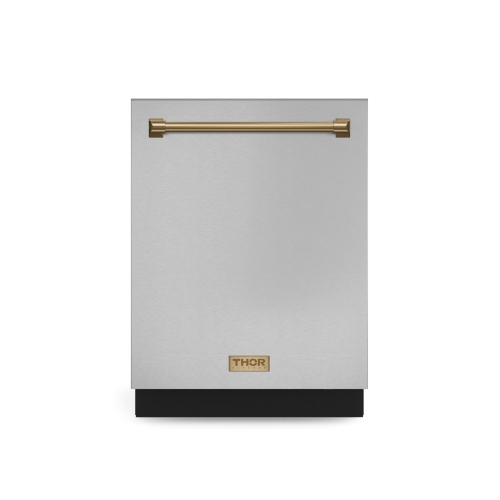
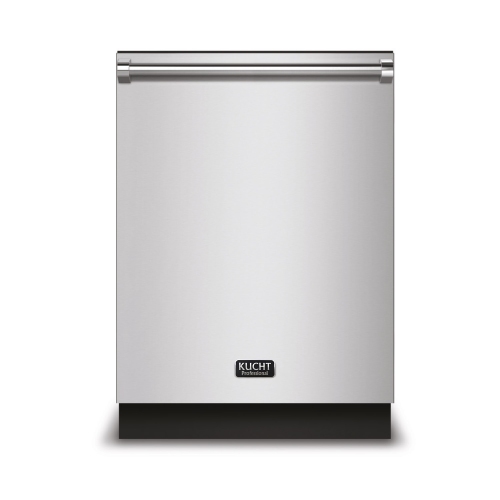
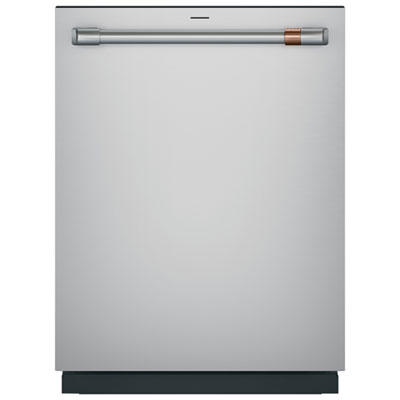
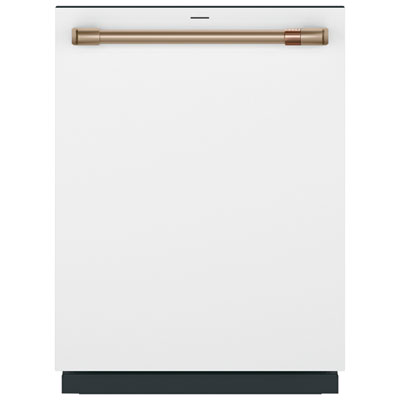
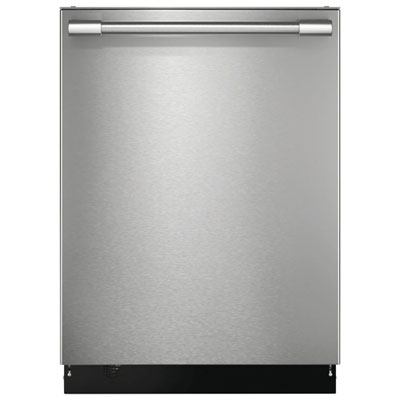

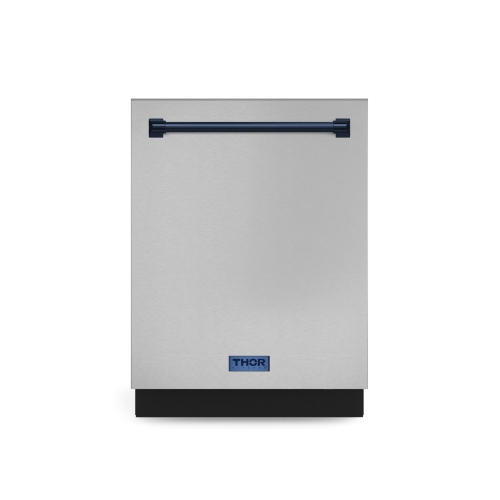
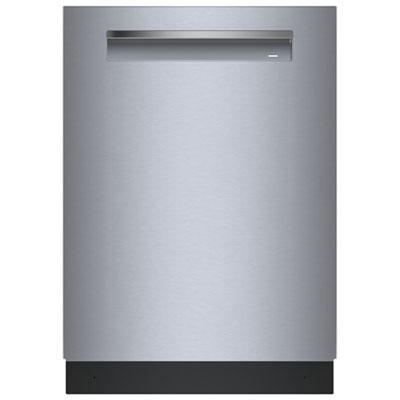
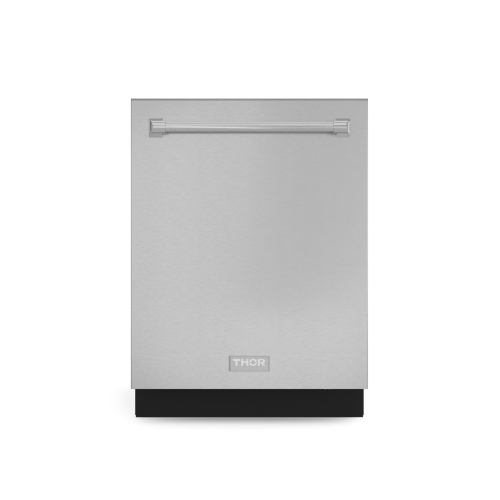
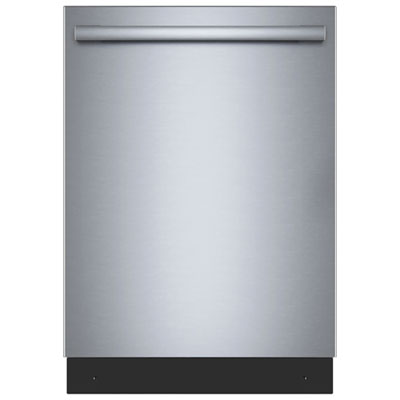

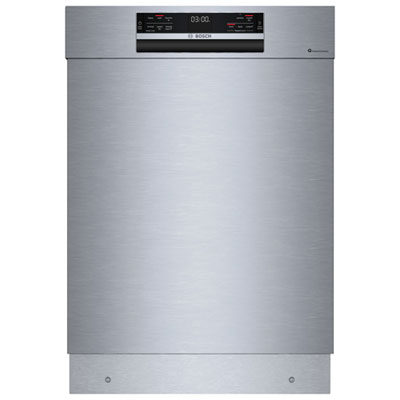

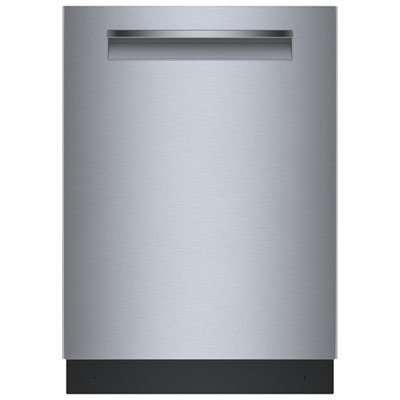

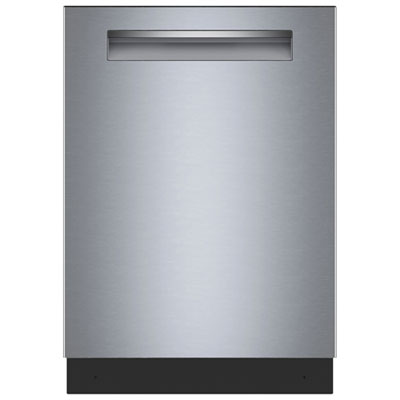
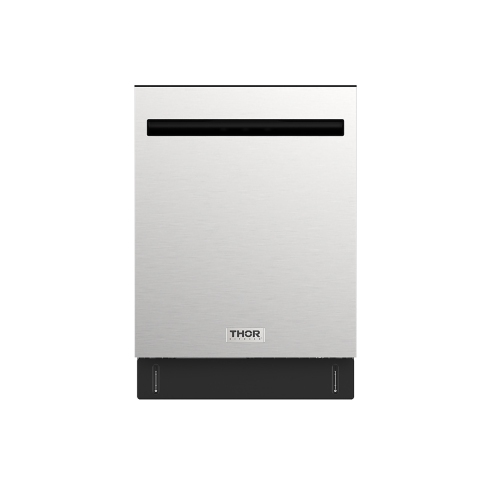

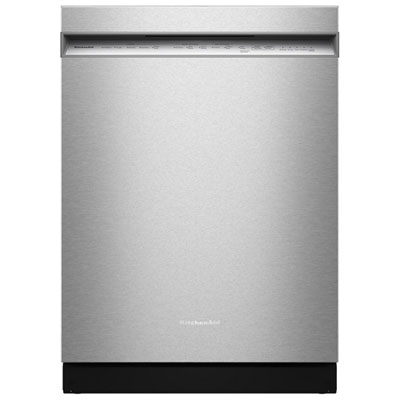
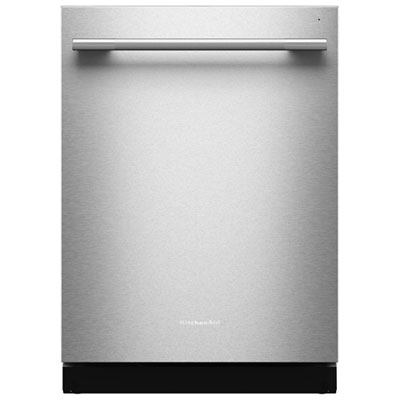
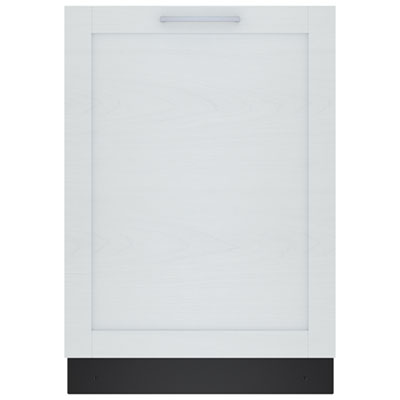
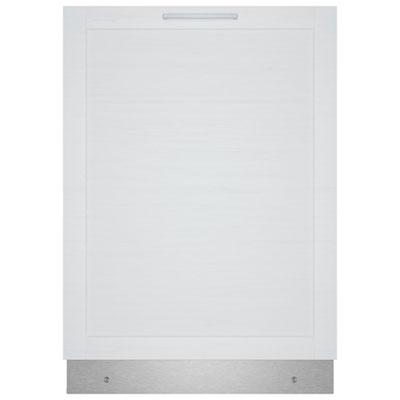
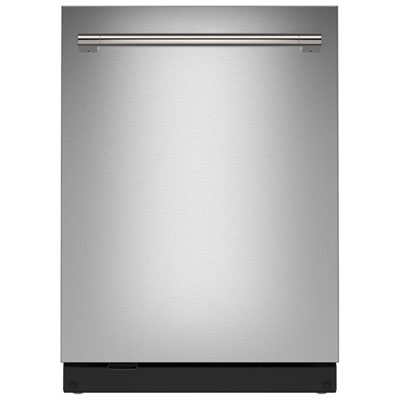
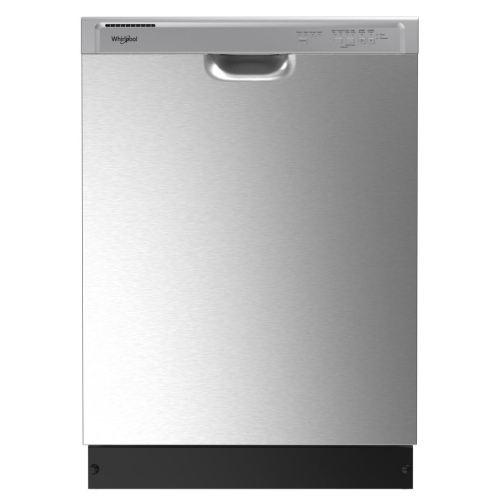
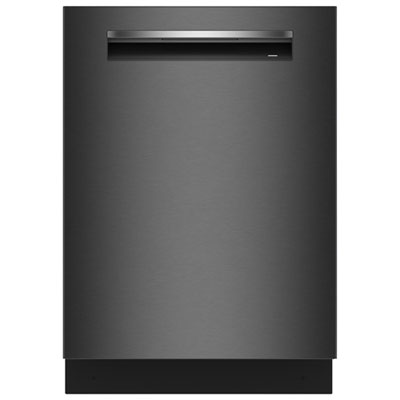
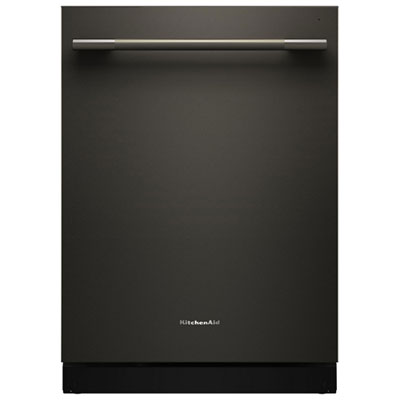
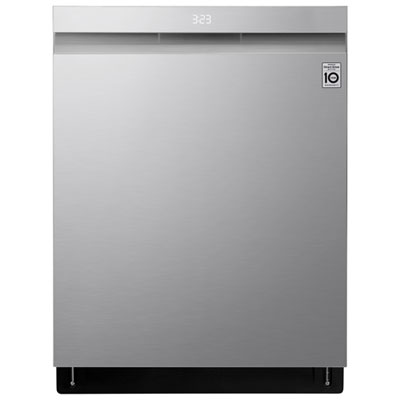
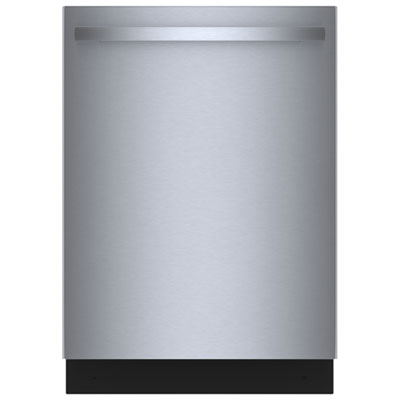
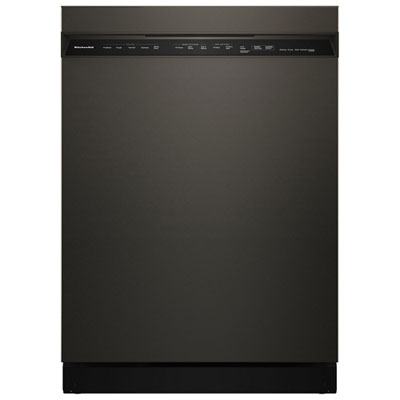
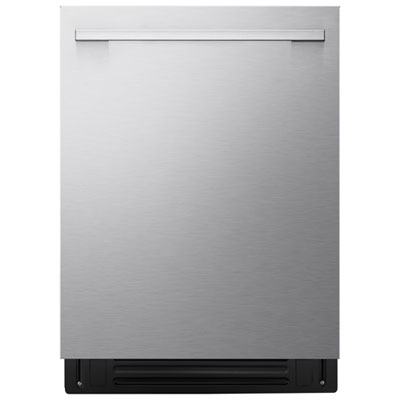
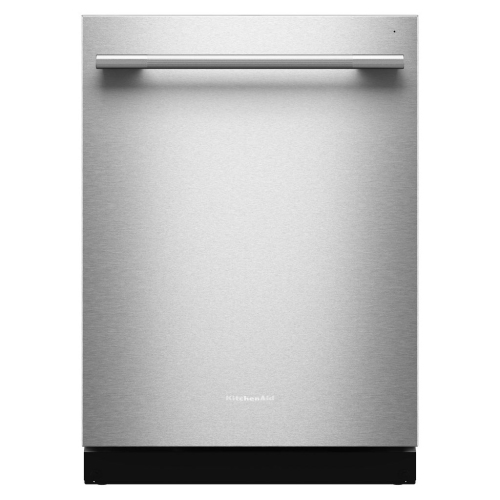
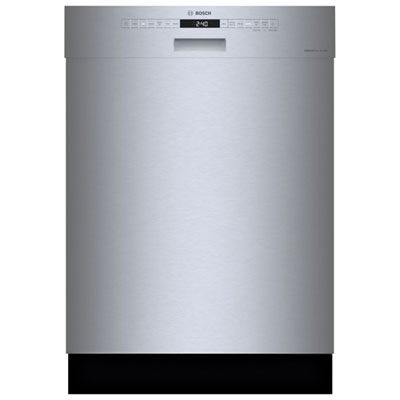
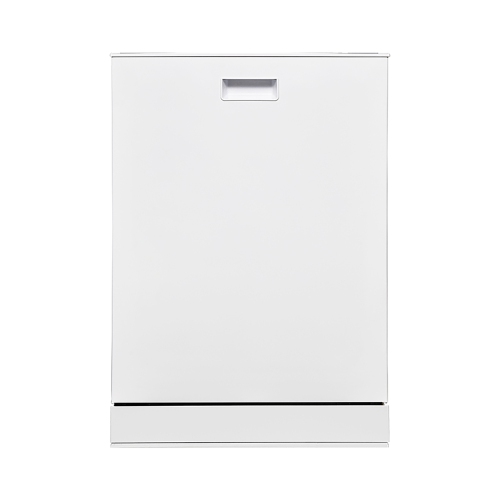

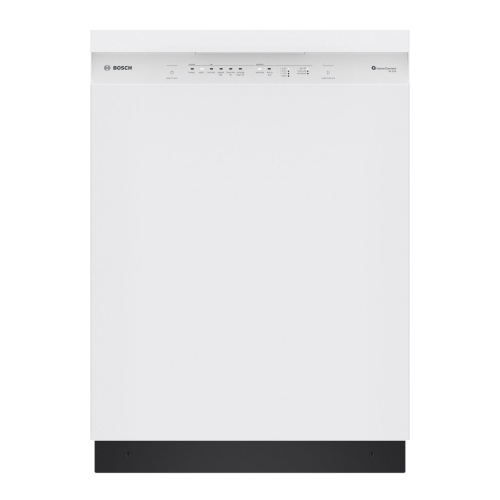
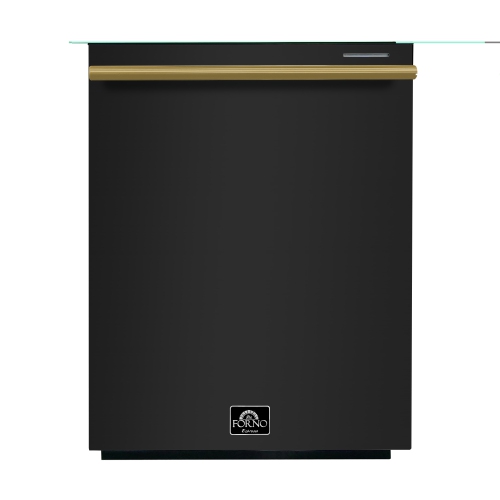
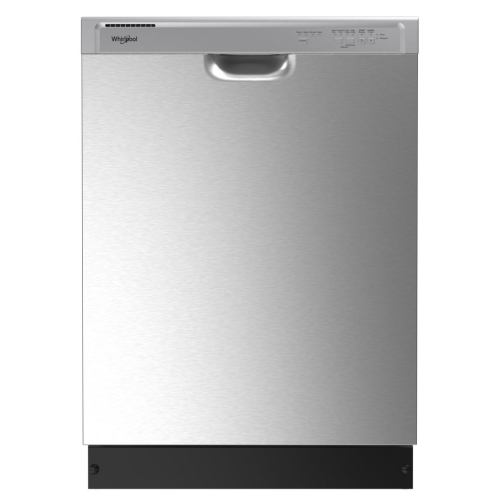
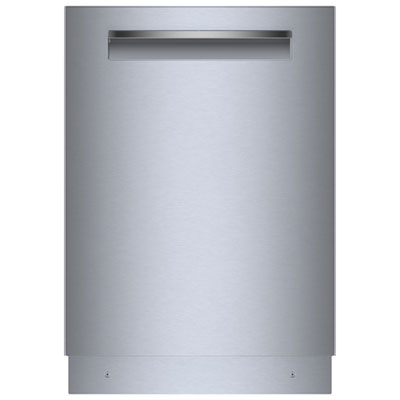
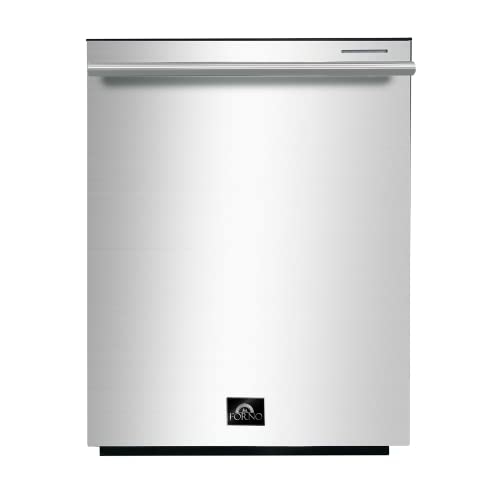
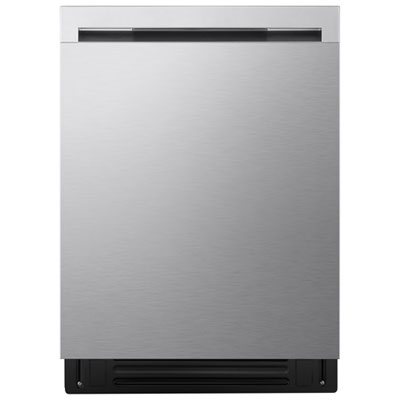
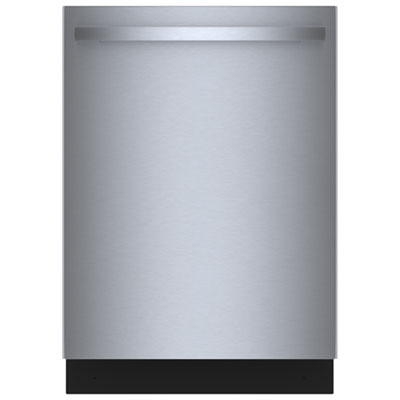
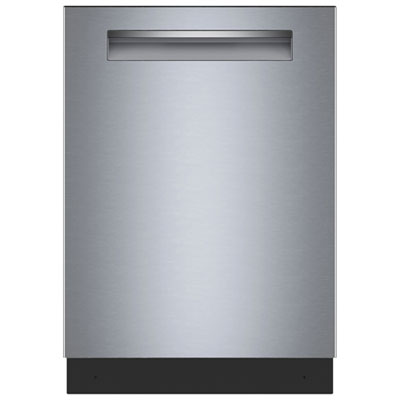
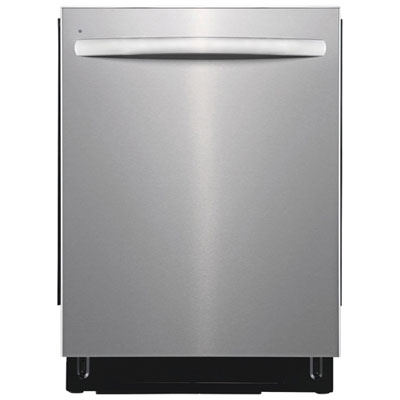
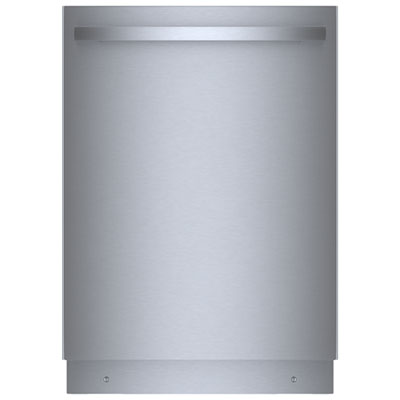
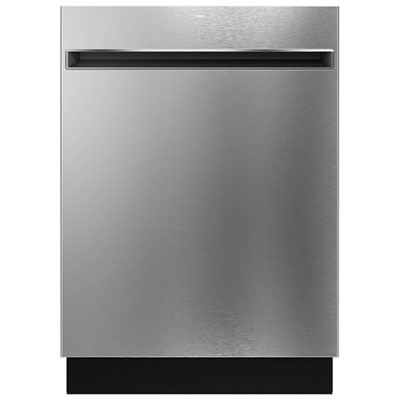


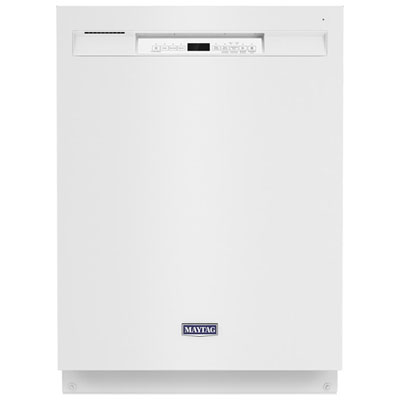
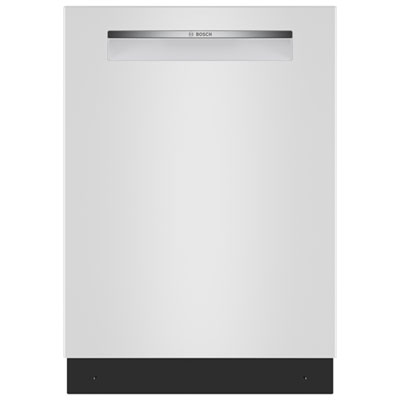
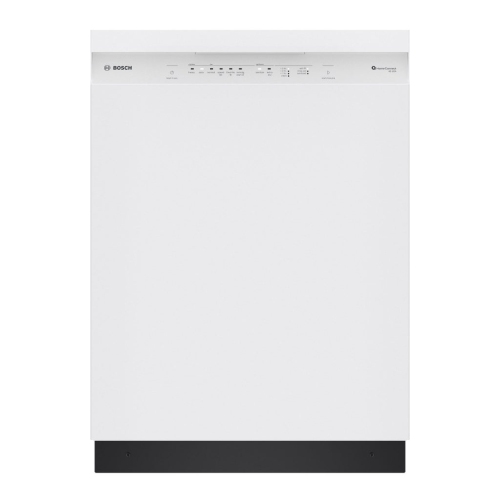
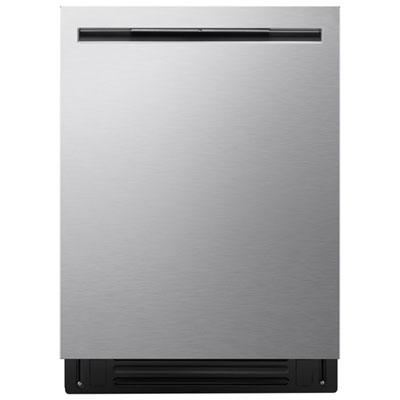
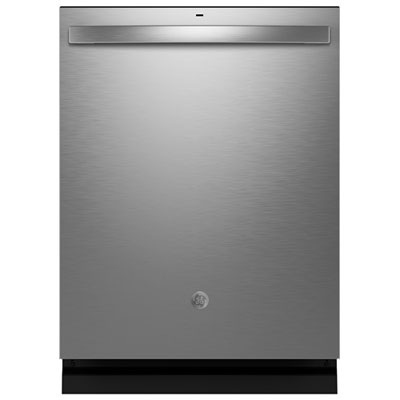
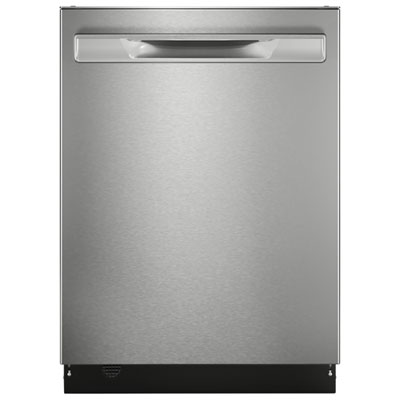
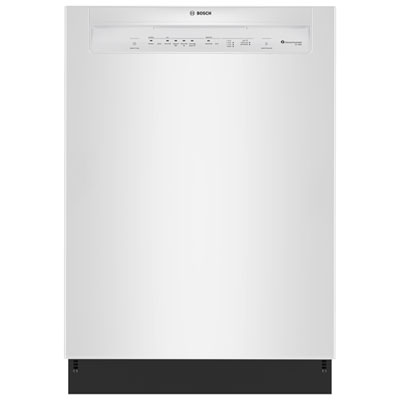

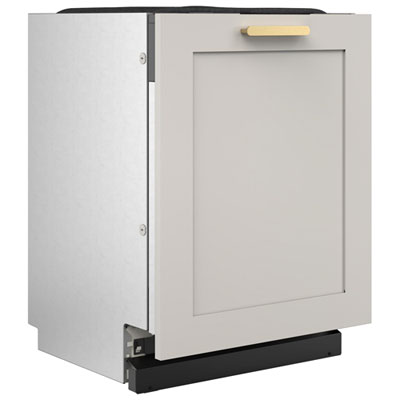
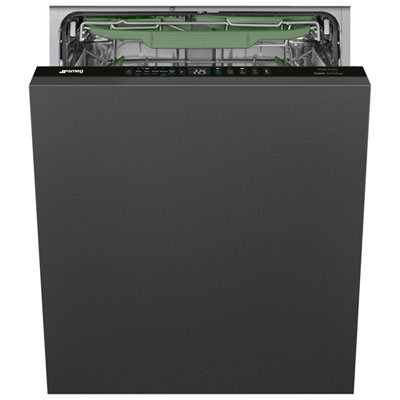
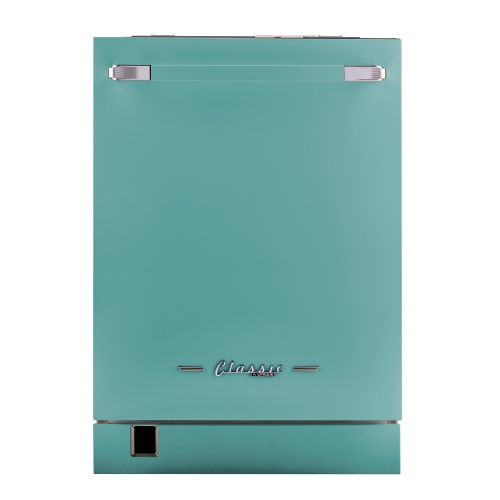
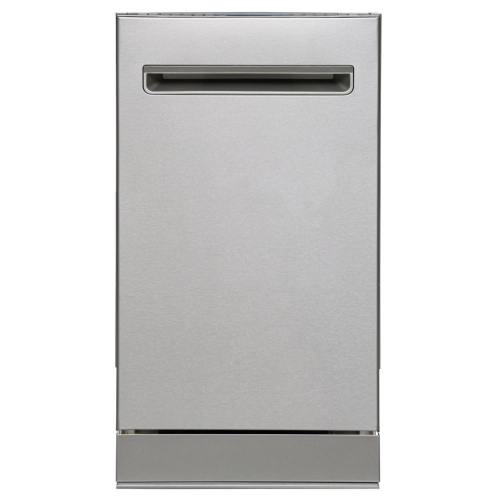

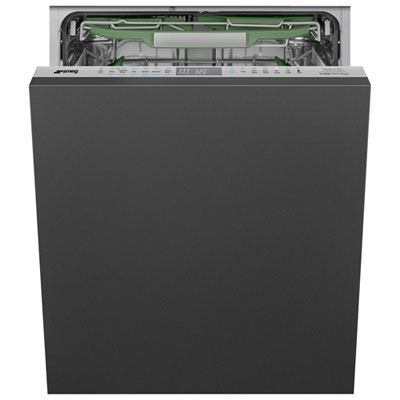


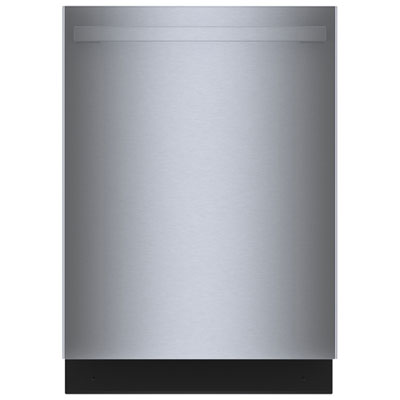
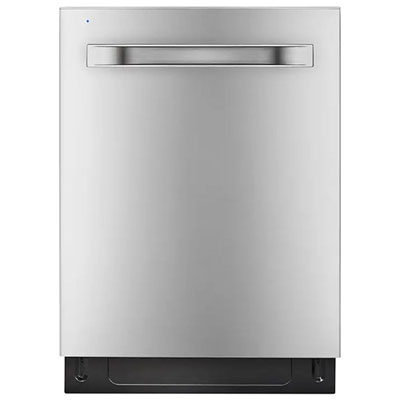
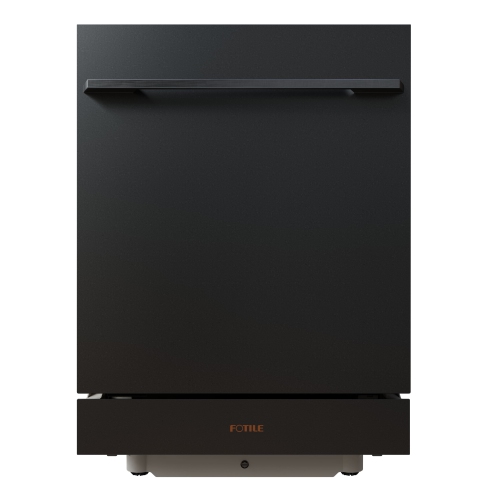
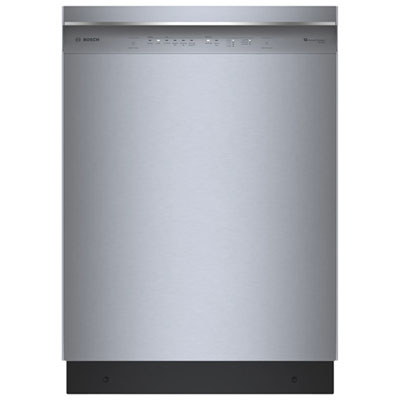
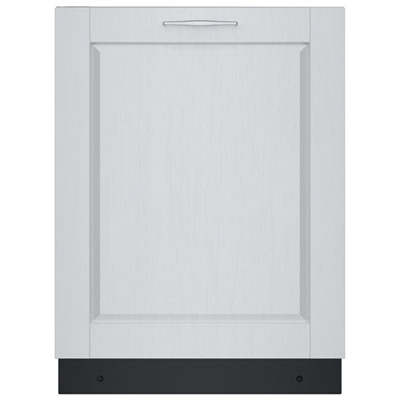
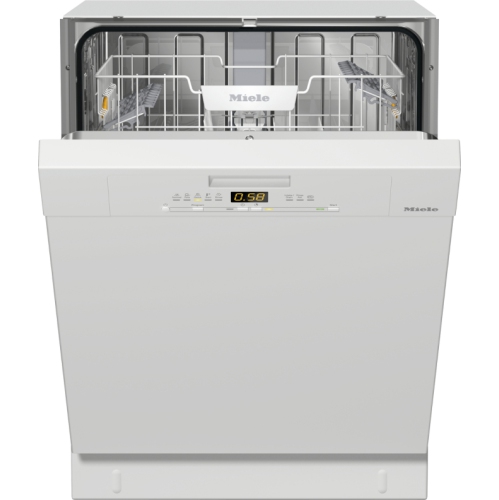
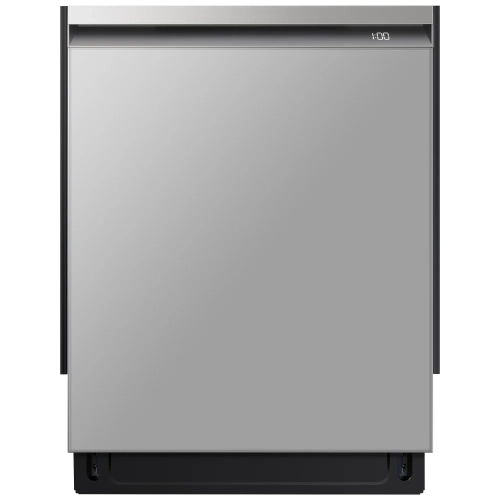
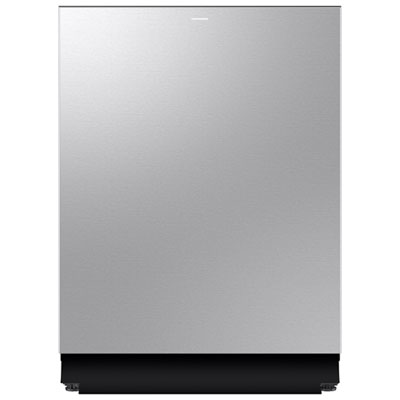
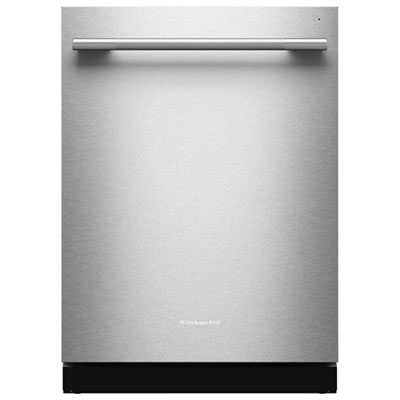
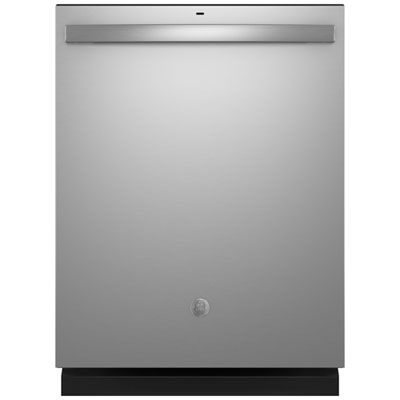
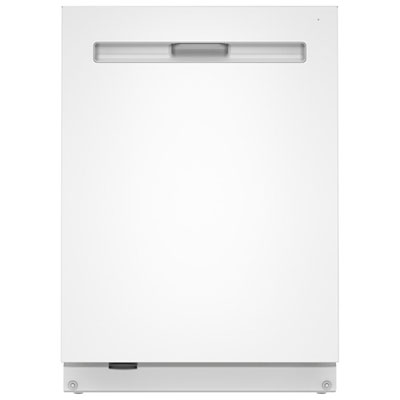

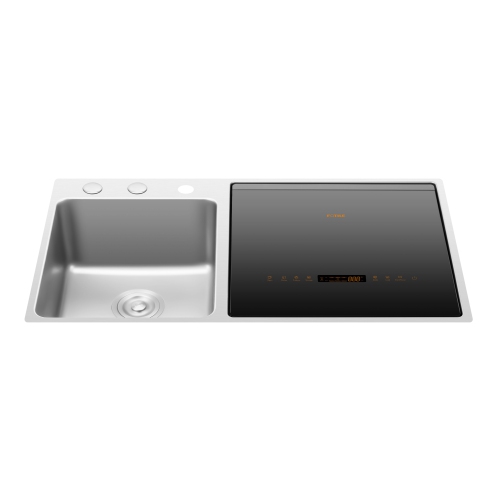
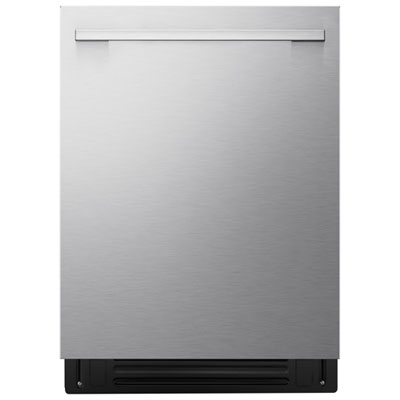
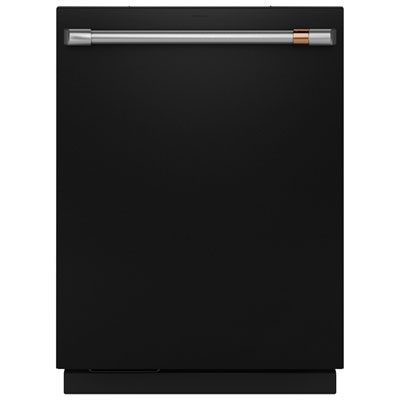
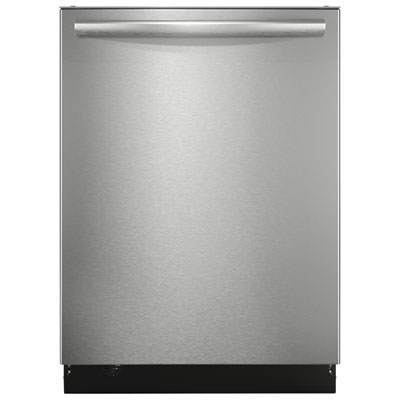
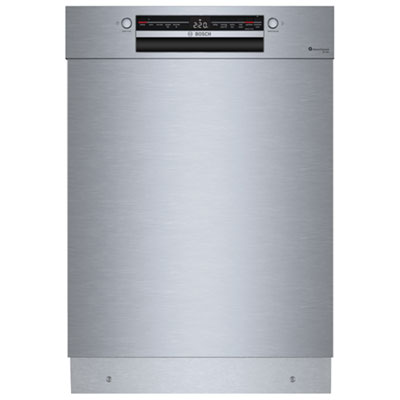
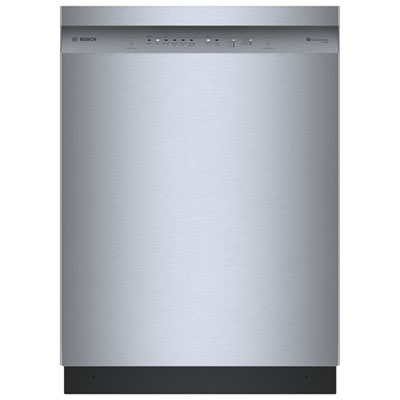
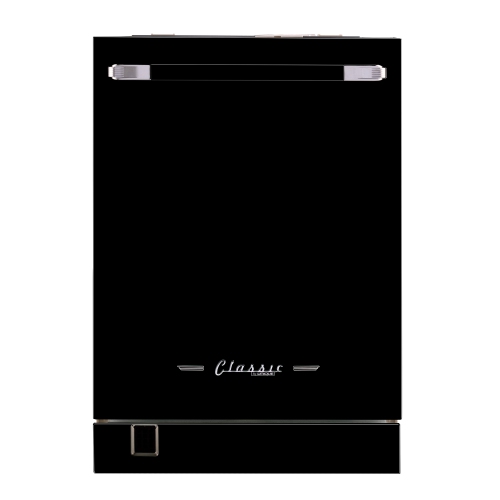
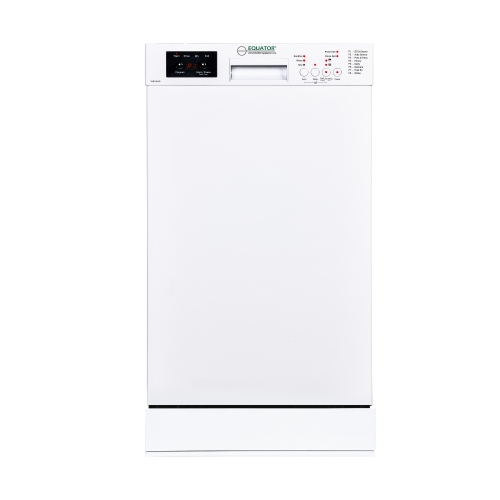
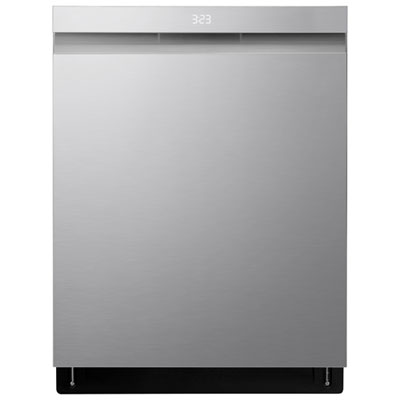
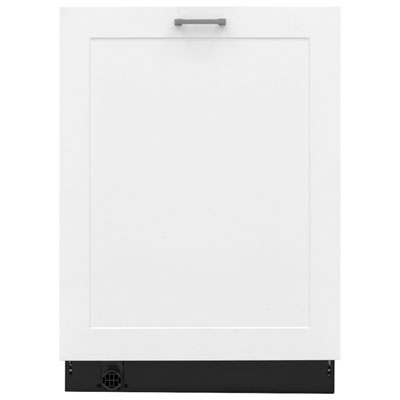
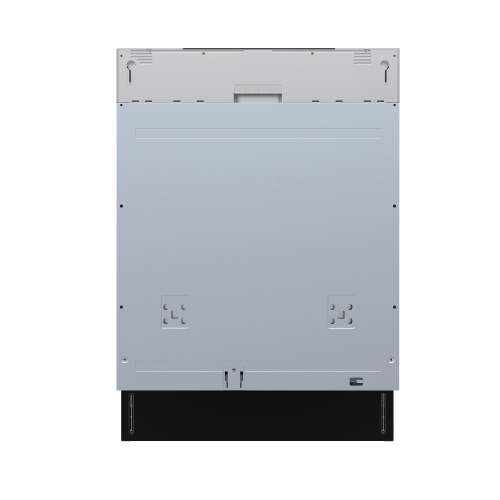
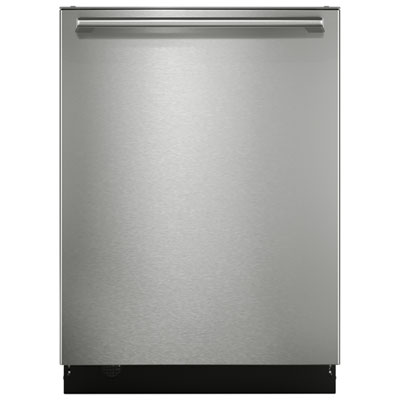
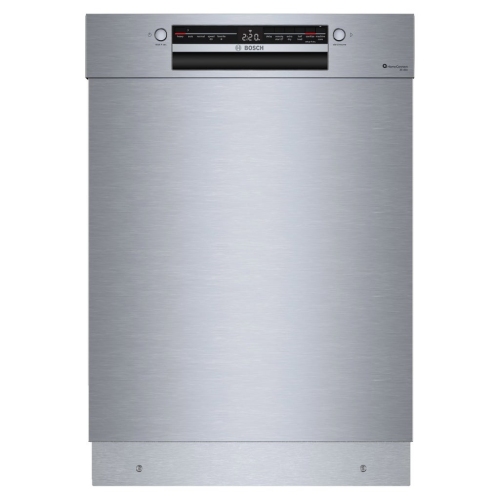
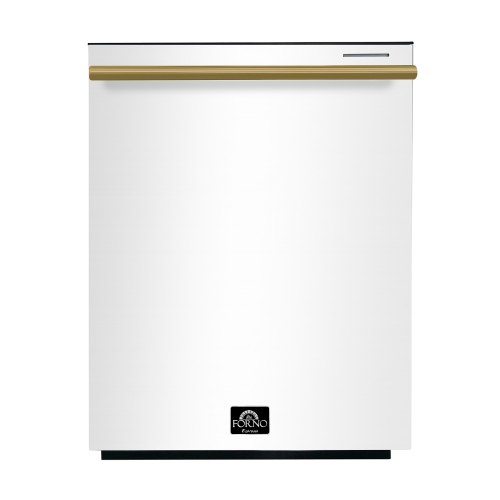
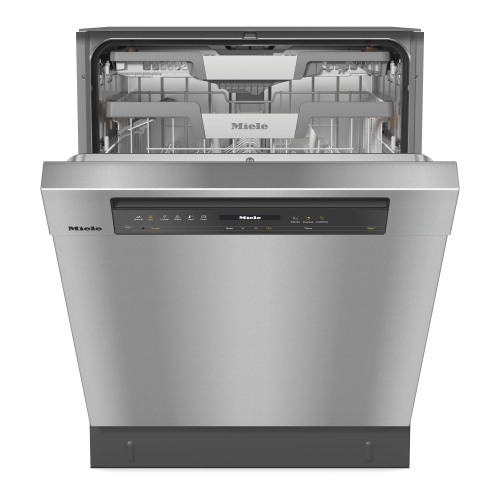
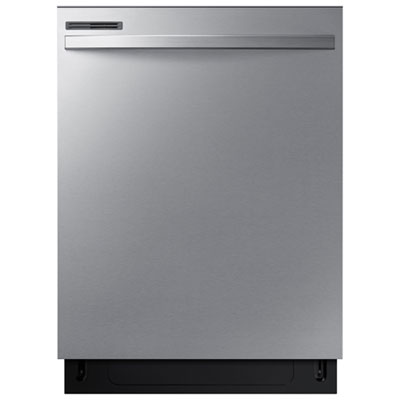

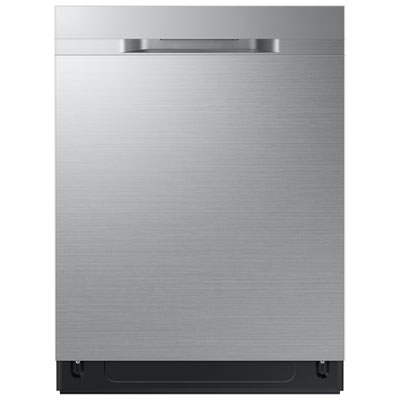
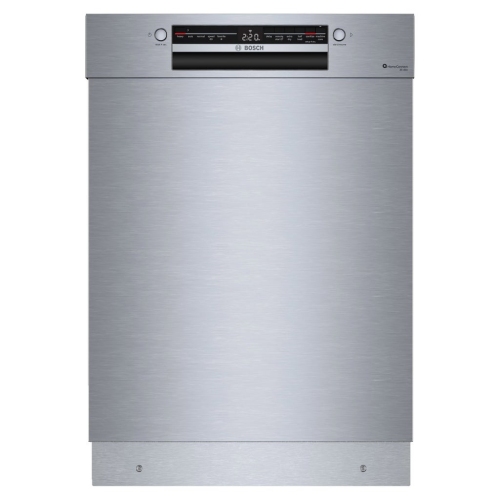
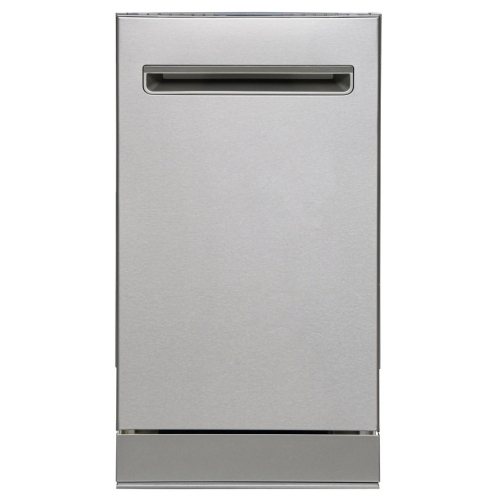
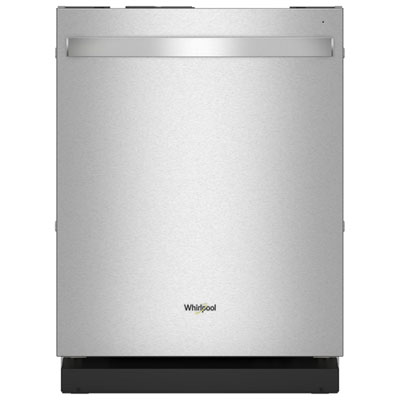
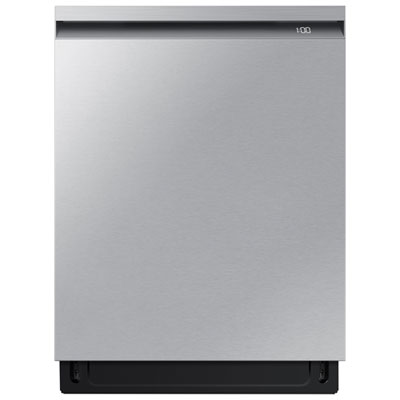
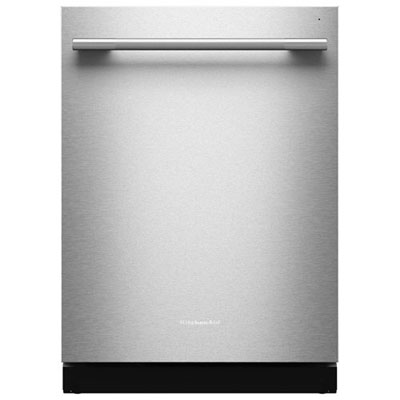
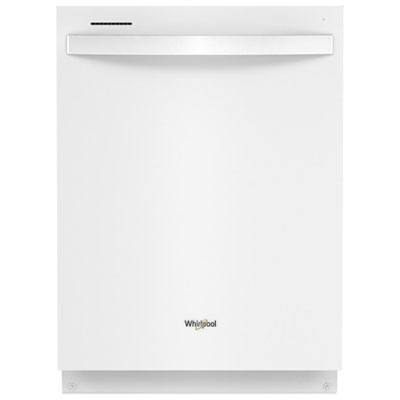
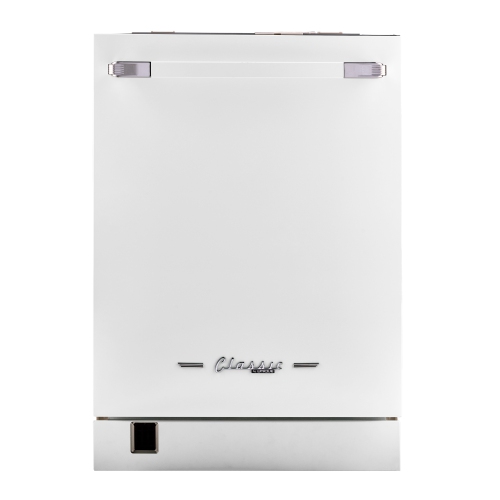
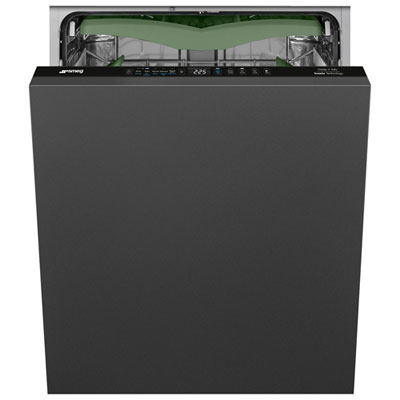
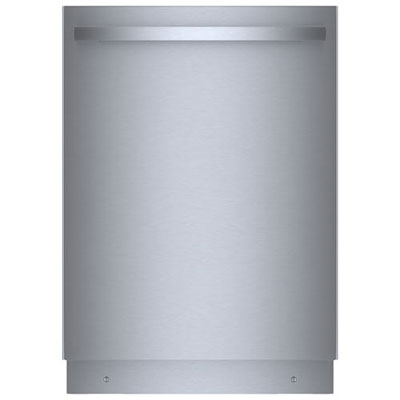
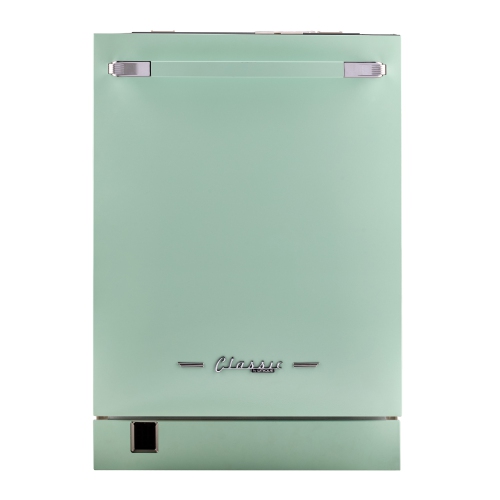
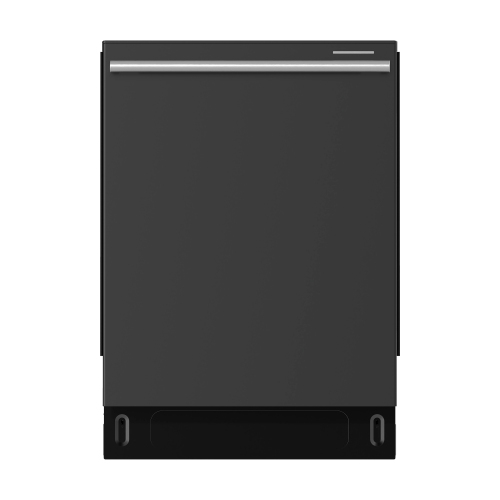

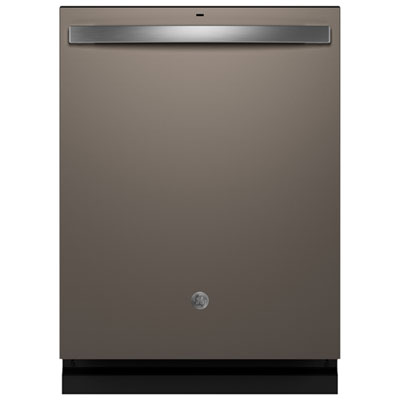


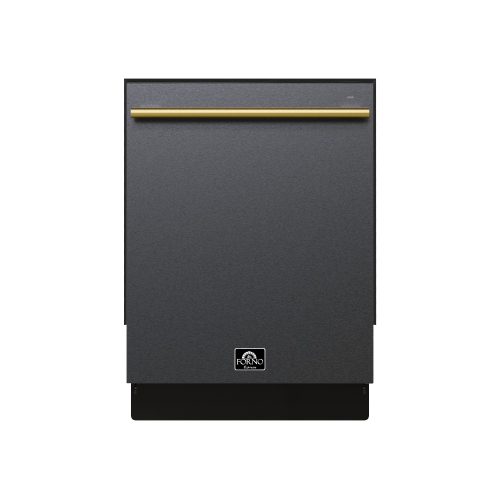

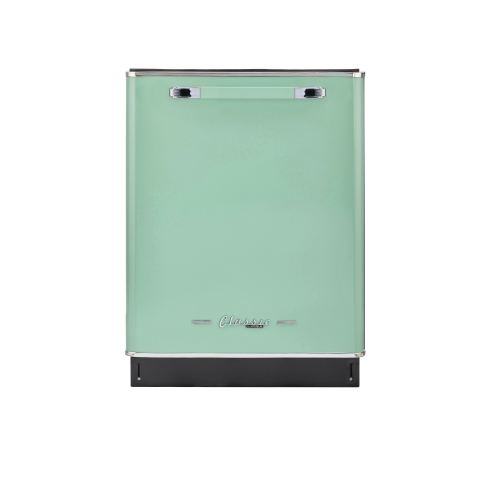
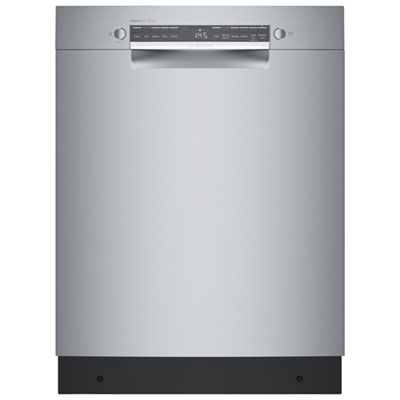

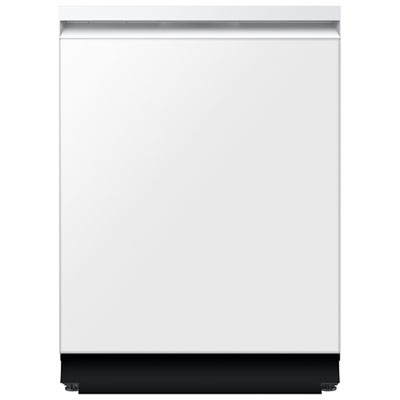
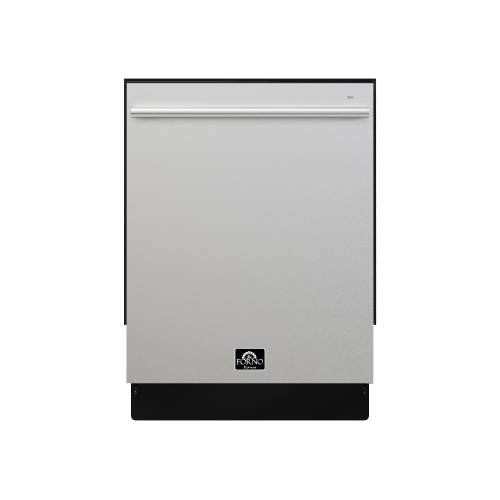


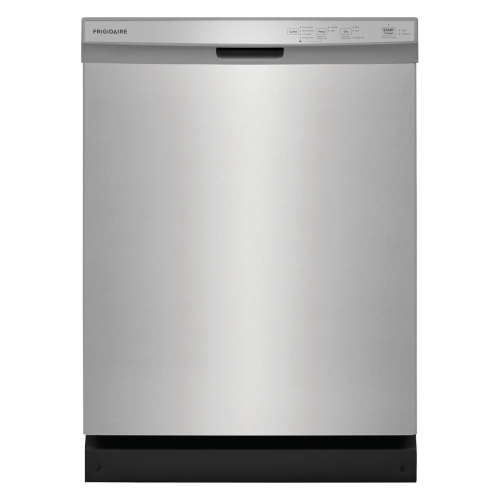
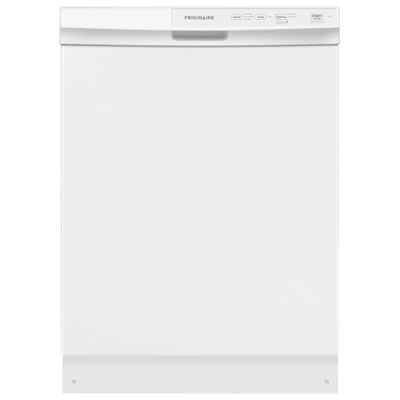

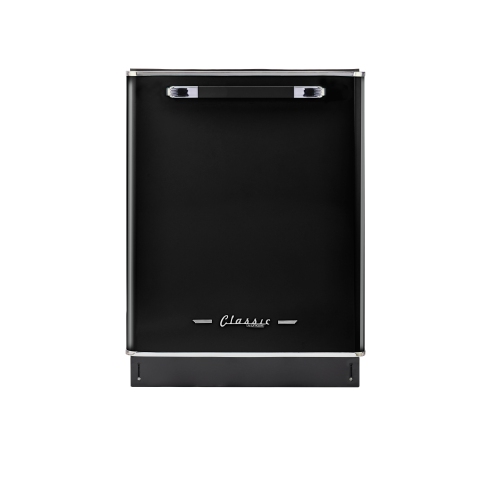
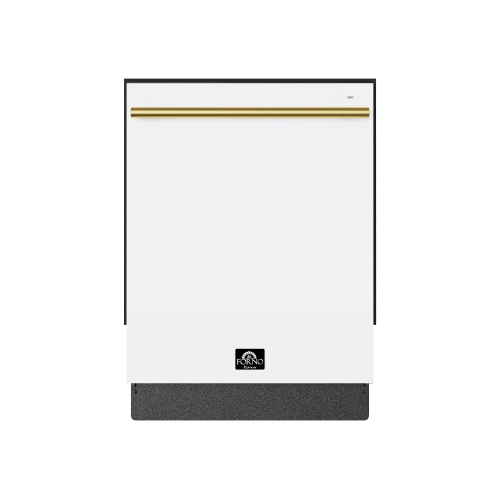

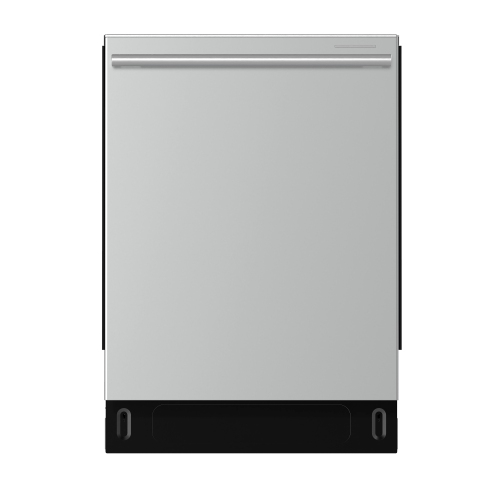

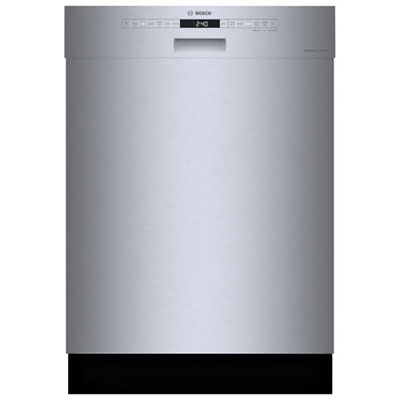
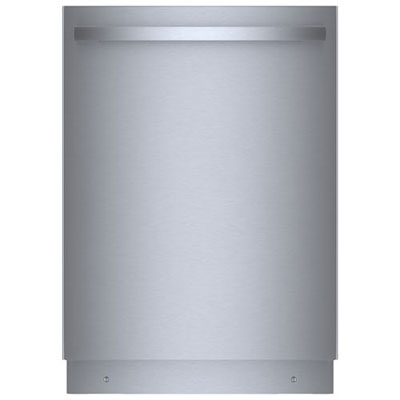
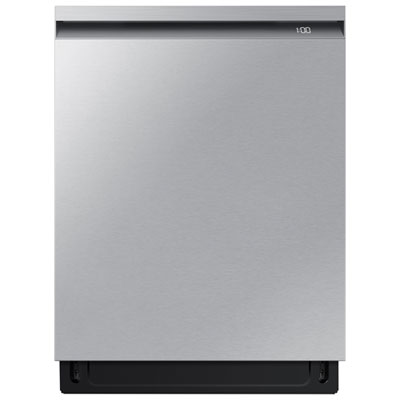


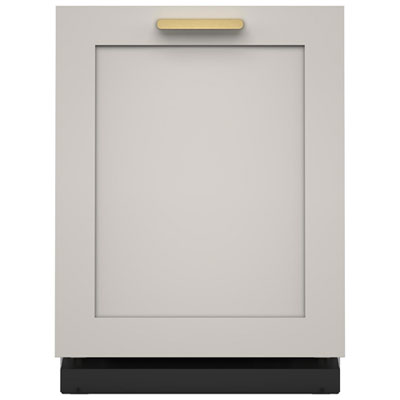
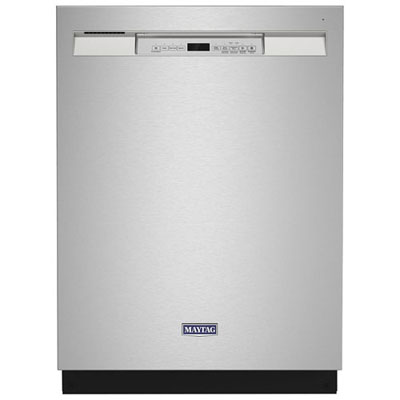

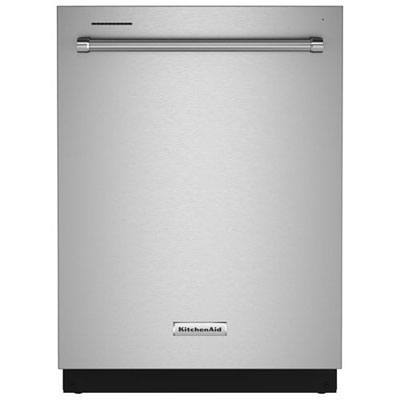
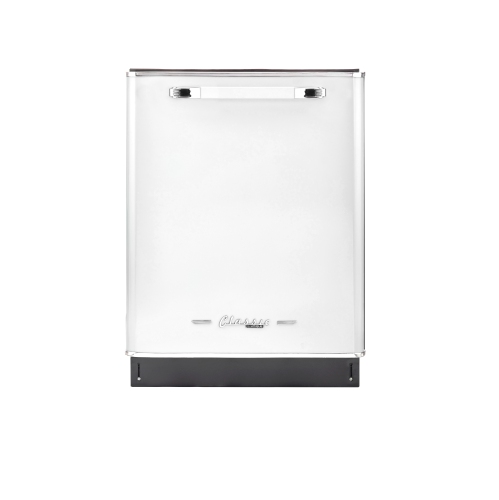
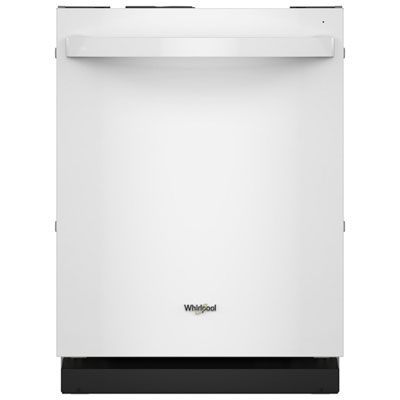

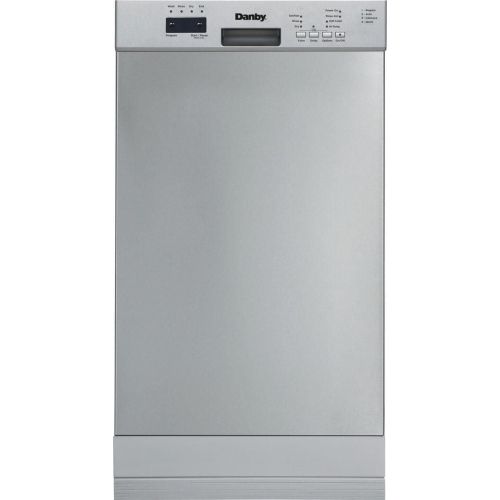
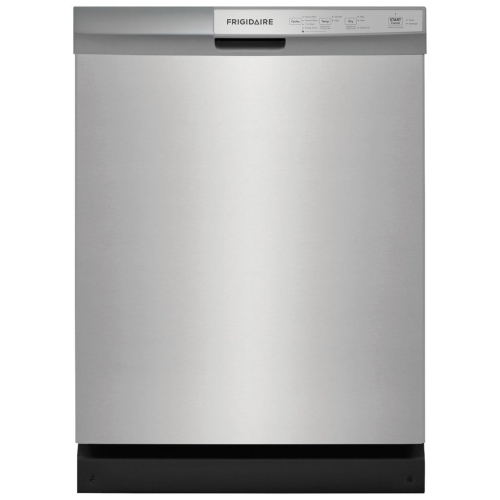
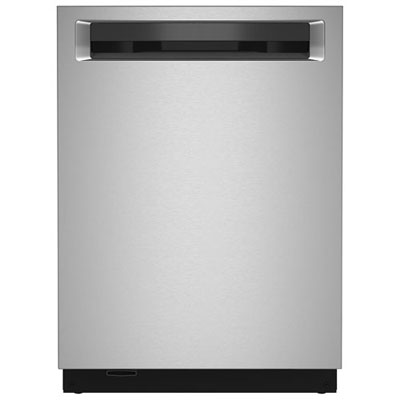
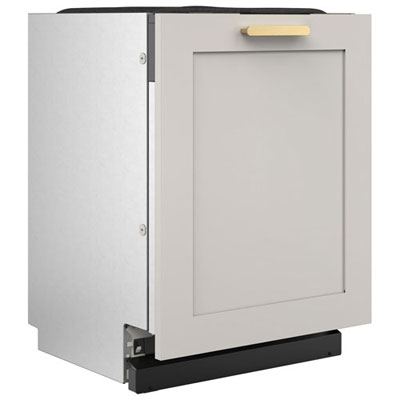
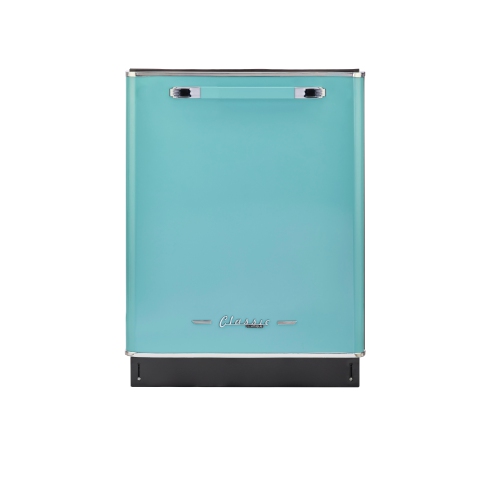
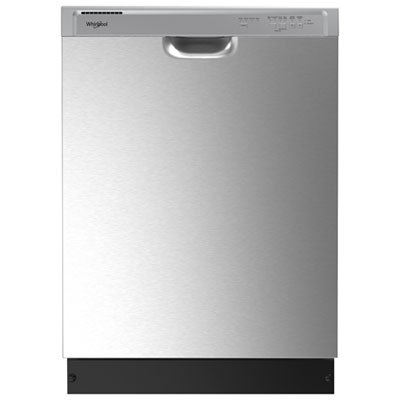

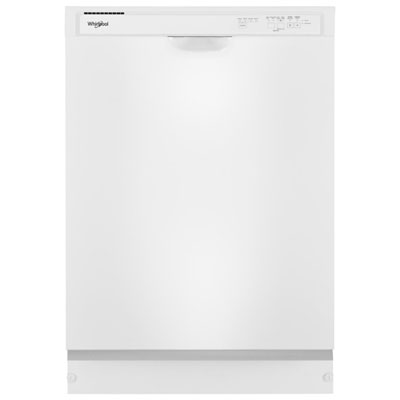

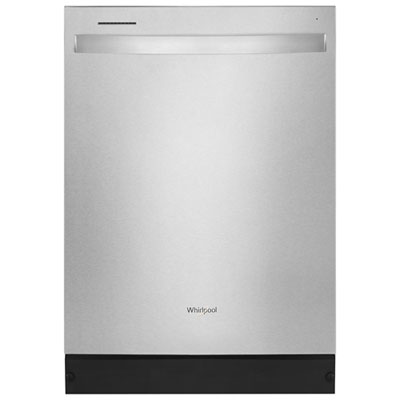

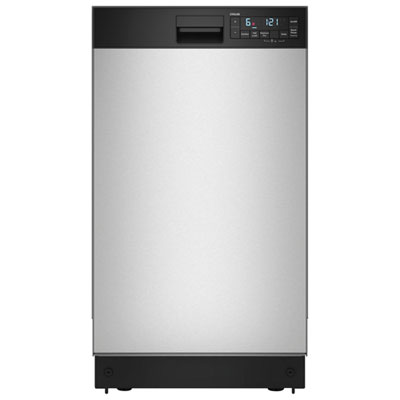
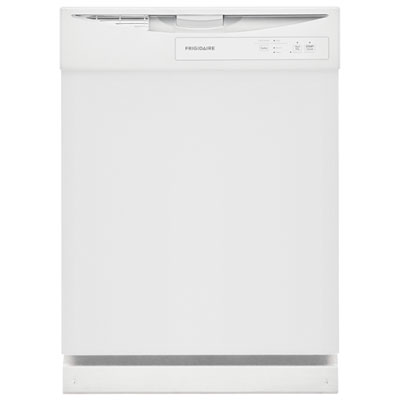

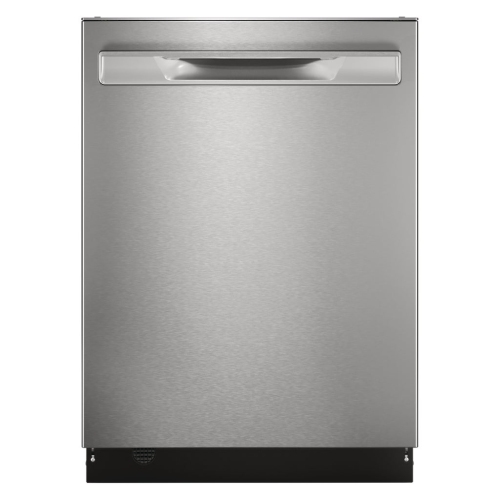
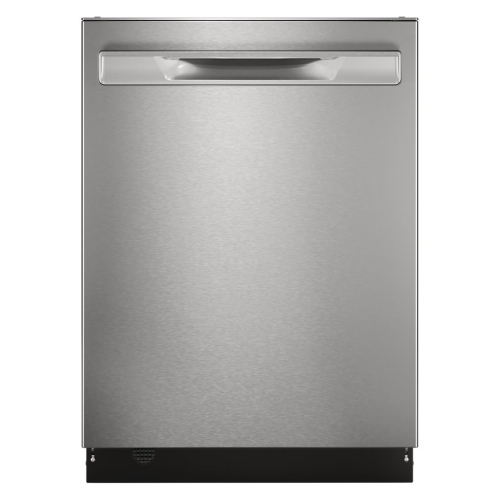


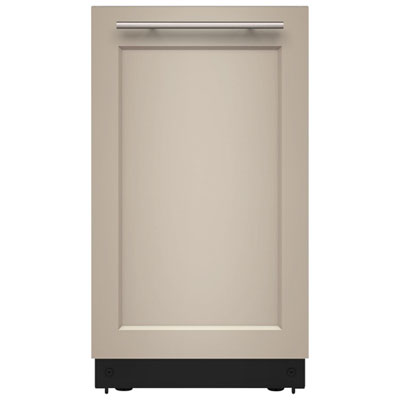

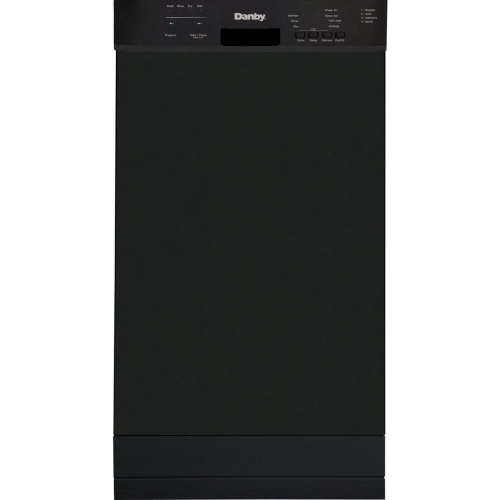
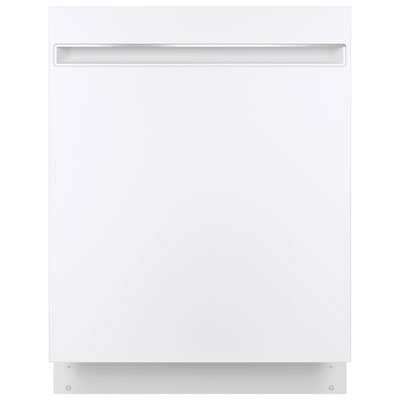
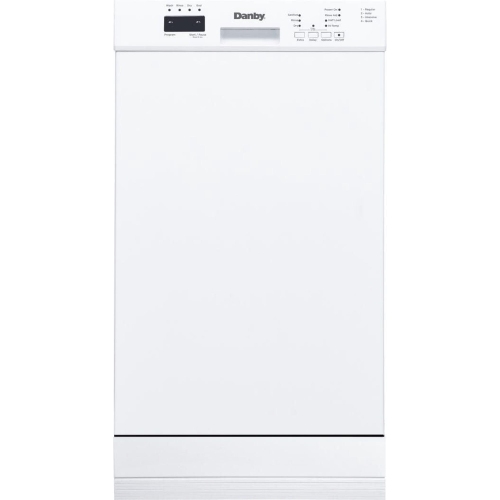
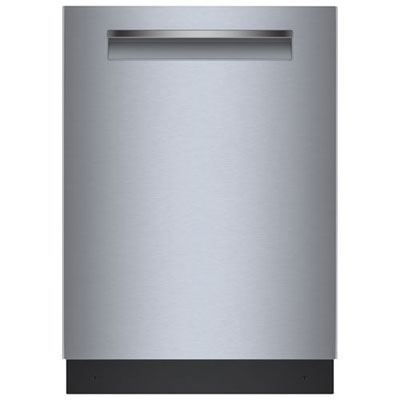
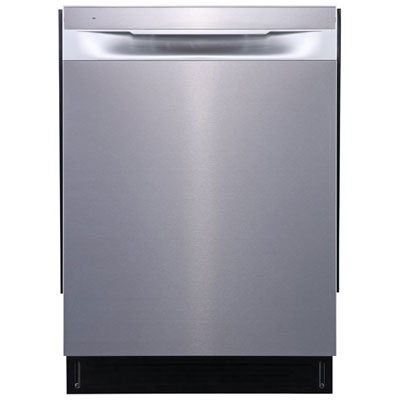

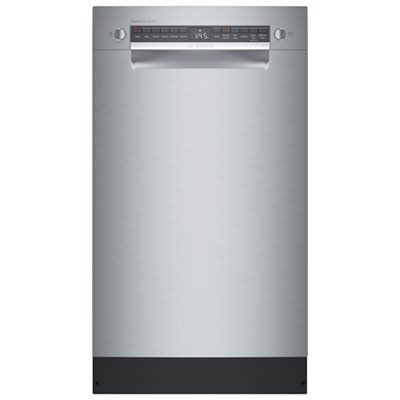
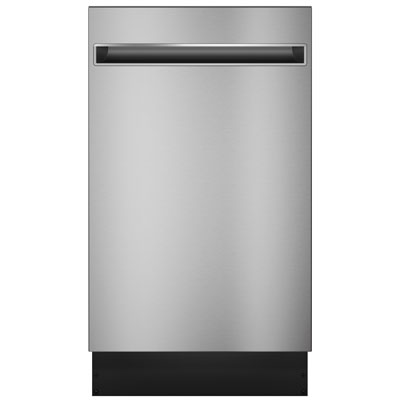


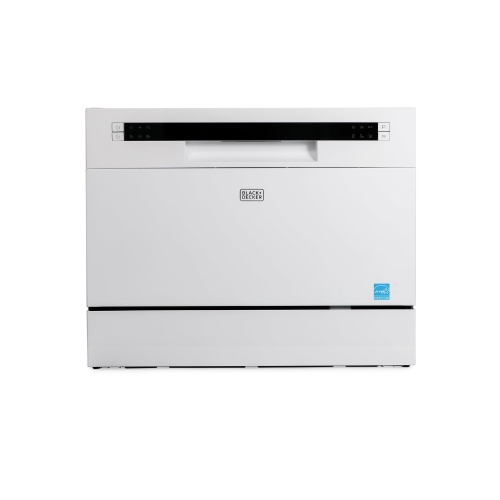
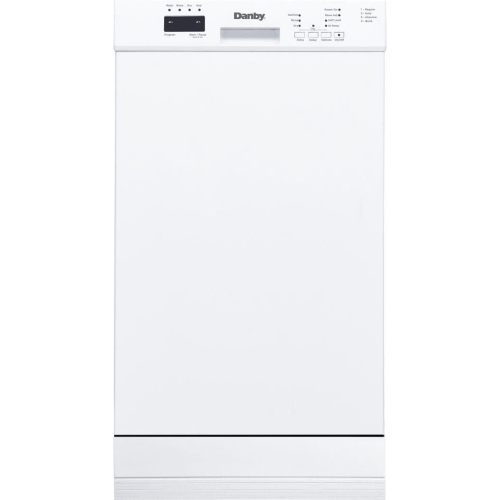
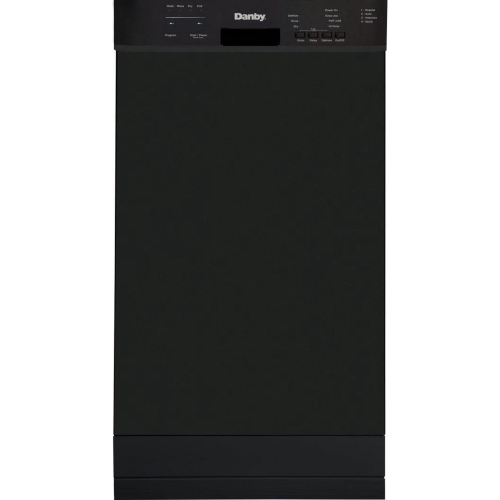

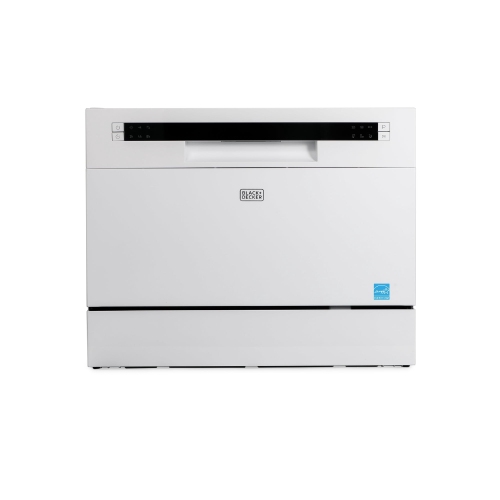
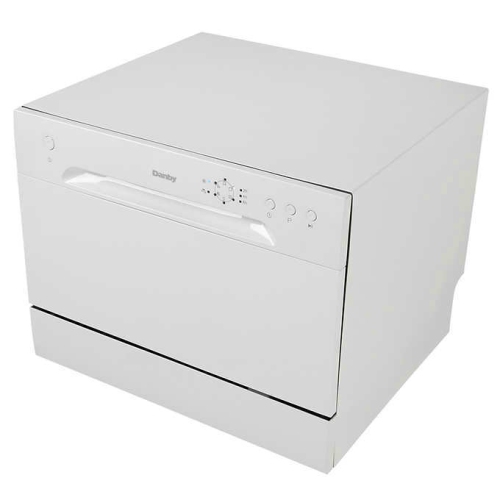


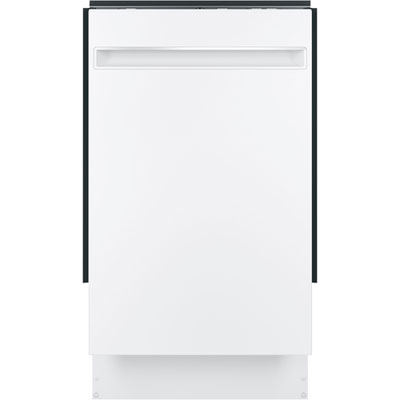

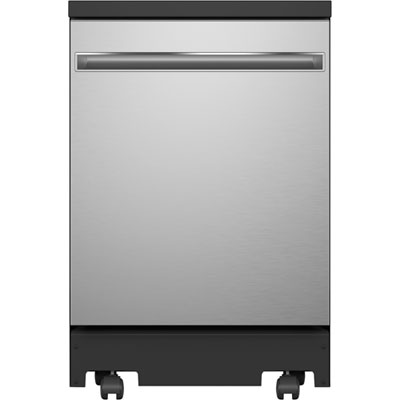
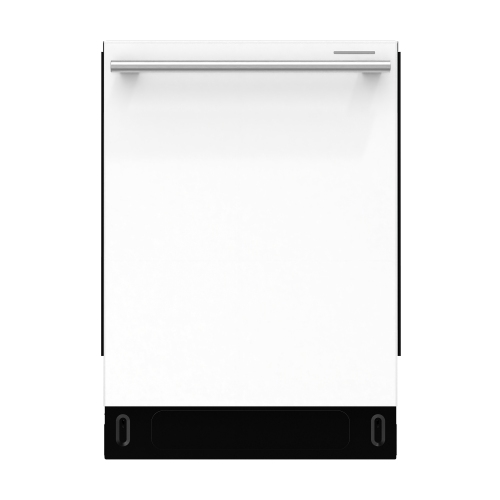
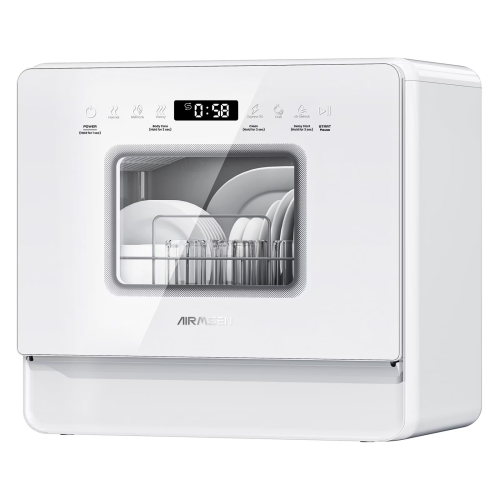
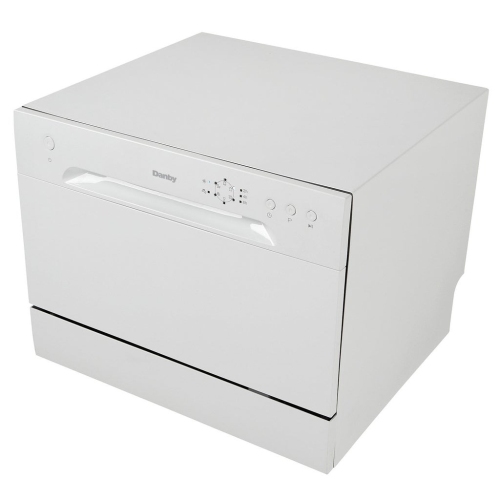


Professional equipment brings faster cycles and greater installation demands
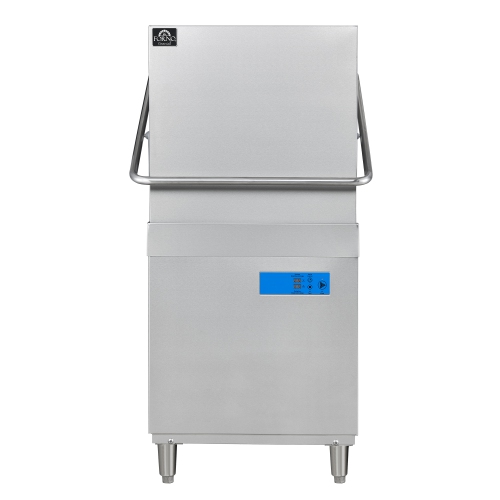
Commercial dishwashers for home use are designed for people who need fast, frequent dishwashing and are comfortable with the practical demands that come with professional-style equipment. Unlike a standard residential dishwasher, a true commercial undercounter dishwasher is built to handle repeated cycles throughout the day, making it suitable for a large household, home-based catering operation, shared living arrangement, workshop kitchen, or entertaining space where plates, glasses, cookware, and utensils accumulate quickly. Many commercial units can complete a wash cycle in roughly two to three minutes, allowing clean dishes to move back into service almost immediately. That speed can be especially useful when preparing several courses, hosting large gatherings, or managing the steady stream of dishes created by a busy household. It also changes the way the machine is loaded and used: instead of waiting for one long residential cycle to finish, users can scrape, load, wash, and unload in a continuous rhythm. These machines generally require food debris to be removed before loading, since many do not include the same type of filtration or food-grinding system found in residential dishwashers. Plates, bowls, and cookware should be scraped thoroughly, and some items may need a quick spray before entering the rack. This extra preparation helps prevent blocked filters, poor wash results, and debris being redeposited on clean dishes. Commercial dishwashers are often offered as high-temperature or low-temperature models. High-temperature units use very hot water, commonly with a booster heater, to sanitize dishes during the final rinse. Low-temperature units rely on chemical sanitizing agents and may have different ventilation, detergent, and handling requirements. The choice affects installation, operating procedures, drying performance, and the way the kitchen must be set up, so checking the manufacturer’s specifications is essential before purchase.
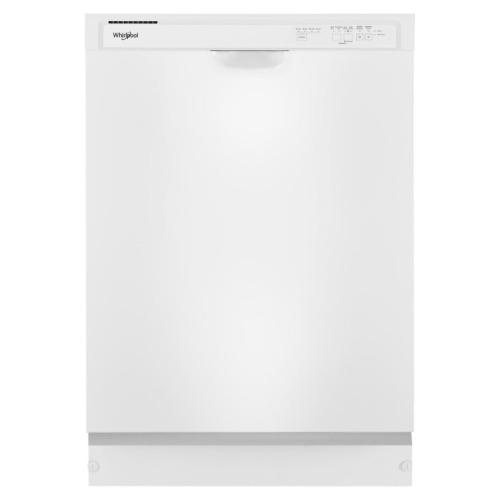
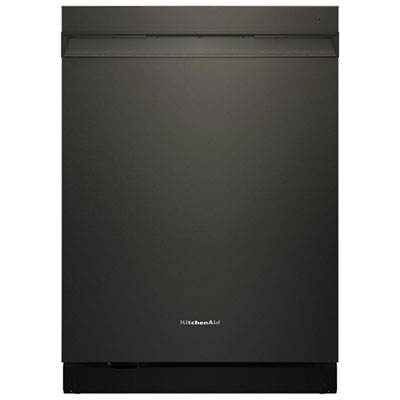
Installation is one of the most important differences between commercial dishwashers and regular home units. A true commercial machine may need a dedicated 240V electrical circuit, high-capacity water connections, a booster heater, commercial drainage, and professional installation. Some high-temperature models also place greater demands on the home’s plumbing and hot-water supply. Before choosing a unit, measure the available opening carefully, including width, depth, height, door clearance, rack clearance, and the route through which the appliance will be brought indoors. Confirm whether the floor can support the equipment and whether the surrounding cabinetry can accommodate exposed connections, hoses, ventilation, and service access. A commercial dishwasher can produce a strong burst of hot steam when its door opens, particularly at the end of a high-temperature cycle, so it should not be positioned where steam could damage cabinets, walls, artwork, or nearby electronics. These units are also typically louder than residential dishwashers because they use powerful pumps and shorter wash cycles with less sound insulation. The rapid operation may be a worthwhile trade-off in a utility room, basement kitchen, garage suite, or dedicated entertaining area, but it may feel intrusive in an open-concept kitchen. Drying can differ as well. Some commercial machines do not use the enclosed condensation-drying process familiar from residential models, which means dishes may emerge hot and damp or may need to air-dry on a rack. Opening the door carefully and allowing steam to escape before reaching inside can make unloading more comfortable. Those who want commercial-style cleaning without rebuilding their kitchen may prefer a professional-grade residential dishwasher. This category is designed to fit standard home cabinetry and hookups while offering features such as powerful spray arms, larger filters, reinforced racks, high-capacity interiors, and a more polished balance between cleaning strength, sound control, and drying. The distinction between a true commercial unit and a heavy-duty residential model is important: both may have a professional appearance and robust performance, but their electrical requirements, sanitation methods, cycle times, noise levels, and installation needs can be very different.
When comparing commercial dishwashers for home, start with the way the appliance will actually be used rather than choosing solely by cycle speed or appearance. A household that hosts frequent dinners may value quick turnaround, strong glassware handling, and racks that can accommodate serving platters, mixing bowls, and tall stemware. A home baker or meal-prep enthusiast may need adjustable rack space and dependable coverage for sticky residue on pans and utensils. Families with several people sharing the kitchen may appreciate a large interior and a workflow that keeps dishes from piling up beside the sink, while a small home-based food business may prioritize sanitation settings, repeat-cycle capability, and straightforward controls. Review the required detergent and rinse aid, whether a chemical sanitizer is necessary, the availability of replacement racks and filters, and how easily the unit can be serviced. Check the wash temperature, water consumption per cycle, recovery time between cycles, maximum dish dimensions, and recommended loading pattern. Careful loading matters: spray jets need a clear path, cups should be angled so water can drain, and large trays should not block the rotating arms. Sharp knives, delicate crystal, wooden items, and cookware with special finishes may need to be washed separately or by hand, depending on the manufacturer’s instructions. It is also wise to confirm local electrical and plumbing requirements and arrange professional installation when the unit calls for a dedicated circuit, new drainage, or a booster heater. For households that want dependable capacity without commercial infrastructure, exploring Dishwashers for Families can help put size, rack design, quiet operation, and everyday convenience into perspective. Commercial-style dishwashers are rarely an impulse purchase or a typical gift, but they can be a thoughtful choice for someone outfitting a serious home kitchen, expanding a catering setup, or creating a dedicated entertaining space. With the right measurements, utilities, ventilation, cleaning routine, and expectations around noise and steam, the right machine can turn a demanding dishwashing workload into a fast, repeatable part of the kitchen routine during busy gatherings and throughout the cooler months.
Top selling and popular products
-
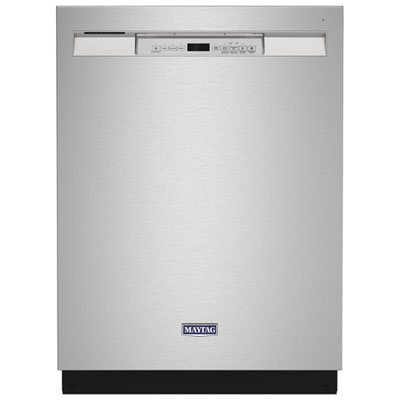 Your price for this item is $799.99
-
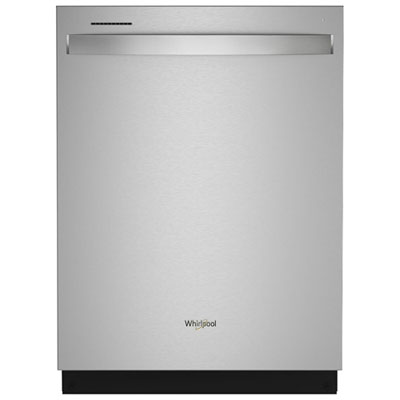 Your price for this item is $799.99
-
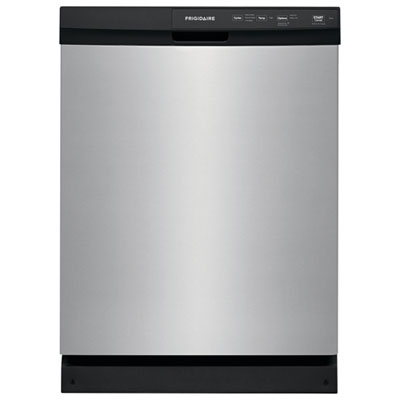 Your price for this item is $479.99
-
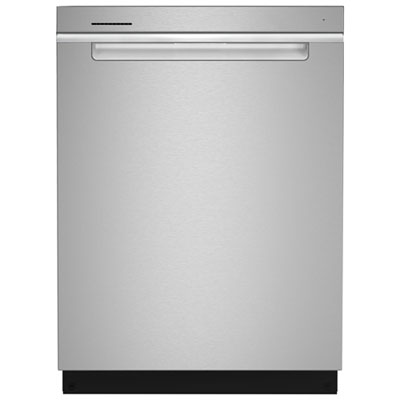 Your price for this item is $799.99
-
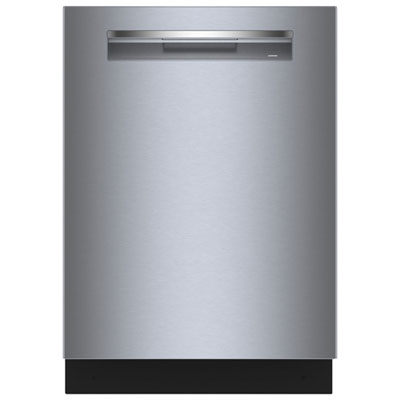 Your price for this item is $2599.99
-
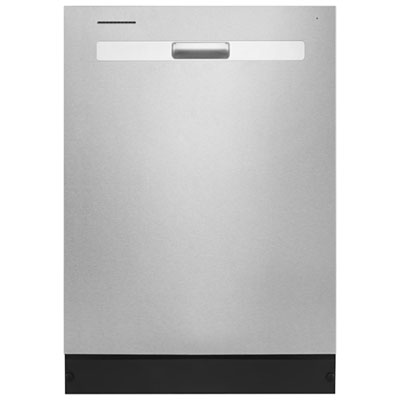 Your price for this item is $649.99
-
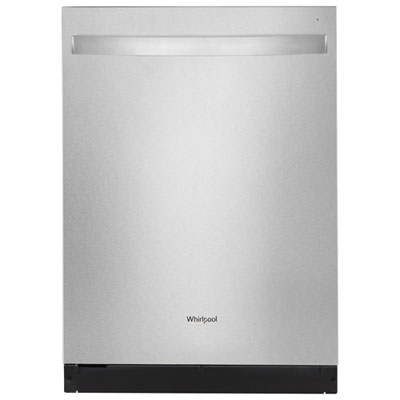 Your price for this item is $699.99
-
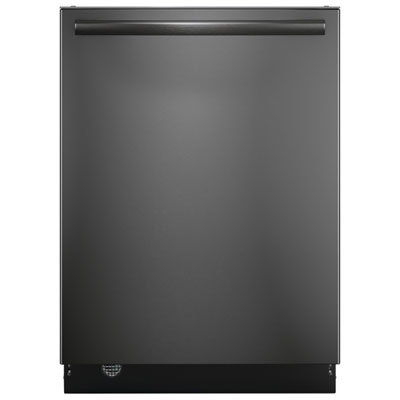 Your price for this item is $949.99
Discover more categories related to Commercial Dishwashers for Home

Top Collections:
Pokemon Centers, Best Cameras for Sports Photography, Kindle Devices, Samsung Galaxy Phones, Canon G7X Cameras, Pokémon 30th Celebration Cards, Refurbished Apple Laptops, iPhone 15 Apple, Laptops for Students, Budget Smartphones
Some products may be subject to Environmental Handling Fees
(EHF) depending on your province.
Learn more about EHFs.