Electric Stovetop Burners
Upgrade your kitchen with our selection of electric stovetop burners, designed to bring convenience and efficiency to your cooking experience. Whether you're looking to add extra cooking space for large gatherings or seeking a portable solution for your culinary adventures, our range of electric stovetop burners offers versatility and performance. With sleek designs and advanced features, these burners are perfect for any home chef looking to elevate their cooking capabilities.
Sort

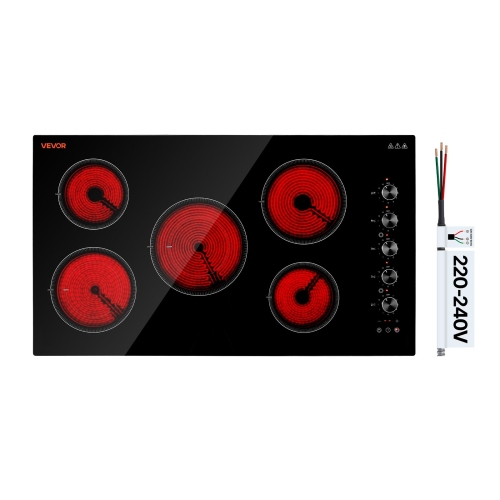
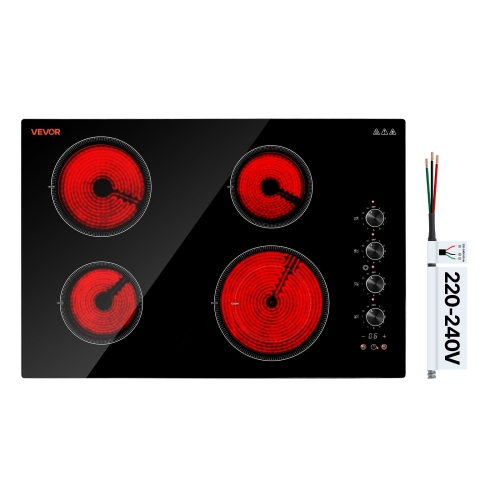
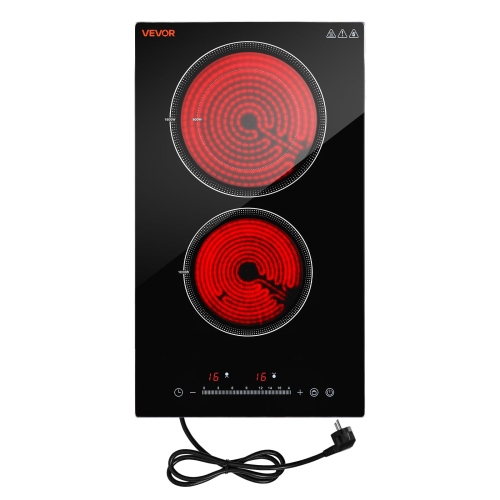
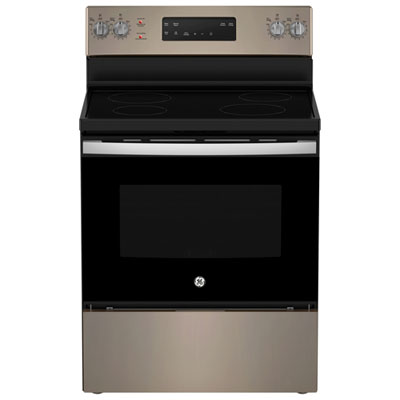
Why burner design matters from boil to simmer
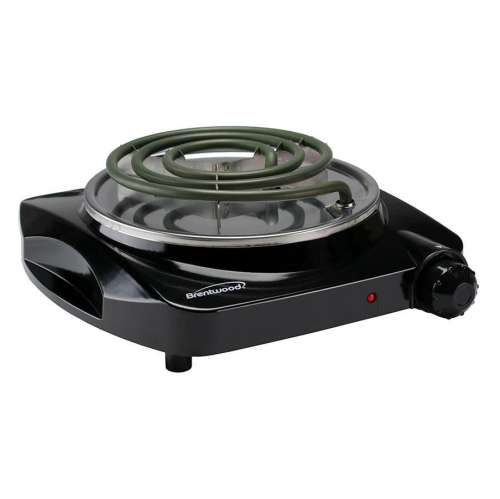
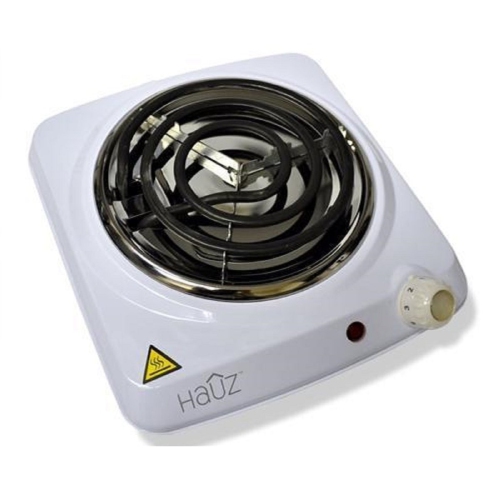
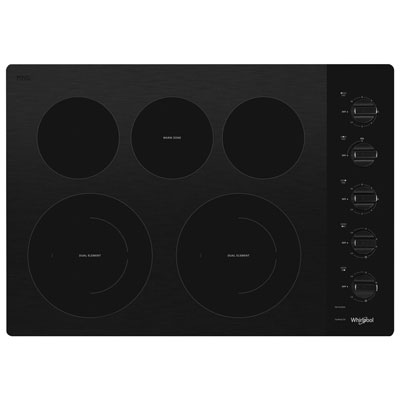
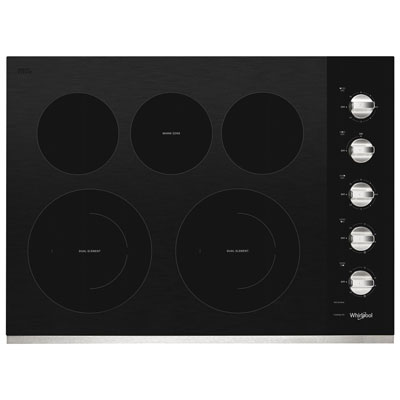
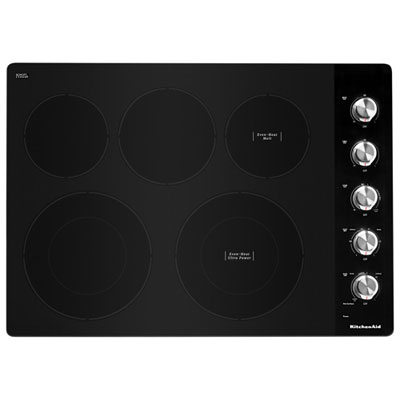
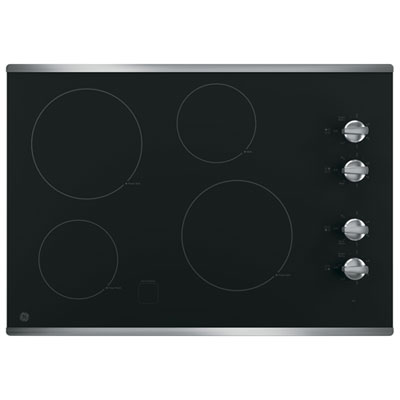
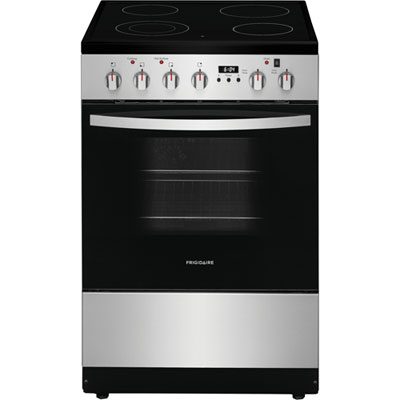
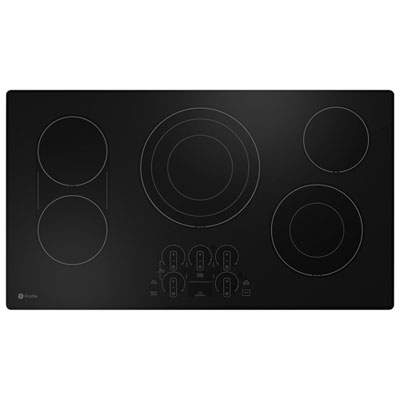
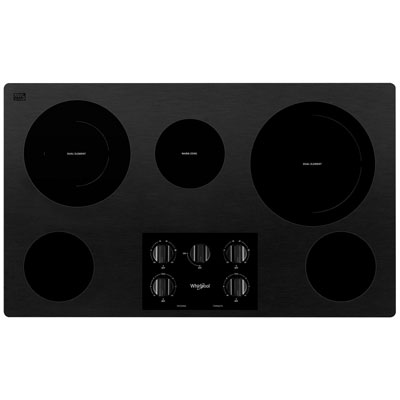
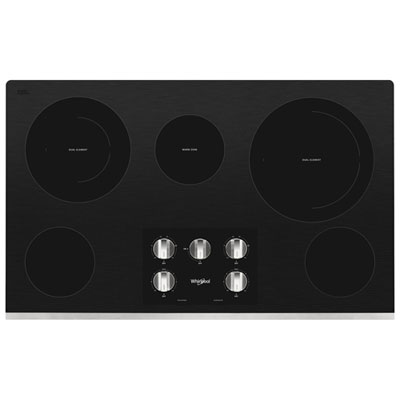
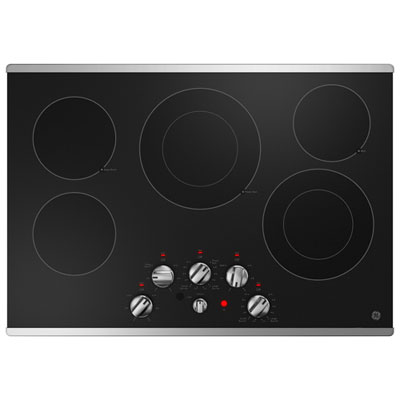
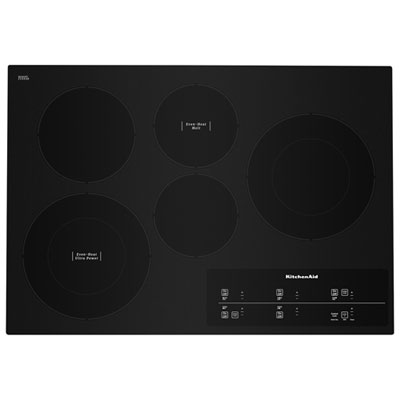
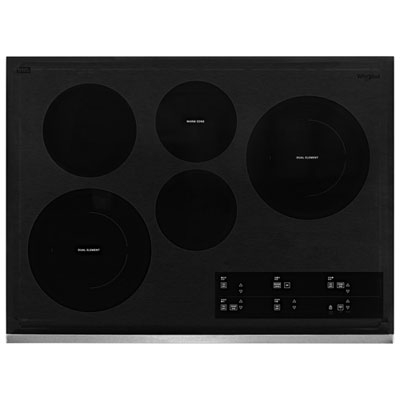
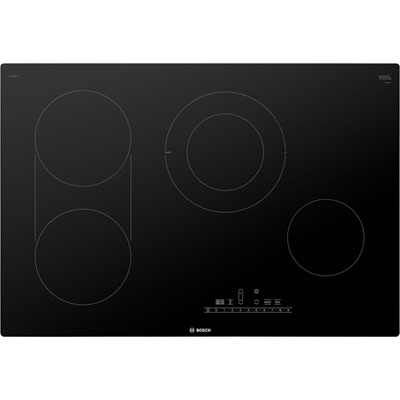
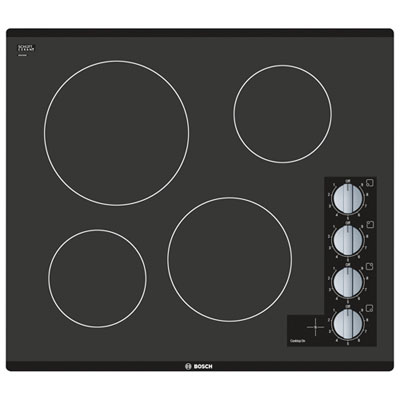
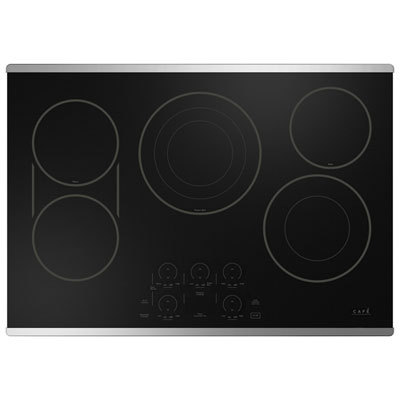
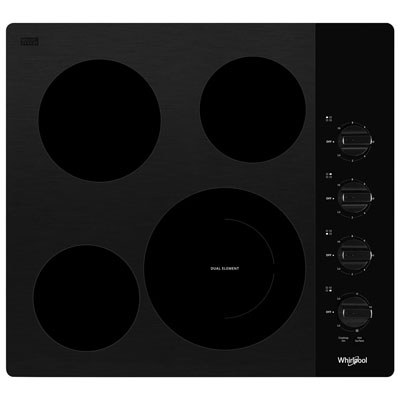
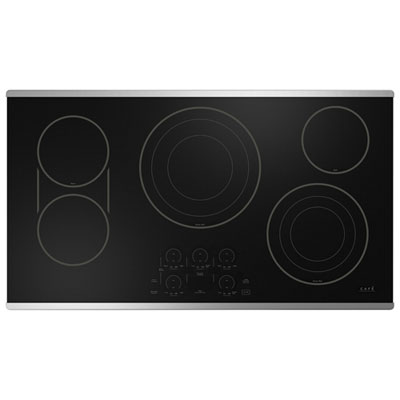
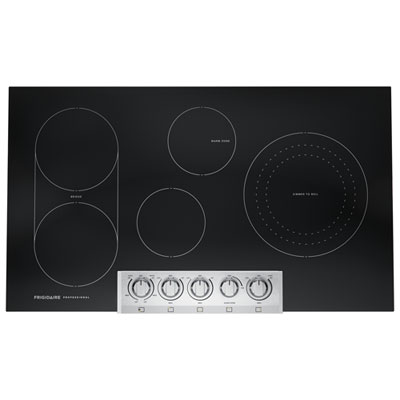
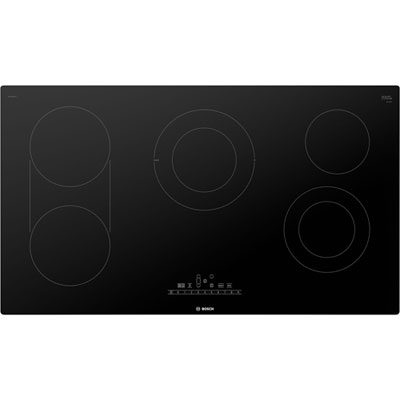
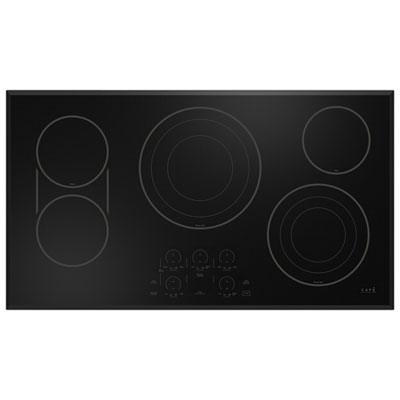
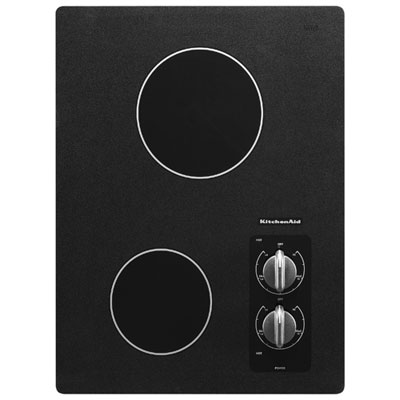
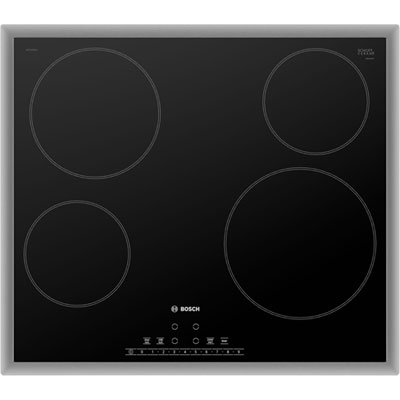
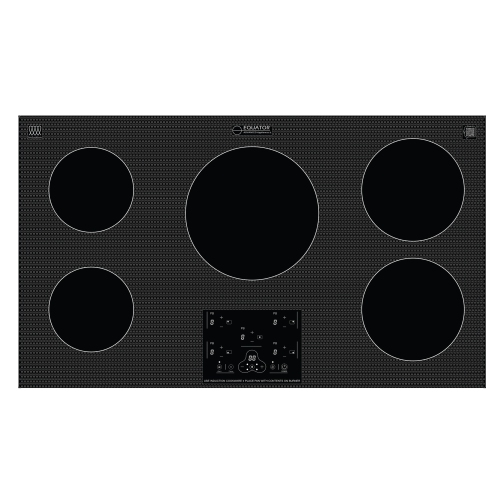
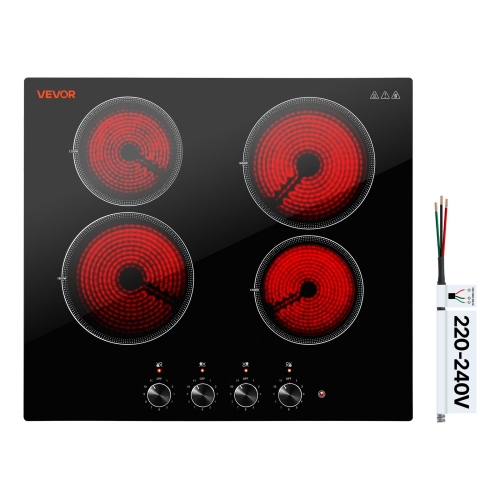
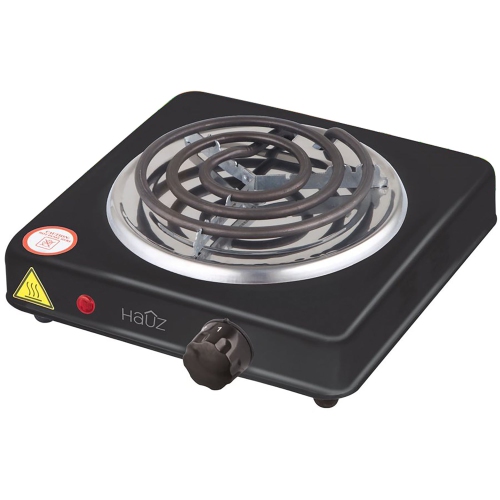
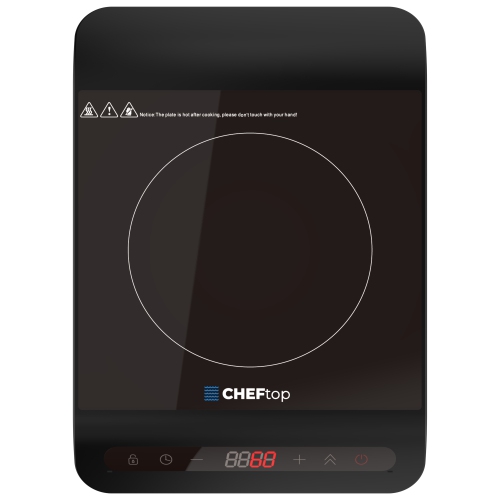
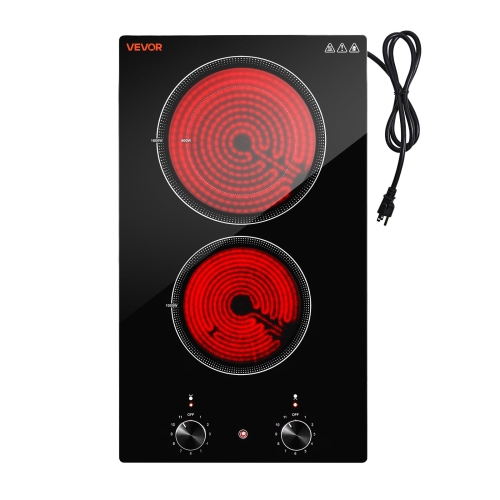
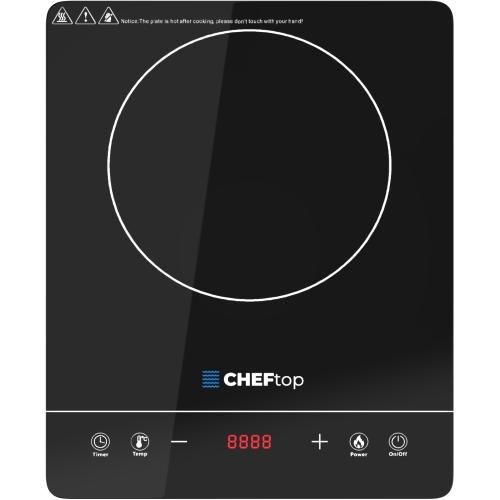
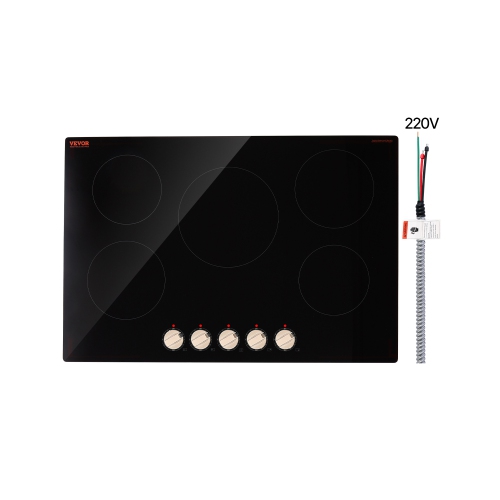
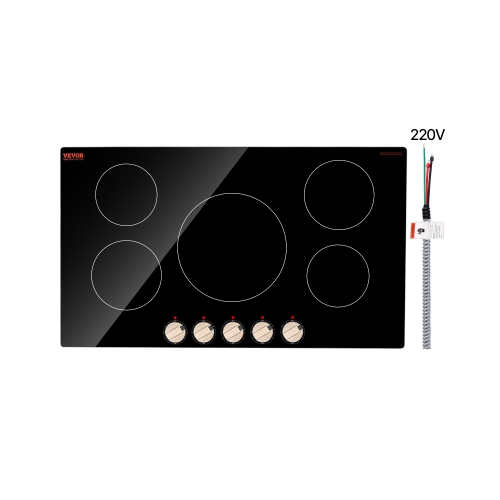
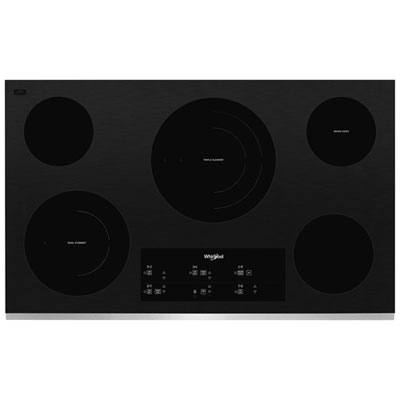
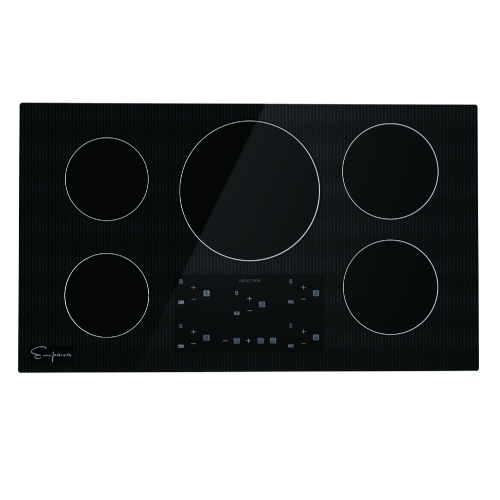
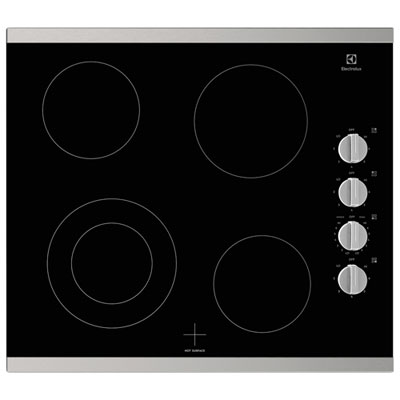
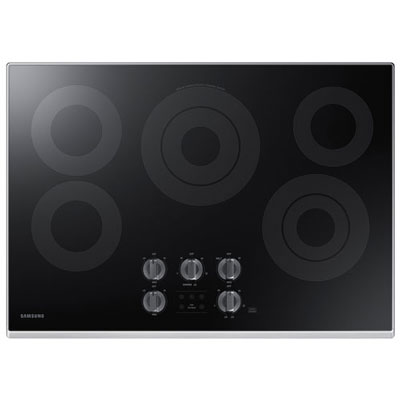
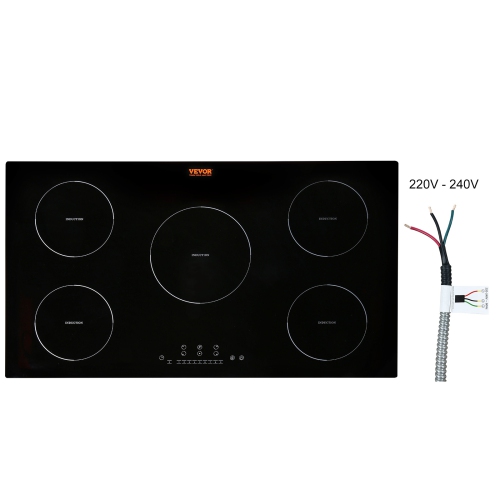
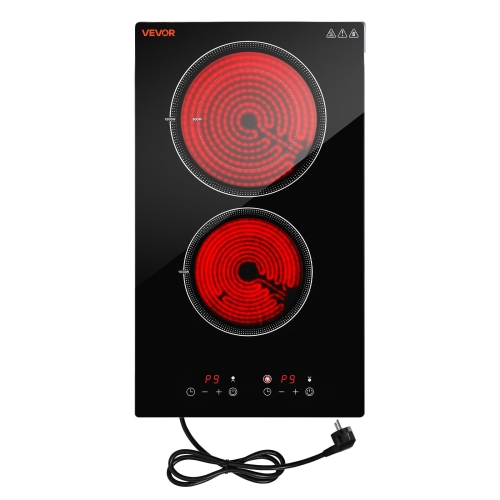
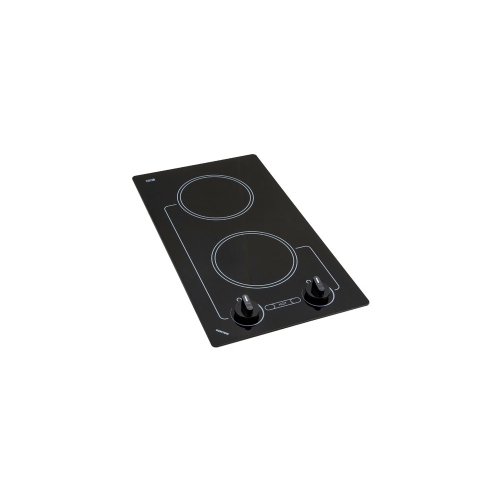
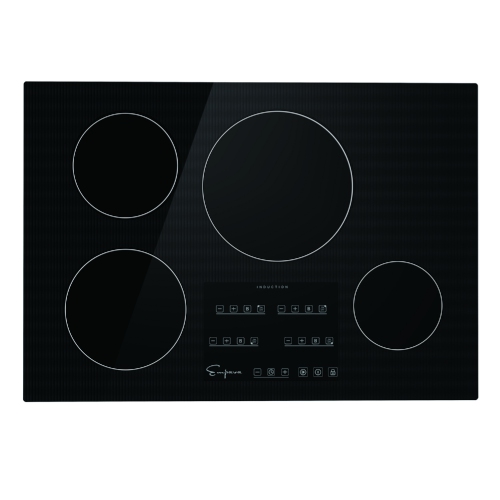
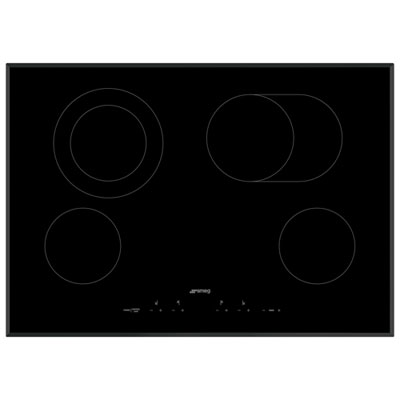
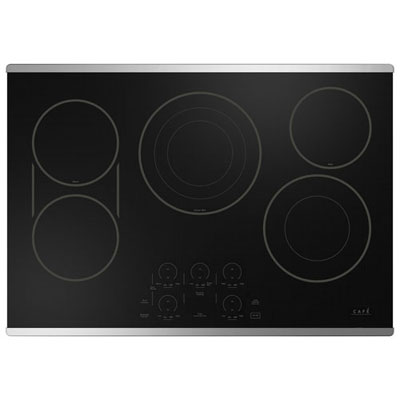
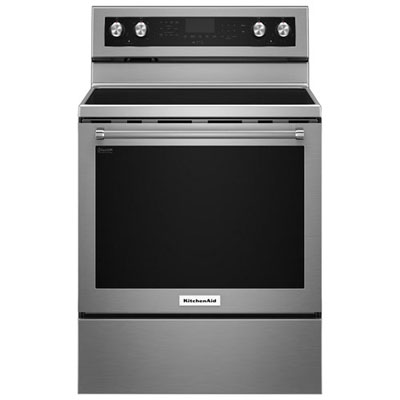
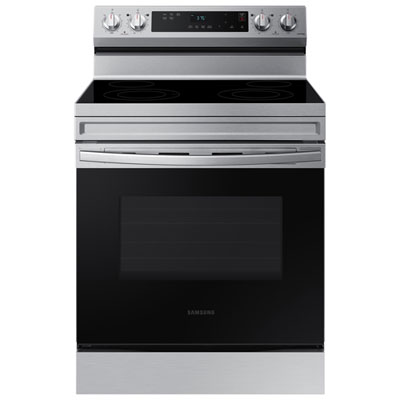
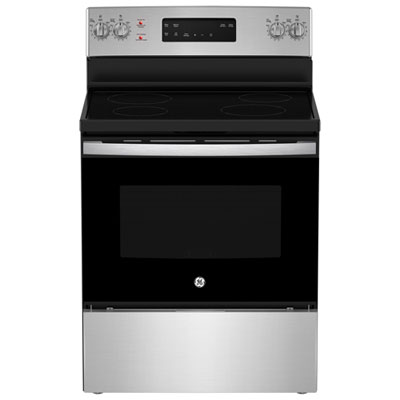
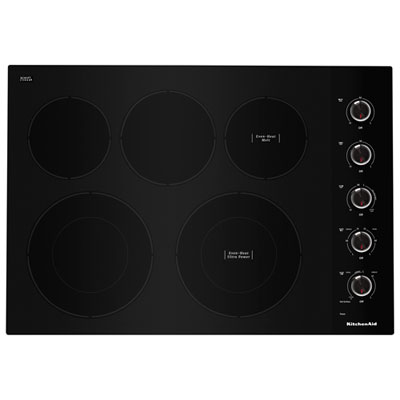
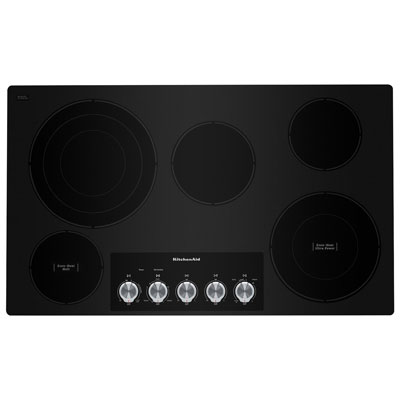
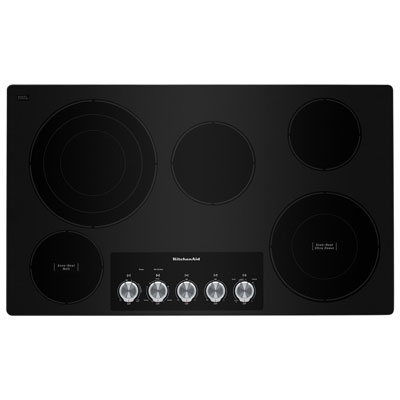
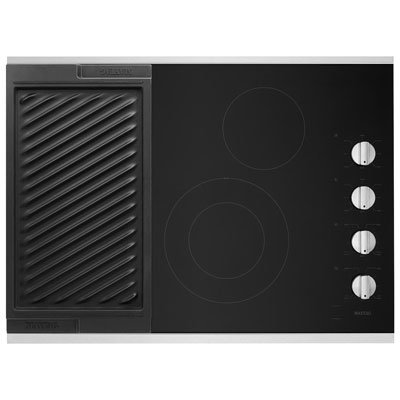
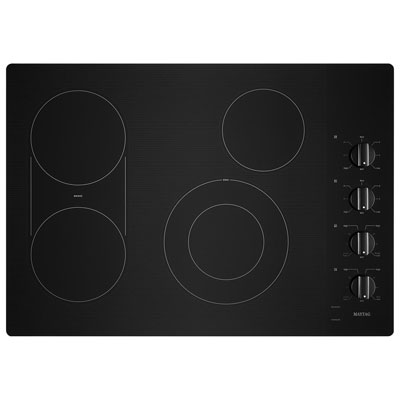
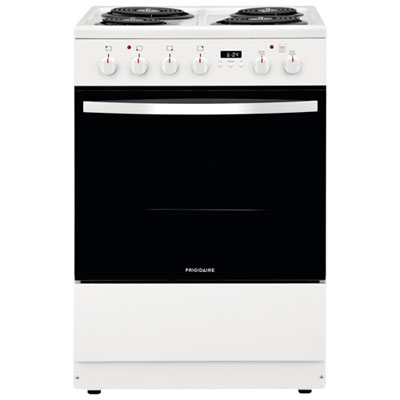
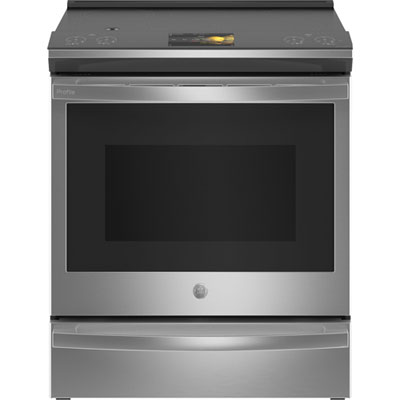
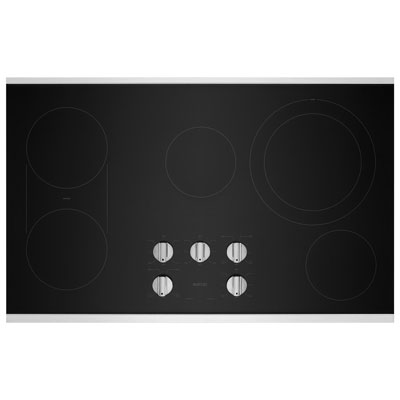
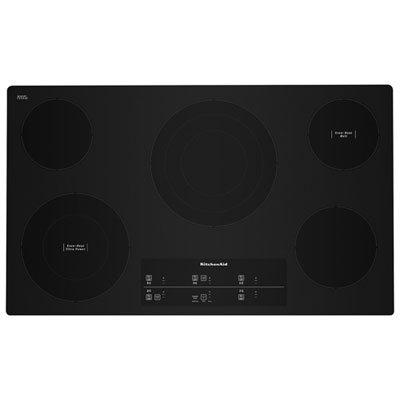
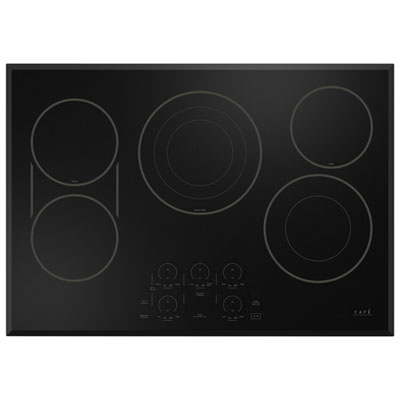
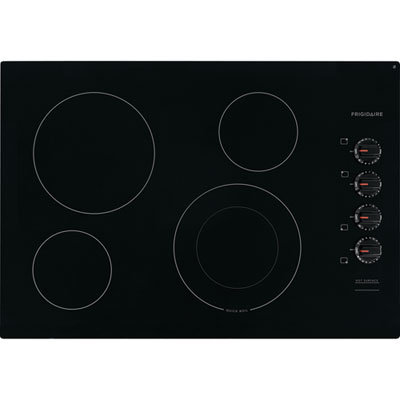
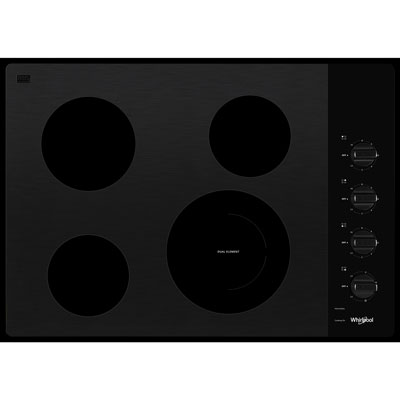
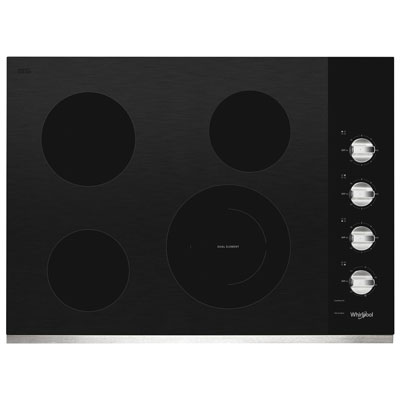
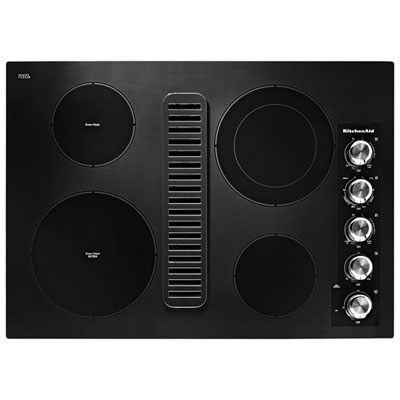
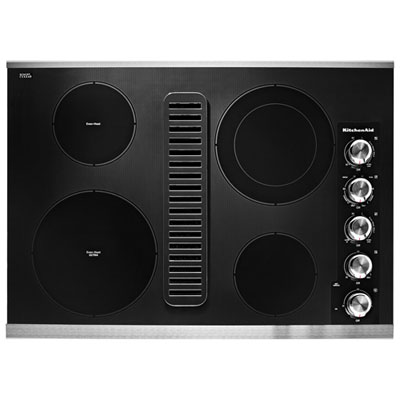
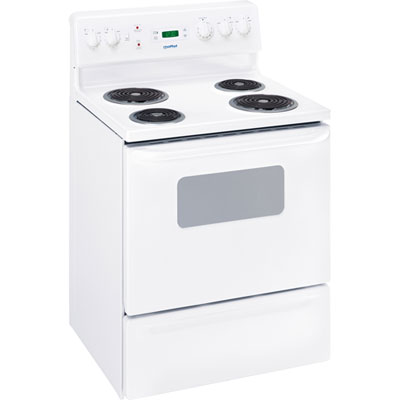
Electric stovetop burners provide a concentrated source of heat for everyday cooking, from simmering oatmeal before work to keeping a pot of soup bubbling during the cooler months. The term covers several distinct product types: exposed coil elements fitted to an electric range, radiant elements beneath a glass-ceramic cooktop, and portable countertop burners that operate separately from a full-sized stove. Induction burners also run on electricity, but they use a magnetic field to generate heat directly in compatible cookware rather than heating a coil or solid plate beneath it. Each design has a different feel in daily use. Exposed coils support pots above the stovetop and usually sit over removable drip bowls that catch spills. Radiant cooking surfaces place the heating components beneath a continuous glass-ceramic top, creating a flat surface that is easier to wipe around once cooled. Portable hot plates may have exposed coils, solid cast-iron plates, radiant glass surfaces, or induction technology, with single- and double-burner layouts suited to different cooking routines. Solid plates retain heat after the setting is lowered, while induction generally responds more quickly to adjustments, making the distinction noticeable when reducing a rolling boil to a gentle simmer. Conventional electric elements may cycle on and off as they regulate heat; a steady setting does not necessarily mean a continuously glowing element. For replacement electric stove burners, fit means more than matching the visible diameter. The appliance model, element rating, connector configuration, and manufacturer’s compatibility information all matter. A coil that looks similar is not automatically a suitable substitute, and elements beneath a glass surface are service components rather than interchangeable countertop accessories. Replacement work should follow the appliance manufacturer’s requirements, with a qualified technician handling internal electrical repairs. Distinguishing between a replacement element and a complete portable burner helps keep the focus on the right type of cooking equipment, whether the goal is restoring an existing range or adding a separate place to heat a pan.
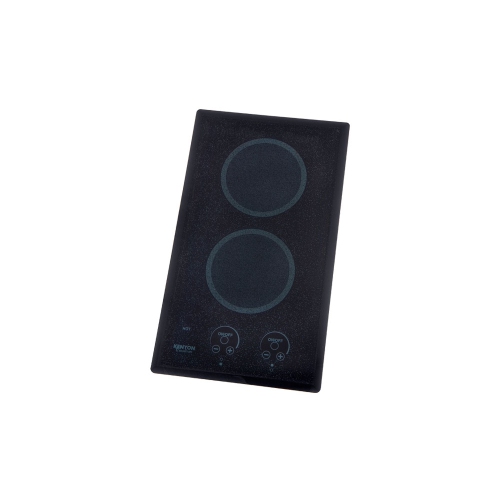
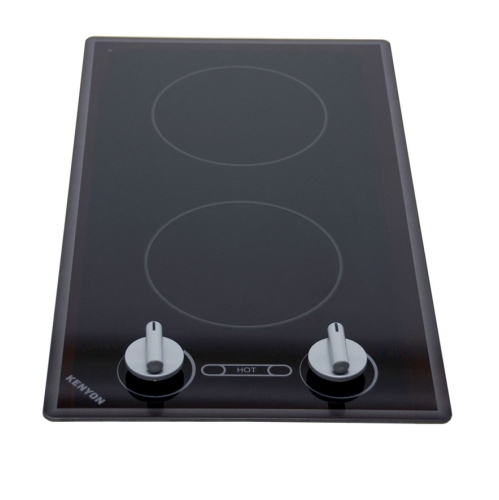
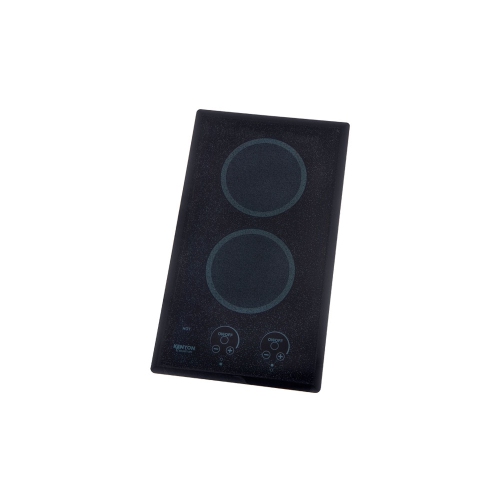
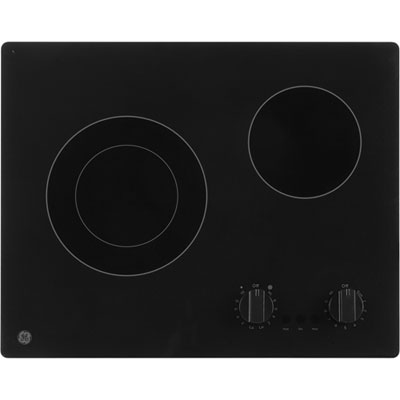
Portable electric burners are particularly useful where cooking space is limited or an extra heating zone makes meal preparation more comfortable. A single burner can handle a saucepan of rice beside a busy main stove, while a double burner allows two separate pots to cook at once. That second surface can be helpful when preparing pasta and sauce, although usable space depends on the distance between the heating zones as well as the overall width of the unit. Two large pans may crowd each other even when the countertop appliance itself fits neatly into place. For small kitchens, cottages, or temporary cooking arrangements during a renovation, the practical measurements include the unit’s footprint, the clearance required around it, and the room needed for pot handles to remain safely away from passing elbows. A portable burner needs a stable, level, heat-resistant surface and should only be used in locations permitted by its instructions and any applicable building rules. Compact size does not make it suitable for every desk, shelf, or enclosed nook. Controls also shape the experience: clearly marked knobs can be convenient for straightforward adjustments, while electronic controls may provide timed operation or selected temperature settings, depending on the design. Temperature settings and wattage figures do not tell the whole story, since pan construction, food quantity, and shared power on some double-burner models affect cooking performance. An automatic shut-off feature or timer can add convenience, but neither replaces attention while cooking. Many portable burners are designed for a standard household outlet, though their electrical requirements must still match the outlet and circuit. Manufacturer instructions should govern the connection, and power bars or extension cords should not be treated as a default solution. Cord placement matters, too: it should stay clear of hot surfaces, water, and counter edges. For someone setting up a first kitchen or furnishing a cottage, a countertop burner can be a practical gift when the recipient’s cooking needs, permitted use, and available counter space are already understood.
Cookware and surface care have a direct effect on how electric stovetop burners perform over time. Flat-bottomed pots and pans make more consistent contact with solid plates and smooth cooking surfaces, helping distribute heat across the base rather than concentrating it around a warped edge. The pan’s base diameter should suit the heating zone and remain within the appliance manufacturer’s limits; an oversized stockpot can extend beyond the intended support area, while a small saucepan on a large element leaves more hot surface exposed. Stainless steel, cast iron, and aluminium cookware can all have a place on conventional electric burners, subject to the cookware and appliance instructions. Induction requires a magnetic base, so plain aluminium, copper, and glass cookware will not work unless constructed with a suitable induction-compatible layer. A magnet sticking firmly to the base is a useful initial check, but an induction-compatible designation and the burner’s minimum pan-size requirements provide further confirmation. The Electric Stove Cookware page offers a related starting point for considering pots and pans alongside the cooking surface they will sit on. Heavy cookware can hold heat well, but lifting it rather than sliding it helps protect glass-ceramic surfaces from scratches. Keeping pan bases clean and dry also reduces residue transferred to the stovetop. Cleaning methods depend on the burner construction: cooled exposed coils generally need careful wiping rather than soaking, while removable drip bowls can be washed separately when the manufacturer allows it. Solid cast-iron plates need care that limits lingering moisture, and glass-ceramic tops call for suitable non-abrasive products and tools. A cooktop scraper should only be used where approved and according to the surface manufacturer’s directions. Portable units should be unplugged and allowed to cool before cleaning, without immersing the appliance or letting water enter its controls. Induction glass can still become hot from contact with heated cookware, so it should never be assumed safe to touch immediately after use. Durable housings, secure controls, intact cords, and stable feet all contribute to dependable everyday use, while sensible cleaning and careful handling help keep a burner ready for the next saucepan, skillet, or slow-simmered meal.
Portable electric burners are particularly useful where cooking space is limited or an extra heating zone makes meal preparation more comfortable. A single burner can handle a saucepan of rice beside a busy main stove, while a double burner allows two separate pots to cook at once. That second surface can be helpful when preparing pasta and sauce, although usable space depends on the distance between the heating zones as well as the overall width of the unit. Two large pans may crowd each other even when the countertop appliance itself fits neatly into place. For small kitchens, cottages, or temporary cooking arrangements during a renovation, the practical measurements include the unit’s footprint, the clearance required around it, and the room needed for pot handles to remain safely away from passing elbows. A portable burner needs a stable, level, heat-resistant surface and should only be used in locations permitted by its instructions and any applicable building rules. Compact size does not make it suitable for every desk, shelf, or enclosed nook. Controls also shape the experience: clearly marked knobs can be convenient for straightforward adjustments, while electronic controls may provide timed operation or selected temperature settings, depending on the design. Temperature settings and wattage figures do not tell the whole story, since pan construction, food quantity, and shared power on some double-burner models affect cooking performance. An automatic shut-off feature or timer can add convenience, but neither replaces attention while cooking. Many portable burners are designed for a standard household outlet, though their electrical requirements must still match the outlet and circuit. Manufacturer instructions should govern the connection, and power bars or extension cords should not be treated as a default solution. Cord placement matters, too: it should stay clear of hot surfaces, water, and counter edges. For someone setting up a first kitchen or furnishing a cottage, a countertop burner can be a practical gift when the recipient’s cooking needs, permitted use, and available counter space are already understood.
Cookware and surface care have a direct effect on how electric stovetop burners perform over time. Flat-bottomed pots and pans make more consistent contact with solid plates and smooth cooking surfaces, helping distribute heat across the base rather than concentrating it around a warped edge. The pan’s base diameter should suit the heating zone and remain within the appliance manufacturer’s limits; an oversized stockpot can extend beyond the intended support area, while a small saucepan on a large element leaves more hot surface exposed. Stainless steel, cast iron, and aluminium cookware can all have a place on conventional electric burners, subject to the cookware and appliance instructions. Induction requires a magnetic base, so plain aluminium, copper, and glass cookware will not work unless constructed with a suitable induction-compatible layer. A magnet sticking firmly to the base is a useful initial check, but an induction-compatible designation and the burner’s minimum pan-size requirements provide further confirmation. The Electric Stove Cookware page offers a related starting point for considering pots and pans alongside the cooking surface they will sit on. Heavy cookware can hold heat well, but lifting it rather than sliding it helps protect glass-ceramic surfaces from scratches. Keeping pan bases clean and dry also reduces residue transferred to the stovetop. Cleaning methods depend on the burner construction: cooled exposed coils generally need careful wiping rather than soaking, while removable drip bowls can be washed separately when the manufacturer allows it. Solid cast-iron plates need care that limits lingering moisture, and glass-ceramic tops call for suitable non-abrasive products and tools. A cooktop scraper should only be used where approved and according to the surface manufacturer’s directions. Portable units should be unplugged and allowed to cool before cleaning, without immersing the appliance or letting water enter its controls. Induction glass can still become hot from contact with heated cookware, so it should never be assumed safe to touch immediately after use. Durable housings, secure controls, intact cords, and stable feet all contribute to dependable everyday use, while sensible cleaning and careful handling help keep a burner ready for the next saucepan, skillet, or slow-simmered meal.
Top selling and popular products
-
 Your price for this item is $699.99
 -
 Your price for this item is $949.99
 -
 Your price for this item is $949.99
 -
 Your price for this item is $1499.99
 -
 Your price for this item is $2999.99
 -
 Your price for this item is $3099.99
 -
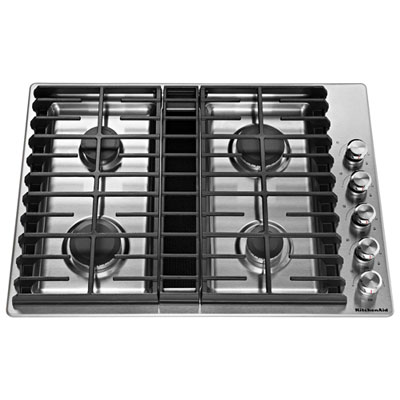 Your price for this item is $3099.99
 -
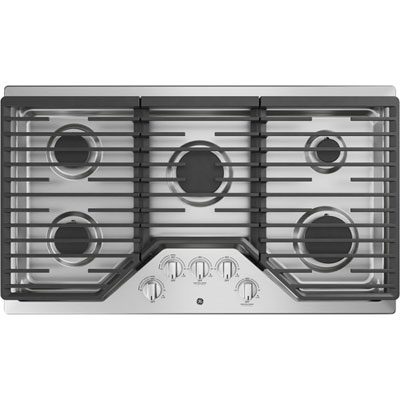 Your price for this item is $1899.99
Discover more categories related to Electric Stovetop Burners
Top Collections:
Pokemon Centers, Kindle Devices, Best Budget Office Chairs, Apple iPhones 16, Best Laptops for Writers, iPhone 15 Apple, Canon G7X Cameras, Refurbished Apple Laptops, Alarm Clock, Motorola Razr Phones
Some products may be subject to Environmental Handling Fees
(EHF) depending on your province.
Learn more about EHFs.