Freezer Appliances
Freezer appliances are designed to keep food cold and fresh for extended periods of time. These also provide a convenient way to store food items that need to be kept cold, such as meats, dairy products, and frozen meals. Here are some of the best freezers available on the market today.
Sort
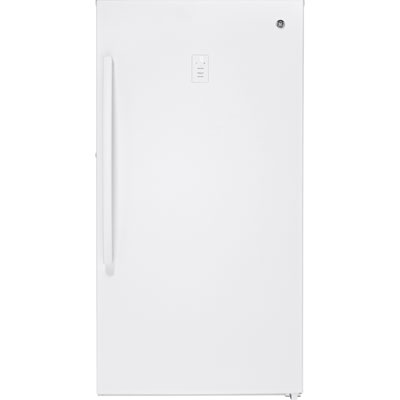
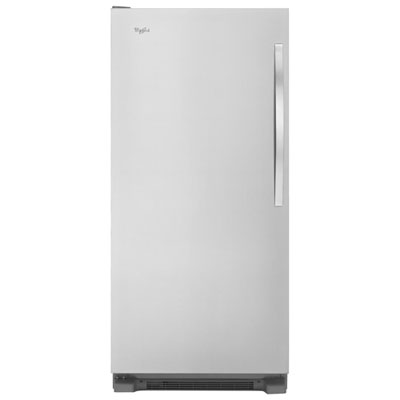

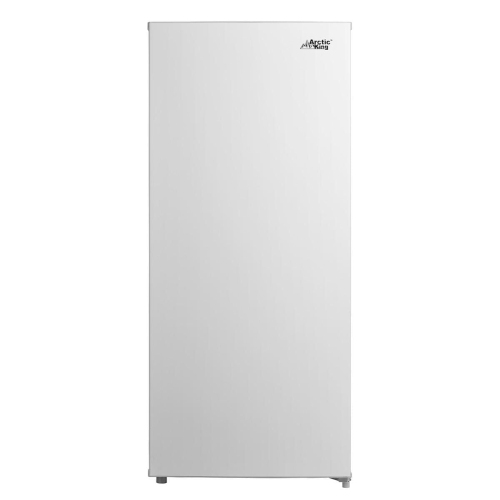

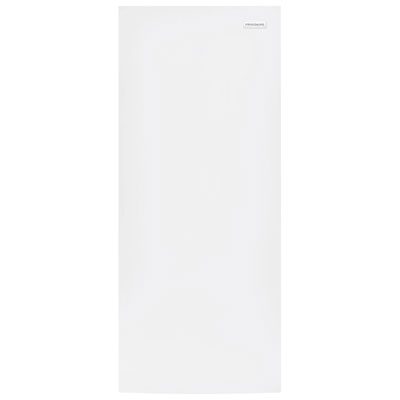
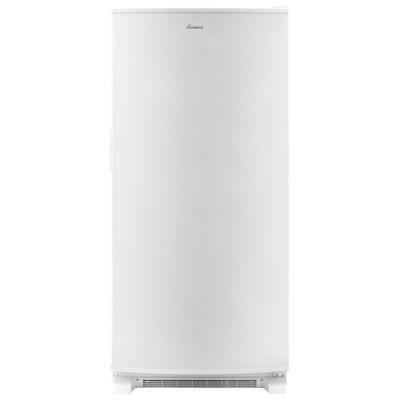
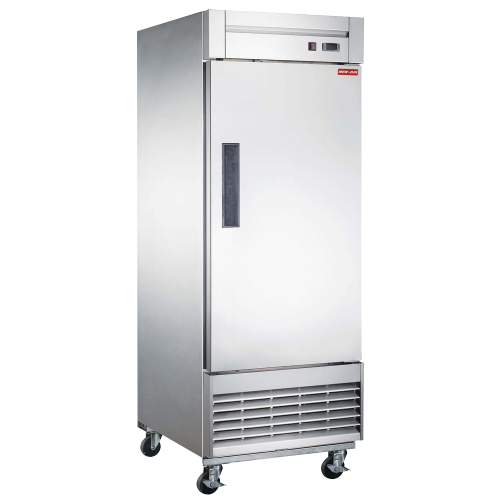
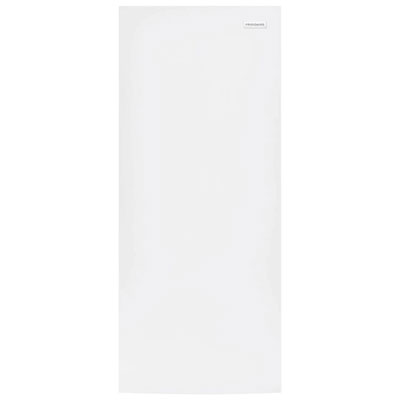
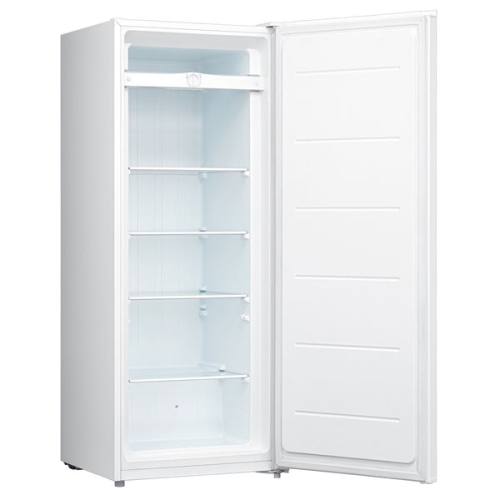
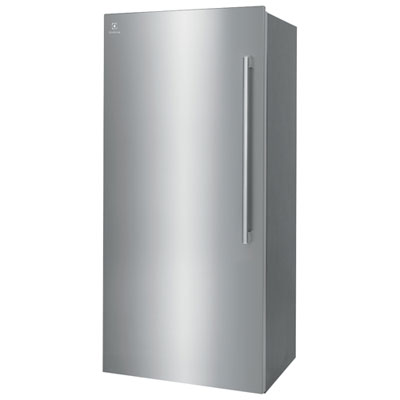
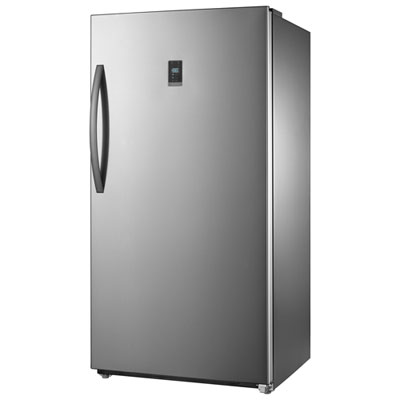
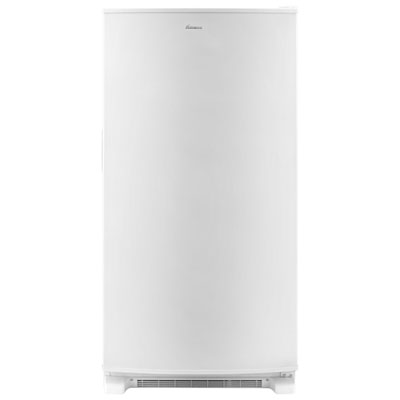
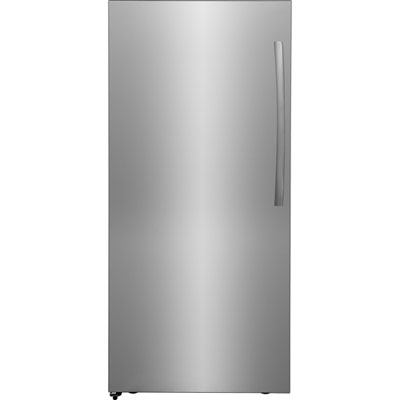
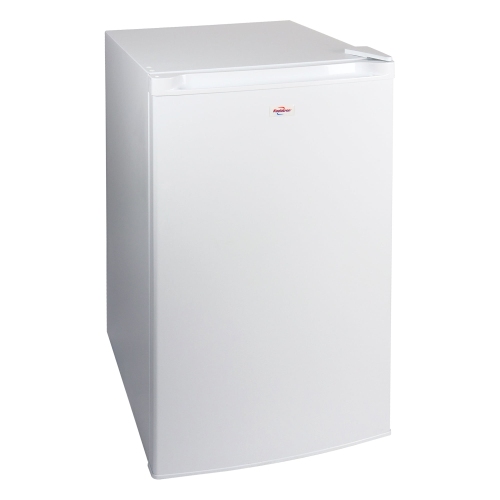
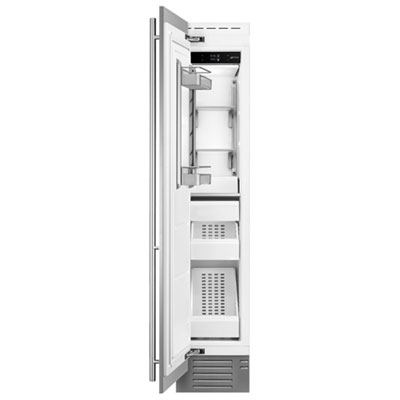
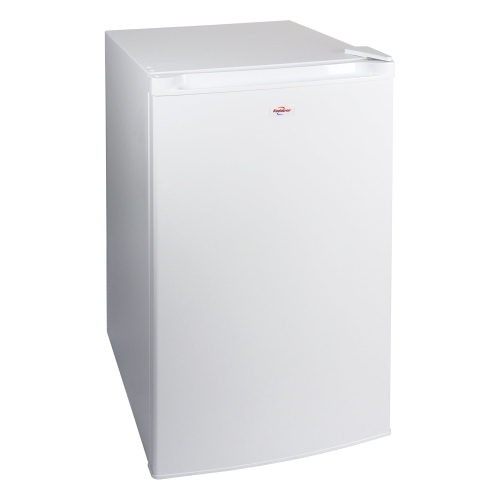
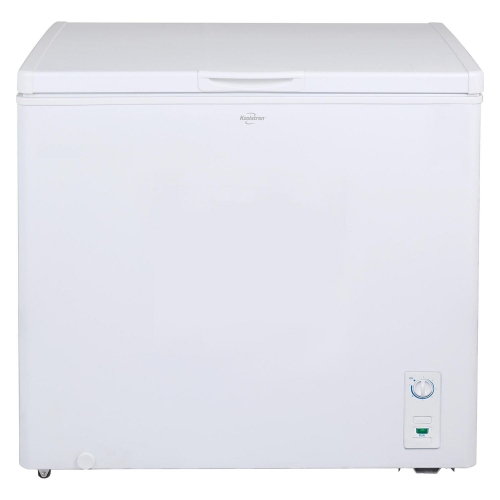
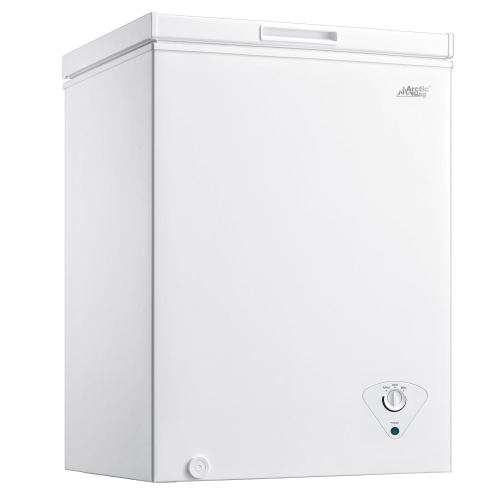
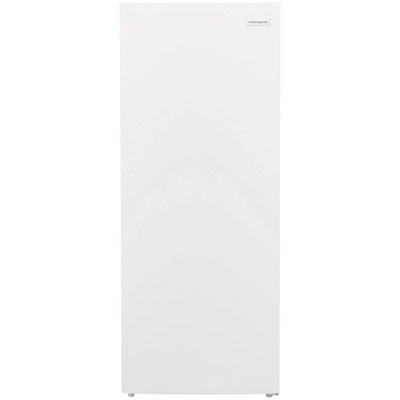
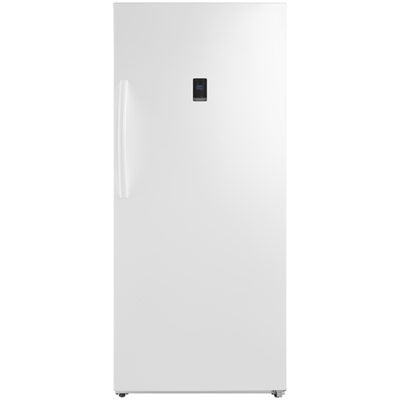
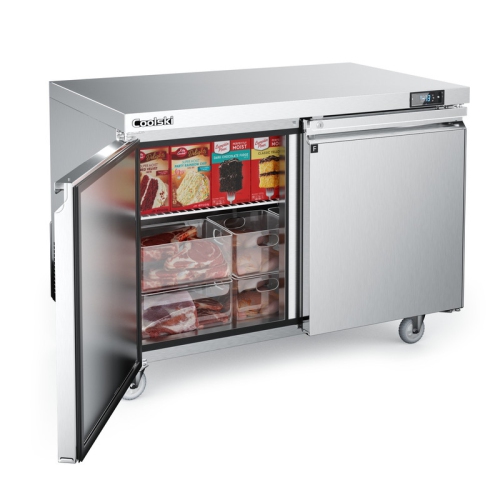

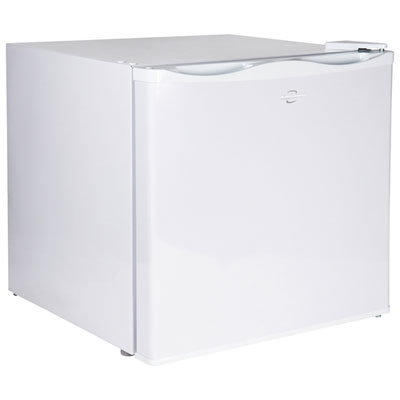
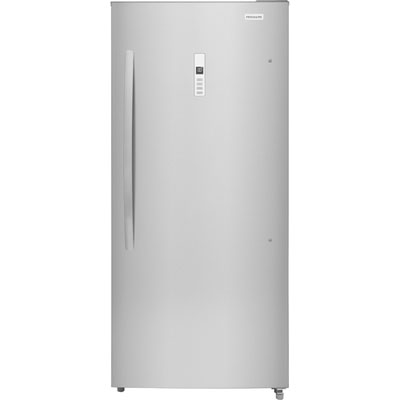
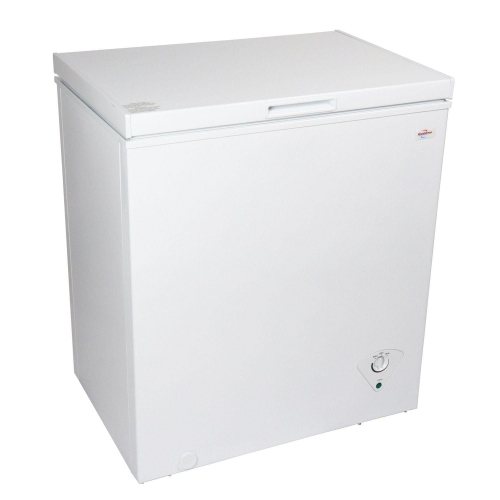
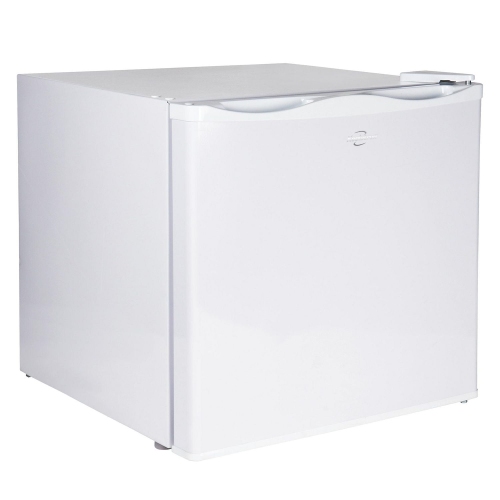
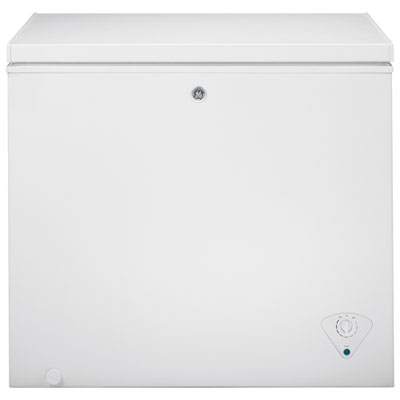
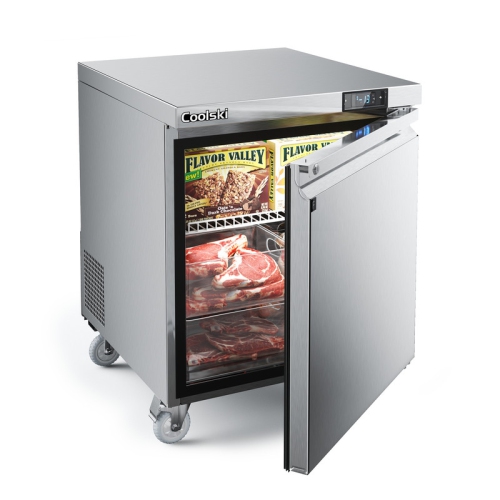
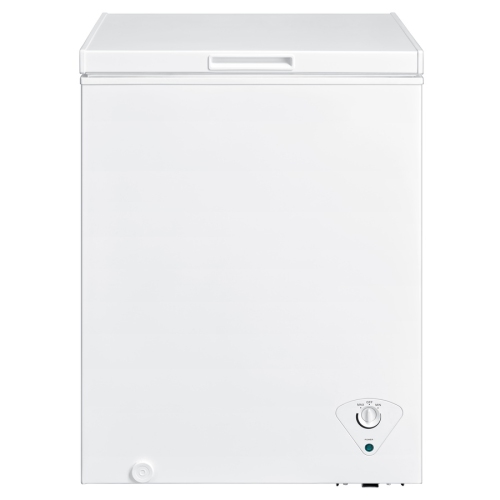
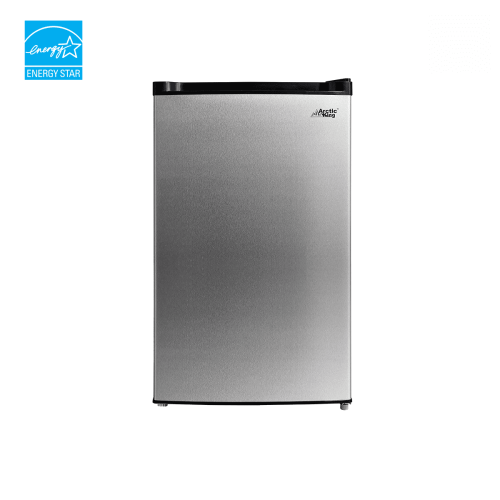
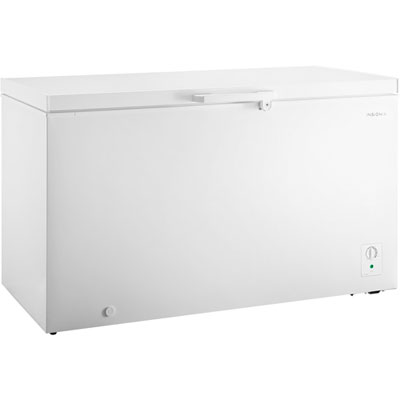
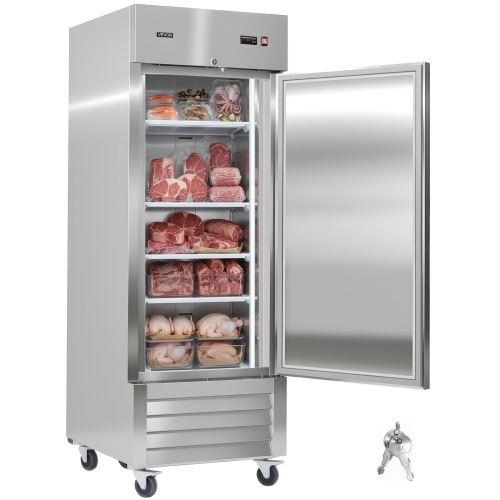
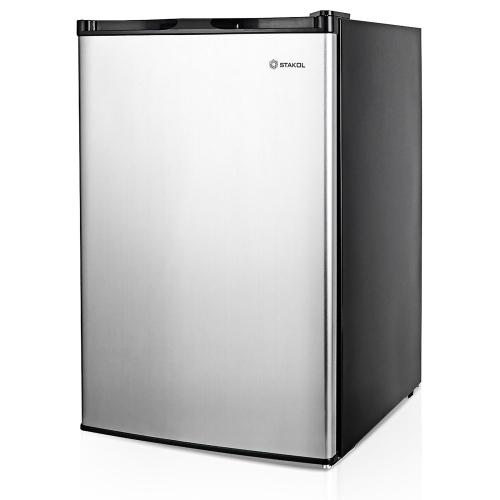
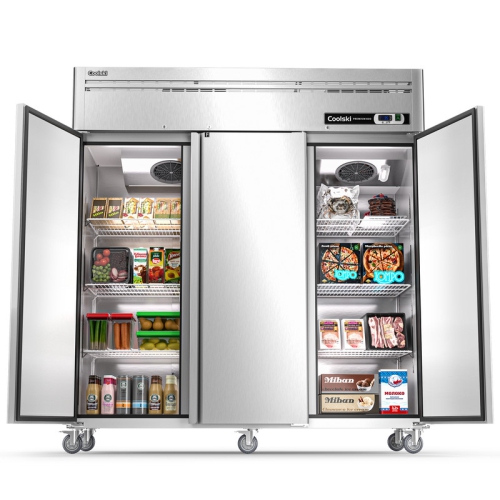
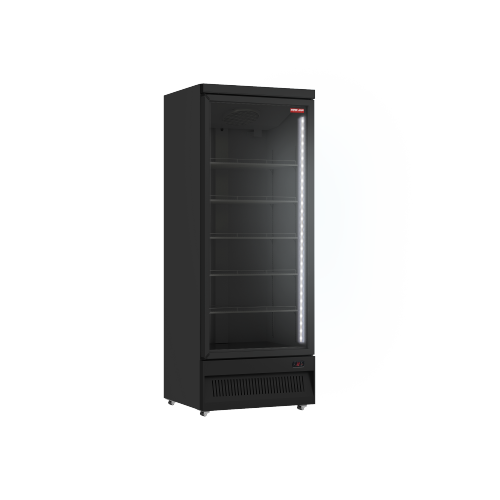
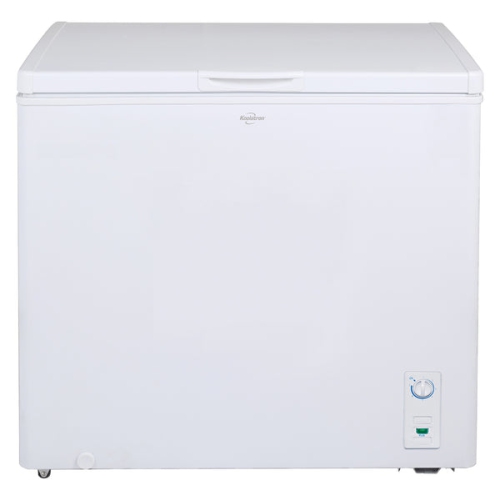
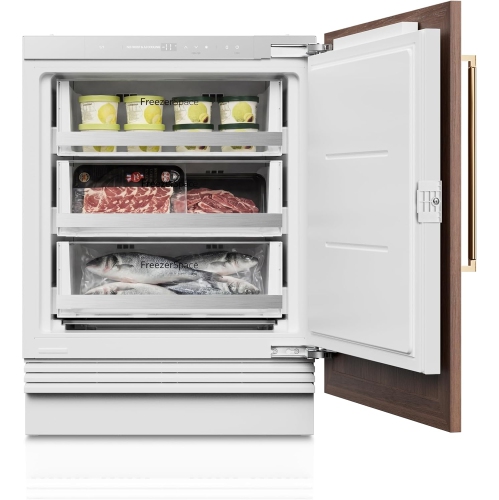
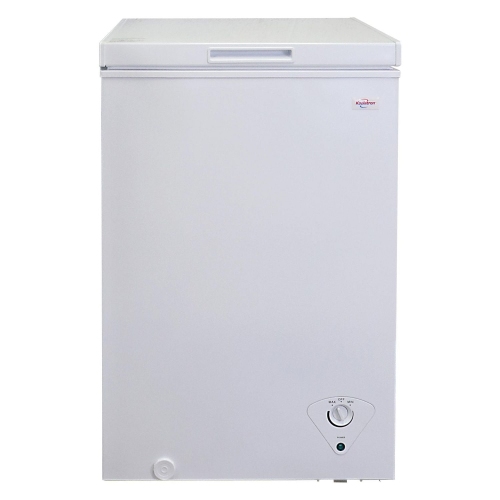
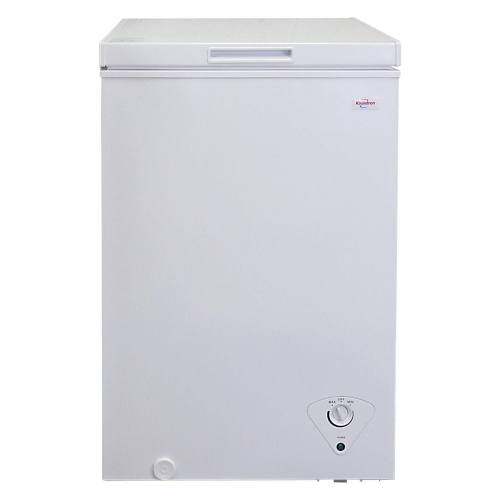
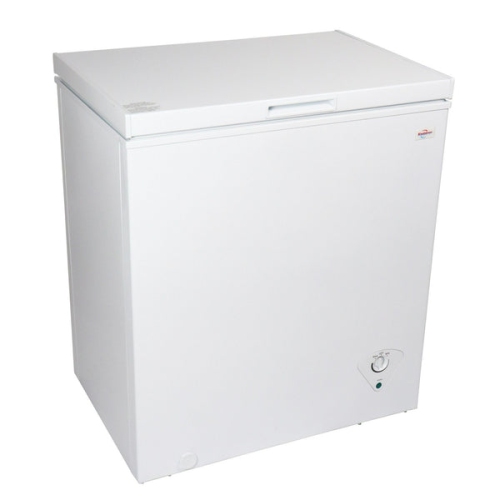
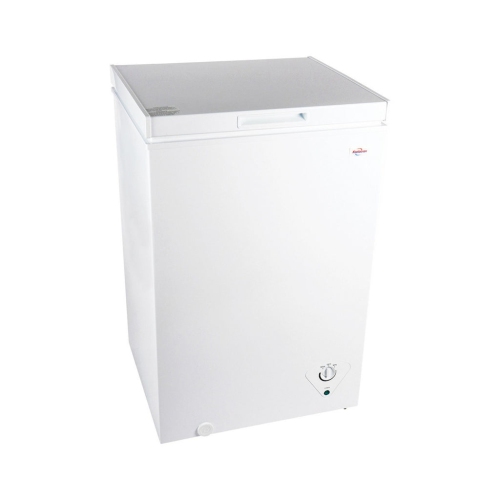
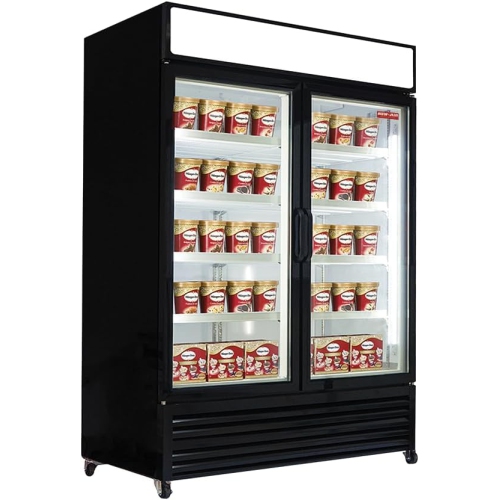
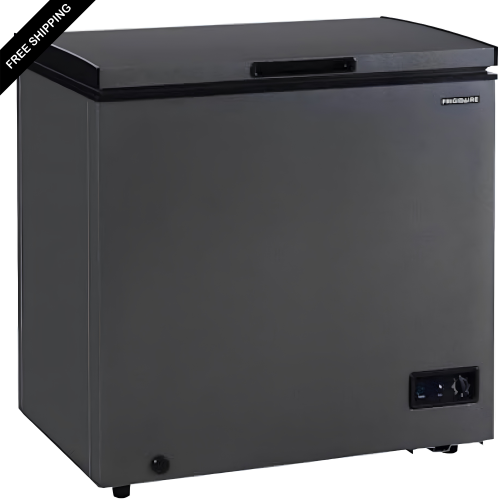
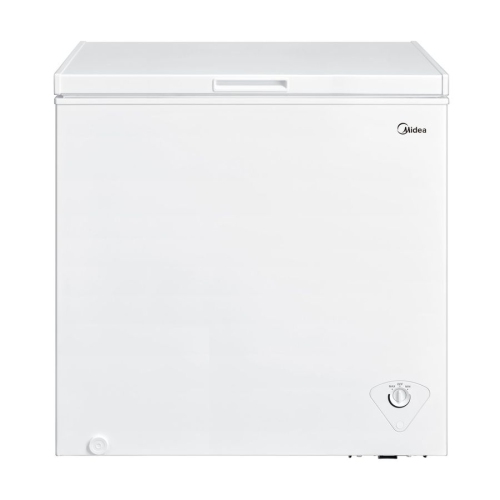
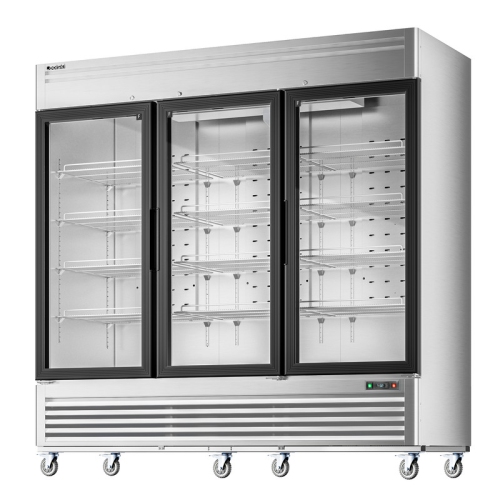
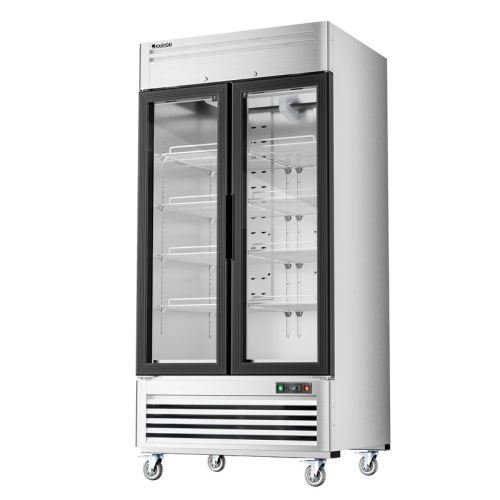
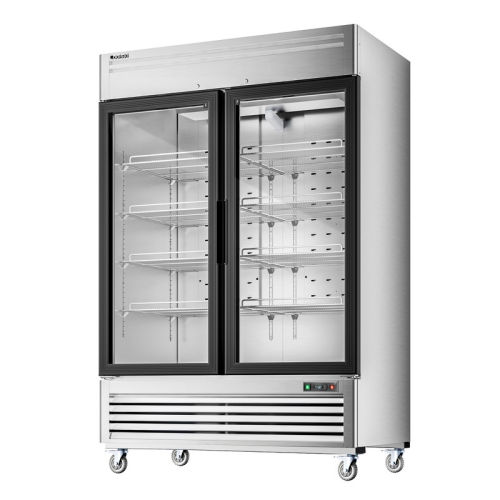
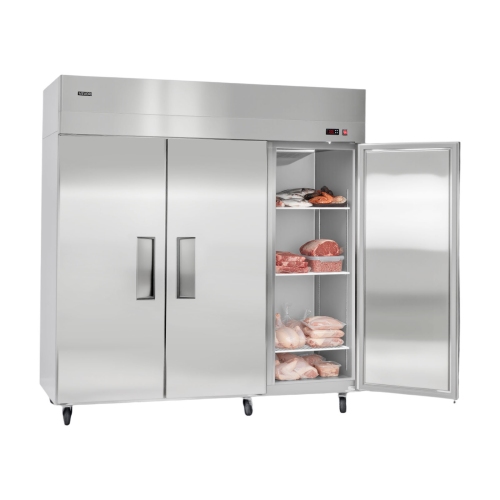
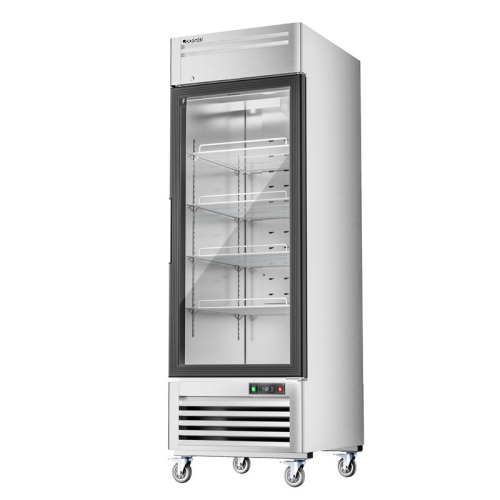
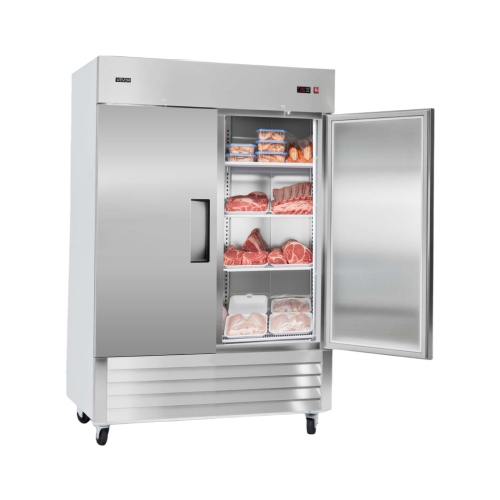

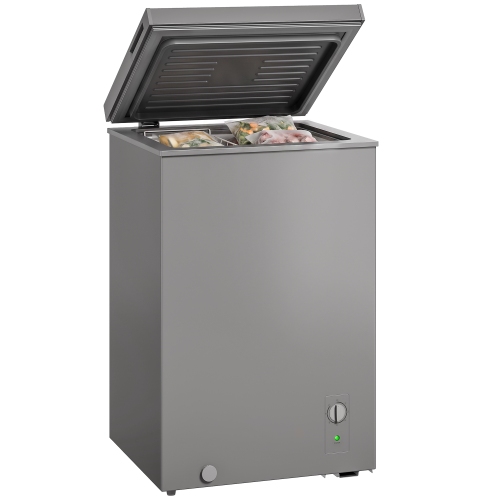
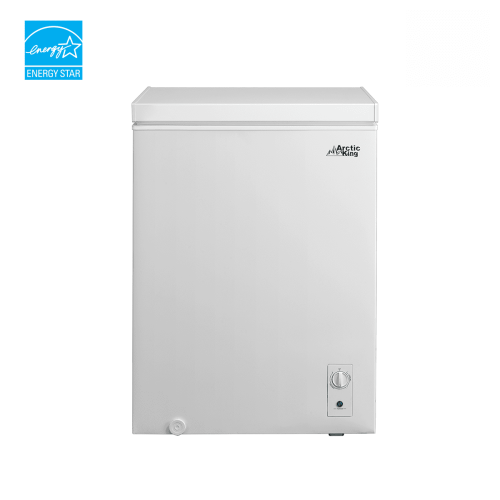

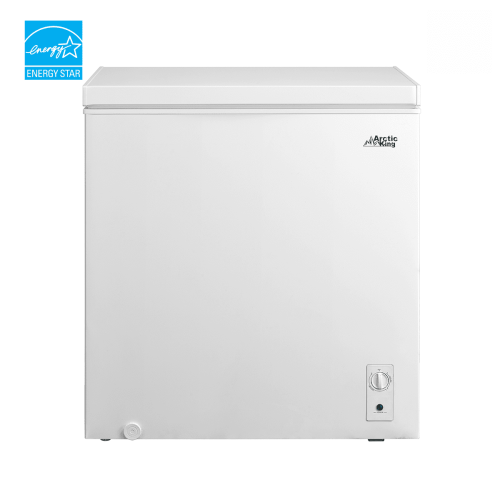

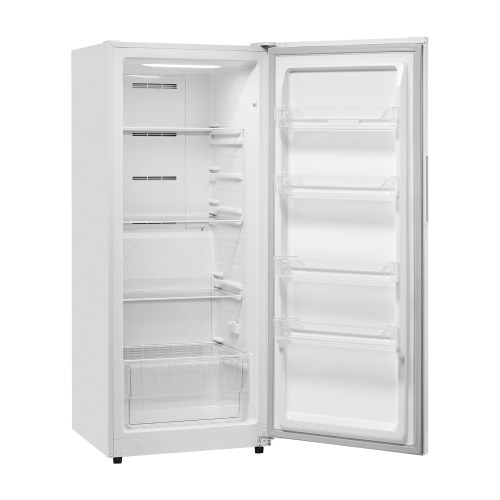
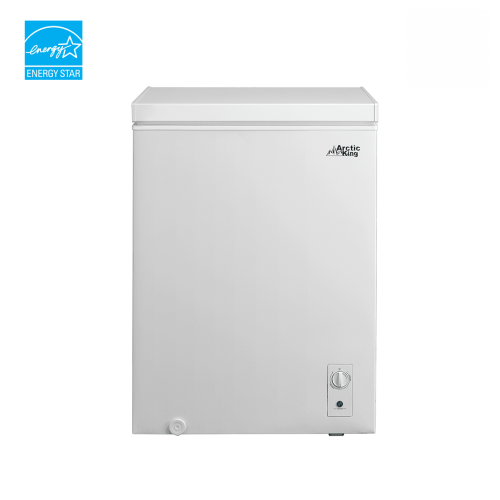

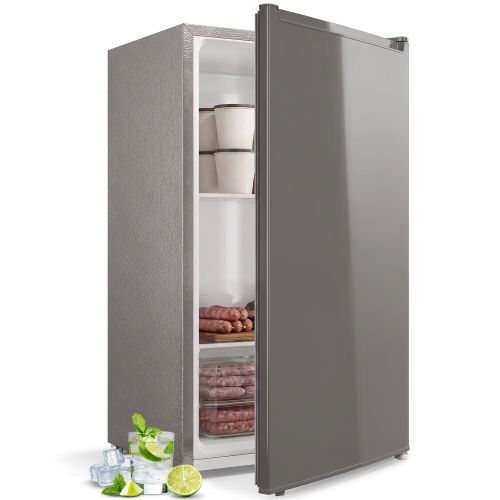
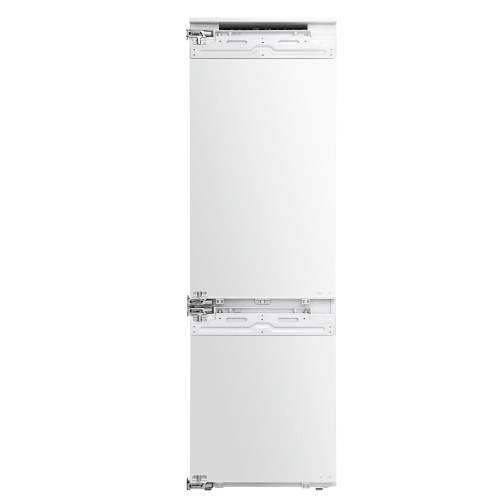
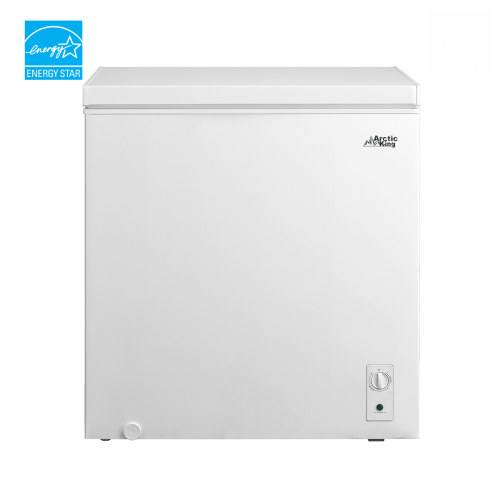
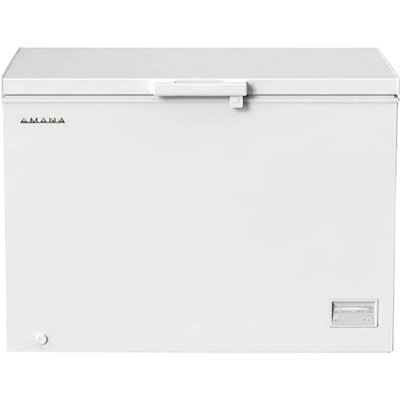
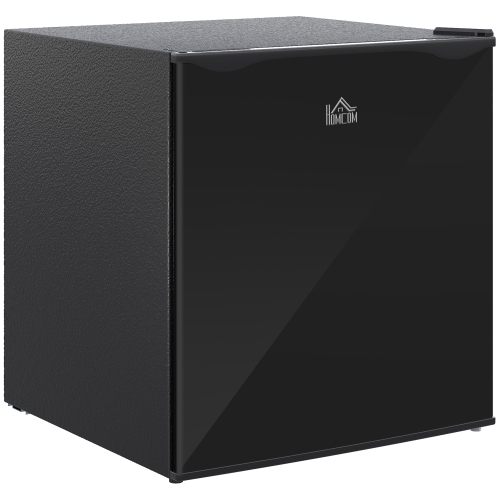
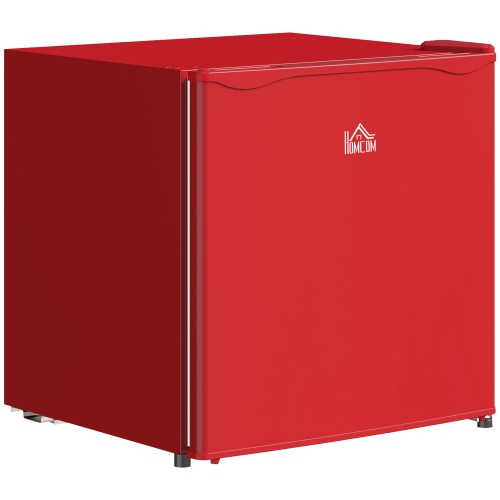
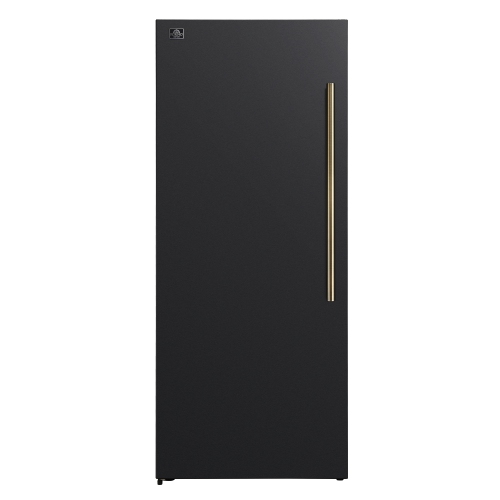
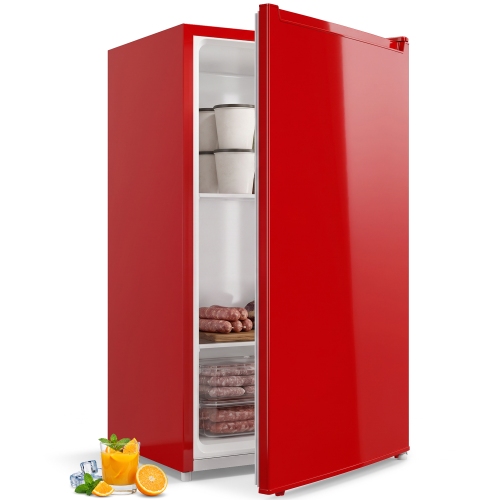
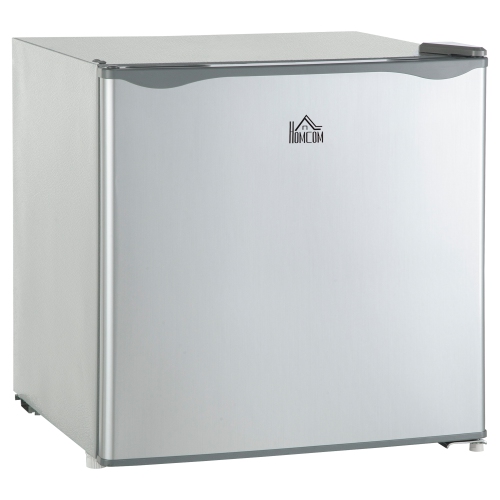
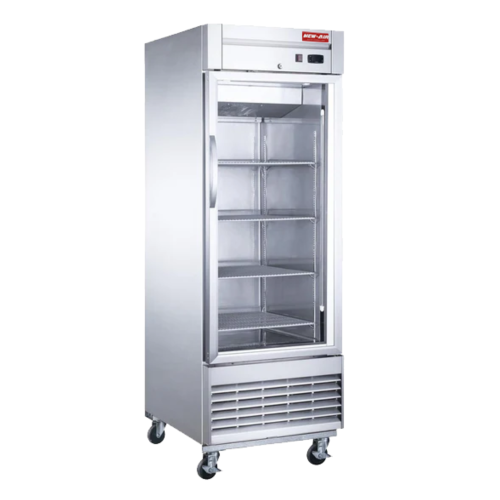
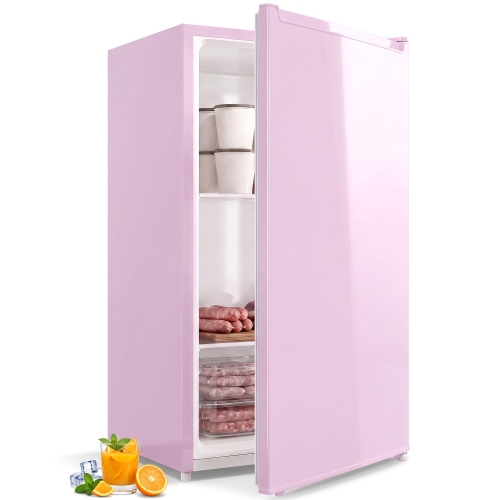
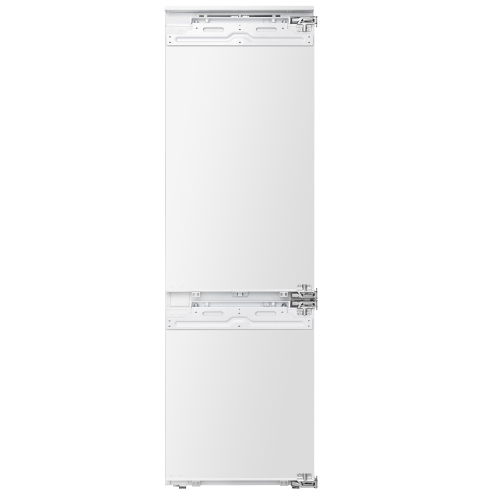
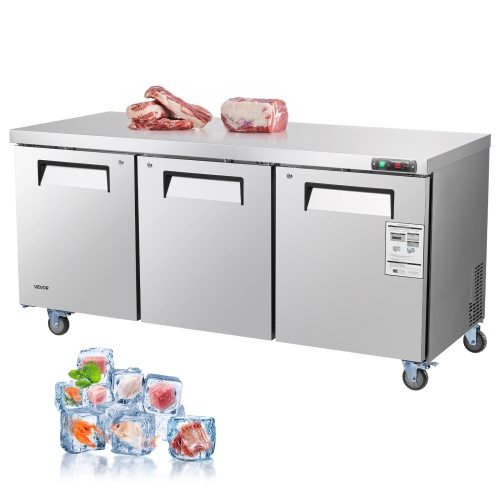
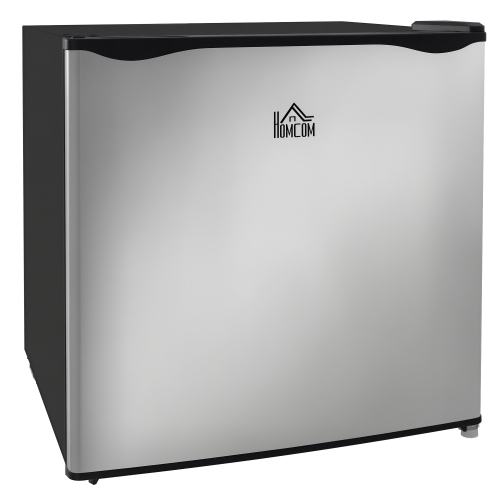
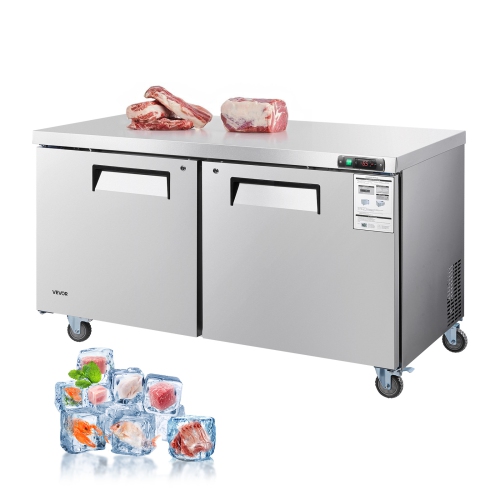
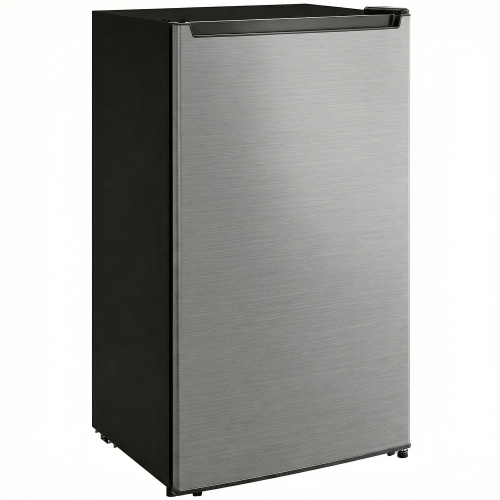
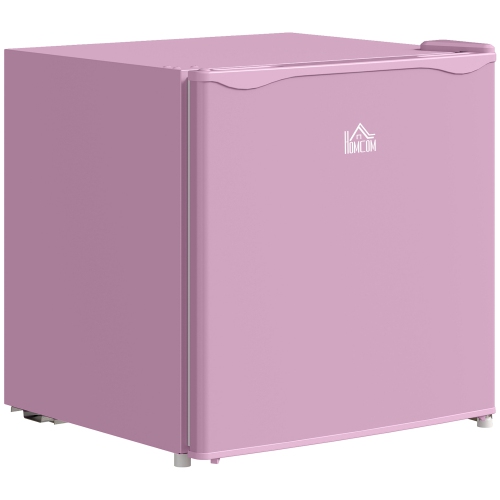
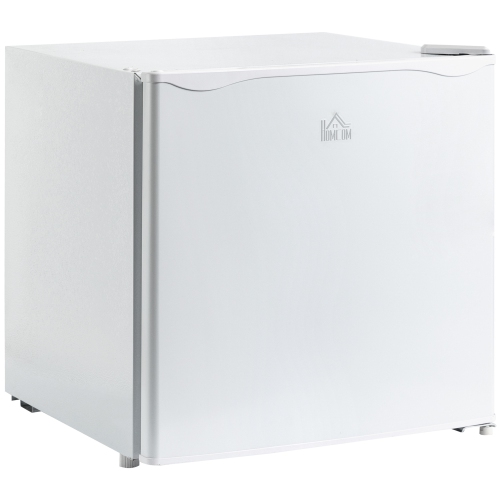
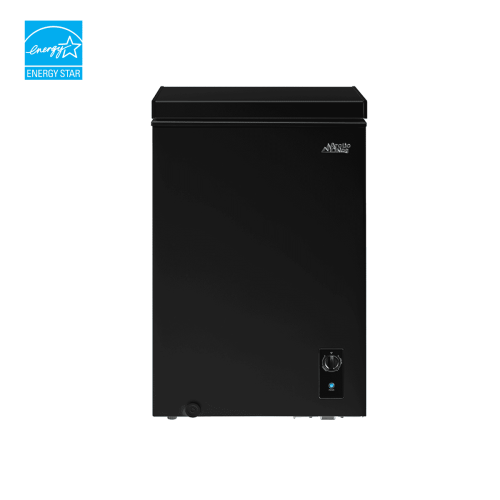
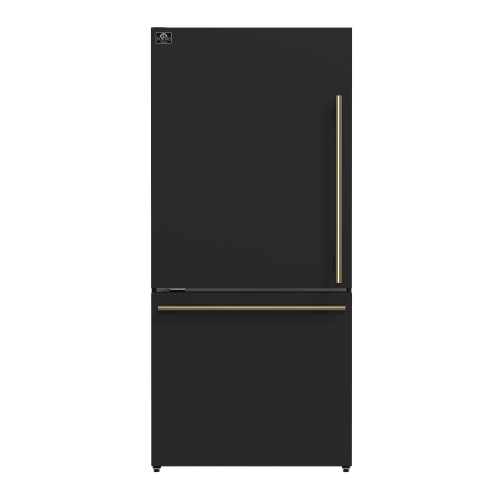
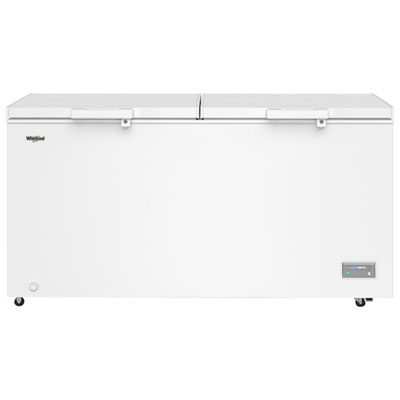
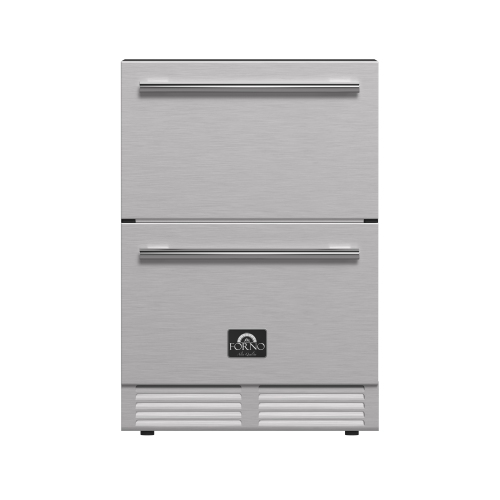
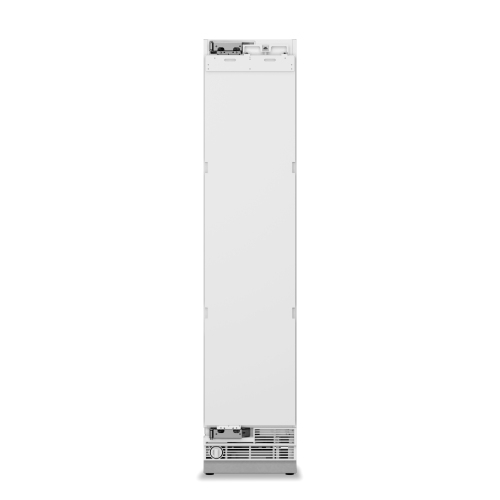
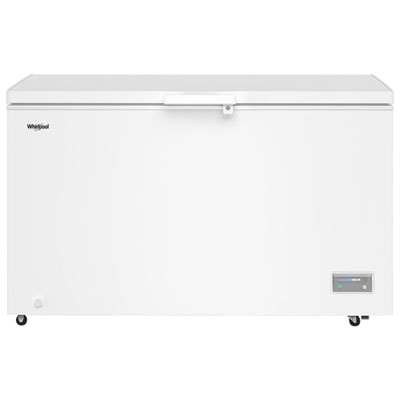
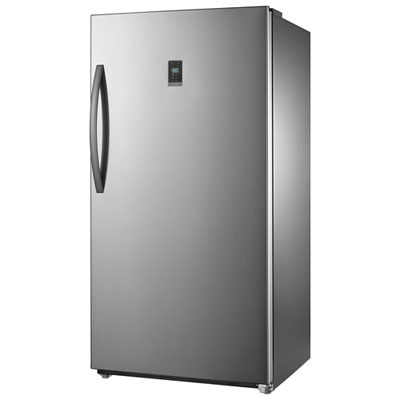

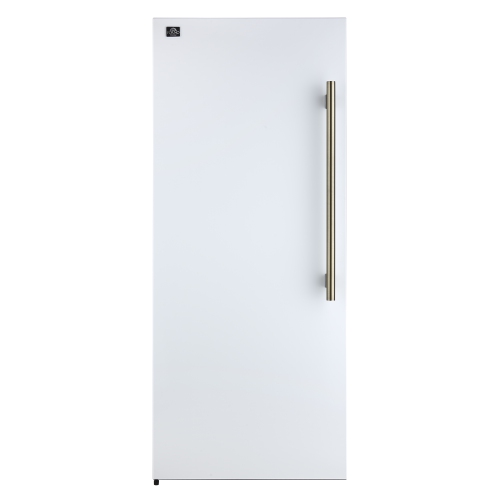
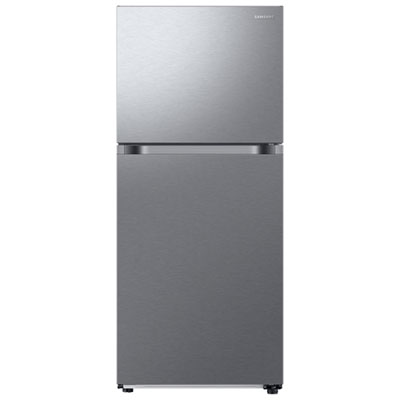
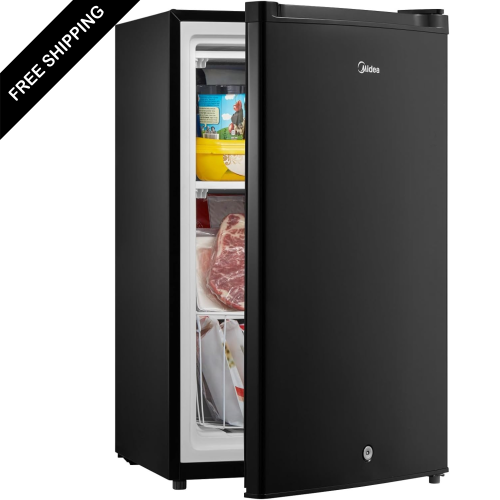
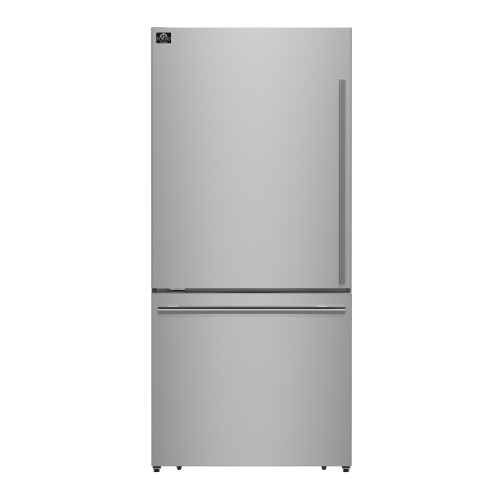
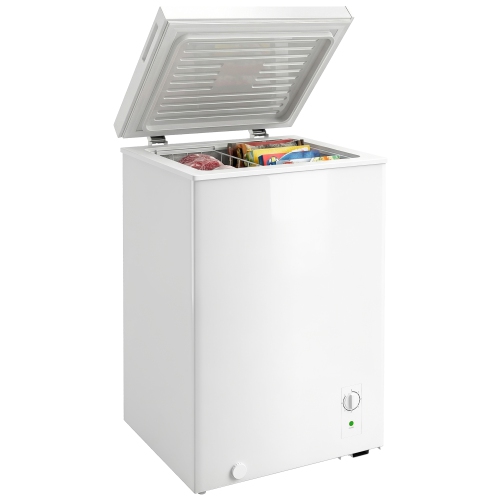
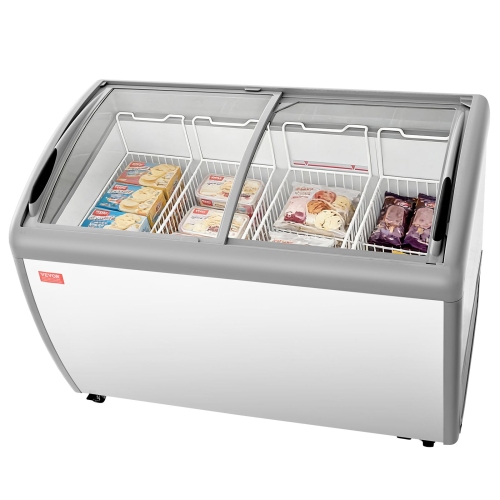
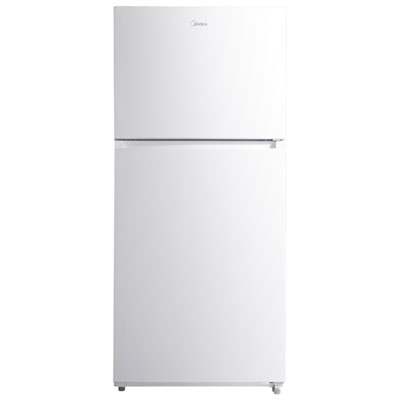
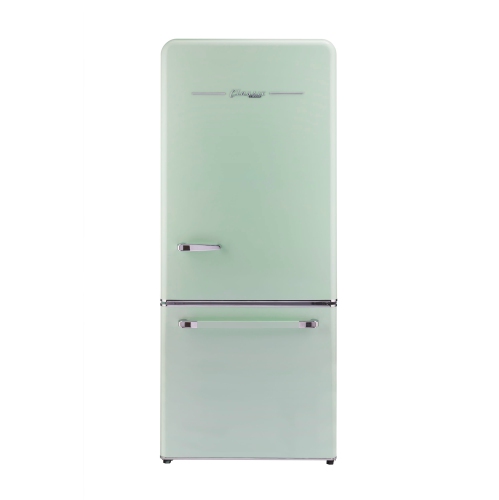
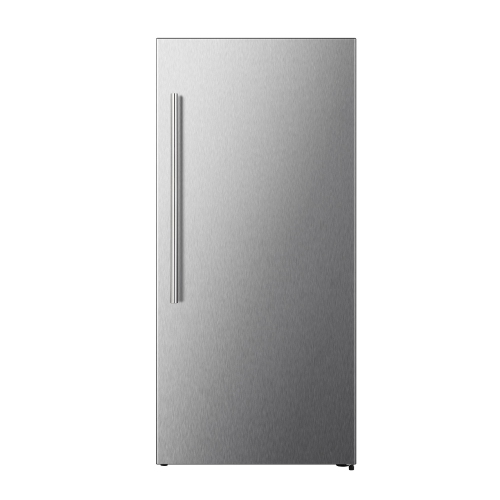
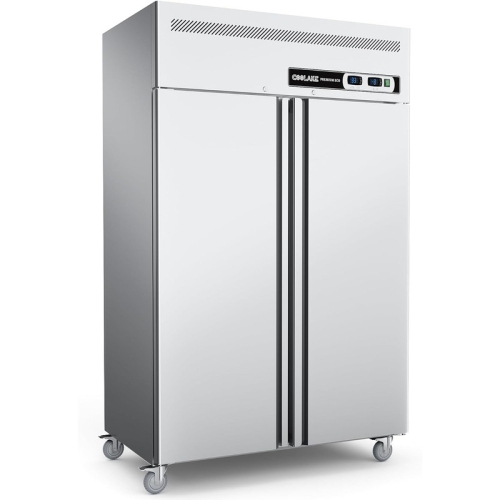
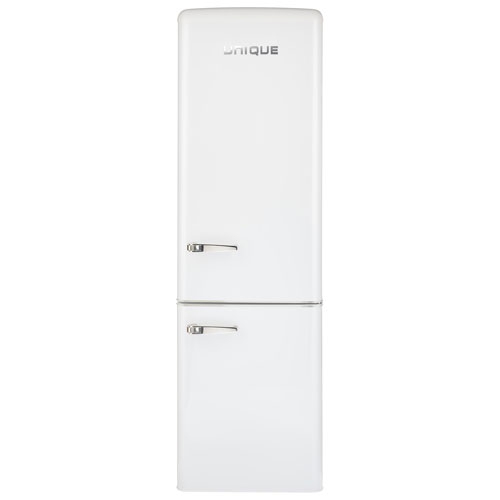
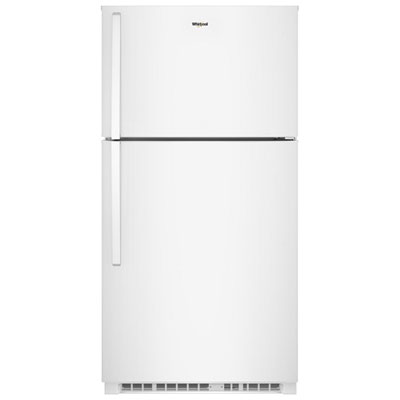
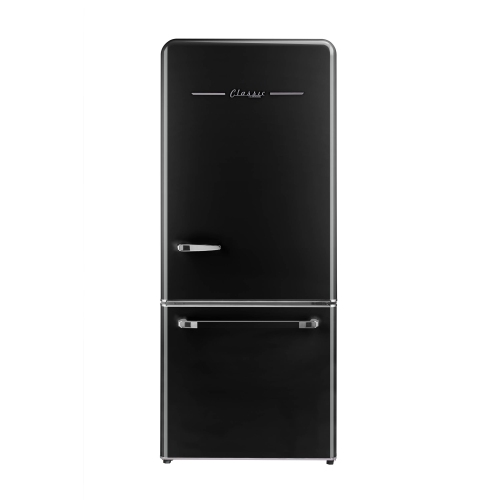

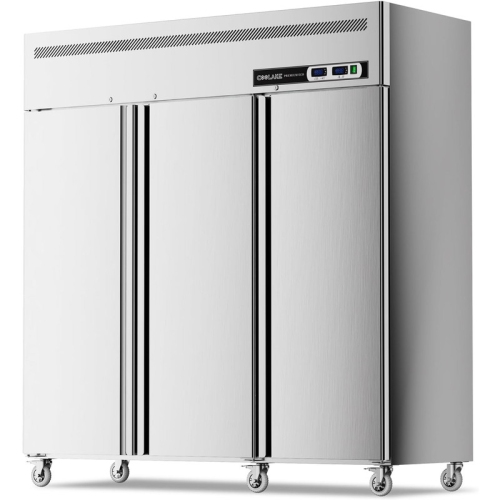
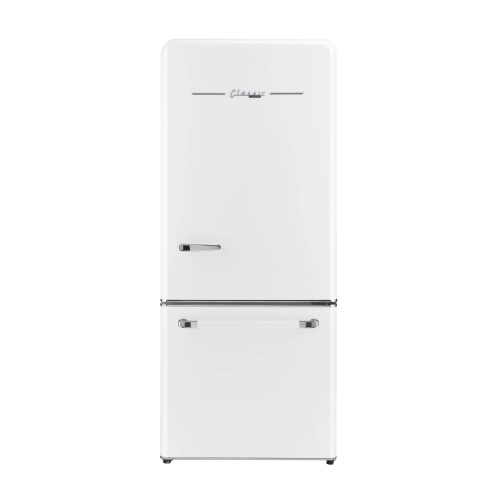
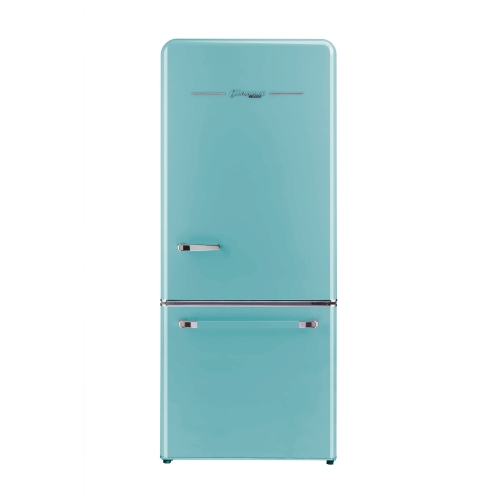
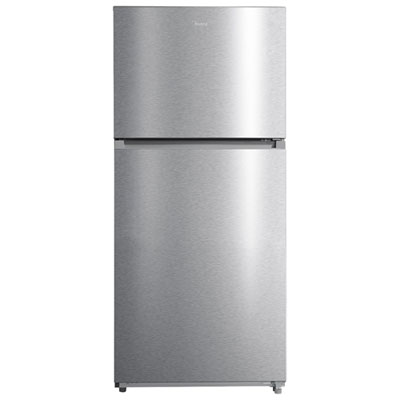
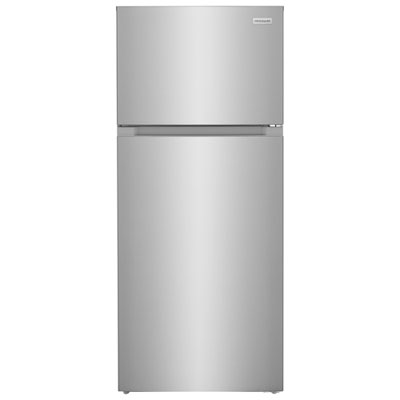
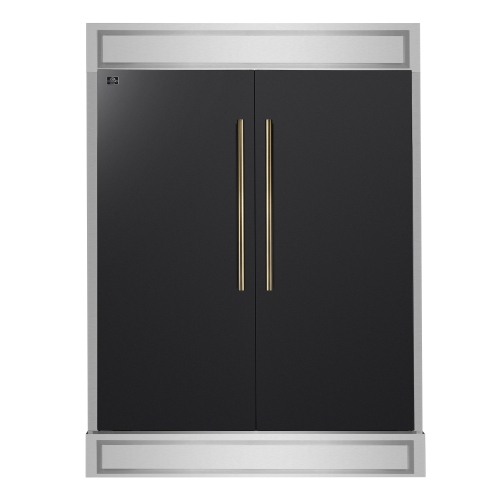
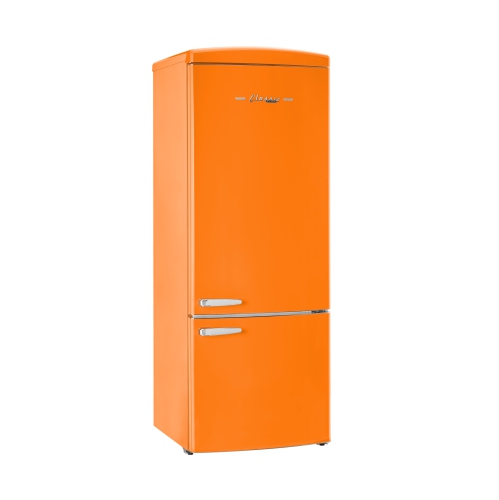
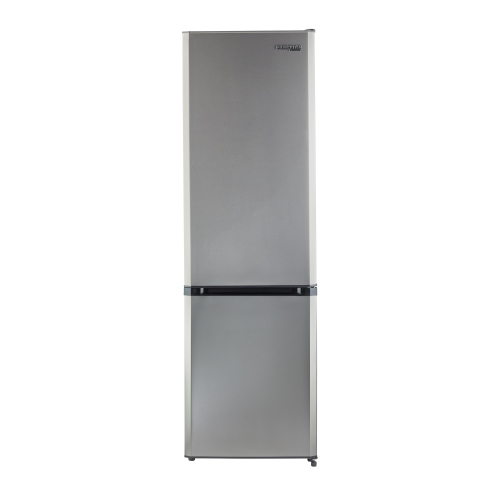
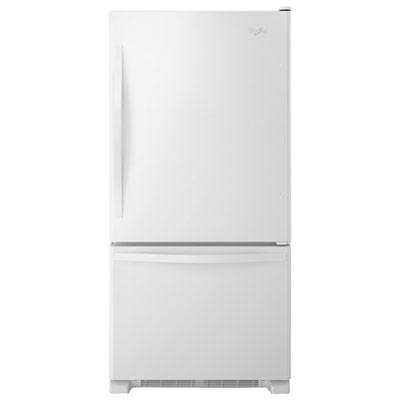

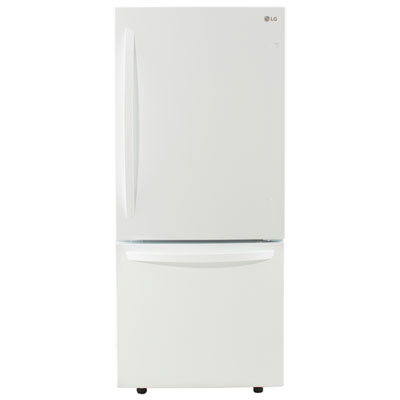
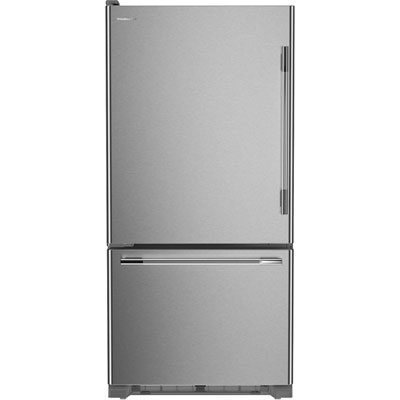
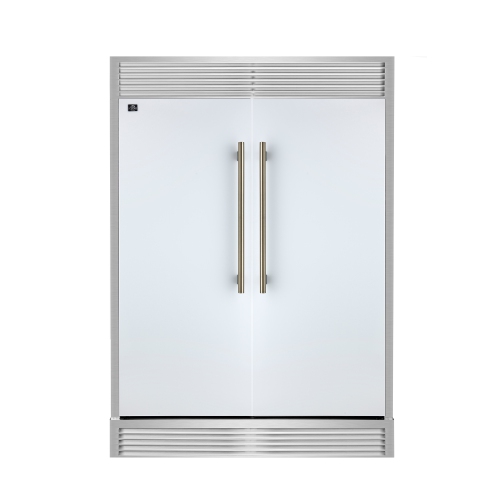
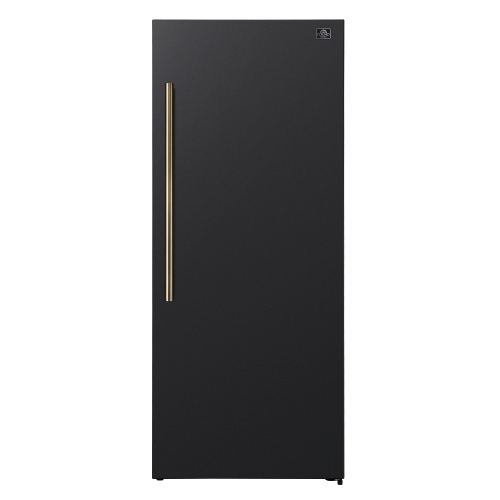
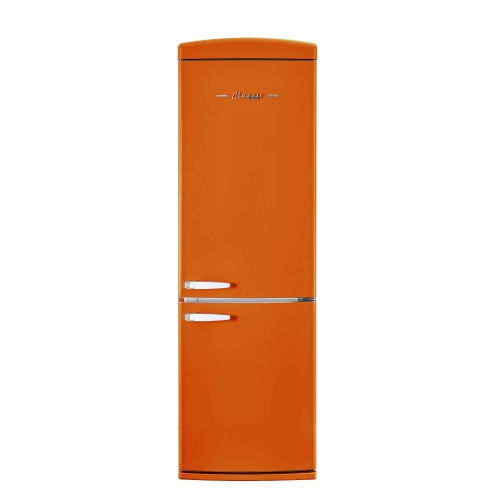

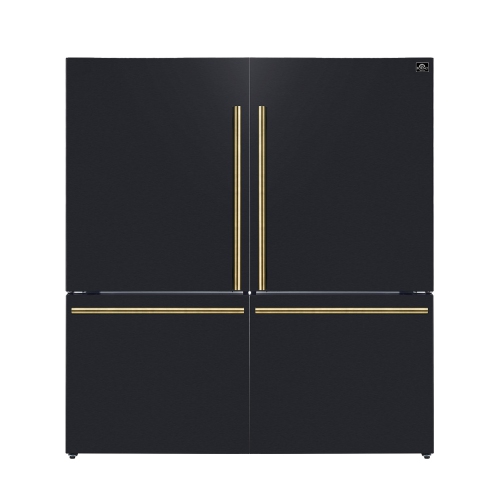
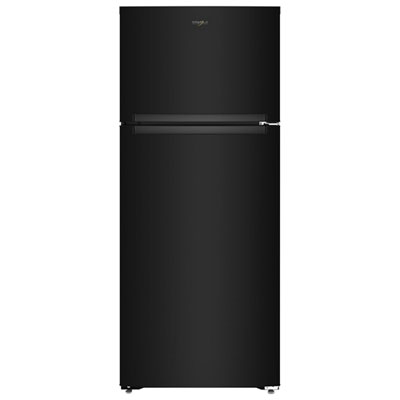
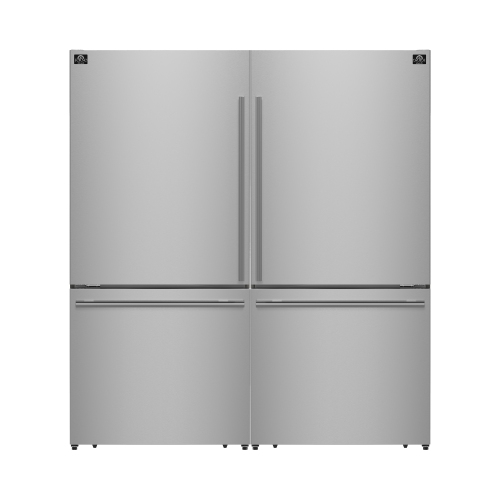
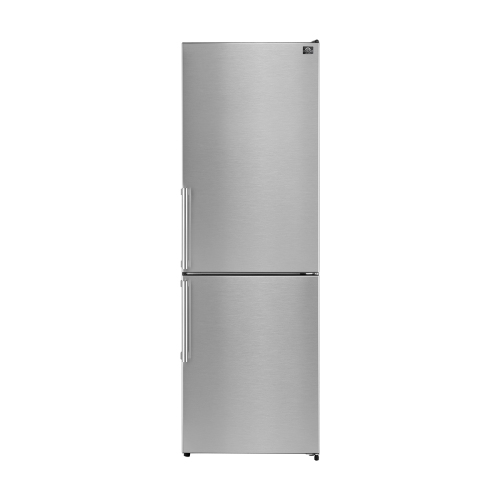
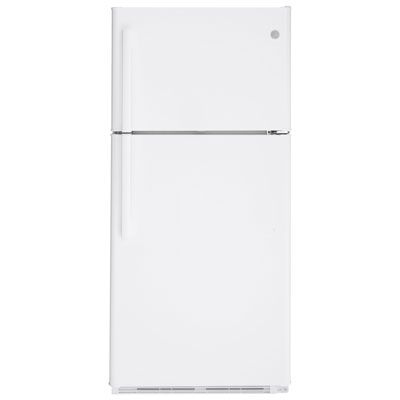
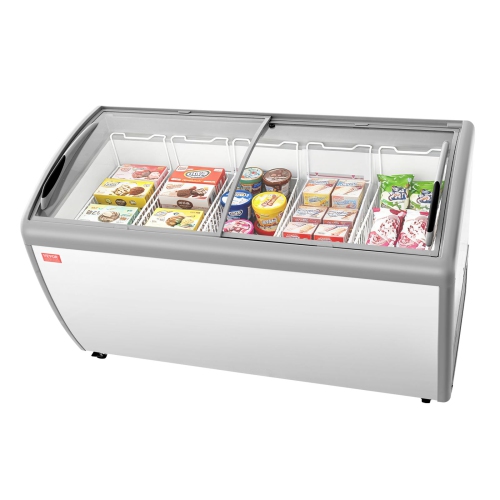
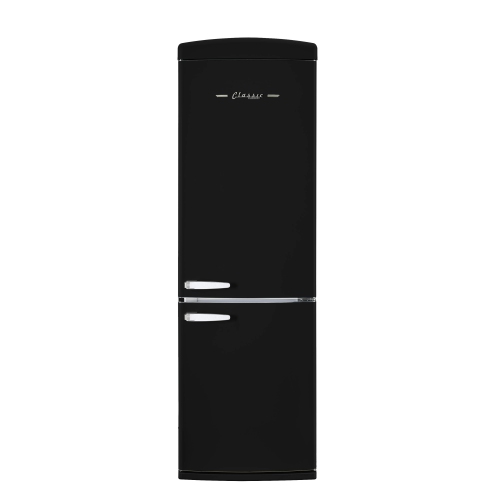
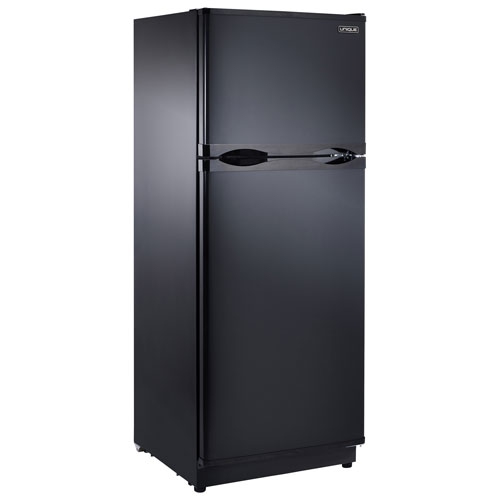
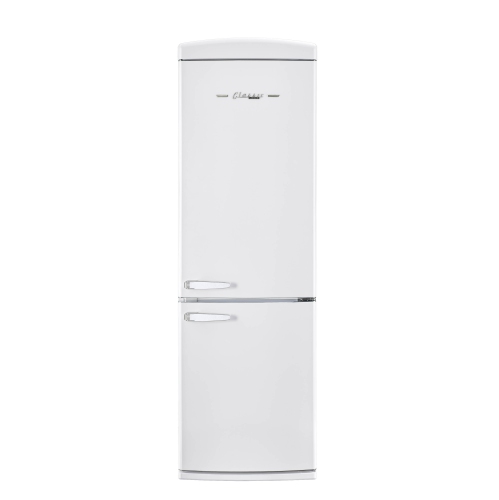
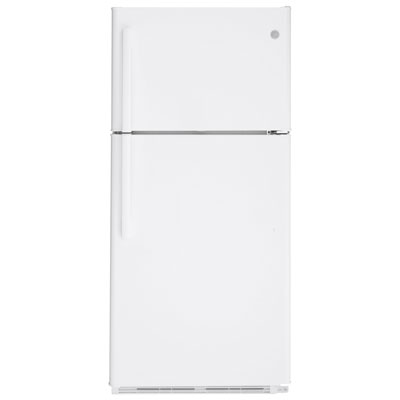
More room for batch cooking and bigger grocery trips
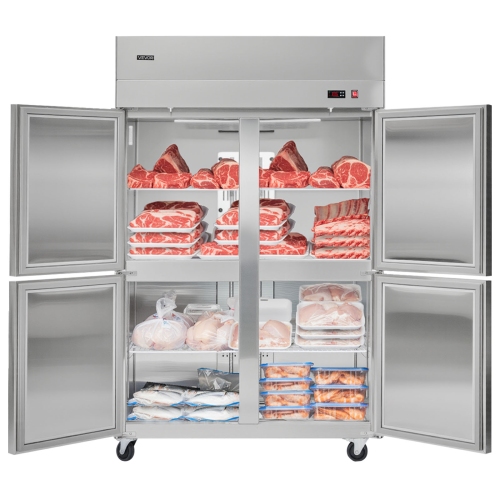
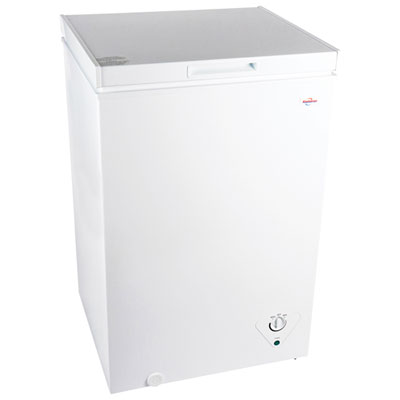
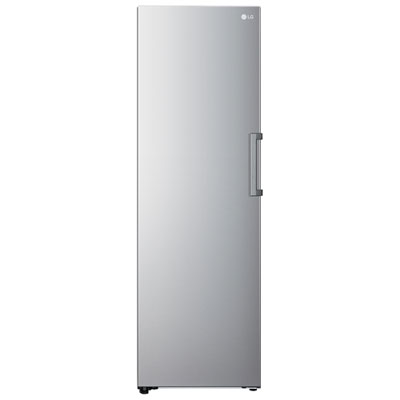
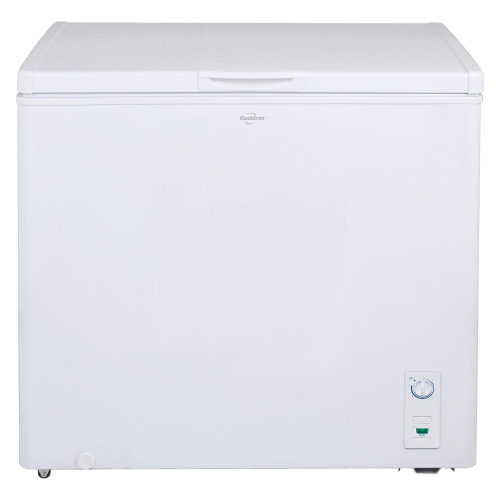
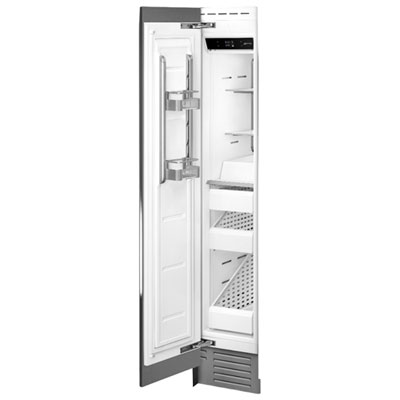
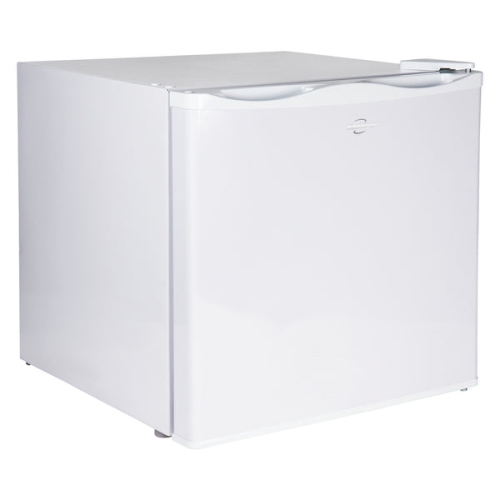
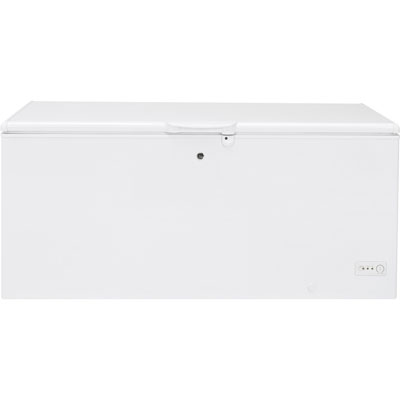
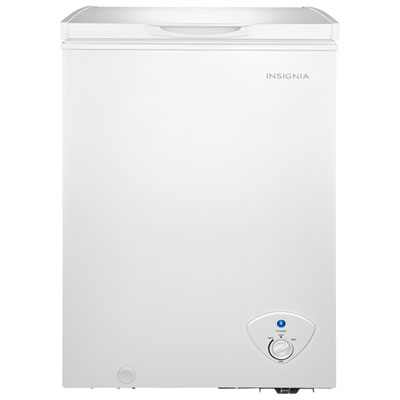
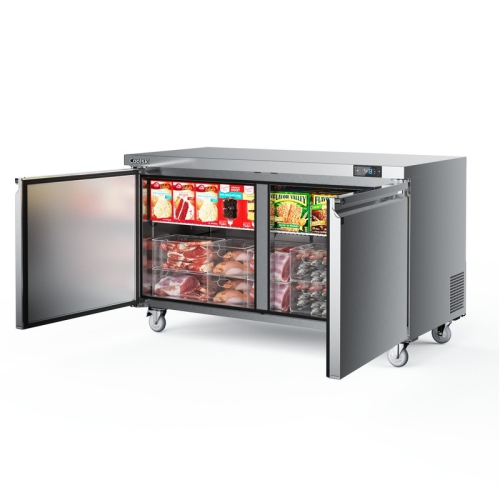
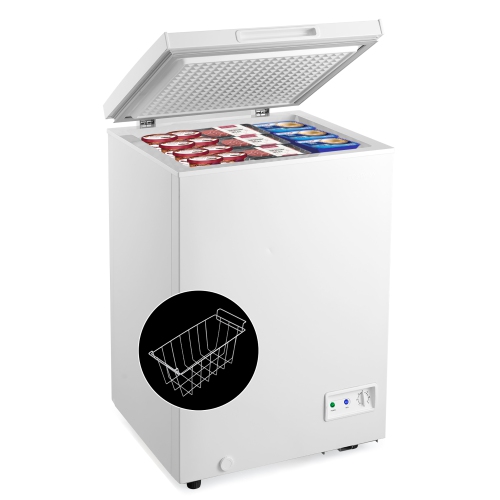
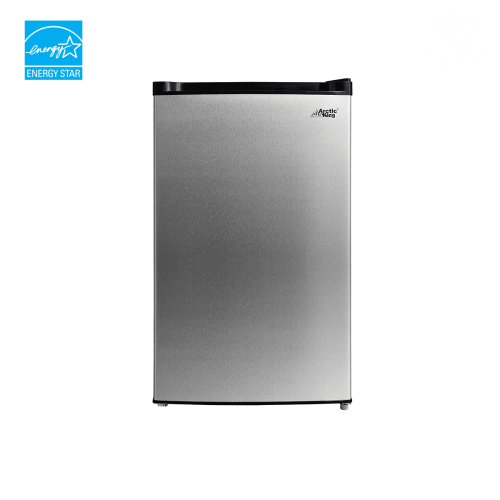
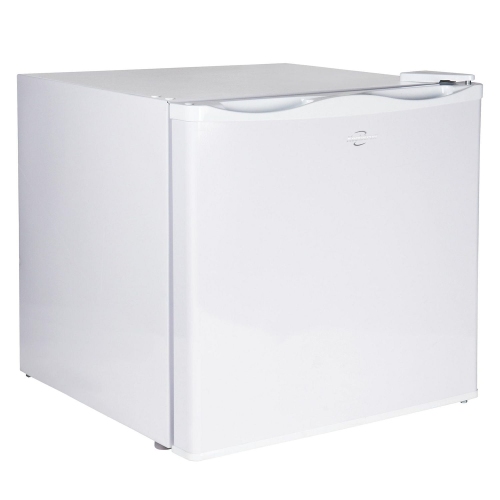
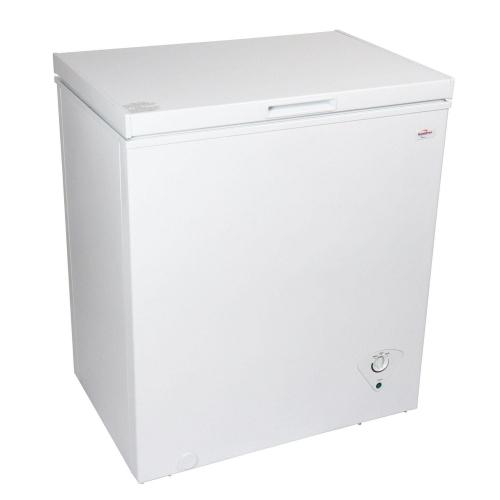
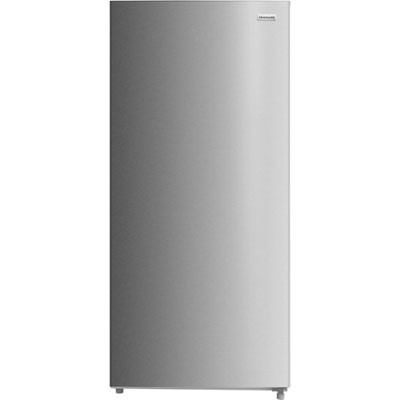
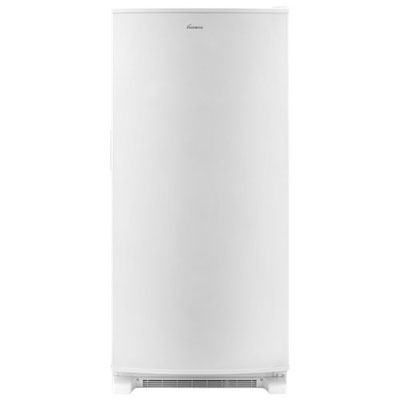
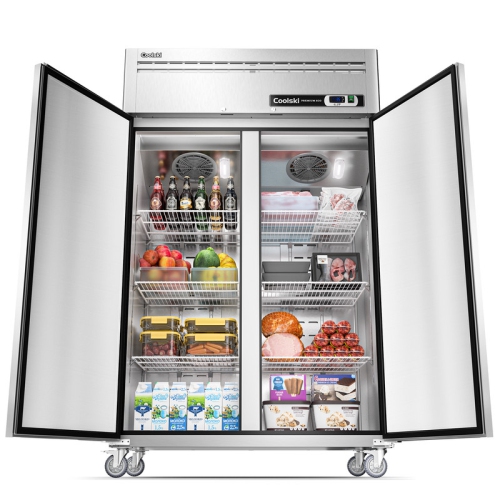
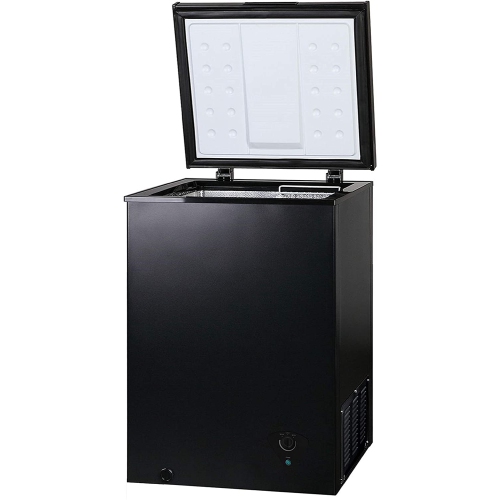
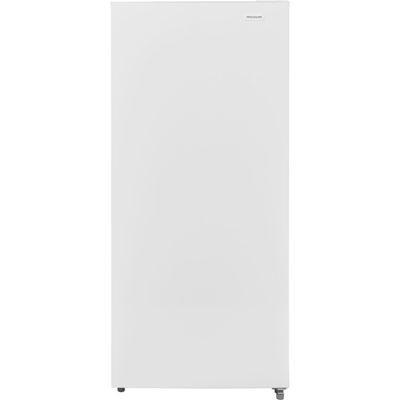
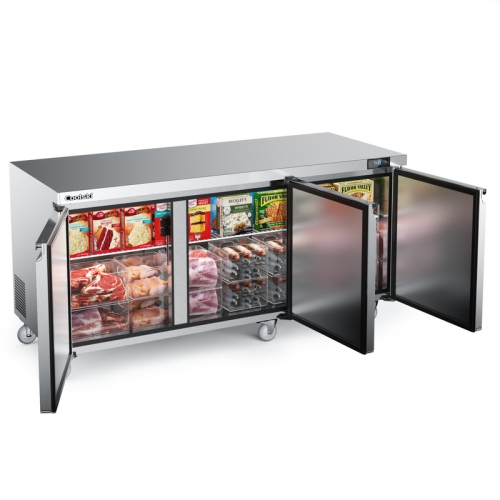
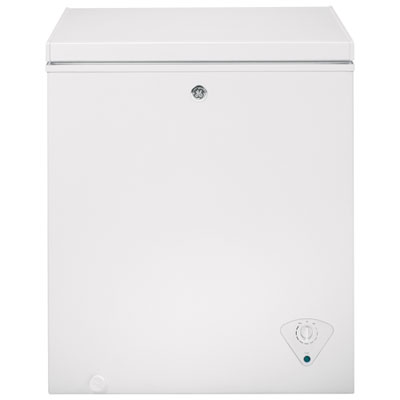
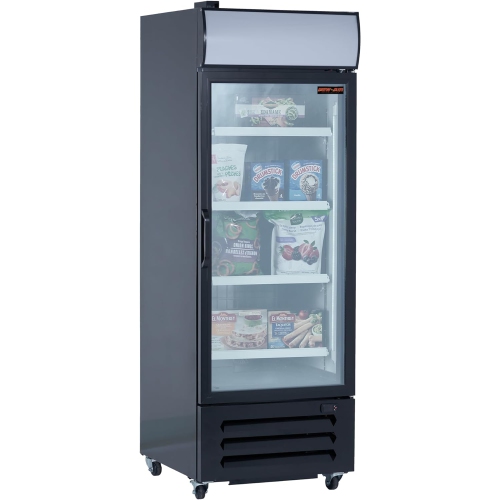
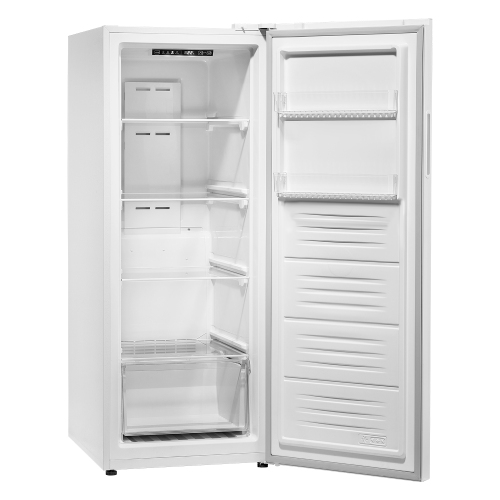
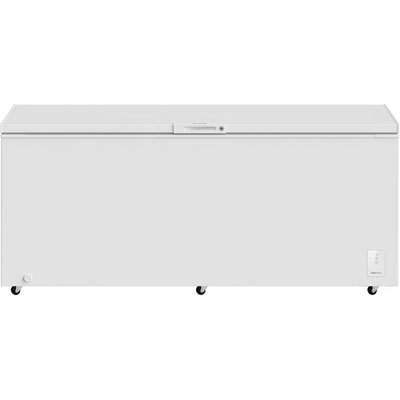
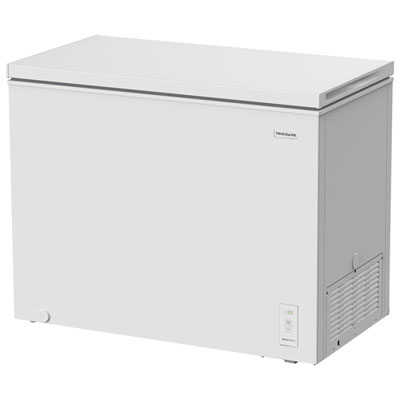
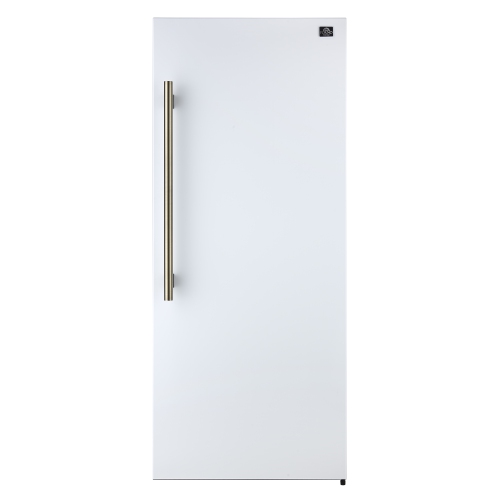
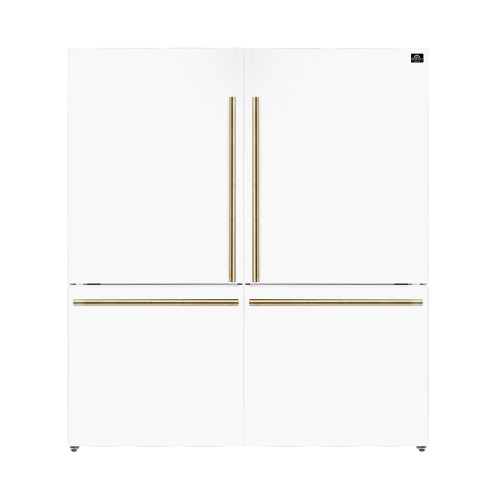
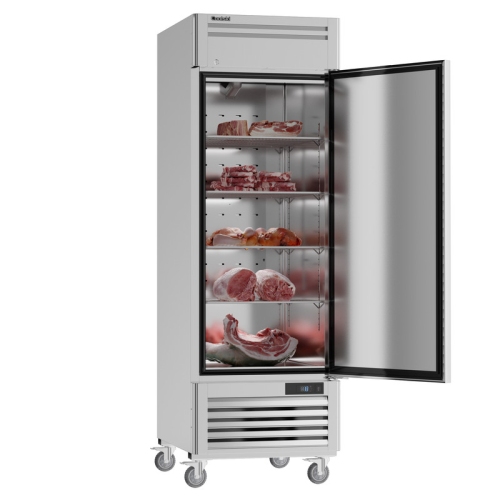
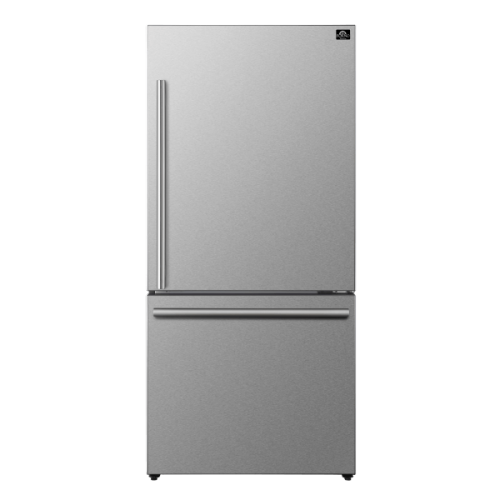
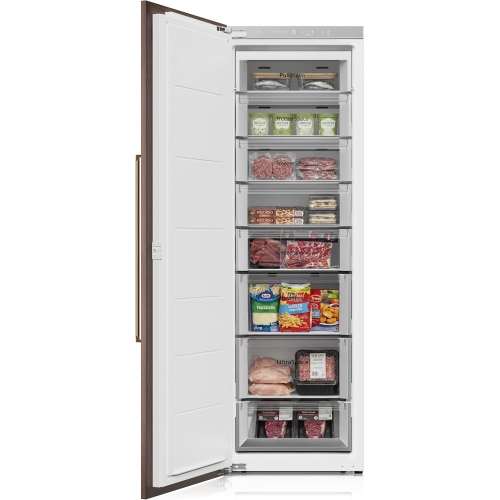
Freezer appliances provide dedicated frozen-food storage beyond the freezer compartment in a refrigerator, making room for batch-cooked meals, larger grocery trips, and ingredients kept on hand for everyday cooking. Standalone freezers generally come in two main styles: upright freezers, which have a front-opening door and a vertical arrangement of shelves or drawers, and chest freezers, which open from the top into a deep storage compartment. Each layout serves a different kind of household routine. An upright design makes it easier to separate vegetables, meat, bread, and prepared meals into visible sections, so finding a container of soup does not mean moving several packages first. The Freezer Upright category is particularly relevant to shoppers who prefer this shelf-based arrangement and a smaller floor footprint. Chest freezers offer a broad, open compartment that can accommodate bulky packages and irregularly shaped foods, with baskets or dividers helping to keep smaller portions within reach. Their top-opening design also helps retain cold air when the lid is lifted, although access to food at the bottom can require more rearranging. Compact freezers can provide extra capacity for a smaller household, while larger formats can suit families, shared households, and people who regularly prepare several meals at once. Capacity is commonly expressed in cubic feet, but the shape of the interior matters as much as the total volume. A wide casserole dish, a stack of flat freezer bags, and several tall containers each use space differently. Shelves, baskets, drawers, and the position of the compressor compartment all affect what fits comfortably. For someone who freezes individual portions, divided storage can be more useful than one large cavity; for someone storing larger cuts of meat, a less segmented compartment may be more practical. The best fit is the one that supports familiar cooking and shopping habits without making everyday food difficult to reach.
The space around a freezer is just as important as the space inside it. A suitable location needs room for the appliance itself, the ventilation clearances specified by the manufacturer, and enough access to open the door or lid fully. An upright freezer may fit neatly beside other appliances, but its door swing can interfere with a wall, nearby cabinetry, or a narrow walkway. Reversible doors, where offered, can make placement more flexible, while pull-out drawers still need sufficient clearance to extend. A chest freezer requires clear space above the lid, so a low shelf or an overhead cabinet can limit access even when the floor dimensions appear suitable. Measuring the delivery route, including doorways, stair turns, and basement entrances, helps establish whether a freezer can reach its intended position. A level surface supports proper door alignment and drainage where applicable, and the electrical connection must meet the installation requirements. Garage-ready freezers are designed for a specified range of surrounding temperatures; that designation is not a promise that any unit can operate in every garage. Manufacturer ratings remain important for any placement outside a temperature-controlled room. Within the appliance, reliable temperature control supports consistent storage, with -18°C or colder generally recommended for frozen food. Exterior controls, temperature displays, interior lighting, and door-open or high-temperature alarms can make routine checks easier, though features vary by design. Defrosting style also affects day-to-day ownership. Frost-free systems manage frost automatically and reduce the need for manual defrosting, while manual-defrost freezers require occasional clearing of accumulated ice. Neither arrangement replaces secure packaging or a properly closed door. Painted steel and stainless steel exterior finishes offer different looks, while interior liners, shelves, drawer fronts, hinges, and handles influence how the freezer feels during regular use. Removable storage components can simplify cleaning, and sturdy baskets or shelves that are easy to handle can make a noticeable difference when they are holding several meals.
A well-used freezer becomes part of the household’s cooking rhythm: a tray of lasagna divided into portions, berries packed for smoothies, bread kept for toast, or a few prepared dinners set aside for busy evenings. Organization keeps that extra storage useful rather than turning it into a place where food disappears beneath newer purchases. Clear labels with contents and freezing dates make similar-looking containers easier to identify, and grouping foods by type reduces searching. In a chest freezer, a basket for frequently used foods can keep them above larger packages, while upright shelves can separate ready-to-heat meals from ingredients awaiting preparation. Food-safe, freezer-suitable containers and bags help limit moisture loss and freezer burn, which can affect texture and flavour. Flat portions stack efficiently, while containers holding liquids need appropriate expansion space. Freezing helps extend storage life, but it does not make food quality last indefinitely, and safe handling before freezing remains essential. Leaving room around vents where required allows air to circulate, and avoiding packages that obstruct the door helps the seal close properly. Care is usually straightforward but should follow the appliance’s instructions: spills need prompt attention, removable parts need suitable cleaning, and door gaskets benefit from being kept clean and free of crumbs or residue. For manual-defrost designs, ice buildup eventually takes up usable space and makes defrosting necessary; sharp tools can damage the liner or refrigerant tubing and should not be used to remove it. Exterior surfaces also need finish-appropriate care to avoid scratches or discolouration. For households with young children, a lock can provide an additional access control, without replacing supervision. Comfortable access matters for other users, too: the depth of a chest compartment can be challenging for someone with limited reach, while the highest shelves of a tall upright may be less convenient. Taken together, storage layout, placement, accessible controls, and manageable care requirements determine how naturally a freezer fits into daily life, whether it supports a small kitchen or a household that regularly cooks in larger batches.
Top selling and popular products
-
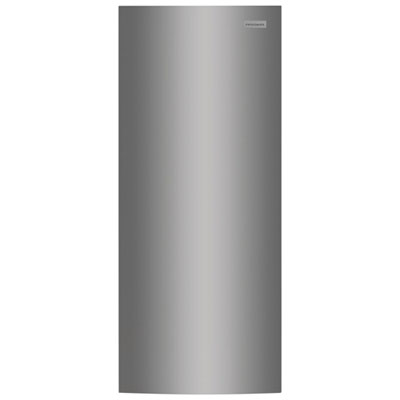 Your price for this item is $799.99
-
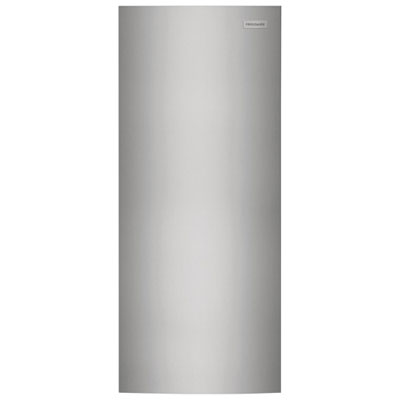 Your price for this item is $899.99
-
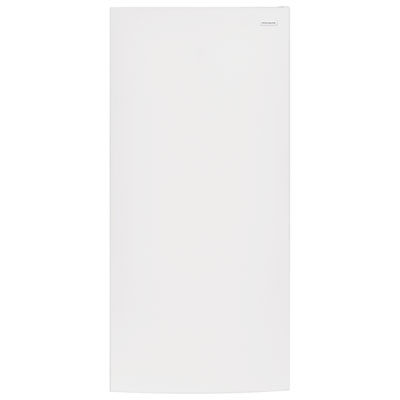 Your price for this item is $1298.97
-
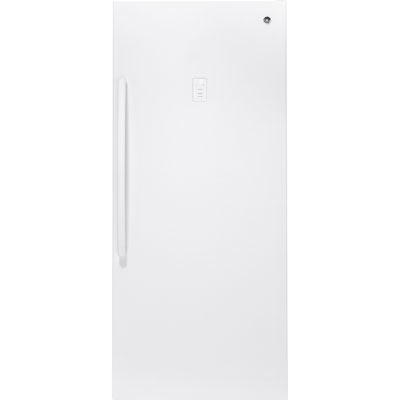 Your price for this item is $1149.99
-
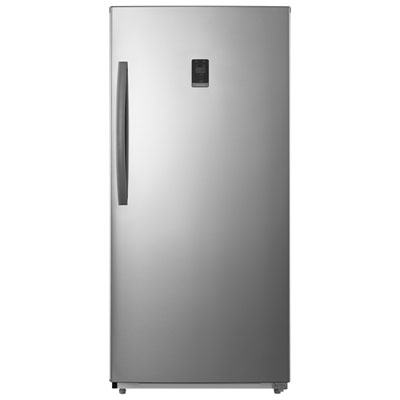 Your price for this item is $599.99
-
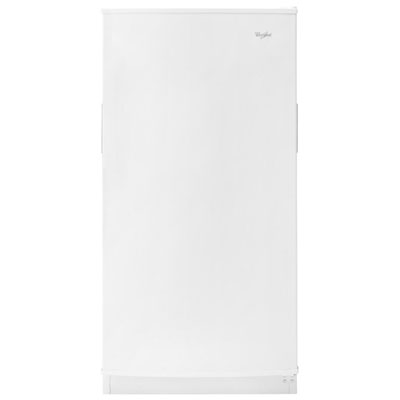 Your price for this item is $1249.99
-
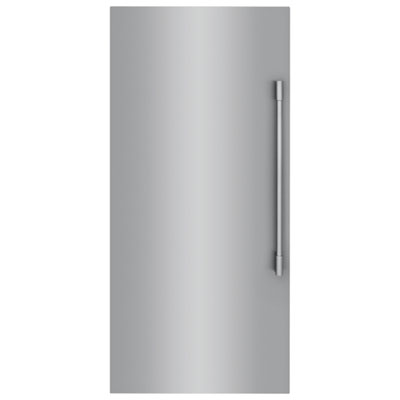 Your price for this item is $3699.99
-
 Your price for this item is $799.99
Discover more categories related to Freezer Appliances
Top Collections:
Best Black Friday Deals This Year, Best Black Friday Deals On Electronics, Kindle Devices, Pokemon Centers, Best Black Friday Deals On Apple Products, Best Cameras for Sports Photography, Dyson Airwrap, Pokémon 30th Celebration Cards, Apple iPhone 17 Pro, Canon G7X Cameras
Some products may be subject to Environmental Handling Fees
(EHF) depending on your province.
Learn more about EHFs.