Handheld Clothes Steamers
If you're looking to effortlessly refresh your wardrobe, look no further than these handheld clothes steamers. These compact and convenient devices are designed to quickly and easily remove wrinkles and creases from your garments, leaving them looking fresh and wrinkle-free. Whether you're getting ready for a big presentation, a special event, or simply want to look your best every day, a handheld clothes steamer is an essential tool for almost any fashion-savvy individual.
Sort


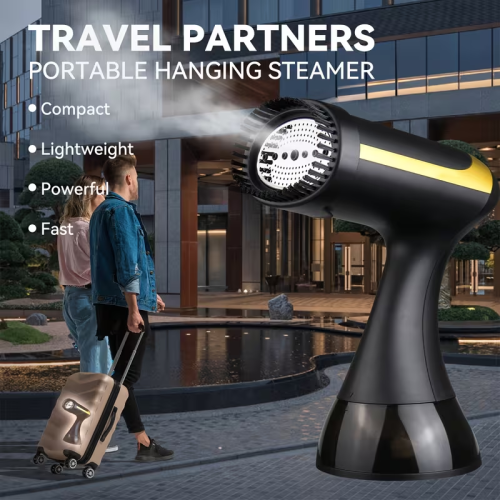
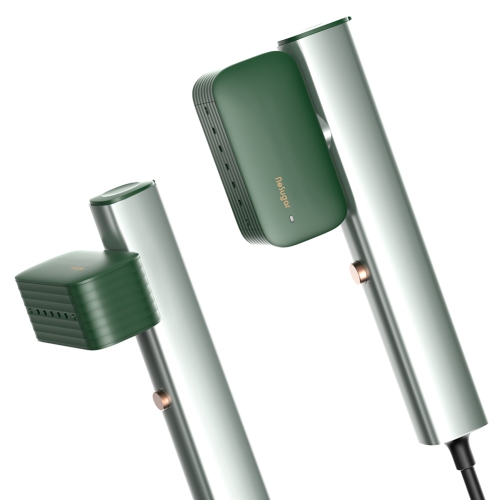


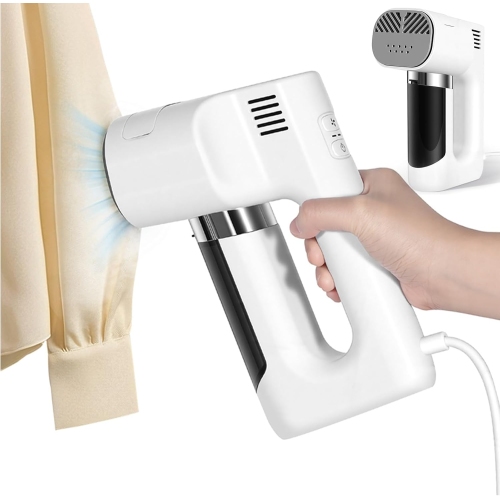


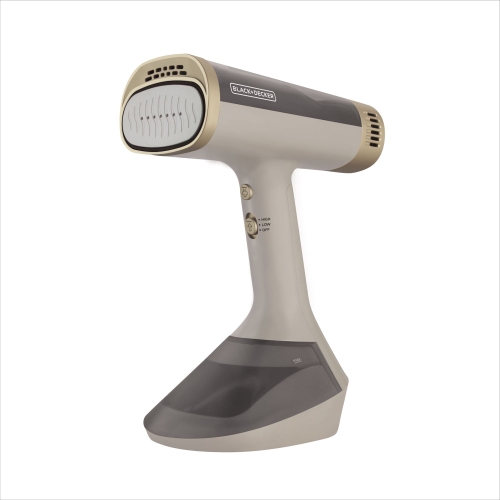


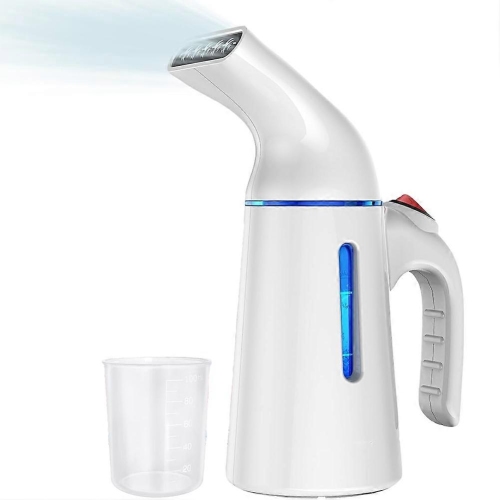


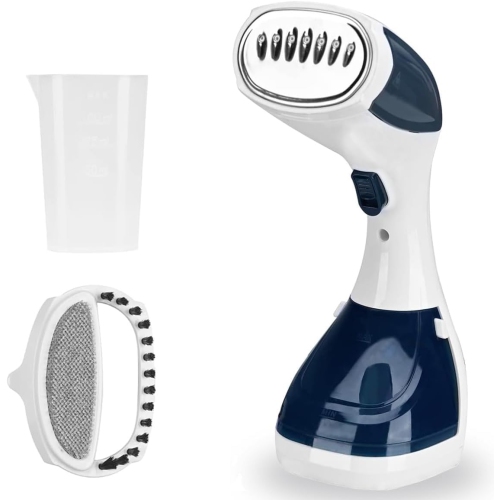

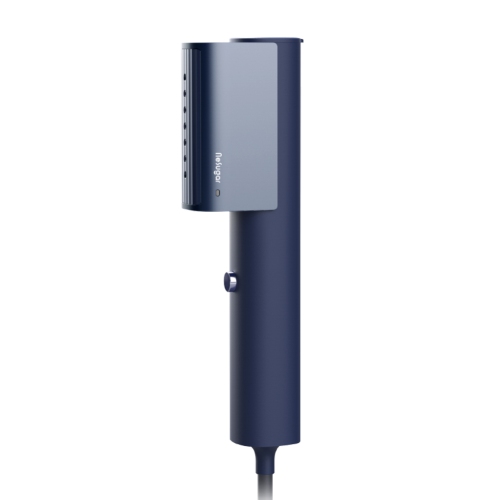
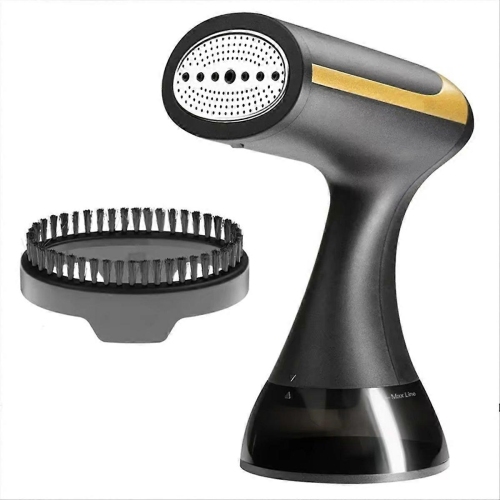


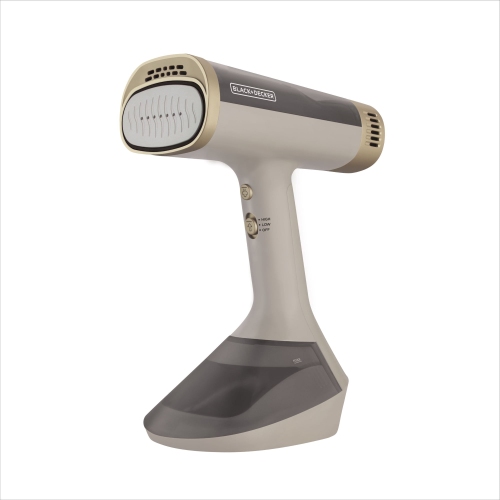

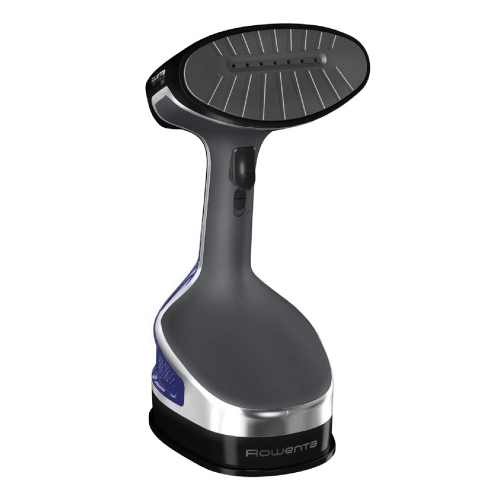

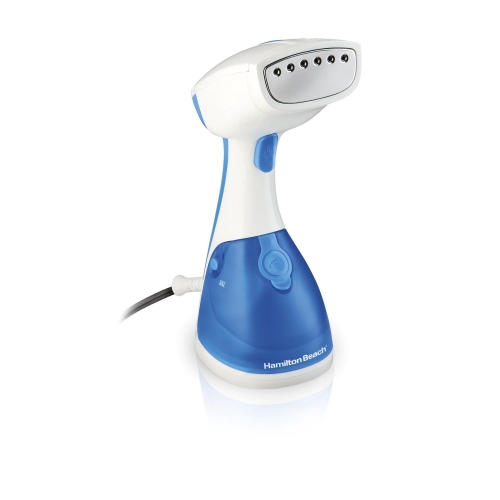


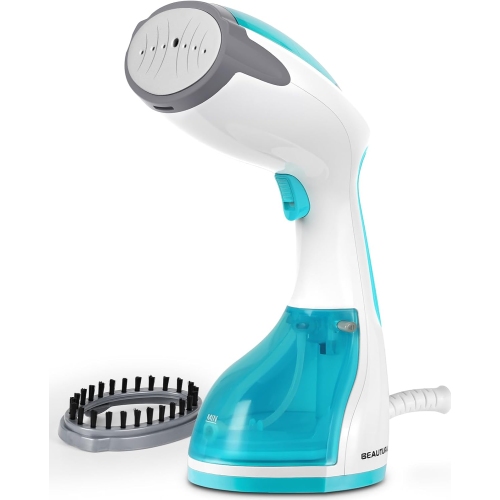
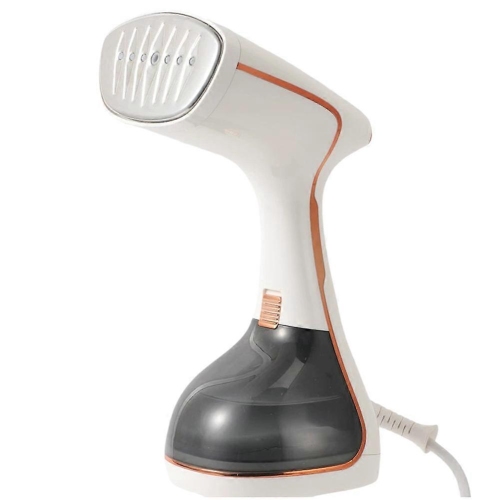
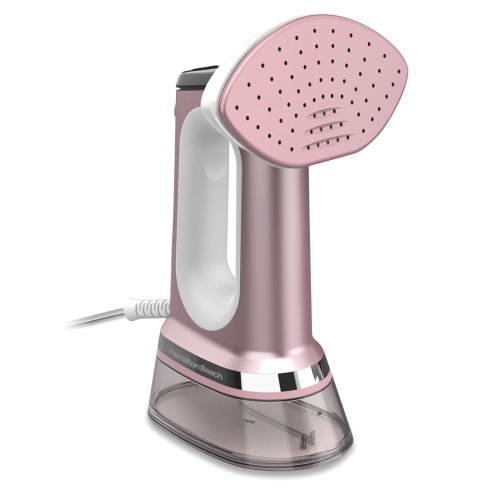

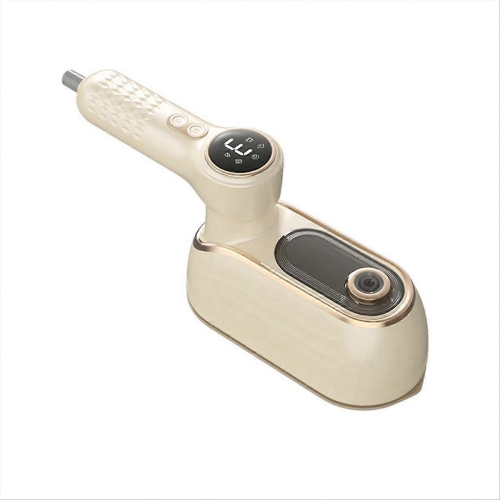
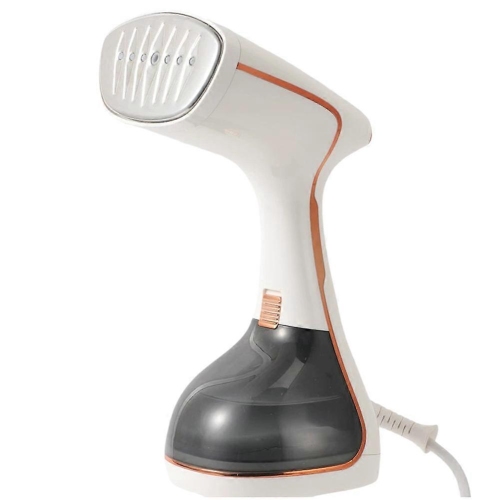
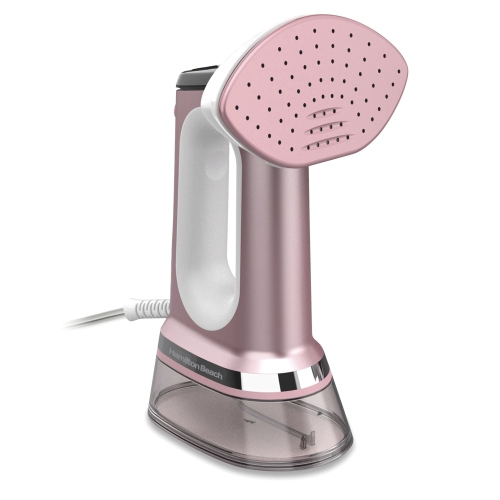
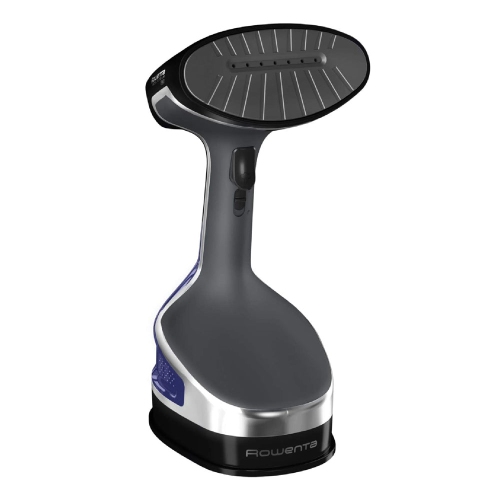
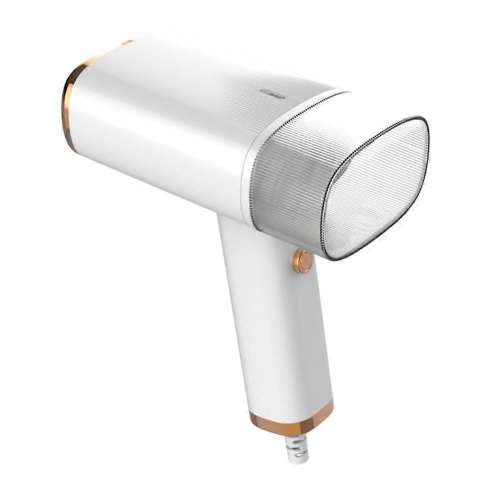

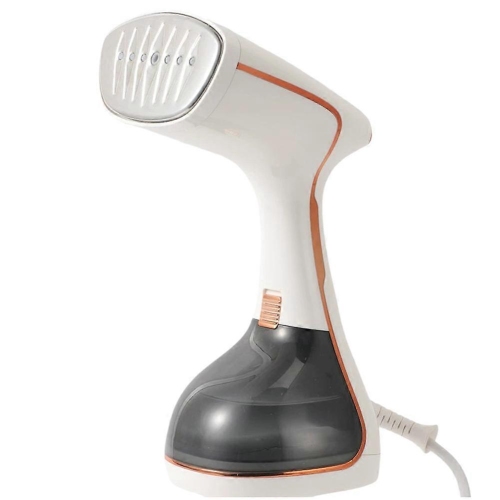

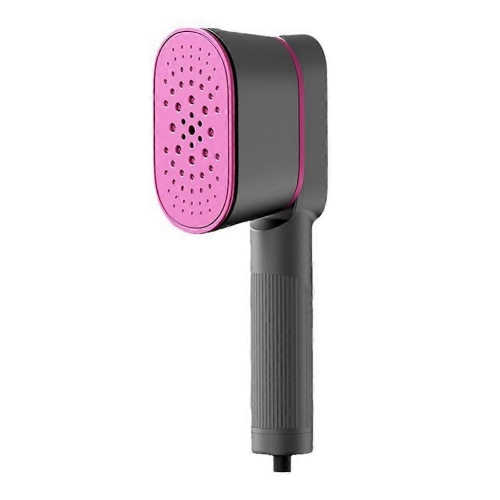
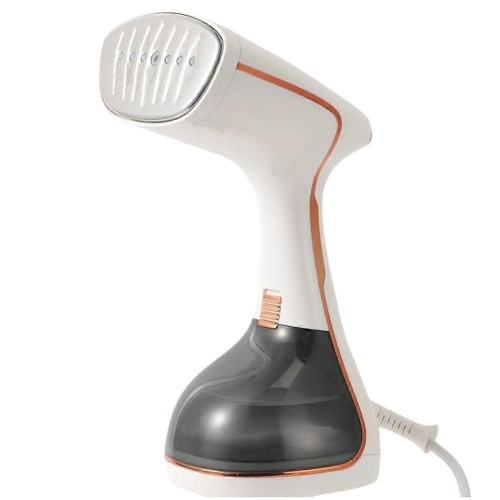
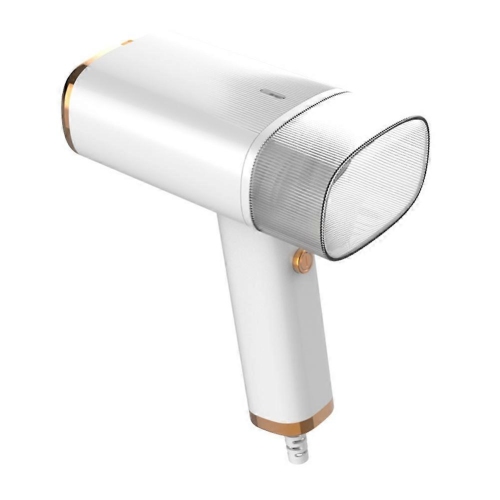

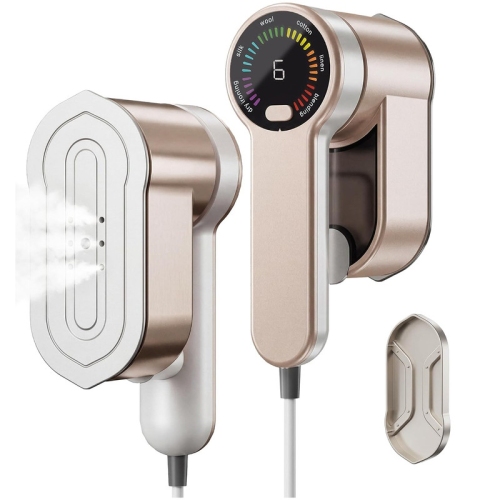


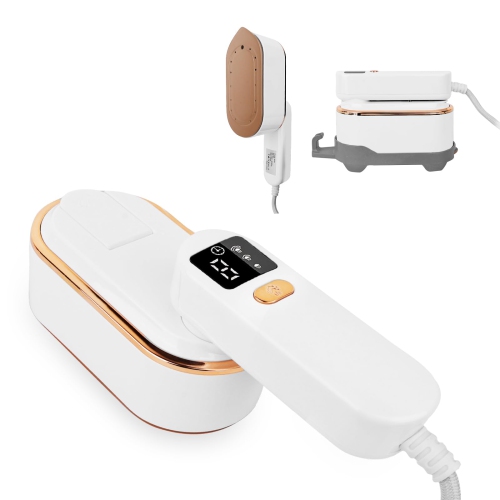
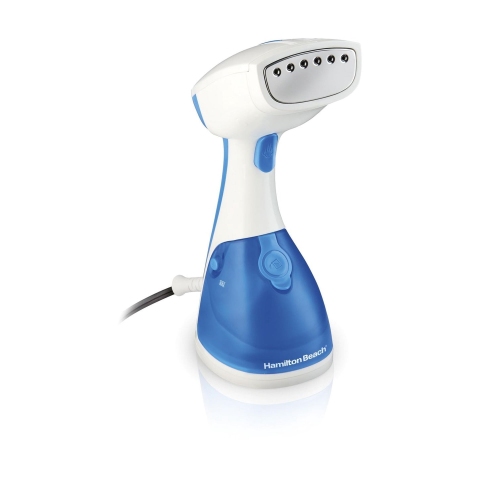
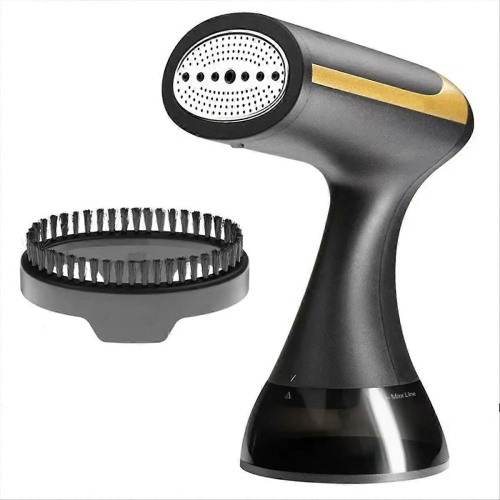
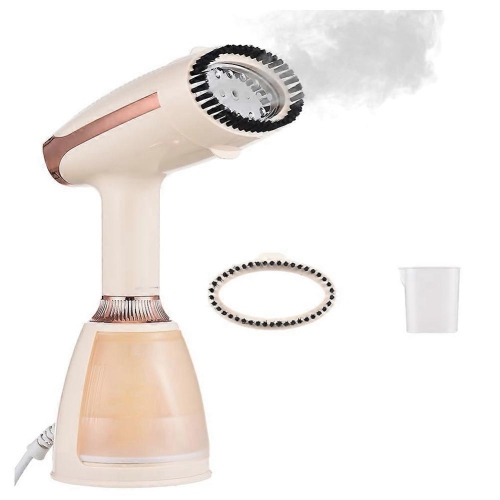
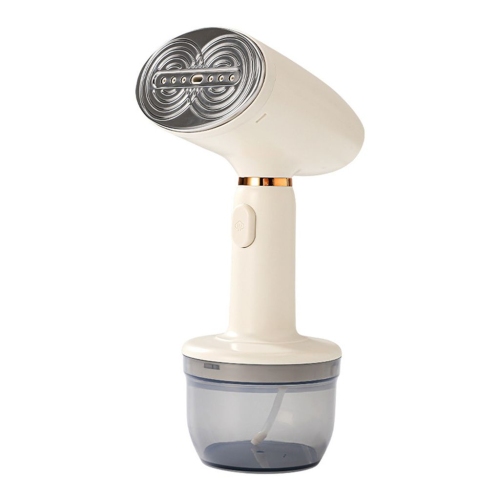

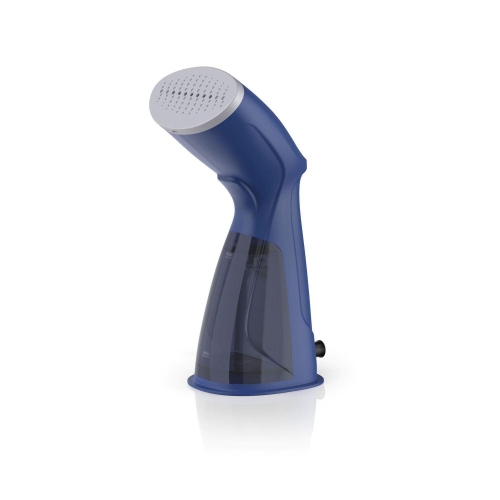
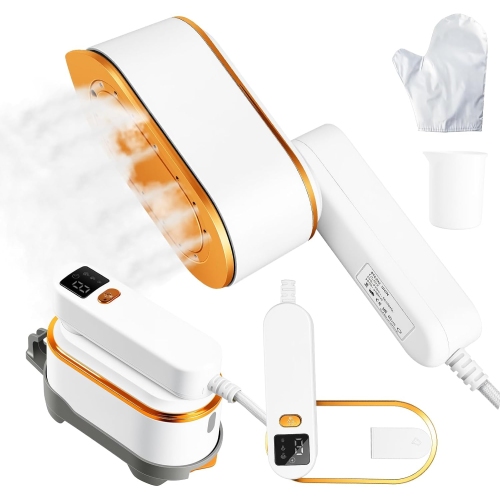

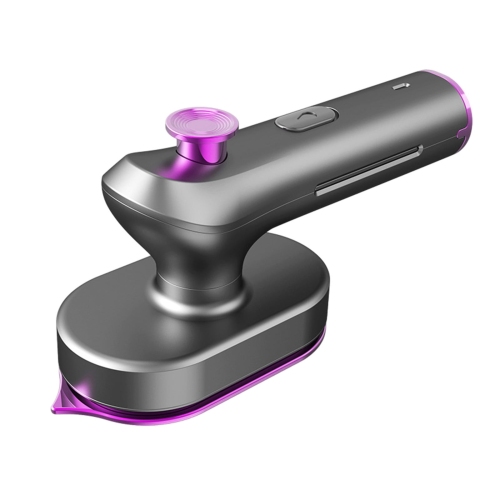
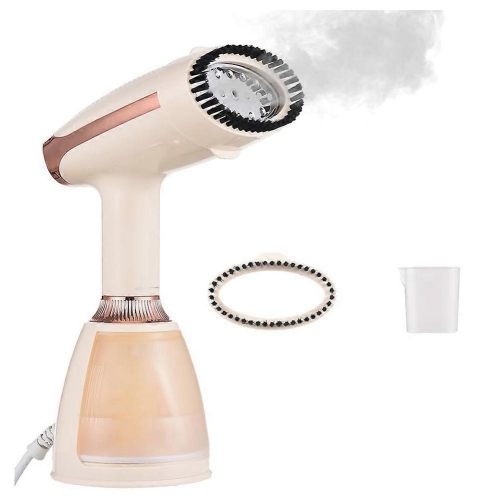
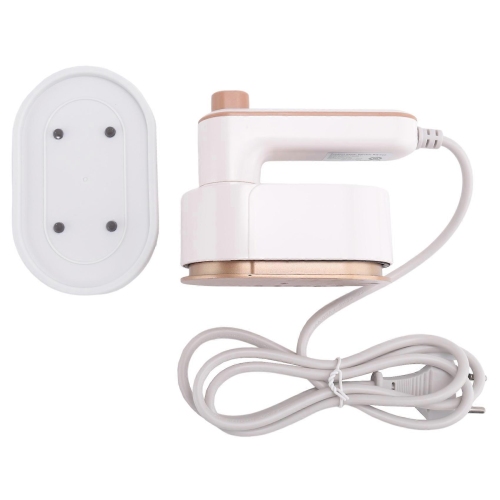
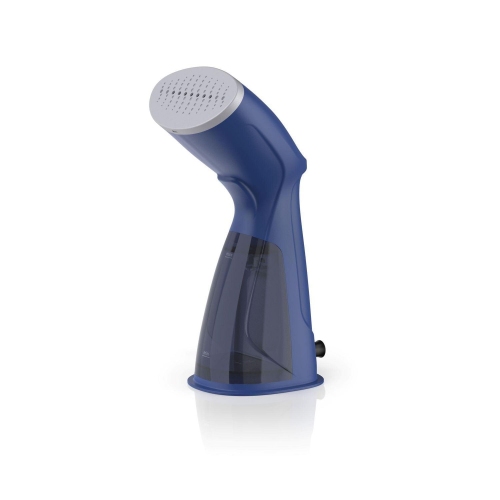


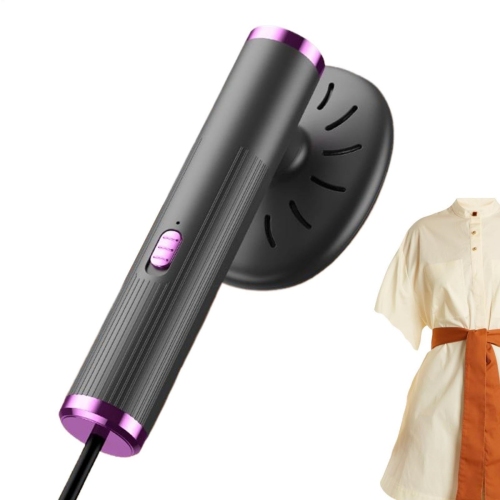
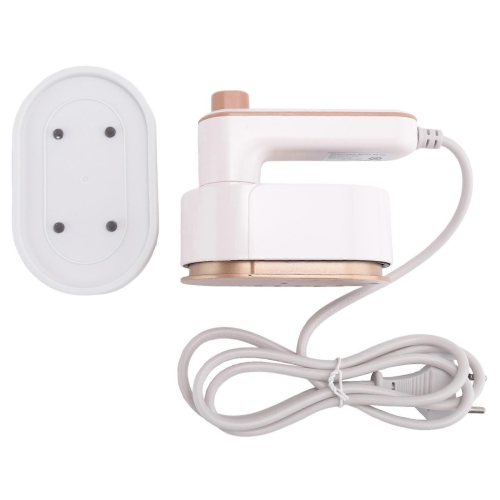


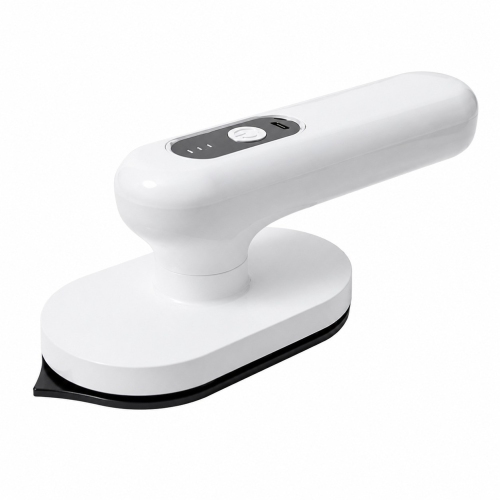
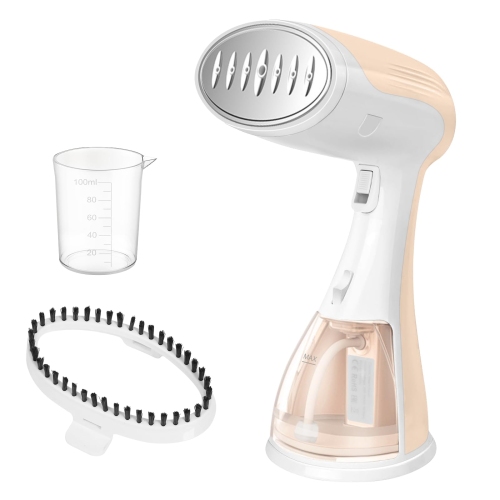


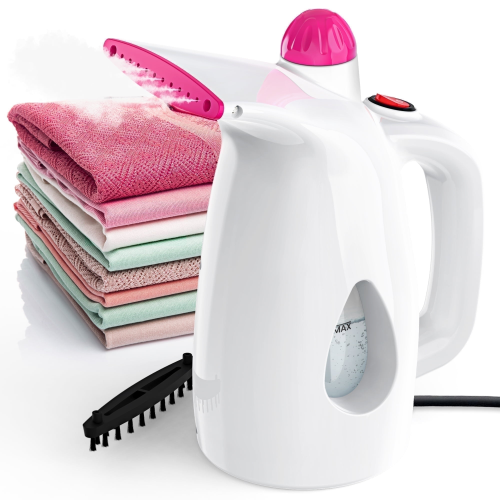

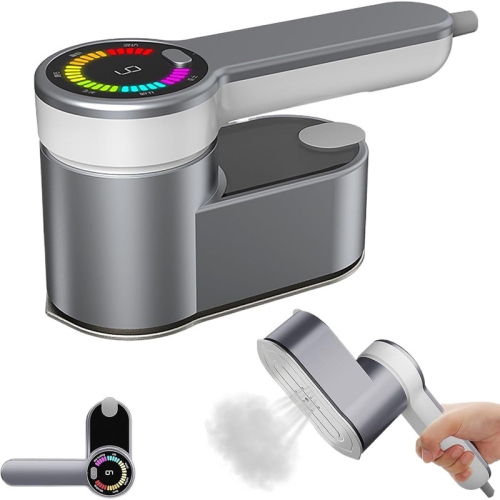
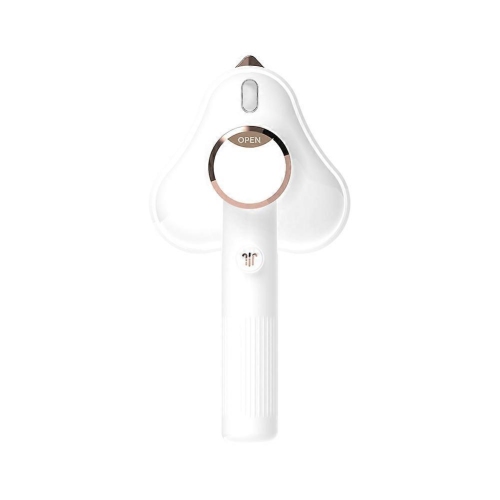
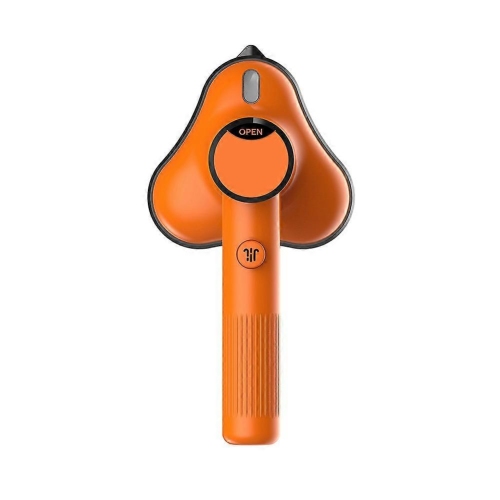
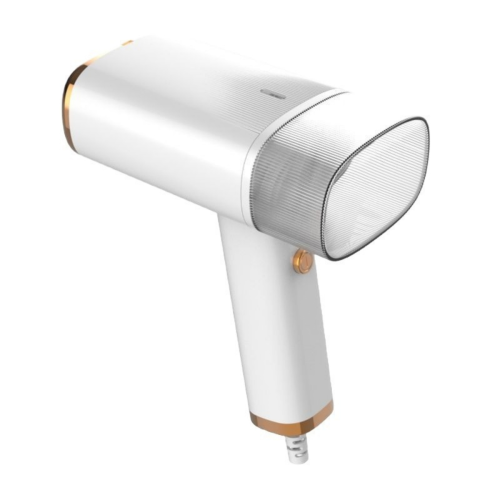


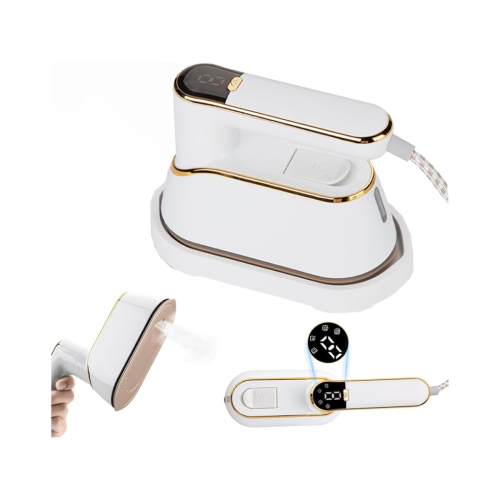
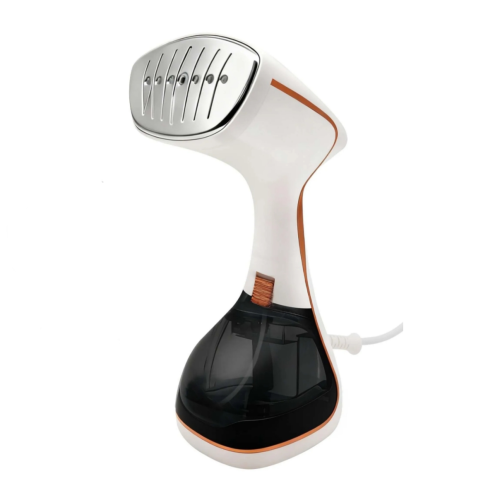
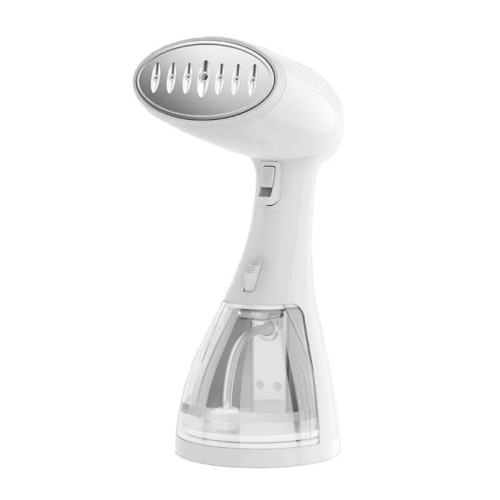
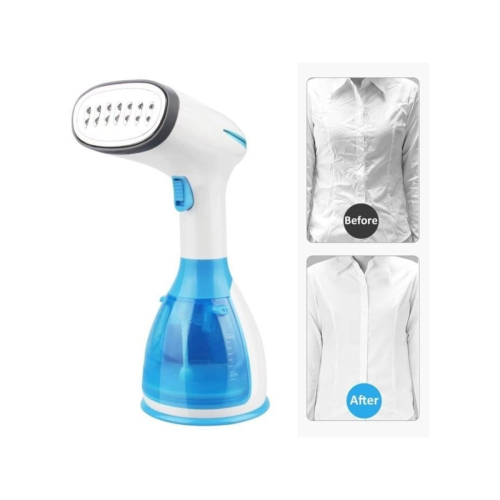

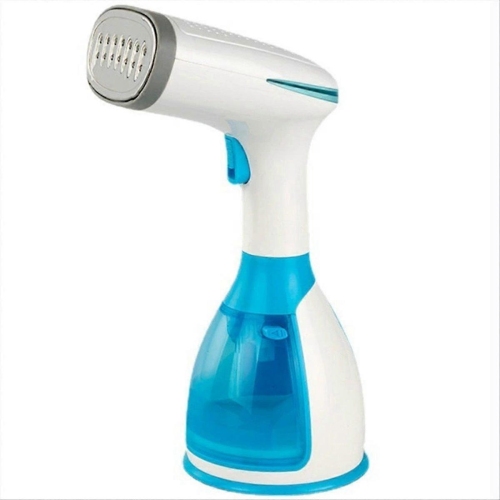


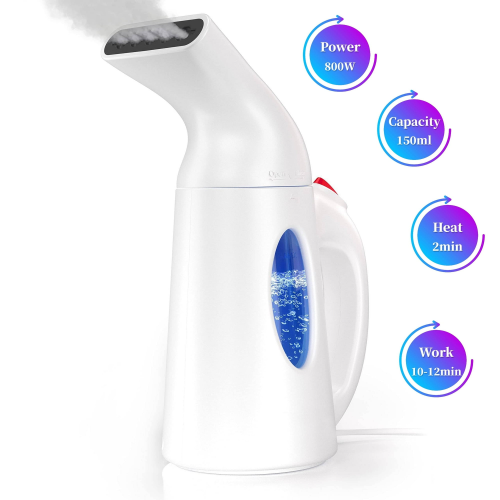


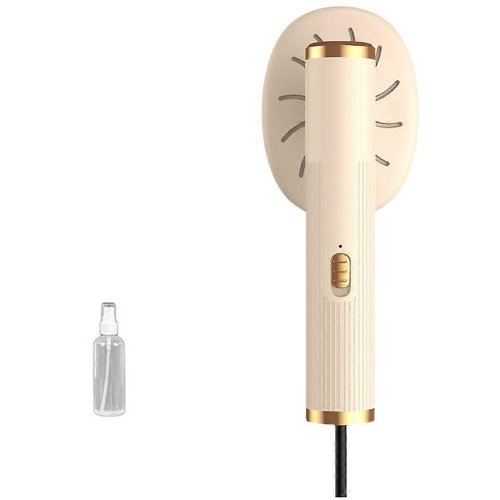
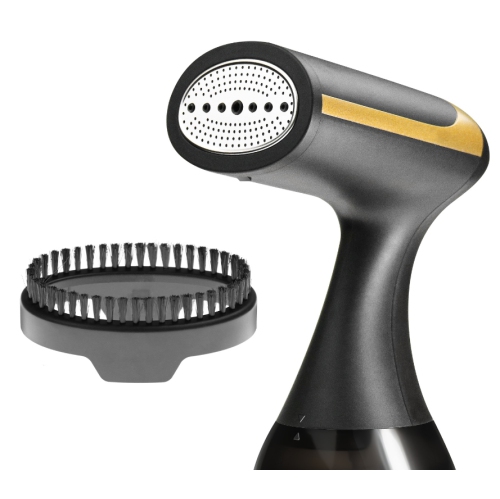

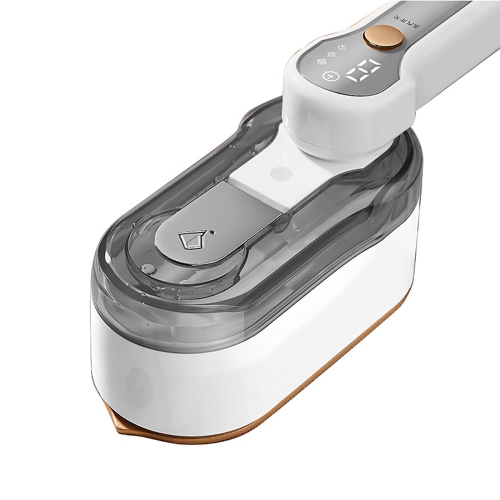
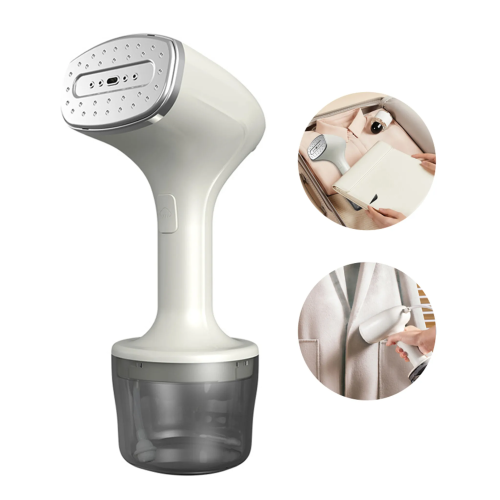
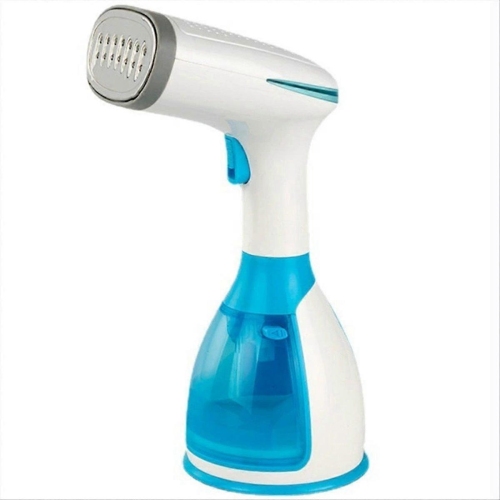
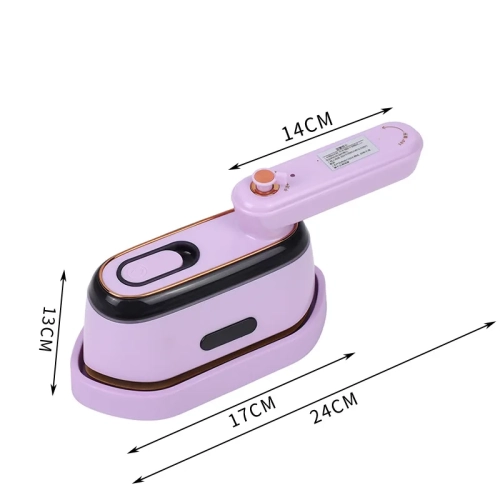
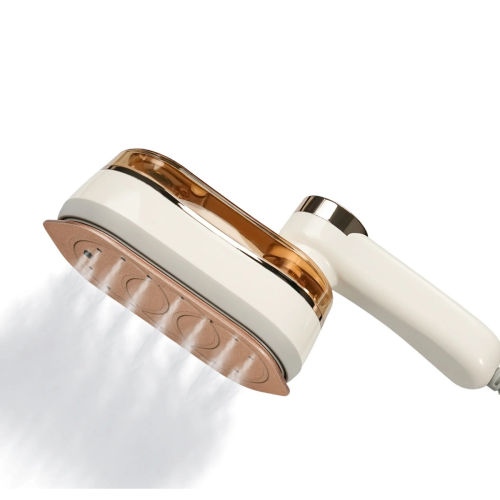
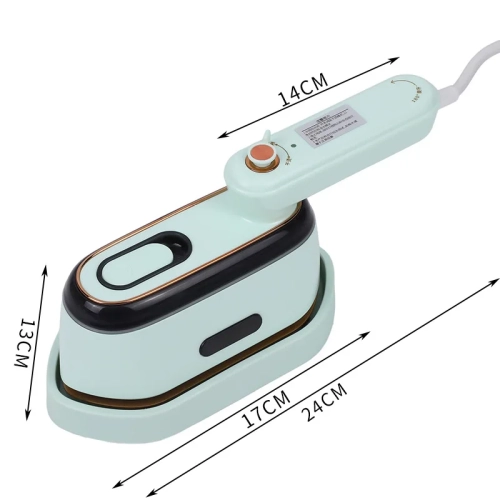


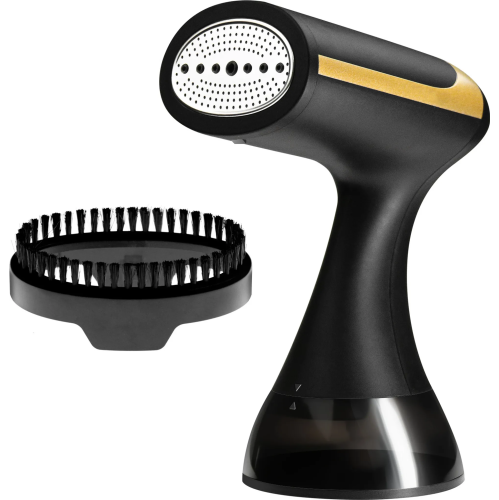
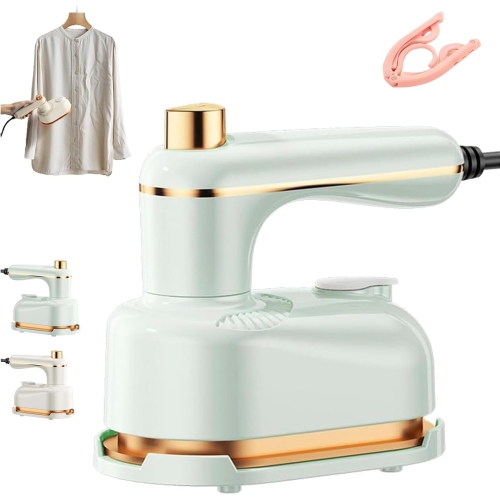
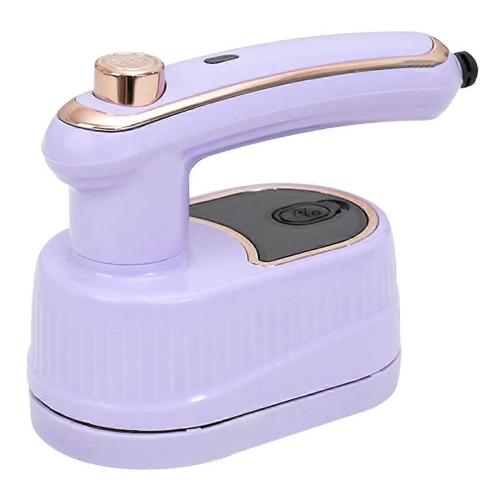
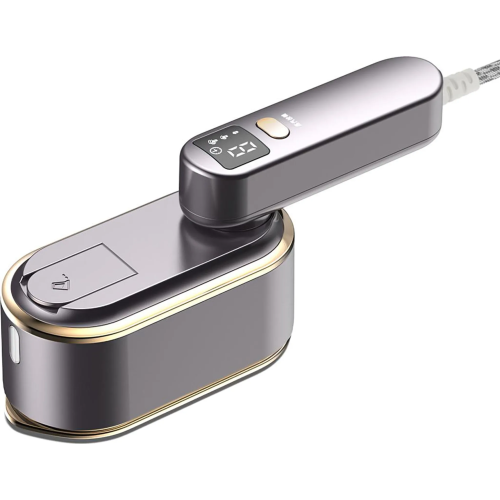
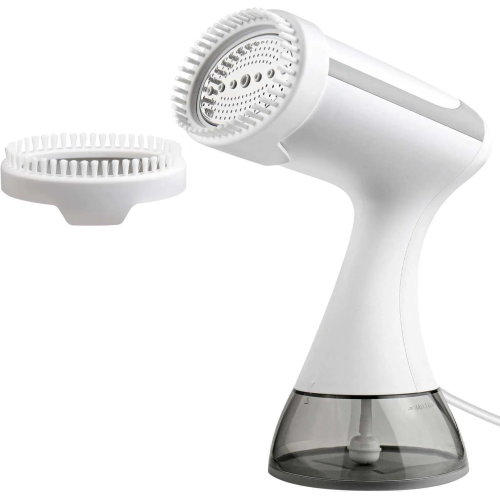


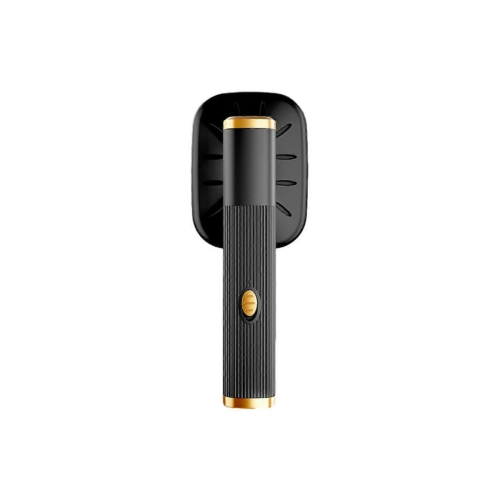
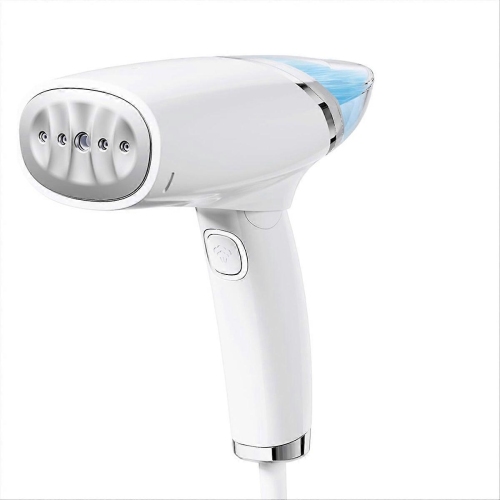

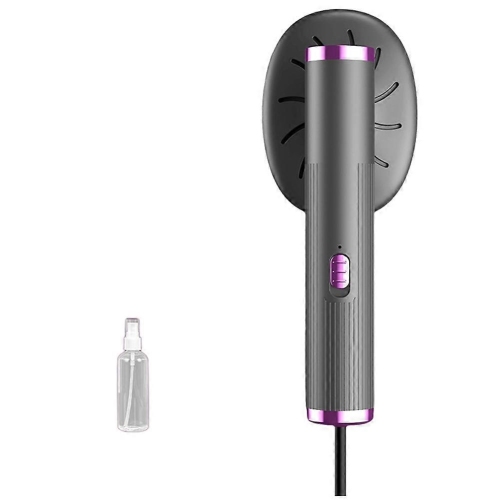
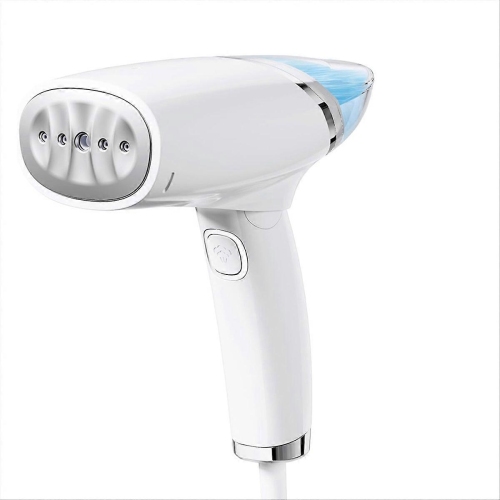
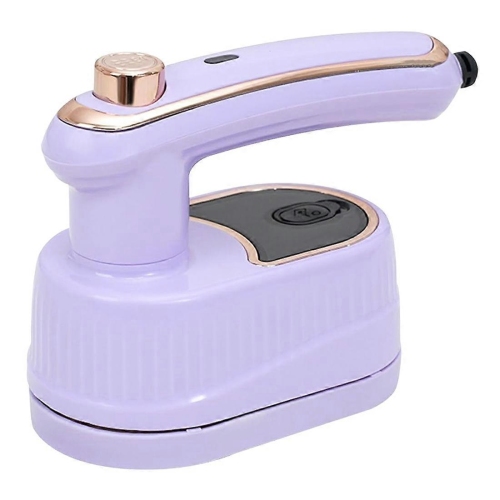
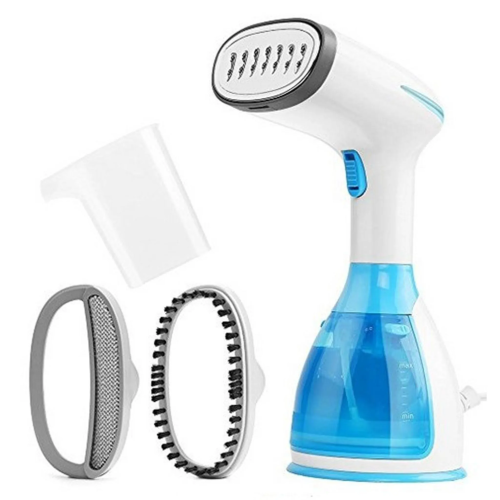
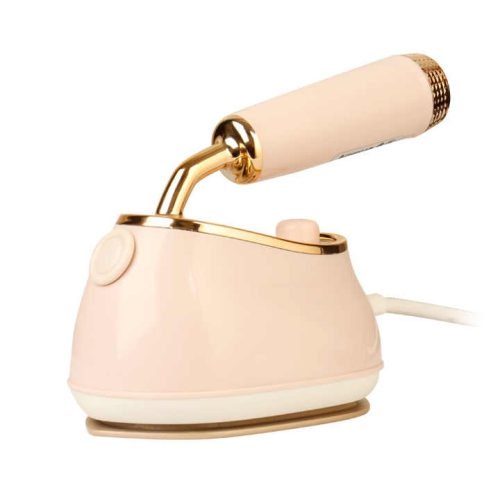

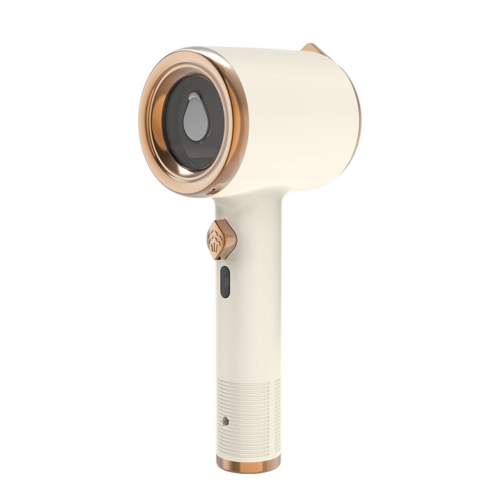
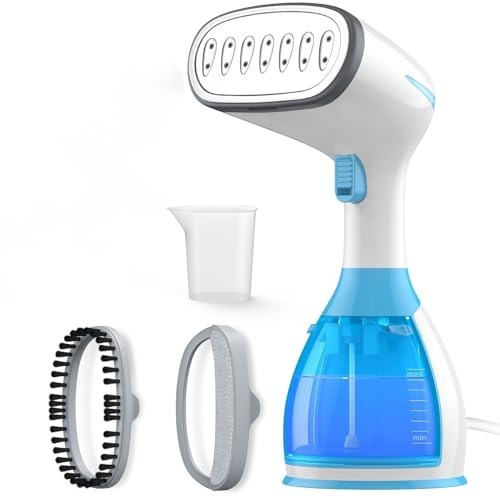

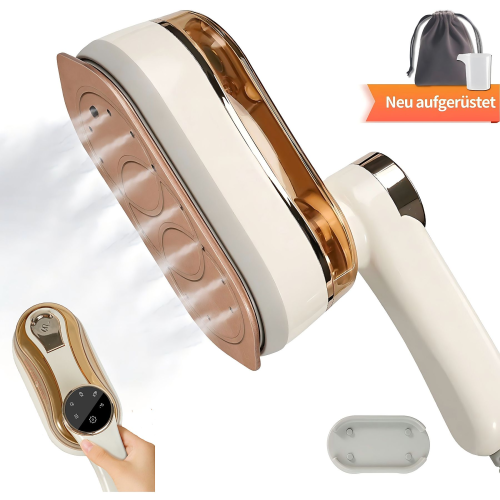
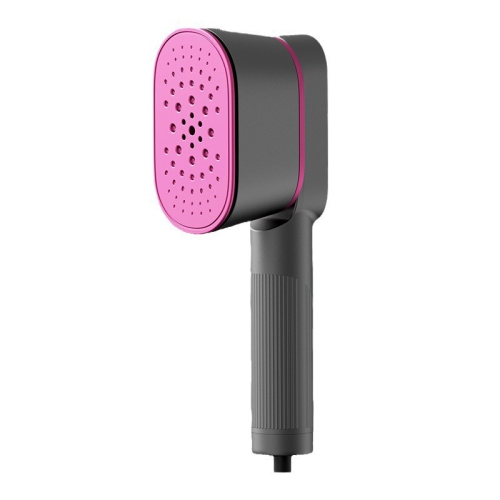
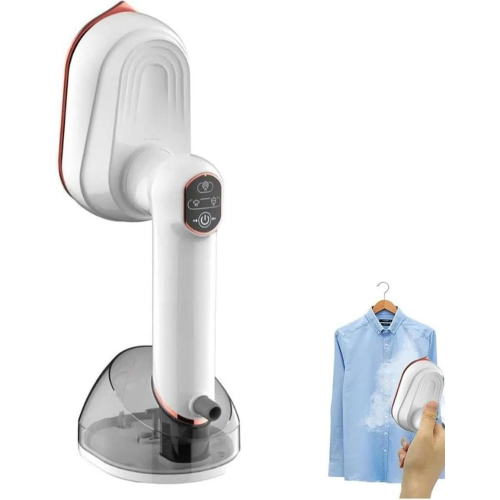
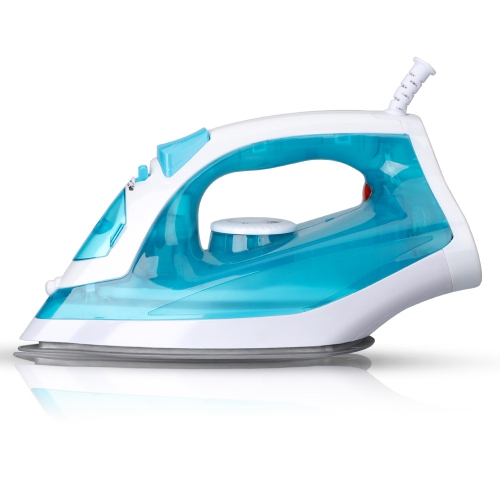

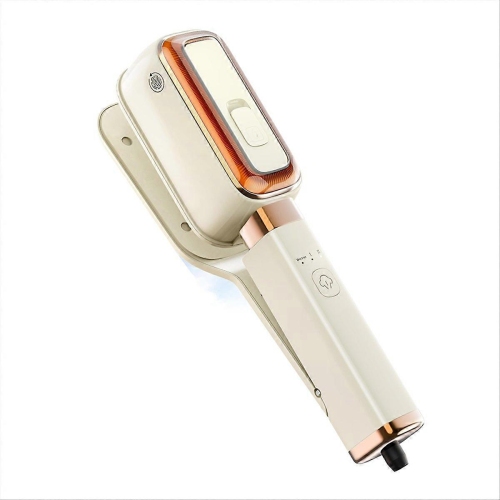
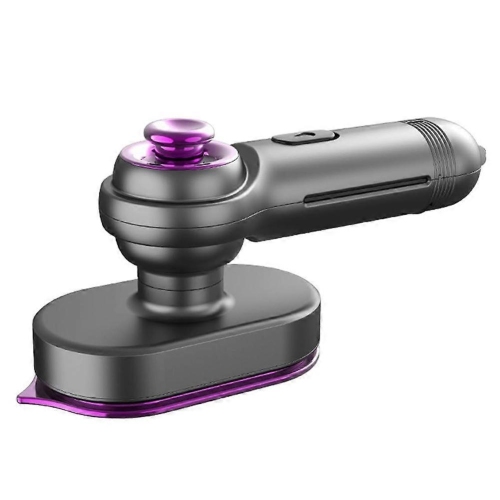

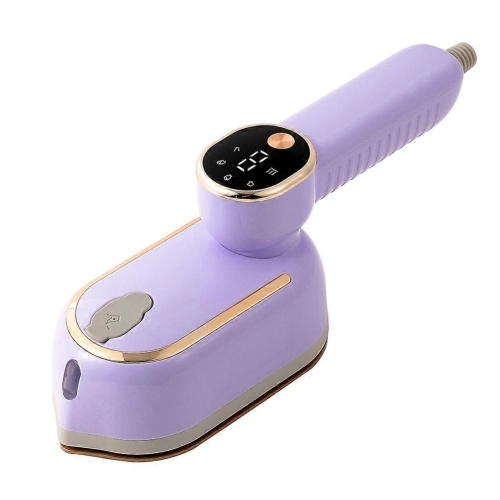
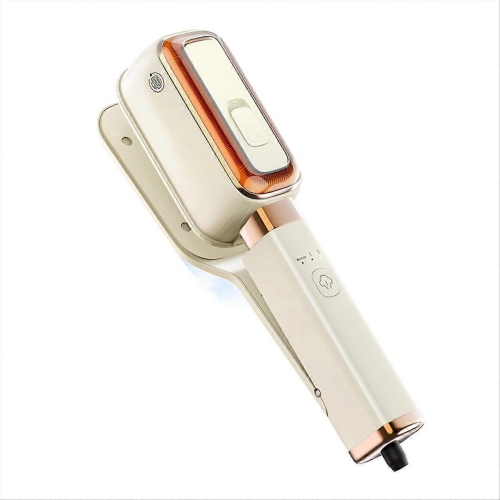







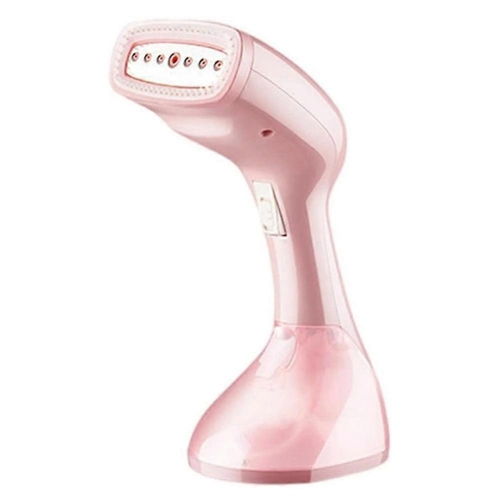


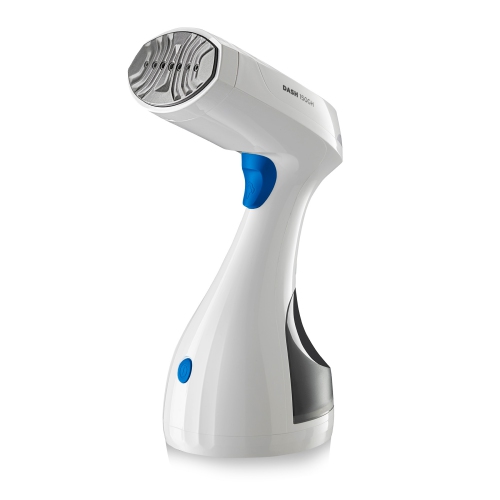
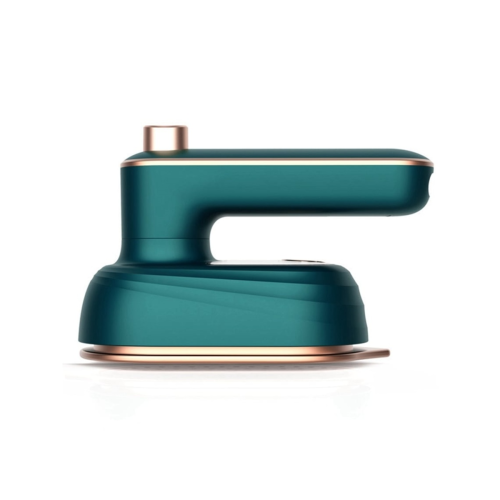


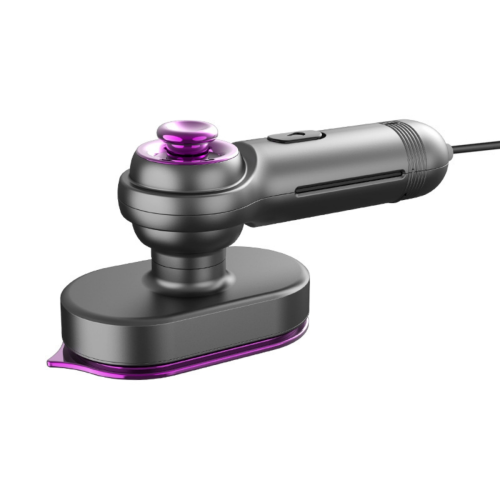

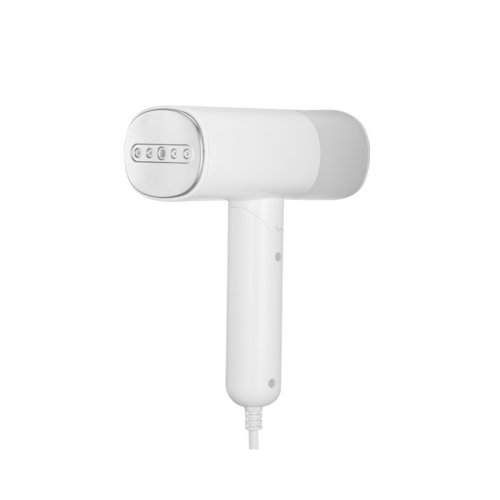
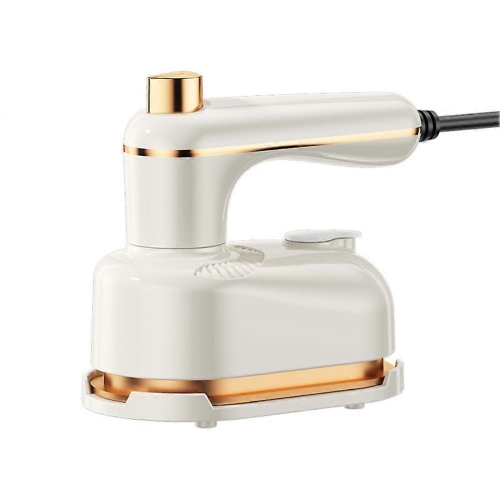
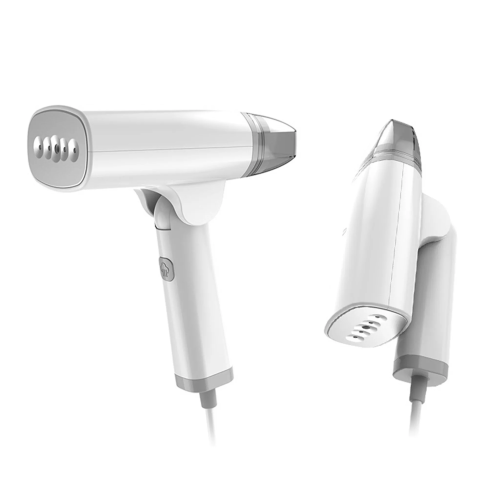
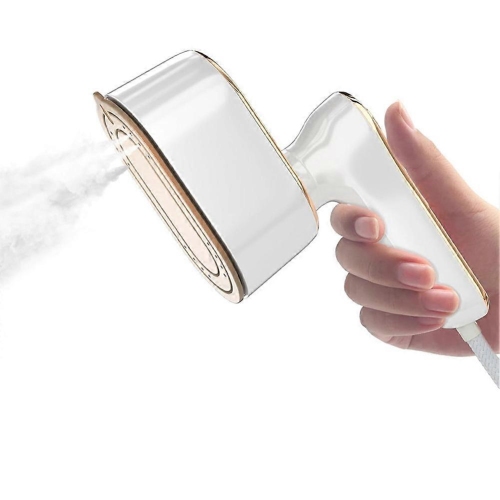
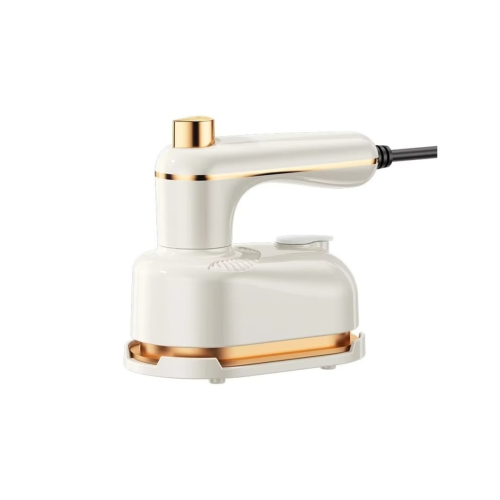
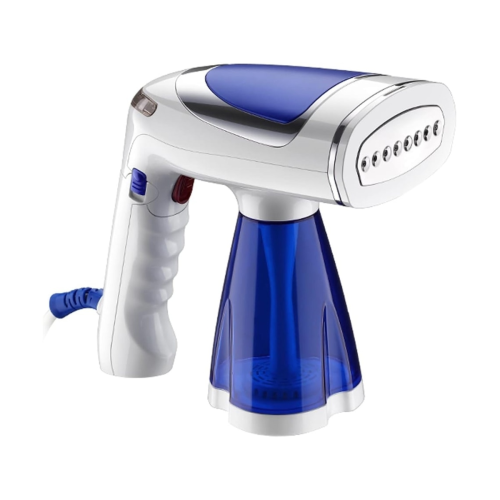

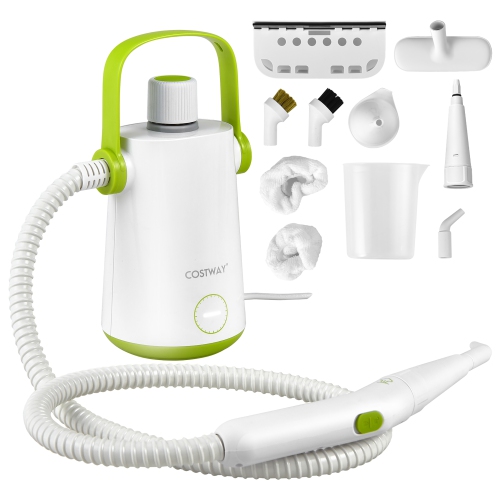
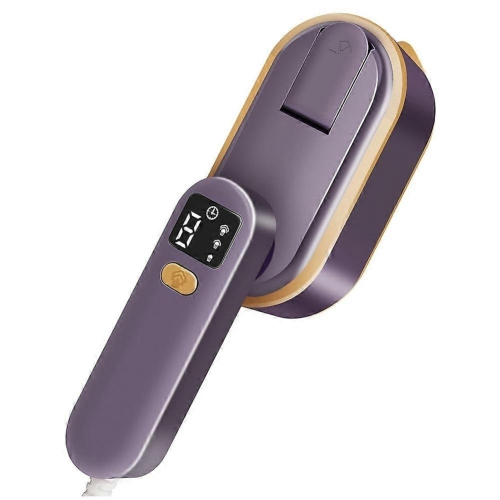
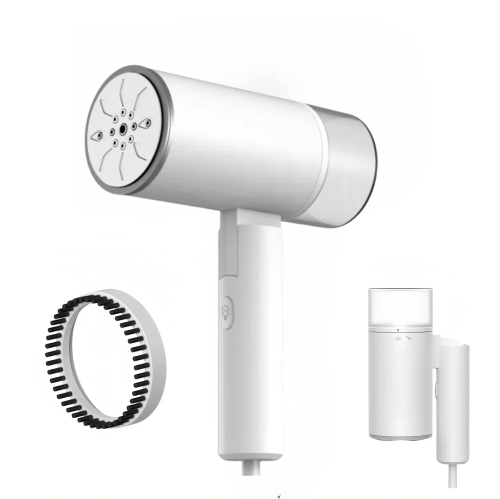
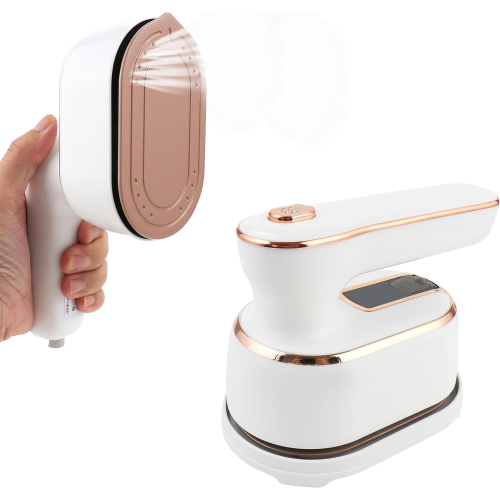
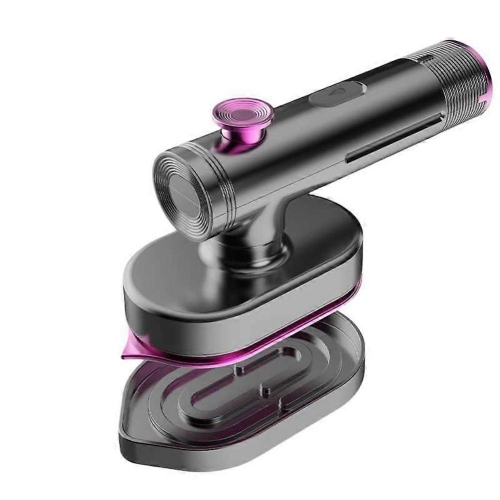


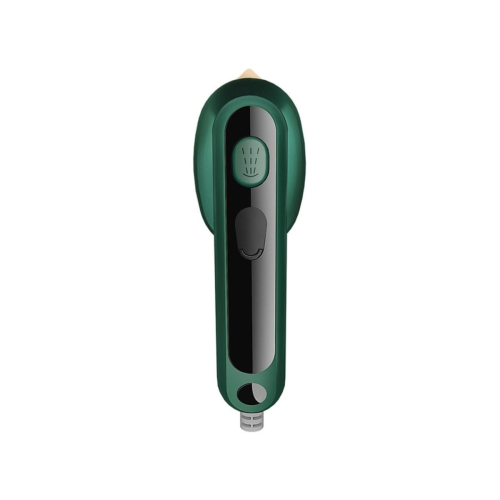
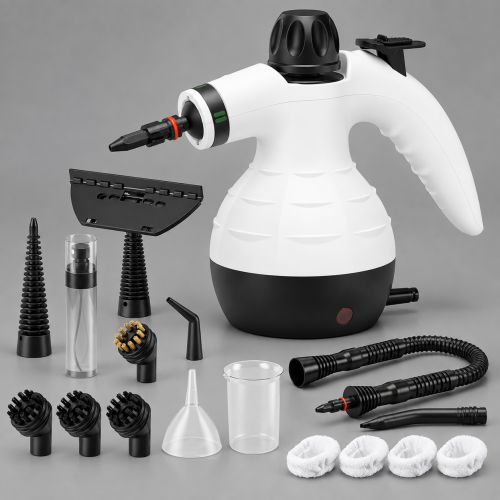
Everyday wrinkle touch-ups without an ironing board
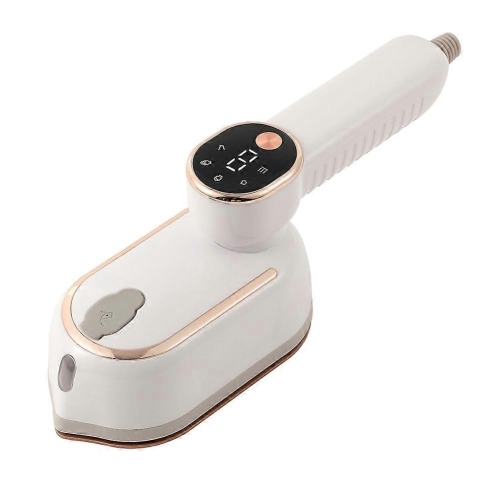
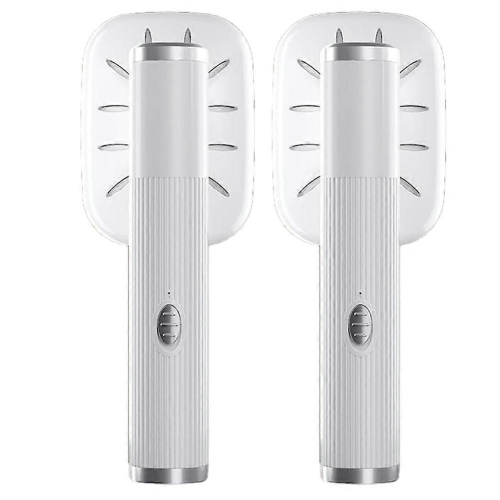
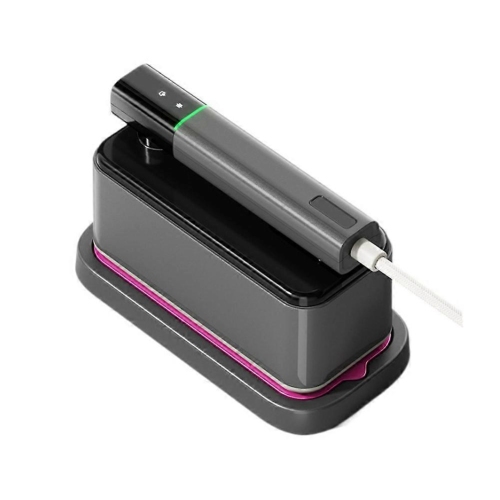
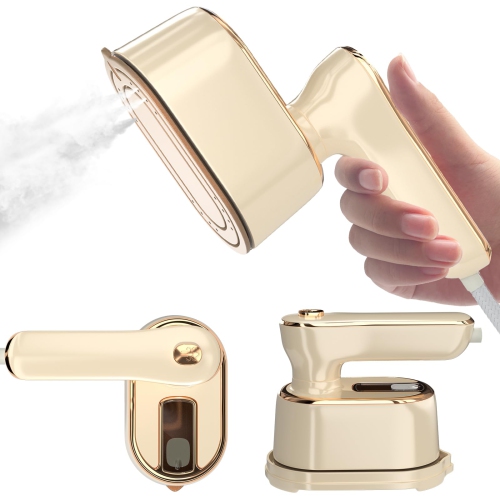
Handheld clothes steamers offer a convenient way to smooth everyday wrinkles, with compact designs that direct hot vapour onto fabric without requiring a full ironing setup. They are especially useful for touch-ups: a shirt pulled from a crowded wardrobe, a blouse creased across the middle, or trousers that have picked up folds inside a suitcase. Steam helps relax fabric fibres so wrinkles can release, although the finish depends on the material, the depth of the creases, and the appliance’s steam output. Unlike an iron, a handheld steamer generally works with clothing hanging vertically and does not rely on pressing fabric against a board. That makes it practical for flowing shapes, gathered sleeves, and garments with details that are awkward to flatten. It is less suited to creating sharp trouser creases or a crisp shirt collar, where an iron’s pressure can provide a more defined result. Across Handheld Steamers, useful points of comparison include heat-up time, steam consistency, water-tank capacity, and the weight of the appliance when filled. Fast heating suits a quick touch-up before leaving home, while steady steam delivery matters when working across a larger garment. A larger reservoir can mean fewer trips to the tap, but it also adds weight; a smaller tank may feel easier to manoeuvre around cuffs, shoulders, and narrow spaces. Continuous steam controls can make longer sessions more comfortable, while a trigger-operated design gives control over when vapour is released. Adjustable steam settings, where included, provide flexibility for different clothing-care tasks. These differences matter more than size alone: a compact appliance that feels balanced in the hand may be more comfortable to use than a lighter-looking design with an awkward grip. For someone steaming several outfits at once, the combination of usable tank capacity, comfortable handling, and consistent performance is particularly relevant.
Fabric suitability is central to getting a satisfying finish. Many everyday cotton, polyester, and blended garments can respond well to steaming when their care labels permit it, but no single setting is appropriate for every textile. Linen can retain a naturally relaxed texture even after wrinkles soften, while heavier cotton may need more time and may still benefit from ironing when a pressed appearance is the goal. Lightweight dresses and loosely structured tops often suit the hanging approach because there is no need to arrange every fold across an ironing board. Pleats, bonded layers, decorative finishes, and structured tailoring deserve extra attention, since heat and moisture can affect more than the visible outer fabric. Silk, wool, velvet, and other delicate materials require care-label checks and the appliance manufacturer’s directions rather than assumptions based on the fibre name alone. A discreet test area can help reveal whether a fabric changes appearance, spots, or reacts poorly to moisture. Garments marked dry-clean only may need professional care, and steaming does not replace laundering or stain treatment. A clean-looking shirt with a food mark still needs suitable cleaning; applying heat to an untreated stain may make it harder to remove. Attachments can also influence how a steamer handles different surfaces. A compatible fabric brush may help separate fibres on suitable materials, while a delicate-fabric attachment can alter the way steam reaches the garment, depending on its design. These accessories should be used only as directed, not treated as permission to steam every material. Working distance and whether the steam head may touch the fabric also vary by appliance. Steam can cause burns, so clothing should never be steamed while being worn, and a hand should not be placed behind the area receiving steam. A stable hanging position with clear access to the garment makes the task more manageable and helps keep hot vapour away from skin, furniture, and nearby objects.
Everyday convenience also depends on details that become noticeable after repeated use. A tank that detaches easily can be simpler to fill at a bathroom or kitchen tap, while a clearly marked water level helps prevent overfilling. A secure cap, comfortable controls, and an easy-to-see operating indicator contribute to a less fiddly routine. Cord length affects where a garment can hang in relation to an outlet, and the appliance needs a stable resting position away from edges and surfaces vulnerable to heat or moisture. Automatic shut-off, where included, is a useful safeguard rather than a substitute for attentive use. For storage, a compact body or folding handle can fit more neatly into a cupboard, but the steamer must cool fully before being packed away. Durability depends partly on construction and partly on care: a securely fitted reservoir, sound handle, and well-protected cord are practical considerations, while following the specified water requirements helps limit problems caused by mineral buildup. Water recommendations differ, so distilled water, tap water, descaling solutions, or additives should never be assumed suitable without checking the instructions. Emptying and cleaning the reservoir as directed helps keep the appliance ready for its next use. Portability can appeal to frequent travellers, people with limited storage, and anyone who wants an alternative to bringing out an ironing board for a single garment. Travel use still requires attention to electrical compatibility, since a plug adaptor alone does not make a steamer suitable for a different voltage. Size, packed weight, and access to a safe place to hang clothing matter as well. As a practical gift, a handheld clothes steamer can suit someone setting up a first home, dressing for regular presentations, or caring for a wardrobe of shirts, blouses, and dresses. The most suitable choice reflects that person’s habits: occasional touch-ups call for straightforward handling, while more frequent garment care places greater importance on comfort, tank capacity, and dependable steam delivery.
Top selling and popular products
-
 Your price for this item is $79.97
-
 Your price for this item is $129.99
-
 Your price for this item is $69.99
-
 Your price for this item is $59.99
-
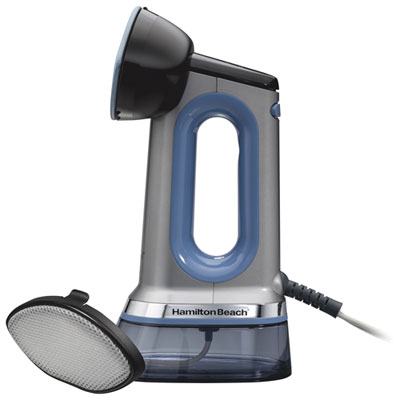 Your price for this item is $63.99
-
 Your price for this item is $74.99
-
 Your price for this item is $24.95
-
 Your price for this item is $34.99
Discover more categories related to Handheld Clothes Steamers
Top Collections:
Pokemon Centers, Best Cameras for Sports Photography, Kindle Devices, Samsung Galaxy Phones, Canon G7X Cameras, Pokémon 30th Celebration Cards, Refurbished Apple Laptops, iPhone 15 Apple, Laptops for Students, Budget Smartphones
Some products may be subject to Environmental Handling Fees
(EHF) depending on your province.
Learn more about EHFs.