Handheld Garment Steamers
A handheld garment steamer offers a convenient way to keep clothes looking fresh and presentable at home or on the go. Ideal for quick touch-ups or everyday use, a handheld garment steamer helps smooth out wrinkles from various fabrics with ease. Compact and easy to maneuver, it’s a practical addition to any laundry routine or travel bag. Discover a selection of handheld garment steamers designed to help you maintain a polished appearance wherever you are.
Sort
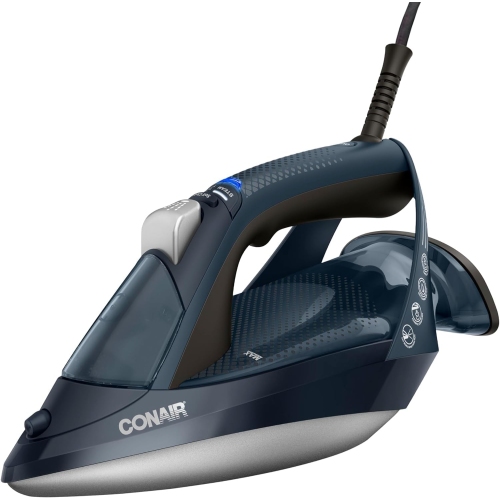

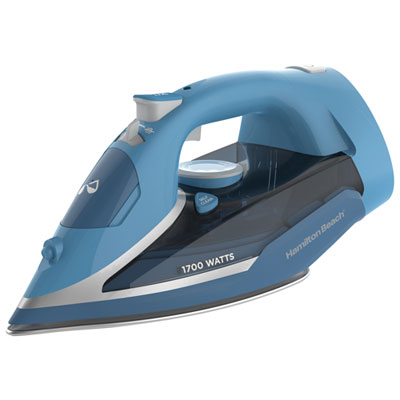


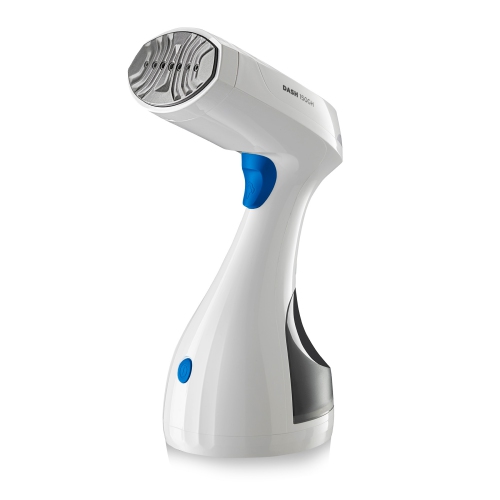

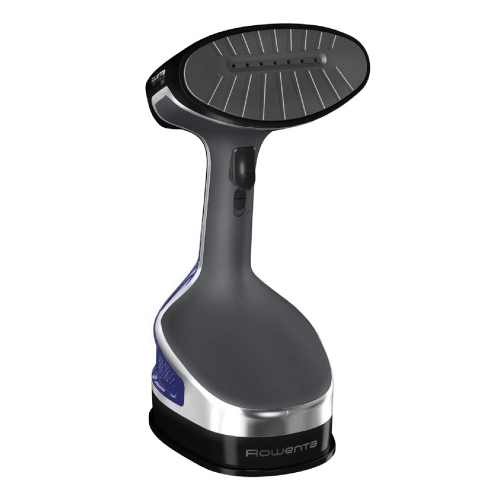
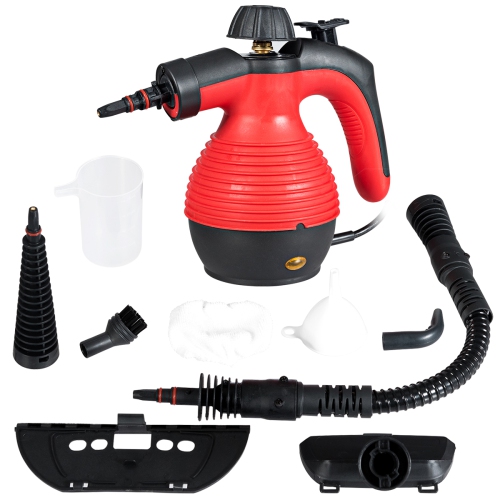


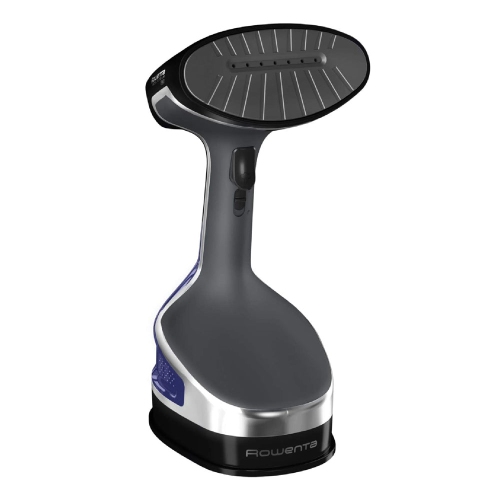
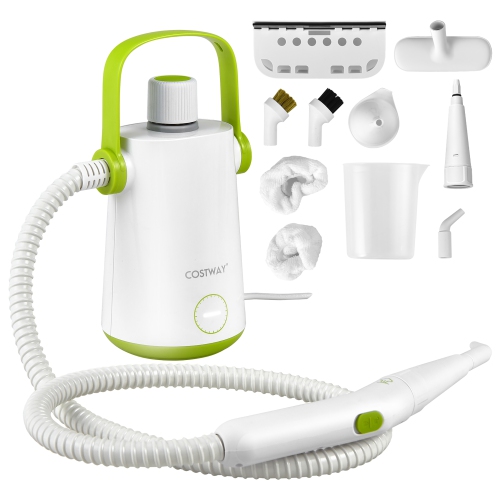
Quick wrinkle touch-ups without an ironing board
Handheld garment steamers are compact fabric-care appliances that use hot steam to relax wrinkles in clothing and other suitable textiles. They are useful for quick touch-ups between washes, smoothing a shirt after it has been folded in a drawer, or easing packing creases from an outfit before an evening out. Unlike a traditional iron, a handheld clothes steamer generally works with garments hanging vertically, so an ironing board is not usually needed. This makes the format practical for apartments, shared homes, and bedrooms where a full ironing setup would take up valuable space. Steam softens creases without the firm pressing action of an iron, helping preserve the relaxed drape of a blouse, dress, or lightweight pair of trousers. The finish is different, though: sharply pressed collars, defined trouser creases, and very smooth cotton shirts may still benefit from ironing when the care label permits it. Fabric compatibility matters more than the apparent delicacy or thickness of a garment. Some washable cottons, polyester blends, and wool garments respond well to steaming, while silk, velvet, embellished fabrics, and structured clothing require closer attention to their care instructions. Leather, suede, waxed finishes, and materials that cannot tolerate heat or moisture are generally unsuitable unless the manufacturer specifically approves steam treatment. Testing a small, hidden area helps reveal changes in colour, texture, or finish before treating a visible section. On suitable clothing, working gradually down the fabric lets wrinkles relax without stretching the garment out of shape. Seams, linings, pleats, and decorative details can need a gentler approach than a plain panel of fabric. A steamer is best understood as a wrinkle-removal tool rather than a replacement for washing or professional cleaning; it does not remove stains, body oils, or accumulated dirt. For someone who regularly wears knit tops, casual workwear, or flowing dresses, that distinction makes it easier to fit steaming into an everyday clothing-care routine. A few targeted passes over a rumpled hem or sleeve can be more practical than pressing an entire garment that otherwise looks neat.
The most useful differences among handheld garment steamers often become apparent during an ordinary task: holding the appliance at shoulder height, reaching the bottom of a dress, or finishing several shirts without stopping to refill. A larger water tank can support longer steaming sessions, but it also adds weight once filled. A smaller reservoir keeps the appliance easier to manoeuvre, particularly for brief touch-ups, although it may need more frequent refilling. Handle shape, balance, and the position of the steam control all affect comfort, especially when working around sleeves or reaching across a wider garment. Heat-up time describes how soon a steamer is ready to use, while continuous steam time indicates how long it can operate on a tank under stated conditions. Neither figure alone tells the whole story. Steam output, the selected setting, fabric thickness, and the number of passes required all influence how quickly a task is finished. Higher wattage describes electrical power consumption, not a guaranteed level of wrinkle removal. Adjustable steam settings can be helpful for a wardrobe with different fabric weights, provided each material is approved for steaming. Some designs offer a trigger for steam on demand, while others provide a continuous-flow option that reduces the need to hold a button. A removable tank can simplify filling, and a clearly visible water level makes it easier to monitor the remaining supply. Cord length also matters: comfortable reach from an outlet to a secure hanging position is more useful than having to pull a garment towards the appliance. Automatic shut-off is another feature worth noting, although it does not replace attentive handling. For a closer look at these practical differences, Best Handheld Steamers brings the focus back to the features that suit different routines. The right balance depends on whether the usual task is one blouse before work, a collection of outfits after unpacking, or occasional attention to garments that wrinkle easily in storage.
Portability is another reason handheld clothing steamers appeal to travellers, students, and anyone moving between homes, but a compact shape does not automatically make an appliance suitable for every trip. The packed dimensions, filled and empty weight, and space needed for the cord all affect how easily it fits into luggage. A folding handle or detachable reservoir may reduce bulk, depending on the design. Electrical compatibility deserves particular attention when travelling outside Canada: a plug adapter changes the connection shape but does not convert voltage, and a steamer should only be used with the power supply specified by its manufacturer. At home or away, garments need a stable hanging point with enough clearance to keep steam away from nearby furniture, finishes, and electrical fittings. Clothing should never be steamed while someone is wearing it, and hands should stay out of the steam path, including behind the fabric. Attachments such as fabric brushes or protective covers are only appropriate for the materials and uses described in the appliance instructions. Care of the steamer itself also influences long-term performance. Water requirements vary, so the specified water type is a better reference than assuming tap water or distilled water is always suitable. Fragrance, detergent, and other additives should stay out of the tank unless expressly permitted. Following the recommended cleaning or descaling process helps address mineral buildup that can interfere with steam flow. After use, unplugging the appliance, allowing it to cool, and emptying or storing the tank as directed helps keep the routine manageable. A dry storage space and a loosely arranged cord can protect the appliance between uses. As a gift, a handheld garment steamer can suit someone setting up a first apartment, building a work wardrobe, or frequently packing for trips. Its value lies in how naturally it fits into the recipient’s habits: easy to hold, straightforward to fill, and suited to the fabrics they actually wear.
Top selling and popular products
-
 Your price for this item is $79.97
-
 Your price for this item is $129.99
-
 Your price for this item is $69.99
-
 Your price for this item is $59.99
-
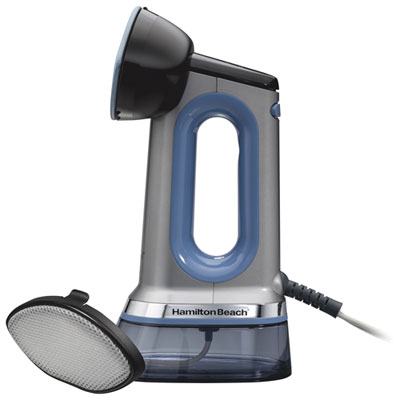 Your price for this item is $63.99
-
 Your price for this item is $74.99
-
 Your price for this item is $24.95
-
 Your price for this item is $34.99
Discover more categories related to Handheld Garment Steamers
Top Collections:
Pokemon Centers, Best Cameras for Sports Photography, Kindle Devices, Samsung Galaxy Phones, Canon G7X Cameras, Pokémon 30th Celebration Cards, Refurbished Apple Laptops, iPhone 15 Apple, Laptops for Students, Budget Smartphones
Some products may be subject to Environmental Handling Fees
(EHF) depending on your province.
Learn more about EHFs.