Heavy Duty Irons
Our heavy duty irons are designed to effortlessly smooth out even the most stubborn creases, these powerful appliances are a must-have for any household. Whether you're a seasoned pro or just starting out on your ironing journey, our range of heavy duty irons offers the perfect combination of durability, performance, and convenience. With advanced features and innovative technologies, these irons will make quick work of your laundry pile, leaving you with crisp and wrinkle-free garments every time. Discover the power of heavy duty irons and take your ironing game to the next level.
Sort

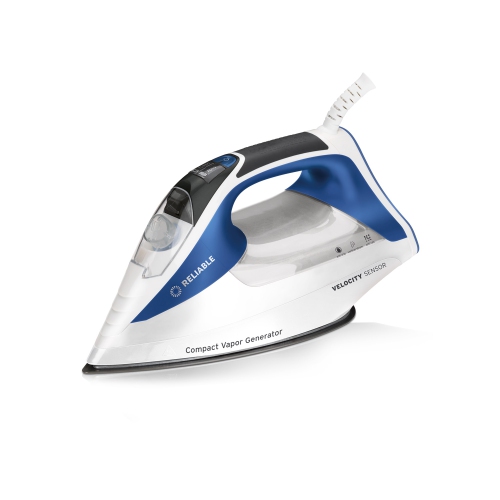
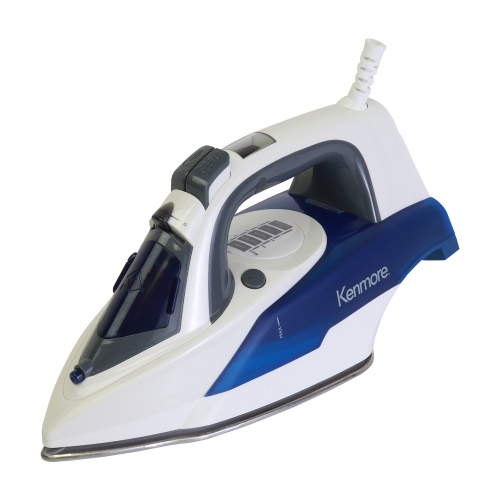
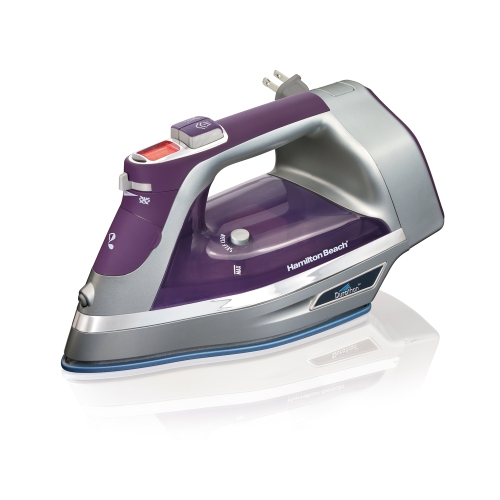
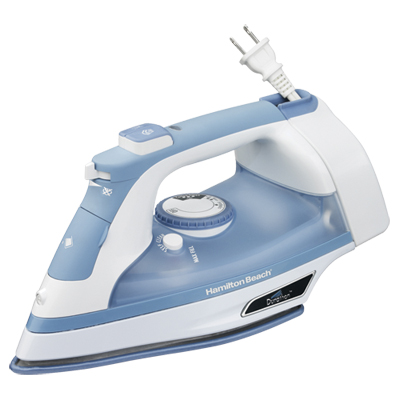
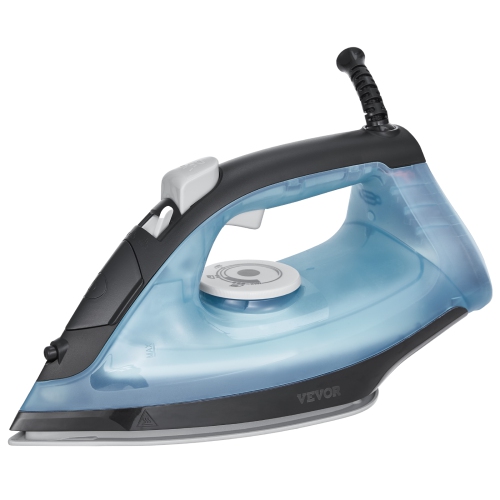
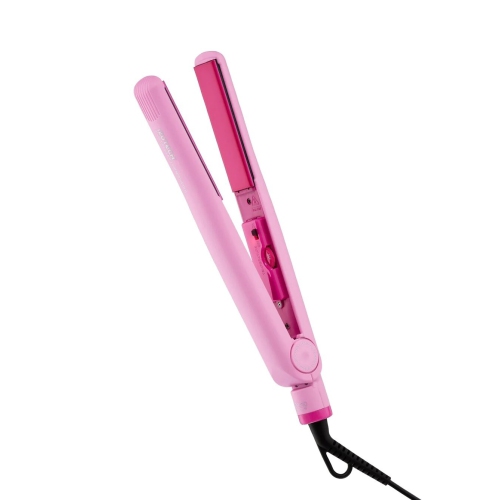
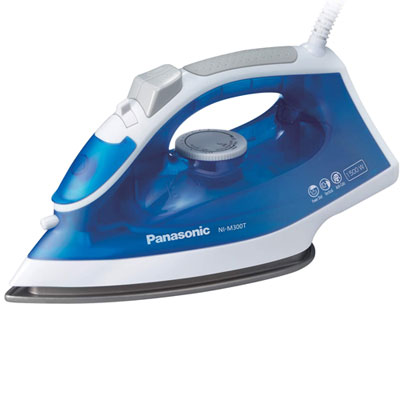
Steam, weight and precision for demanding fabric projects
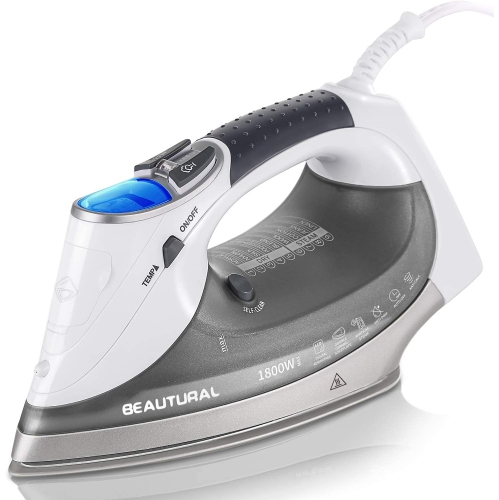
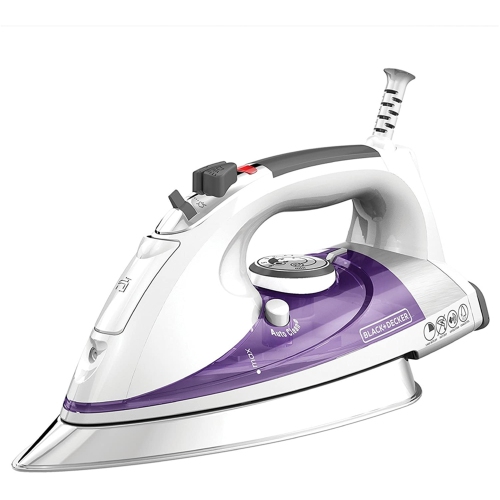
Heavy duty irons are designed for pressing through demanding fabrics and larger loads where a lightweight travel iron or basic household model may struggle. They are a practical choice for sewing rooms, tailoring workspaces, quilting tables, costume departments, hospitality settings and homes where thick cotton, denim, linen, canvas or layered materials are pressed regularly. The combination of extra weight, strong heat and plentiful steam helps flatten stubborn creases with fewer passes, leaving fabric smoother and seams more defined. A traditional heavy-duty steam iron usually has a high-wattage heating system, a substantial soleplate and a pointed tip that can reach into collars, pleats, pockets and narrow areas around buttons. The weight does part of the work, especially when pressing heavy linens or freshly washed denim, while steam relaxes the fibres so they respond more readily to pressure. For a busy household, this can make a full basket of laundry feel less like a drawn-out chore; for someone who sews, it can make the difference between a project that looks homemade and one with crisp, professional-looking construction. Look for a soleplate that glides smoothly and distributes heat evenly, such as stainless steel or another durable, easy-to-clean surface. A precision tip is useful for pressing seams and detailed garment sections, while a broad pressing surface can cover curtains, table linens and quilt panels more efficiently. Controls should be clear and easy to adjust, with fabric settings that let you reduce heat for delicate materials and increase it for sturdy cotton or linen. An automatic shut-off feature is a useful safeguard in a home or studio where the iron may be set down repeatedly, although anyone working with heavy fabrics should still unplug the appliance after use and place it on a stable, heat-resistant surface.
Steam delivery is one of the most important differences among heavy duty irons. A standard steam iron with a built-in reservoir is convenient for everyday pressing and offers a familiar all-in-one design. For regular sewing, tailoring or quilting, consider the tank capacity as well as the strength of the steam burst. A larger reservoir means fewer interruptions to refill, while a powerful burst can help release deep wrinkles in folded fabric and open bulky seams. Vertical steam is handy for hanging jackets, curtains and garments that are difficult to lay flat, but it should complement—not replace—the iron’s contact heat when a sharp finish is needed. Steam generator irons use a separate base with a larger water tank and send pressurized steam through a hose to a hand iron. Because the water supply is held in the base, the handpiece can feel lighter while still producing an impressive, continuous flow of steam. This arrangement suits people who spend long stretches at a pressing table and prefer not to lift a heavy water-filled iron repeatedly. Gravity-feed systems take a different approach, using an elevated water bottle to supply a sturdy iron through a hose. They are associated with professional sewing and tailoring environments because they can provide continuous steam for extended work, making them useful when several garments, costumes or large fabric pieces need attention in succession. Their setup takes more space and may require a dedicated workstation, so measure the area around the ironing board before choosing one. Water quality also deserves attention. If the manufacturer recommends filtered or distilled water, follow those instructions to help limit mineral buildup, clogged steam holes and marks on fabric. Empty the tank after use when advised, wipe the soleplate once it has cooled and use the appliance’s cleaning or descaling function at the recommended interval. A clean soleplate is especially important when moving from dark denim to pale cotton, as residue can transfer quickly across light-coloured fabric. For those comparing pressing equipment with tools used in metalwork, the separate category of Welding Irons serves a different purpose and should not be substituted for a garment or fabric iron.
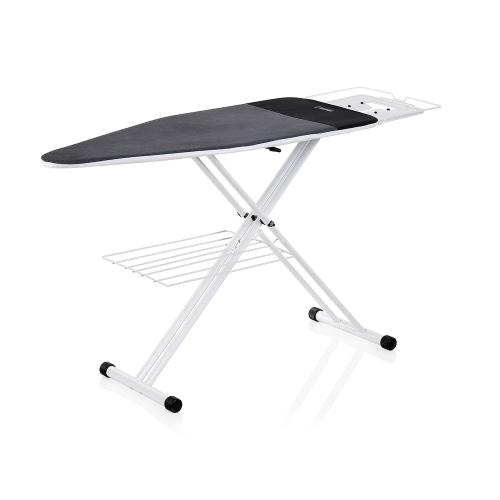
Choosing the right heavy duty iron starts with the work it will perform most often. Someone handling occasional household laundry may prefer a sturdy standalone steam iron that is straightforward to fill, store and use on a standard ironing board. A home sewist who presses seams after every few minutes of stitching may value a reliable steam burst, a stable heel and a soleplate that can move smoothly around pattern pieces. A quilter working with multiple layers may appreciate extra physical weight and a broad, steady base, while a professional tailor or alteration specialist may benefit from a steam generator or gravity-feed setup built for continuous operation. Pay attention to cord length and hose placement, since a short cable can make it awkward to move across a large pressing surface. A comfortable handle matters too: a heavy iron should feel balanced rather than unwieldy, with controls positioned so temperature and steam can be changed without shifting grip. Check the water tank opening for easy filling and look for a viewing window that makes the level simple to monitor. It is also wise to consider storage space, heat-up time and the size of the ironing board, particularly if the iron will be used in a compact laundry room or shared craft area. Heavy duty irons can make thoughtful gifts for someone setting up a sewing room, learning garment construction, restoring vintage clothing or preparing handmade pieces for family and friends. They are also useful for people who enjoy quilting during the cooler months, when heavier fabrics and layered projects often take centre stage indoors. A dependable pressing tool can become part of the rhythm of a creative workspace: fabric is cut, seams are stitched, the iron gives a brief hiss, and each section settles into a cleaner shape. Whether the goal is polished workwear, neatly pressed household linens or carefully finished handmade clothing, choosing the right balance of weight, heat, steam capacity and handling comfort will help make demanding pressing tasks more controlled and consistent.
Steam delivery is one of the most important differences among heavy duty irons. A standard steam iron with a built-in reservoir is convenient for everyday pressing and offers a familiar all-in-one design. For regular sewing, tailoring or quilting, consider the tank capacity as well as the strength of the steam burst. A larger reservoir means fewer interruptions to refill, while a powerful burst can help release deep wrinkles in folded fabric and open bulky seams. Vertical steam is handy for hanging jackets, curtains and garments that are difficult to lay flat, but it should complement—not replace—the iron’s contact heat when a sharp finish is needed. Steam generator irons use a separate base with a larger water tank and send pressurized steam through a hose to a hand iron. Because the water supply is held in the base, the handpiece can feel lighter while still producing an impressive, continuous flow of steam. This arrangement suits people who spend long stretches at a pressing table and prefer not to lift a heavy water-filled iron repeatedly. Gravity-feed systems take a different approach, using an elevated water bottle to supply a sturdy iron through a hose. They are associated with professional sewing and tailoring environments because they can provide continuous steam for extended work, making them useful when several garments, costumes or large fabric pieces need attention in succession. Their setup takes more space and may require a dedicated workstation, so measure the area around the ironing board before choosing one. Water quality also deserves attention. If the manufacturer recommends filtered or distilled water, follow those instructions to help limit mineral buildup, clogged steam holes and marks on fabric. Empty the tank after use when advised, wipe the soleplate once it has cooled and use the appliance’s cleaning or descaling function at the recommended interval. A clean soleplate is especially important when moving from dark denim to pale cotton, as residue can transfer quickly across light-coloured fabric. For those comparing pressing equipment with tools used in metalwork, the separate category of Welding Irons serves a different purpose and should not be substituted for a garment or fabric iron.
Choosing the right heavy duty iron starts with the work it will perform most often. Someone handling occasional household laundry may prefer a sturdy standalone steam iron that is straightforward to fill, store and use on a standard ironing board. A home sewist who presses seams after every few minutes of stitching may value a reliable steam burst, a stable heel and a soleplate that can move smoothly around pattern pieces. A quilter working with multiple layers may appreciate extra physical weight and a broad, steady base, while a professional tailor or alteration specialist may benefit from a steam generator or gravity-feed setup built for continuous operation. Pay attention to cord length and hose placement, since a short cable can make it awkward to move across a large pressing surface. A comfortable handle matters too: a heavy iron should feel balanced rather than unwieldy, with controls positioned so temperature and steam can be changed without shifting grip. Check the water tank opening for easy filling and look for a viewing window that makes the level simple to monitor. It is also wise to consider storage space, heat-up time and the size of the ironing board, particularly if the iron will be used in a compact laundry room or shared craft area. Heavy duty irons can make thoughtful gifts for someone setting up a sewing room, learning garment construction, restoring vintage clothing or preparing handmade pieces for family and friends. They are also useful for people who enjoy quilting during the cooler months, when heavier fabrics and layered projects often take centre stage indoors. A dependable pressing tool can become part of the rhythm of a creative workspace: fabric is cut, seams are stitched, the iron gives a brief hiss, and each section settles into a cleaner shape. Whether the goal is polished workwear, neatly pressed household linens or carefully finished handmade clothing, choosing the right balance of weight, heat, steam capacity and handling comfort will help make demanding pressing tasks more controlled and consistent.
Top selling and popular products
-
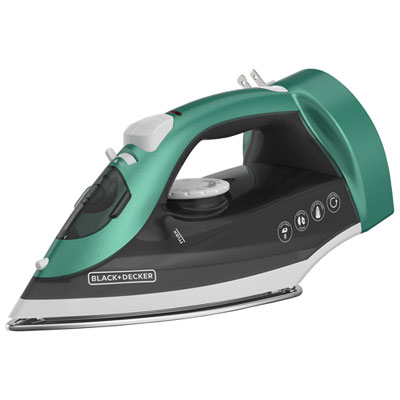 Your price for this item is $59.99
 -
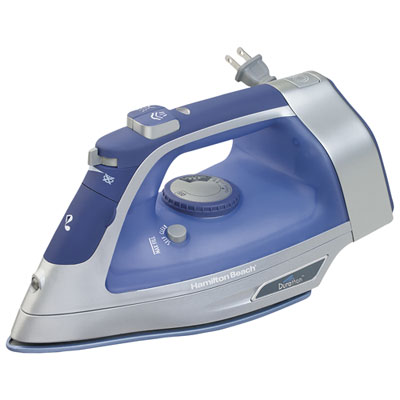 Your price for this item is $56.99
 -
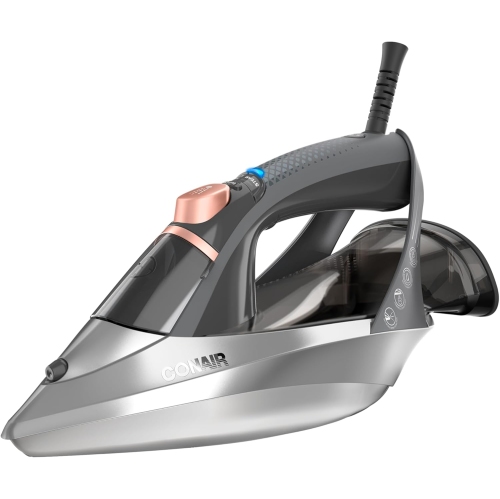 Your price for this item is $183.28
 -
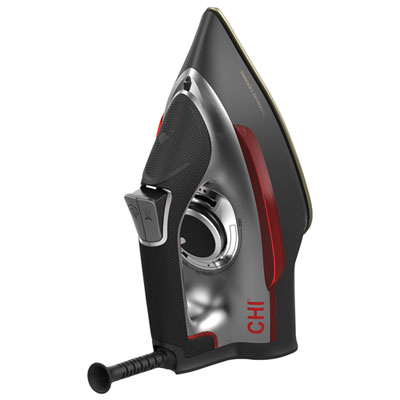 Your price for this item is $69.98
 -
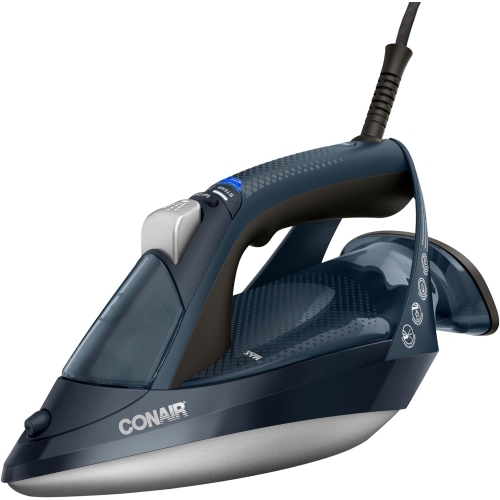 Your price for this item is $126.94
 -
 Your price for this item is $239
 -
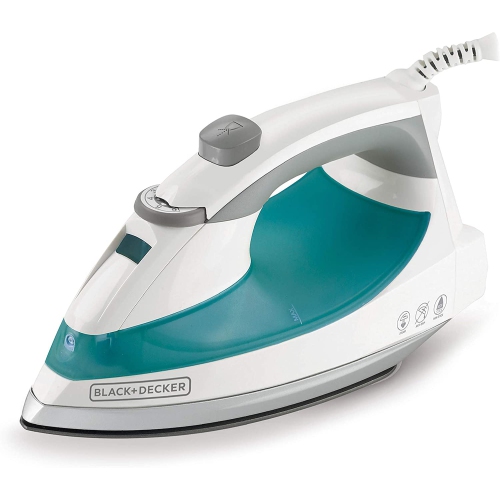 Your price for this item is $28.98
 -
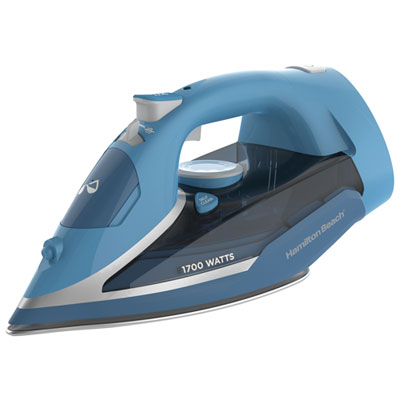 Your price for this item is $69.99
Discover more categories related to Heavy Duty Irons
Top Collections:
Pokemon Centers, Kindle Devices, Best Budget Office Chairs, Apple iPhones 16, Best Laptops for Writers, iPhone 15 Apple, Canon G7X Cameras, Refurbished Apple Laptops, Alarm Clock, Motorola Razr Phones
Some products may be subject to Environmental Handling Fees
(EHF) depending on your province.
Learn more about EHFs.