High Velocity Wall Mount Fans
High Velocity Wall Mount Fans offer a powerful solution for keeping air circulating in a variety of spaces, from home garages and workshops to commercial settings. Designed for convenient installation on walls, these fans help maximize floor space while delivering robust airflow wherever it’s needed most. Explore options that combine durability with efficient performance, making High Velocity Wall Mount Fans an ideal choice for those seeking reliable cooling and ventilation. Find the right fan to enhance comfort and airflow in your environment.
Sort
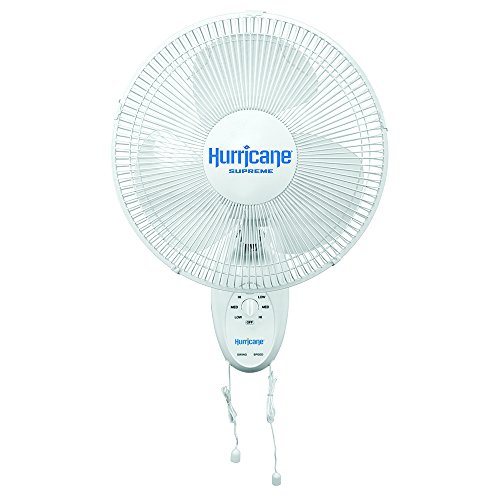
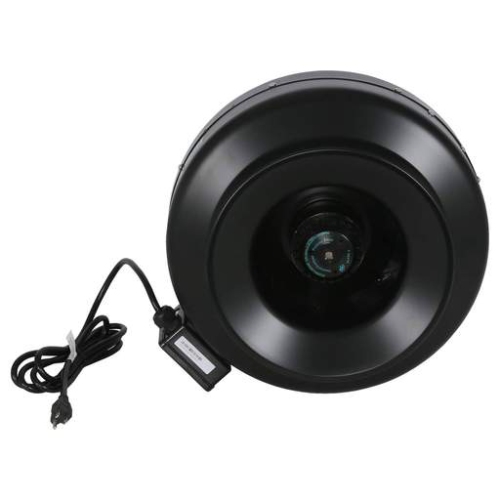
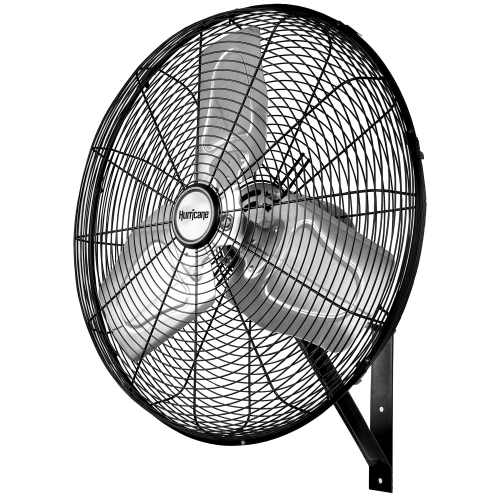
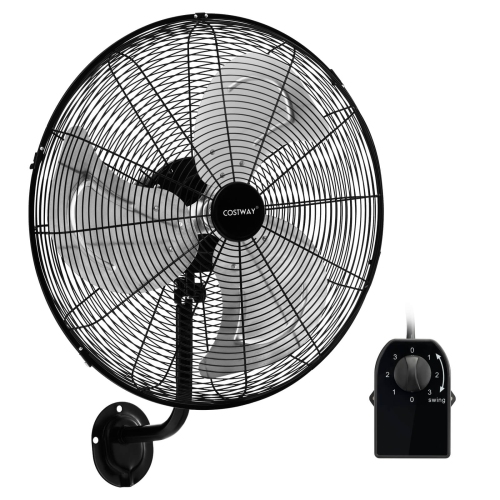
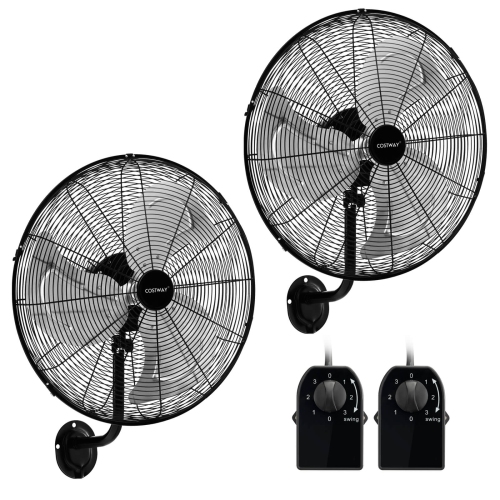
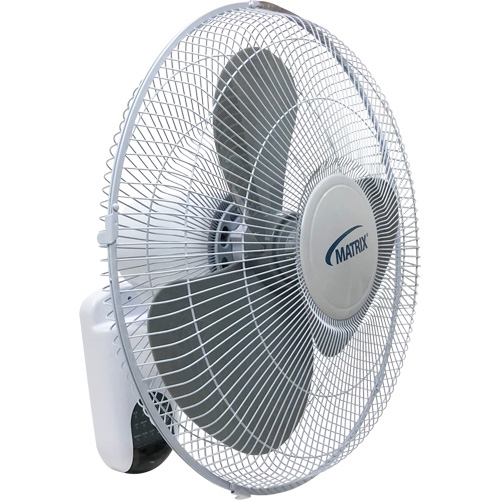
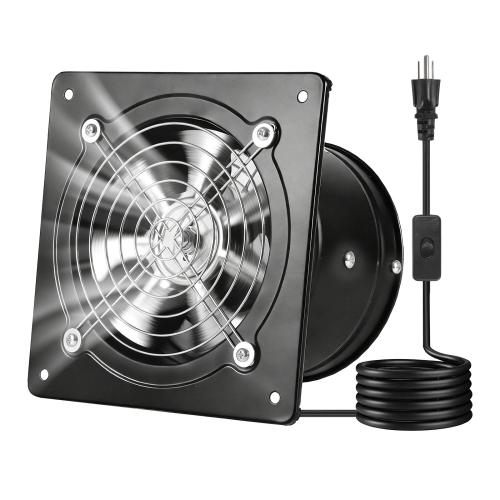
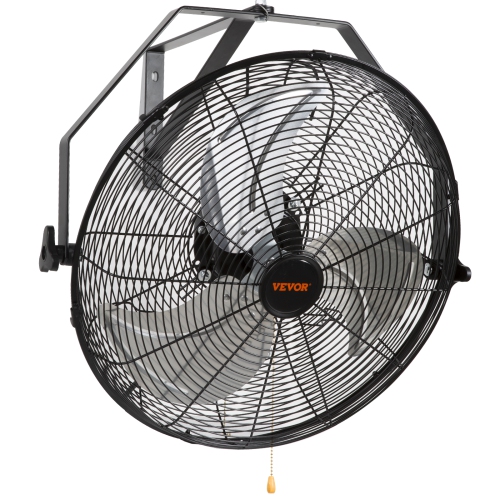
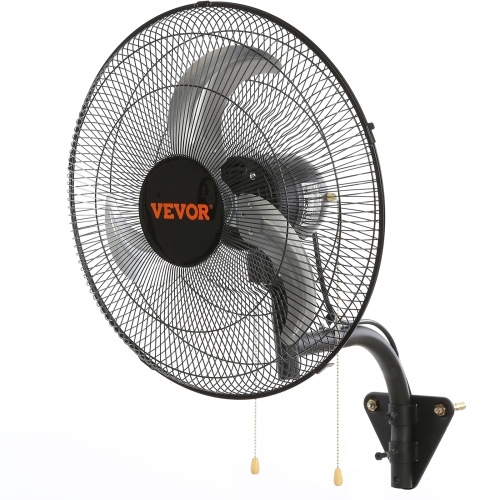

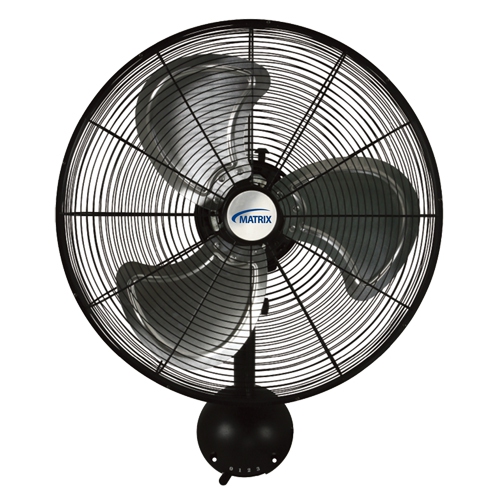
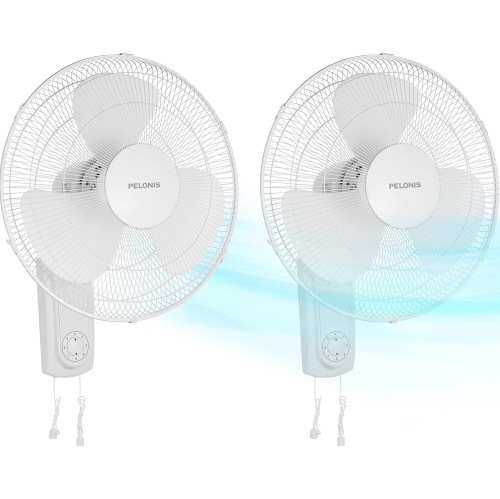
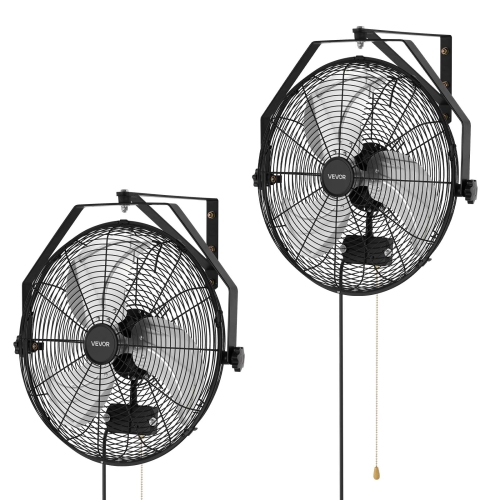
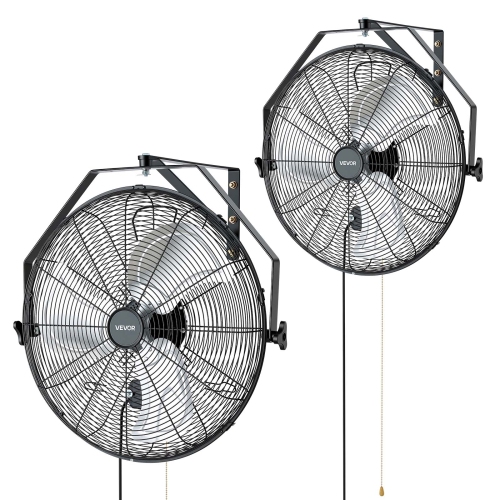
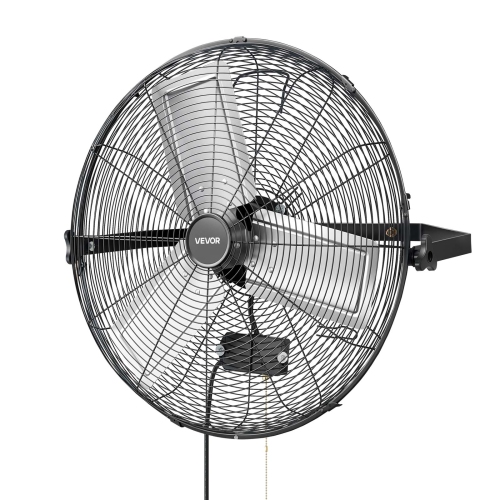
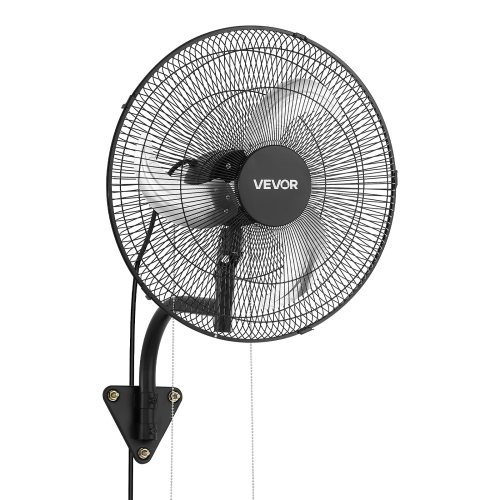
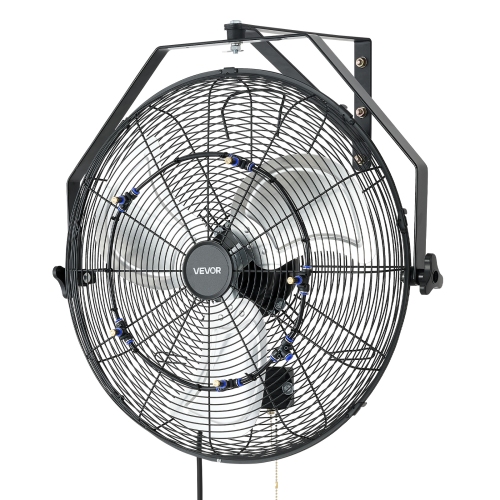
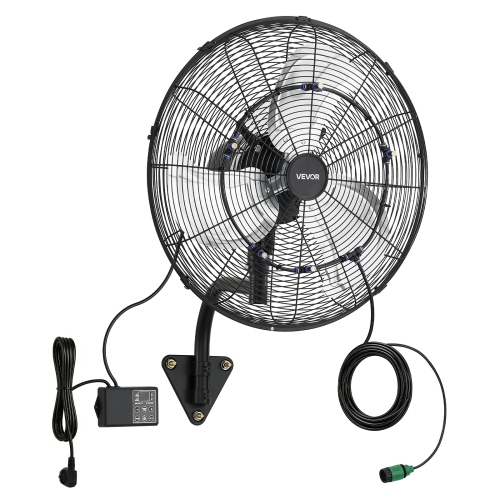
Strong airflow without sacrificing room to work
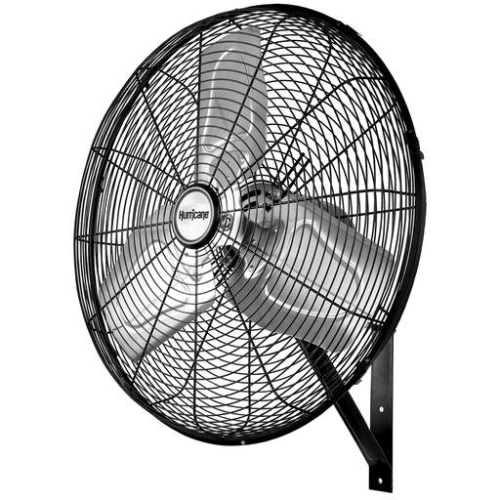
High-velocity wall mount fans deliver a strong, directed stream of air without taking up floor space, making them useful for garages, workshops, home gyms, utility rooms, and suitable commercial spaces. Mounted above the working area, they leave room for tool cabinets, exercise equipment, storage bins, and foot traffic while keeping air moving where people spend time. Their main purpose is air circulation: they move air within a space rather than automatically bringing fresh air in or carrying indoor air outside. That distinction matters in a garage with a workbench along one wall or a training room with several exercise stations. A fixed-direction fan can concentrate airflow on a particular area, while an oscillating model sweeps air across a wider section of the room. An adjustable tilt lets the fan head point towards the intended area rather than sending most of its airflow over it. High velocity describes the forceful airflow these fans are designed to produce; it does not, by itself, indicate a standardized level of performance. Airflow ratings, often expressed in cubic feet per minute, or CFM, offer a more useful comparison when considered alongside fan diameter, speed settings, and placement. A higher CFM figure indicates a greater volume of air moved under the stated test conditions, but it does not guarantee even coverage around shelving, partitions, or bulky equipment. Blade diameter alone is not a complete measure of performance either, since blade shape, motor design, and the protective grille also affect airflow. Multiple speed settings make the fan more adaptable, allowing a gentler stream near a seated work area or stronger circulation across an open floor. For someone who spends hours repairing bicycles, assembling furniture, or exercising at home, the appeal is practical: purposeful airflow with fewer objects competing for space underfoot. In shared work areas, that space-saving design can also help keep movable equipment from crowding the spot where a floor fan would otherwise sit.
Construction and mounting details have a significant influence on how a wall-mounted high-velocity fan fits into daily use. Metal blades and steel guards are common on heavy-duty designs, while other fans use moulded blades or mixed-material housings. Metal construction can provide rigidity, but material alone does not establish durability; the quality of the motor, bearings, bracket, fasteners, and finish also matters. A protective finish can help resist surface wear, although no finish should be treated as proof that a fan is suitable for damp or exposed locations. Indoor, damp-location, and outdoor ratings are distinct, so the intended installation needs to match the manufacturer's stated use. A covered patio, for example, still exposes a fan to conditions that an indoor-only model may not be built to withstand. Wall fit involves more than finding an empty patch above a bench. The mounting surface must support the fan's weight and operating forces, with appropriate fasteners secured to suitable structural backing according to the installation instructions. Drywall alone should not be assumed to provide adequate support. Clearance around the guard, room for the full oscillation sweep, and access to controls all affect placement. A fan tucked behind an open cabinet door or aimed directly into tall shelving will not distribute air as effectively as one with an unobstructed path. Cord length and outlet position deserve attention too, since the power cord should not stretch across a walkway, rest against sharp edges, or interfere with moving equipment. Controls vary by design and may include pull cords, switches, or remote operation; whichever format is used, it should remain practical to reach or operate after mounting. Noise is another important consideration, particularly beside a desk, in a shared hobby room, or near a conversation area. Strong airflow produces audible air movement, and vibration can become more noticeable if the bracket or mounting surface is not secure. Where sound ratings are provided, comparisons are most useful when they reflect similar speeds and measurement conditions.
Long-term usefulness depends on matching the fan to the work taking place around it and keeping it in good condition. A home fitness area may benefit from broad oscillation across a mat and exercise bike, while a single repair bench may suit a steady, carefully directed stream. Positioning matters around lightweight materials: strong airflow can scatter paperwork, disturb fabric patterns, or lift loose sawdust from a surface. A circulation fan is not a substitute for dust collection, local extraction, or equipment designed to manage hazardous fumes. Spaces involving combustible dust, flammable vapours, or spray finishing require equipment specifically rated for those hazards, rather than an ordinary high-velocity fan. Where the goal is to remove indoor air instead of recirculating it, Wall-Mounted Exhaust Fans serve a different purpose by discharging air through an exterior wall, with suitable replacement air needed for effective operation. For everyday circulation, routine cleaning helps prevent dust from collecting on the blades and guard, where buildup can restrict airflow or contribute to imbalance. Before cleaning or inspecting the fan, disconnect the power and allow the blades to stop completely. Follow the manufacturer's directions for removing any accessible guard sections, use the permitted cleaning method, and keep moisture away from electrical components. Some motors have sealed bearings and need no added lubrication; others have specific maintenance requirements, so oil should not be added unless the instructions call for it. Periodic checks of the mounting bracket, fasteners, cord, and guard can reveal looseness or damage before the fan is used again. New rattling, unusual vibration, a damaged cord, or a burning smell calls for stopping use and arranging appropriate assessment rather than simply changing the speed. A well-matched wall mount fan combines suitable airflow, secure installation, manageable sound, and straightforward care. Those details make it a practical fixture in frequently used spaces, whether the daily routine involves strength training, household repairs, packing orders, or keeping air moving across an active work area.
Construction and mounting details have a significant influence on how a wall-mounted high-velocity fan fits into daily use. Metal blades and steel guards are common on heavy-duty designs, while other fans use moulded blades or mixed-material housings. Metal construction can provide rigidity, but material alone does not establish durability; the quality of the motor, bearings, bracket, fasteners, and finish also matters. A protective finish can help resist surface wear, although no finish should be treated as proof that a fan is suitable for damp or exposed locations. Indoor, damp-location, and outdoor ratings are distinct, so the intended installation needs to match the manufacturer's stated use. A covered patio, for example, still exposes a fan to conditions that an indoor-only model may not be built to withstand. Wall fit involves more than finding an empty patch above a bench. The mounting surface must support the fan's weight and operating forces, with appropriate fasteners secured to suitable structural backing according to the installation instructions. Drywall alone should not be assumed to provide adequate support. Clearance around the guard, room for the full oscillation sweep, and access to controls all affect placement. A fan tucked behind an open cabinet door or aimed directly into tall shelving will not distribute air as effectively as one with an unobstructed path. Cord length and outlet position deserve attention too, since the power cord should not stretch across a walkway, rest against sharp edges, or interfere with moving equipment. Controls vary by design and may include pull cords, switches, or remote operation; whichever format is used, it should remain practical to reach or operate after mounting. Noise is another important consideration, particularly beside a desk, in a shared hobby room, or near a conversation area. Strong airflow produces audible air movement, and vibration can become more noticeable if the bracket or mounting surface is not secure. Where sound ratings are provided, comparisons are most useful when they reflect similar speeds and measurement conditions.
Long-term usefulness depends on matching the fan to the work taking place around it and keeping it in good condition. A home fitness area may benefit from broad oscillation across a mat and exercise bike, while a single repair bench may suit a steady, carefully directed stream. Positioning matters around lightweight materials: strong airflow can scatter paperwork, disturb fabric patterns, or lift loose sawdust from a surface. A circulation fan is not a substitute for dust collection, local extraction, or equipment designed to manage hazardous fumes. Spaces involving combustible dust, flammable vapours, or spray finishing require equipment specifically rated for those hazards, rather than an ordinary high-velocity fan. Where the goal is to remove indoor air instead of recirculating it, Wall-Mounted Exhaust Fans serve a different purpose by discharging air through an exterior wall, with suitable replacement air needed for effective operation. For everyday circulation, routine cleaning helps prevent dust from collecting on the blades and guard, where buildup can restrict airflow or contribute to imbalance. Before cleaning or inspecting the fan, disconnect the power and allow the blades to stop completely. Follow the manufacturer's directions for removing any accessible guard sections, use the permitted cleaning method, and keep moisture away from electrical components. Some motors have sealed bearings and need no added lubrication; others have specific maintenance requirements, so oil should not be added unless the instructions call for it. Periodic checks of the mounting bracket, fasteners, cord, and guard can reveal looseness or damage before the fan is used again. New rattling, unusual vibration, a damaged cord, or a burning smell calls for stopping use and arranging appropriate assessment rather than simply changing the speed. A well-matched wall mount fan combines suitable airflow, secure installation, manageable sound, and straightforward care. Those details make it a practical fixture in frequently used spaces, whether the daily routine involves strength training, household repairs, packing orders, or keeping air moving across an active work area.
Top selling and popular products
-
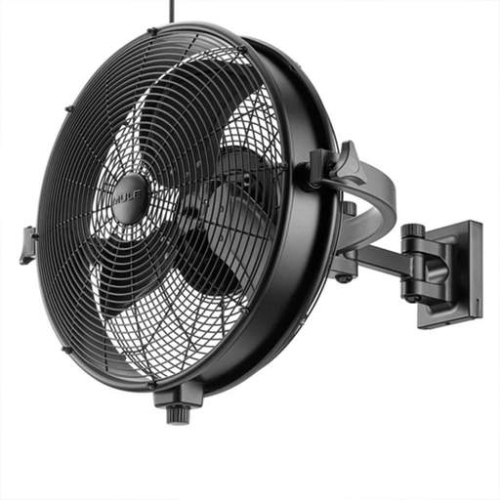 Your price for this item is $489.99
 -
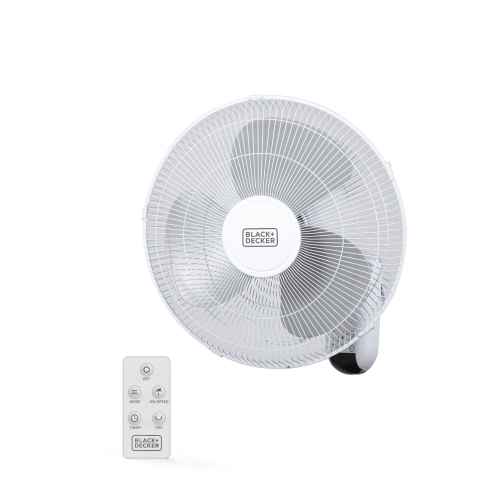 Your price for this item is $72.99
 -
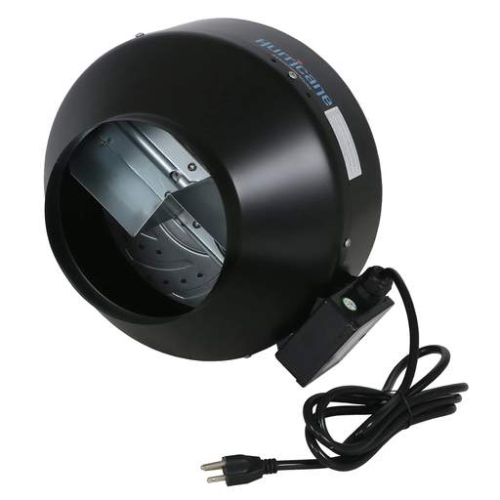 Your price for this item is $155.99
 -
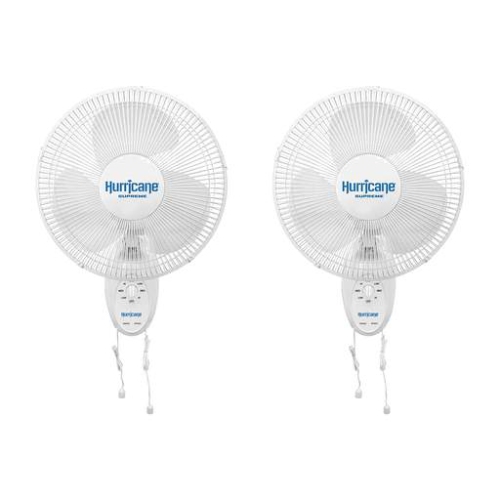 Your price for this item is $160.99
 -
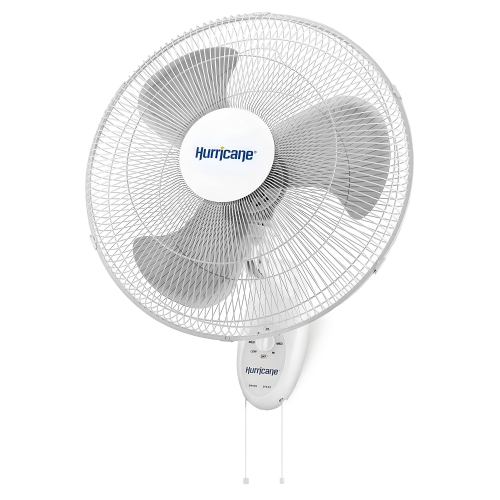 Your price for this item is $89.99
 -
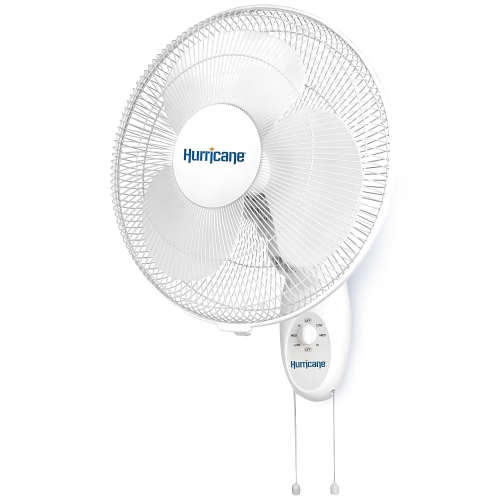 Your price for this item is $87.99
 -
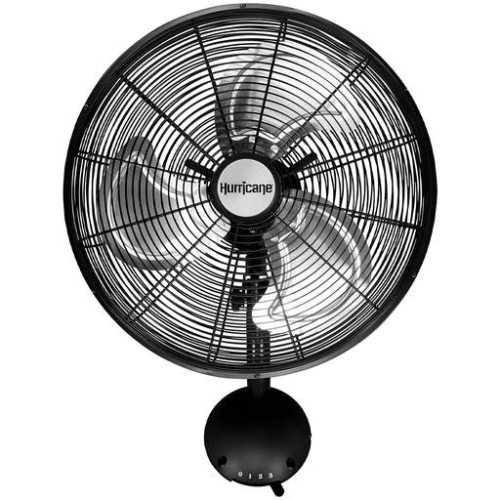 Your price for this item is $160.99
 -
 Your price for this item is $232.99
Discover more categories related to High Velocity Wall Mount Fans
Top Collections:
Pokemon Centers, Kindle Devices, Best Budget Office Chairs, Apple iPhones 16, Best Laptops for Writers, iPhone 15 Apple, Canon G7X Cameras, Refurbished Apple Laptops, Alarm Clock, Motorola Razr Phones
Some products may be subject to Environmental Handling Fees
(EHF) depending on your province.
Learn more about EHFs.