Wall-Mounted Exhaust Fans
Looking to keep your space fresh and well-ventilated? Look no further than our collection of wall-mounted exhaust fans. These efficient and powerful fans are designed to remove stale air, odors, and excess moisture from any room in your home or office. With a sleek and space-saving design, these fans can easily be mounted on any wall, allowing for optimal air circulation without taking up valuable floor space. Whether you need to improve the air quality in your bathroom, kitchen, basement, or workshop, our selection of wall-mounted exhaust fans has got you covered. Discover the perfect fan to suit your needs and enjoy a breath of fresh air every day.
Sort

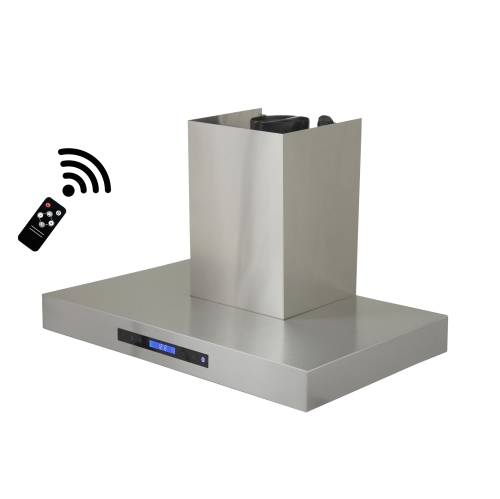
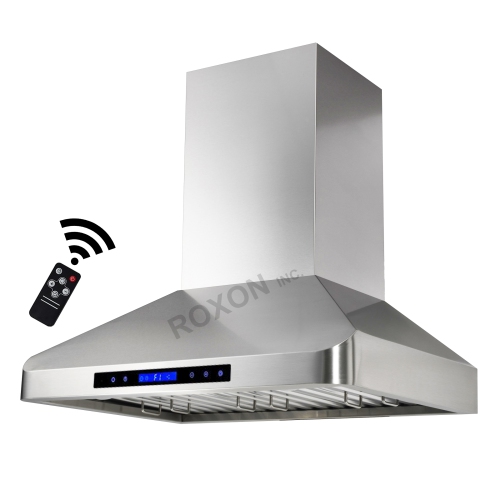
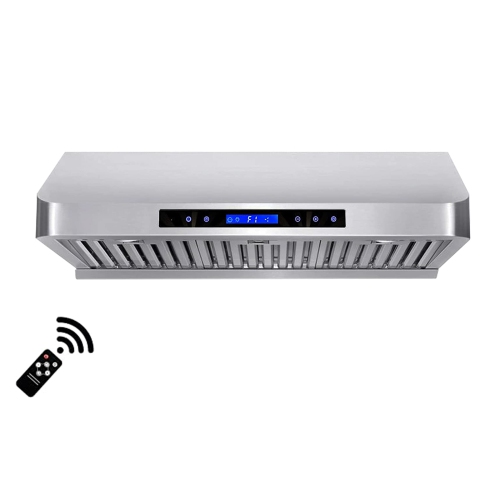
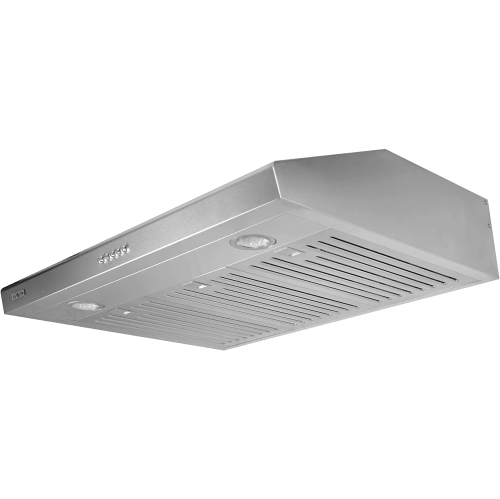

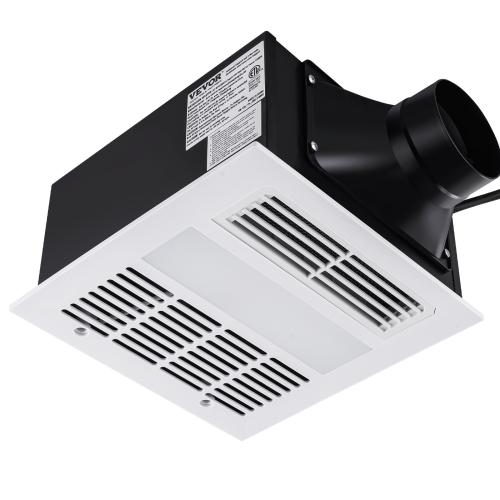
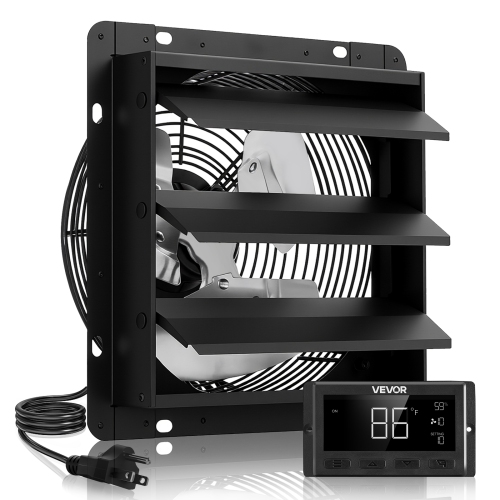
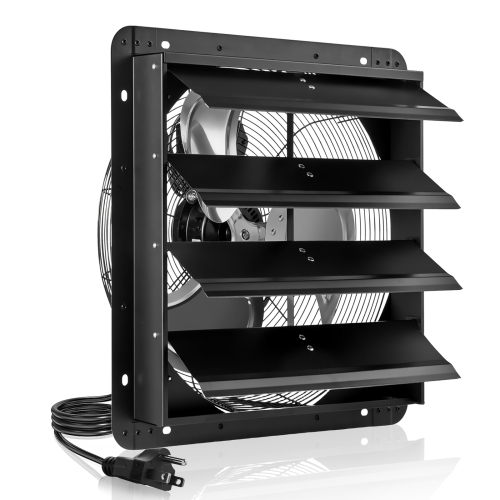
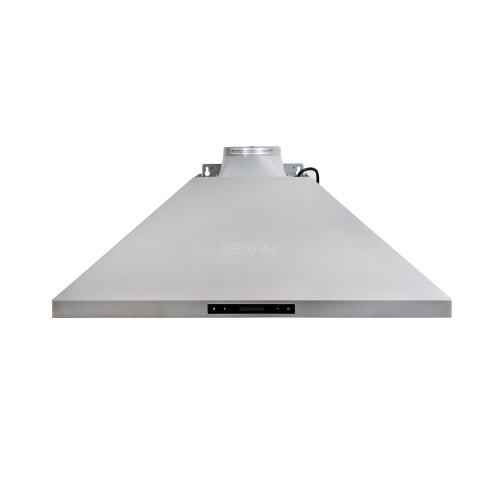

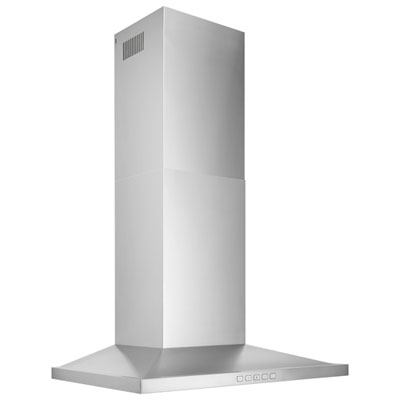
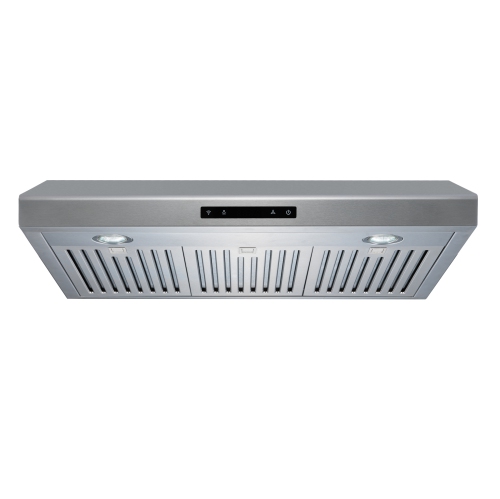
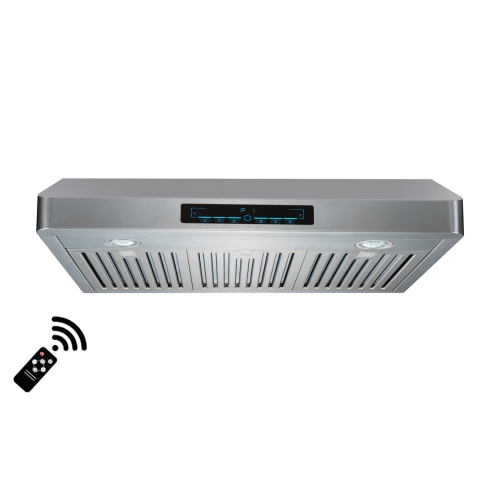
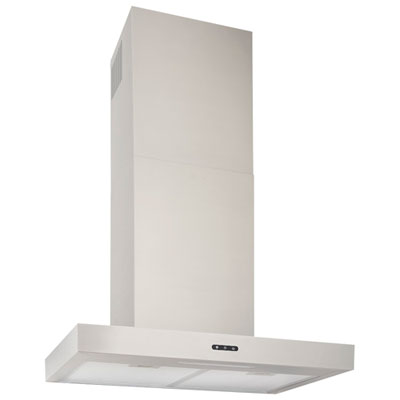


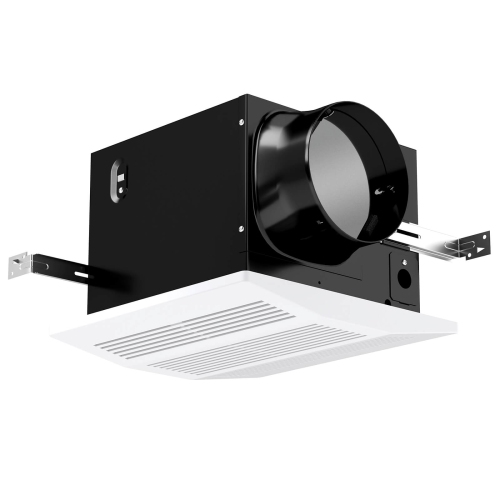

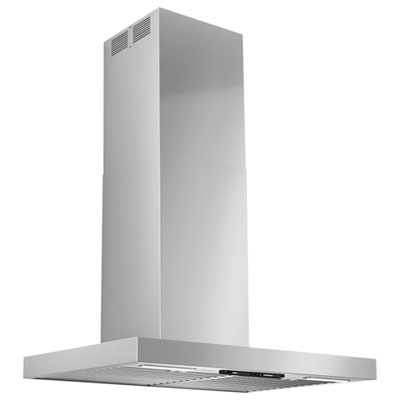
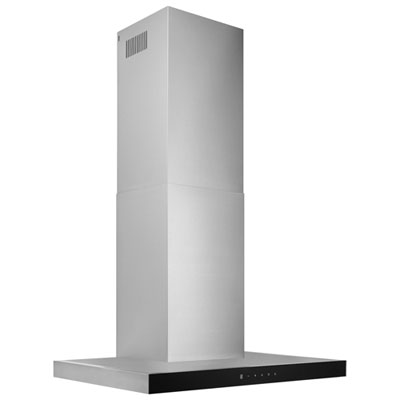
Practical ventilation for garages, workshops, and utility spaces
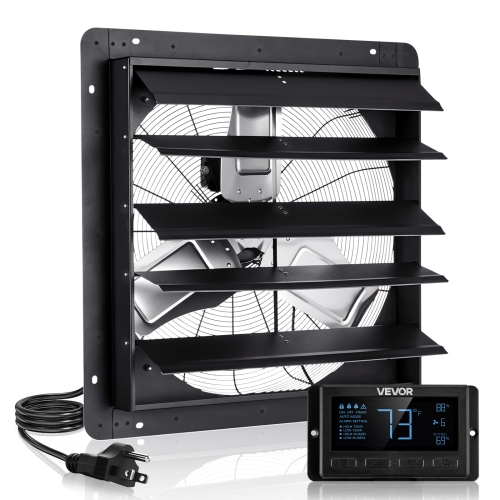
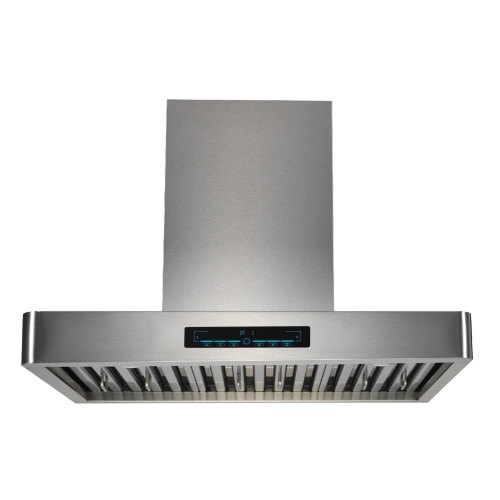
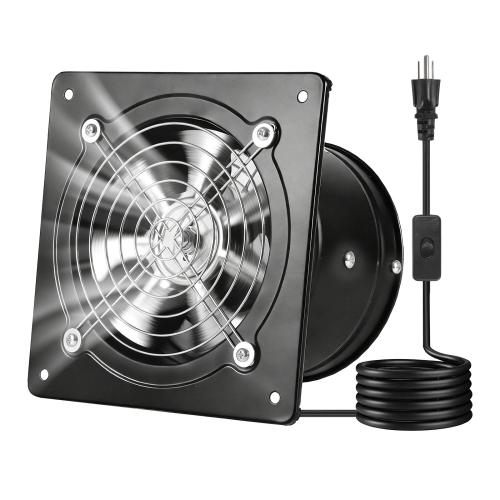
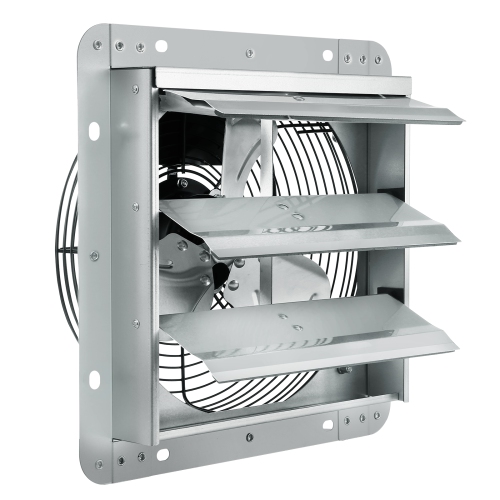
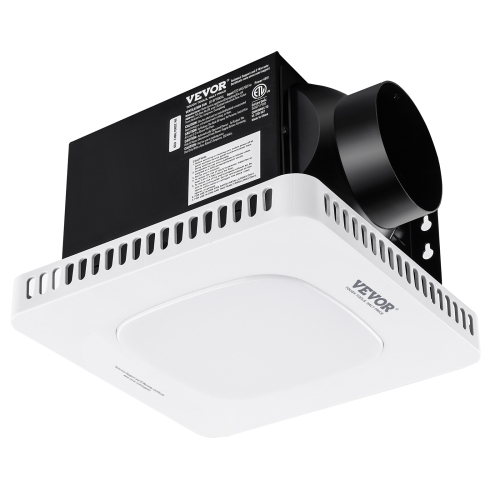
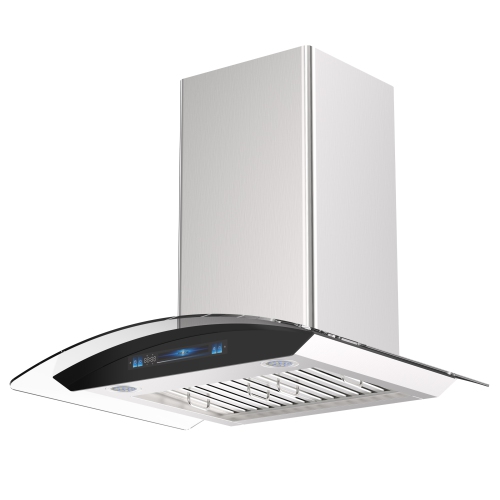
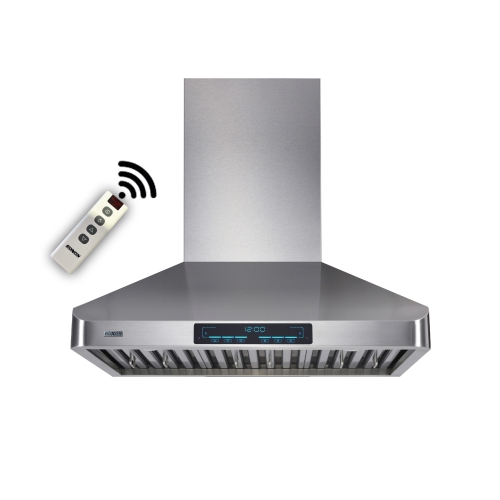
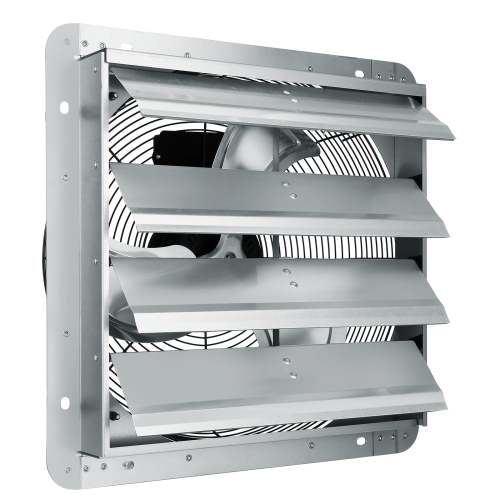
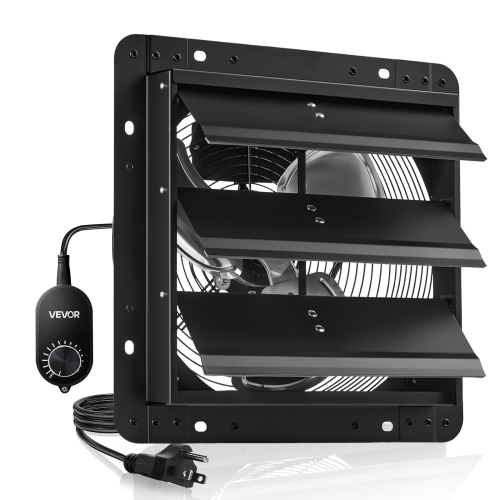
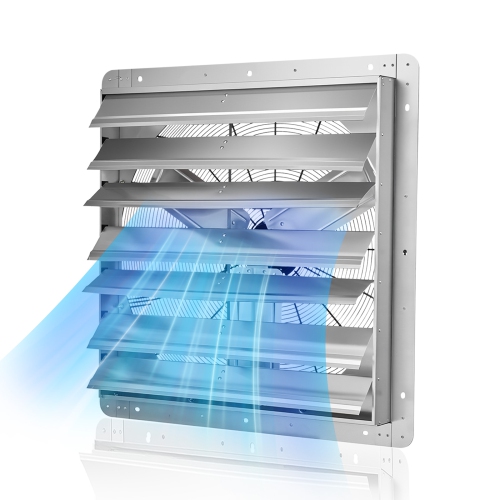
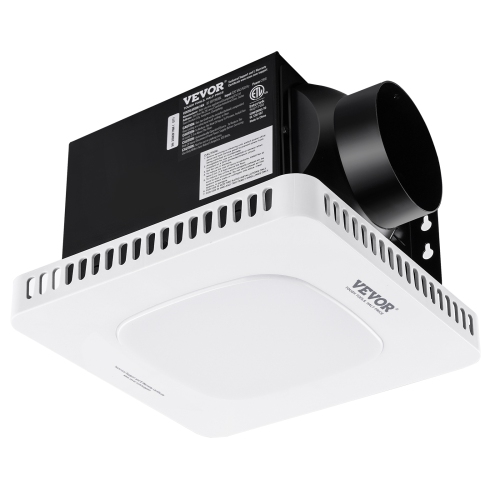
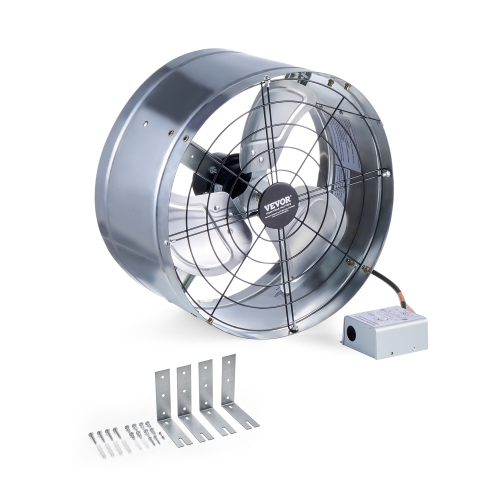
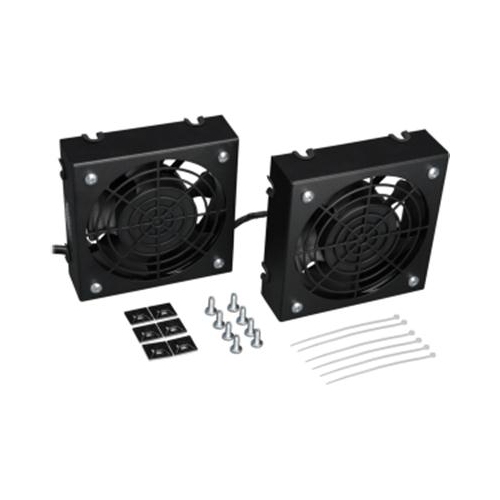
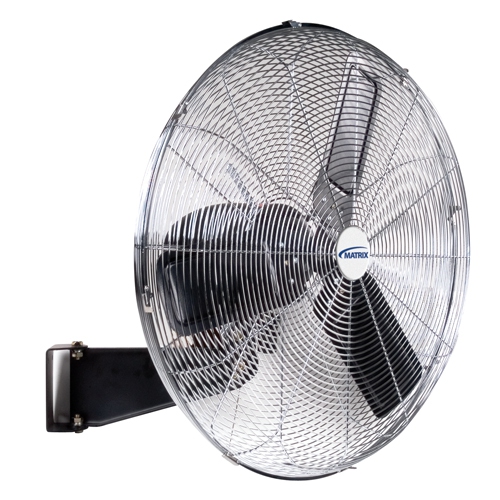
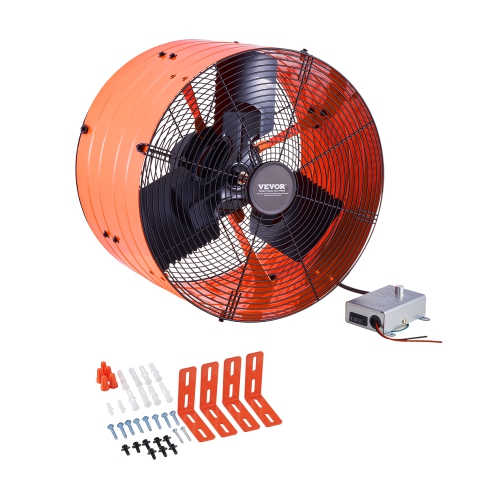
Wall-mounted exhaust fans are a practical way to move stale, humid, hot, or odour-filled air out of a room and directly through an exterior wall. Unlike a circulating fan, which simply moves air around the same space, an exhaust fan is designed to discharge indoor air outdoors, helping refresh areas that can feel stuffy or uncomfortable. They can be useful in garages, workshops, sheds, greenhouses, laundry rooms, utility rooms, bathrooms, and other spaces where installing a ceiling fan or extending a long duct run may not be suitable. In a garage or workshop, a wall-mounted exhaust fan can help clear heat, fumes, dust, and lingering odours after a project. In a greenhouse, it can help release warm air when the interior temperature begins to climb. In a laundry area, it may help reduce the heavy, damp feeling that develops when clothes are being washed and dried. Some units include shutters or louvers that open while the fan is operating and close when it is switched off, helping limit outdoor drafts, insects, and airborne debris from entering through the wall opening. For spaces that need stronger air movement, explore High Velocity Wall Mount Fans for options designed to move a substantial volume of air. These fans can be especially useful for homeowners improving ventilation in an older room, hobbyists setting up a dedicated work area, property managers maintaining utility spaces, or anyone looking for a straightforward way to improve airflow without taking up valuable floor or shelf space. They may also make a thoughtful practical gift for someone who enjoys woodworking, automotive projects, gardening, home renovations, or maintaining a detached garage. A wall-mounted design keeps the fan above work surfaces and away from stored items, making it a convenient choice when floor space is already occupied by tools, bins, bicycles, or equipment.
The most important specification to compare is airflow, measured in cubic feet per minute, or CFM. A higher CFM rating generally means the fan can move more air, but the right capacity depends on the room’s size, ceiling height, intended use, and how much heat or moisture is produced. A compact utility fan may be well suited to a small laundry room or washroom, while a larger garage, workshop, greenhouse, or commercial-style space may call for a higher-capacity model. Measuring the room before shopping gives you a useful starting point: multiply its length, width, and height to understand the approximate volume of air that needs to be exchanged. It is also helpful to consider how often the space is occupied and whether the fan will be used for occasional odour removal, regular humidity control, or continuous temperature management. Some wall-mounted exhaust fans offer multiple speeds, thermostatic controls, or other automatic operation features that can make it easier to maintain comfortable conditions without repeatedly adjusting the switch. A built-in thermostat may be useful in a greenhouse or workshop that becomes noticeably warmer as the weather warms, while a straightforward single-speed model can be a sensible fit for a room that only needs short bursts of ventilation. Shutter and louver design is another important detail. Automatic shutters can close when the motor stops, while a manual damper may require adjustment by hand. For installations exposed to damp air or changing outdoor conditions, look for a frame and grille made from materials suited to the environment, such as galvanized steel or aluminium, and check the product specifications for any stated weather-resistance rating. The fan should also be sized for the wall opening and connected to an appropriate exterior vent path. A model that is too small may not provide the desired airflow, while one that is oversized for a small room could create unnecessary noise or drafts.
Before installation, confirm that the proposed wall is suitable for a through-the-wall appliance and that the discharge point will not direct air toward a neighbour’s window, walkway, outdoor seating area, or other place where noise and expelled air could be disruptive. The exterior opening should be properly sealed and flashed so rain and melting snow cannot work their way into the wall assembly. Depending on the model and location, electrical work may require a dedicated circuit, weather-rated components, a suitable disconnect, or installation by a licensed electrician. Bathrooms and other damp locations require particular care because water and electricity present additional hazards; follow the manufacturer’s instructions and local building and electrical requirements rather than relying on a general-purpose setup. During use, keep the fan’s intake clear of boxes, curtains, stored materials, and accumulated dust so air can move freely. In a workshop, fine particles can collect on grilles and motor housings, so regular cleaning helps maintain performance and may reduce strain on the motor. Inspect shutters or louvers periodically to make sure they open smoothly and close securely, especially after periods of strong wind or colder weather. As the seasons shift from warmer conditions to cooler months, the way a wall-mounted exhaust fan is used may change: it can help release excess heat during active projects or sunny afternoons, while a closed damper and properly sealed exterior frame can help prevent unwanted drafts when ventilation is not needed. With the right airflow capacity, controls, mounting location, and weather protection, a wall-mounted exhaust fan can provide dependable ventilation in the spaces where everyday household fans are not enough.
The most important specification to compare is airflow, measured in cubic feet per minute, or CFM. A higher CFM rating generally means the fan can move more air, but the right capacity depends on the room’s size, ceiling height, intended use, and how much heat or moisture is produced. A compact utility fan may be well suited to a small laundry room or washroom, while a larger garage, workshop, greenhouse, or commercial-style space may call for a higher-capacity model. Measuring the room before shopping gives you a useful starting point: multiply its length, width, and height to understand the approximate volume of air that needs to be exchanged. It is also helpful to consider how often the space is occupied and whether the fan will be used for occasional odour removal, regular humidity control, or continuous temperature management. Some wall-mounted exhaust fans offer multiple speeds, thermostatic controls, or other automatic operation features that can make it easier to maintain comfortable conditions without repeatedly adjusting the switch. A built-in thermostat may be useful in a greenhouse or workshop that becomes noticeably warmer as the weather warms, while a straightforward single-speed model can be a sensible fit for a room that only needs short bursts of ventilation. Shutter and louver design is another important detail. Automatic shutters can close when the motor stops, while a manual damper may require adjustment by hand. For installations exposed to damp air or changing outdoor conditions, look for a frame and grille made from materials suited to the environment, such as galvanized steel or aluminium, and check the product specifications for any stated weather-resistance rating. The fan should also be sized for the wall opening and connected to an appropriate exterior vent path. A model that is too small may not provide the desired airflow, while one that is oversized for a small room could create unnecessary noise or drafts.
Before installation, confirm that the proposed wall is suitable for a through-the-wall appliance and that the discharge point will not direct air toward a neighbour’s window, walkway, outdoor seating area, or other place where noise and expelled air could be disruptive. The exterior opening should be properly sealed and flashed so rain and melting snow cannot work their way into the wall assembly. Depending on the model and location, electrical work may require a dedicated circuit, weather-rated components, a suitable disconnect, or installation by a licensed electrician. Bathrooms and other damp locations require particular care because water and electricity present additional hazards; follow the manufacturer’s instructions and local building and electrical requirements rather than relying on a general-purpose setup. During use, keep the fan’s intake clear of boxes, curtains, stored materials, and accumulated dust so air can move freely. In a workshop, fine particles can collect on grilles and motor housings, so regular cleaning helps maintain performance and may reduce strain on the motor. Inspect shutters or louvers periodically to make sure they open smoothly and close securely, especially after periods of strong wind or colder weather. As the seasons shift from warmer conditions to cooler months, the way a wall-mounted exhaust fan is used may change: it can help release excess heat during active projects or sunny afternoons, while a closed damper and properly sealed exterior frame can help prevent unwanted drafts when ventilation is not needed. With the right airflow capacity, controls, mounting location, and weather protection, a wall-mounted exhaust fan can provide dependable ventilation in the spaces where everyday household fans are not enough.
Top selling and popular products
-
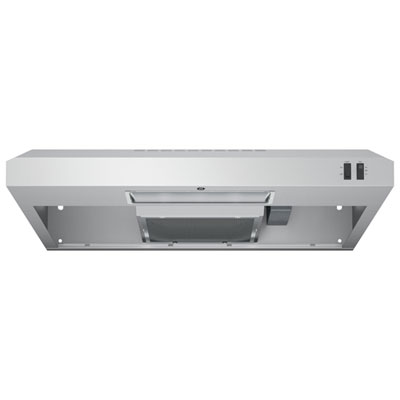 Your price for this item is $249.99
 -
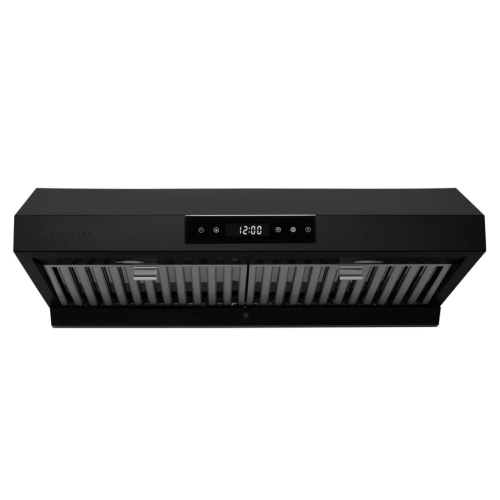 Your price for this item is $598.49
 -
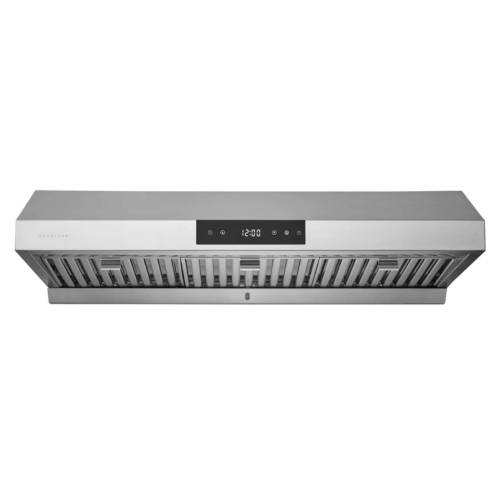 Your price for this item is $645.99
 -
 Your price for this item is $645.99
 -
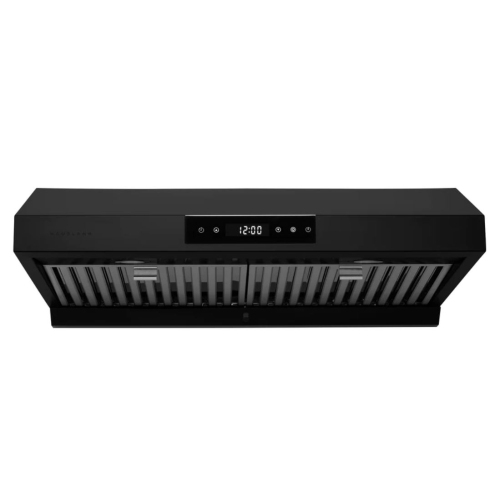 Your price for this item is $645.99
 -
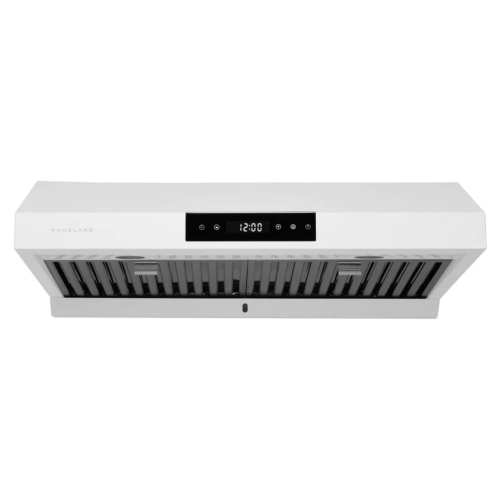 Your price for this item is $598.49
 -
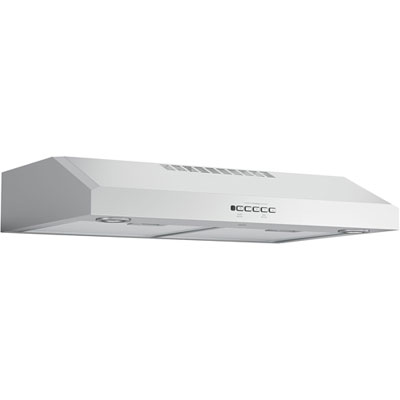 Your price for this item is $449.99
 -
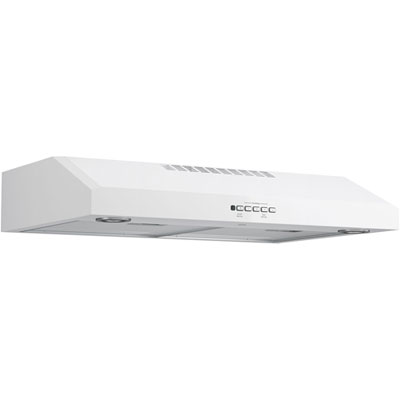 Your price for this item is $399.99
Discover more categories related to Wall-Mounted Exhaust Fans
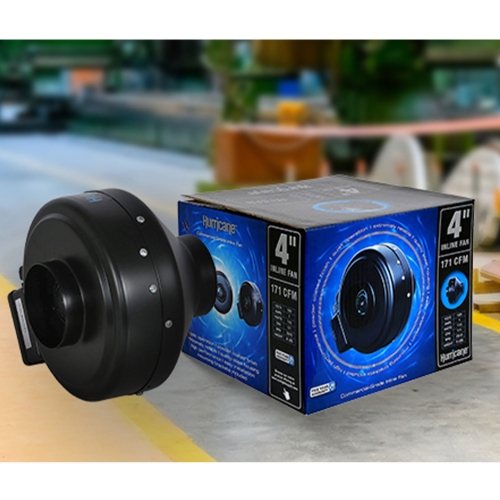
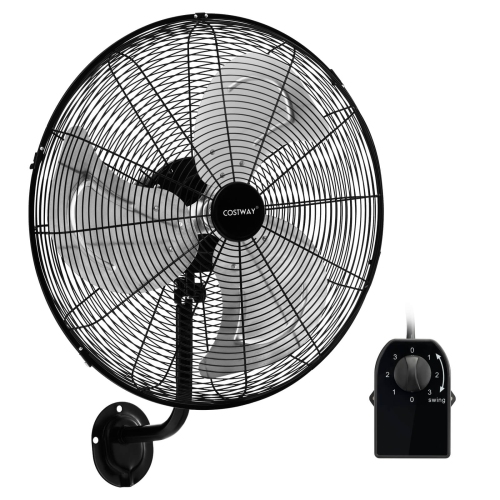
Top Collections:
Pokemon Centers, Kindle Devices, Best Budget Office Chairs, Apple iPhones 16, Best Laptops for Writers, iPhone 15 Apple, Canon G7X Cameras, Refurbished Apple Laptops, Alarm Clock, Motorola Razr Phones
Some products may be subject to Environmental Handling Fees
(EHF) depending on your province.
Learn more about EHFs.