Garage Mini Fridges
A mini fridge is a great addition to almost any garage. It can store drinks and food for guests, and it's a convenient place to keep leftovers or other items that don't get used often. A mini fridge also helps keep your food and drinks cool while you work on something else in the garage. Here are some of our favorites.
Sort

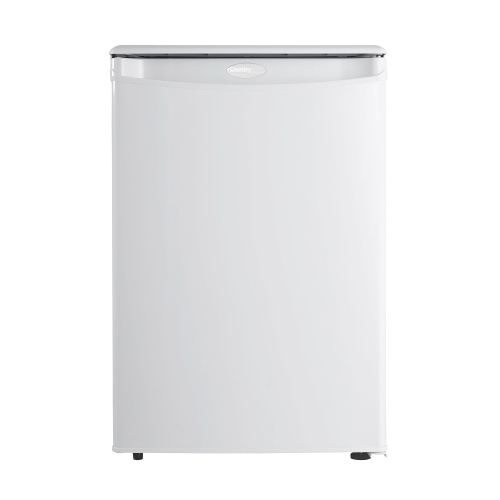
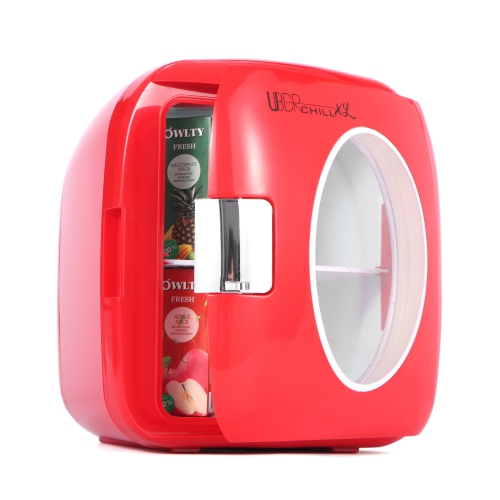
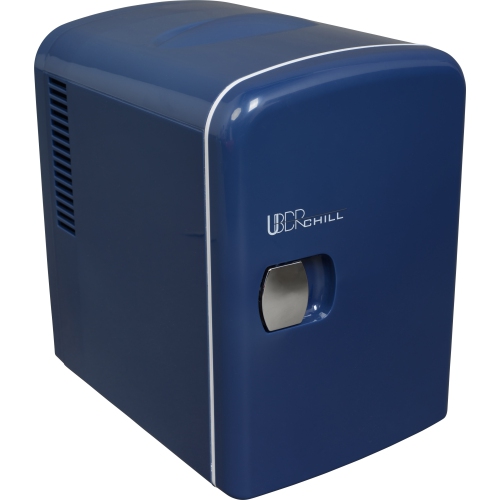
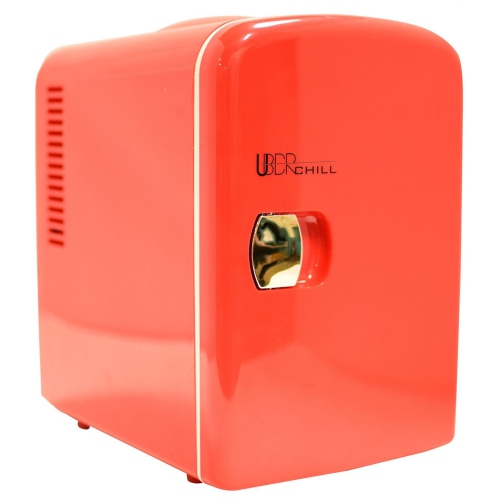
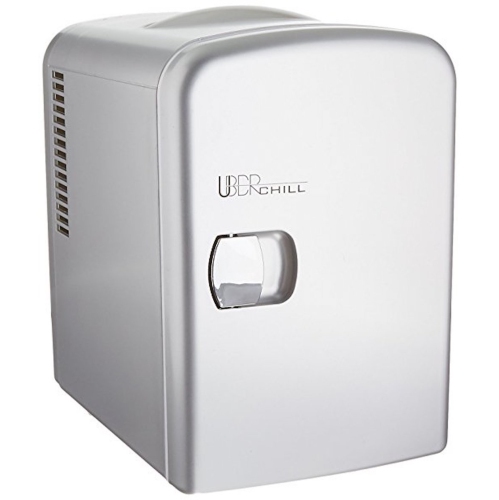
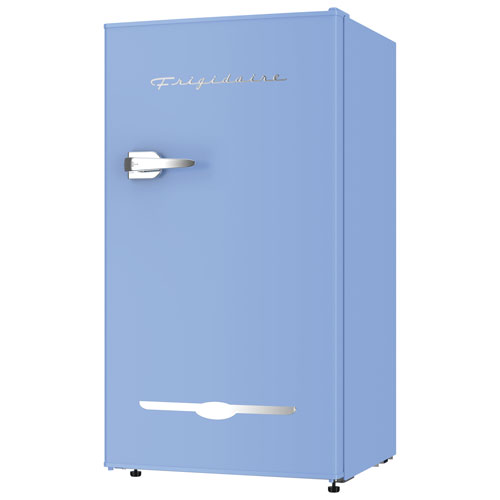
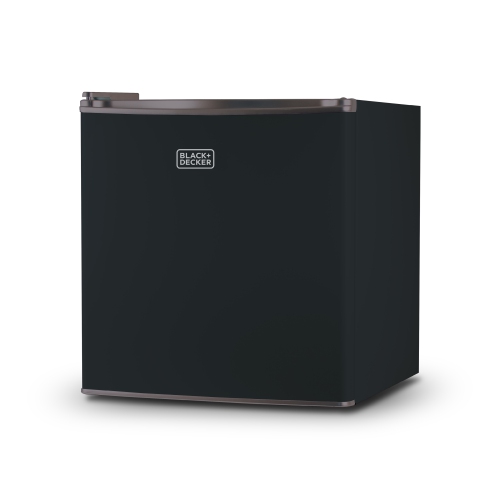
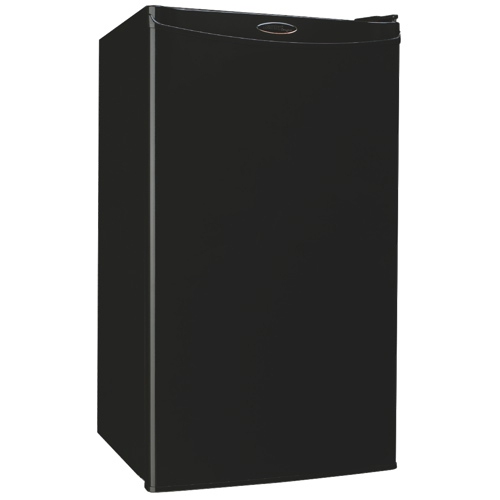
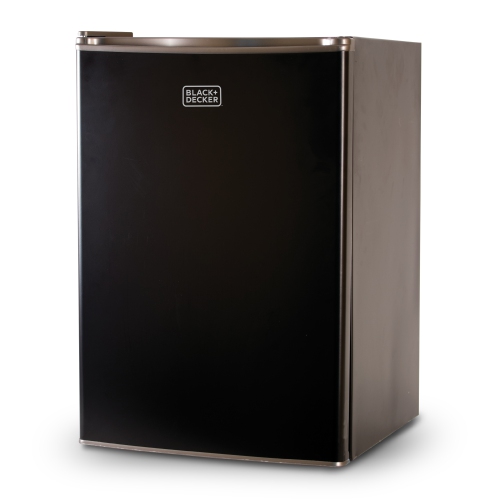

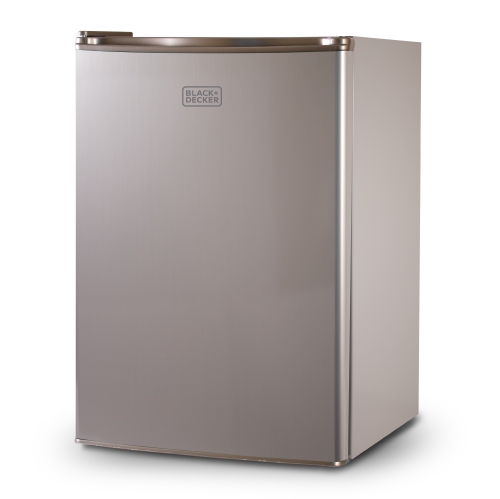
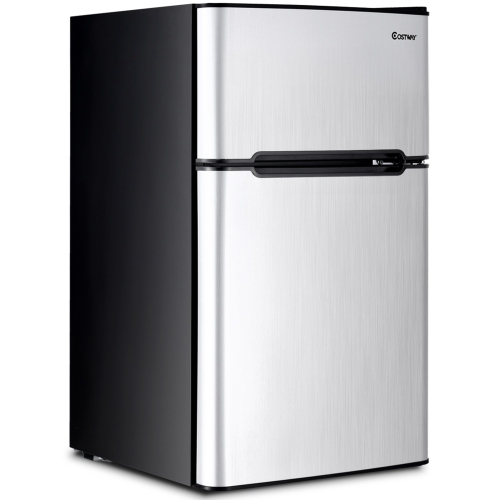
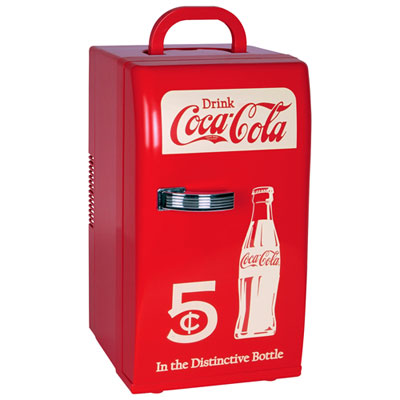

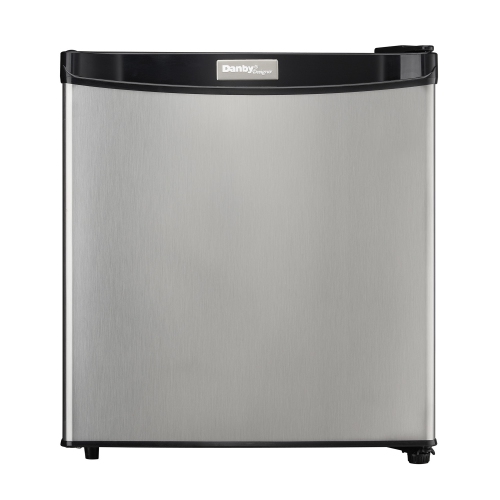
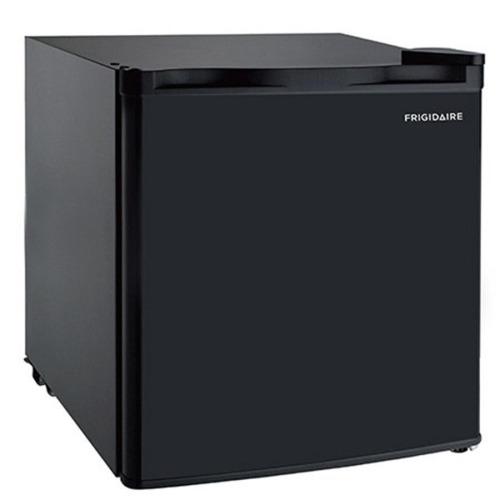
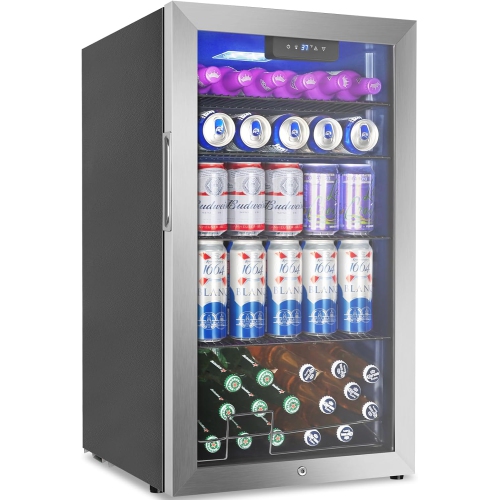
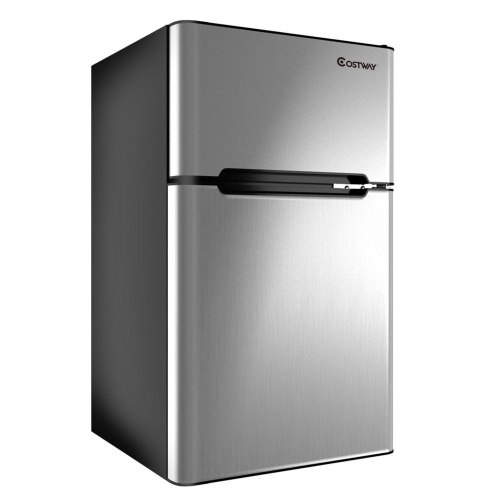
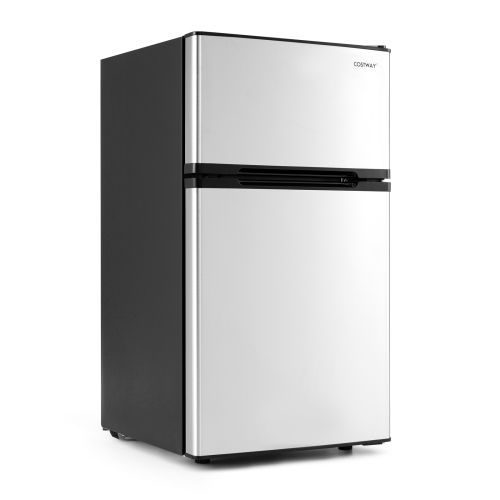
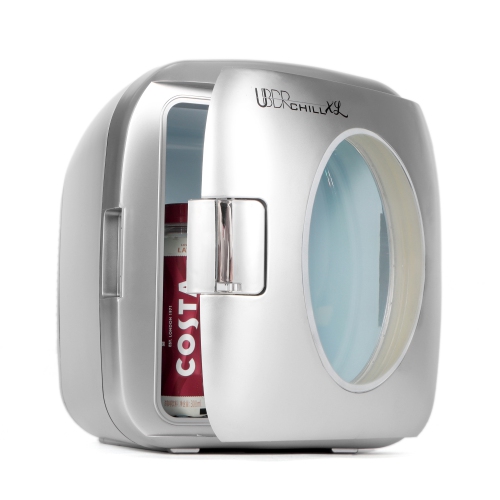
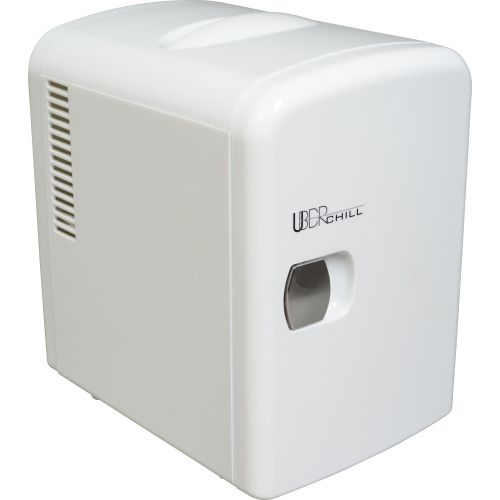
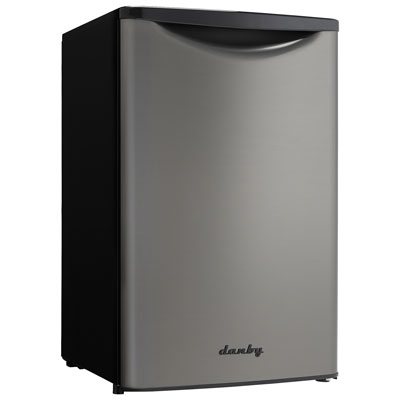
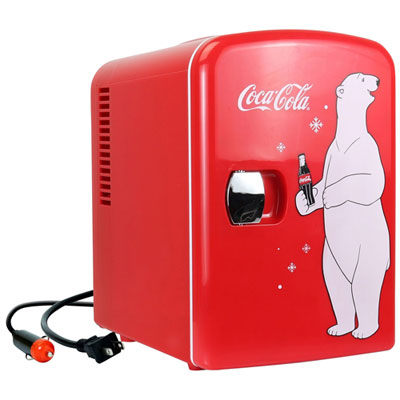
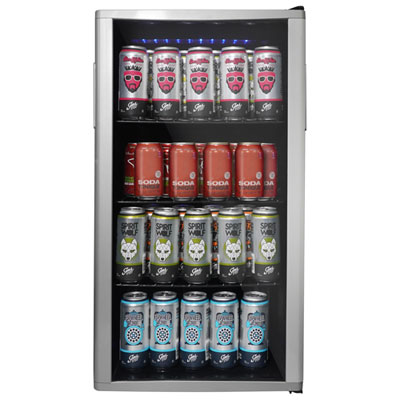
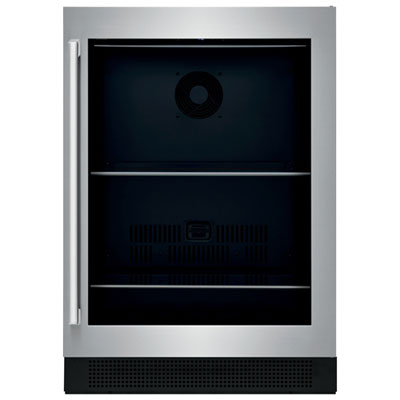
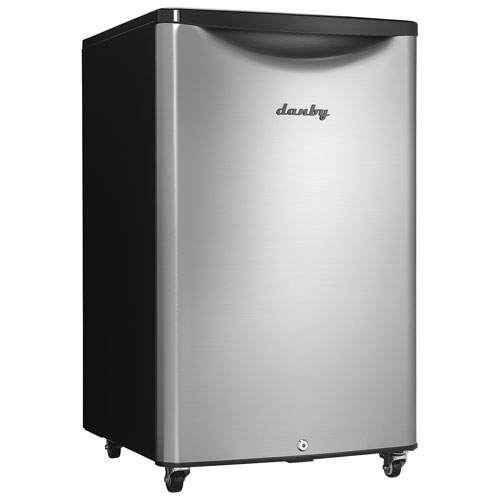
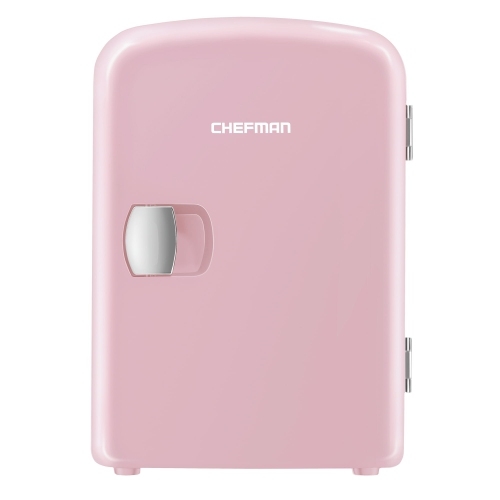
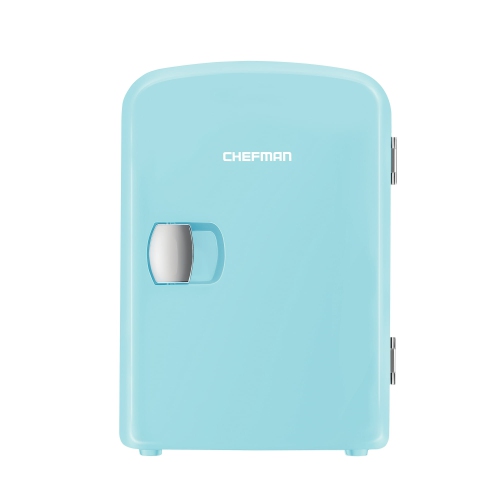
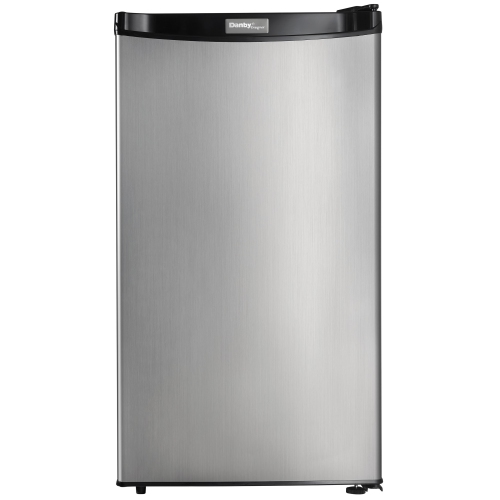
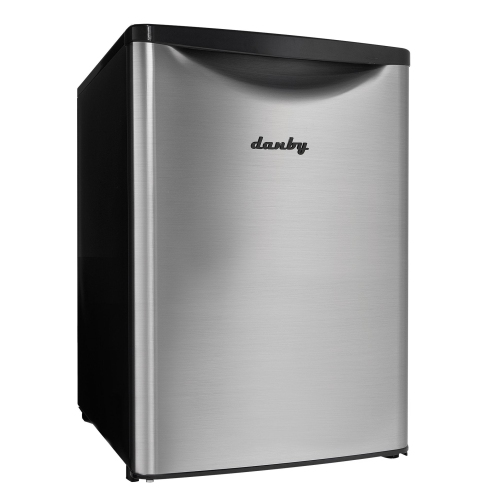
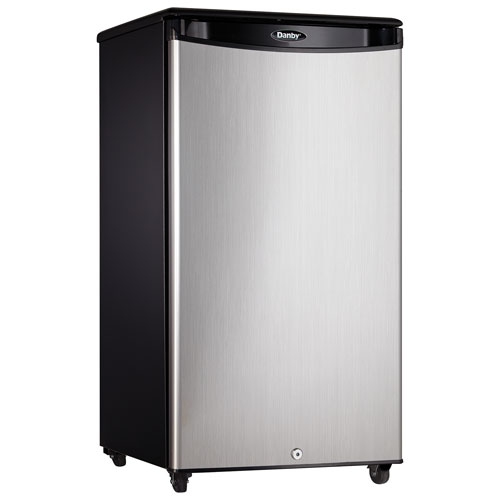

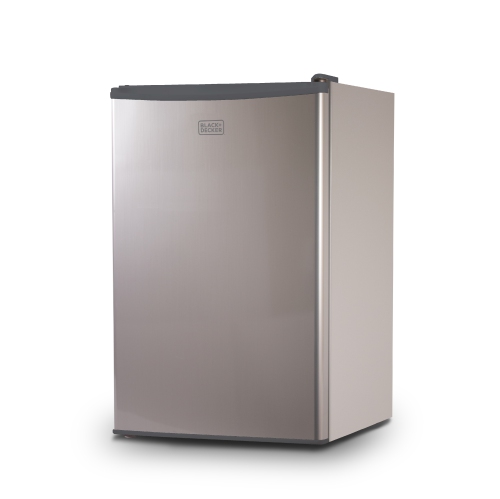
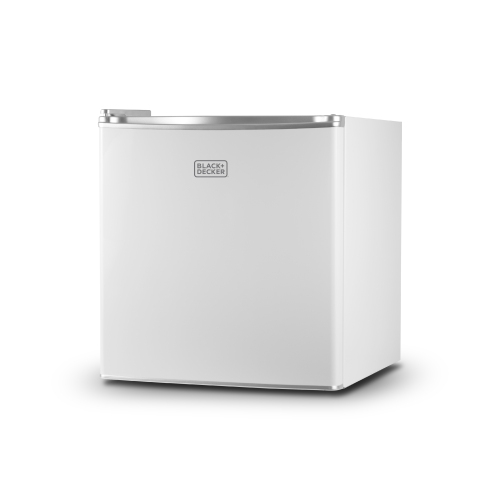
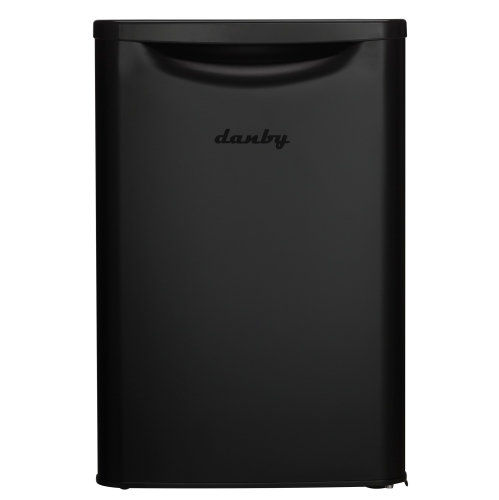
Garage temperatures matter just as much as fridge size
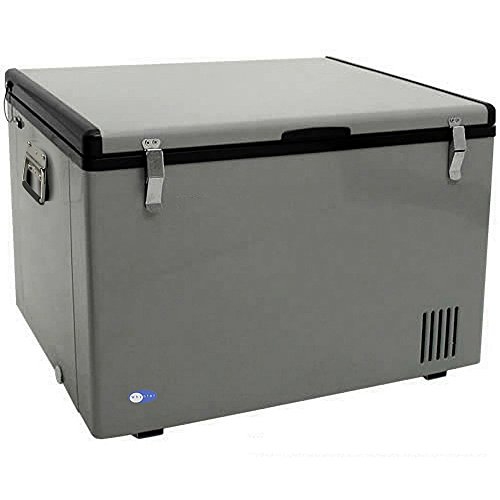
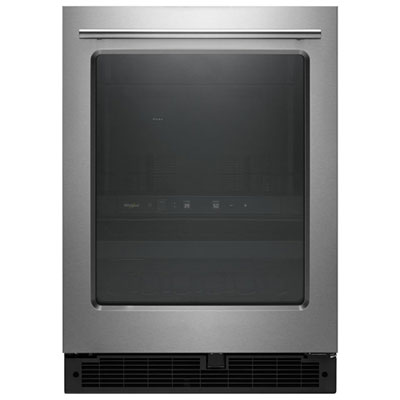
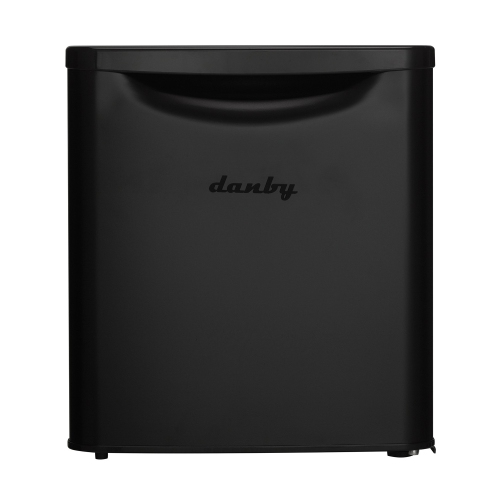
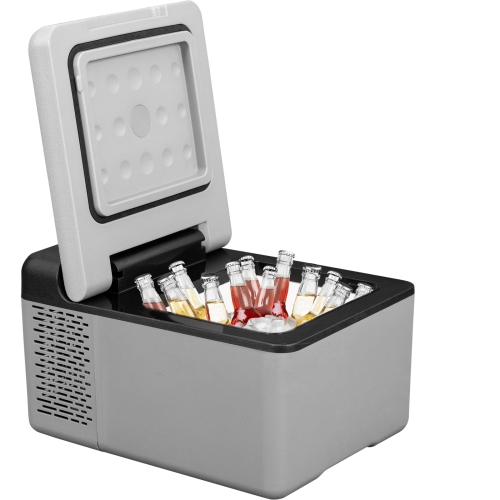
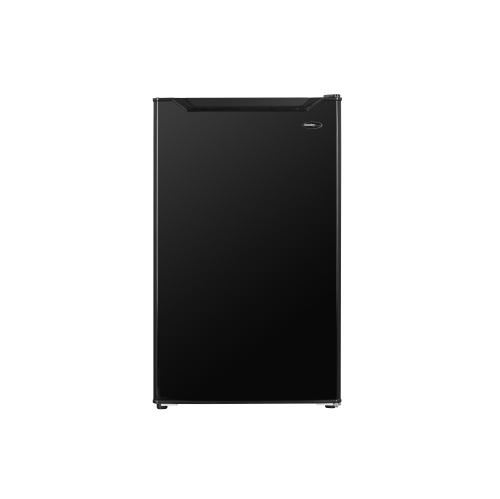
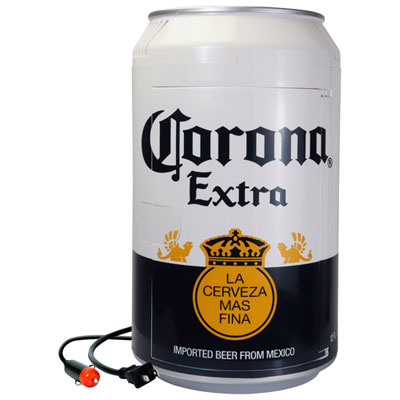
Garage mini fridges bring compact cold storage closer to the places where projects, workouts, and everyday household tasks happen. A chilled drink within reach of a workbench can save a trip indoors, while a dedicated spot for sealed snacks and refreshments can keep the main kitchen fridge less crowded. Many compact refrigerators fall around 3.0 to 4.5 cubic feet, although smaller and larger capacities suit different spaces. That measurement describes interior volume, not the floor space an appliance needs, so exterior dimensions and installation clearances matter just as much. The most important distinction for garage use is the permitted ambient temperature range: a compact size alone does not make a refrigerator suitable for an unheated garage. Standard mini fridges are generally designed for indoor conditions, and some may operate poorly when the surrounding temperature falls below about 10°C. Others have different limits, making the manufacturer's specifications more useful than a single temperature rule. A garage-ready designation should be supported by an operating range that matches the space across the seasons; it does not automatically mean an appliance can withstand freezing temperatures. In a garage that gets cold enough, food and drinks may freeze even though the fridge is not actively cooling. Hot conditions can also make a refrigerator work harder and affect its ability to maintain safe storage temperatures. For a Canadian household, the difference between an insulated, heated garage and a detached, unheated one is especially important during the cooler months. Garage mini fridges make the most sense when their stated operating conditions match the actual location, whether that is a temperature-controlled workshop, a home gym beside the parking area, or a sheltered utility space used for household overflow. Shoppers considering a wider range of styles and layouts can also explore Cool Garage Fridges for related options suited to different garage setups.
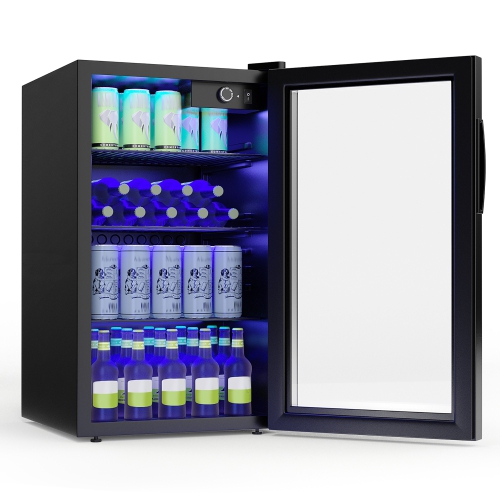
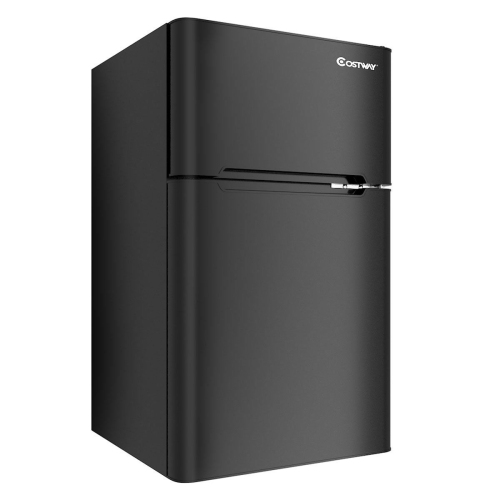
Interior layout determines how useful a garage mini fridge feels after the first few grocery trips. A freezerless design dedicates its storage space to refrigerated contents, which can suit households mainly keeping water, juice, and packaged snacks close at hand. A compact fridge with a freezer compartment adds flexibility, but the compartment's capabilities need careful attention. A small internal icebox is not necessarily intended for long-term frozen food storage, whereas a separate freezer with its own exterior door can offer better separation between chilled and frozen contents. The stated freezer temperature and storage guidance remain the deciding factors. For perishable food, the refrigerator should maintain 4°C or colder without freezing its contents; a freezer intended for frozen food storage should maintain −18°C or colder. A separate appliance thermometer makes those conditions easier to check, particularly when garage temperatures change. Adjustable shelves help accommodate a tall reusable bottle or a covered container without wasting the space above shorter cans. Door bins can keep frequently reached-for drinks visible, but their depth and weight limits affect what fits securely. Glass shelves provide a flat surface for containers and, when designed with raised edges, can help contain small spills. Wire shelves have a different feel and can allow air to move through the shelf, though narrow containers may need more careful placement. Removable shelves and bins make cleaning easier when a drink leaks or a container leaves a sticky ring. Painted metal cabinets, stainless steel finishes, and moulded interior liners each bring practical considerations: smooth surfaces are easier to wipe, textured finishes may make fingerprints less noticeable, and exposed edges can pick up scratches in a busy workspace. Durability also depends on sturdy hinges, a well-fitting door gasket, and shelving that can handle its stated load. A reversible door can help a fridge fit beside a cabinet or open away from a parked vehicle, provided the installation instructions allow that configuration. An accessible handle and a clear view of the contents can be more useful day to day than an elaborate exterior.
Placement and routine care have a direct effect on how well a compact refrigerator works in a garage. Measure the intended spot with the door open as well as closed, allowing room to remove shelves and reach the lowest storage area without squeezing past a bumper or tool chest. A freestanding mini fridge should not be enclosed tightly beneath a worktop unless its installation requirements permit that use; built-in appliances are designed for different ventilation arrangements. Follow the specified clearances around the cabinet and keep ventilation openings free of dust, stored bags, and other obstructions. A level, stable surface helps the door close properly and keeps bottles from leaning against one another. A location away from direct sunlight, heaters, and equipment that throws off heat gives the appliance more suitable working conditions. It should also remain protected from moisture, vehicle impacts, and sparks or debris from workshop tasks. Household refrigerators are for food and drinks, not for storing fuel, solvents, or workshop chemicals. Electrical setup matters too: use the properly grounded receptacle specified by the manufacturer, follow applicable electrical requirements, and avoid extension cords or power bars where the appliance instructions prohibit them. For care, wipe up spills promptly, clean removable parts as directed, and check the door seal for crumbs or dirt that could prevent a tight closure. Manual-defrost compartments need occasional attention before frost takes up useful space; sharp tools should never be used to chip ice away. Leave room between contents for air circulation rather than packing every gap, and check temperatures after a large refill or a significant change in garage conditions. If the space falls outside the appliance's permitted operating range, move perishables to suitable refrigeration and follow the manufacturer's shutdown or relocation instructions. These practical details help match a garage mini fridge to its intended owner: a hobbyist who spends afternoons at a workbench, someone with a garage fitness area, or a household that wants drinks separate from everyday meal ingredients. As a gift for a new homeowner or a workshop enthusiast, a compact fridge is most useful when its dimensions, door swing, and temperature requirements have been checked against the space where it will actually be used.
Interior layout determines how useful a garage mini fridge feels after the first few grocery trips. A freezerless design dedicates its storage space to refrigerated contents, which can suit households mainly keeping water, juice, and packaged snacks close at hand. A compact fridge with a freezer compartment adds flexibility, but the compartment's capabilities need careful attention. A small internal icebox is not necessarily intended for long-term frozen food storage, whereas a separate freezer with its own exterior door can offer better separation between chilled and frozen contents. The stated freezer temperature and storage guidance remain the deciding factors. For perishable food, the refrigerator should maintain 4°C or colder without freezing its contents; a freezer intended for frozen food storage should maintain −18°C or colder. A separate appliance thermometer makes those conditions easier to check, particularly when garage temperatures change. Adjustable shelves help accommodate a tall reusable bottle or a covered container without wasting the space above shorter cans. Door bins can keep frequently reached-for drinks visible, but their depth and weight limits affect what fits securely. Glass shelves provide a flat surface for containers and, when designed with raised edges, can help contain small spills. Wire shelves have a different feel and can allow air to move through the shelf, though narrow containers may need more careful placement. Removable shelves and bins make cleaning easier when a drink leaks or a container leaves a sticky ring. Painted metal cabinets, stainless steel finishes, and moulded interior liners each bring practical considerations: smooth surfaces are easier to wipe, textured finishes may make fingerprints less noticeable, and exposed edges can pick up scratches in a busy workspace. Durability also depends on sturdy hinges, a well-fitting door gasket, and shelving that can handle its stated load. A reversible door can help a fridge fit beside a cabinet or open away from a parked vehicle, provided the installation instructions allow that configuration. An accessible handle and a clear view of the contents can be more useful day to day than an elaborate exterior.
Placement and routine care have a direct effect on how well a compact refrigerator works in a garage. Measure the intended spot with the door open as well as closed, allowing room to remove shelves and reach the lowest storage area without squeezing past a bumper or tool chest. A freestanding mini fridge should not be enclosed tightly beneath a worktop unless its installation requirements permit that use; built-in appliances are designed for different ventilation arrangements. Follow the specified clearances around the cabinet and keep ventilation openings free of dust, stored bags, and other obstructions. A level, stable surface helps the door close properly and keeps bottles from leaning against one another. A location away from direct sunlight, heaters, and equipment that throws off heat gives the appliance more suitable working conditions. It should also remain protected from moisture, vehicle impacts, and sparks or debris from workshop tasks. Household refrigerators are for food and drinks, not for storing fuel, solvents, or workshop chemicals. Electrical setup matters too: use the properly grounded receptacle specified by the manufacturer, follow applicable electrical requirements, and avoid extension cords or power bars where the appliance instructions prohibit them. For care, wipe up spills promptly, clean removable parts as directed, and check the door seal for crumbs or dirt that could prevent a tight closure. Manual-defrost compartments need occasional attention before frost takes up useful space; sharp tools should never be used to chip ice away. Leave room between contents for air circulation rather than packing every gap, and check temperatures after a large refill or a significant change in garage conditions. If the space falls outside the appliance's permitted operating range, move perishables to suitable refrigeration and follow the manufacturer's shutdown or relocation instructions. These practical details help match a garage mini fridge to its intended owner: a hobbyist who spends afternoons at a workbench, someone with a garage fitness area, or a household that wants drinks separate from everyday meal ingredients. As a gift for a new homeowner or a workshop enthusiast, a compact fridge is most useful when its dimensions, door swing, and temperature requirements have been checked against the space where it will actually be used.
Top selling and popular products
-
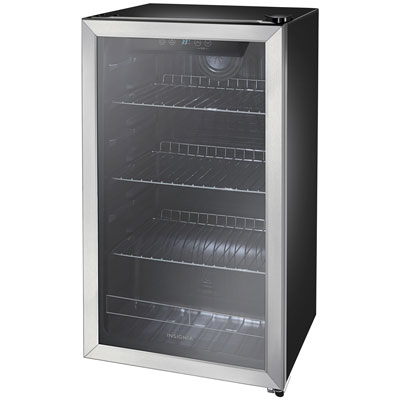 Your price for this item is $349.99
 -
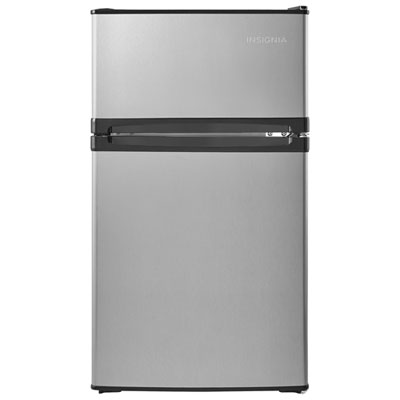 Your price for this item is $299.99
 -
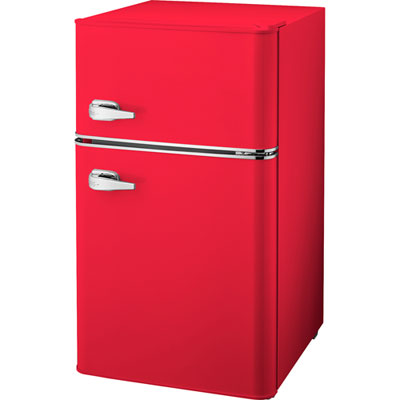 Your price for this item is $199.97
 -
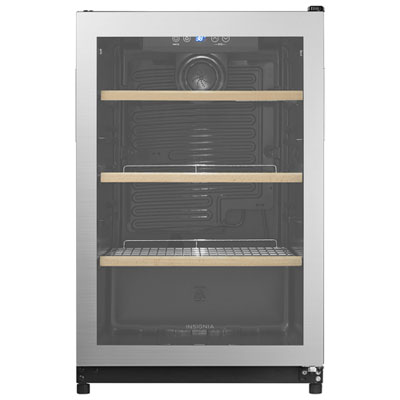 Your price for this item is $329.99
 -
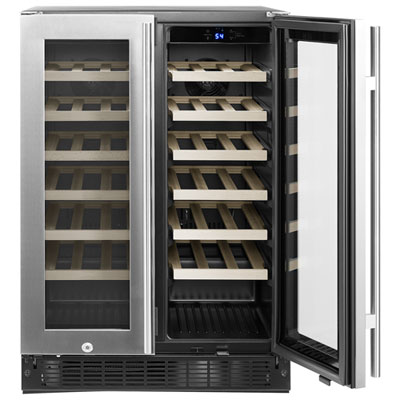 Your price for this item is $999.99
 -
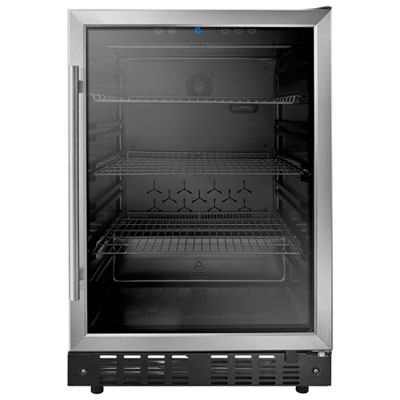 Your price for this item is $699.99
 -
 Your price for this item is $599.99
 -
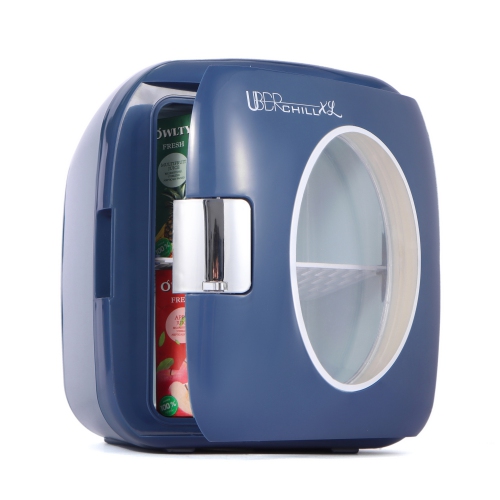 Your price for this item is $169.99
Discover more categories related to Garage Mini Fridges
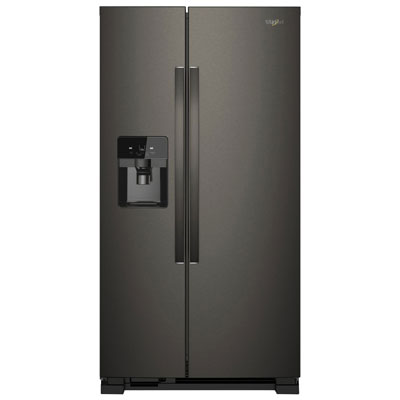
Top Collections:
Pokemon Centers, Kindle Devices, Best Budget Office Chairs, Apple iPhones 16, Best Laptops for Writers, iPhone 15 Apple, Canon G7X Cameras, Refurbished Apple Laptops, Alarm Clock, Motorola Razr Phones
Some products may be subject to Environmental Handling Fees
(EHF) depending on your province.
Learn more about EHFs.