Humidifiers for Colds
Combat the discomfort of cold symptoms with our selection of humidifiers designed to provide relief and comfort during the winter season. Humidifiers can help ease congestion, soothe dry throats, and promote better sleep by adding moisture to the air in your home. Whether you're looking for a cool mist or warm mist option, we have a variety of humidifiers to suit your needs and preferences. Say goodbye to dry air and hello to a more comfortable living space with our range of humidifiers for colds.
Sort









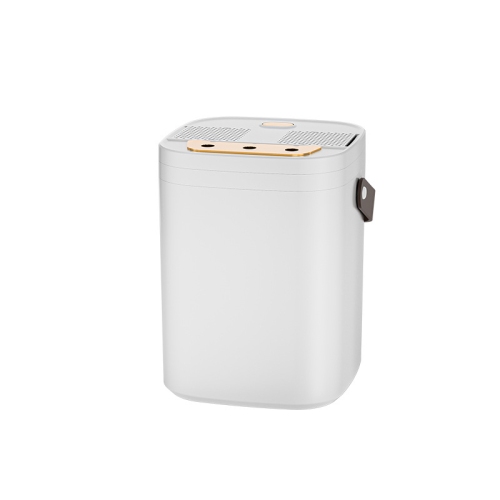
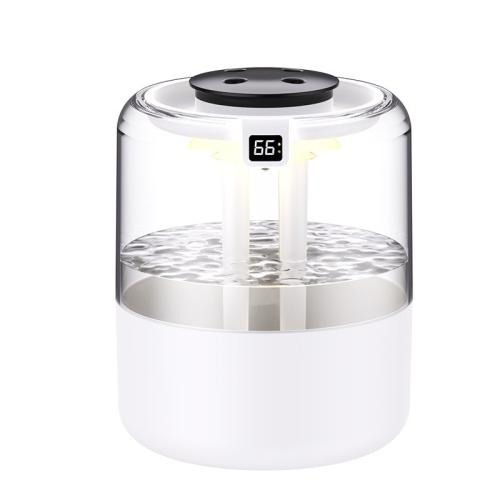
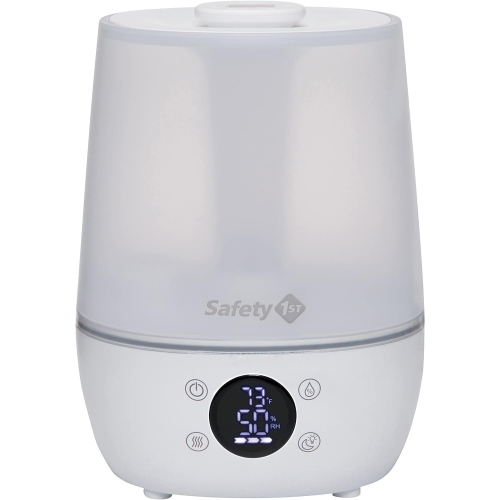
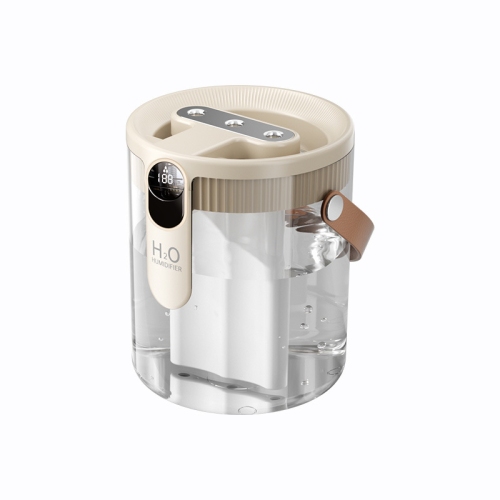



Why mist type and daily care matter for comfort
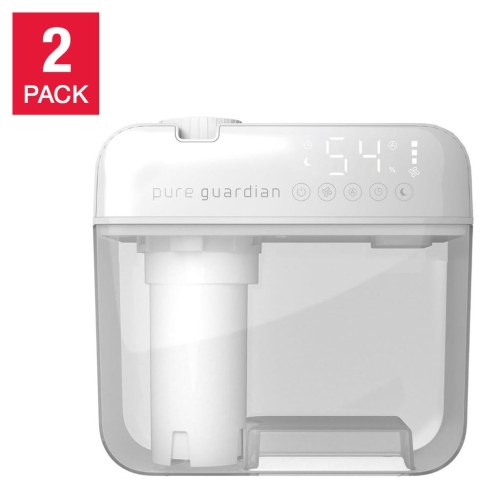
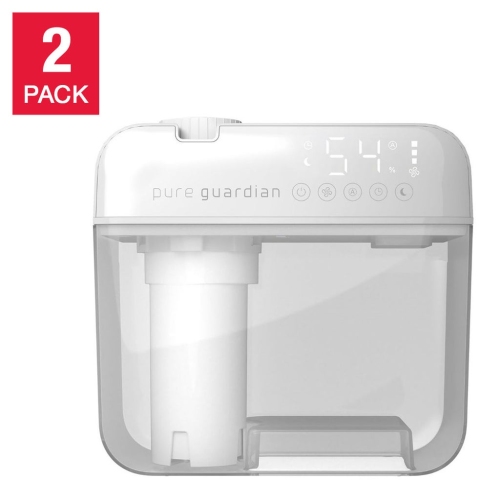
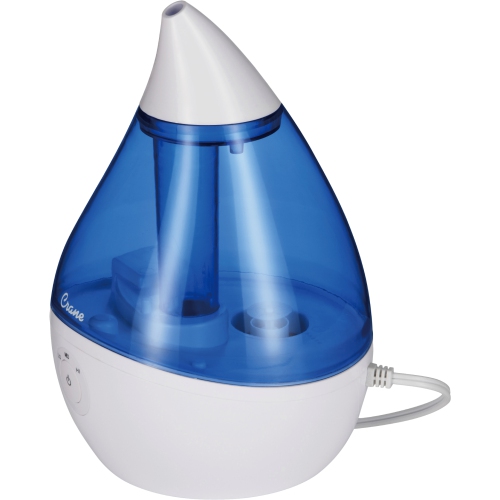
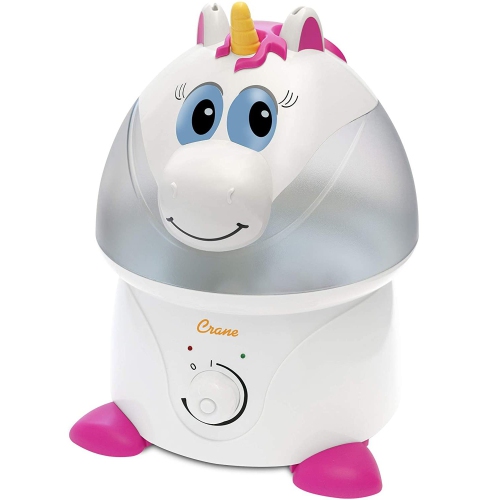
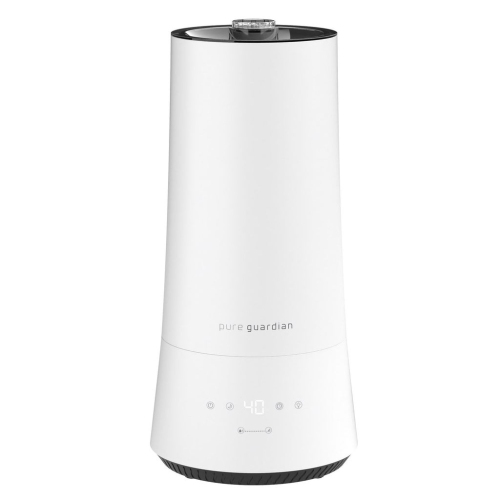
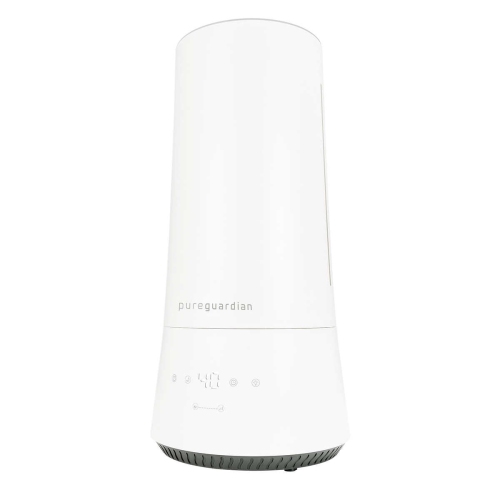
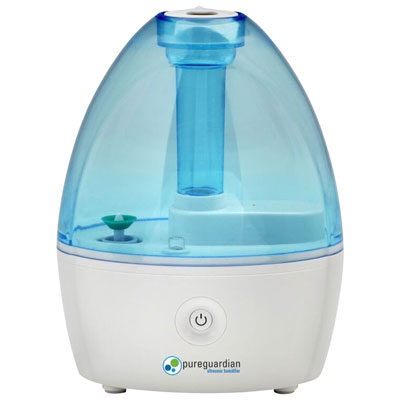
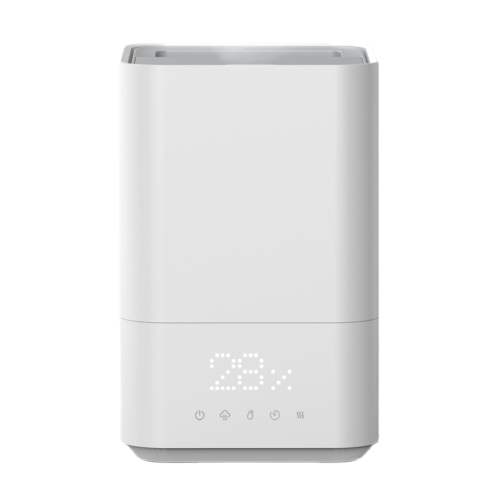
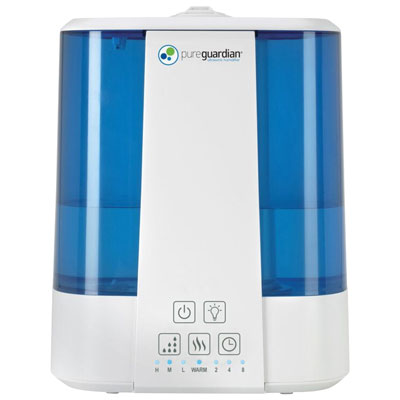
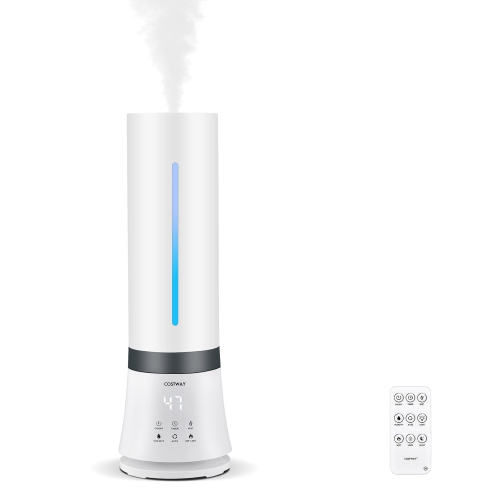
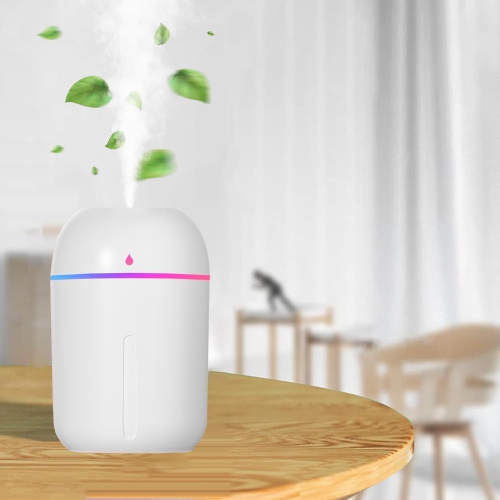
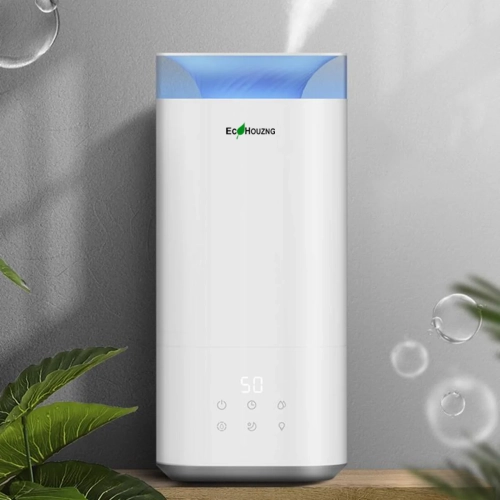
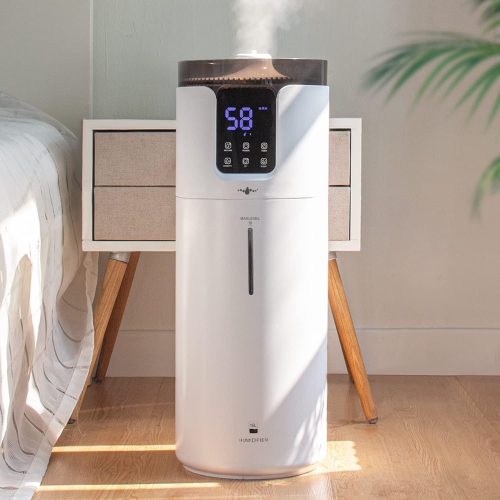
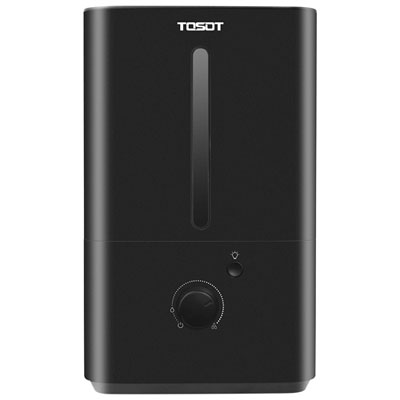
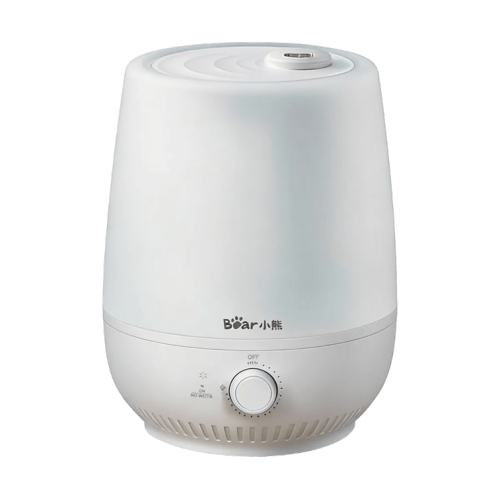
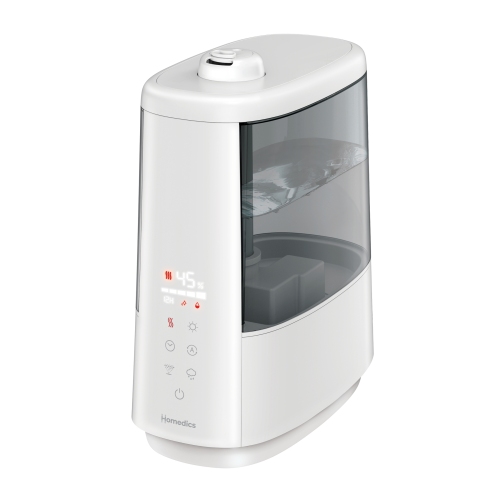
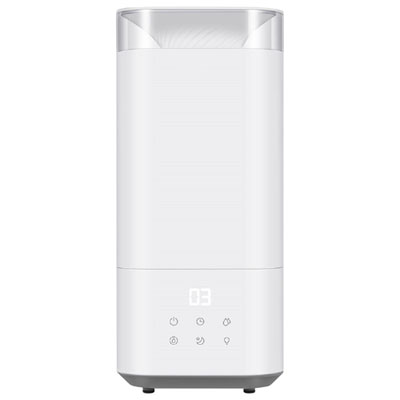
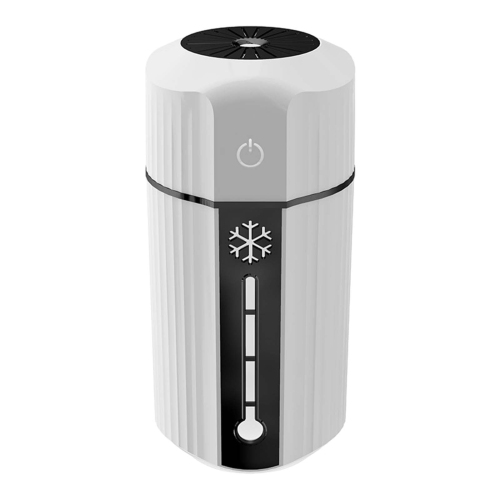
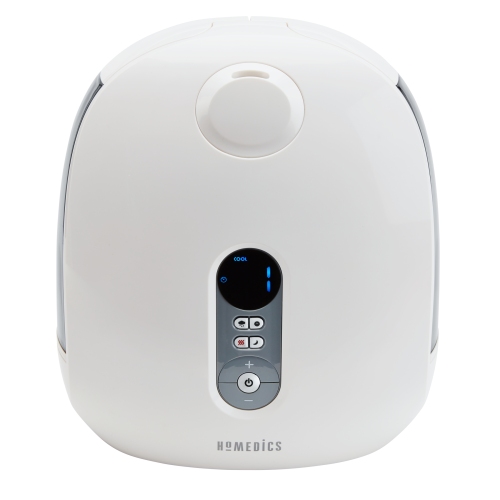
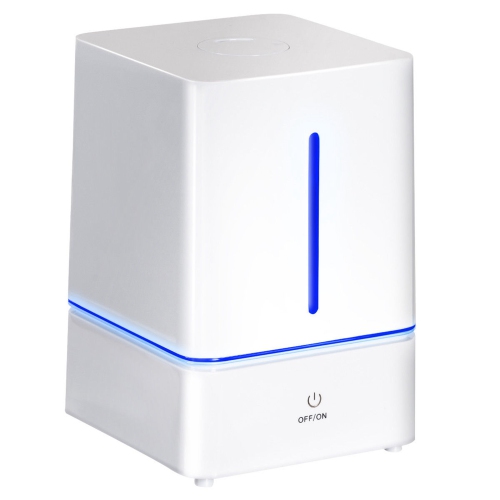
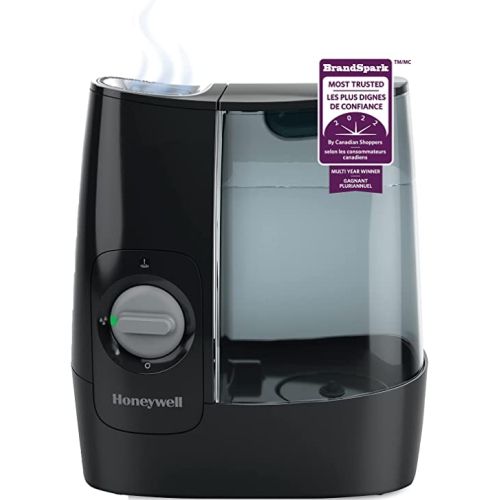
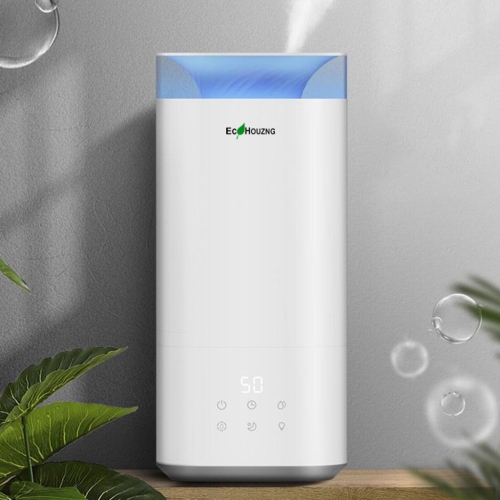
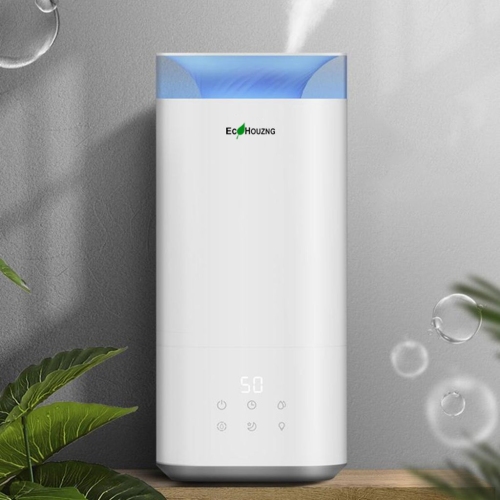
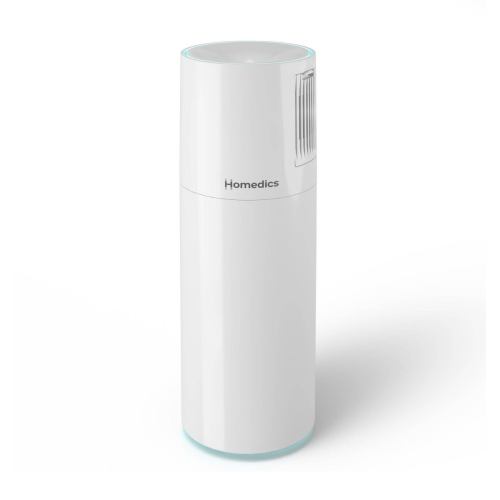
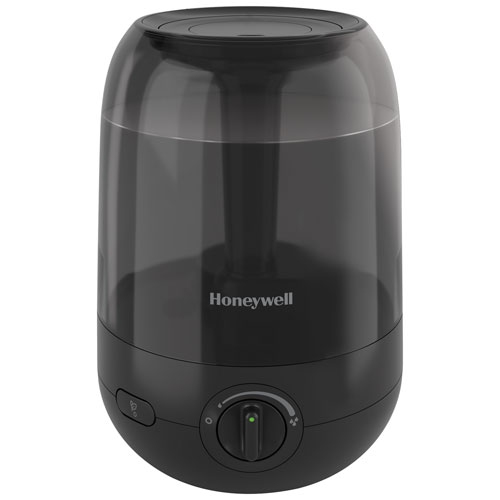
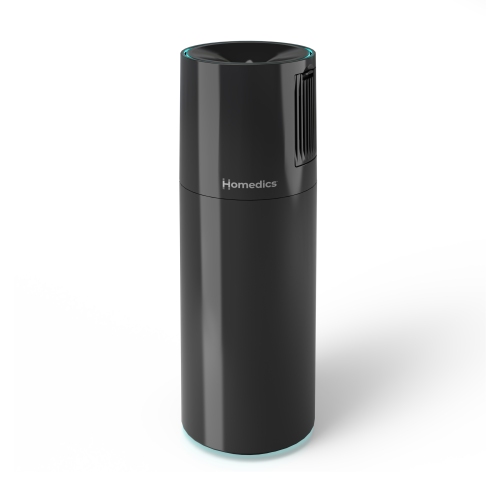
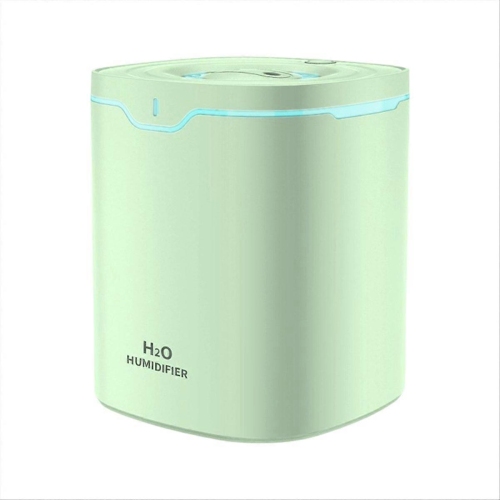
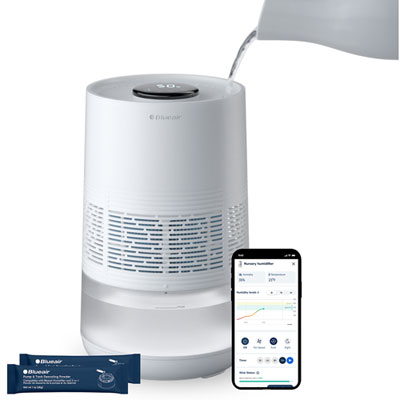
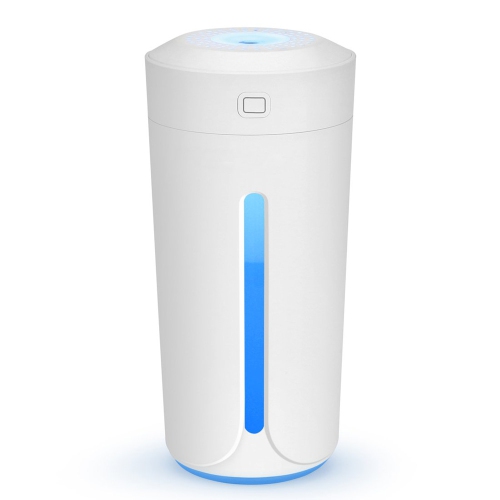
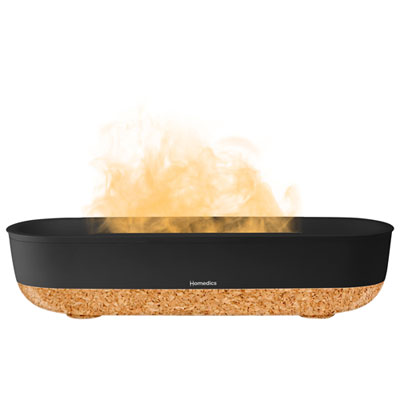
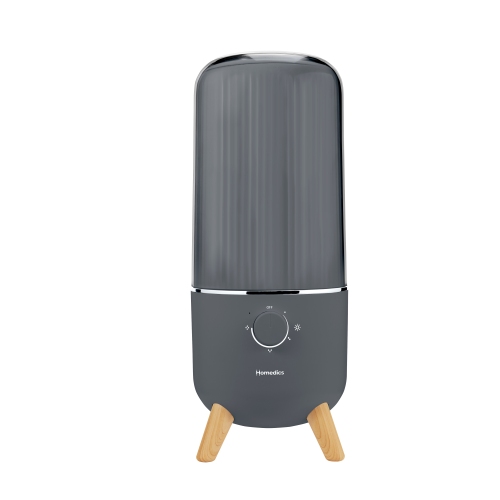
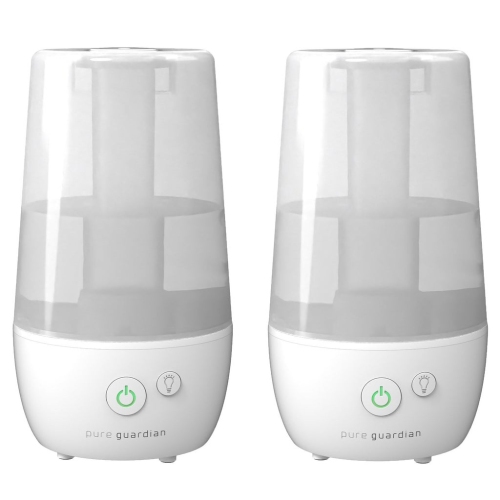
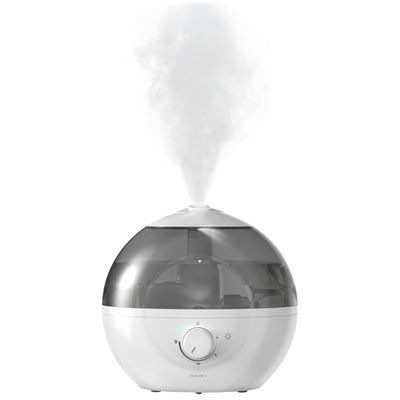
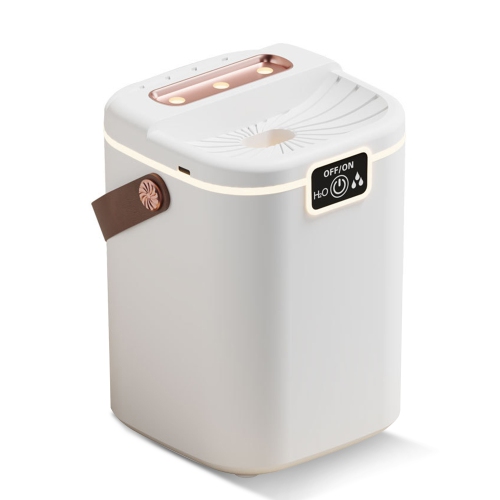
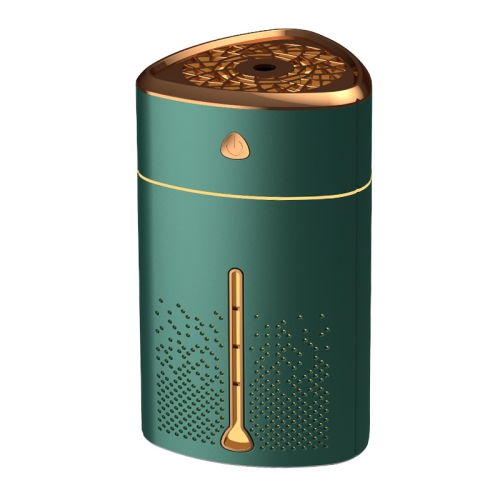
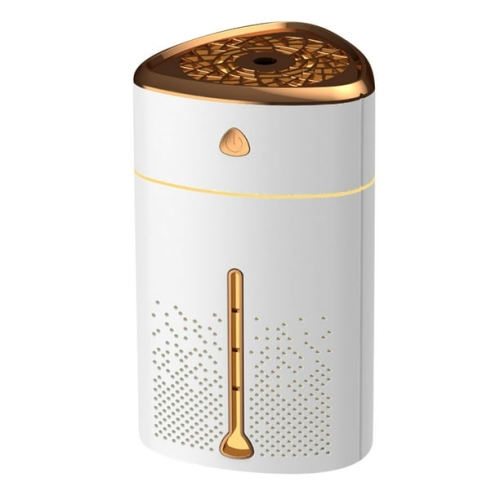
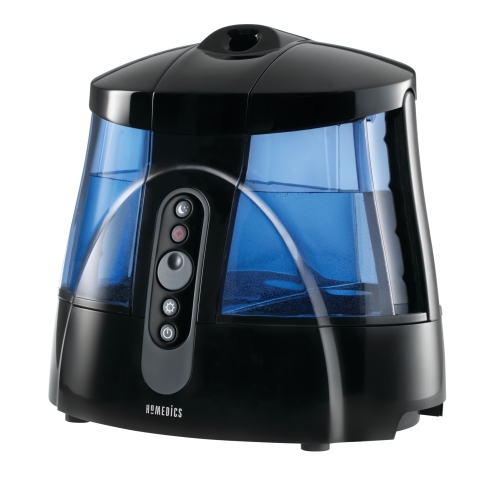
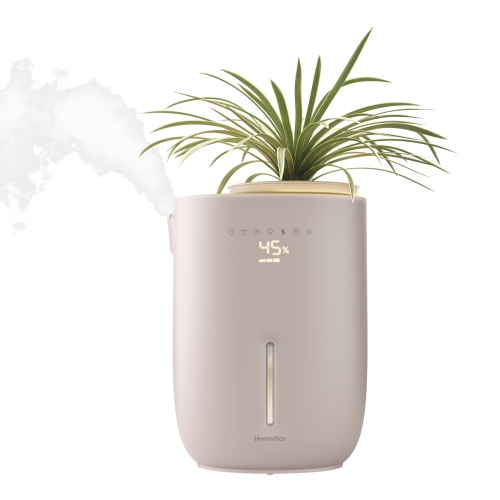
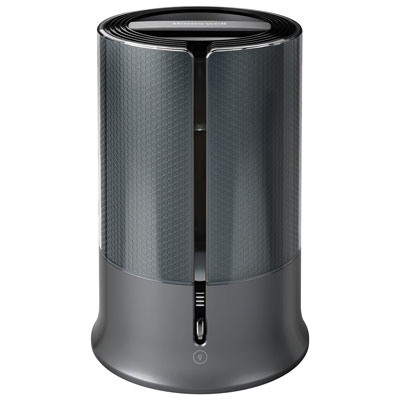
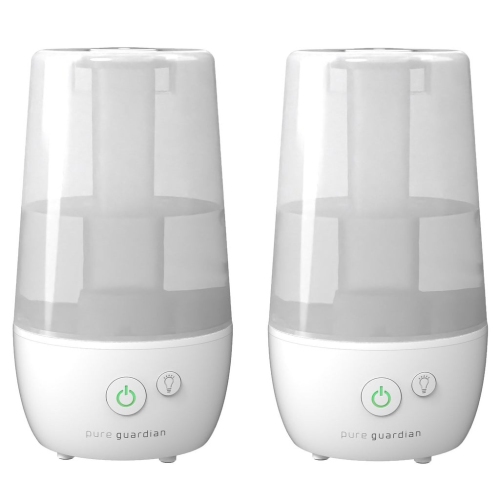
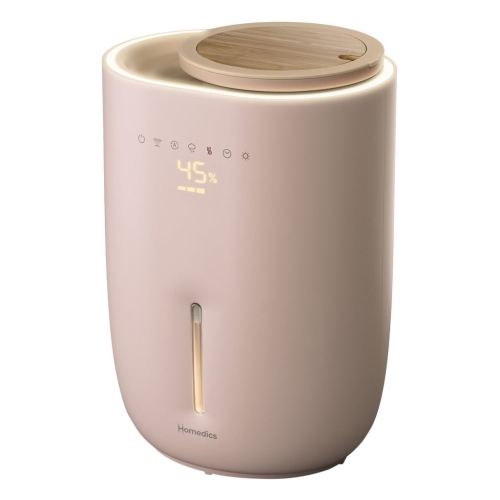
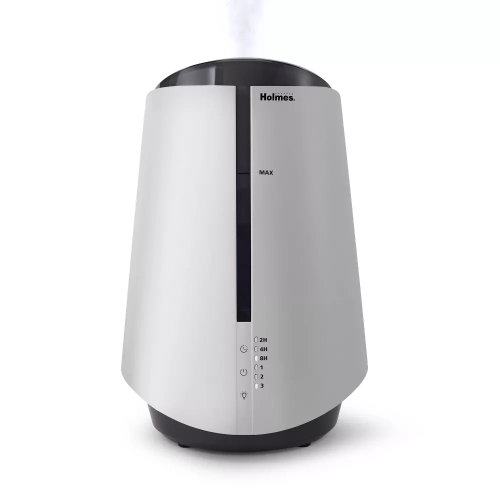
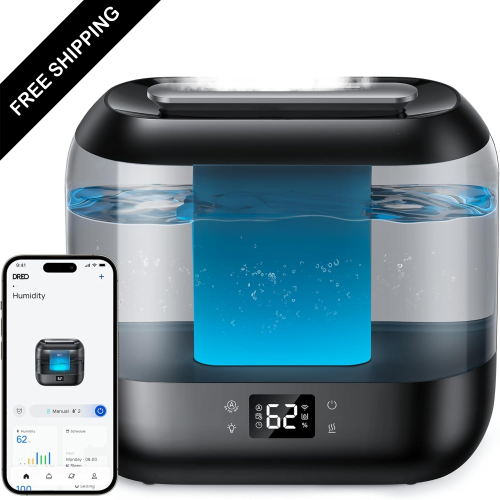
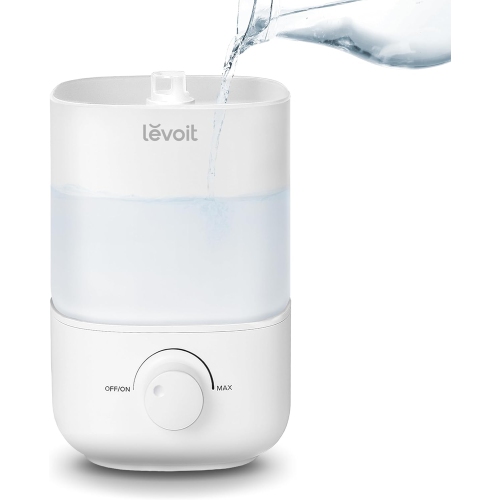
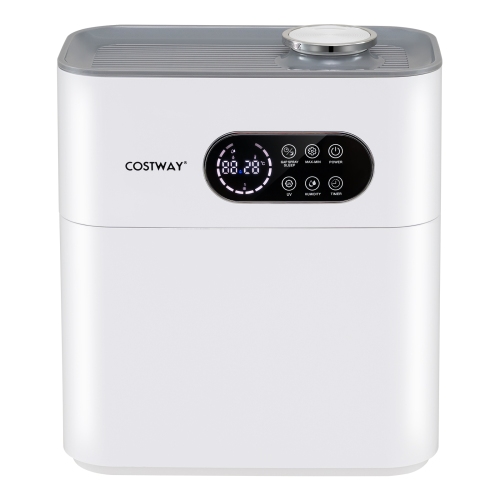
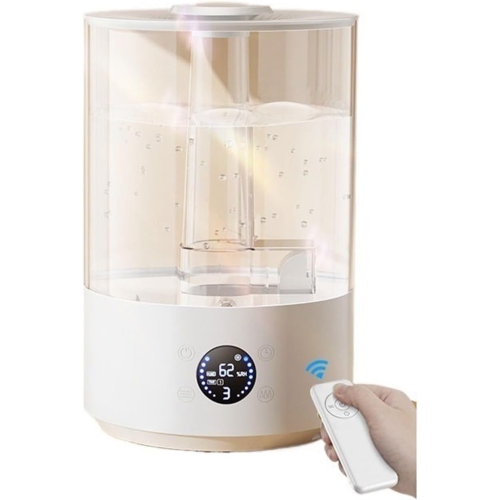
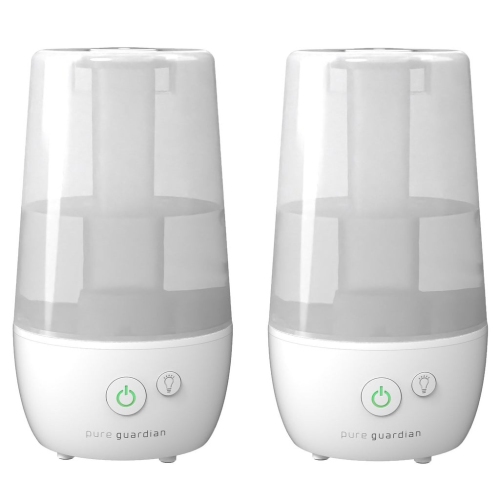
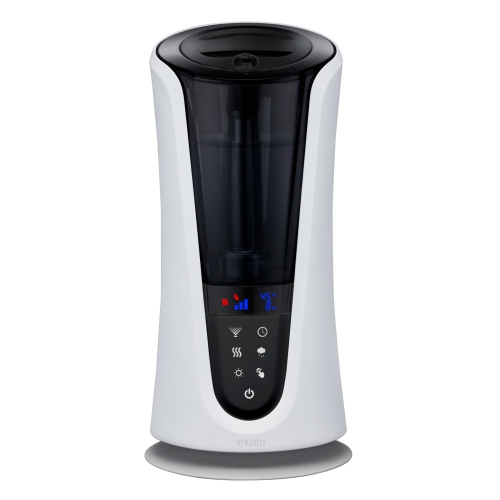
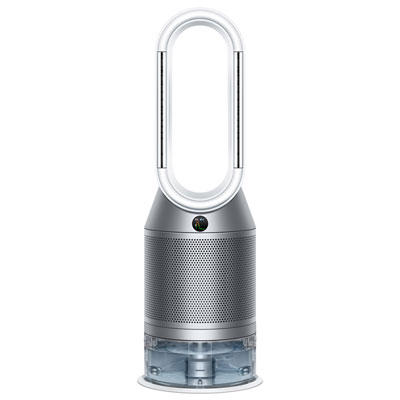
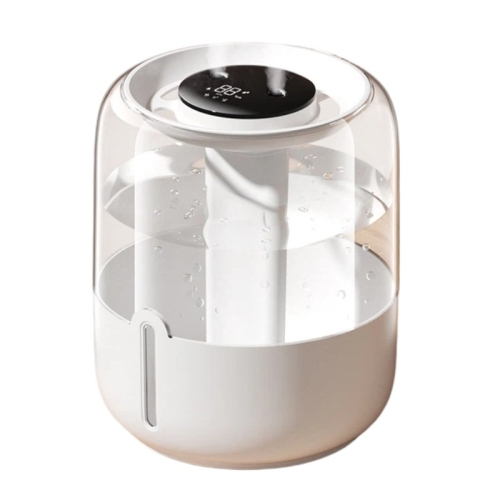
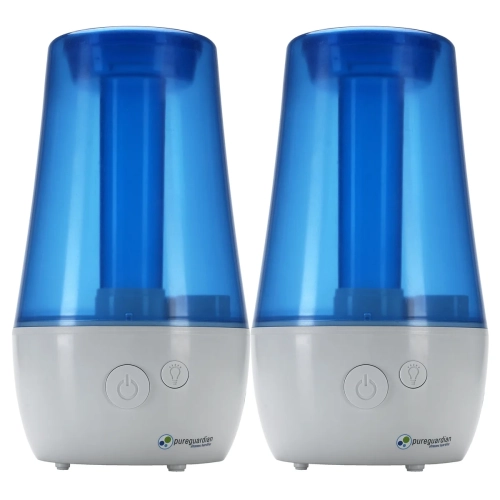
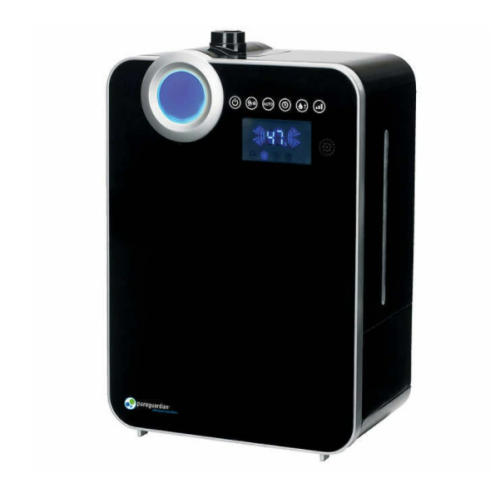
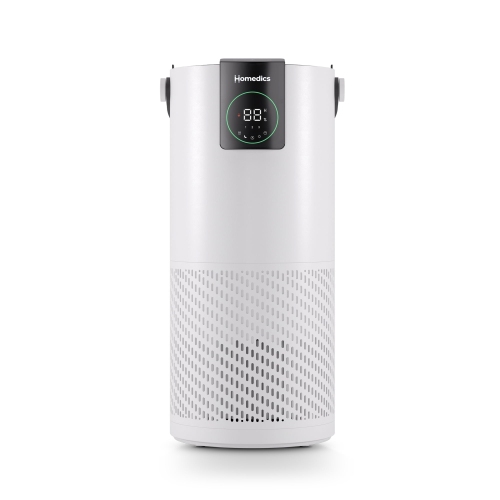
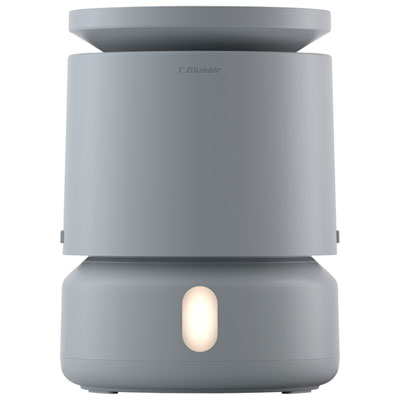
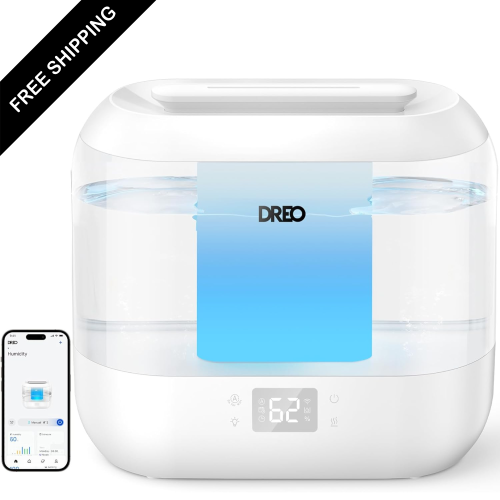
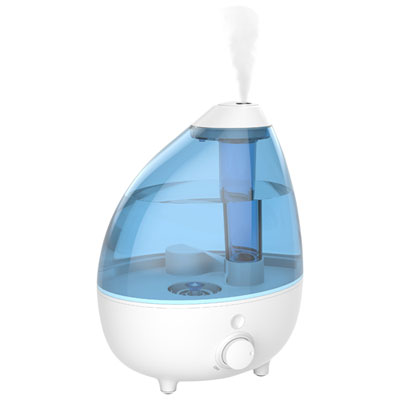
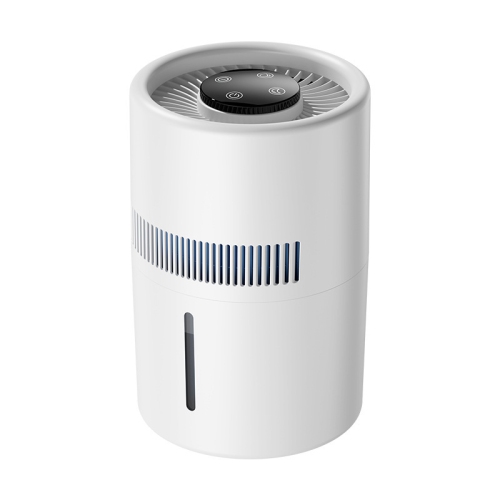
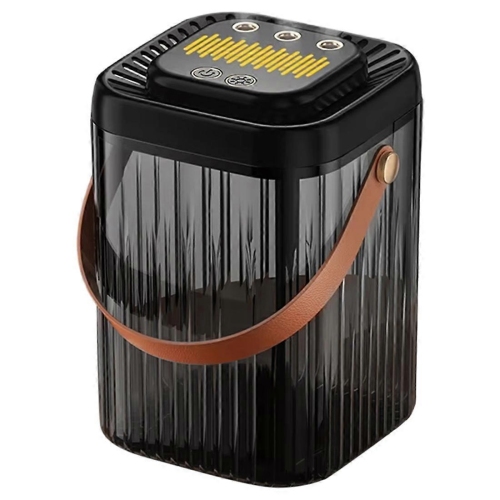
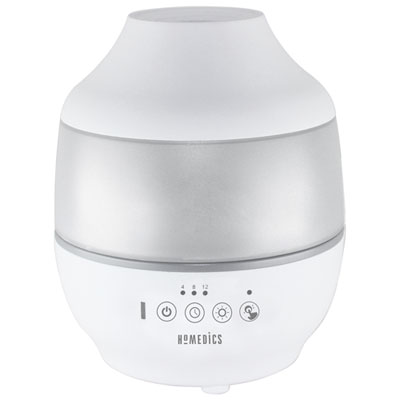
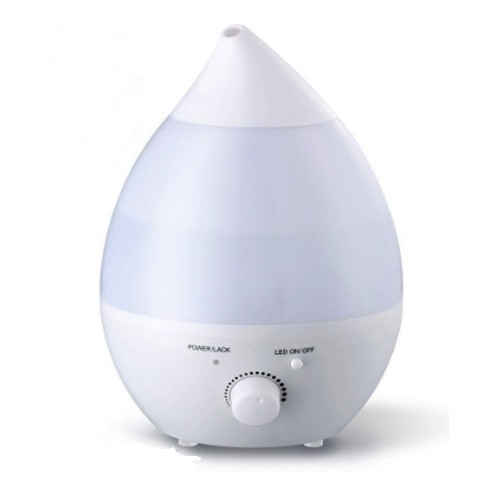
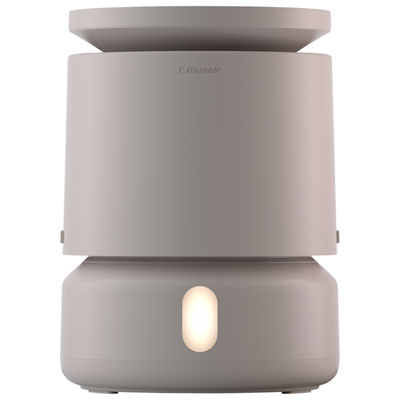
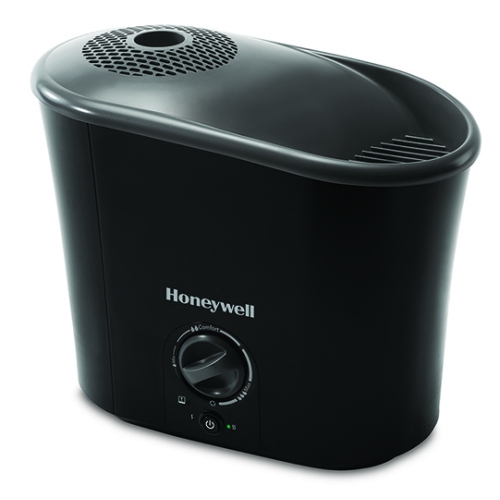
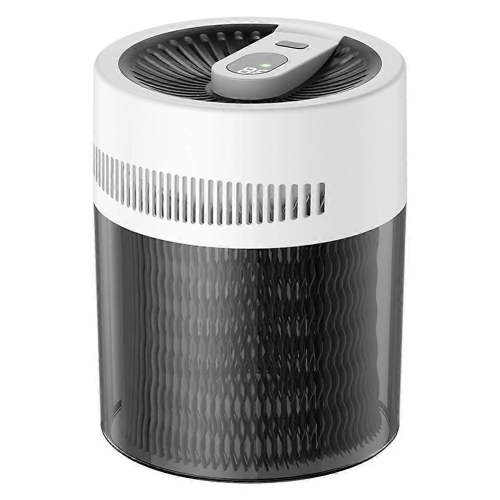
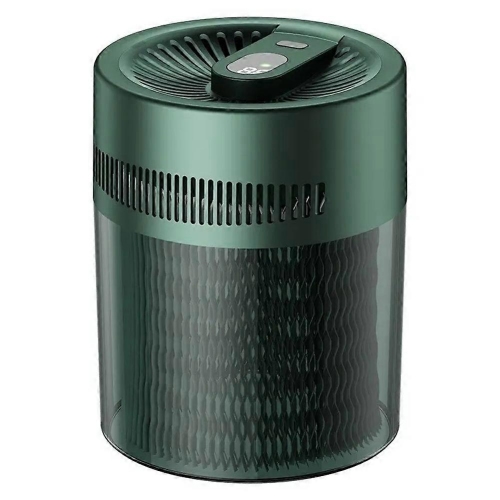
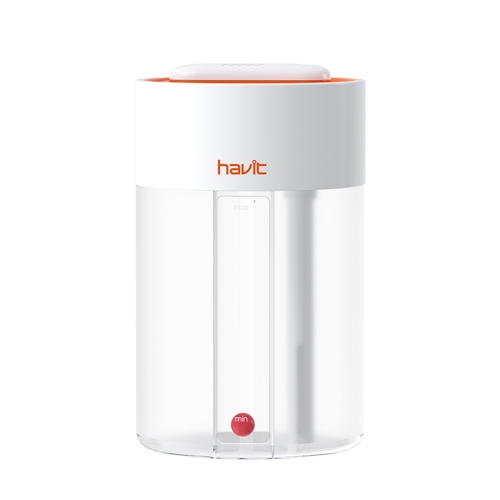
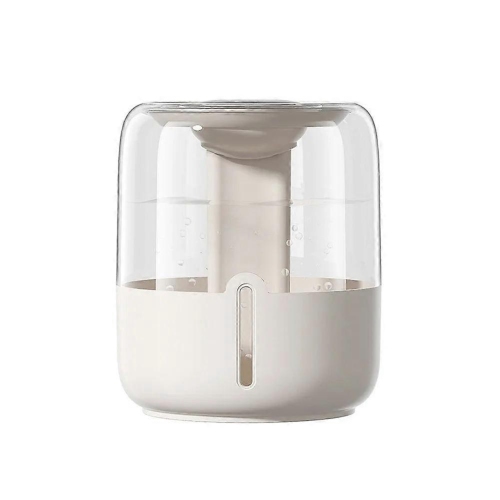
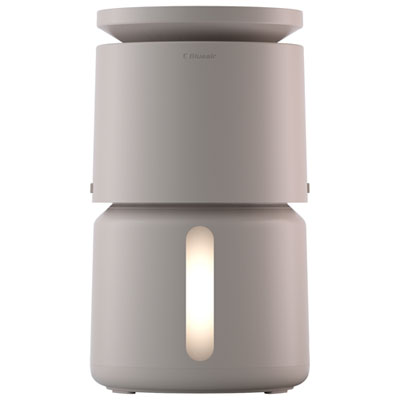
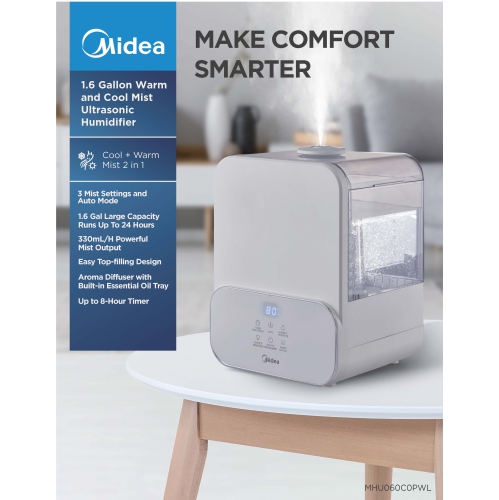
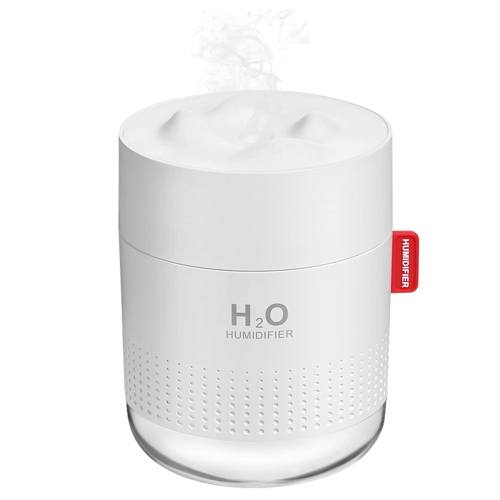
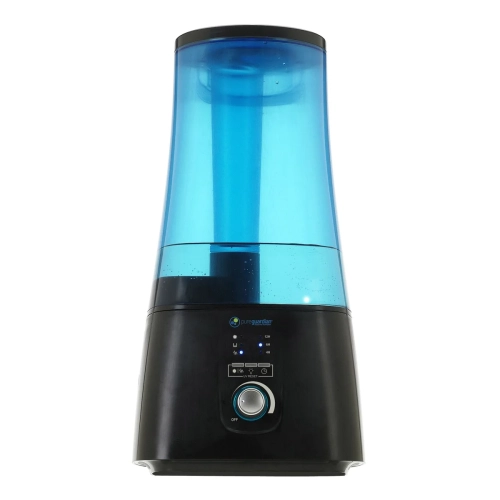
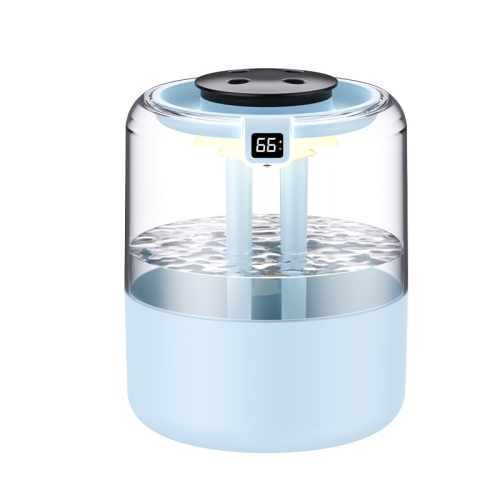
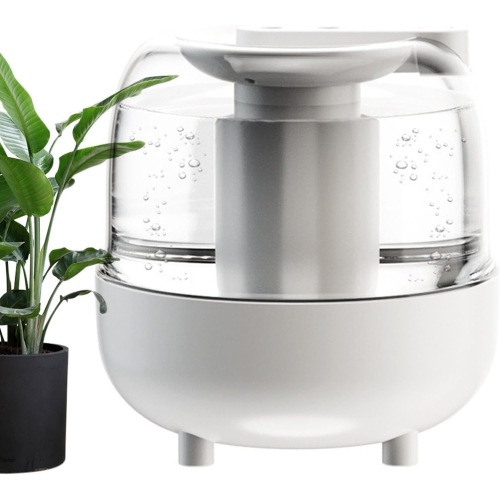
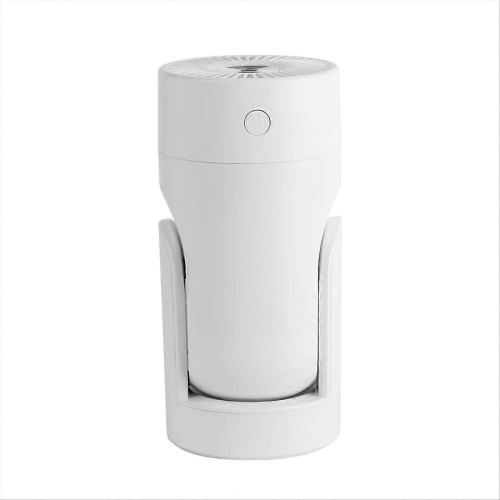
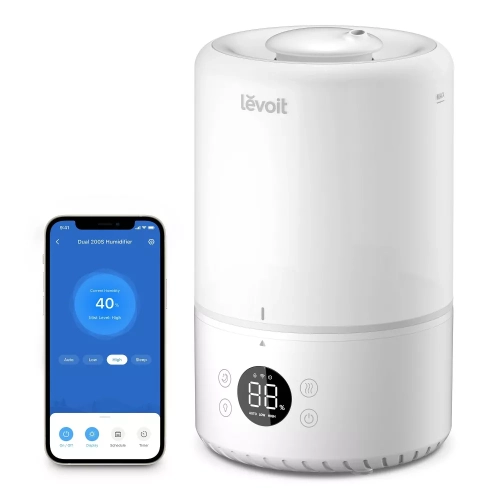
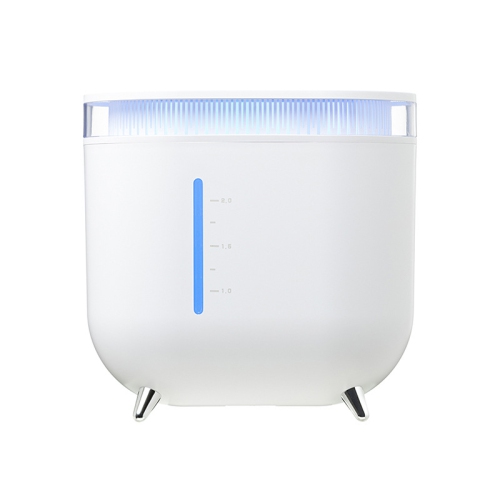
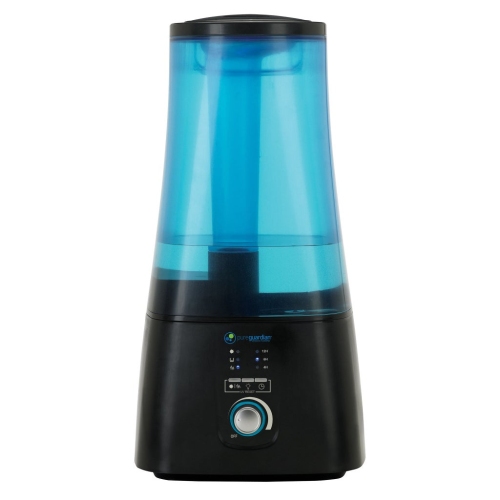
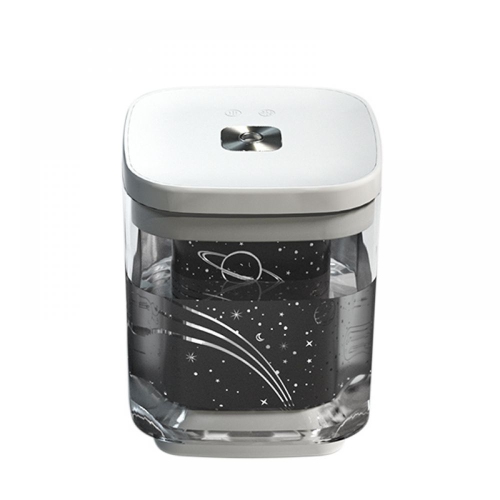
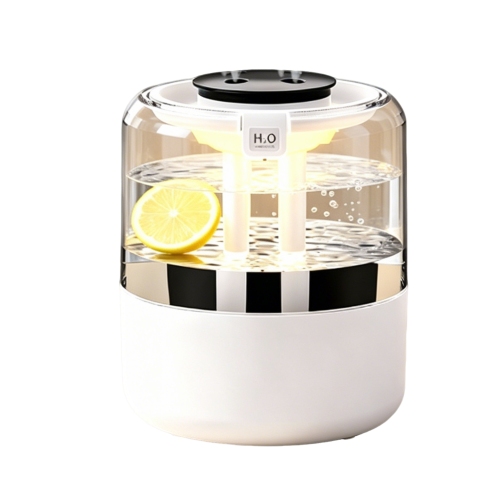
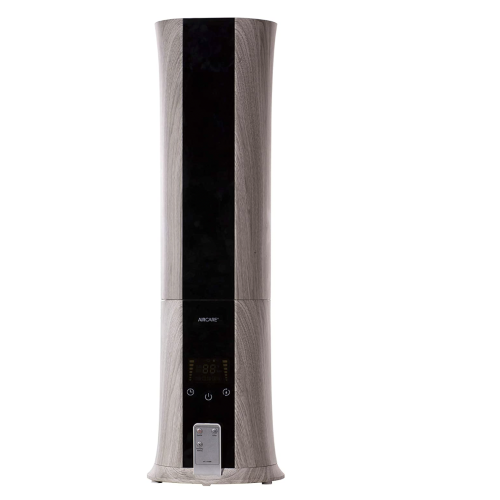
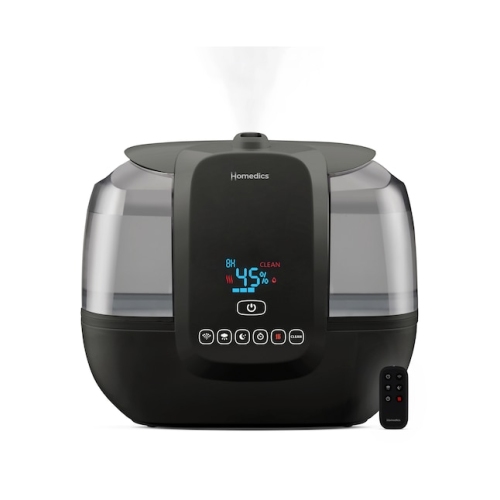
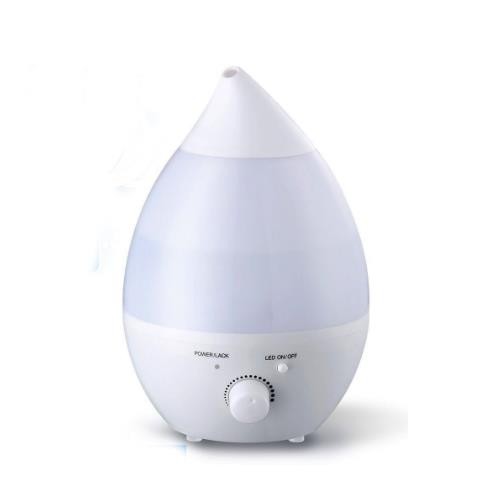
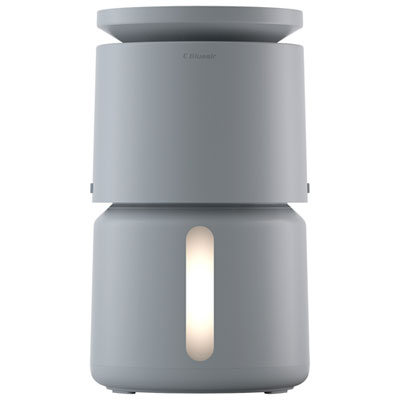
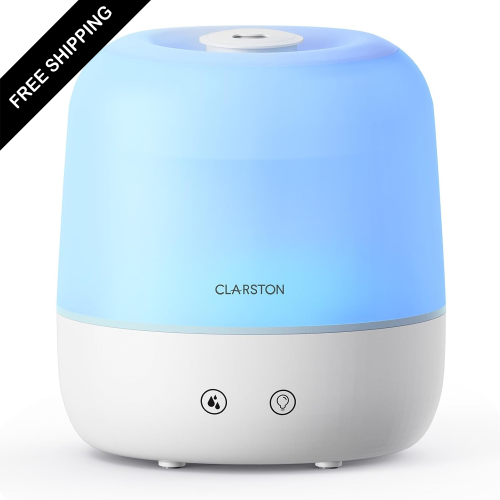
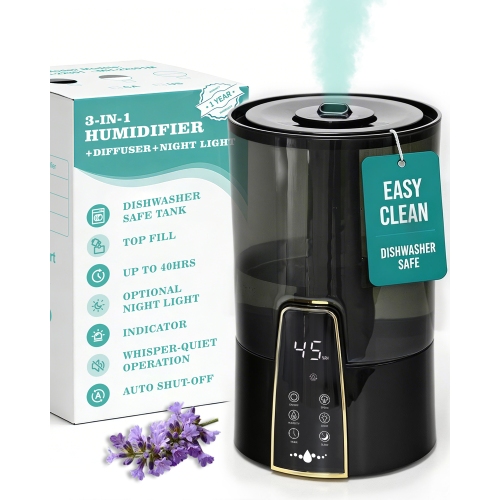
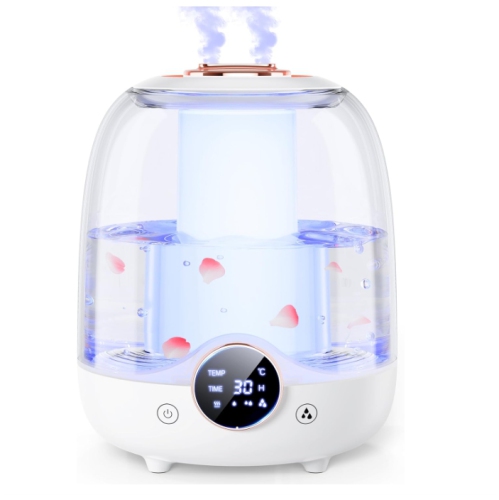
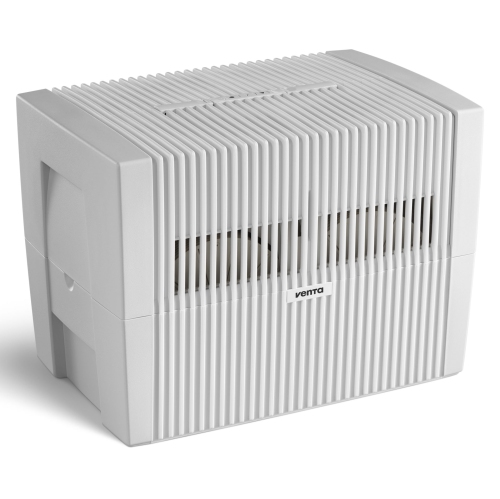
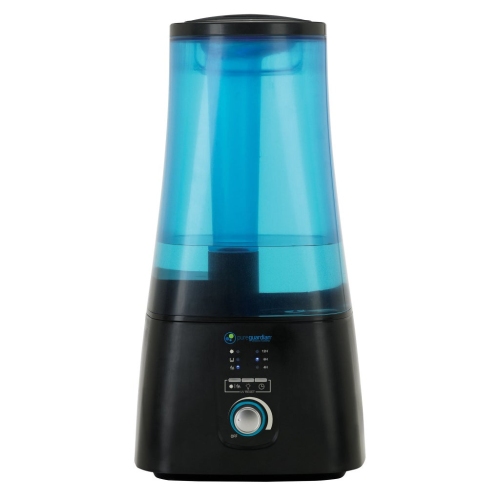
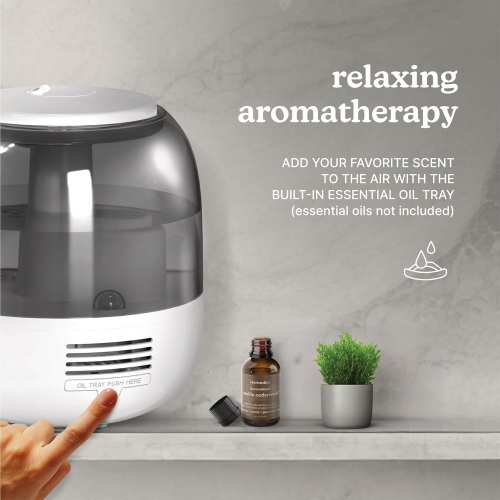
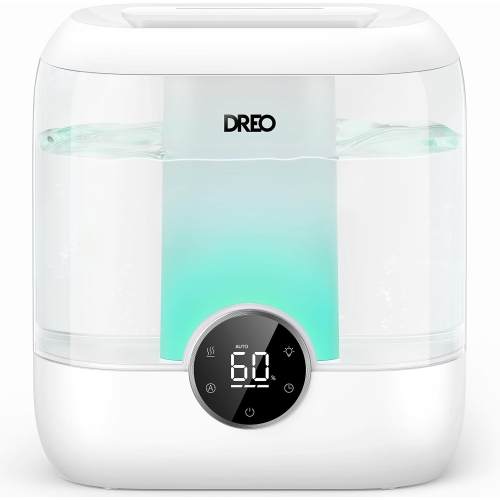
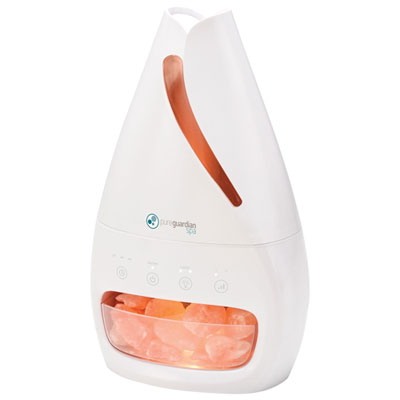
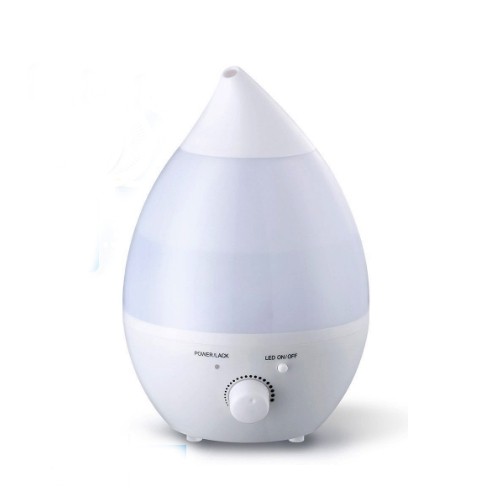
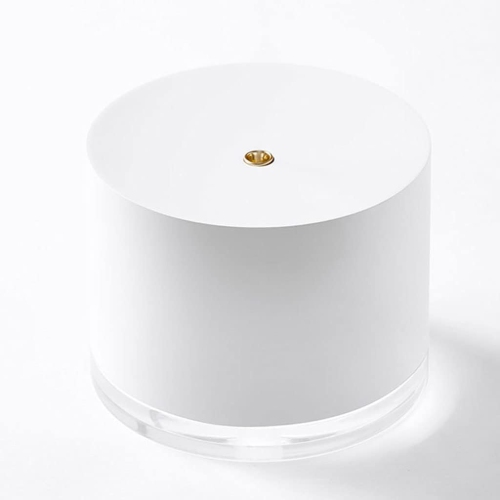
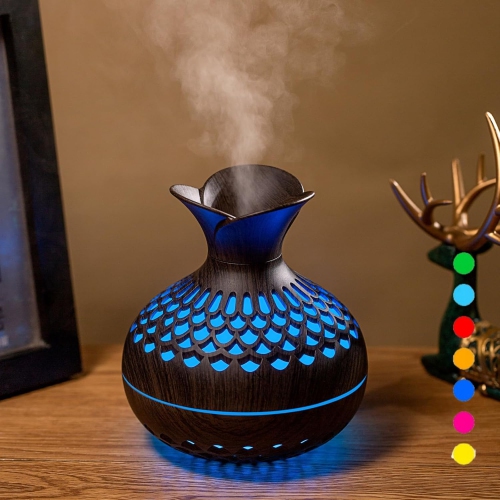
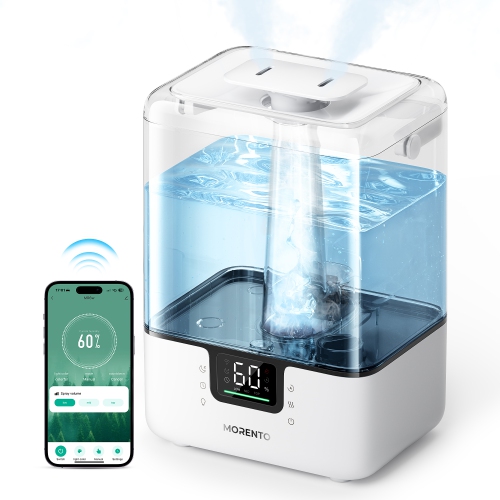
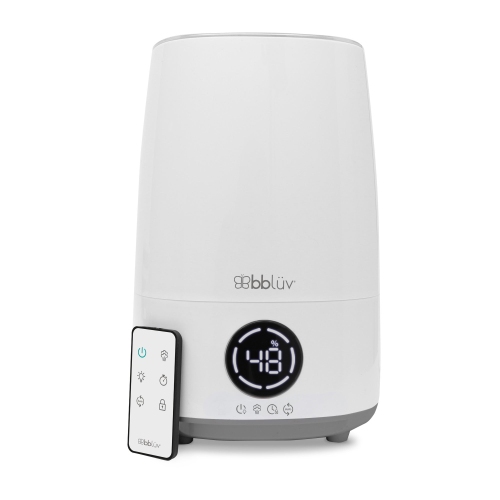
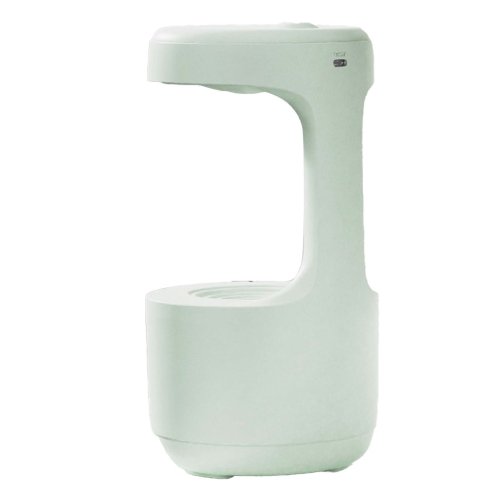
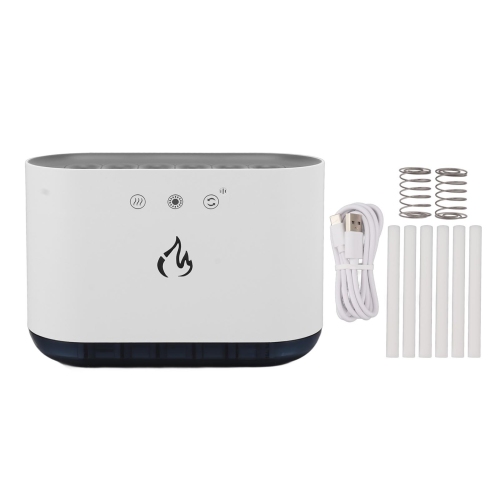
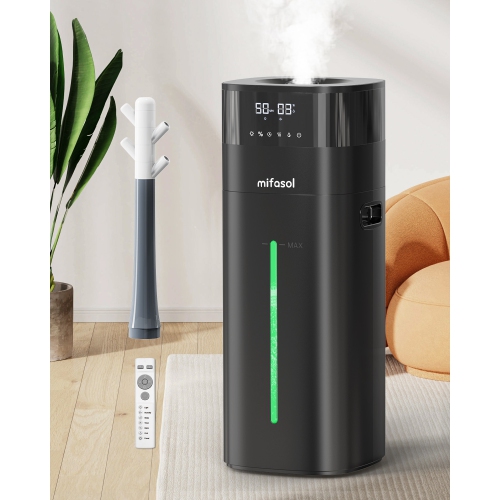
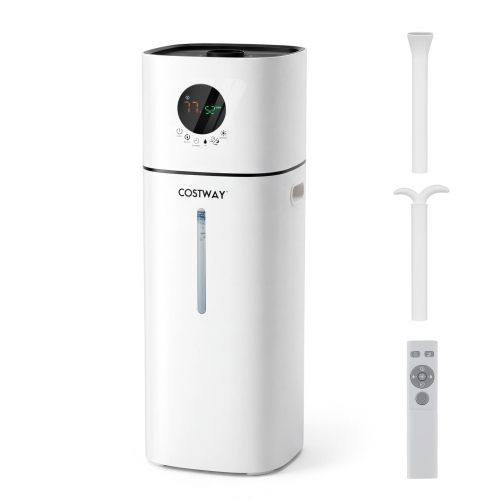
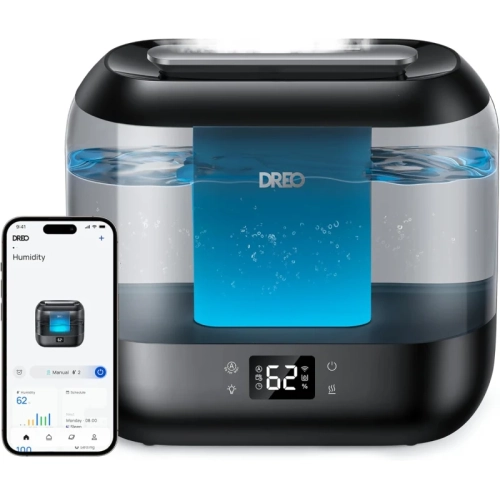
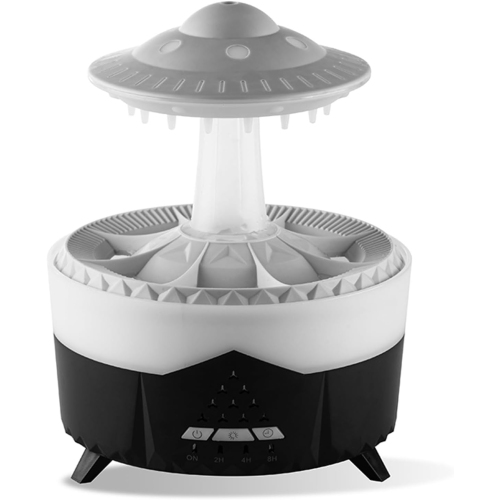
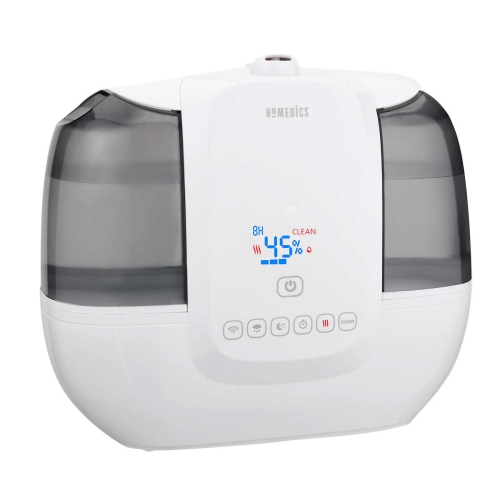
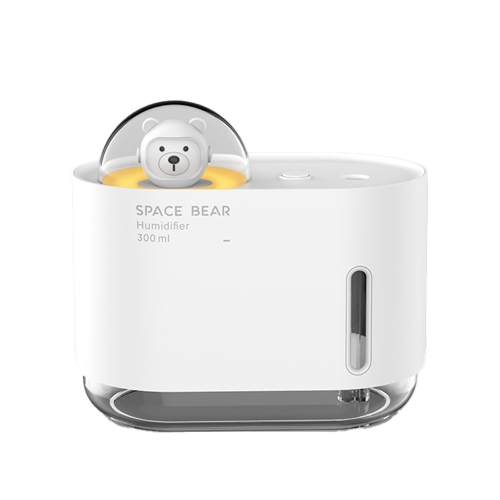
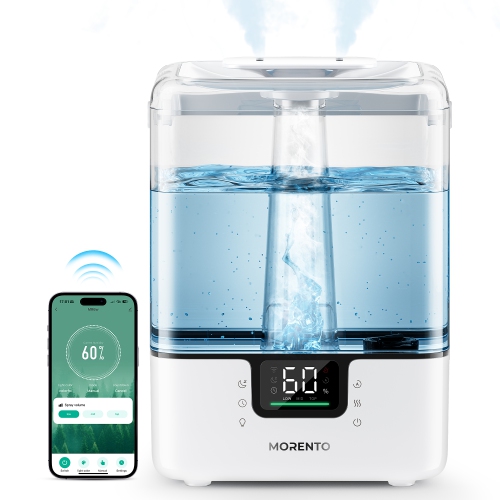
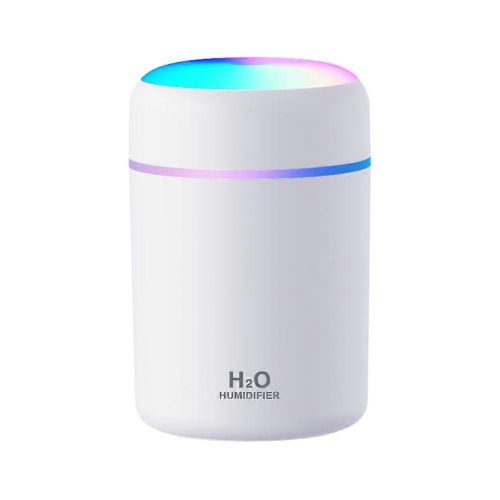
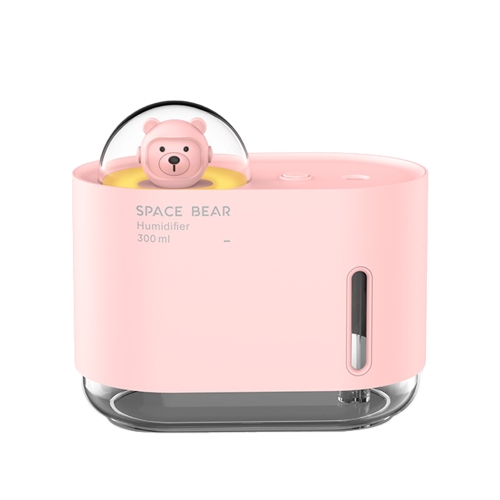
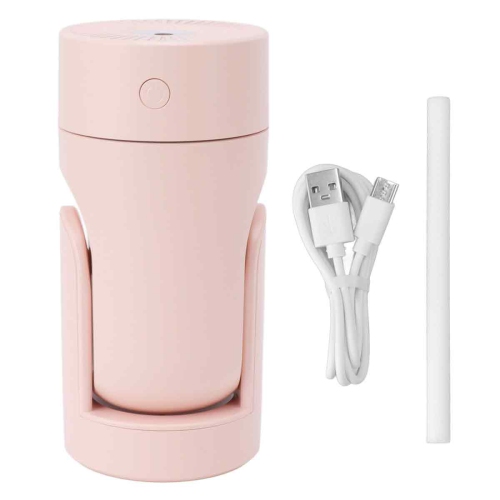
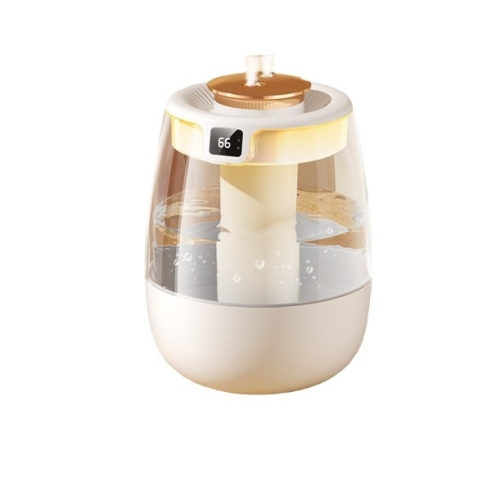
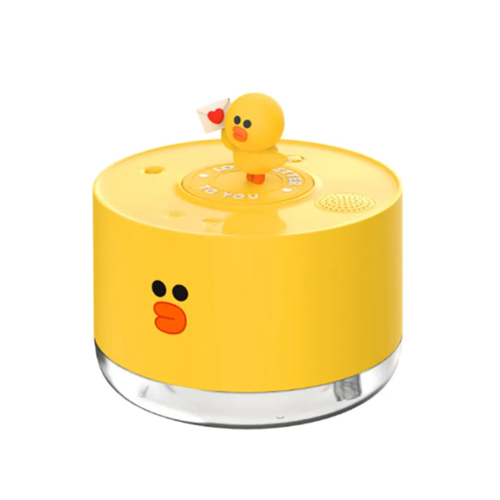
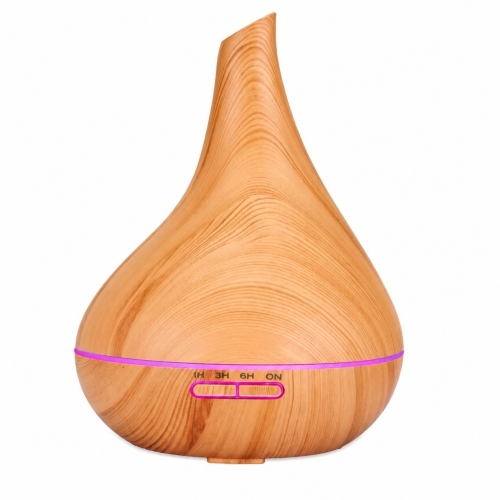
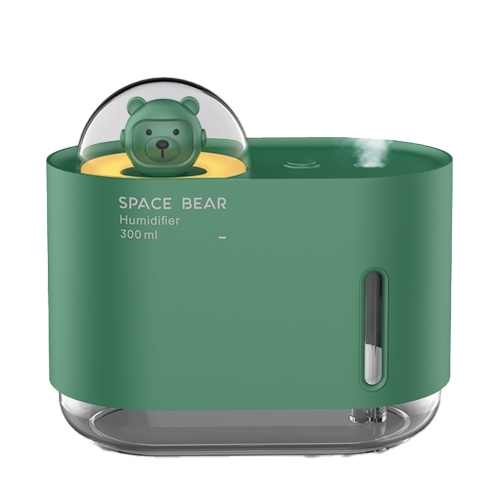
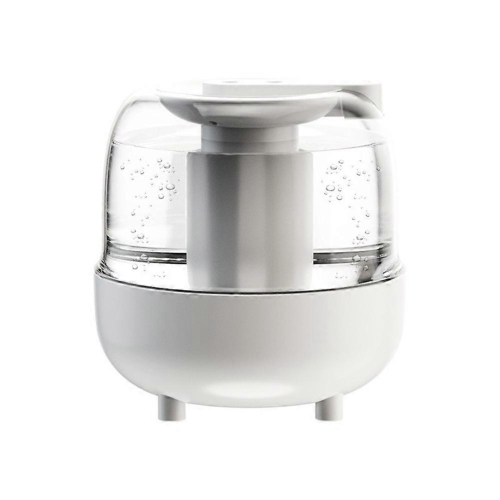
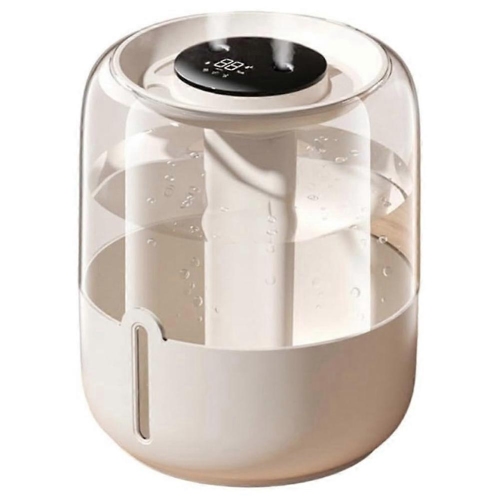
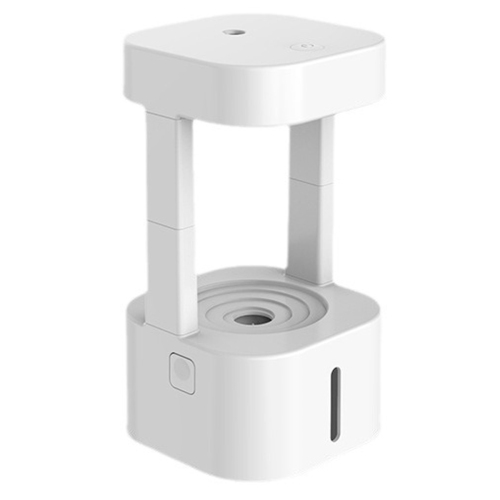
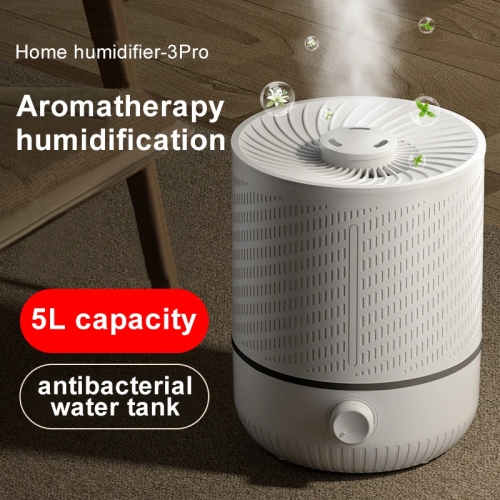
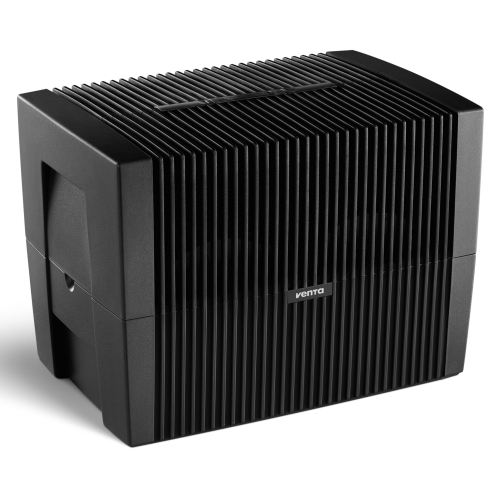
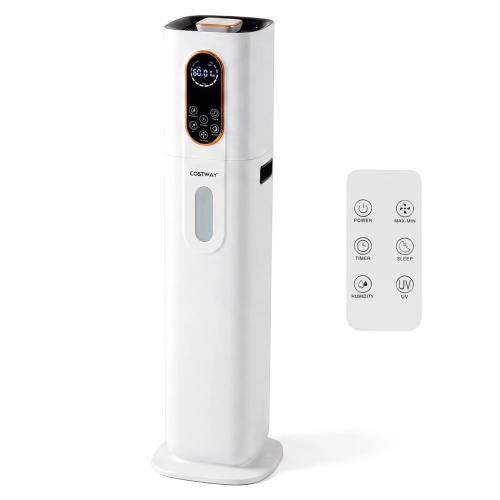
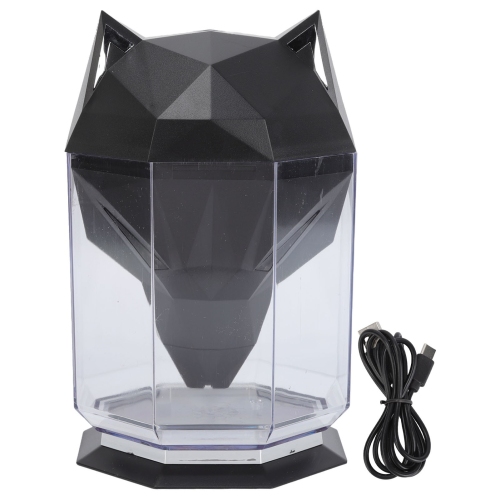
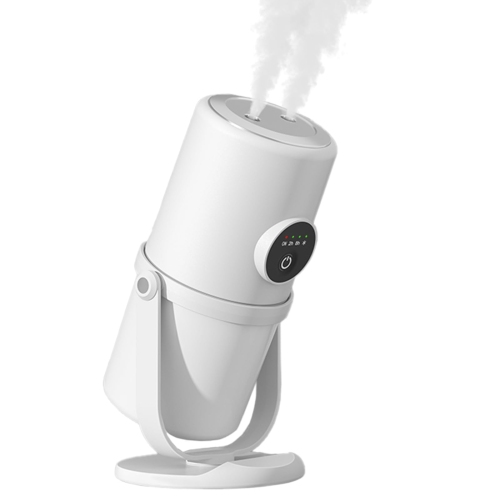
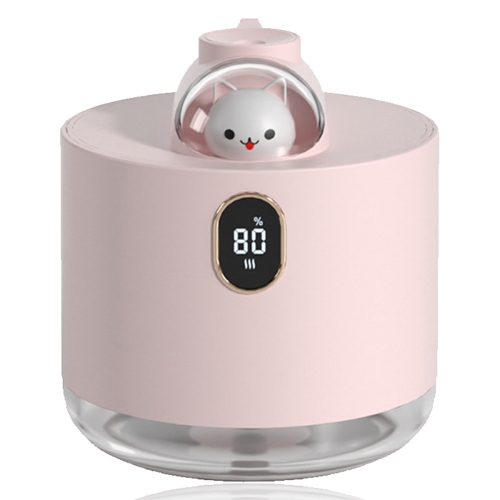
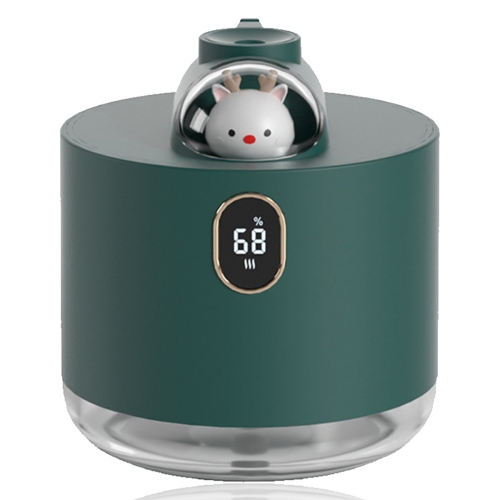
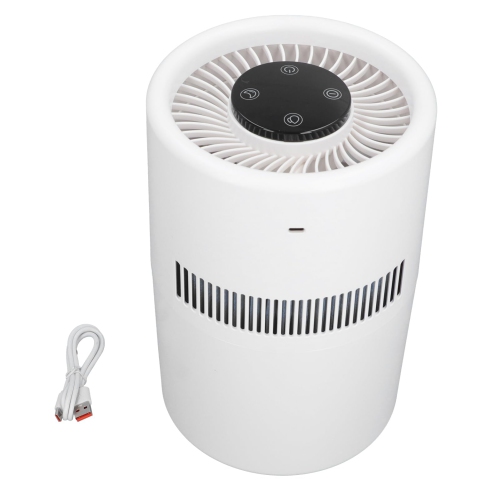
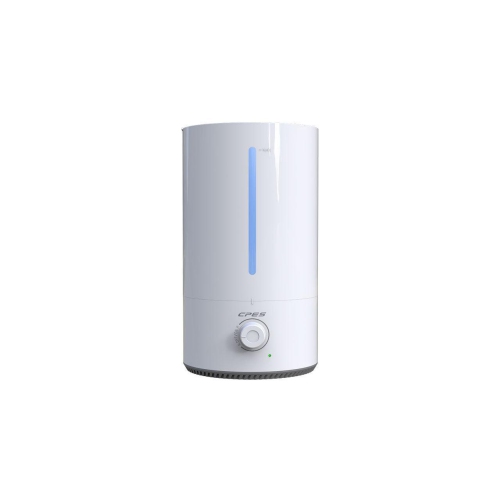
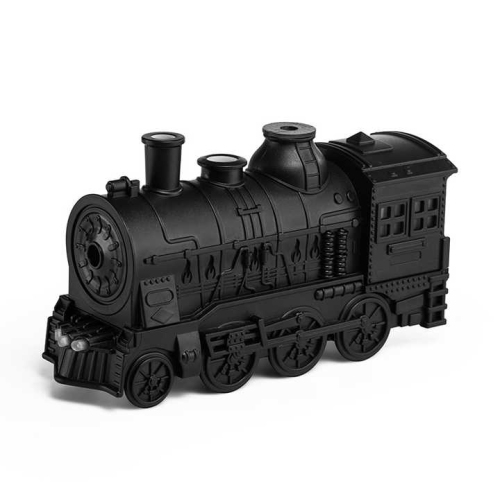
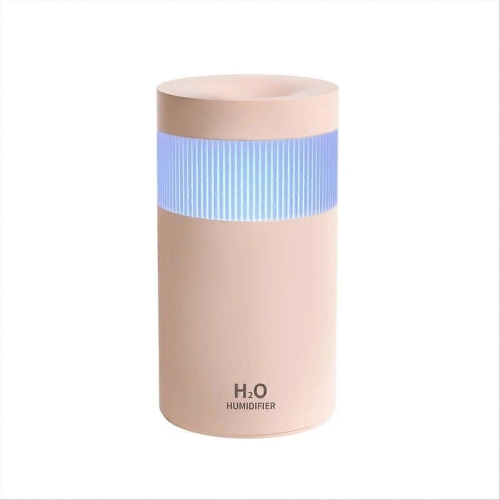
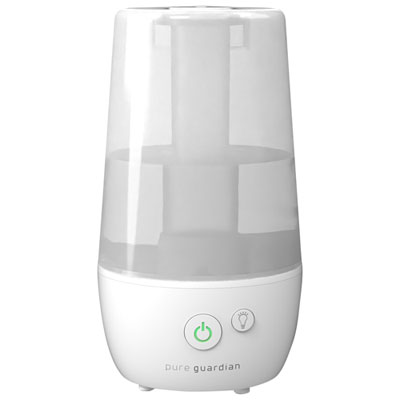
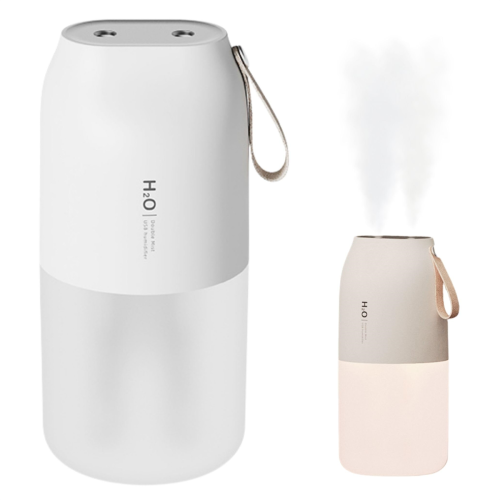
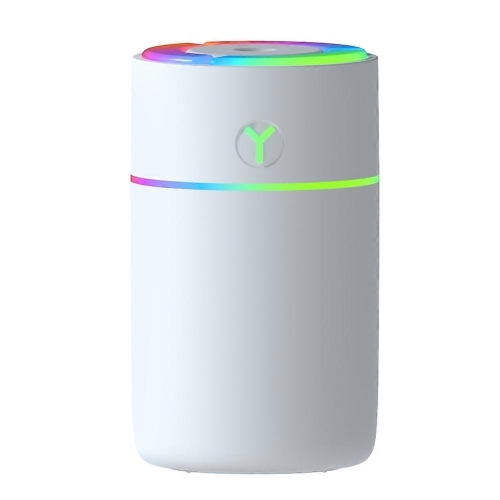
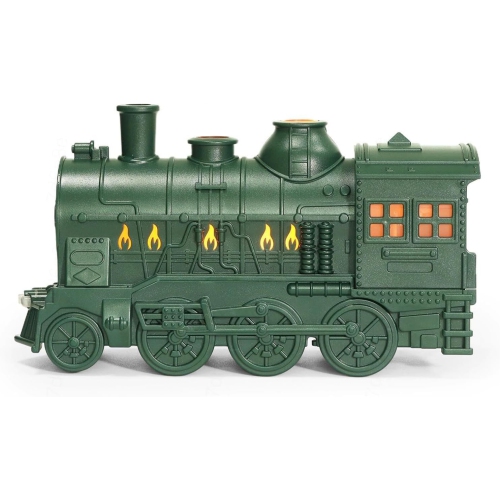
Humidifiers can make a bedroom or living space feel more comfortable when a cold brings a stuffy nose, dry throat, chapped lips, or a persistent cough. By adding moisture to the air, they may help loosen mucus and soothe irritated nasal passages, making it easier to rest through the night. They do not cure a cold, but the gentle sound and added humidity can create a more comfortable environment while the body recovers. Browse the selection of Room Humidifiers to find options suited to bedrooms, nurseries, offices, and other areas where extra moisture may be helpful. Cool-mist and warm-mist humidifiers can both increase humidity effectively, so the best choice often depends on the people using the room, the location of the appliance, and the features that make everyday care simple. Cool-mist models release room-temperature moisture and are generally a practical choice for homes with children or pets because they do not contain boiling water. Warm-mist models heat water to produce a gentle steam that can feel comforting near a dry, sore throat, although the hot water and steam create a burn risk. For that reason, warm-mist units should be kept well out of reach and placed where they cannot be knocked over. Whichever style you choose, follow the manufacturer’s instructions and keep the humidifier on a stable, water-resistant surface.
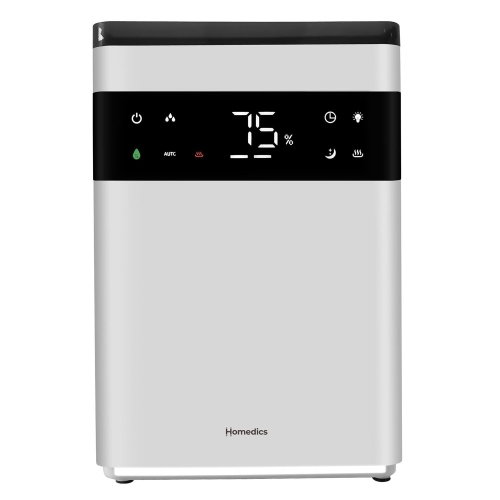
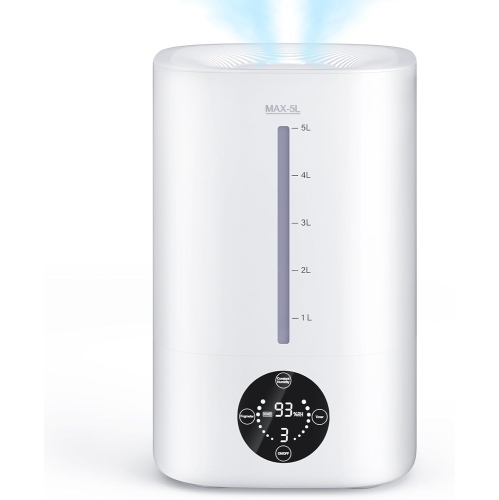
A few details can make a noticeable difference when choosing a humidifier for cold-season comfort. Start with the room size and look for coverage that matches the intended space; a compact unit may suit a bedside table or small nursery, while a larger room may need a model with greater output and a larger tank. If the humidifier will run overnight, a quiet operating design, adjustable mist settings, a timer, and automatic shutoff can be especially useful. Automatic shutoff is important because it stops the unit when the water level becomes too low. A built-in humidity sensor or humidistat can also help prevent the air from becoming overly damp. Indoor humidity is generally best kept between 30% and 50%; a separate hygrometer can help monitor the room if the humidifier does not display humidity levels. Too much moisture can encourage condensation and create conditions where mould and bacteria may grow, particularly around windows, walls, carpets, and soft furnishings. Ultrasonic models use vibrations to create a fine mist and are often appreciated for quiet operation, while evaporative models draw air through a moistened filter and naturally limit output as the air becomes more humid. Consider whether you are comfortable replacing filters, how easy the water tank is to lift and fill, and whether the opening is wide enough for thorough cleaning. Features such as a removable tank, a carrying handle, a water-level window, and simple controls can turn a nightly chore into a quick part of a bedtime routine. A humidifier can also be a thoughtful gift for someone setting up a nursery, recovering in a guest room, or preparing a comfortable bedroom for the cooler months, especially when the recipient values practical home comforts rather than decorative items.
Clean handling is just as important as choosing the right style. Empty and dry the tank regularly, and wash it according to the care instructions; during frequent use, cleaning every two to three days is a useful routine for helping prevent the buildup of mould, bacteria, and mineral deposits. Fresh distilled or filtered water may reduce white mineral dust and help keep the tank cleaner, particularly in areas with hard water. Never leave standing water in the reservoir for long periods, and allow all washable parts to dry fully before refilling. Place the humidifier about 3 feet away from a bed when possible, directing the mist away from bedding, walls, furniture, electronics, and walkways. Keep cords secured and position the unit where children and pets cannot pull it down. For a child’s room, cool mist is typically the safer option, but supervision and careful placement are still important. For adults, the choice may come down to personal comfort, noise level, maintenance, and the type of mist preferred. During a cold, some people may find that running a humidifier while sleeping helps ease a dry cough or blocked nose, while others may prefer using it for a short period in a reading area or home office. If symptoms are severe, last longer than expected, or include difficulty breathing, chest pain, dehydration, or a high fever, seek medical advice rather than relying on humidity alone. With appropriate room placement, regular cleaning, and humidity kept within a comfortable range, the right humidifier can be a useful addition to a restful space during the cooler months.
A few details can make a noticeable difference when choosing a humidifier for cold-season comfort. Start with the room size and look for coverage that matches the intended space; a compact unit may suit a bedside table or small nursery, while a larger room may need a model with greater output and a larger tank. If the humidifier will run overnight, a quiet operating design, adjustable mist settings, a timer, and automatic shutoff can be especially useful. Automatic shutoff is important because it stops the unit when the water level becomes too low. A built-in humidity sensor or humidistat can also help prevent the air from becoming overly damp. Indoor humidity is generally best kept between 30% and 50%; a separate hygrometer can help monitor the room if the humidifier does not display humidity levels. Too much moisture can encourage condensation and create conditions where mould and bacteria may grow, particularly around windows, walls, carpets, and soft furnishings. Ultrasonic models use vibrations to create a fine mist and are often appreciated for quiet operation, while evaporative models draw air through a moistened filter and naturally limit output as the air becomes more humid. Consider whether you are comfortable replacing filters, how easy the water tank is to lift and fill, and whether the opening is wide enough for thorough cleaning. Features such as a removable tank, a carrying handle, a water-level window, and simple controls can turn a nightly chore into a quick part of a bedtime routine. A humidifier can also be a thoughtful gift for someone setting up a nursery, recovering in a guest room, or preparing a comfortable bedroom for the cooler months, especially when the recipient values practical home comforts rather than decorative items.
Clean handling is just as important as choosing the right style. Empty and dry the tank regularly, and wash it according to the care instructions; during frequent use, cleaning every two to three days is a useful routine for helping prevent the buildup of mould, bacteria, and mineral deposits. Fresh distilled or filtered water may reduce white mineral dust and help keep the tank cleaner, particularly in areas with hard water. Never leave standing water in the reservoir for long periods, and allow all washable parts to dry fully before refilling. Place the humidifier about 3 feet away from a bed when possible, directing the mist away from bedding, walls, furniture, electronics, and walkways. Keep cords secured and position the unit where children and pets cannot pull it down. For a child’s room, cool mist is typically the safer option, but supervision and careful placement are still important. For adults, the choice may come down to personal comfort, noise level, maintenance, and the type of mist preferred. During a cold, some people may find that running a humidifier while sleeping helps ease a dry cough or blocked nose, while others may prefer using it for a short period in a reading area or home office. If symptoms are severe, last longer than expected, or include difficulty breathing, chest pain, dehydration, or a high fever, seek medical advice rather than relying on humidity alone. With appropriate room placement, regular cleaning, and humidity kept within a comfortable range, the right humidifier can be a useful addition to a restful space during the cooler months.
Top selling and popular products
-
 Your price for this item is $64.99
 -
 Your price for this item is $14.98
 -
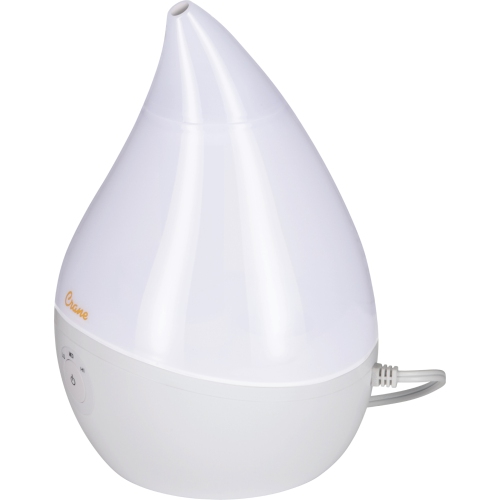 Your price for this item is $89.97
 -
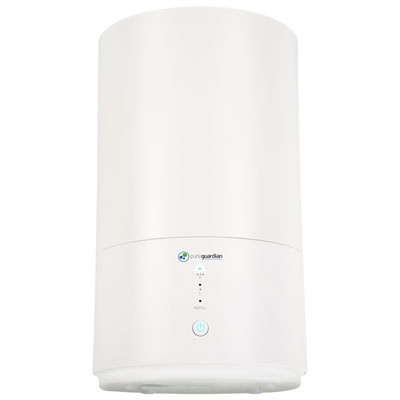 Your price for this item is $89.98
 -
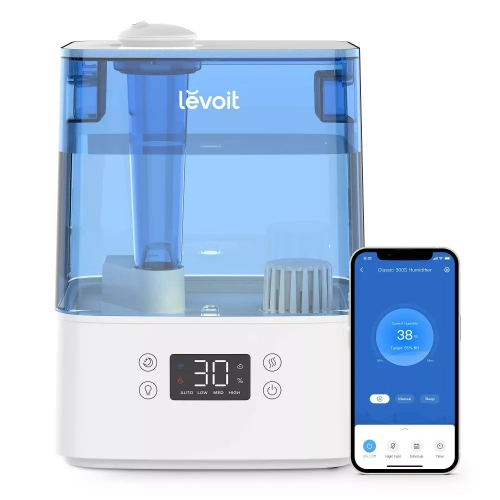 Your price for this item is $299.74
 -
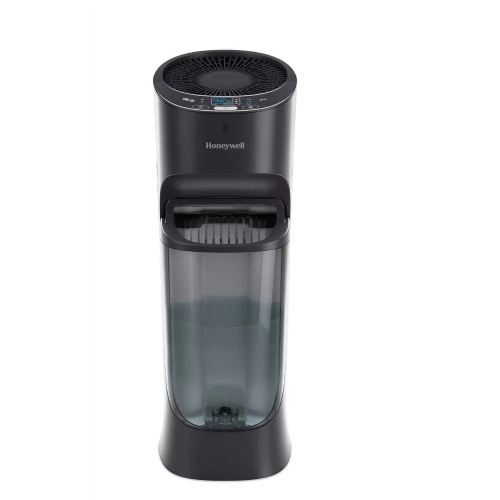 Your price for this item is $299.74
 -
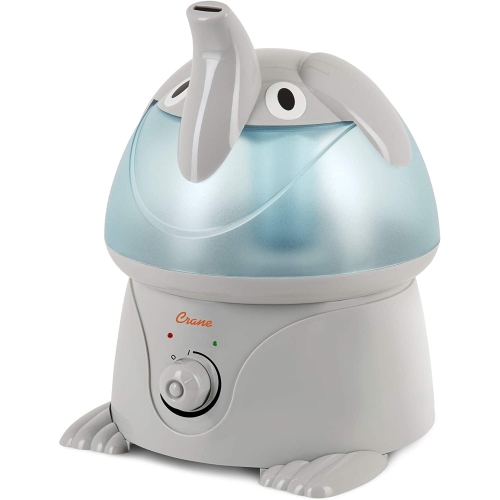 Your price for this item is $109.97
 -
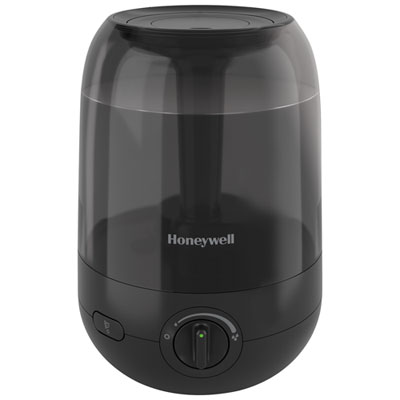 Your price for this item is $59.99
Discover more categories related to Humidifiers for Colds
Top Collections:
Pokemon Centers, Best Cameras for Sports Photography, Kindle Devices, Samsung Galaxy Phones, Canon G7X Cameras, Pokémon 30th Celebration Cards, Refurbished Apple Laptops, iPhone 15 Apple, Laptops for Students, Budget Smartphones
Some products may be subject to Environmental Handling Fees
(EHF) depending on your province.
Learn more about EHFs.