Humidifiers for Living Rooms
Humidifiers for living rooms are a great way to create a comfortable and inviting atmosphere in your home. Whether you’re looking to enhance relaxation or maintain a balanced environment, the right humidifier can make a noticeable difference. Explore a wide selection of options designed to suit various room sizes and décor styles, so you can find the perfect fit for your living space. Discover how humidifiers for living rooms can help you enjoy every moment at home.
Sort


Why a larger tank does not guarantee better coverage
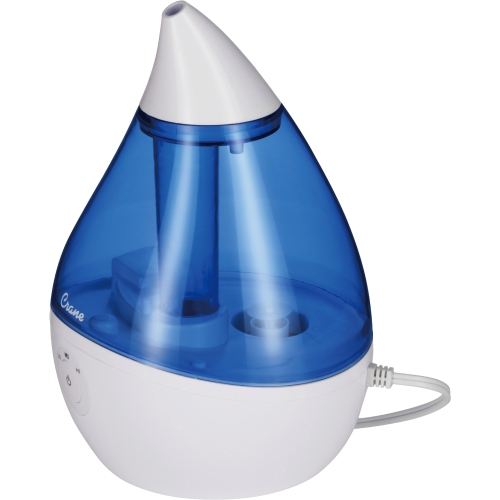
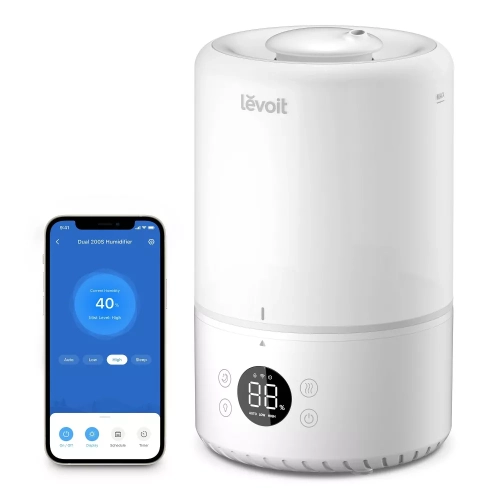
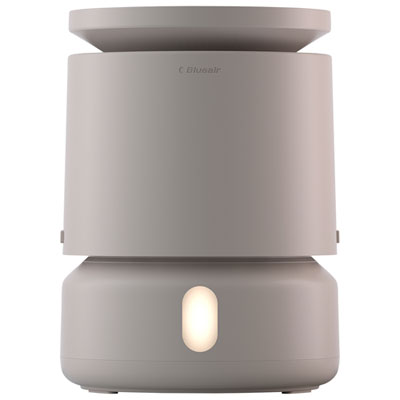
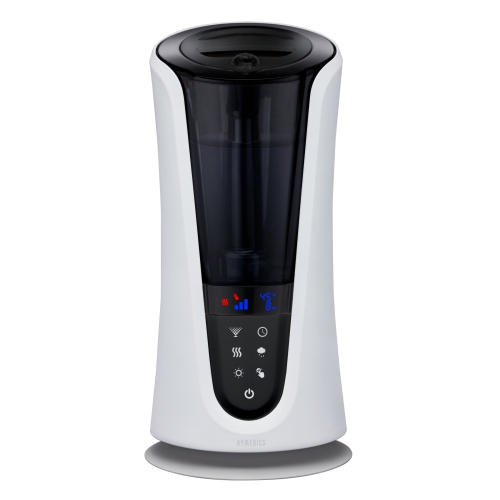
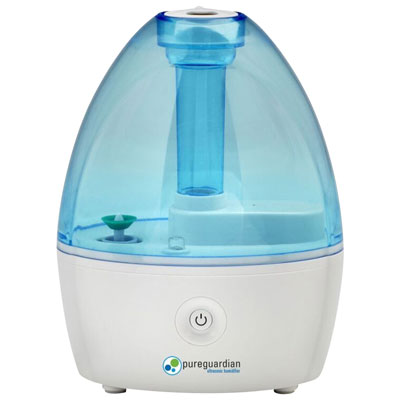
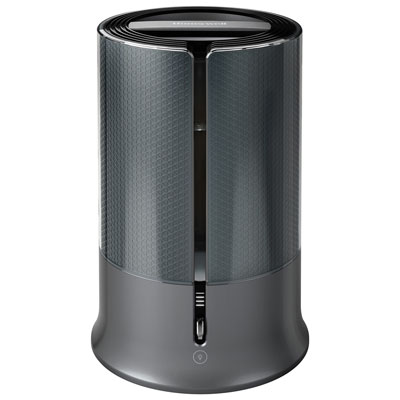
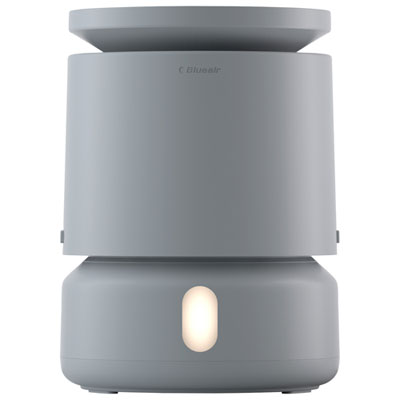
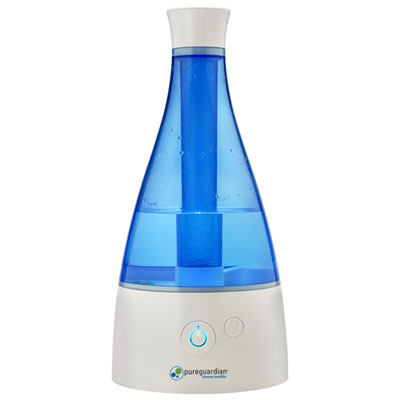
Humidifiers for living rooms add moisture to dry indoor air in spaces used for relaxing, entertaining, reading, and spending time together. The right fit depends on the size and layout of the room, the amount of moisture the unit can deliver, and how easily it fits into daily routines. A separate sitting room has different needs from a lounge that opens onto a dining area, kitchen, or staircase. For a living room measuring 400 to 700 square feet, a humidifier with a stated coverage range that matches the space is a useful starting point, but coverage figures should be read alongside the manufacturer’s operating conditions. High ceilings, open doorways, and air movement can affect how evenly moisture spreads. Tank capacity and moisture output also describe different things: capacity indicates how much water the tank holds, while output describes how quickly the humidifier releases moisture. A larger tank can mean fewer trips to the tap, but it does not automatically mean greater coverage. Similarly, an advertised maximum runtime may apply to the lowest mist setting rather than the output needed for a larger room. Comparing those details helps set realistic expectations for an afternoon of reading or an evening with the family. An adjustable output control and humidistat can make it easier to maintain a comfortable level without adding more moisture than needed. Indoor relative humidity is generally kept between 30% and 50%; a separate hygrometer can help check conditions away from the humidifier itself. Persistent condensation on windows or dampness near furniture is a reason to reduce output and assess placement. Humidifiers are not substitutes for air purifiers, and adding moisture does not remove dust or other airborne particles. Their role is to support indoor comfort, with the best results coming from a balance of suitable coverage, sensible settings, and regular care rather than the largest tank alone.
Different humidifier designs offer distinct advantages in a shared living space. Ultrasonic models use high-frequency vibration to create a fine mist and often operate quietly, making them well suited to conversations, television, or a reading corner. Evaporative models draw air through a wet wick or filter, so their sound comes mainly from a fan; the noise level can vary with the selected speed. Warm-mist models heat water to produce moisture, while cool-mist models do not rely on boiling water. Where children or pets spend time, cool mist avoids the burn risk associated with hot water and steam, although every humidifier still needs secure placement and careful cord management. Models offering both mist types provide flexibility, but their cleaning requirements and operating instructions remain important. Water quality matters, too. Ultrasonic humidifiers can disperse minerals from tap water as a fine white dust, and distilled or demineralized water may be recommended to limit this. Evaporative wicks capture some minerals but require replacement according to the manufacturer’s directions. Beyond the humidifying method, the controls can make a noticeable difference to everyday use. Automatic humidity adjustment, a timer, a low-water indicator, and automatic shut-off are practical features for a room occupied at different times throughout the day. Some models offer Wi-Fi connectivity or compatible app controls, allowing settings to be adjusted without reaching behind a chair or side table. Quiet modes and dimmable displays can be helpful when watching a film, although low-noise claims are worth checking against the operating mode used to measure them. A directional mist outlet can help aim moisture into open space rather than towards a sofa, bookshelf, television, or wooden cabinet. Placement should always follow the manufacturer’s clearance requirements on a stable, water-resistant surface. Even a compact unit needs enough room around it for airflow, safe refilling, and access to its controls, so its footprint includes more than the dimensions of the base.
Ease of filling and cleaning often determines how well a living room humidifier fits into a household over time. A top-fill opening can simplify refills, while a removable tank may be convenient when the nearest sink is down a hallway. Both arrangements have practical trade-offs: a large tank becomes heavy when full, and a tall reservoir may not fit beneath a shallow tap. Wide openings, accessible corners, comfortable carrying handles, and clearly marked fill lines make these routine tasks less awkward. Smooth plastic reservoirs are common, and sturdy construction, secure tank seating, and well-fitting seals are useful details to consider for durability. Transparent sections or water-level windows allow a quick check without lifting the tank. Fresh water and regular cleaning are essential because standing water can support microbial growth. The tank should be emptied, dried, and refilled as directed, with cleaning and descaling carried out at the intervals specified in the manual. Any disinfecting method must also follow those instructions, including thorough rinsing where required; cleaning chemicals should never be mixed. Filters, wicks, and other replaceable components have their own care schedules, and mineral buildup can affect performance if left unchecked. Essential oils belong only in a dedicated tray or compartment explicitly approved for them, not in an ordinary water tank. These details matter whether the humidifier serves a busy family lounge, a quiet apartment sitting area, or a shared space used for studying and conversation. As a housewarming gift, a humidifier is most useful when its coverage, handling, and upkeep suit the recipient’s home rather than its appearance alone. Households comparing moisture needs across rooms may also find Humidifiers for Large Bedroom relevant, particularly when quiet operation and unobtrusive lighting are priorities. For the living room, a balance of dependable moisture control, manageable maintenance, and a shape that fits comfortably among existing furnishings makes the appliance easier to use as intended.
Top selling and popular products
-
 Your price for this item is $14.98
-
 Your price for this item is $89.97
-
 Your price for this item is $89.98
-
 Your price for this item is $159.99
-
 Your price for this item is $274.99
-
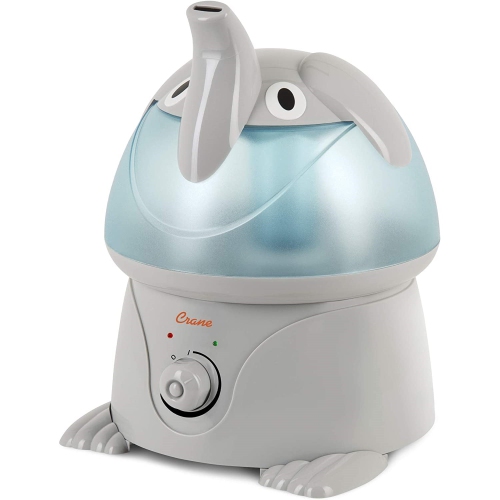 Your price for this item is $109.97
-
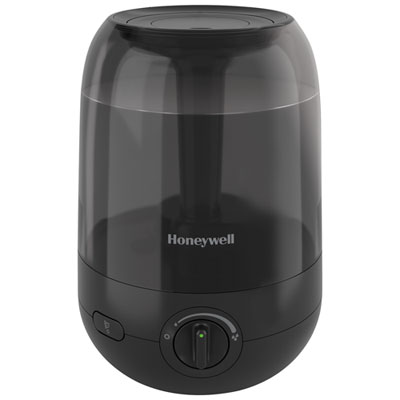 Your price for this item is $59.98
-
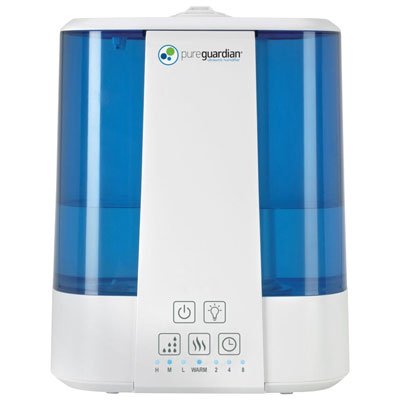 Your price for this item is $138.98
Discover more categories related to Humidifiers for Living Rooms

Top Collections:
Best Black Friday Deals This Year, Best Black Friday Deals On Electronics, Kindle Devices, Pokemon Centers, Best Black Friday Deals On Apple Products, Best Cameras for Sports Photography, Dyson Airwrap, Pokémon 30th Celebration Cards, Apple iPhone 17 Pro, Canon G7X Cameras
Some products may be subject to Environmental Handling Fees
(EHF) depending on your province.
Learn more about EHFs.