Kitchen Ranges
Upgrade your kitchen with a versatile and efficient kitchen range that combines both style and functionality. Whether you're a culinary enthusiast or simply looking to enhance your cooking experience, a quality kitchen range is a must-have appliance for any modern home. With a variety of options available, finding the perfect kitchen range to suit your cooking needs and complement your kitchen decor has never been easier. Explore our selection of sleek and innovative kitchen ranges designed to elevate your culinary creations to the next level.
Sort
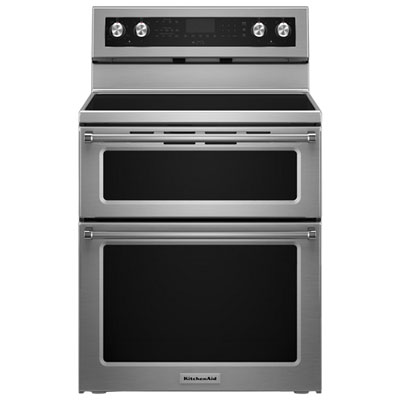
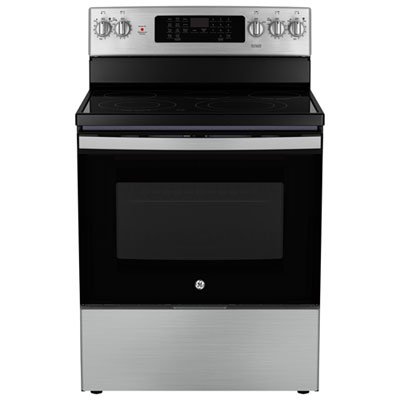
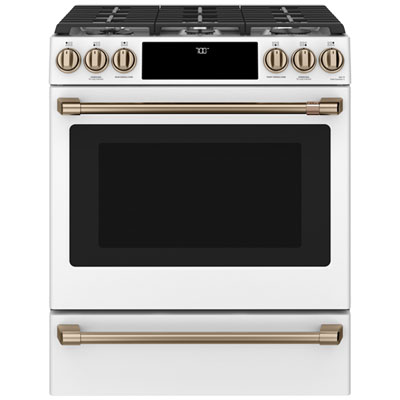
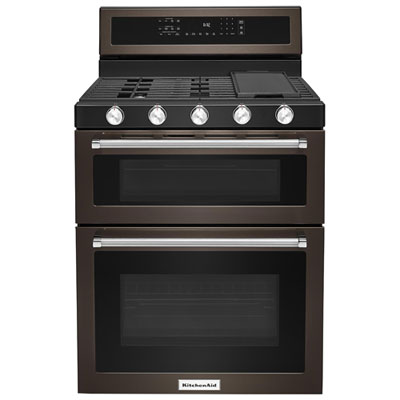
How different cooktop types suit your cooking habits
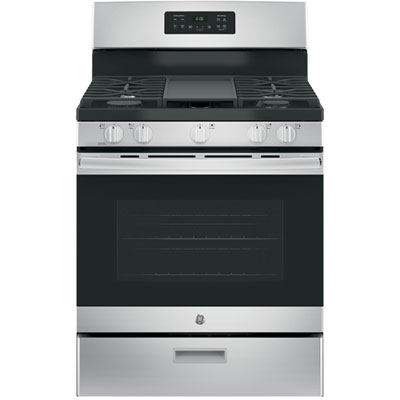
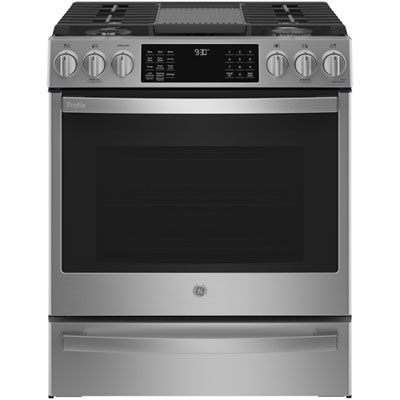
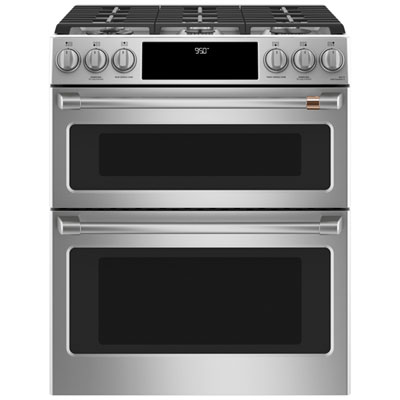
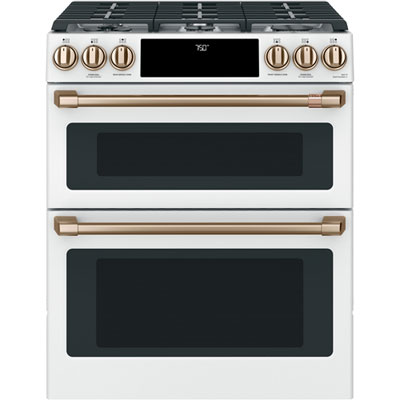
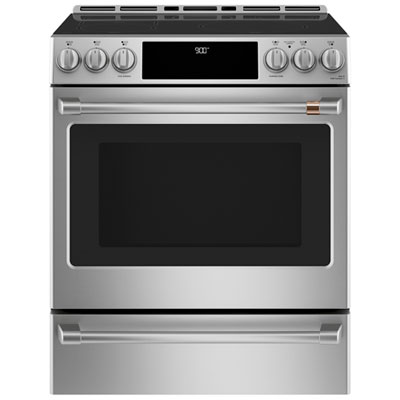
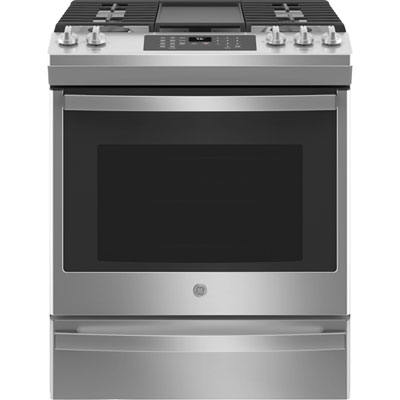
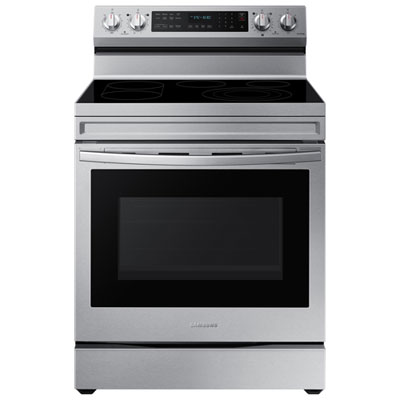
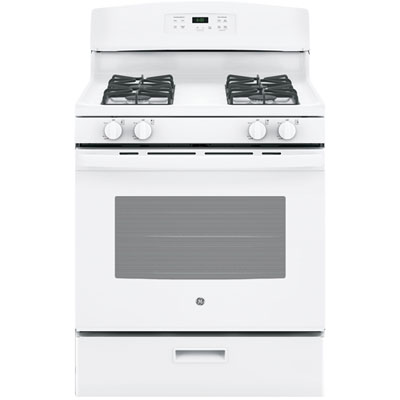
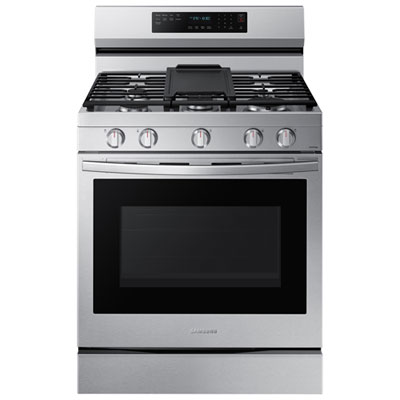
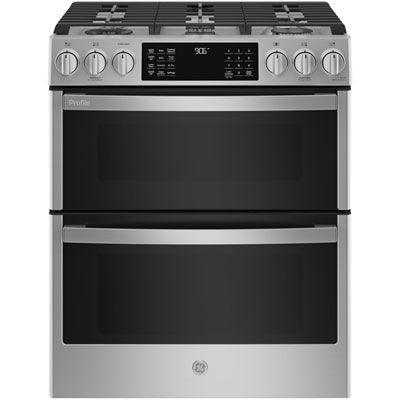
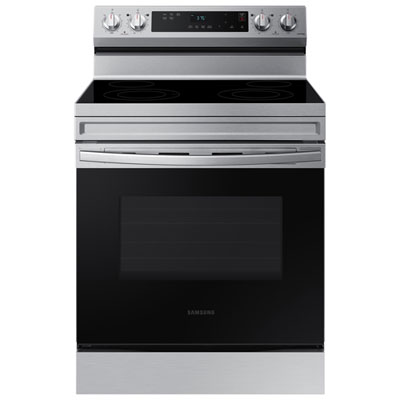
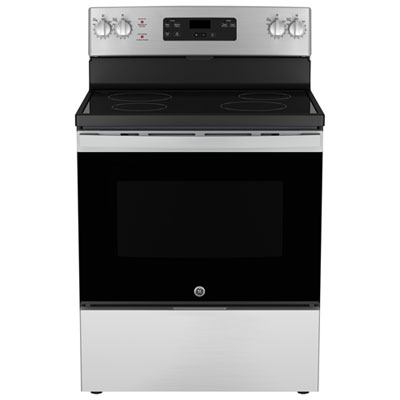
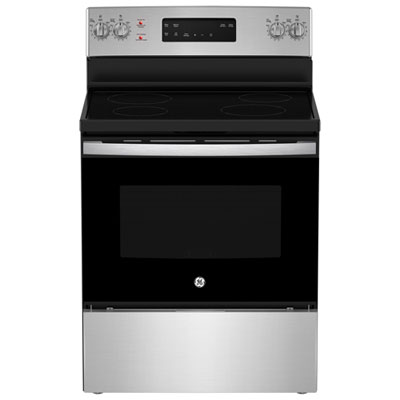
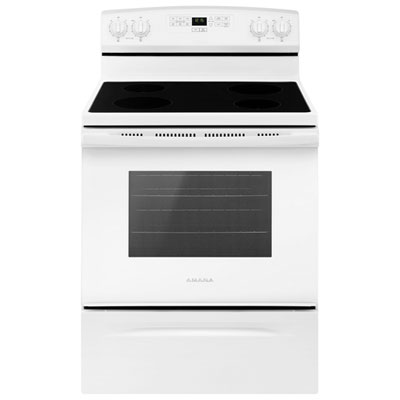
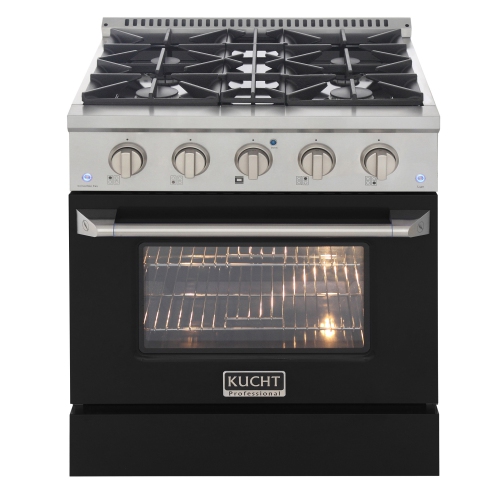
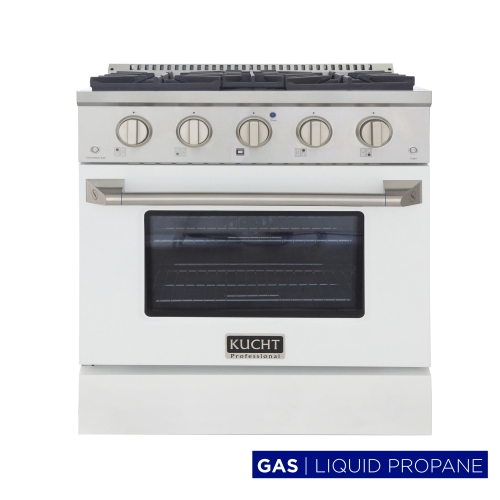
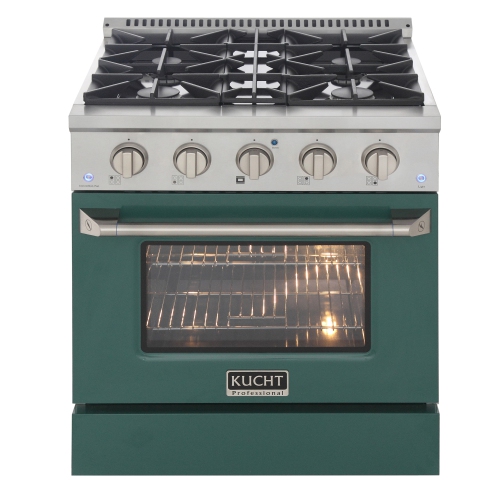
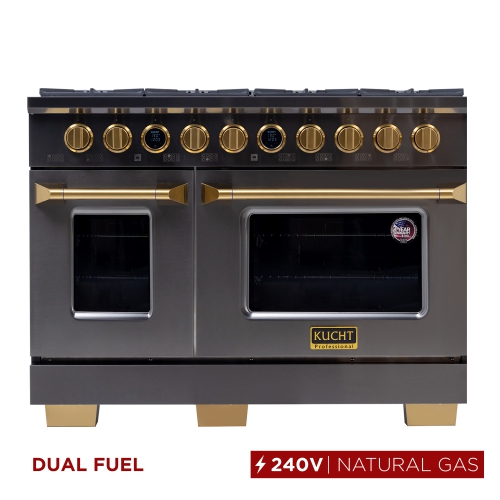
A kitchen range combines a cooktop and an oven in one appliance, bringing surface cooking, baking, and roasting into a single footprint. It is the centre of many everyday meals, from a saucepan of oatmeal in the morning to a tray of roasted vegetables and a pot of rice at dinner. Electric, gas, induction, and dual-fuel ranges offer different ways to manage that work. Conventional electric ranges use heated coils or radiant elements beneath a smooth glass-ceramic surface. Coil elements support familiar stovetop cooking, while smooth surfaces make it easier to wipe up spills once the cooktop has cooled. Radiant electric elements retain heat after being turned down, which matters when moving from a rolling boil to a gentle simmer. Gas ranges use burners with a visible flame that responds quickly to adjustments, giving cooks a clear cue when changing heat beneath a frying pan or stockpot. They require a suitable gas connection, and their electrical functions mean operation during a power outage should never be assumed. Induction ranges use magnetic fields to heat compatible cookware directly, offering responsive control for tasks such as melting chocolate or bringing water to a boil. Their glass surfaces can still become hot from contact with cookware, even though the cooking vessel is heated directly. A magnet sticking firmly to the flat base of a pan is a useful initial check for induction compatibility; cookware specifications provide further confirmation. Dual-fuel ranges pair a gas cooktop with an electric oven, appealing to cooks who prefer flame control on top and electric baking below. Each type can suit regular home cooking, but the strongest match depends on existing connections, cookware, and the meals a household prepares most often. Someone who bakes bread several times a week may place more importance on oven performance, while a cook who regularly juggles sauces, pasta, and sautéed vegetables may focus on cooktop layout.
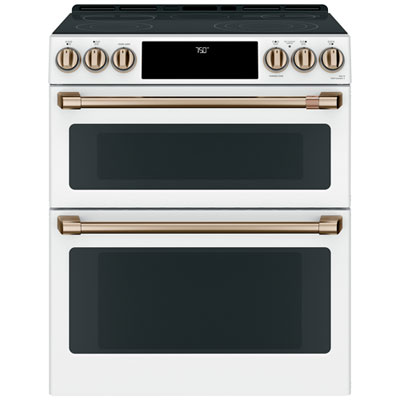
Fit involves more than finding a kitchen range with the same stated width as the space between two cabinets. A 30-inch range is a common choice for Canadian kitchens, while a 24-inch range can suit a compact kitchen or apartment; wider formats need a layout designed to accommodate them. Actual appliance dimensions, installation clearances, counter height, and the position of electrical or gas connections all affect placement. Depth deserves particular attention because handles and oven doors can project beyond cabinet fronts, and an open door needs enough room for someone to lift out a heavy roasting pan without blocking a narrow walkway. Freestanding ranges generally have finished sides and can fit between cabinets or at the end of a cabinet run, subject to installation requirements. Many include a raised backguard with controls. Slide-in ranges typically have front-mounted controls and a lower profile at the rear for a more integrated appearance between cabinets, though side finishes and countertop overlap vary by design. Neither format should be assumed to fit an existing opening without checking the installation specifications. Electrical supply requirements also differ: electric and induction ranges generally need a dedicated higher-voltage circuit, while gas ranges typically need electricity for ignition and oven functions. Dual-fuel installation involves both gas and an appropriate electrical connection. Professional installation helps address these requirements, along with clearances, levelling, and the anti-tip bracket that secures the appliance against tipping. Suitable ventilation matters for every cooking method, helping remove steam, smoke, grease, and cooking odours; gas cooking also produces combustion by-products that ventilation helps manage. The interior layout is just as important as the exterior dimensions. Oven capacity is usually expressed in cubic feet, but usable rack width and depth determine whether a favourite baking sheet or roasting dish fits comfortably. Adjustable rack positions help accommodate tall covered dishes, while a double-oven range can cook separate dishes at different settings. That flexibility comes with differently sized cavities, so a large roast may fit better in a single spacious oven than in either compartment of a divided design.
Cooking features are most useful when they support habits rather than add complexity. Convection ovens circulate heated air with a fan, which can encourage more even browning and help when baking across multiple racks; recipes may need timing or setting adjustments according to the appliance instructions. An air-fry mode uses circulating hot air to crisp food with space around it, but results still depend on tray choice, portion size, and avoiding overcrowding. On the cooktop, element and burner spacing influences how easily several pans can work together. A large skillet beside a stockpot needs more room than two small saucepans, while an adjustable electric element can better match different pan diameters. Some induction layouts include a bridge function for compatible griddles or elongated cookware. Clear control markings, readable displays, interior lighting, and racks that move smoothly under a loaded dish can make daily cooking more comfortable. Front controls reduce the need to reach across hot cookware, although households with young children may also value control locks and carefully consider knob placement. Materials and finishes shape upkeep as much as appearance. Stainless steel offers a familiar look alongside many other kitchen appliances, but fingerprints and streaks can show unless the finish is designed to resist them. Painted or enamelled surfaces need non-abrasive care, and glass-ceramic cooktops benefit from suitable cleaners and cookware with clean, smooth bases. Sliding a rough pan across glass can leave marks or scratches. Gas grates and burner caps need cleaning according to their care instructions and correct repositioning after drying to support proper burner operation. Inside the oven, wiping up spills once surfaces are safe to handle can prevent repeated baking-on of residue. Steam-clean functions generally help loosen light soil, while high-heat self-clean cycles have specific preparation and ventilation requirements; racks and accessories should only remain inside when the manual permits it. Durable construction, careful use, and straightforward access for routine cleaning all contribute to a range that holds up to everyday meal preparation. For another view of the category, Best Range Ovens brings together options worth considering alongside the space, connections, and cooking routines of the kitchen.
Fit involves more than finding a kitchen range with the same stated width as the space between two cabinets. A 30-inch range is a common choice for Canadian kitchens, while a 24-inch range can suit a compact kitchen or apartment; wider formats need a layout designed to accommodate them. Actual appliance dimensions, installation clearances, counter height, and the position of electrical or gas connections all affect placement. Depth deserves particular attention because handles and oven doors can project beyond cabinet fronts, and an open door needs enough room for someone to lift out a heavy roasting pan without blocking a narrow walkway. Freestanding ranges generally have finished sides and can fit between cabinets or at the end of a cabinet run, subject to installation requirements. Many include a raised backguard with controls. Slide-in ranges typically have front-mounted controls and a lower profile at the rear for a more integrated appearance between cabinets, though side finishes and countertop overlap vary by design. Neither format should be assumed to fit an existing opening without checking the installation specifications. Electrical supply requirements also differ: electric and induction ranges generally need a dedicated higher-voltage circuit, while gas ranges typically need electricity for ignition and oven functions. Dual-fuel installation involves both gas and an appropriate electrical connection. Professional installation helps address these requirements, along with clearances, levelling, and the anti-tip bracket that secures the appliance against tipping. Suitable ventilation matters for every cooking method, helping remove steam, smoke, grease, and cooking odours; gas cooking also produces combustion by-products that ventilation helps manage. The interior layout is just as important as the exterior dimensions. Oven capacity is usually expressed in cubic feet, but usable rack width and depth determine whether a favourite baking sheet or roasting dish fits comfortably. Adjustable rack positions help accommodate tall covered dishes, while a double-oven range can cook separate dishes at different settings. That flexibility comes with differently sized cavities, so a large roast may fit better in a single spacious oven than in either compartment of a divided design.
Cooking features are most useful when they support habits rather than add complexity. Convection ovens circulate heated air with a fan, which can encourage more even browning and help when baking across multiple racks; recipes may need timing or setting adjustments according to the appliance instructions. An air-fry mode uses circulating hot air to crisp food with space around it, but results still depend on tray choice, portion size, and avoiding overcrowding. On the cooktop, element and burner spacing influences how easily several pans can work together. A large skillet beside a stockpot needs more room than two small saucepans, while an adjustable electric element can better match different pan diameters. Some induction layouts include a bridge function for compatible griddles or elongated cookware. Clear control markings, readable displays, interior lighting, and racks that move smoothly under a loaded dish can make daily cooking more comfortable. Front controls reduce the need to reach across hot cookware, although households with young children may also value control locks and carefully consider knob placement. Materials and finishes shape upkeep as much as appearance. Stainless steel offers a familiar look alongside many other kitchen appliances, but fingerprints and streaks can show unless the finish is designed to resist them. Painted or enamelled surfaces need non-abrasive care, and glass-ceramic cooktops benefit from suitable cleaners and cookware with clean, smooth bases. Sliding a rough pan across glass can leave marks or scratches. Gas grates and burner caps need cleaning according to their care instructions and correct repositioning after drying to support proper burner operation. Inside the oven, wiping up spills once surfaces are safe to handle can prevent repeated baking-on of residue. Steam-clean functions generally help loosen light soil, while high-heat self-clean cycles have specific preparation and ventilation requirements; racks and accessories should only remain inside when the manual permits it. Durable construction, careful use, and straightforward access for routine cleaning all contribute to a range that holds up to everyday meal preparation. For another view of the category, Best Range Ovens brings together options worth considering alongside the space, connections, and cooking routines of the kitchen.
Top selling and popular products
-
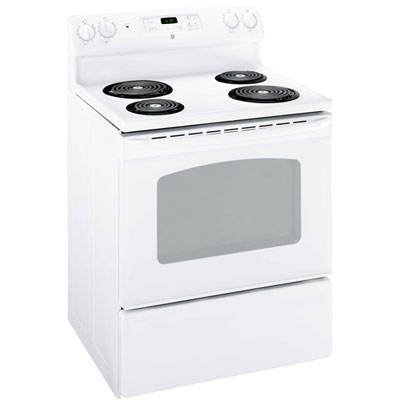 Your price for this item is $849.99
 -
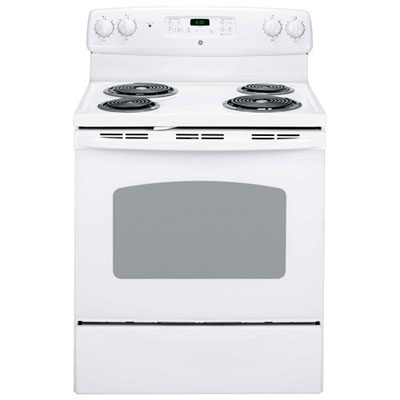 Your price for this item is $899.99
 -
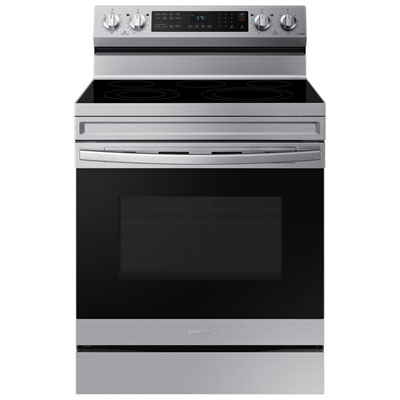 Your price for this item is $1195.99
 -
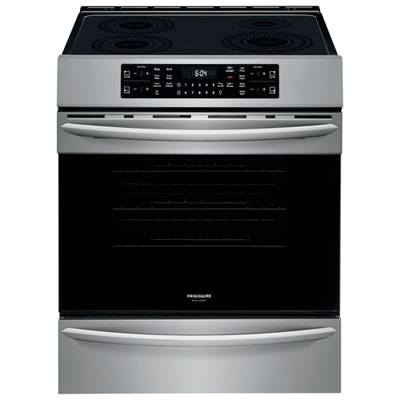 Your price for this item is $1649.97
 -
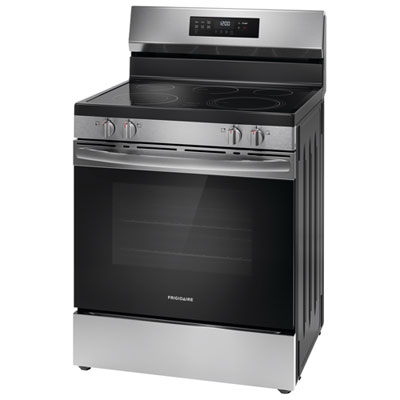 Your price for this item is $999.99
 -
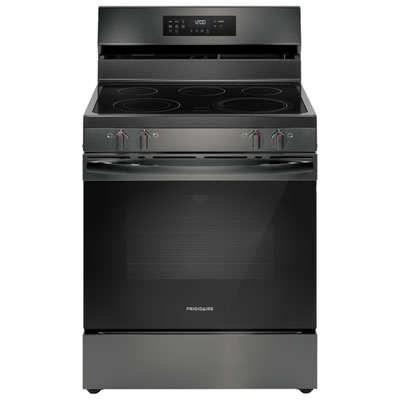 Your price for this item is $1449.99
 -
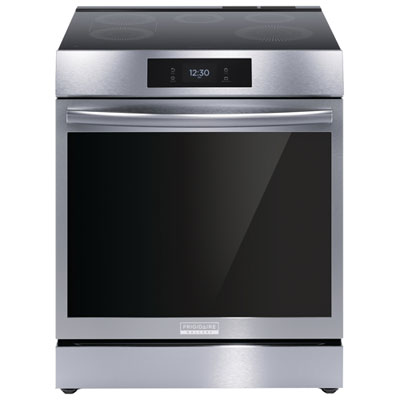 Your price for this item is $1999.99
 -
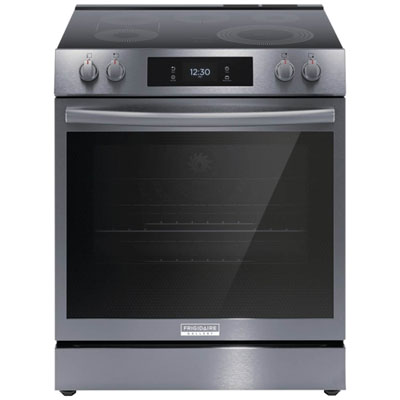 Your price for this item is $2049.99
Discover more categories related to Kitchen Ranges
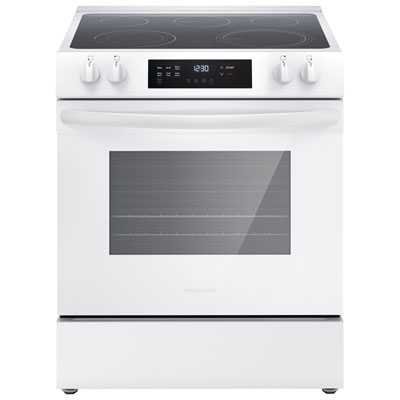
Top Collections:
Pokemon Centers, Kindle Devices, Best Budget Office Chairs, Apple iPhones 16, Best Laptops for Writers, iPhone 15 Apple, Canon G7X Cameras, Refurbished Apple Laptops, Alarm Clock, Motorola Razr Phones
Some products may be subject to Environmental Handling Fees
(EHF) depending on your province.
Learn more about EHFs.