Labor Day Ovens On Sale
Get ready to upgrade your kitchen with unbeatable deals during our Labor Day ovens on sale event. Discover a wide selection of ovens perfect for every home chef, all at prices designed to help you save big this holiday weekend. Whether you're preparing family meals or hosting gatherings, now is the ideal time to find the right oven to elevate your cooking experience. Shop Labor Day ovens on sale and take advantage of limited-time offers before they're gone.
Sort
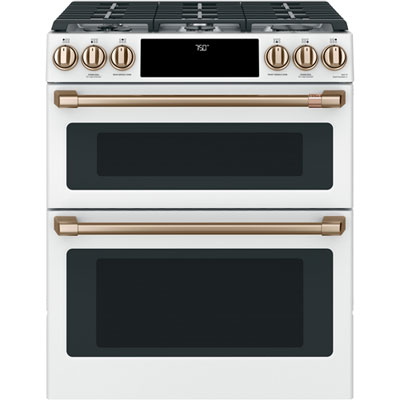
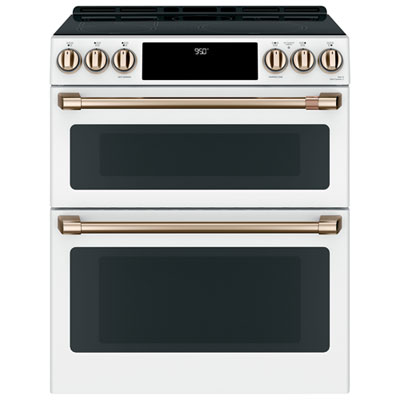
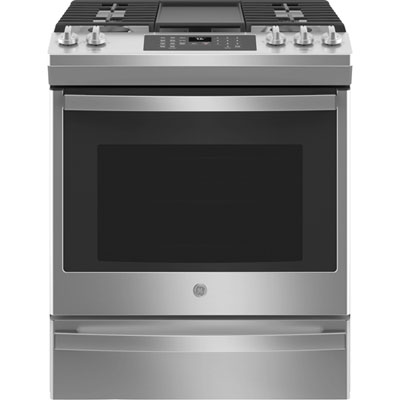
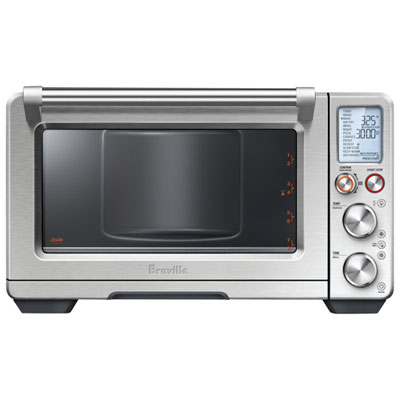







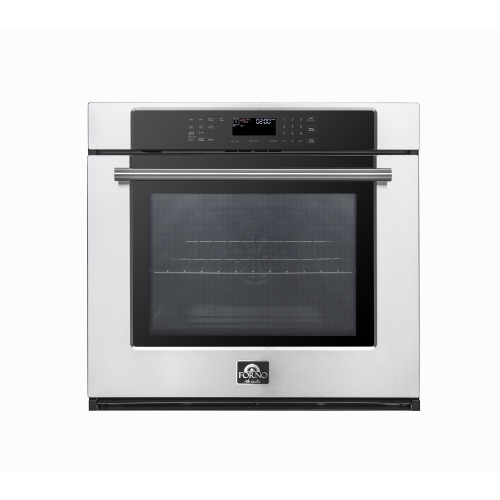
Why oven fit matters as much as cooking features
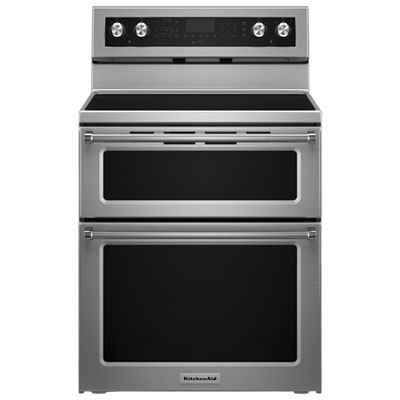
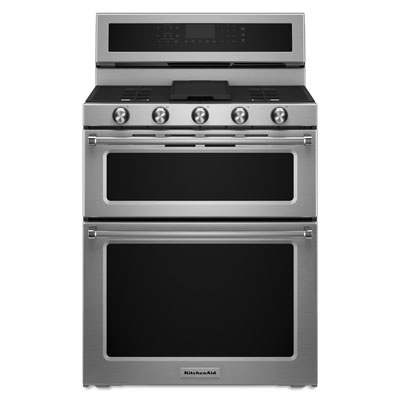
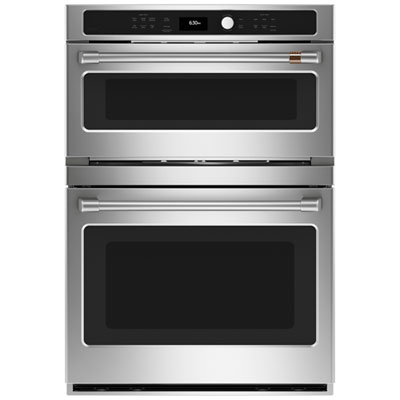
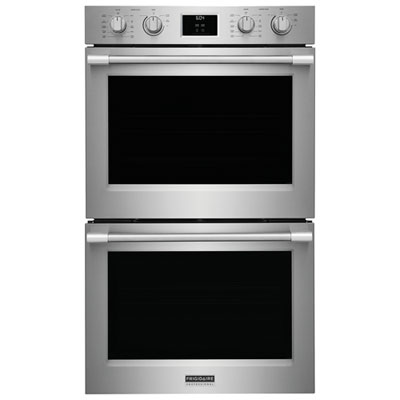
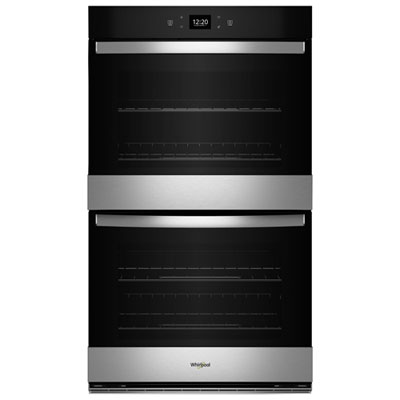
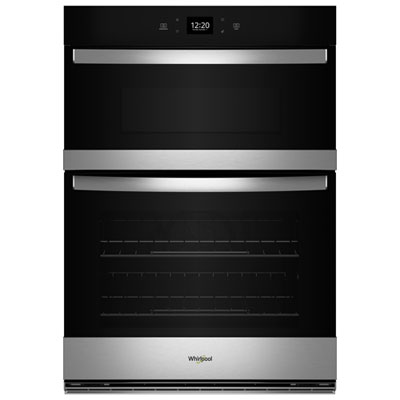
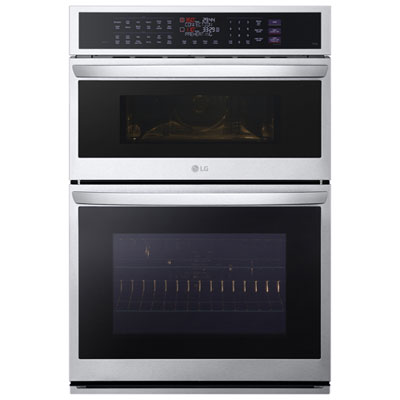
Labour Day oven shopping can involve a built-in wall oven, a freestanding range, or a slide-in range, depending on the kitchen layout and how the household cooks. A wall oven fits into cabinetry and works separately from a cooktop, while a range combines an oven and cooking surface in one appliance. That distinction matters when replacing an existing appliance: a kitchen arranged around a separate cooktop needs a different installation than one with a single range between two counters. The Labour Day sale on wall ovens collection focuses on built-in formats for kitchens where the oven has its own cabinet space. Single wall ovens suit many everyday cooking routines, while double wall ovens provide two cavities that can operate at different temperatures. This can be useful when a roast needs steady heat while a tray of vegetables or a dessert requires another setting. Freestanding ranges generally have finished sides, whereas slide-in designs are intended to sit closely between cabinets; the exact fit and countertop requirements depend on the appliance. Common width categories include 24-inch, 27-inch, and 30-inch ovens, but nominal width alone does not establish compatibility. Cabinet cutout height, width, and depth, along with ventilation clearances and electrical connections, determine whether a wall oven will fit properly. For a range, the opening between cabinets, the position of the power outlet or gas connection, and the space needed to open the door are equally important. Oven capacity also deserves attention beyond the stated volume. A household that regularly uses a wide roasting pan, several baking sheets, or a covered casserole benefits from checking the usable cavity dimensions and rack positions. Door clearance affects daily comfort, especially in kitchens with an island opposite the oven. A layout that allows someone to lower the door, reach a rack, and set a hot dish on a nearby heat-safe surface can make cooking feel far less cramped. Installation height matters too: a wall oven positioned at a comfortable level can reduce bending, provided every regular user can safely reach inside.
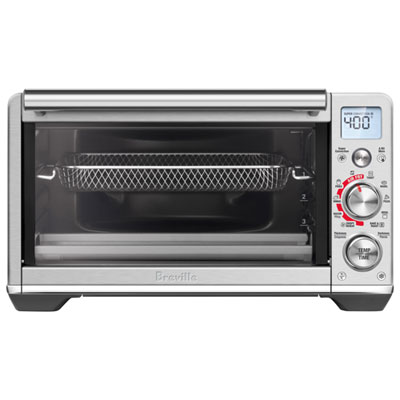
Cooking performance depends on more than the appliance’s size or appearance. Conventional ovens use heating elements or burners to heat the cavity, while convection ovens add a fan to circulate hot air. Convection can support more even browning and cooking across multiple racks, although results still depend on the recipe, cookware, rack placement, and spacing between dishes. Fan-assisted baking is useful for batches of cookies or trays of vegetables, but delicate cakes and custards may call for a conventional setting. Recipes written for conventional heat may need a temperature or cooking-time adjustment when prepared with convection, unless the oven handles that conversion automatically. Broiling provides concentrated heat from above for finishing a gratin, browning a topping, or cooking thinner cuts of meat; the distance between the food and the heating source influences the result. Some ovens include specialized settings for bread proofing, air frying, or steam-assisted cooking. These functions have different equipment and operating requirements, so an air-fry setting should not be assumed to perform identically with every baking tray, and steam features may require a reservoir or a water connection. For households that prepare several dishes together, independent cavities can offer more flexibility than a single larger cavity. For someone who mostly cooks one casserole or reheats a prepared meal, straightforward controls and a manageable cavity may matter more than additional cooking modes. The cooking surface on a range is another separate consideration. Gas, radiant electric, and induction describe cooktop technologies, not necessarily the oven’s heat source. An induction range uses induction at the cooking surface and typically an electric oven; a dual-fuel range generally pairs a gas cooktop with an electric oven. Induction cooking also requires compatible cookware with a magnetic base. Clear control markings, a readable display, responsive temperature adjustments, and a well-lit oven window all support everyday use. A cooking timer and an oven light can be especially helpful when checking a loaf or watching a cheese topping brown without repeatedly opening the door. Connected features may add notifications or monitoring, but their usefulness depends on the functions supported by the appliance and the household’s preferences.
Materials, cleaning methods, and the small details of construction influence how an oven feels after years of regular use. Stainless steel exteriors coordinate easily with many kitchen finishes, although fingerprints and streaks can be more noticeable on some surfaces. Painted finishes and glass control panels have their own care requirements, and any fingerprint-resistant coating should be cleaned according to the manufacturer’s directions. A soft cloth and an approved cleaner are generally preferable to abrasive pads that can scratch a finish. Inside the oven, smooth enamel surfaces help simplify routine cleaning, while rack design affects how easily a heavy dish moves in and out. Gliding racks can be useful for a full roasting pan, but their weight limits and permitted rack positions still matter. Spills are easier to manage once the oven has cooled and before residue is repeatedly baked onto the cavity. Self-cleaning and steam-cleaning functions work differently: high-heat self-cleaning treats stubborn residue through an intense cleaning cycle, whereas steam cleaning generally helps loosen lighter soil. Neither replaces checking the care instructions, and racks, accessories, or certain liners may need to be removed beforehand. Foil should not cover the oven floor unless the manufacturer explicitly permits it, because it can interfere with heat distribution or damage surfaces. Keeping door seals clean and intact also helps the oven operate as intended. Practical durability includes firmly fitted handles, stable racks, accessible controls, and a door that opens smoothly without obstructing nearby drawers. For households with children, control locks and careful placement can add reassurance, although safety features do not replace supervision around hot surfaces. Replacement planning also includes confirming the required electrical circuit, any gas connection, and the manufacturer’s installation clearances with a qualified installer. Ranges require the specified anti-tip protection, and wall ovens need cabinetry capable of supporting their weight. Whether the oven serves a keen baker, a busy family, or someone setting up a first kitchen, the most useful choice is one that fits the space, handles familiar cookware, and supports the meals made most often.
Top selling and popular products
-
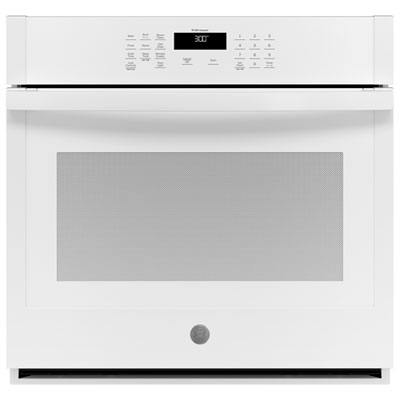 Your price for this item is $2369.99
-
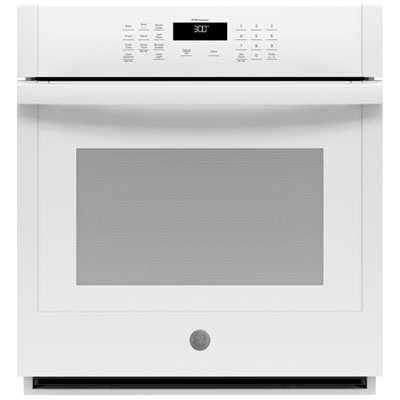 Your price for this item is $2249.99
-
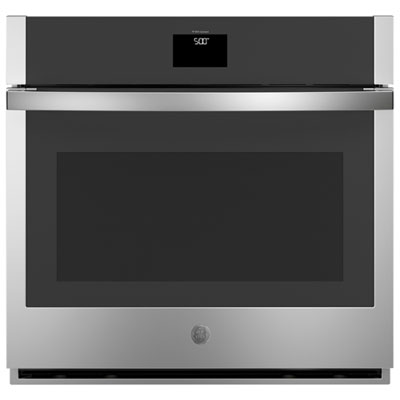 Your price for this item is $2369.99
-
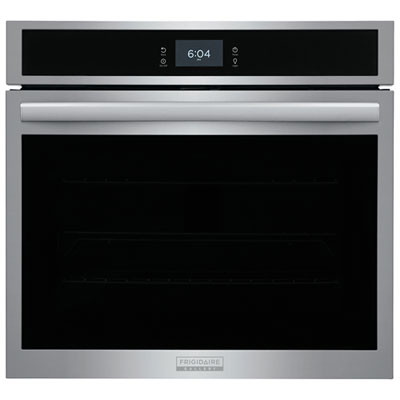 Your price for this item is $2199.99
-
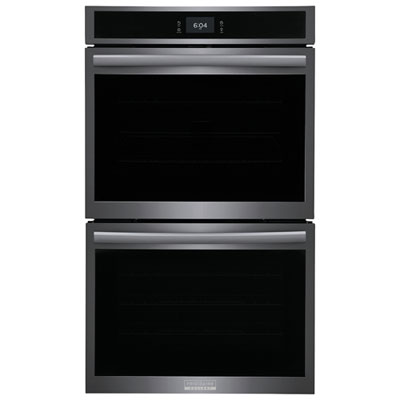 Your price for this item is $3699.99
-
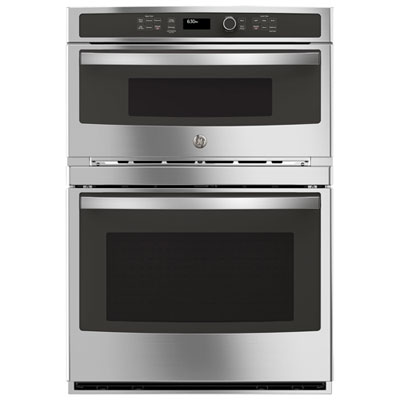 Your price for this item is $3749.99
-
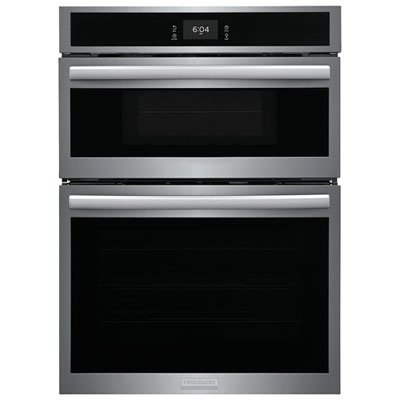 Your price for this item is $3699.99
-
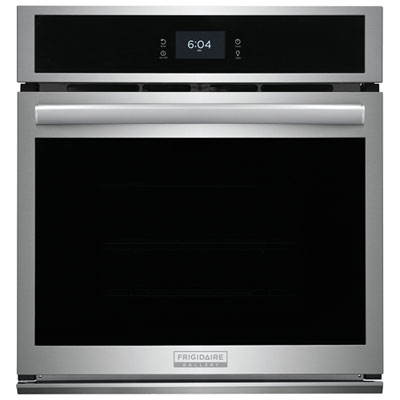 Your price for this item is $2199.99
Discover more categories related to Labor Day Ovens On Sale
Top Collections:
Pokemon Centers, Best Budget Office Chairs, Kindle Devices, Best Cameras for Sports Photography, Pokémon 30th Celebration Cards, Best Laptops for Writers, Canon G7X Cameras, iPhone 15 Apple, Best Cell Phones Under $300, Apple iPhones 16
Some products may be subject to Environmental Handling Fees
(EHF) depending on your province.
Learn more about EHFs.