LG Washer Combos
Discover how the LG Washer Combo can transform your laundry routine with its innovative design and advanced performance. Perfect for busy households and compact spaces, the LG Washer Combo offers a convenient solution to keep clothes fresh and clean. With a range of options available, finding the right LG Washer Combo to match your needs is simple. Explore the selection and enjoy an effortless laundry experience every time.
Sort
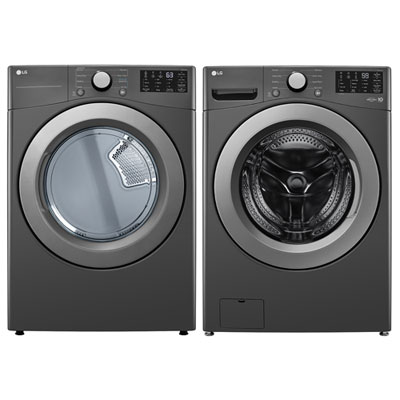
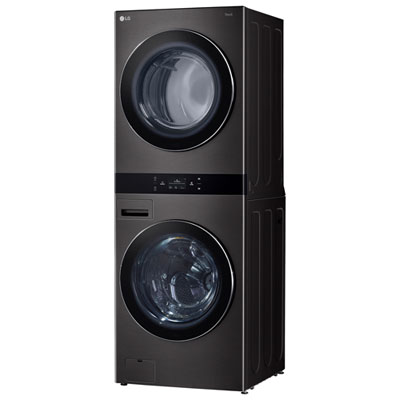
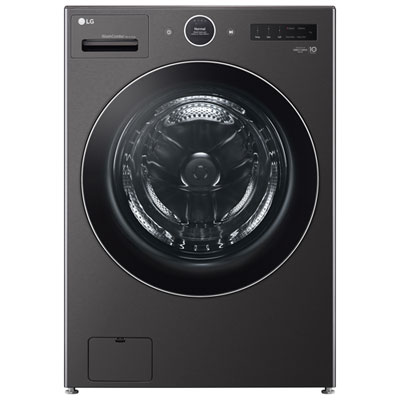
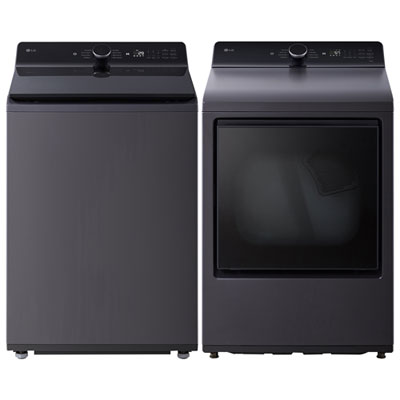
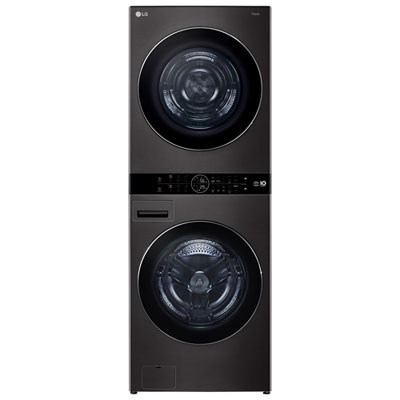
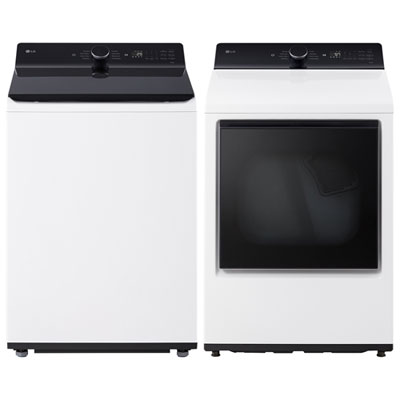
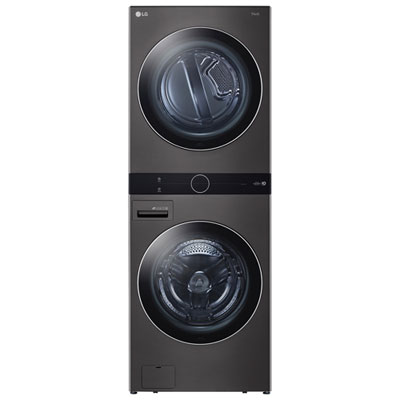
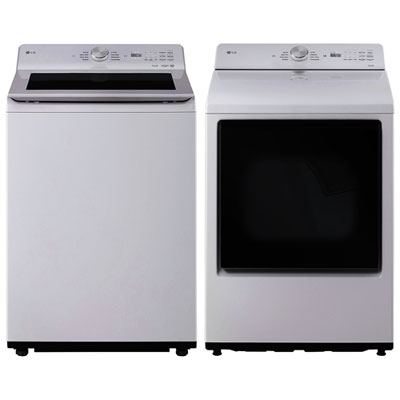
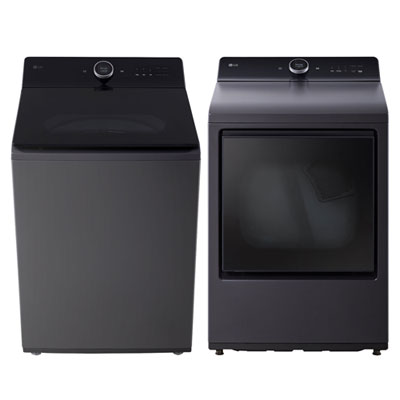
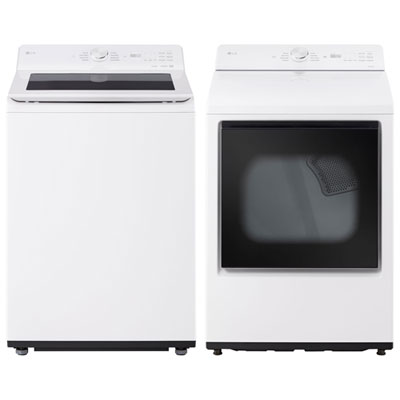
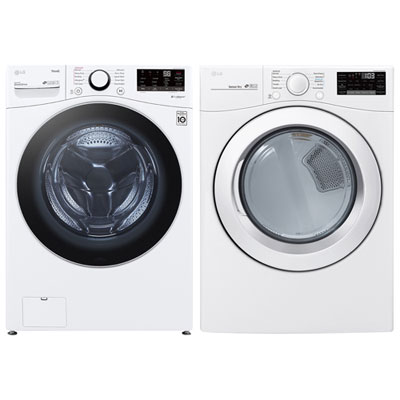
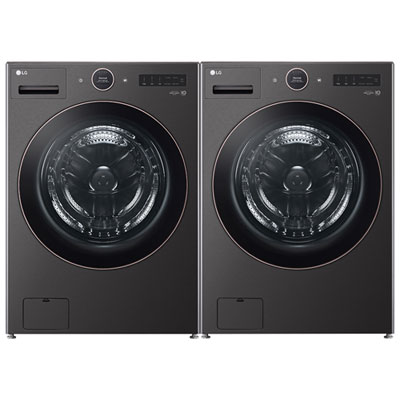
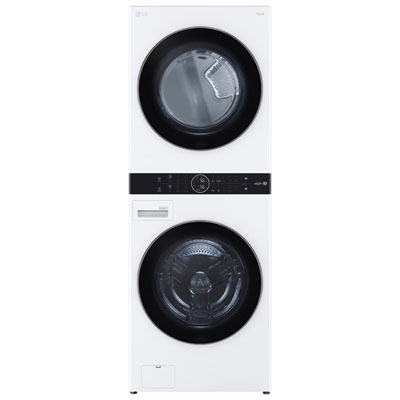
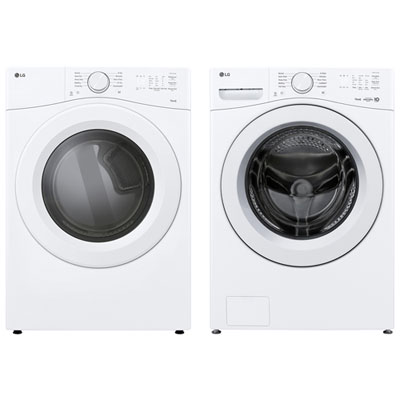
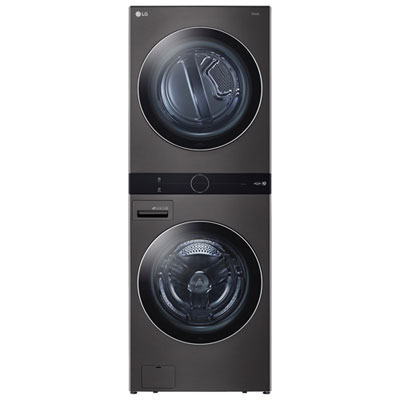
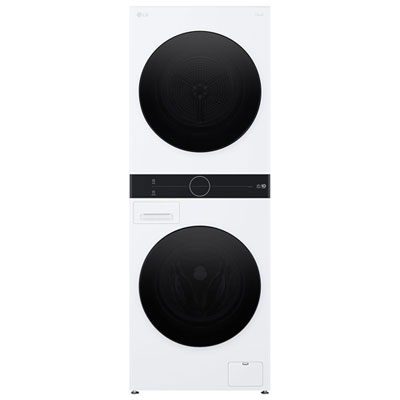
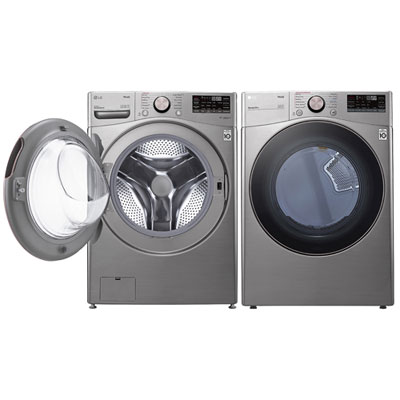
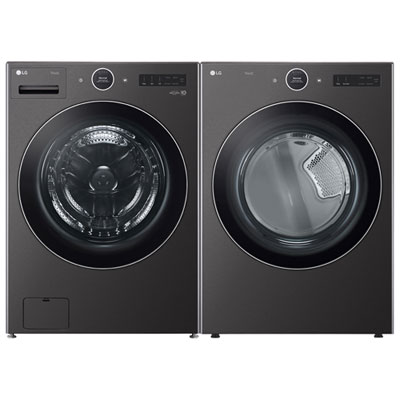

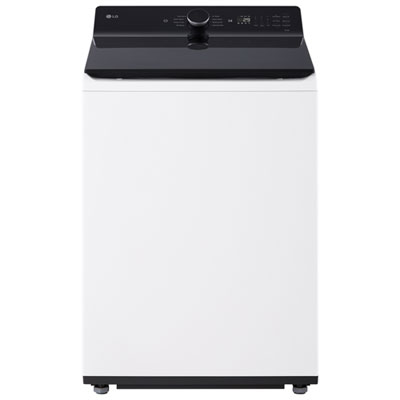
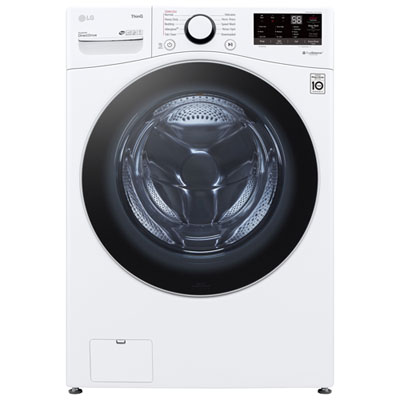
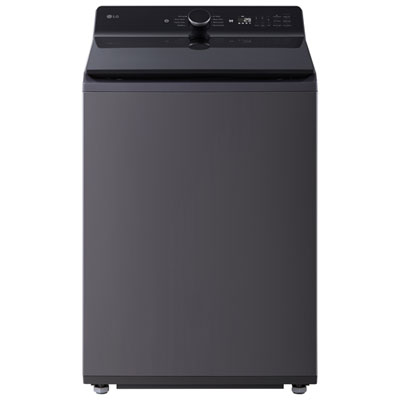
Washing and drying without moving clothes between machines
Washer dryer combos combine washing and drying in one appliance, with all-in-one designs handling both stages in the same drum. Clothes can move from a wash cycle into a drying cycle without being transferred to a separate machine, making this format practical for households that prefer fewer interruptions on laundry day. A load of everyday shirts, socks, and sleepwear can stay in place through the selected wash-and-dry programme, leaving only unloading and folding once the cycle finishes. This single-drum arrangement differs from a stacked laundry pair or laundry tower, which has separate washing and drying compartments and still requires clothes to be moved between them. When comparing Washing Machines With Dryer Combo, that distinction helps clarify how each design fits into a household’s routine. All-in-one appliances can suit condos, apartments, smaller houses, and laundry closets where fitting two separate machines would be difficult. They can also appeal to anyone who finds transferring wet laundry inconvenient, although door height and reach remain important for comfortable use. Capacity deserves attention alongside the appliance’s outer dimensions: a drum that accommodates a large wash load may require a smaller load for effective drying, depending on the model. Towels, bedding, and heavier cotton garments need room to tumble, while tightly packed clothing can dry unevenly and develop deeper creases. For a household that washes several loads back to back, separate compartments allow one load to wash while another dries; a single-drum combo completes those stages sequentially. Total cycle time varies with fabric type, load size, spin speed, drying technology, and the selected settings, so a short-cycle claim should not be treated as a promise for every basket of laundry. The practical benefit is the option to complete both tasks in one place, rather than a guarantee that every load will finish within a fixed time. That balance makes the format especially relevant to smaller, regularly managed loads rather than an entire household’s laundry saved for one lengthy session.
Installation requirements shape how comfortably a washer dryer combo fits into a home. A compact-looking appliance still needs sufficient space for its door to open, hoses to connect without kinking, and routine maintenance to remain accessible. Measurements should account for the full installed depth, including connections behind the cabinet, rather than just the dimensions of the appliance body. Hallways, stairways, lift doors, and tight corners also affect whether a machine can reach its intended location. In a laundry closet, clearance around the appliance and ventilation requirements should follow the installation specifications, even when the drying system does not need an exterior exhaust duct. Ventless designs remove moisture through a condensing process rather than sending damp air outdoors, and some use a heat pump as part of that system. Other designs may have different venting requirements, so the drying method matters as much as the appliance’s width. A water supply, suitable drainage, and the correct electrical connection are still essential; outlet type, voltage, and circuit requirements vary by model. An existing laundry space should not be assumed to suit every replacement without checking those details. Building rules can also affect installation in a condo or apartment, particularly where plumbing changes or alterations to cabinetry are involved. A level, stable floor and correctly adjusted feet help limit movement during the spin cycle, while proper installation includes removing any shipping restraints specified by the manufacturer. For laundry areas near a bedroom or living room, published sound information and the character of the spin cycle may be worth comparing. An all-in-one design reduces the number of appliance cabinets, but it does not eliminate operational sound or vibration. Door position, control placement, and access to detergent drawers or maintenance panels influence everyday comfort, too. A machine that fits neatly on paper is most useful when there is also room to carry a basket, retrieve a stray sock, and wipe the door seal without squeezing around shelving.
Features and construction affect how these appliances handle ordinary laundry over years of use. A smooth stainless steel drum provides a durable surface for repeated washing, while the condition of the door seal, dispenser, hinges, and exterior finish also contributes to long-term upkeep. Drum volume is only part of the picture: clearly labelled controls, readable cycle information, and settings that suit the household’s fabrics can make a greater difference than a long list of rarely used programmes. Depending on the model, options may include wash-only operation, drying-only operation, adjustable spin speeds, sensor-controlled drying, or cycles for particular fabric groups. Sensor drying uses moisture-related feedback to help determine when a load has reached the selected dryness level, although mixed fabrics can still finish differently. A lightweight shirt and a thick bath towel do not release moisture at the same rate, which is why sorting by fabric weight remains useful even when washing and drying happen automatically. Care labels take priority, especially for wool, delicate knits, embellished clothing, and garments marked for line drying. Connected models may offer Wi-Fi features such as cycle notifications or status checks, but the functions and setup requirements vary. Day-to-day care is more straightforward when detergent dosing matches the machine’s requirements and the size of the load. Excess detergent can leave residue, while forgotten tissues, coins, and small objects can create avoidable cleaning or service issues. Seals and dispensers benefit from regular attention, and any accessible lint filters, pump filters, or heat-exchanger components should be maintained according to the appliance’s instructions. Cleaning arrangements differ between drying systems, so a maintenance routine suited to one design may not suit another. Leaving the drum and dispenser able to dry between uses, where safe and consistent with the manufacturer’s guidance, can help manage lingering moisture and odours. For busy households, the strongest fit is an appliance whose capacity, fabric settings, installation needs, and care requirements match the way laundry actually gets done, from small daily loads to the towels and bedding that need more space.
Top selling and popular products
-
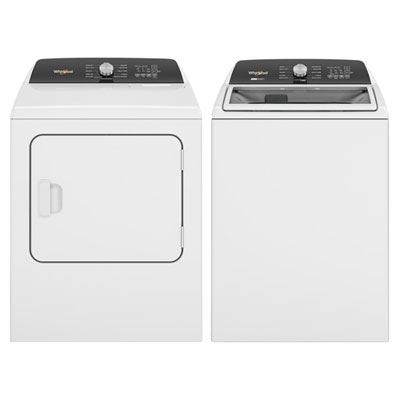 Your price for this item is $1799.98
-
 Your price for this item is $1999.98
-
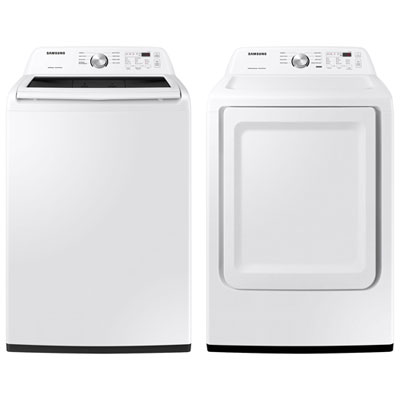 Your price for this item is $1499.98
-
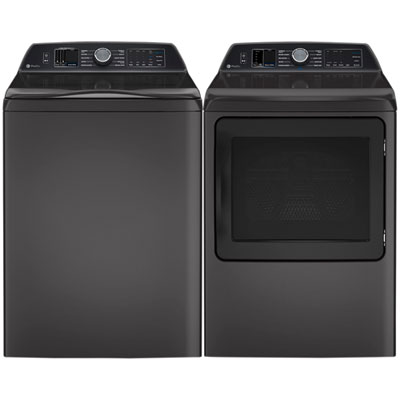 Your price for this item is $2249.98
-
 Your price for this item is $1599.98
-
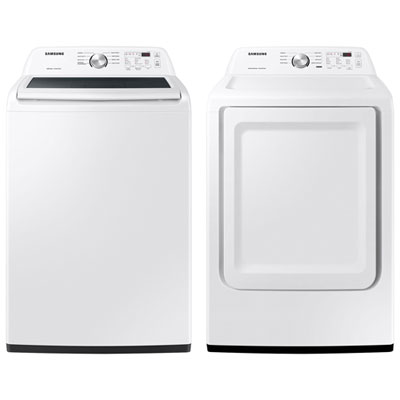 Your price for this item is $1495.98
-
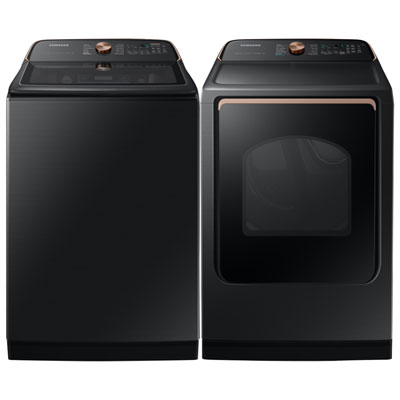 Your price for this item is $2595.98
-
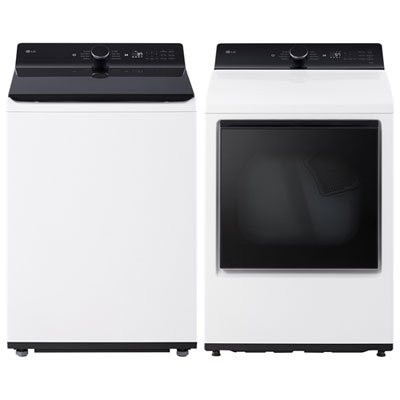 Your price for this item is $1999.98
Discover more categories related to LG Washer Combos
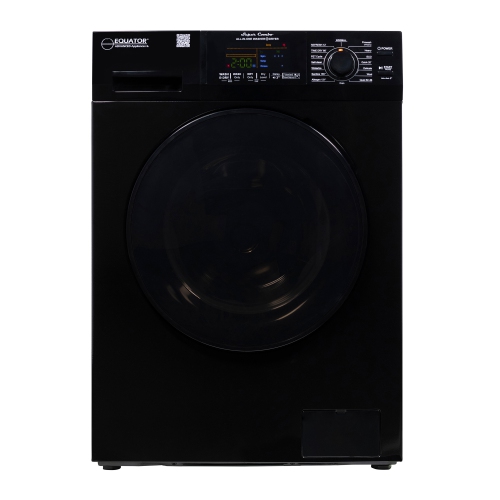
Top Collections:
Best Black Friday Deals This Year, Best Black Friday Deals On Electronics, Kindle Devices, Pokemon Centers, Best Black Friday Deals On Apple Products, Best Cameras for Sports Photography, Dyson Airwrap, Pokémon 30th Celebration Cards, Apple iPhone 17 Pro, Canon G7X Cameras
Some products may be subject to Environmental Handling Fees
(EHF) depending on your province.
Learn more about EHFs.