Low Profile OTR Microwaves
If you're looking for a new microwave, but don't want to sacrifice counter space or the view from your kitchen window, consider an over-the-range model. These microwaves are designed to fit into an existing cabinet or under a countertop, and they often come with special features that make them more convenient than standard microwaves. Many of these models also have a low profile, meaning they are shorter and less obtrusive.
Sort
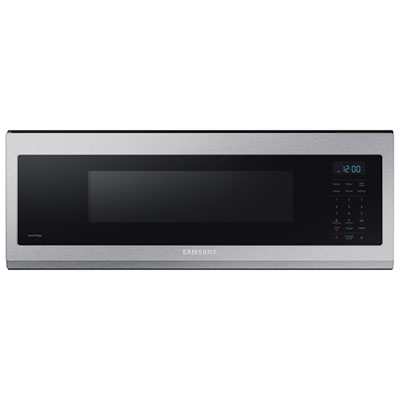
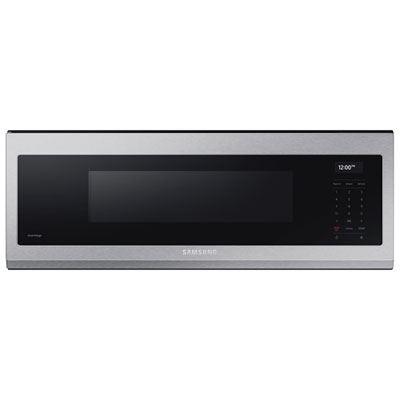
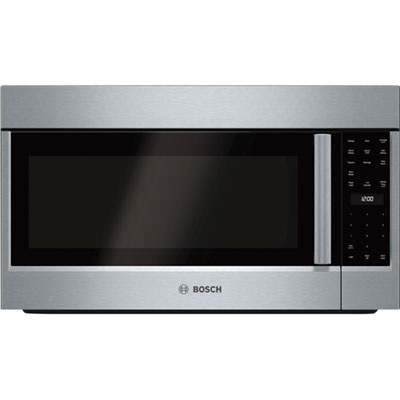
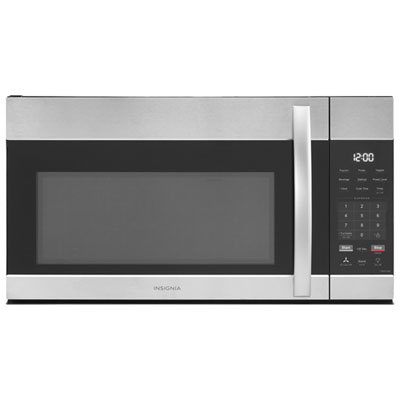
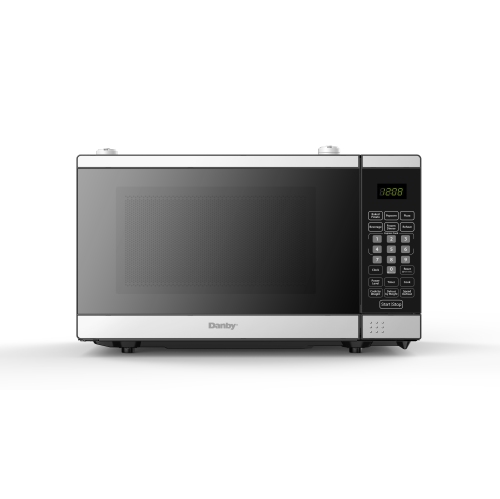
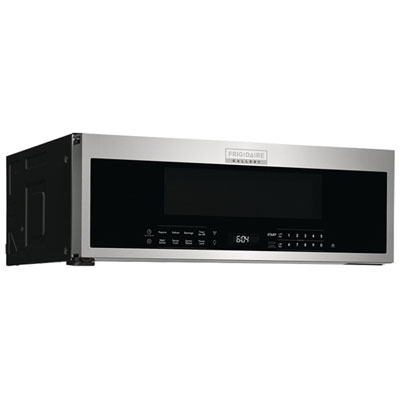
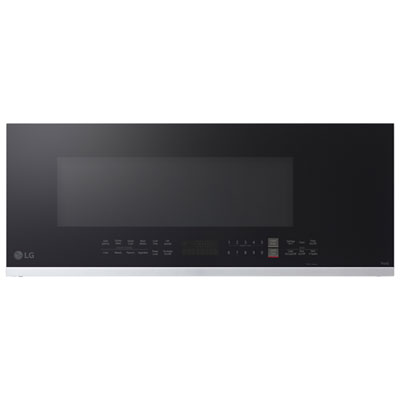
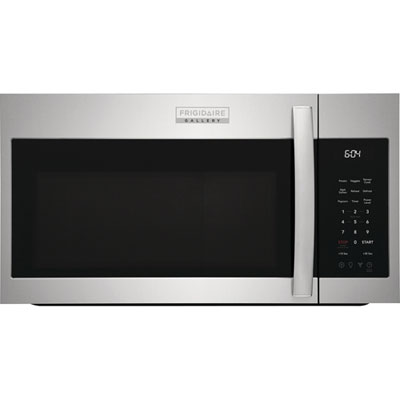
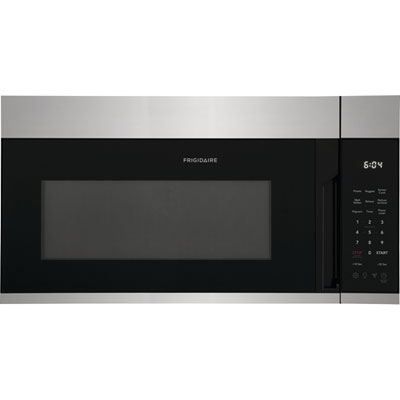
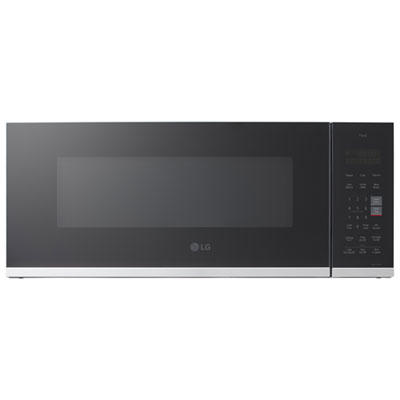
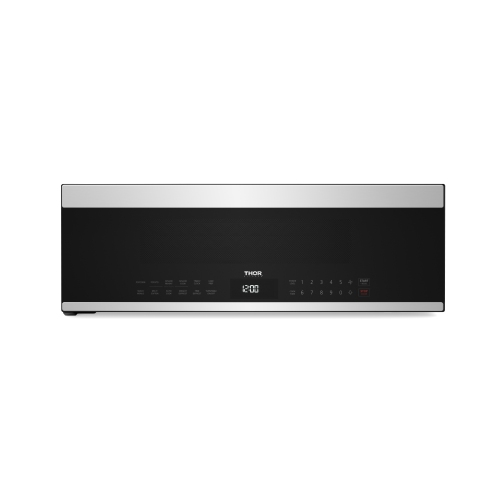
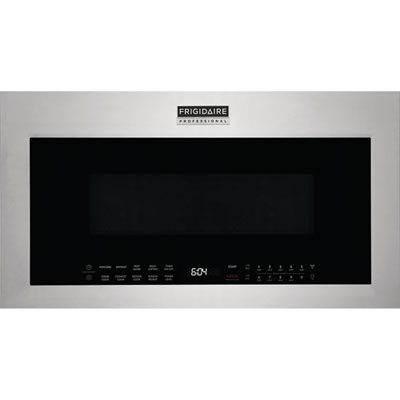
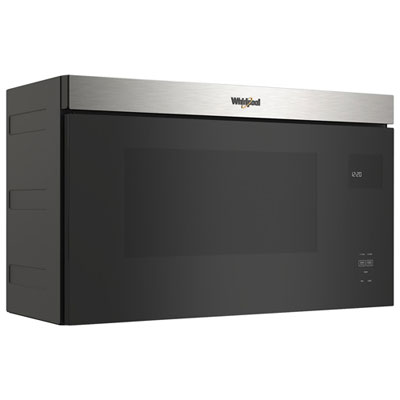
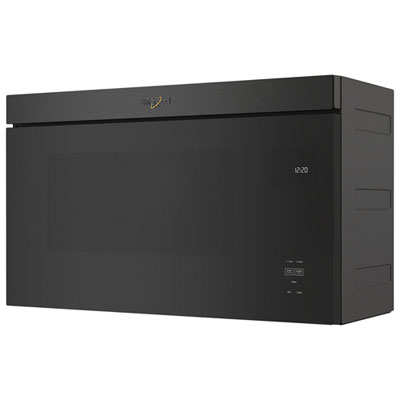
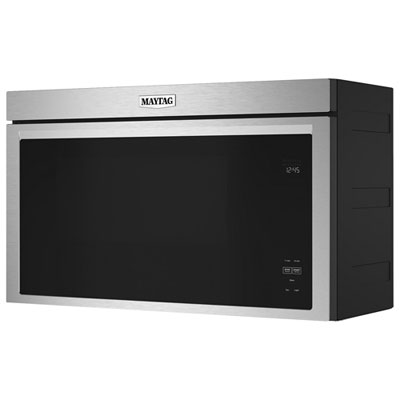
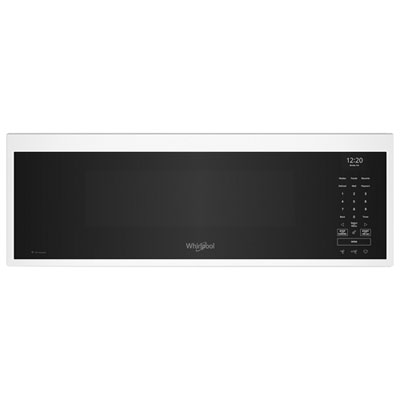
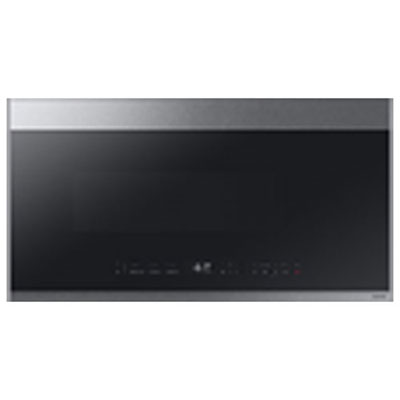
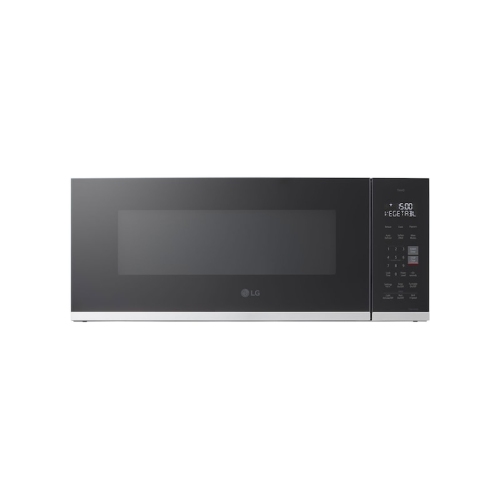
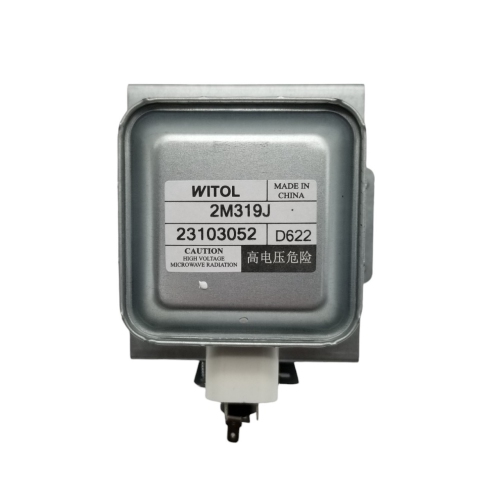
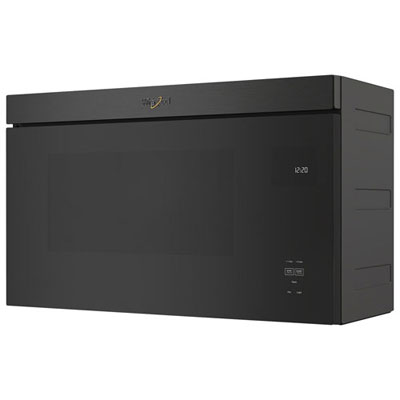
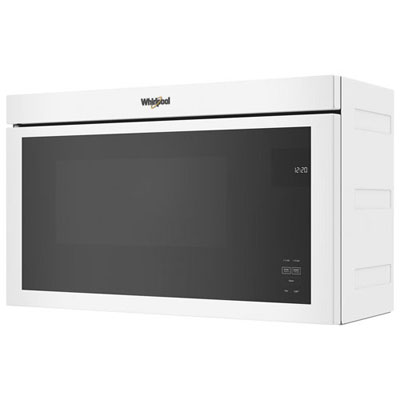
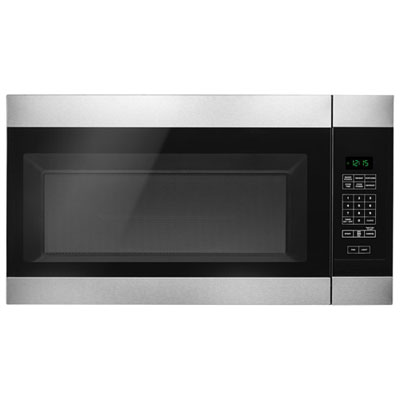
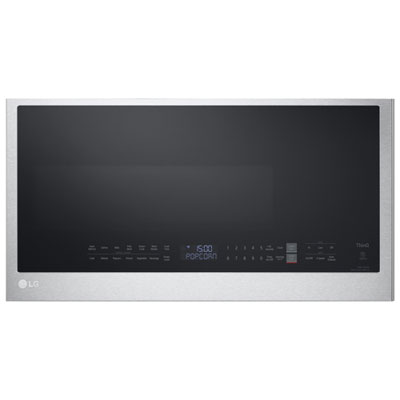
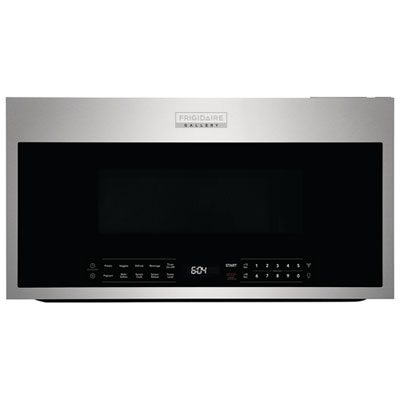
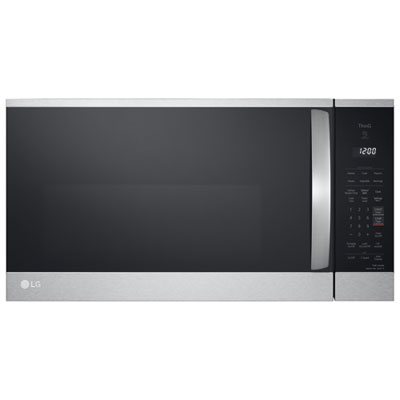
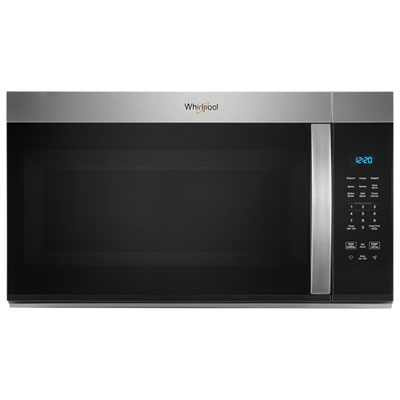
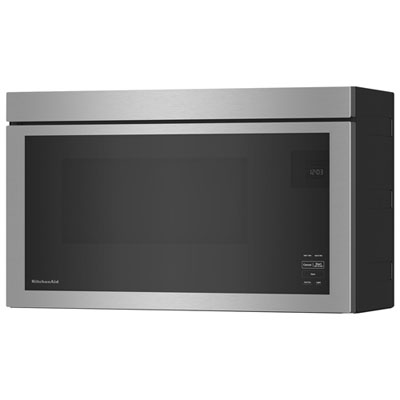

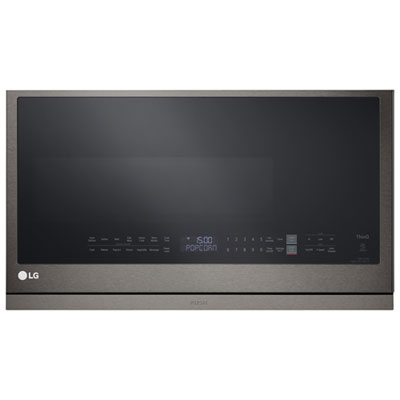
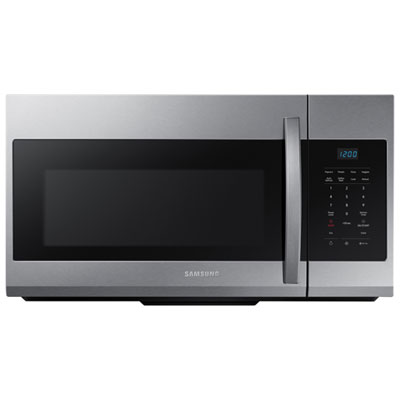
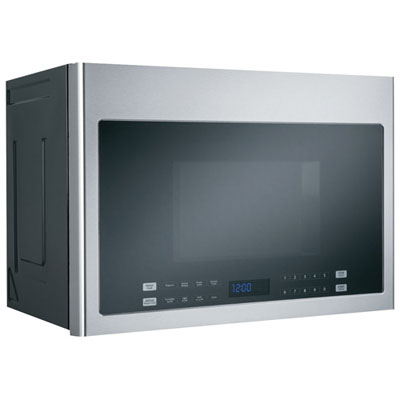
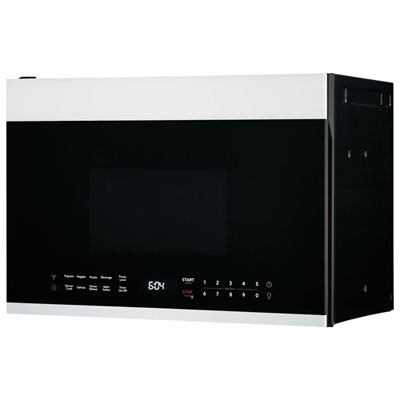
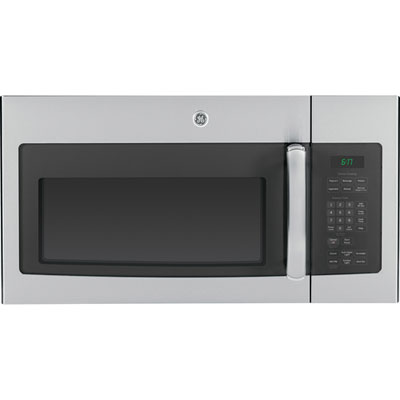
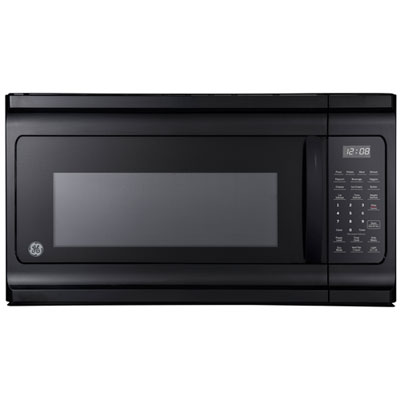
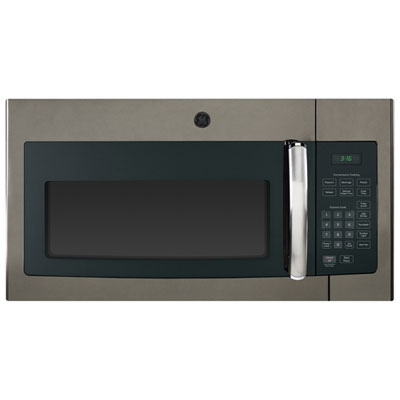
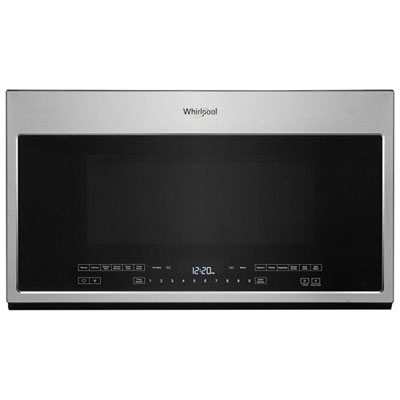

Smart cooking and ventilation for kitchens short on space
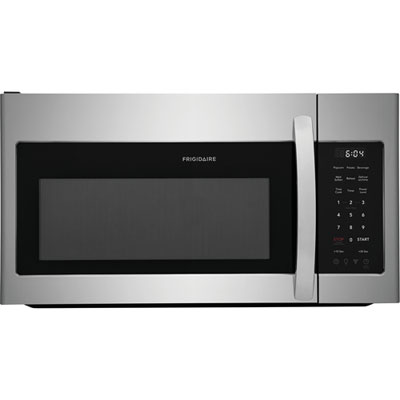
Low profile OTR microwaves, also called low profile over-the-range microwaves, combine two useful kitchen appliances in one streamlined design: a microwave oven and a range hood. Their shorter height is intended for installations where a standard over-the-range microwave may feel bulky or reduce the open sightline above the cooktop. Most low profile models measure approximately 7 to 11 inches high, compared with roughly 15 to 17 inches for many traditional over-the-range microwaves. That difference can make a noticeable change in a compact kitchen, especially above a back burner where extra clearance helps when stirring a tall pot or lifting a casserole from the oven. These appliances are generally designed with a cooking capacity of around 1.1 to 1.2 cubic feet, providing room for everyday dishes such as bowls, mugs, plates, covered containers, and many standard dinner plates while preserving more room above the range. They are a practical fit for condominium kitchens, apartments, galley-style layouts, secondary kitchens, and renovations where counter space is limited. By moving the microwave from the countertop to the wall above the cooktop, they leave more workspace available for food preparation, small appliances, or serving dishes. Low profile OTR microwaves can also be a useful choice for homeowners updating an older kitchen, buyers furnishing a first home, or anyone looking for a cleaner arrangement without giving up convenient microwave access.
Ventilation is one of the most important features to compare when choosing among low profile OTR microwaves. In addition to reheating and cooking food, the built-in hood helps capture steam, smoke, cooking odours, and airborne grease from the cooktop. Depending on the model and installation, ventilation performance may range from approximately 400 to 550 CFM, although specifications can vary. A higher CFM rating may be helpful for frequent stovetop cooking, searing, frying, or preparing foods that produce more heat and vapour. Before selecting an appliance, check whether your kitchen is set up for ducted ventilation that exhausts outdoors or recirculating ventilation that filters air and returns it to the room. Ducted installation can require compatible ductwork, an exterior vent opening, and the correct configuration for the direction of airflow, while recirculating installation may be more suitable where outdoor venting is not available. The microwave’s width should also match the space above the range, and the installation area must provide enough clearance for the cooktop, cabinets, electrical connection, and door movement. Measuring the available width, height, and depth before shopping can help avoid surprises, particularly in kitchens with low cabinets, shallow cabinetry, decorative trim, or an unusually positioned range. It is also worth checking the required mounting hardware and installation instructions, since wall construction and cabinet placement can affect how securely the appliance is fitted. For additional options that combine microwave cooking with range hood functionality, browse Low Profile Microwave Range Hoods.
Cooking features can make a low profile OTR microwave easier to use throughout the day. Sensor cooking programs can monitor moisture and automatically adjust cooking time, which is convenient for reheating leftovers without repeatedly stopping to check whether the centre is warm. Preset buttons may simplify common tasks such as melting, softening, defrosting, reheating, or preparing popcorn, while multi-stage cooking can move from defrosting to cooking without requiring separate programming. Look at the wattage as well as the control layout; higher cooking power can shorten heating times, while clearly labelled controls and an easy-to-read display are helpful when preparing food with wet hands or in a busy kitchen. Interior lighting, a turntable or alternative cooking tray, removable filters, and a bright cooktop light can also contribute to daily convenience. Since these microwaves have a shallower profile, it is important to consider what you normally heat. They are well suited to lunches, leftovers, vegetables, beverages, frozen meals, and many everyday plates, but the shorter cabinet may not accommodate very tall containers, oversized casserole dishes, or unusually large serving platters. Families that regularly cook substantial batches may want to compare interior dimensions rather than relying only on cubic-foot capacity. Low profile OTR microwaves can be especially useful for households that value an uncluttered countertop, cooks who want better visibility above the range, and new homeowners setting up a functional kitchen with limited space. During the warmer and cooler parts of the year alike, the combination of quick microwave cooking and integrated ventilation can support everything from reheating a light lunch to managing a full stovetop meal, all while keeping frequently used appliances within easy reach.
Ventilation is one of the most important features to compare when choosing among low profile OTR microwaves. In addition to reheating and cooking food, the built-in hood helps capture steam, smoke, cooking odours, and airborne grease from the cooktop. Depending on the model and installation, ventilation performance may range from approximately 400 to 550 CFM, although specifications can vary. A higher CFM rating may be helpful for frequent stovetop cooking, searing, frying, or preparing foods that produce more heat and vapour. Before selecting an appliance, check whether your kitchen is set up for ducted ventilation that exhausts outdoors or recirculating ventilation that filters air and returns it to the room. Ducted installation can require compatible ductwork, an exterior vent opening, and the correct configuration for the direction of airflow, while recirculating installation may be more suitable where outdoor venting is not available. The microwave’s width should also match the space above the range, and the installation area must provide enough clearance for the cooktop, cabinets, electrical connection, and door movement. Measuring the available width, height, and depth before shopping can help avoid surprises, particularly in kitchens with low cabinets, shallow cabinetry, decorative trim, or an unusually positioned range. It is also worth checking the required mounting hardware and installation instructions, since wall construction and cabinet placement can affect how securely the appliance is fitted. For additional options that combine microwave cooking with range hood functionality, browse Low Profile Microwave Range Hoods.
Cooking features can make a low profile OTR microwave easier to use throughout the day. Sensor cooking programs can monitor moisture and automatically adjust cooking time, which is convenient for reheating leftovers without repeatedly stopping to check whether the centre is warm. Preset buttons may simplify common tasks such as melting, softening, defrosting, reheating, or preparing popcorn, while multi-stage cooking can move from defrosting to cooking without requiring separate programming. Look at the wattage as well as the control layout; higher cooking power can shorten heating times, while clearly labelled controls and an easy-to-read display are helpful when preparing food with wet hands or in a busy kitchen. Interior lighting, a turntable or alternative cooking tray, removable filters, and a bright cooktop light can also contribute to daily convenience. Since these microwaves have a shallower profile, it is important to consider what you normally heat. They are well suited to lunches, leftovers, vegetables, beverages, frozen meals, and many everyday plates, but the shorter cabinet may not accommodate very tall containers, oversized casserole dishes, or unusually large serving platters. Families that regularly cook substantial batches may want to compare interior dimensions rather than relying only on cubic-foot capacity. Low profile OTR microwaves can be especially useful for households that value an uncluttered countertop, cooks who want better visibility above the range, and new homeowners setting up a functional kitchen with limited space. During the warmer and cooler parts of the year alike, the combination of quick microwave cooking and integrated ventilation can support everything from reheating a light lunch to managing a full stovetop meal, all while keeping frequently used appliances within easy reach.
Top selling and popular products
-
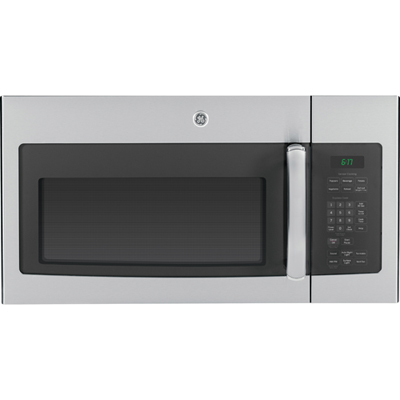 Your price for this item is $399.99
 -
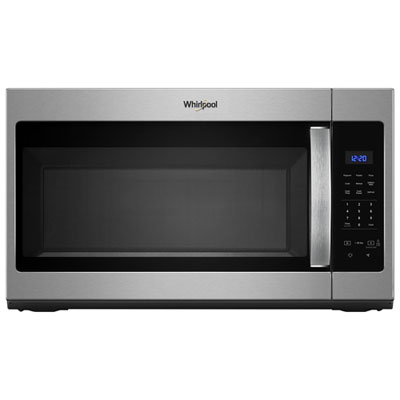 Your price for this item is $349.97
 -
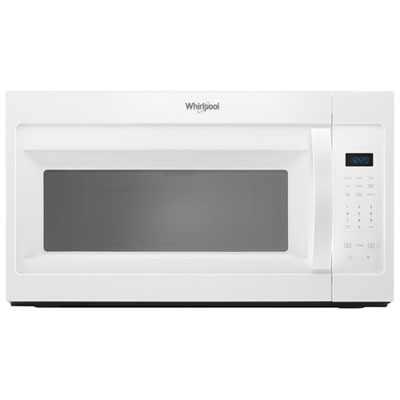 Your price for this item is $329.99
 -
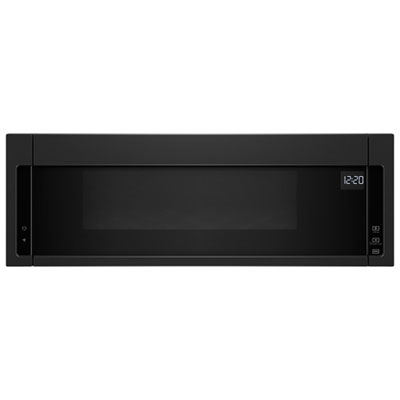 Your price for this item is $549.99
 -
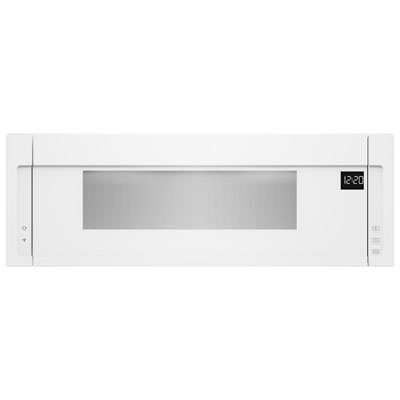 Your price for this item is $549.99
 -
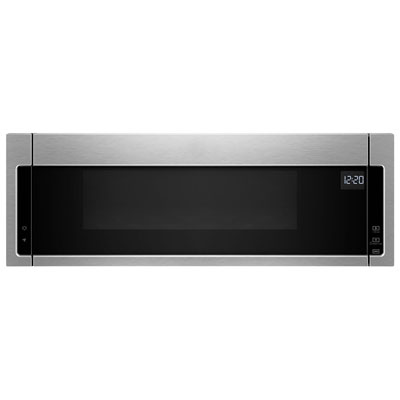 Your price for this item is $499.99
 -
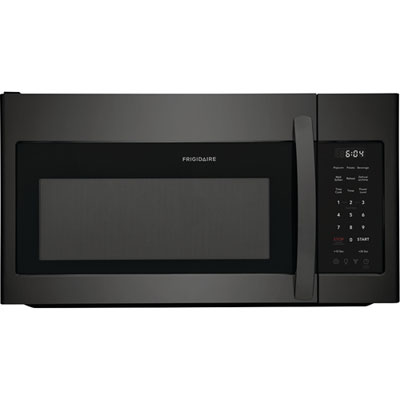 Your price for this item is $499.99
 -
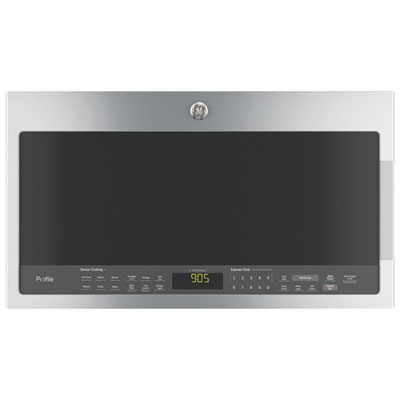 Your price for this item is $749.99
Discover more categories related to Low Profile OTR Microwaves

Top Collections:
Pokemon Centers, Kindle Devices, Best Budget Office Chairs, Apple iPhones 16, Best Laptops for Writers, iPhone 15 Apple, Canon G7X Cameras, Refurbished Apple Laptops, Alarm Clock, Motorola Razr Phones
Some products may be subject to Environmental Handling Fees
(EHF) depending on your province.
Learn more about EHFs.