Low Profile Microwave Range Hoods
Upgrade your kitchen with a sleek and efficient low profile microwave range hood. Designed to save space while providing powerful ventilation and convenient cooking capabilities, these innovative appliances are the perfect addition to any modern kitchen. With their compact design and versatile functionality, low profile microwave range hoods are an ideal choice for those looking to maximize both style and practicality in their cooking space. Whether you're whipping up a quick meal or hosting a dinner party, these cutting-edge appliances will help you create culinary masterpieces while keeping your kitchen fresh and free from unwanted odors. Explore our wide selection of low profile microwave range hoods and elevate your cooking experience today.
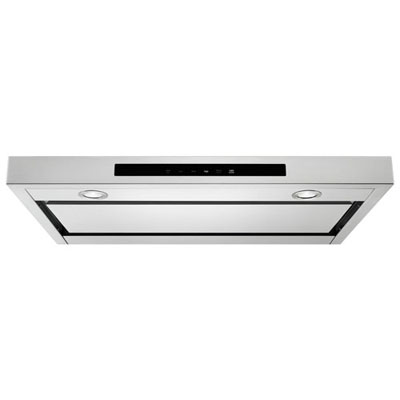
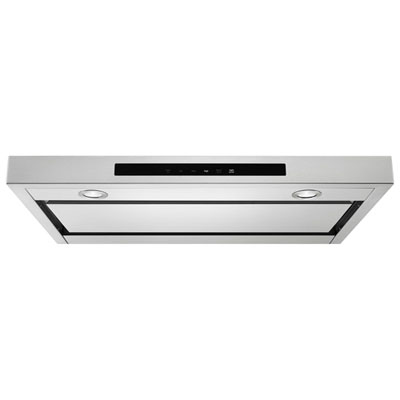
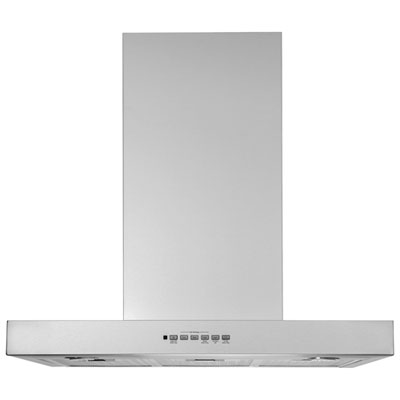

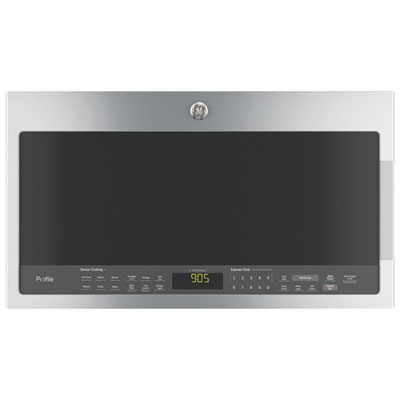
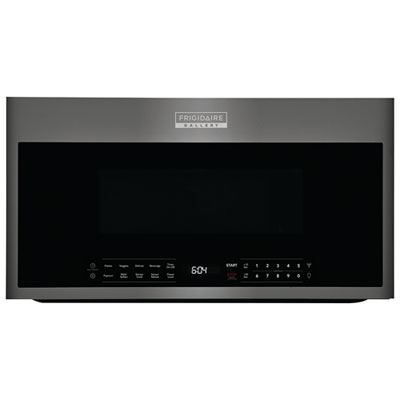
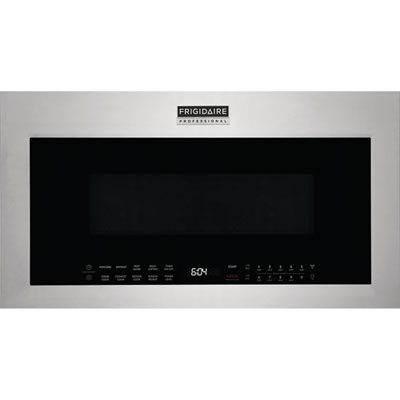
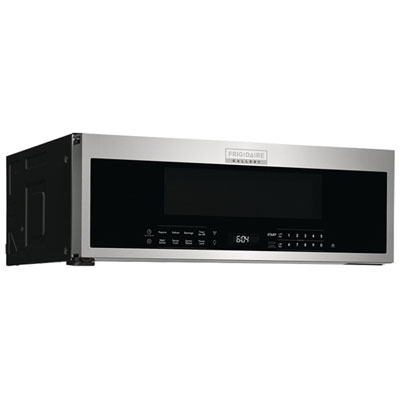
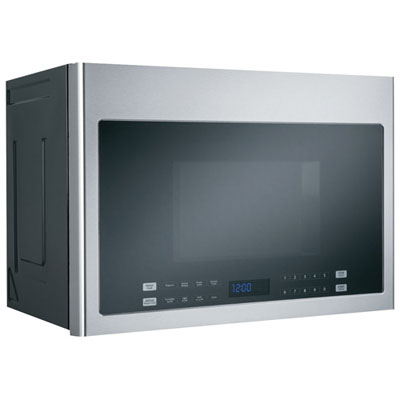
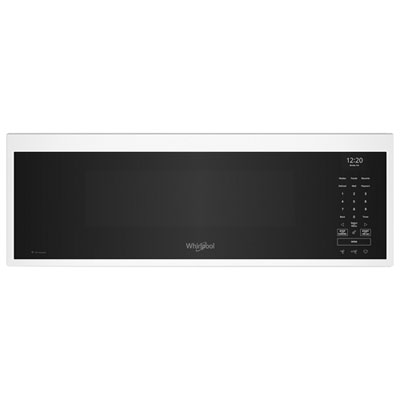
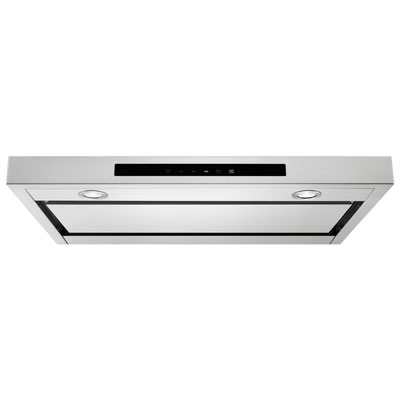
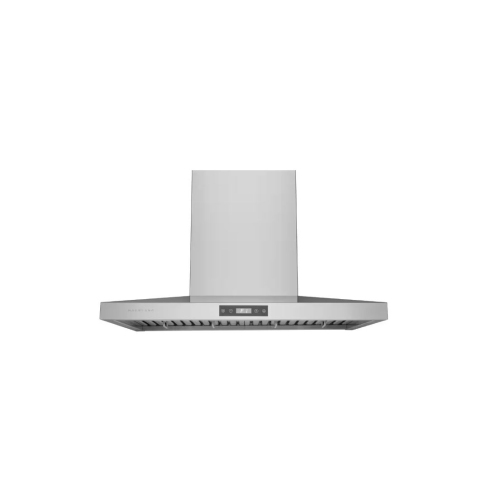
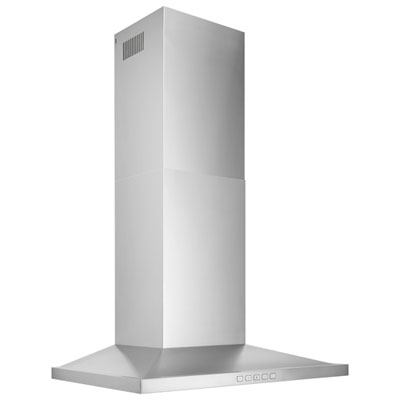
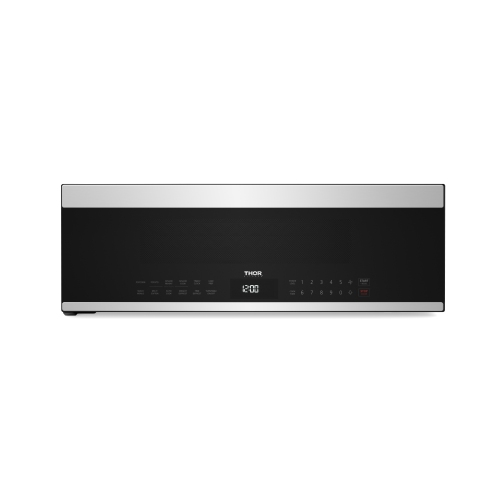
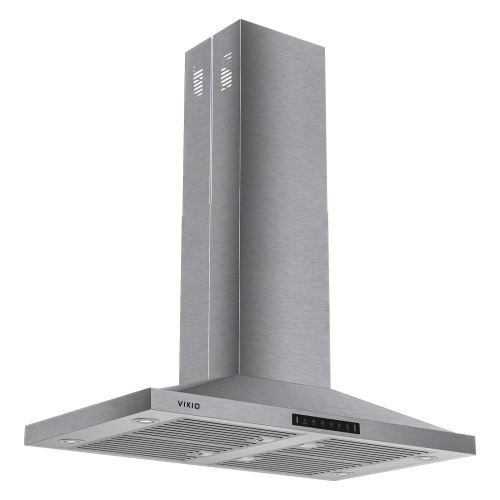
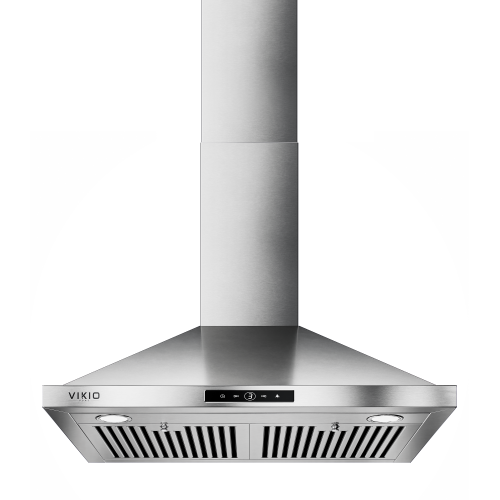
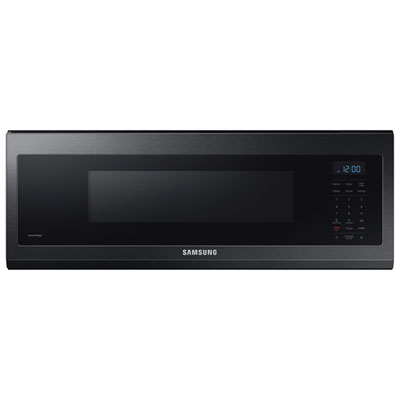
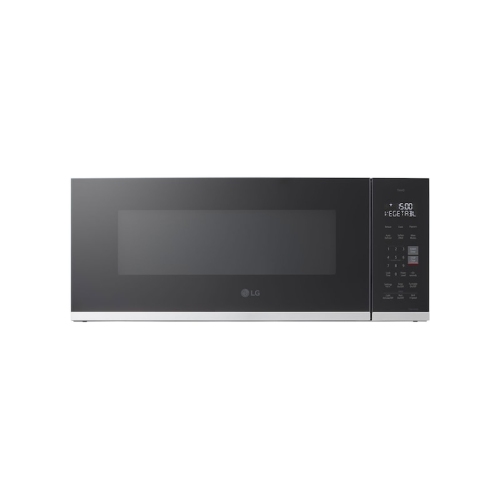
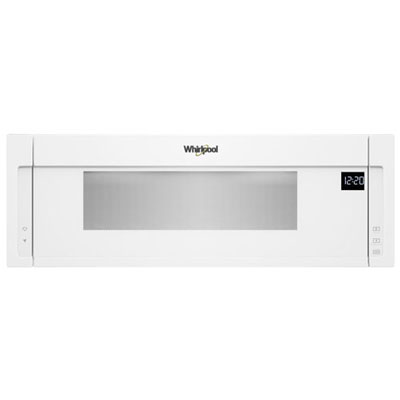
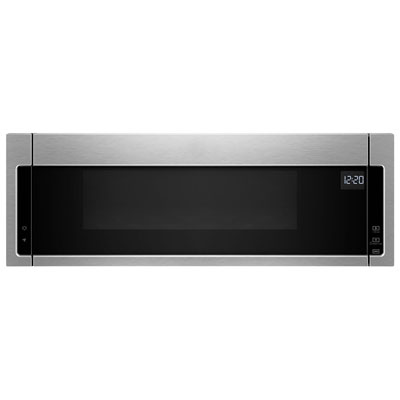
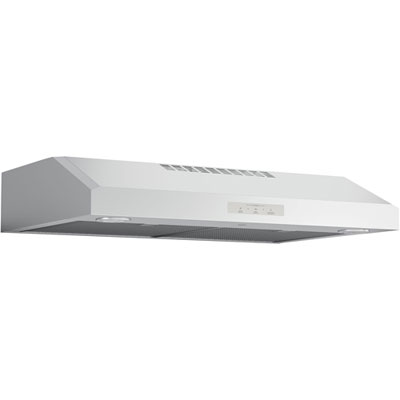
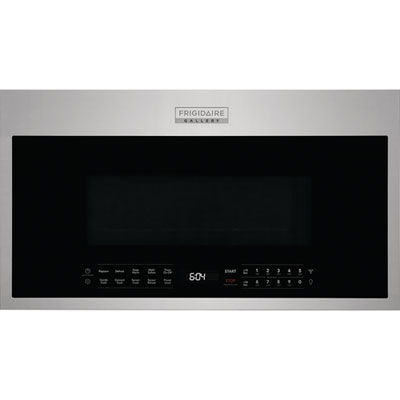
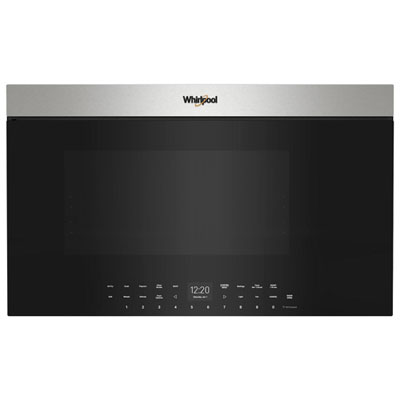
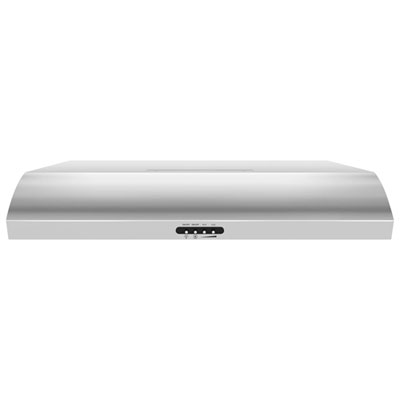
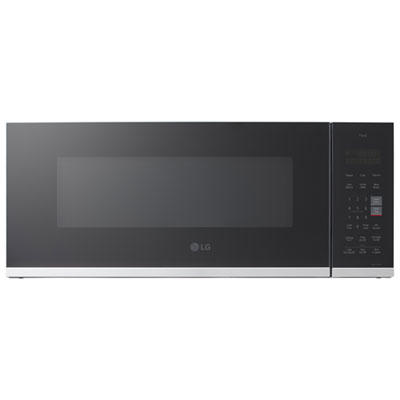
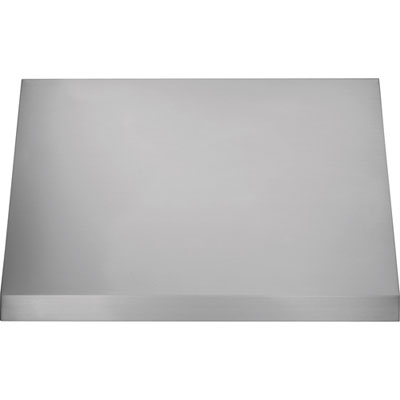
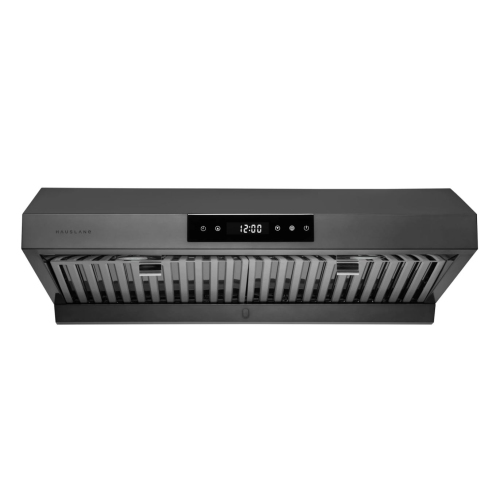
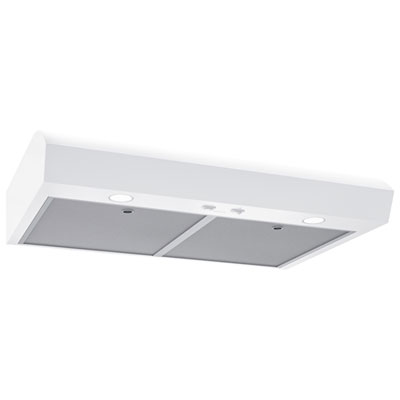
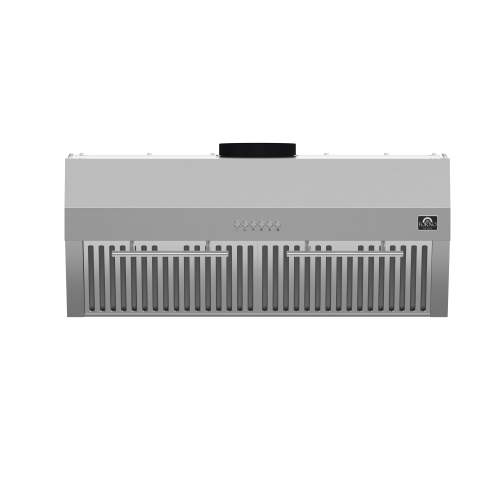
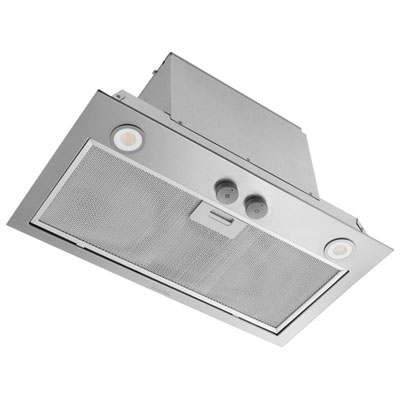
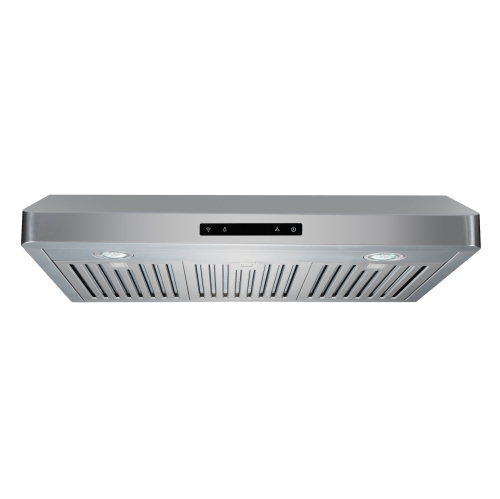

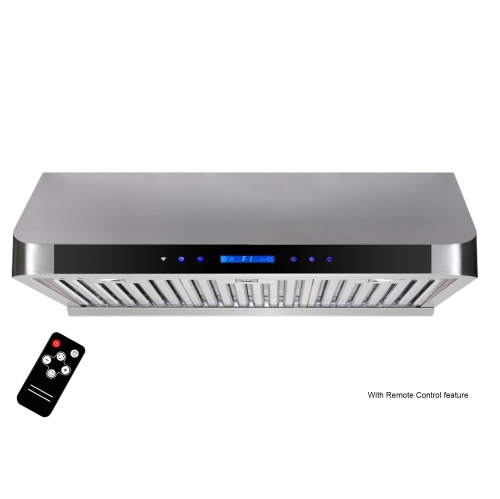
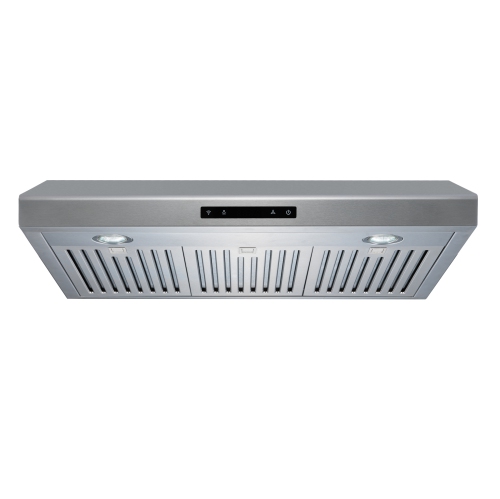
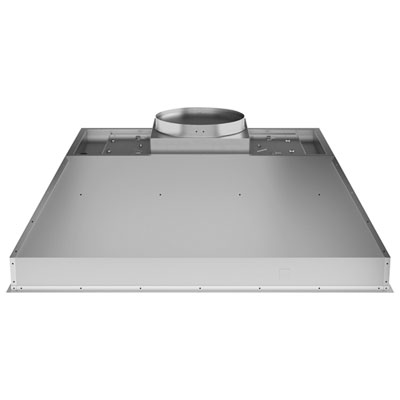
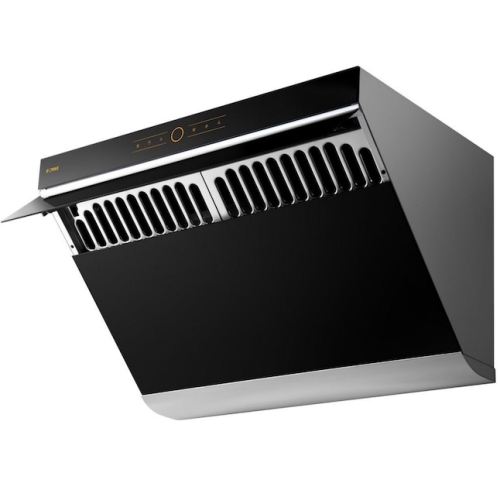
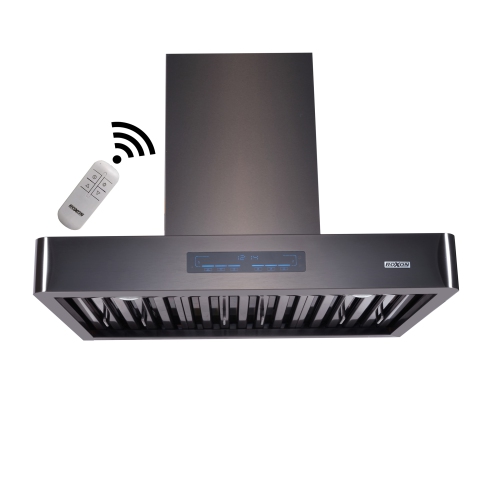
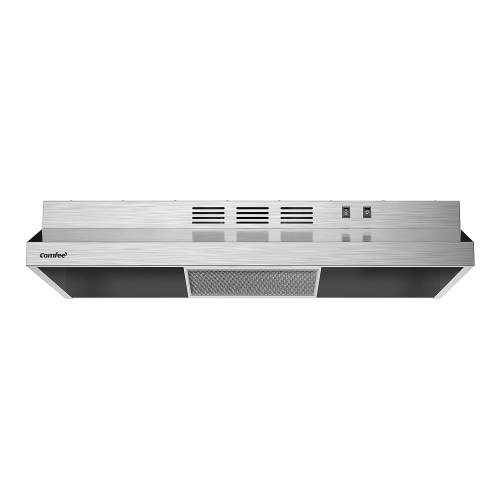
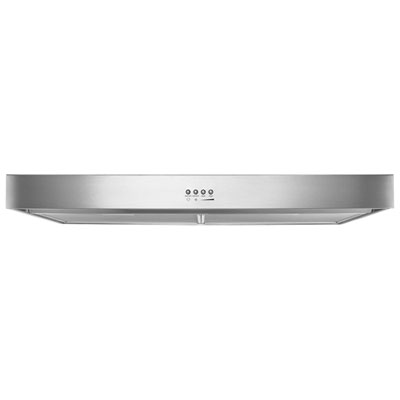
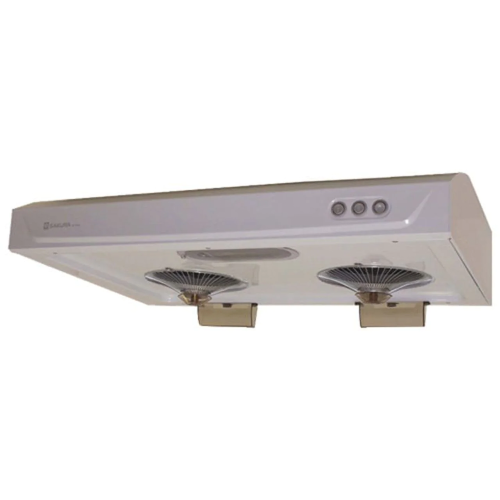

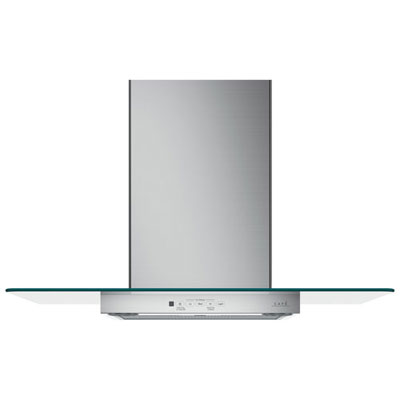
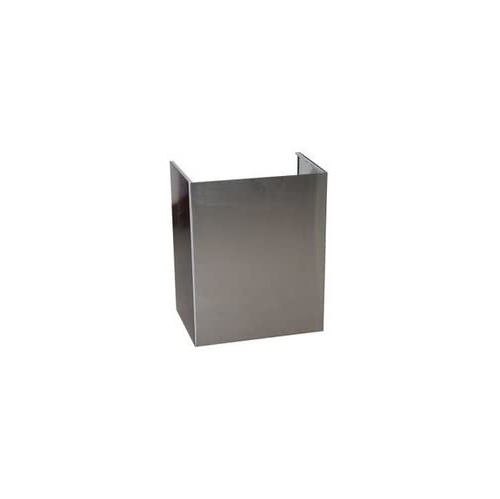
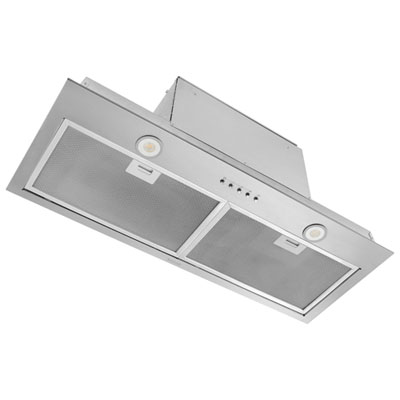
Compact ventilation and microwave features for smaller kitchens
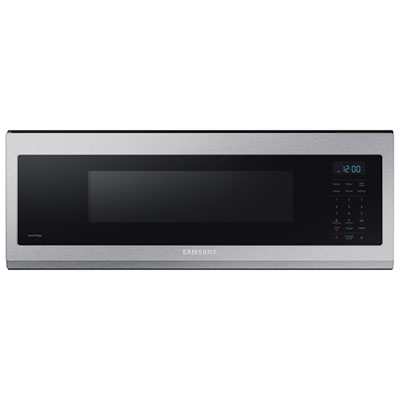
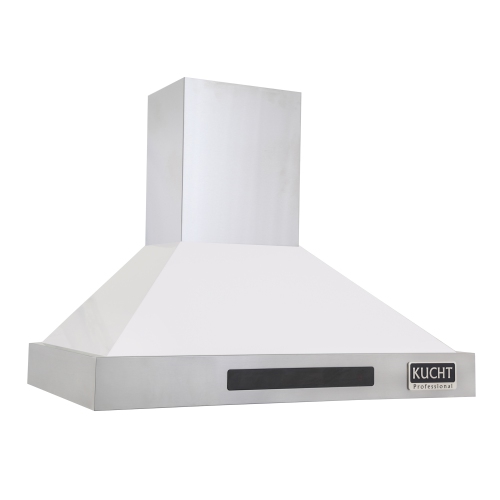
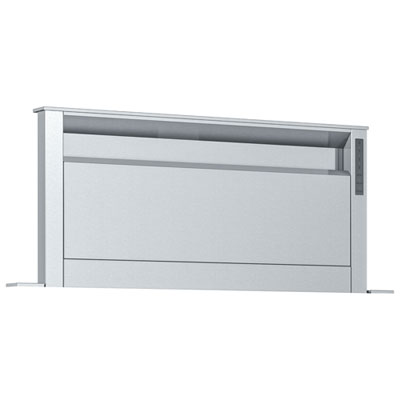
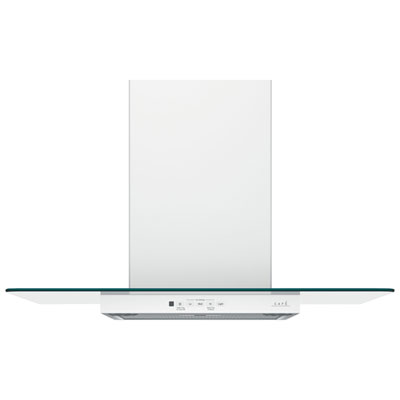
Ventilation is one of the most important features to compare because a microwave range hood needs to suit both your kitchen layout and your cooking habits. Some models can connect to an exterior duct, while others recirculate filtered air back into the room. Ducted installation can be useful for moving cooking fumes and moisture outdoors, but it depends on existing ductwork, the direction of the vent, and the structure of the home. Recirculating installation may be more convenient in a condo or a kitchen without an exterior vent, although it relies on filters that need to be cleaned or replaced according to the manufacturer’s instructions. Airflow is often listed in cubic feet per minute, or CFM; low profile models may offer roughly 300 to 400 CFM, which can be suitable for everyday reheating, boiling, baking, and light-to-moderate stovetop cooking. If your routine includes frequent deep frying, searing, wok cooking, or high-heat meals that create substantial smoke and grease, compare the ventilation specifications closely and consider whether the performance is appropriate for that workload. A dedicated range hood may provide stronger extraction for intensive cooking, while a low profile microwave range hood offers the advantage of combining ventilation and microwave functions in one footprint. Think about the foods you prepare most often: steaming vegetables and warming soup place different demands on ventilation than frying bacon or browning meat in a cast-iron pan. Look for washable or easy-to-access grease filters, multiple fan speeds, and controls that are simple to reach without leaning over hot cookware. Cooktop lighting is another practical detail, with LED or halogen lights helping illuminate the burners and surrounding counter. Features such as sensor cooking, preset reheating programs, a turntable, adjustable cooking times, and a clear interior light can make daily use more convenient. Noise levels may also matter in an open-concept kitchen, especially when the microwave hood is used while people are talking, watching television, or helping children with homework nearby.
Capacity should be considered alongside the appliance’s exterior height. Low profile microwave range hoods are intentionally compact, so their interior capacity is usually smaller than that of full-size over-the-range microwaves. A cavity of about 1.1 cubic feet can typically accommodate standard dinner plates, bowls, microwave-safe containers, and many tall glasses, but it may not leave enough room for bulky casserole dishes, oversized serving platters, or large cookware. Measure the dishes you use most often, including the height of reusable containers and the diameter of your everyday plates, before making a decision. It is also worth checking the door swing, control placement, interior rack or turntable dimensions, and whether the microwave allows enough clearance for containers with lids. For households that mainly reheat leftovers, cook frozen meals, melt ingredients, prepare popcorn, or warm drinks, a compact cavity can provide ample room without taking over the kitchen. Families that regularly prepare large portions may prefer to compare capacity more closely or use a separate countertop microwave alongside a dedicated hood. Installation requirements deserve equal attention. These appliances are heavier and more involved to install than a countertop microwave, and the ventilation setup, mounting hardware, cabinet strength, and electrical connection should all be assessed in advance. Professional installation can help ensure the unit is securely mounted and properly vented, particularly when ductwork needs to be adapted. With the right measurements and setup, a low profile microwave range hood can support efficient meal preparation while preserving valuable counter space. Shoppers who need a compact microwave with a similar space-conscious design can also browse Small Over-the-Range Microwaves to compare available formats and features. During the warmer season, the built-in fan and lighting can make quick meals and outdoor-entertaining preparation easier, while during the cooler months, the microwave provides a convenient way to warm leftovers, defrost ingredients, and keep frequently used counter space clear.
Top selling and popular products
-
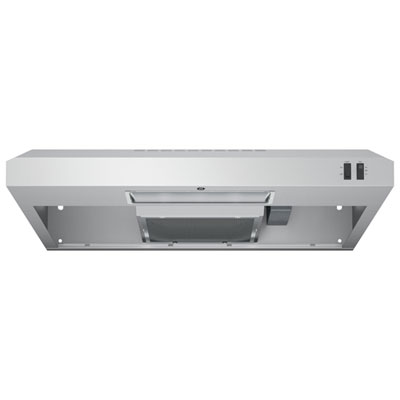 Your price for this item is $249.99
 -
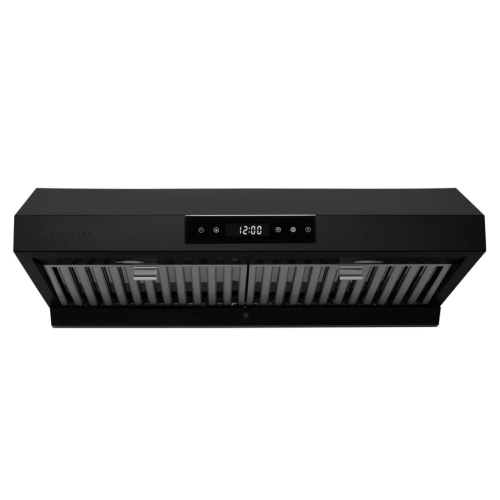 Your price for this item is $598.49
 -
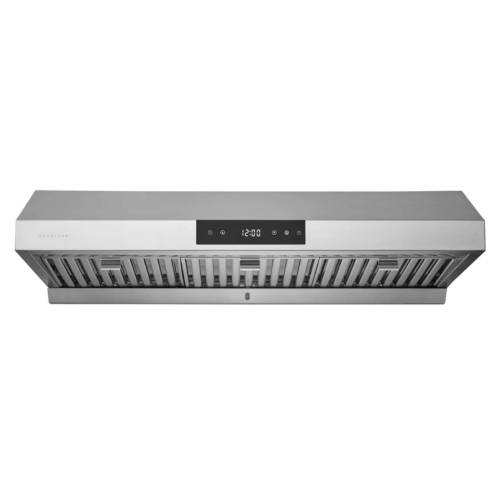 Your price for this item is $645.99
 -
 Your price for this item is $645.99
 -
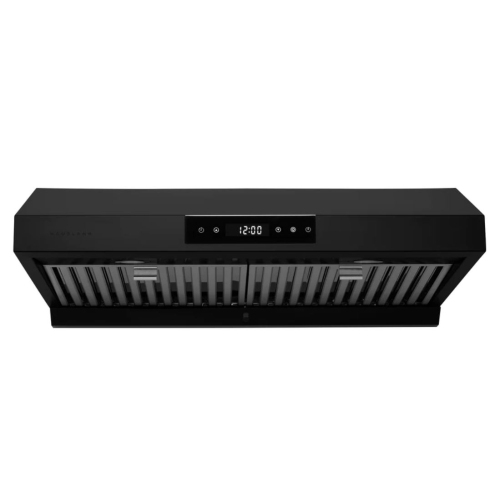 Your price for this item is $645.99
 -
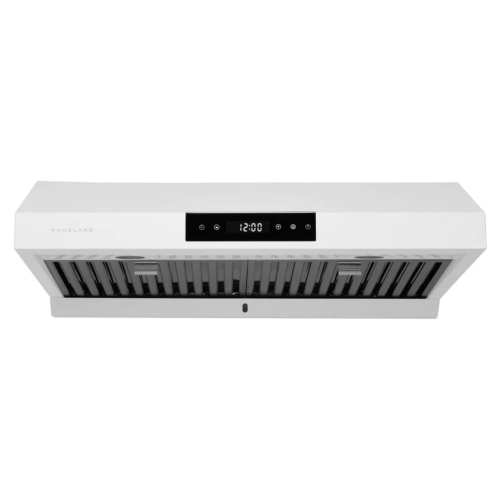 Your price for this item is $598.49
 -
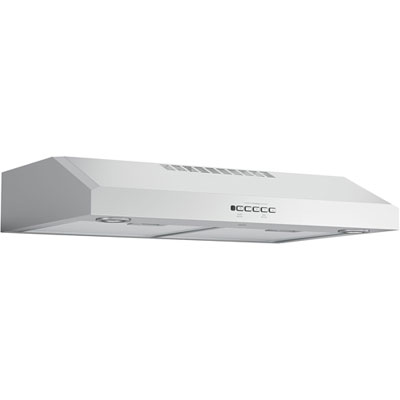 Your price for this item is $449.99
 -
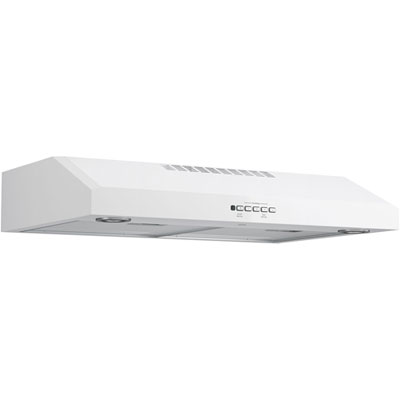 Your price for this item is $399.99