Maytag Stoves
Upgrade your kitchen with a Maytag Stove, designed to bring style and reliability to your cooking space. Whether you’re preparing everyday meals or hosting family gatherings, these stoves offer the performance you need for any culinary task. Explore a variety of options to find the perfect fit for your home and enjoy a seamless cooking experience with a Maytag Stove at the heart of your kitchen.
Sort



How cooktop layout and oven space shape daily cooking
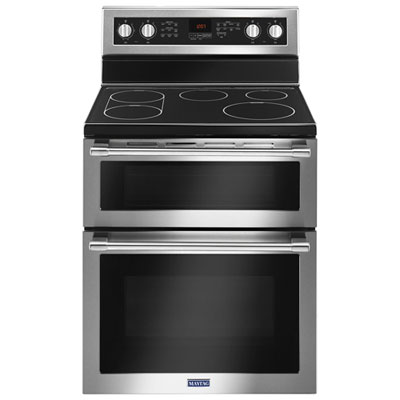
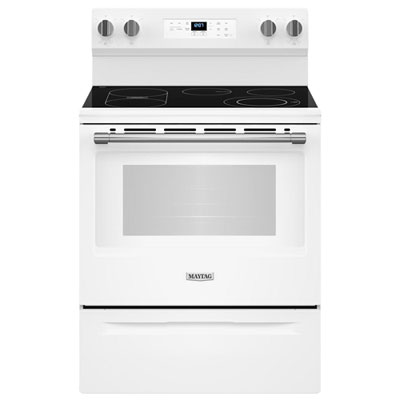
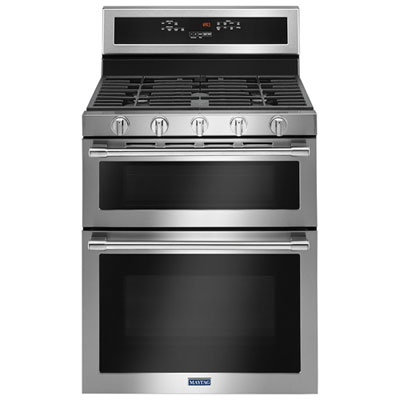
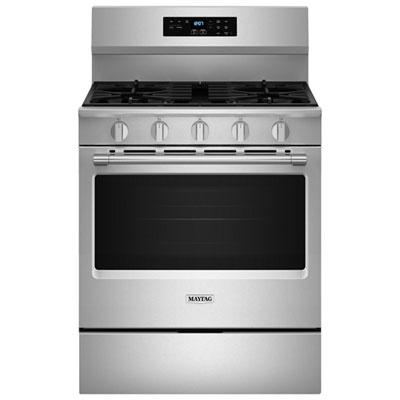
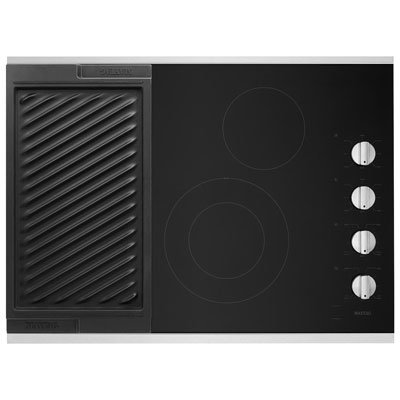
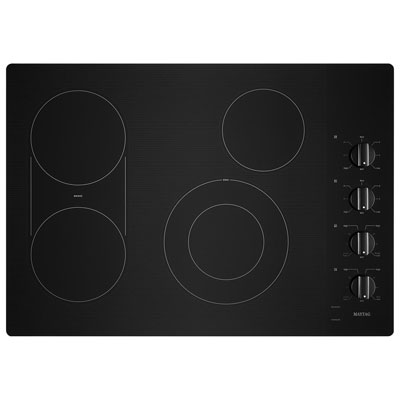
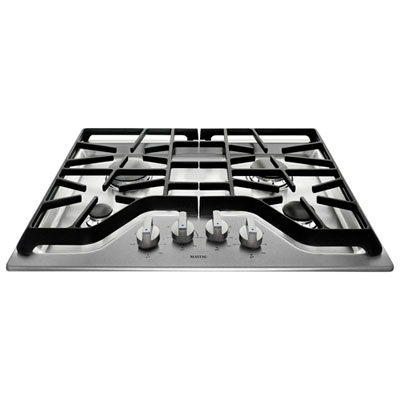
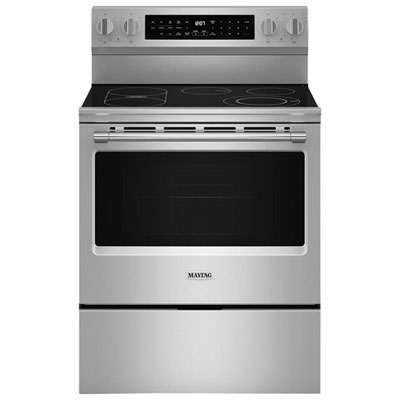
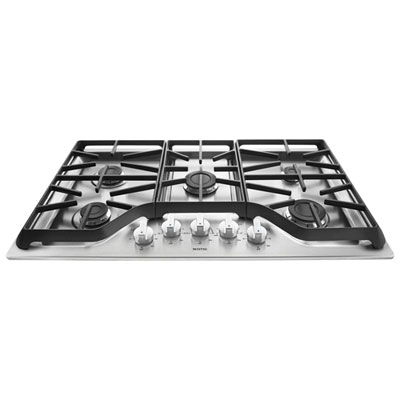
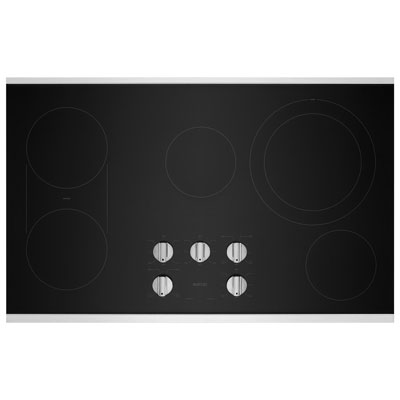
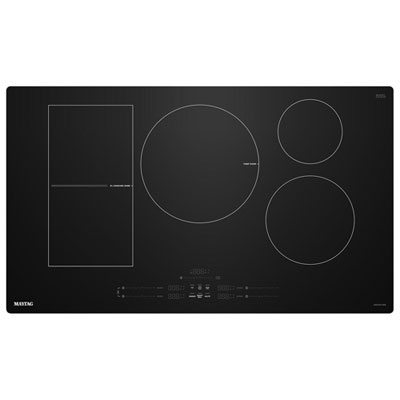
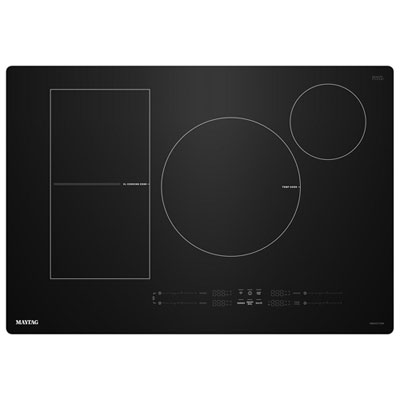
A stove brings the cooktop and oven together in one appliance, making it a centre for everything from a quick breakfast to a full family dinner. Often called a range, it supports several cooking tasks at once: pasta can boil on the surface while vegetables roast below, or a sauce can simmer while a casserole finishes baking. The most useful differences between ranges are their fuel type, cooktop layout, oven capacity, cooking modes, and installation requirements. For households comparing electric cooking options, Maytag Electric Ranges offers a more focused starting point. Electric ranges use powered heating elements in the oven and on the cooking surface, while gas ranges use burners that require a compatible gas connection. A smooth radiant electric cooktop provides a continuous surface around its cooking zones, with element sizes that may suit anything from a small saucepan to a broad sauté pan. Expandable elements, where included, let the heated area better match the base of the cookware. A warming zone serves a different purpose from a full cooking element: it can help hold prepared food while another part of the meal finishes, rather than bring a large pot to a boil. Burner or element placement also affects daily comfort. Two large pans need enough room to sit securely without their handles crowding each other, and frequently used controls should be easy to see and reach. Someone cooking mostly for one or two people may value a straightforward layout and responsive controls, while a busy household may place greater importance on having several usable cooking zones. The best fit comes from matching those everyday routines to the appliance’s actual specifications, rather than treating every extra setting as equally useful. Clear displays, readable markings, and an oven window that makes food easy to check can be just as valuable as a longer list of cooking functions.
Oven features matter most when they support the meals prepared regularly. Conventional baking uses heat from oven elements, while convection adds a fan to circulate heated air through the cavity. Depending on the oven design and recipe, convection can help with browning and multi-rack cooking, although cooking times, temperatures, and rack positions may need adjustment. Air fry settings, when included, use moving hot air to encourage crisp surfaces; food spacing, tray choice, and the amount of food in the oven still influence the result. A crowded tray of breaded vegetables will behave differently from a single layer with room for air to pass around each piece. Some cooking modes are designed to work without a separate preheating step, but that does not mean every recipe or oven setting can skip preheating. Baking bread, pastries, or a carefully timed cake still calls for following the recipe and the appliance instructions. Oven capacity is commonly expressed in cubic feet, yet the usable space deserves equal attention. A wide roasting pan needs clearance around its sides, a tall covered dish needs room beneath the rack above it, and several baking sheets require suitable rack positions. For people who batch-cook lunches or prepare several dishes for a gathering, the arrangement of that space can matter as much as the stated volume. A broil setting is useful for browning a casserole topping or finishing an open-faced sandwich, but food needs close attention beneath intense upper heat. Interior lighting and a clear viewing window help limit unnecessary door opening during baking. Storage beneath the oven can also be practical, although a lower drawer should only be used for the purpose specified by the manufacturer; a storage drawer is not automatically a warming drawer. These distinctions make it easier to compare cooking features in terms of real kitchen habits, from reheating a prepared dish to managing several components of a shared meal.
Physical fit, materials, and care have a lasting effect on how comfortably a stove works in the kitchen. A 30-inch range is a common size, but the nominal width alone does not confirm that an appliance will fit. Overall height and depth, handle projection, countertop edges, surrounding cabinetry, and the space needed to open the oven door all deserve attention. A door that clears the cabinets may still narrow the walkway beside an island, especially when someone is lifting out a heavy roasting pan. Freestanding and slide-in designs can differ in their control placement and how they meet adjacent counters, so installation drawings are more reliable than appearance alone. Electric ranges need an electrical supply that meets their stated requirements, and gas installations require the appropriate connection and qualified installation. Ventilation, required clearances, and the supplied anti-tip hardware are important parts of the setup. Finish choices affect both the look of the room and routine cleaning. Stainless steel can coordinate with other major appliances, while black or white finishes may blend with cabinetry or provide contrast. Fingerprint-resistant finishes can reduce visible marks, but they still need cleaning with suitable products. Smooth glass cooktops are easiest to maintain when spills are addressed according to the care instructions and cookware is lifted rather than dragged across the surface. Flat, clean pan bases help provide good contact on radiant elements and reduce the chance of grit scratching the glass. Sugary spills may require prompt, specific treatment, so the manufacturer’s directions are worth keeping accessible. Inside the oven, enamel surfaces, racks, and the door seal each have their own cleaning requirements. Self-cleaning and steam-cleaning functions are not interchangeable, and neither removes the need to follow preparation steps or check whether racks must be taken out. Gentle care around controls, attention to damaged seals, and keeping vents unobstructed support consistent use over time. For a first kitchen, a replacement appliance, or a household that cooks daily, a well-matched stove combines manageable upkeep with enough cooking space and a layout that feels comfortable meal after meal.
Oven features matter most when they support the meals prepared regularly. Conventional baking uses heat from oven elements, while convection adds a fan to circulate heated air through the cavity. Depending on the oven design and recipe, convection can help with browning and multi-rack cooking, although cooking times, temperatures, and rack positions may need adjustment. Air fry settings, when included, use moving hot air to encourage crisp surfaces; food spacing, tray choice, and the amount of food in the oven still influence the result. A crowded tray of breaded vegetables will behave differently from a single layer with room for air to pass around each piece. Some cooking modes are designed to work without a separate preheating step, but that does not mean every recipe or oven setting can skip preheating. Baking bread, pastries, or a carefully timed cake still calls for following the recipe and the appliance instructions. Oven capacity is commonly expressed in cubic feet, yet the usable space deserves equal attention. A wide roasting pan needs clearance around its sides, a tall covered dish needs room beneath the rack above it, and several baking sheets require suitable rack positions. For people who batch-cook lunches or prepare several dishes for a gathering, the arrangement of that space can matter as much as the stated volume. A broil setting is useful for browning a casserole topping or finishing an open-faced sandwich, but food needs close attention beneath intense upper heat. Interior lighting and a clear viewing window help limit unnecessary door opening during baking. Storage beneath the oven can also be practical, although a lower drawer should only be used for the purpose specified by the manufacturer; a storage drawer is not automatically a warming drawer. These distinctions make it easier to compare cooking features in terms of real kitchen habits, from reheating a prepared dish to managing several components of a shared meal.
Physical fit, materials, and care have a lasting effect on how comfortably a stove works in the kitchen. A 30-inch range is a common size, but the nominal width alone does not confirm that an appliance will fit. Overall height and depth, handle projection, countertop edges, surrounding cabinetry, and the space needed to open the oven door all deserve attention. A door that clears the cabinets may still narrow the walkway beside an island, especially when someone is lifting out a heavy roasting pan. Freestanding and slide-in designs can differ in their control placement and how they meet adjacent counters, so installation drawings are more reliable than appearance alone. Electric ranges need an electrical supply that meets their stated requirements, and gas installations require the appropriate connection and qualified installation. Ventilation, required clearances, and the supplied anti-tip hardware are important parts of the setup. Finish choices affect both the look of the room and routine cleaning. Stainless steel can coordinate with other major appliances, while black or white finishes may blend with cabinetry or provide contrast. Fingerprint-resistant finishes can reduce visible marks, but they still need cleaning with suitable products. Smooth glass cooktops are easiest to maintain when spills are addressed according to the care instructions and cookware is lifted rather than dragged across the surface. Flat, clean pan bases help provide good contact on radiant elements and reduce the chance of grit scratching the glass. Sugary spills may require prompt, specific treatment, so the manufacturer’s directions are worth keeping accessible. Inside the oven, enamel surfaces, racks, and the door seal each have their own cleaning requirements. Self-cleaning and steam-cleaning functions are not interchangeable, and neither removes the need to follow preparation steps or check whether racks must be taken out. Gentle care around controls, attention to damaged seals, and keeping vents unobstructed support consistent use over time. For a first kitchen, a replacement appliance, or a household that cooks daily, a well-matched stove combines manageable upkeep with enough cooking space and a layout that feels comfortable meal after meal.
Top selling and popular products
-
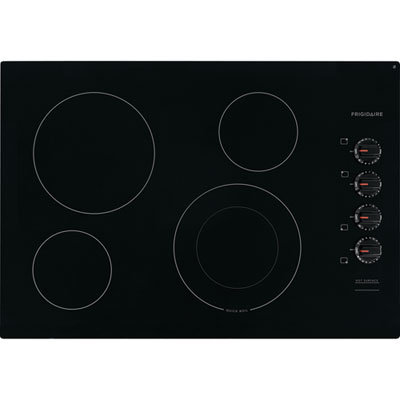 Your price for this item is $699.99
 -
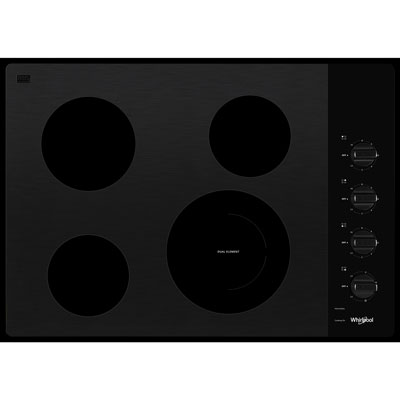 Your price for this item is $949.99
 -
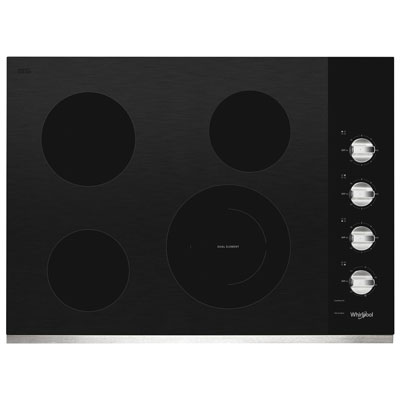 Your price for this item is $949.99
 -
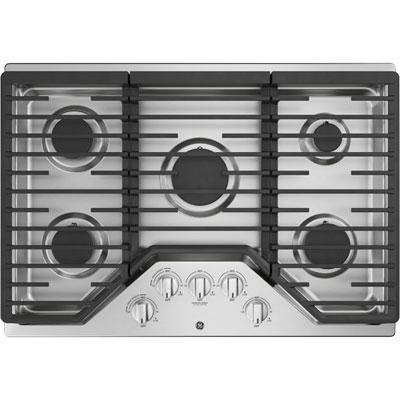 Your price for this item is $1499.99
 -
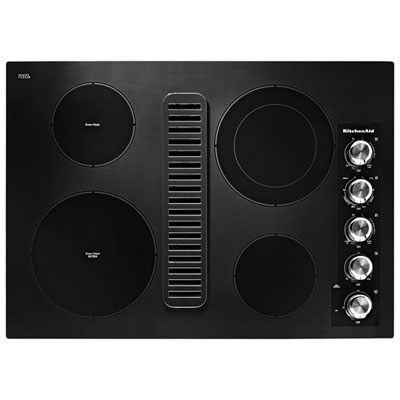 Your price for this item is $2999.99
 -
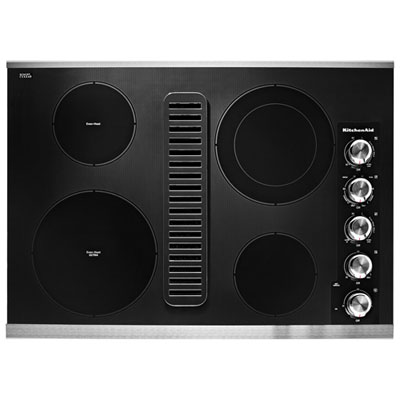 Your price for this item is $3099.99
 -
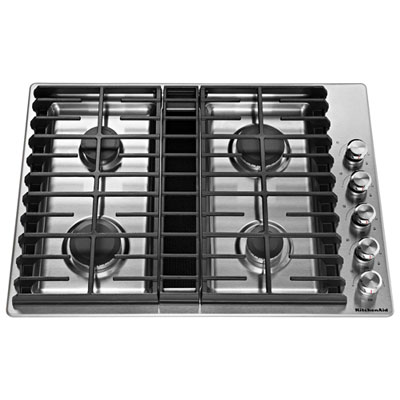 Your price for this item is $3099.99
 -
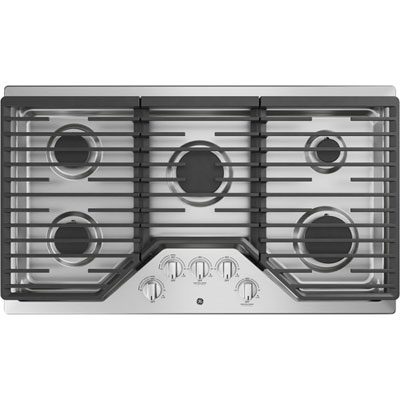 Your price for this item is $1899.99
Discover more categories related to Maytag Stoves
Top Collections:
Pokemon Centers, Kindle Devices, Best Budget Office Chairs, Apple iPhones 16, Best Laptops for Writers, iPhone 15 Apple, Canon G7X Cameras, Refurbished Apple Laptops, Alarm Clock, Motorola Razr Phones
Some products may be subject to Environmental Handling Fees
(EHF) depending on your province.
Learn more about EHFs.