Maytag Cooktops
A Maytag cooktop is a popular choice for many homeowners. These cooktops are reliable, easy to use, and have a wide range of features that can help you cook more efficiently. Here are some of the best Maytag cooktops for you.
Sort


Cooktop fit goes beyond the size of your counter
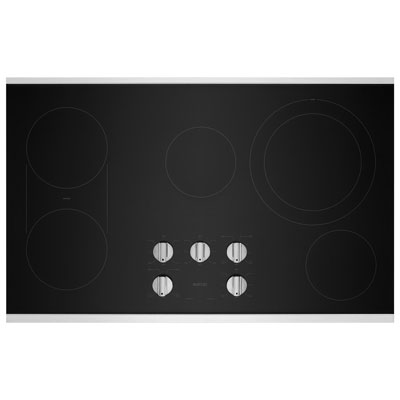
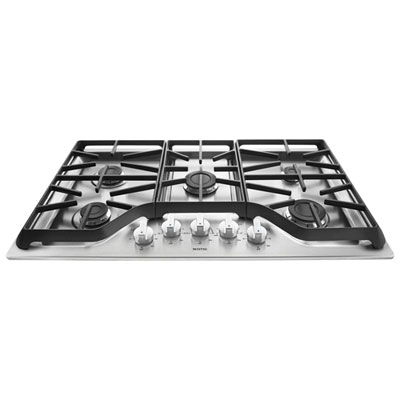
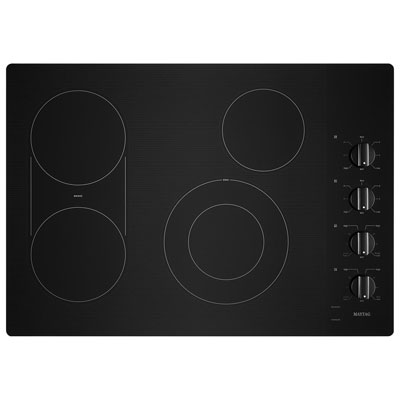
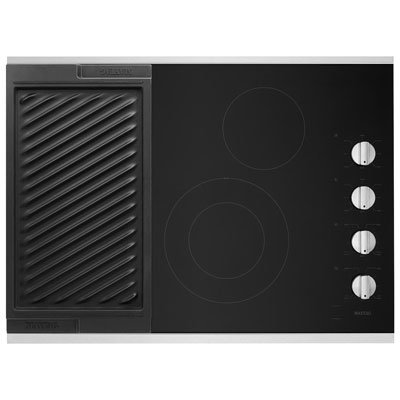
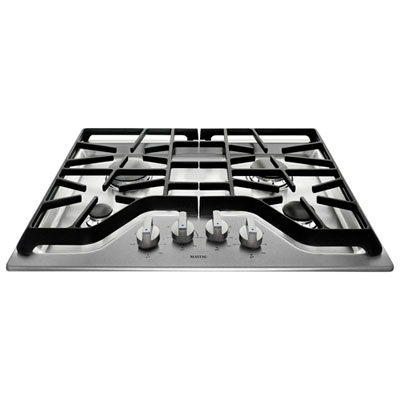
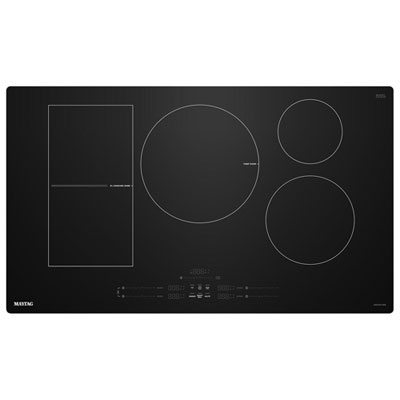
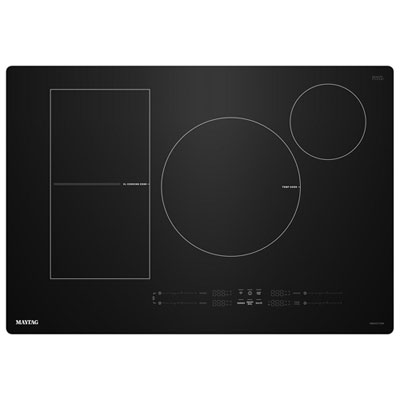
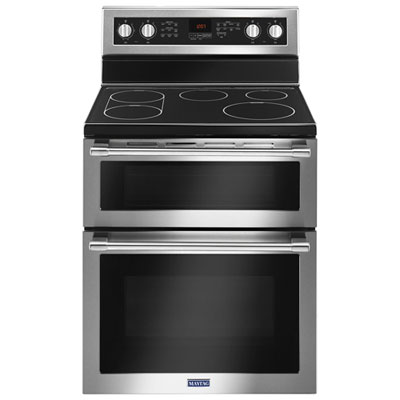
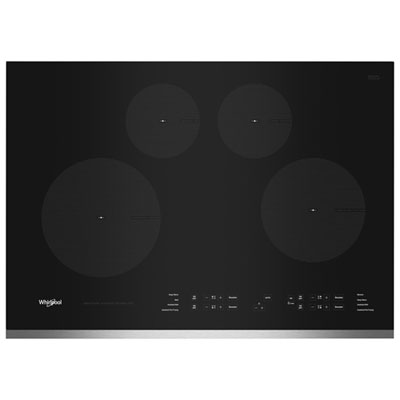
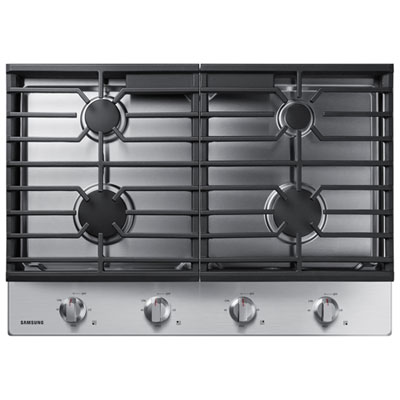
Cooktops provide a dedicated cooking surface built into a countertop, keeping stovetop preparation separate from the oven. This arrangement suits kitchens with a wall oven, layouts that place cooking and baking in different work zones, and households that want more flexibility in how their appliances fit together. Gas and electric cooktops offer distinct cooking experiences: gas burners provide a visible flame and responsive adjustment, while radiant electric elements heat through a smooth glass-ceramic surface that creates a streamlined appearance. The right fit depends as much on familiar cooking habits as on the look of the kitchen. Someone who frequently tosses vegetables in a skillet may appreciate the immediate feedback of a gas flame, while a household accustomed to flat-bottomed saucepans may prefer a smooth electric surface. Common cooktop widths include 30-inch and 36-inch formats, though the overall width does not tell the whole story. Burner or element placement, control position, and usable space between cooking zones all affect how comfortably the surface handles everyday meals. A large frying pan, a pasta pot, and a small saucepan need enough room to sit securely without crowding neighbouring handles. Four cooking zones may comfortably support routine meals, while a fifth can be useful for keeping sauce warm alongside several dishes. More zones do not automatically mean more practical space, especially when wide cookware occupies much of the surface. A separate cooktop also changes the way the kitchen works: the oven can sit at a convenient height elsewhere, and the space beneath the cooking surface may accommodate cabinetry where the installation requirements permit it. For a kitchen that needs surface cooking and an oven in one appliance, Maytag Stoves offer a different configuration. The distinction matters for both renovations and appliance replacements, since a built-in cooktop and a freestanding or slide-in range require different openings, connections, and surrounding cabinetry.
Fit involves more than matching a nominal appliance width to a space on the counter. Every built-in cooktop has specified cutout dimensions, clearance requirements, and installation details, so an existing opening needs to match the requirements of the replacement appliance. Countertop depth and thickness, the distance to nearby walls, and the position of drawers or cabinets underneath can all affect installation. A wider cooking surface may call for cabinet or countertop changes rather than a straightforward swap. Gas connections and electrical supplies also need to suit the appliance, and a gas cooktop generally requires electricity for ignition. Installation by a qualified professional helps ensure the connections, clearances, and any required conversion are handled correctly. Ventilation deserves equal attention because steam, grease, and cooking odours need an appropriate path out of the cooking area. The hood or other ventilation system must work with the cooktop’s width, output, and placement, with mounting clearances confirmed in the installation documentation. Beyond these practical requirements, materials shape both appearance and daily handling. Stainless steel offers a familiar finish that pairs easily with many kitchen appliances, though fingerprints and splashes may be noticeable. Black glass-ceramic surfaces create a continuous-looking cooking area, but they still need suitable cookware and careful cleaning to protect the finish. Cast-iron grates, where fitted, provide substantial support for pots and pans; continuous grates can make it easier to move cookware between positions without lifting it completely off the surface. Grate weight and the ease of removing individual sections matter when cleaning around burners. Controls also influence comfort. Front-mounted knobs can be easy to reach, while other layouts may leave more uninterrupted space near the counter edge. Clearly marked settings, a comfortable grip, and visible indicators can make daily use simpler. In households with children, control placement and any available lock functions merit attention, although safety features do not replace supervision. These details are especially noticeable when several people share the kitchen or when the appliance is used for multiple meals each day.
Cooking performance is about having useful control across different tasks, not simply choosing the highest heat output. A powerful burner or larger element can help bring a stockpot to a boil, while steady low heat is valuable for melting butter, warming a cream sauce, or holding soup at a gentle simmer. The placement of those cooking zones matters: a large pot should sit securely without obstructing access to smaller pans or covering the controls. Expandable electric elements, where included, can accommodate more than one pan diameter, helping align the heated area with the base of the cookware. Flat, stable pan bottoms are particularly important on smooth electric surfaces because close contact supports more even heat transfer. Gas cooking also benefits from properly sized cookware, with the flame kept beneath the pan rather than extending up its sides. Heavy cookware can be useful for retaining heat, but lifting it instead of dragging it helps protect the cooking surface. Everyday care contributes to long-term appearance and dependable operation. Spills are easier to manage before they become repeatedly baked on, although the surface must be safe to touch and the manufacturer’s cleaning directions should always govern the method. Glass-ceramic surfaces typically need an appropriate cleaner and non-abrasive tools; abrasive pads can leave lasting marks. Sugary spills may require particular care, making the appliance’s instructions worth keeping close at hand. On gas cooktops, removable burner caps and grates allow access to areas where splashes collect. Burner parts need to be clean, dry, and correctly seated after cleaning to support proper ignition and an even flame. Removable knobs should only go in a dishwasher if the manufacturer explicitly allows it. Durable construction is valuable, but careful handling, suitable cookware, and accessible replacement parts also contribute to a cooktop’s useful life. For a busy family, a frequent host, or someone furnishing a first kitchen, the most practical cooking surface is one that accommodates familiar pots, feels comfortable to operate, and fits naturally into the daily routine.
Fit involves more than matching a nominal appliance width to a space on the counter. Every built-in cooktop has specified cutout dimensions, clearance requirements, and installation details, so an existing opening needs to match the requirements of the replacement appliance. Countertop depth and thickness, the distance to nearby walls, and the position of drawers or cabinets underneath can all affect installation. A wider cooking surface may call for cabinet or countertop changes rather than a straightforward swap. Gas connections and electrical supplies also need to suit the appliance, and a gas cooktop generally requires electricity for ignition. Installation by a qualified professional helps ensure the connections, clearances, and any required conversion are handled correctly. Ventilation deserves equal attention because steam, grease, and cooking odours need an appropriate path out of the cooking area. The hood or other ventilation system must work with the cooktop’s width, output, and placement, with mounting clearances confirmed in the installation documentation. Beyond these practical requirements, materials shape both appearance and daily handling. Stainless steel offers a familiar finish that pairs easily with many kitchen appliances, though fingerprints and splashes may be noticeable. Black glass-ceramic surfaces create a continuous-looking cooking area, but they still need suitable cookware and careful cleaning to protect the finish. Cast-iron grates, where fitted, provide substantial support for pots and pans; continuous grates can make it easier to move cookware between positions without lifting it completely off the surface. Grate weight and the ease of removing individual sections matter when cleaning around burners. Controls also influence comfort. Front-mounted knobs can be easy to reach, while other layouts may leave more uninterrupted space near the counter edge. Clearly marked settings, a comfortable grip, and visible indicators can make daily use simpler. In households with children, control placement and any available lock functions merit attention, although safety features do not replace supervision. These details are especially noticeable when several people share the kitchen or when the appliance is used for multiple meals each day.
Cooking performance is about having useful control across different tasks, not simply choosing the highest heat output. A powerful burner or larger element can help bring a stockpot to a boil, while steady low heat is valuable for melting butter, warming a cream sauce, or holding soup at a gentle simmer. The placement of those cooking zones matters: a large pot should sit securely without obstructing access to smaller pans or covering the controls. Expandable electric elements, where included, can accommodate more than one pan diameter, helping align the heated area with the base of the cookware. Flat, stable pan bottoms are particularly important on smooth electric surfaces because close contact supports more even heat transfer. Gas cooking also benefits from properly sized cookware, with the flame kept beneath the pan rather than extending up its sides. Heavy cookware can be useful for retaining heat, but lifting it instead of dragging it helps protect the cooking surface. Everyday care contributes to long-term appearance and dependable operation. Spills are easier to manage before they become repeatedly baked on, although the surface must be safe to touch and the manufacturer’s cleaning directions should always govern the method. Glass-ceramic surfaces typically need an appropriate cleaner and non-abrasive tools; abrasive pads can leave lasting marks. Sugary spills may require particular care, making the appliance’s instructions worth keeping close at hand. On gas cooktops, removable burner caps and grates allow access to areas where splashes collect. Burner parts need to be clean, dry, and correctly seated after cleaning to support proper ignition and an even flame. Removable knobs should only go in a dishwasher if the manufacturer explicitly allows it. Durable construction is valuable, but careful handling, suitable cookware, and accessible replacement parts also contribute to a cooktop’s useful life. For a busy family, a frequent host, or someone furnishing a first kitchen, the most practical cooking surface is one that accommodates familiar pots, feels comfortable to operate, and fits naturally into the daily routine.
Top selling and popular products
-
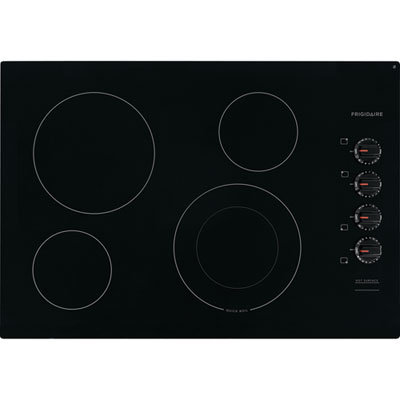 Your price for this item is $699.99
 -
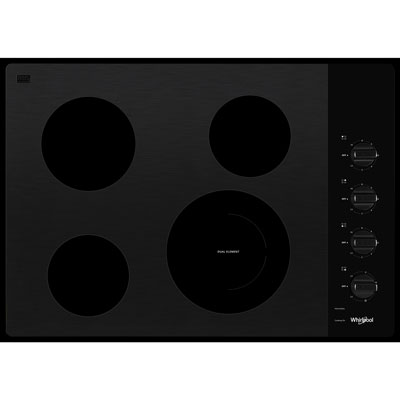 Your price for this item is $949.99
 -
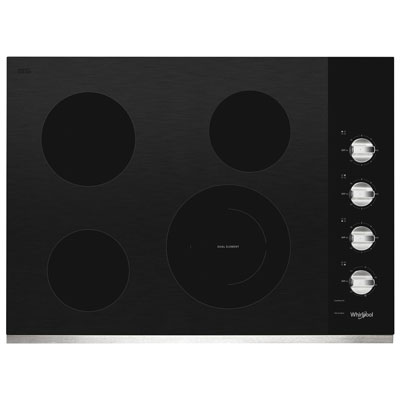 Your price for this item is $949.99
 -
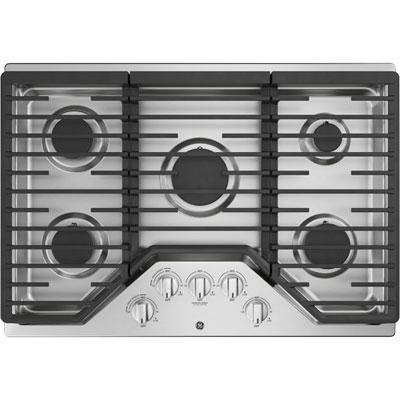 Your price for this item is $1499.99
 -
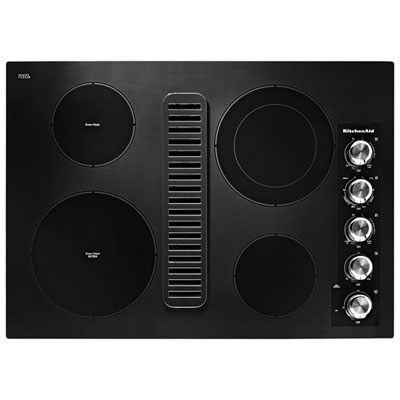 Your price for this item is $2999.99
 -
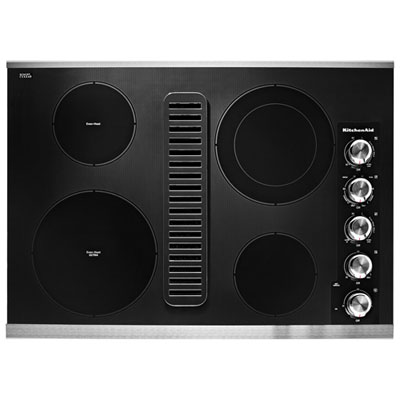 Your price for this item is $3099.99
 -
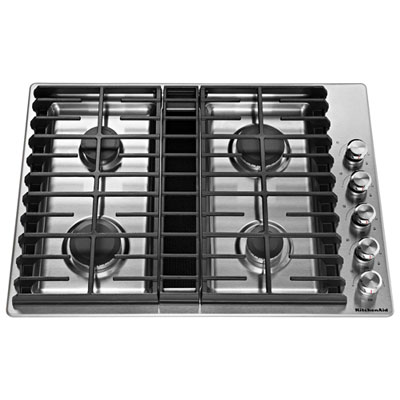 Your price for this item is $3099.99
 -
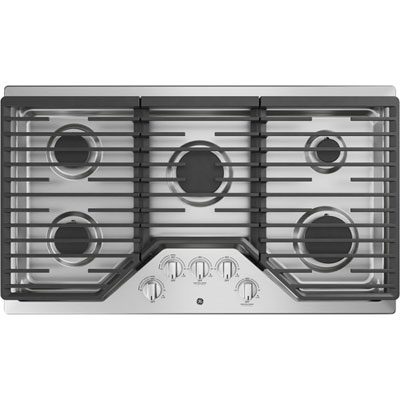 Your price for this item is $1899.99
Discover more categories related to Maytag Cooktops
Top Collections:
Pokemon Centers, Kindle Devices, Best Budget Office Chairs, Apple iPhones 16, Best Laptops for Writers, iPhone 15 Apple, Canon G7X Cameras, Refurbished Apple Laptops, Alarm Clock, Motorola Razr Phones
Some products may be subject to Environmental Handling Fees
(EHF) depending on your province.
Learn more about EHFs.