Ninja Blender Duo
Discover the power and versatility of the Ninja Blender Duo, designed to make meal prep and beverage creation effortless. Whether you’re crafting smoothies, pureeing soups, or blending ingredients for your favorite recipes, the Ninja Blender Duo offers reliable performance for every kitchen task. Explore a range of options to find the perfect fit for your lifestyle and elevate your culinary experience with the Ninja Blender Duo.
Sort
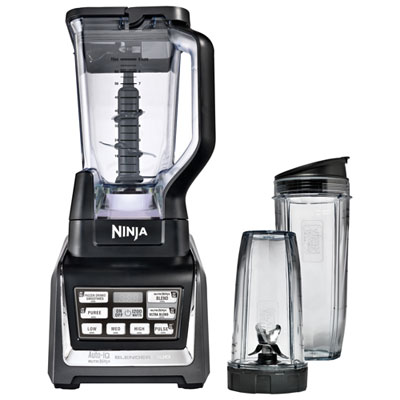
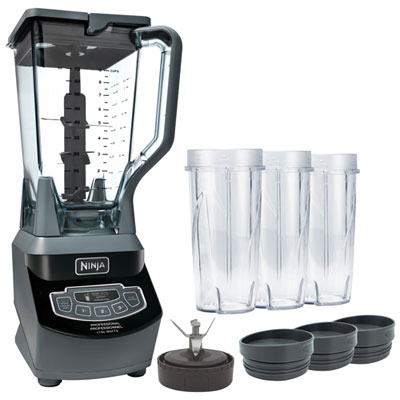
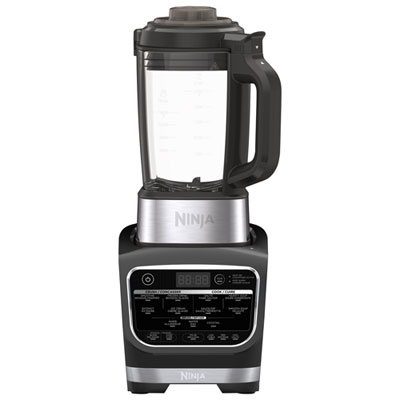
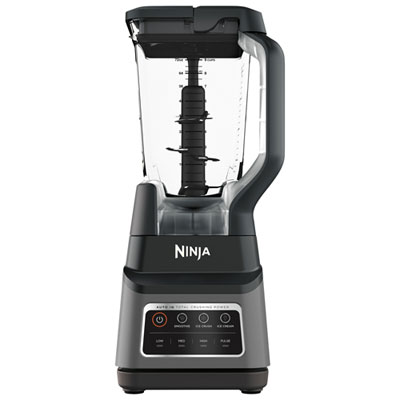

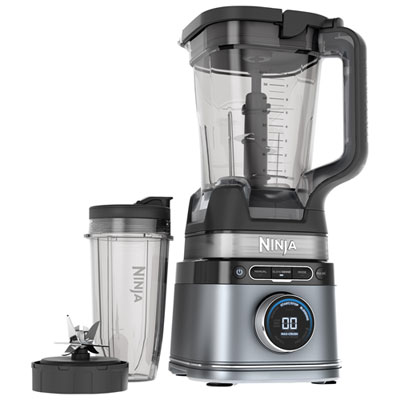
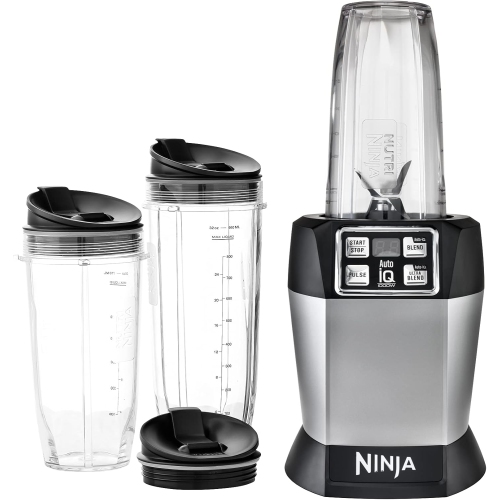
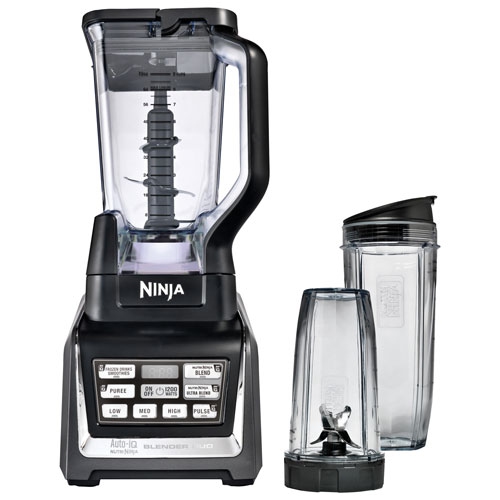
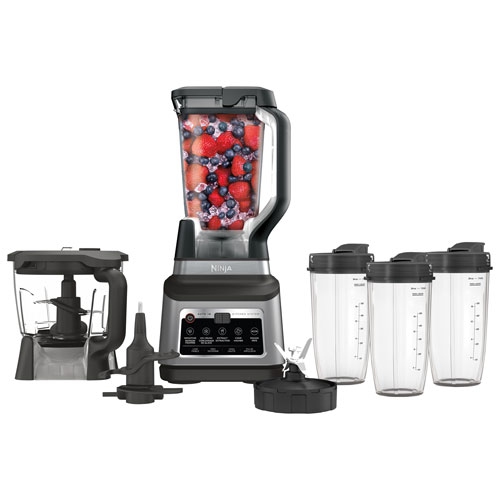
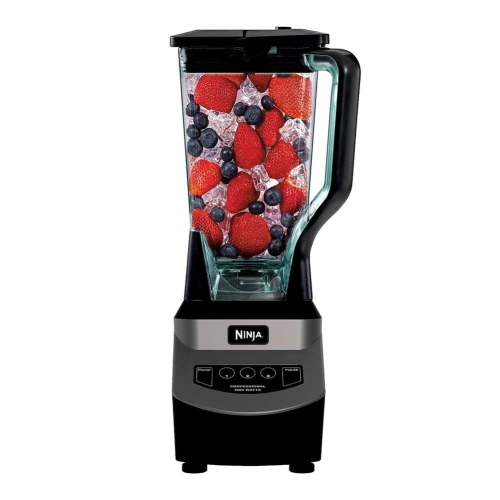
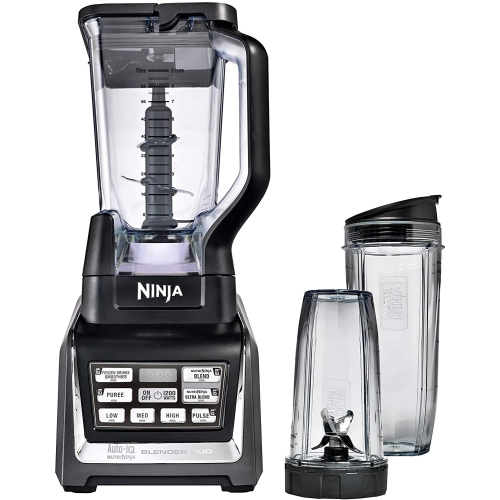
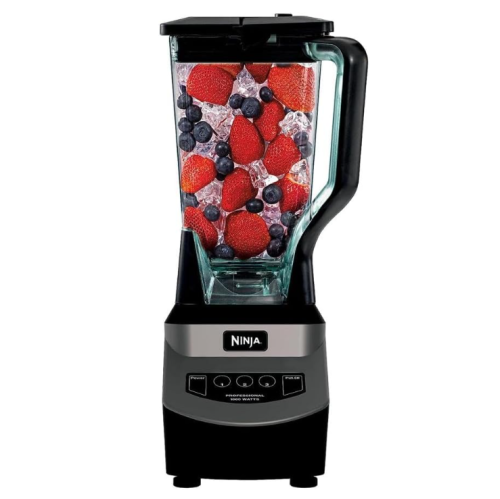
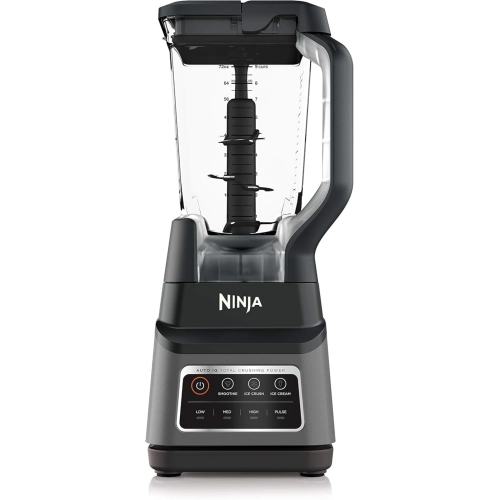
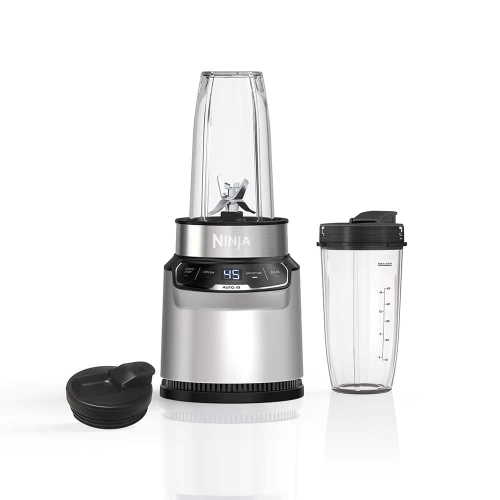
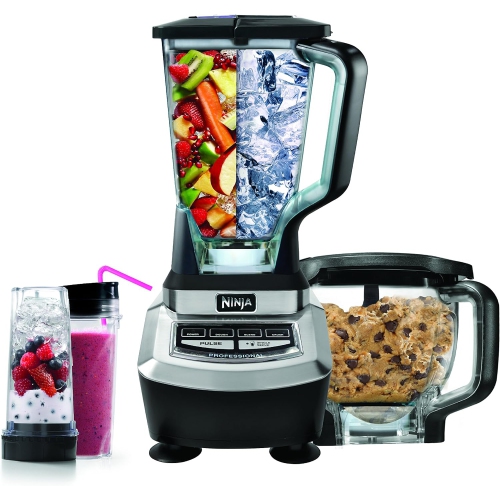
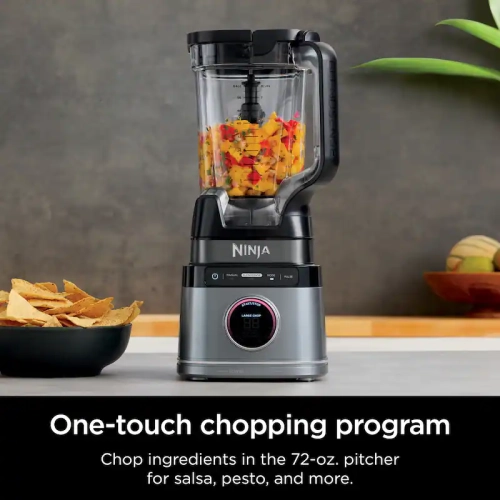
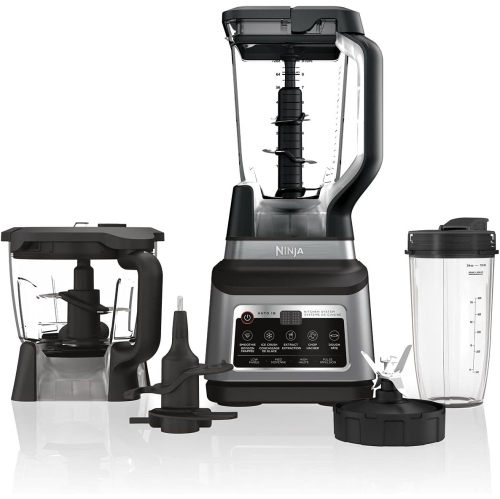
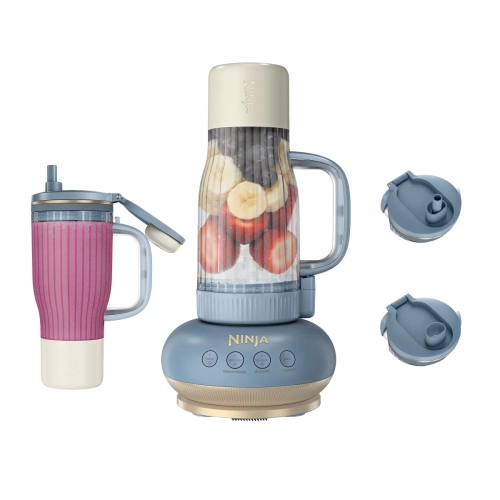
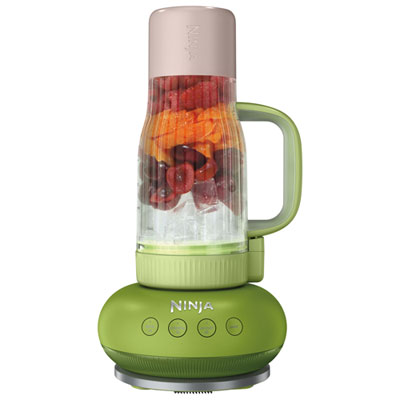
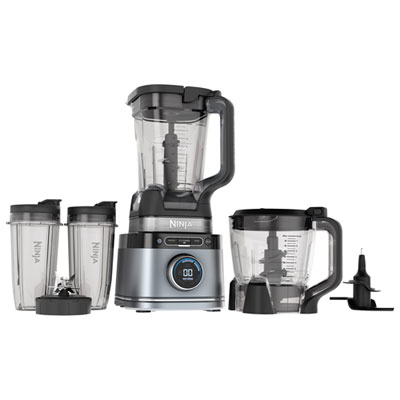
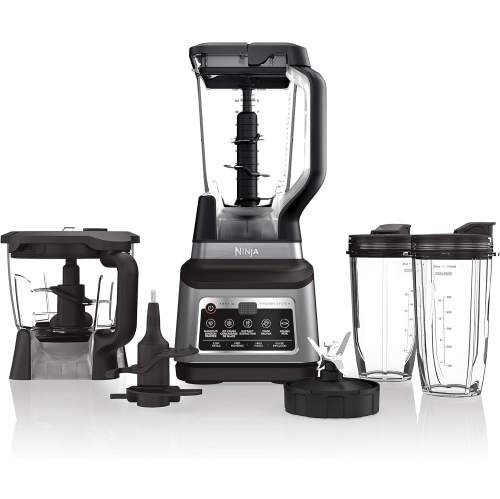
One blender base for solo smoothies and shared batches
A dual-format countertop blender combines a full-size pitcher and personal blending cups on one motor base, making it useful for both shared batches and individual drinks. The pitcher suits several servings of a berry smoothie, a round of frozen drinks, or a smooth dressing for a family meal, while a compatible cup lets someone blend a single portion without washing a larger container. That flexibility is especially practical in households where breakfast happens at different times: one person can make a banana and oat drink before leaving, and another can prepare a larger batch later. Depending on the system, personal cups may include drinking lids that let the blending container double as a travel cup. Package contents differ, so pitcher size, cup quantity, blade assemblies, and included lids are important details when comparing dual-format blenders. A container’s total capacity is not necessarily its usable liquid capacity; the marked maximum fill line leaves space for ingredients to circulate and should always take priority over the nominal size. Motor power matters, but wattage alone does not tell the whole story. Blade design, container shape, ingredient proportions, and blending time all affect whether a mixture turns out silky, coarse, or uneven. Peak wattage describes a different measurement from rated operating power, so those figures should not be treated as interchangeable. Systems with automatic programmes may use timed sequences of blending, pulsing, and pauses for tasks such as smoothies or frozen drinks. Manual speed and pulse controls offer a different kind of flexibility, particularly when a salsa needs some texture rather than a completely smooth finish. Neither approach removes the need to use the right attachment and follow the stated limits. For everyday use, the most useful combination is one that matches the portions, ingredients, and textures a household actually prepares, whether that means a quick drink for one or enough fruit smoothies to fill several glasses at the breakfast table.
Materials and construction influence how a blender feels in daily use as much as its controls do. Many pitcher-and-cup systems use rigid plastic containers with stainless steel cutting blades. Plastic can keep a large pitcher manageable when it is full, while clear sides and readable measurement marks make it easier to judge quantities and watch the mixture circulate. Material descriptions should be checked for each container rather than assumed across an entire set. A sturdy handle, secure lid, and well-shaped pouring spout are useful when transferring a thick smoothie into narrow glasses without leaving drips across the counter. For personal cups, the lid opening, grip, and overall height matter during a commute or when packing a lunch bag; a cup that fits the blender base may still be too wide for a particular vehicle cup holder. Countertop fit deserves the same attention. The assembled height should leave enough clearance beneath upper cupboards, including room to lift off the lid or remove the pitcher. The base also needs a flat, dry surface and any ventilation clearance specified in the manual. Ice crushing can be loud, so placement away from shared bedroom walls may make early starts less disruptive. Intended use is another important distinction: a blender suited to smoothies and frozen drinks is not automatically suitable for kneading dough, processing very thick nut butter, or blending hot soup. Unless the instructions expressly allow it, hot or carbonated liquids should not go into a sealed personal blending cup, where pressure can build. During the cooler months, cooked vegetables can still be prepared for blending by allowing them to cool to a permitted temperature first, then reheating the finished mixture separately if needed. Related countertop options can also be explored through NINJA Foodi Blenders, with attention to the functions and attachments listed for each configuration. Keeping those distinctions clear helps separate a versatile everyday blending system from a machine intended for a different kitchen task.
Good results depend on giving the ingredients enough room and liquid to move through the blades. A frozen fruit mixture that stalls or leaves pieces clinging to the sides may need a smaller batch, more liquid, or a different programme rather than a longer uninterrupted run. Follow the loading order specified for the attachment, since an upright pitcher and a cup that is inverted onto the base may require different arrangements. Cutting larger ingredients into manageable pieces can help, while dates, fibrous greens, seeds, and ice may need different settings to reach the desired texture. Blending whole fruit generally retains its pulp and fibre; it does not produce the same result as a juicer that separates pulp from liquid. Protein powders and dairy alternatives can foam during blending, so leaving the required headroom and allowing bubbles to settle can make pouring neater. Once blending is finished, prompt cleaning keeps sticky fruit residue and dried oats from becoming difficult to remove. Dishwasher suitability varies by component, and a dishwasher-safe container does not mean every lid, seal, or blade assembly belongs on the same rack or wash setting. The motor base should be unplugged and wiped clean rather than immersed. Sharp removable blades need careful handling, and cleaning brushes can help keep fingers away from cutting edges. Containers, seals, and lids should dry fully before storage; regular checks for cracks, damaged seals, or worn connections support dependable use. Replacement parts must be confirmed as compatible with the exact model, even when cups or blades look similar. With suitable care, a dual-format blender can become a practical part of breakfast preparation, post-workout snacks, and weekend cooking. It can also make a thoughtful housewarming or wedding gift for someone who enjoys smoothies or preparing food at home, provided there is enough counter and cupboard space for the base and attachments. The lasting appeal is straightforward: one setup can handle a shared pitcher when several people are eating together, then switch to a personal portion when the day calls for something smaller.
Materials and construction influence how a blender feels in daily use as much as its controls do. Many pitcher-and-cup systems use rigid plastic containers with stainless steel cutting blades. Plastic can keep a large pitcher manageable when it is full, while clear sides and readable measurement marks make it easier to judge quantities and watch the mixture circulate. Material descriptions should be checked for each container rather than assumed across an entire set. A sturdy handle, secure lid, and well-shaped pouring spout are useful when transferring a thick smoothie into narrow glasses without leaving drips across the counter. For personal cups, the lid opening, grip, and overall height matter during a commute or when packing a lunch bag; a cup that fits the blender base may still be too wide for a particular vehicle cup holder. Countertop fit deserves the same attention. The assembled height should leave enough clearance beneath upper cupboards, including room to lift off the lid or remove the pitcher. The base also needs a flat, dry surface and any ventilation clearance specified in the manual. Ice crushing can be loud, so placement away from shared bedroom walls may make early starts less disruptive. Intended use is another important distinction: a blender suited to smoothies and frozen drinks is not automatically suitable for kneading dough, processing very thick nut butter, or blending hot soup. Unless the instructions expressly allow it, hot or carbonated liquids should not go into a sealed personal blending cup, where pressure can build. During the cooler months, cooked vegetables can still be prepared for blending by allowing them to cool to a permitted temperature first, then reheating the finished mixture separately if needed. Related countertop options can also be explored through NINJA Foodi Blenders, with attention to the functions and attachments listed for each configuration. Keeping those distinctions clear helps separate a versatile everyday blending system from a machine intended for a different kitchen task.
Good results depend on giving the ingredients enough room and liquid to move through the blades. A frozen fruit mixture that stalls or leaves pieces clinging to the sides may need a smaller batch, more liquid, or a different programme rather than a longer uninterrupted run. Follow the loading order specified for the attachment, since an upright pitcher and a cup that is inverted onto the base may require different arrangements. Cutting larger ingredients into manageable pieces can help, while dates, fibrous greens, seeds, and ice may need different settings to reach the desired texture. Blending whole fruit generally retains its pulp and fibre; it does not produce the same result as a juicer that separates pulp from liquid. Protein powders and dairy alternatives can foam during blending, so leaving the required headroom and allowing bubbles to settle can make pouring neater. Once blending is finished, prompt cleaning keeps sticky fruit residue and dried oats from becoming difficult to remove. Dishwasher suitability varies by component, and a dishwasher-safe container does not mean every lid, seal, or blade assembly belongs on the same rack or wash setting. The motor base should be unplugged and wiped clean rather than immersed. Sharp removable blades need careful handling, and cleaning brushes can help keep fingers away from cutting edges. Containers, seals, and lids should dry fully before storage; regular checks for cracks, damaged seals, or worn connections support dependable use. Replacement parts must be confirmed as compatible with the exact model, even when cups or blades look similar. With suitable care, a dual-format blender can become a practical part of breakfast preparation, post-workout snacks, and weekend cooking. It can also make a thoughtful housewarming or wedding gift for someone who enjoys smoothies or preparing food at home, provided there is enough counter and cupboard space for the base and attachments. The lasting appeal is straightforward: one setup can handle a shared pitcher when several people are eating together, then switch to a personal portion when the day calls for something smaller.
Top selling and popular products
-
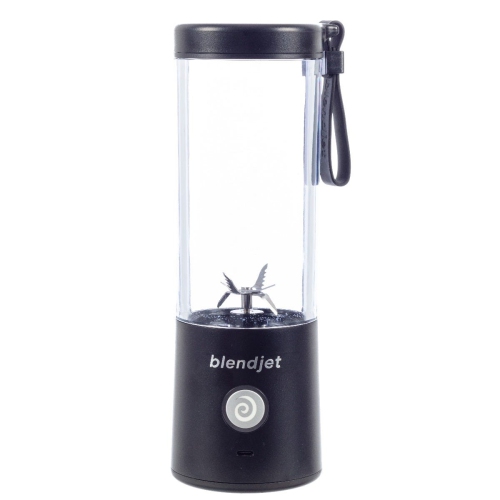 Your price for this item is $29.99
 -
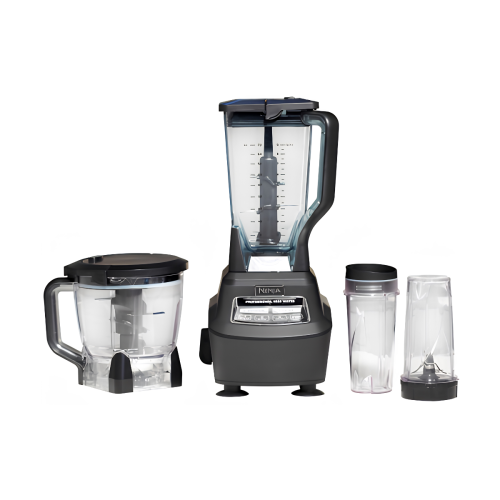 Your price for this item is $239.99
 -
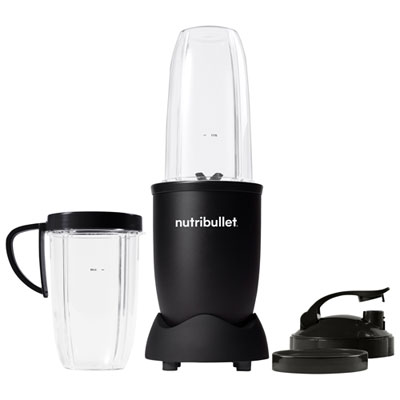 Your price for this item is $99.99
 -
 Your price for this item is $79.99
 -
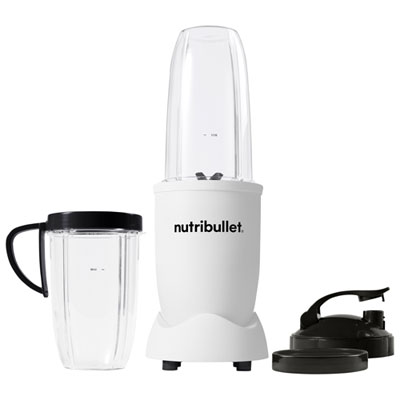 Your price for this item is $99.99
 -
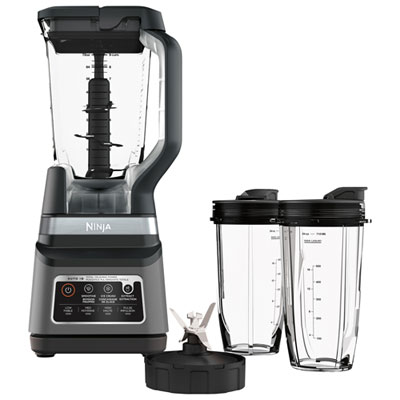 Your price for this item is $169.99
 -
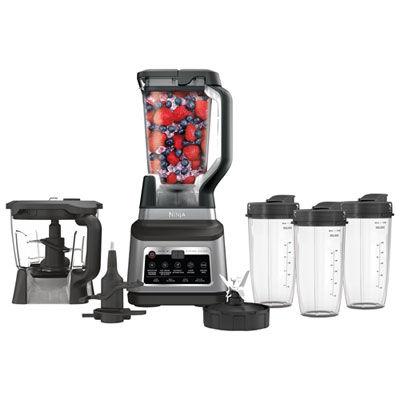 Your price for this item is $299.99
 -
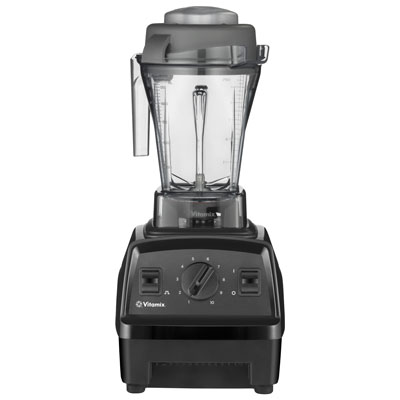 Your price for this item is $499.99
Discover more categories related to Ninja Blender Duo
Top Collections:
Pokemon Centers, Kindle Devices, Best Budget Office Chairs, Apple iPhones 16, Best Laptops for Writers, iPhone 15 Apple, Canon G7X Cameras, Refurbished Apple Laptops, Alarm Clock, Motorola Razr Phones
Some products may be subject to Environmental Handling Fees
(EHF) depending on your province.
Learn more about EHFs.