NINJA Foodi Blenders
Elevate your kitchen experience with a versatile NINJA Foodi blender, designed to handle a variety of blending tasks with ease. Perfect for smoothies, sauces, soups, and more, these blenders offer reliable performance for everyday meal prep. Discover options that fit your lifestyle and kitchen space while enjoying the convenience and efficiency that a NINJA Foodi blender brings to your countertop. Find the ideal model to help you create delicious recipes at home.
Sort
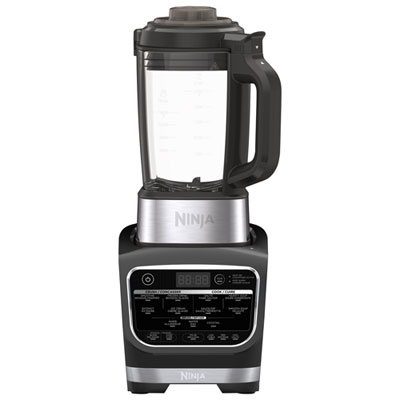
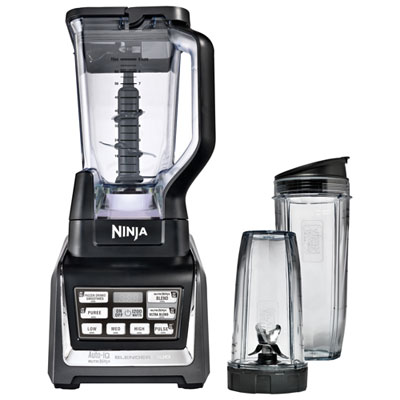
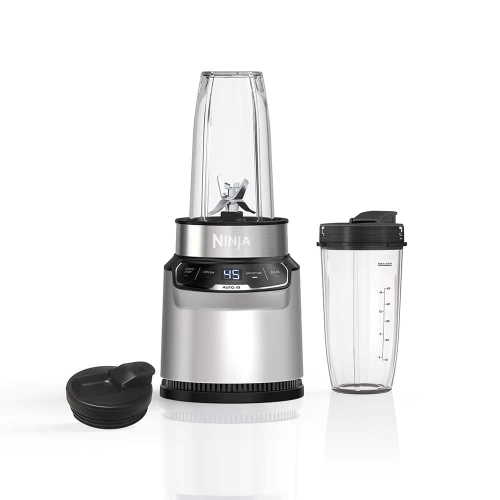
Why your favourite recipes need different blender features
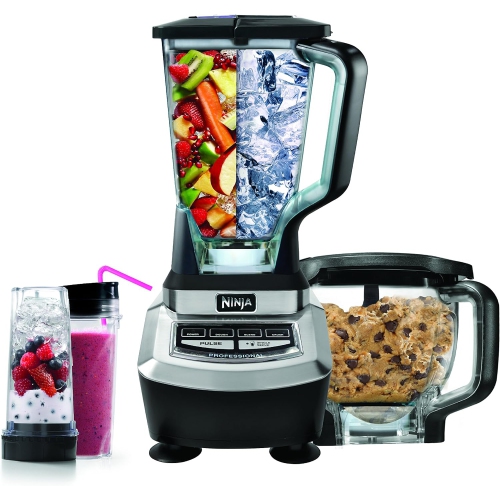
Countertop blenders bring everyday drinks, meal preparation, and thicker spoonable recipes together in one useful kitchen appliance. Within this category, the main differences come down to what a blender is designed to process, the containers supplied with it, and whether it includes a built-in heating function. A conventional blender mixes ingredients but does not cook them; a cooking blender with a dedicated heating element can heat and blend recipes using the functions described in its manual. Other configurations pair a full-size pitcher with personal blending cups, a bowl attachment, or tools intended for food preparation. These differences matter more than a long list of settings when the goal is a particular result, whether that is a pourable berry smoothie, a smooth vegetable soup, or a thick fruit bowl topped with granola. Frozen fruit and ice call for a machine and container rated to handle them, while dense mixtures such as nut butter or hummus need equipment specifically suited to that consistency. A blender intended for drinks is not automatically suitable for kneading dough, chopping vegetables evenly, or processing ingredients without added liquid. Motor wattage is one useful specification, but it does not tell the whole story: blade design, container shape, permitted batch size, and the way ingredients circulate also affect performance. Preset programs can simplify familiar tasks by controlling blending patterns and timing, while manual speeds and pulse controls give more room to adjust texture. For a household making breakfast before work or school, a personal cup can keep portions manageable and reduce the number of containers used. For shared meals, a larger pitcher can make more sense, provided the recipe stays within its marked capacity. The most useful setup is one that matches repeated kitchen habits rather than occasional ambitions, with controls that are easy to read and attachments that have a clear purpose.
Container materials, dimensions, and handling make a noticeable difference once a blender becomes part of a daily routine. Glass pitchers have a substantial feel and can resist staining, but they are heavier to lift, particularly when full. Plastic pitchers and cups are generally lighter, although their suitability for heat, dishwashing, and particular ingredients depends on the manufacturer's directions. Neither material alone establishes whether a container can safely handle hot food. That depends on the complete design, including the lid, seals, venting, and operating instructions. Pitcher capacity also needs a closer look than its headline measurement: maximum fill levels for hot mixtures may be lower than those for cold recipes, and a large vessel may not blend a very small batch effectively. In a compact kitchen, the height of the assembled blender can matter as much as the footprint of the base. Space beneath cupboards, clearance to lift off the pitcher, access to a suitable outlet, and room to set down a lid all influence how comfortably the appliance fits. A sturdy handle and clearly marked measurements are especially useful when portioning ingredients or pouring a full batch. Removable blade assemblies require careful handling, while fixed blades can make access to the bottom of a pitcher more limited. Durability depends partly on construction and partly on everyday use: overfilling, forcing unsuitable ingredients through a cycle, or ignoring operating limits can place unnecessary strain on the appliance. Cleaning is easier when it follows the design of each component. Dishwasher-safe parts should go only where the manual permits, and motor bases should never be immersed in water. Heated vessels with electrical connections may have separate washing restrictions. A cleaning program can help loosen residue, but it does not replace checking the lid, seals, and blade area for trapped food. Prompt rinsing after a smoothie or sauce helps prevent sticky deposits from drying in place, while thorough drying before storage keeps attachments ready for their next use.
Intended use is particularly important when choosing between drink-focused blending, thick-mixture preparation, and cooking functions. A breakfast smoothie made with milk or a suitable alternative, soft fruit, and frozen berries needs enough liquid for the ingredients to circulate; adding more frozen fruit changes both the texture and the load on the machine. A smoothie bowl deliberately uses a thicker mixture, so a container designed for that task can be more appropriate than an ordinary drinking cup. Built-in paddles or manufacturer-supplied tampers, where included, can help move dense ingredients towards the blades, but ordinary utensils should never be inserted while the blender is running. For savoury preparation, pulse control can help retain some texture in a salsa, whereas a smooth dressing benefits from thorough mixing in a batch size suited to the vessel. During the cooler months, blended soups and warm sauces may become more frequent additions to family meals. Only appliances specifically designed to heat ingredients should be used to cook them, and hot mixtures should never go into sealed personal blending cups. Where hot blending is permitted, observing temperature limits, fill markings, and venting directions is essential. A cooking function also does not mean every recipe or raw ingredient is suitable; approved recipes and food-safety directions remain important. Shoppers whose routines centre on cold drinks, crushed ice, and pitcher blending can also explore Ninja Professional Blenders when comparing appliance formats and functions. For frequent hosts, a generously sized pitcher can support shared drinks or sauce preparation, while someone cooking for one may place greater value on smaller portions and straightforward cleanup. As a housewarming or wedding gift, a blender is most thoughtful when it suits the recipient's kitchen space, preferred foods, and willingness to store extra accessories. Comfortable handling, useful capacity, and care requirements that fit the household are what turn a versatile appliance into something used regularly, from the first breakfast blend to the final rinse after dinner.
Container materials, dimensions, and handling make a noticeable difference once a blender becomes part of a daily routine. Glass pitchers have a substantial feel and can resist staining, but they are heavier to lift, particularly when full. Plastic pitchers and cups are generally lighter, although their suitability for heat, dishwashing, and particular ingredients depends on the manufacturer's directions. Neither material alone establishes whether a container can safely handle hot food. That depends on the complete design, including the lid, seals, venting, and operating instructions. Pitcher capacity also needs a closer look than its headline measurement: maximum fill levels for hot mixtures may be lower than those for cold recipes, and a large vessel may not blend a very small batch effectively. In a compact kitchen, the height of the assembled blender can matter as much as the footprint of the base. Space beneath cupboards, clearance to lift off the pitcher, access to a suitable outlet, and room to set down a lid all influence how comfortably the appliance fits. A sturdy handle and clearly marked measurements are especially useful when portioning ingredients or pouring a full batch. Removable blade assemblies require careful handling, while fixed blades can make access to the bottom of a pitcher more limited. Durability depends partly on construction and partly on everyday use: overfilling, forcing unsuitable ingredients through a cycle, or ignoring operating limits can place unnecessary strain on the appliance. Cleaning is easier when it follows the design of each component. Dishwasher-safe parts should go only where the manual permits, and motor bases should never be immersed in water. Heated vessels with electrical connections may have separate washing restrictions. A cleaning program can help loosen residue, but it does not replace checking the lid, seals, and blade area for trapped food. Prompt rinsing after a smoothie or sauce helps prevent sticky deposits from drying in place, while thorough drying before storage keeps attachments ready for their next use.
Intended use is particularly important when choosing between drink-focused blending, thick-mixture preparation, and cooking functions. A breakfast smoothie made with milk or a suitable alternative, soft fruit, and frozen berries needs enough liquid for the ingredients to circulate; adding more frozen fruit changes both the texture and the load on the machine. A smoothie bowl deliberately uses a thicker mixture, so a container designed for that task can be more appropriate than an ordinary drinking cup. Built-in paddles or manufacturer-supplied tampers, where included, can help move dense ingredients towards the blades, but ordinary utensils should never be inserted while the blender is running. For savoury preparation, pulse control can help retain some texture in a salsa, whereas a smooth dressing benefits from thorough mixing in a batch size suited to the vessel. During the cooler months, blended soups and warm sauces may become more frequent additions to family meals. Only appliances specifically designed to heat ingredients should be used to cook them, and hot mixtures should never go into sealed personal blending cups. Where hot blending is permitted, observing temperature limits, fill markings, and venting directions is essential. A cooking function also does not mean every recipe or raw ingredient is suitable; approved recipes and food-safety directions remain important. Shoppers whose routines centre on cold drinks, crushed ice, and pitcher blending can also explore Ninja Professional Blenders when comparing appliance formats and functions. For frequent hosts, a generously sized pitcher can support shared drinks or sauce preparation, while someone cooking for one may place greater value on smaller portions and straightforward cleanup. As a housewarming or wedding gift, a blender is most thoughtful when it suits the recipient's kitchen space, preferred foods, and willingness to store extra accessories. Comfortable handling, useful capacity, and care requirements that fit the household are what turn a versatile appliance into something used regularly, from the first breakfast blend to the final rinse after dinner.
Top selling and popular products
-
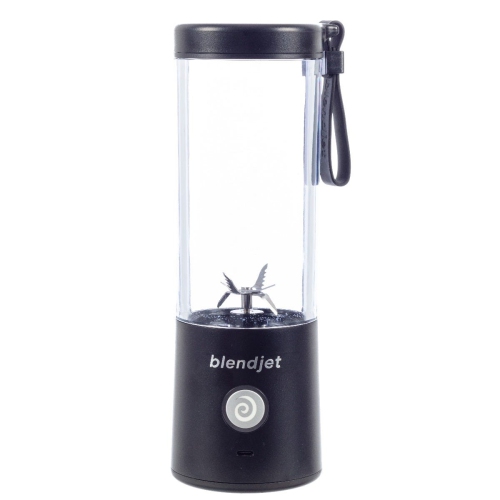 Your price for this item is $29.99
 -
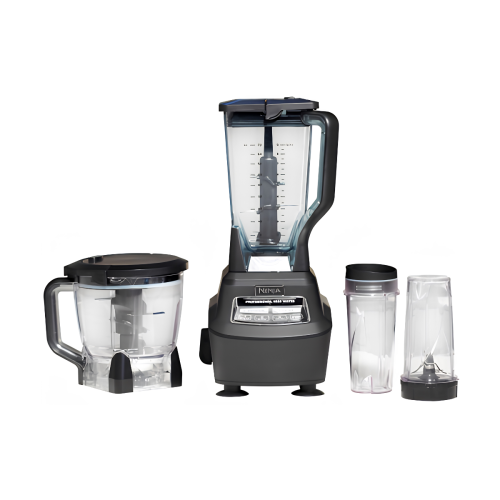 Your price for this item is $239.99
 -
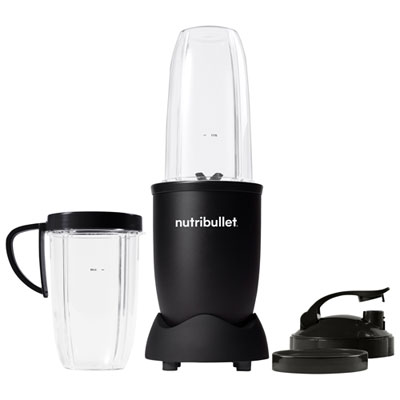 Your price for this item is $99.99
 -
 Your price for this item is $79.99
 -
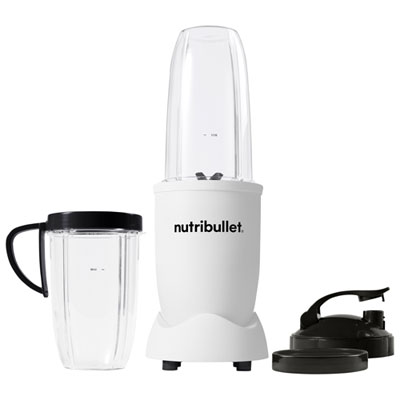 Your price for this item is $99.99
 -
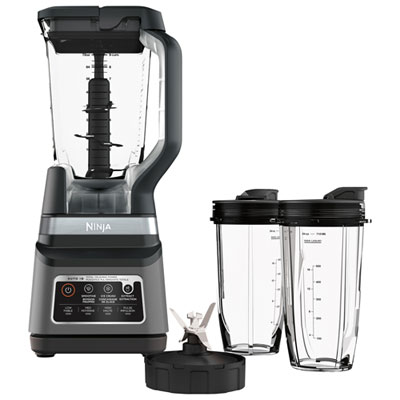 Your price for this item is $169.99
 -
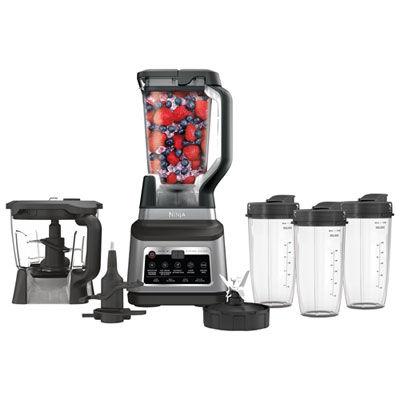 Your price for this item is $299.99
 -
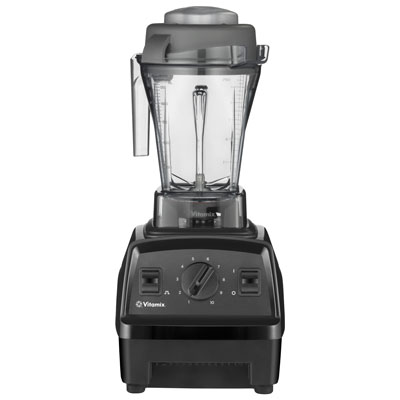 Your price for this item is $499.99
Discover more categories related to NINJA Foodi Blenders
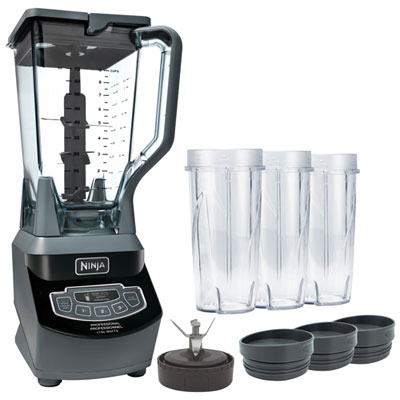
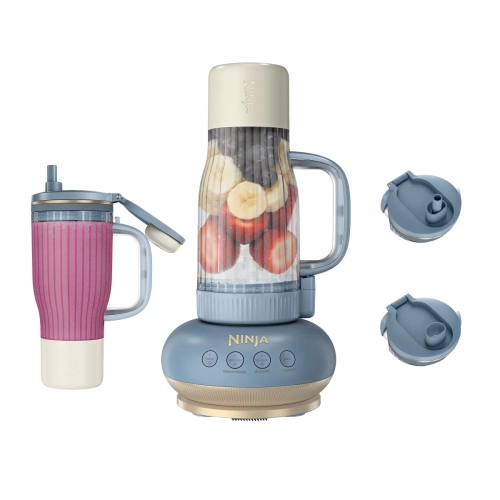
Top Collections:
Pokemon Centers, Kindle Devices, Best Budget Office Chairs, Apple iPhones 16, Best Laptops for Writers, iPhone 15 Apple, Canon G7X Cameras, Refurbished Apple Laptops, Alarm Clock, Motorola Razr Phones
Some products may be subject to Environmental Handling Fees
(EHF) depending on your province.
Learn more about EHFs.