Quietest Wine Coolers
Wine coolers are a great addition to almost any kitchen. They keep your wine at the right temperature, they look great on the countertop, and they are a stylish way to store your favorite beverage. But if you're looking for the quietest wine cooler available, you're in luck. Here are some of our favorites.
Sort
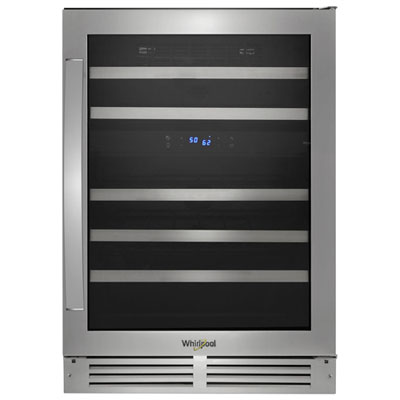
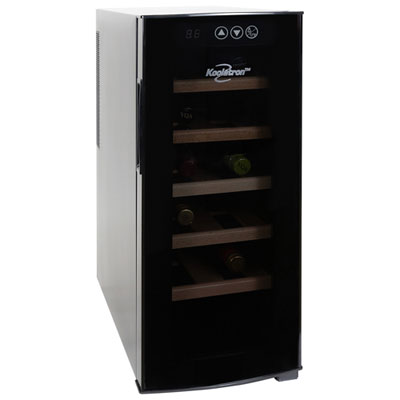




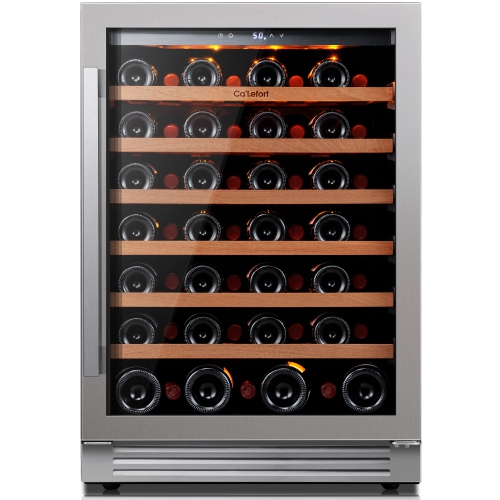
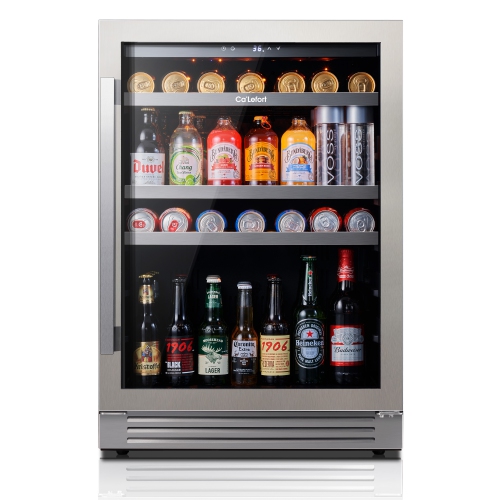




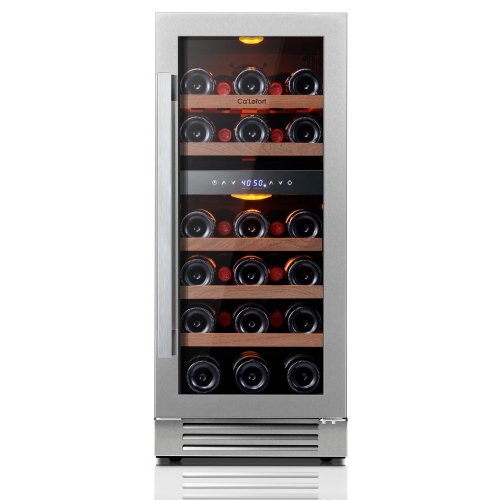

What really determines a wine cooler’s everyday noise
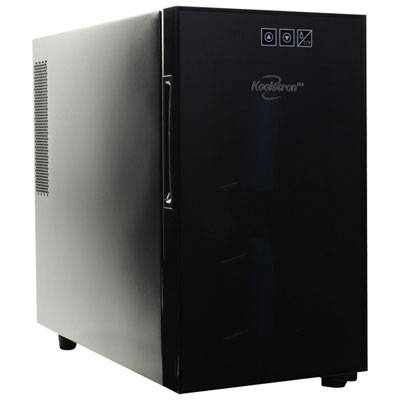
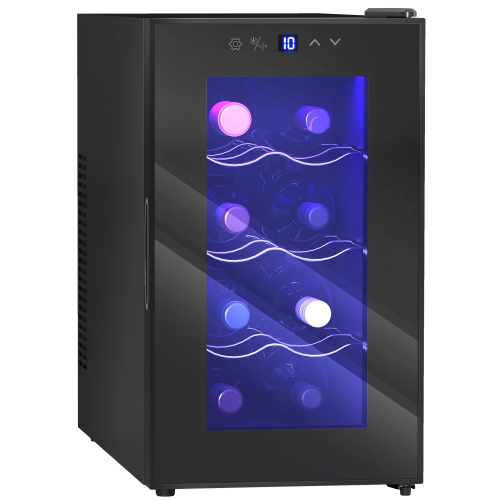
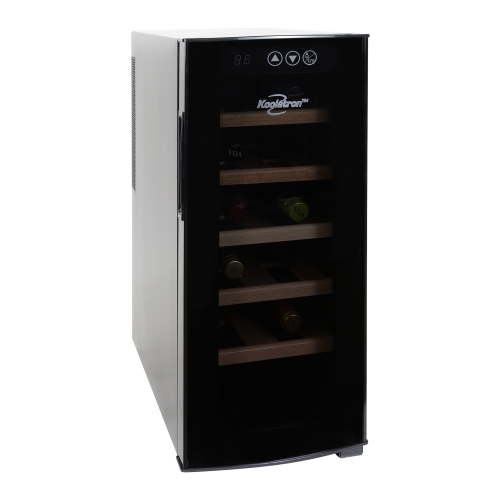
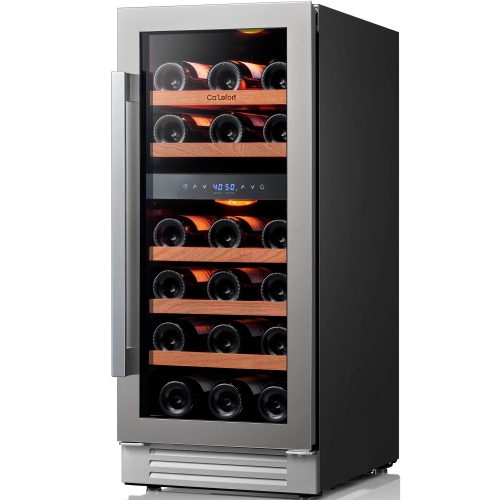
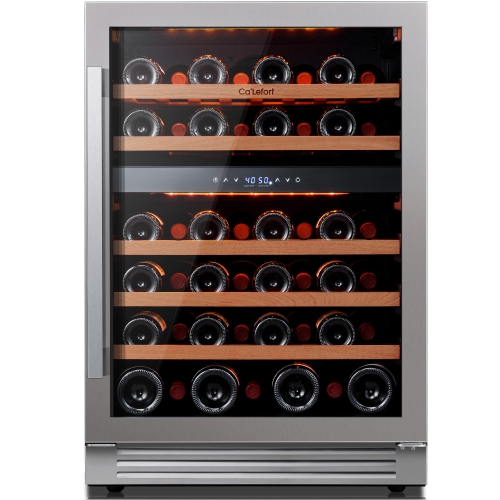
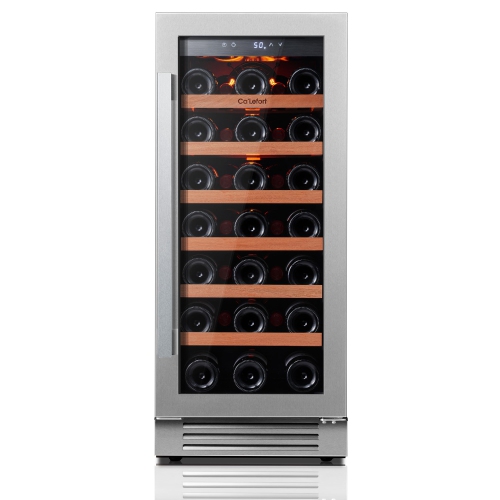
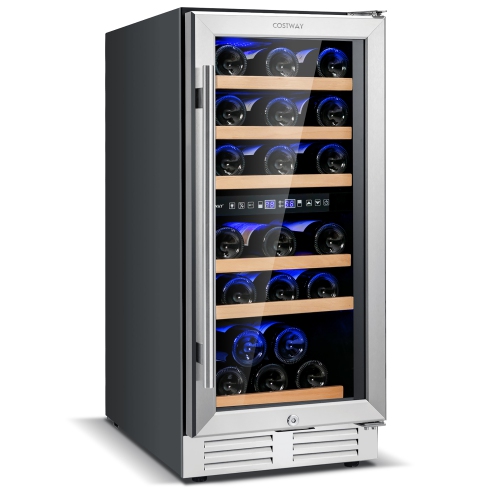
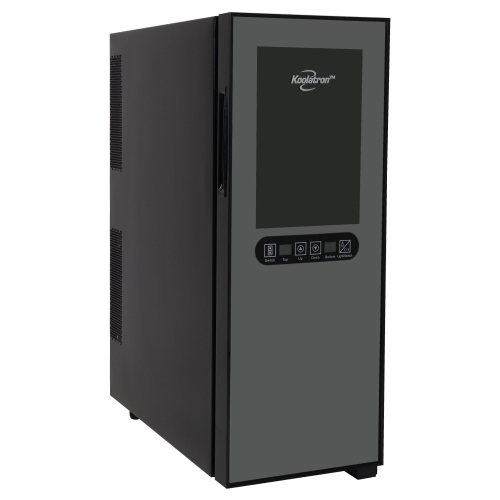
When a wine cooler is placed near a dining area, home office, living room, or bedroom, quiet operation can make a noticeable difference. A gentle hum may fade into the background during a gathering, but repeated compressor cycling, fan noise, or vibration can become distracting in a peaceful room. The quietest wine coolers are generally designed to operate at approximately 38 to 40 decibels or lower, although the actual sound you hear depends on the room, flooring, cabinet placement, and how full the cooler is. Decibel ratings provide a useful point of comparison, but they do not tell the whole story. A cooler with insulated walls, stable shelving, vibration control, and a compressor that starts smoothly can feel quieter in everyday use than a model with a similar published rating. Inverter compressor systems are often valued for this reason: rather than repeatedly switching between full power and complete shut-off, they adjust their speed more gradually to maintain the selected temperature. This can help reduce sudden bursts of sound while keeping conditions steady for your collection. Thermoelectric wine coolers are another option for shoppers who place the greatest emphasis on near-silent operation. These units use fans and heat sinks instead of a traditional compressor and can be especially well suited to smaller collections in rooms with relatively stable temperatures. Their cooling performance may be more sensitive to warm surroundings, so placement matters. A cooler tucked into a shaded, well-ventilated corner may operate more comfortably than one pressed against a heat-producing appliance or exposed to direct sunlight. For a compact beverage setup, you may also wish to compare wine coolers with Best Quiet Mini Fridges, particularly when your storage needs include cans, mixers, snacks, or other refreshments alongside a few bottles.
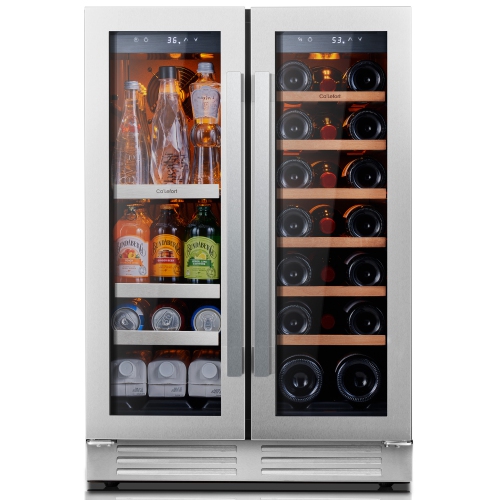
Choosing among quiet wine coolers starts with the space and collection you already have, rather than the maximum bottle count listed on the door. Capacity ratings are commonly based on standard Bordeaux-style bottles arranged efficiently, while sparkling wine, Burgundy bottles, larger formats, and bottles with unusual shapes can take up more room. A cabinet advertised for a certain number of bottles may therefore hold fewer if your collection includes a variety of styles. Measure the available width, height, and depth, allowing room for the door to open fully and for air to circulate around the unit according to the manufacturer’s instructions. Freestanding models need breathing space, while built-in or under-counter models are designed for installation within cabinetry and may use front ventilation. Using the wrong type in a tight enclosure can make the cooling system work harder and create more noticeable noise. Think about whether you prefer one temperature zone or two. A single-zone cooler is straightforward for storing a collection at one consistent setting, while a dual-zone model can accommodate different serving or storage preferences for red and white wines. Multiple zones may be helpful for households that enjoy a chilled white wine with dinner and keep reds at a different temperature, though the added components can affect capacity, dimensions, and operating sound. Adjustable shelves are useful when you rotate bottles often, and sturdy, well-fitted racks can help prevent clinking and vibration as the cooler runs. A glass door makes it easy to see the collection, while interior lighting can add a pleasant display effect without requiring the door to be opened repeatedly. Look for controls that are easy to read and adjust, a lock if children or visitors may have access, and a temperature memory feature that helps the cooler return to its previous setting after a brief power interruption.
Quiet wine coolers suit a wide range of homes and routines. They can be a practical addition to an open-plan kitchen where the sound of a full-size appliance might compete with conversation, or to a dining room where bottles are kept close at hand for entertaining. In a condo, apartment, or smaller home, low operating noise is particularly helpful when living, cooking, and sleeping areas share the same footprint. A collector may appreciate a quieter cabinet in a dedicated tasting room, while a casual host may use one to keep a few favourite bottles ready for dinners, weekend visits, or relaxed evenings during the cooler months. They can also make thoughtful gifts for someone moving into a new home, setting up a home bar, or beginning to explore different wine styles. Before giving one as a gift, consider the recipient’s available floor or counter space, preferred bottle types, and whether they have access to a suitable electrical outlet. Installation and delivery logistics are worth considering for larger cabinets, as a level surface helps the door seal properly and supports consistent performance. Once installed, leave adequate clearance, keep the ventilation areas unobstructed, and avoid frequent temperature changes caused by leaving the door open. Dust around accessible vents as recommended, check that shelves are seated securely, and arrange bottles so air can move around them. These simple habits can support efficient cooling and help keep operating noise unobtrusive. Whether the cooler is quietly holding a few bottles for an intimate meal or maintaining a carefully arranged collection for gatherings, the best choice balances low sound, dependable temperature control, suitable capacity, and a natural fit within the room.
Choosing among quiet wine coolers starts with the space and collection you already have, rather than the maximum bottle count listed on the door. Capacity ratings are commonly based on standard Bordeaux-style bottles arranged efficiently, while sparkling wine, Burgundy bottles, larger formats, and bottles with unusual shapes can take up more room. A cabinet advertised for a certain number of bottles may therefore hold fewer if your collection includes a variety of styles. Measure the available width, height, and depth, allowing room for the door to open fully and for air to circulate around the unit according to the manufacturer’s instructions. Freestanding models need breathing space, while built-in or under-counter models are designed for installation within cabinetry and may use front ventilation. Using the wrong type in a tight enclosure can make the cooling system work harder and create more noticeable noise. Think about whether you prefer one temperature zone or two. A single-zone cooler is straightforward for storing a collection at one consistent setting, while a dual-zone model can accommodate different serving or storage preferences for red and white wines. Multiple zones may be helpful for households that enjoy a chilled white wine with dinner and keep reds at a different temperature, though the added components can affect capacity, dimensions, and operating sound. Adjustable shelves are useful when you rotate bottles often, and sturdy, well-fitted racks can help prevent clinking and vibration as the cooler runs. A glass door makes it easy to see the collection, while interior lighting can add a pleasant display effect without requiring the door to be opened repeatedly. Look for controls that are easy to read and adjust, a lock if children or visitors may have access, and a temperature memory feature that helps the cooler return to its previous setting after a brief power interruption.
Quiet wine coolers suit a wide range of homes and routines. They can be a practical addition to an open-plan kitchen where the sound of a full-size appliance might compete with conversation, or to a dining room where bottles are kept close at hand for entertaining. In a condo, apartment, or smaller home, low operating noise is particularly helpful when living, cooking, and sleeping areas share the same footprint. A collector may appreciate a quieter cabinet in a dedicated tasting room, while a casual host may use one to keep a few favourite bottles ready for dinners, weekend visits, or relaxed evenings during the cooler months. They can also make thoughtful gifts for someone moving into a new home, setting up a home bar, or beginning to explore different wine styles. Before giving one as a gift, consider the recipient’s available floor or counter space, preferred bottle types, and whether they have access to a suitable electrical outlet. Installation and delivery logistics are worth considering for larger cabinets, as a level surface helps the door seal properly and supports consistent performance. Once installed, leave adequate clearance, keep the ventilation areas unobstructed, and avoid frequent temperature changes caused by leaving the door open. Dust around accessible vents as recommended, check that shelves are seated securely, and arrange bottles so air can move around them. These simple habits can support efficient cooling and help keep operating noise unobtrusive. Whether the cooler is quietly holding a few bottles for an intimate meal or maintaining a carefully arranged collection for gatherings, the best choice balances low sound, dependable temperature control, suitable capacity, and a natural fit within the room.
Top selling and popular products
-
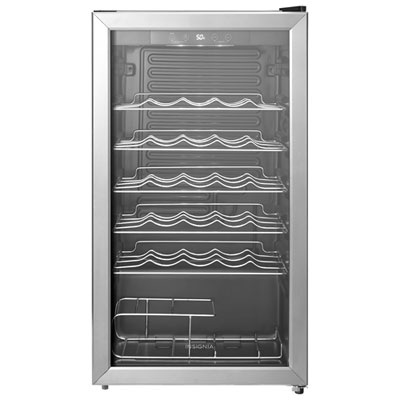 Your price for this item is $299.99
 -
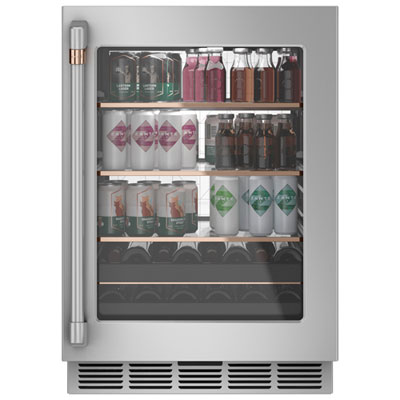 Your price for this item is $4499.99
 -
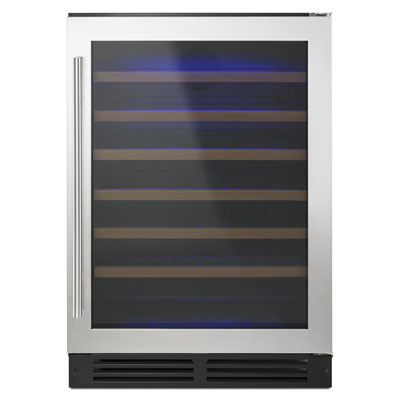 Your price for this item is $1799.99
 -
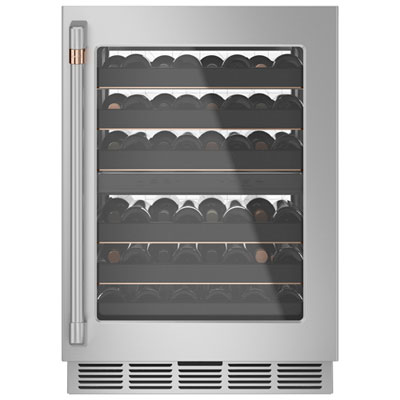 Your price for this item is $4599.99
 -
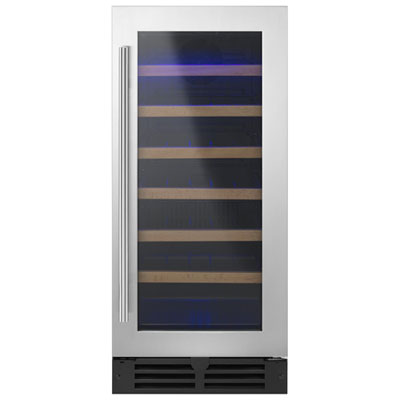 Your price for this item is $1649.99
 -
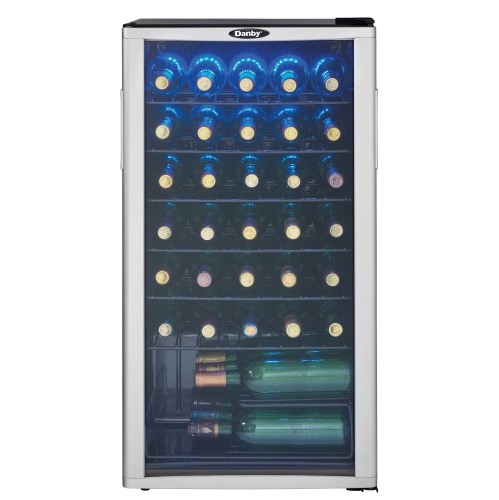 Your price for this item is $399.99
 -
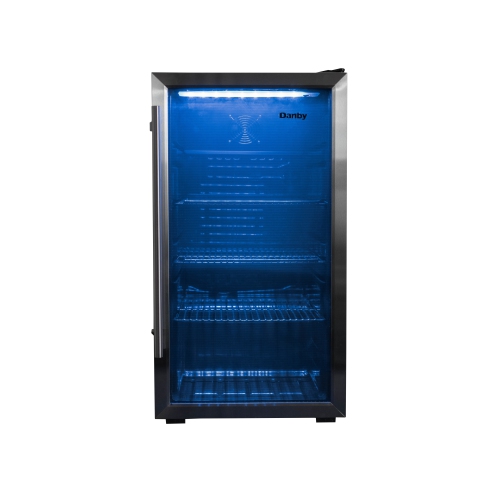 Your price for this item is $499.99
 -
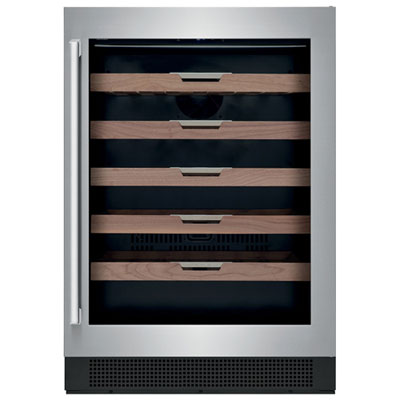 Your price for this item is $1792.98
Discover more categories related to Quietest Wine Coolers
Top Collections:
Best Laptops for Video Editing, Pokemon Centers, Samsung Z Fold, Kindle Devices, Best Cell Phones Under $300, Best Laptops for Writers, Best Budget Office Chairs, Best Cell Phones Under $500, Best Laptop Computers for Students, iPhone 15 Apple
Some products may be subject to Environmental Handling Fees
(EHF) depending on your province.
Learn more about EHFs.