Radiant Cooktops
Upgrade your kitchen with a sleek and efficient radiant cooktop. Designed to bring style and functionality to your cooking space, these cooktops offer a seamless cooking experience like no other. With their smooth glass surface and powerful heating elements, radiant cooktops provide even heat distribution for precise and consistent cooking results. Whether you're simmering sauces, boiling water, or sautéing vegetables, a radiant cooktop will effortlessly elevate your culinary creations. Explore our wide selection of radiant cooktops and find the perfect addition to your kitchen today.
Sort
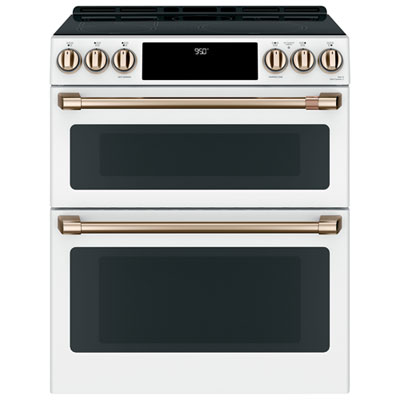
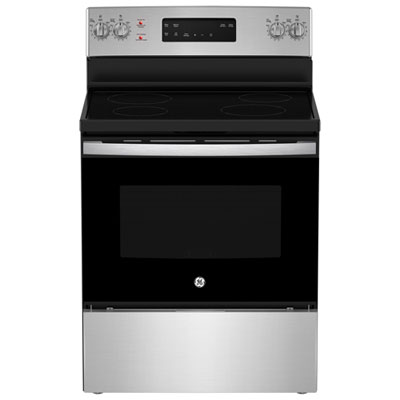
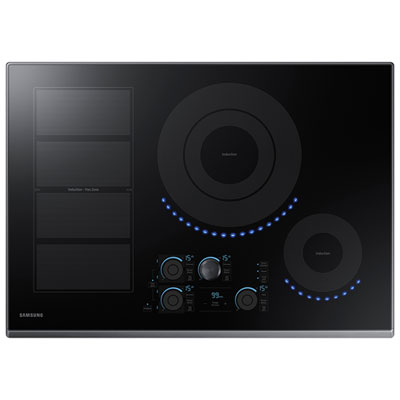
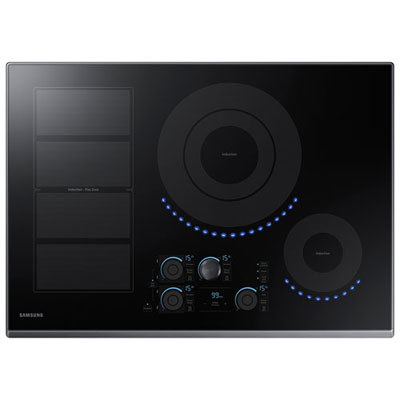
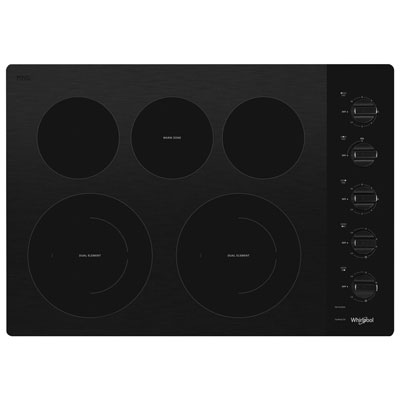
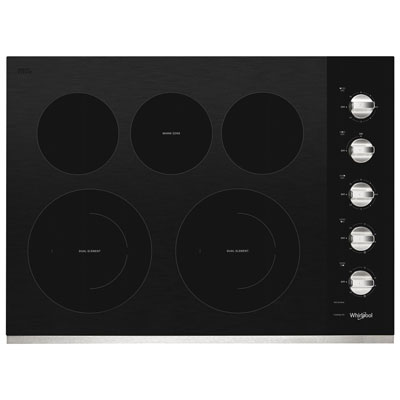
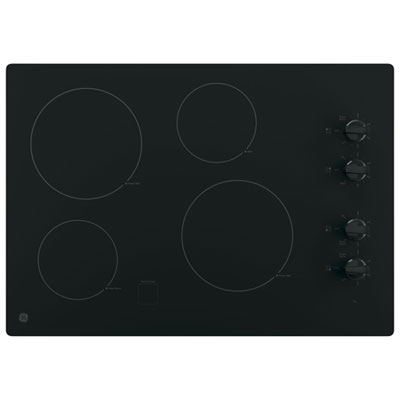
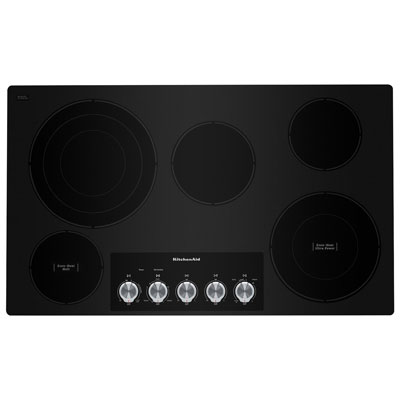
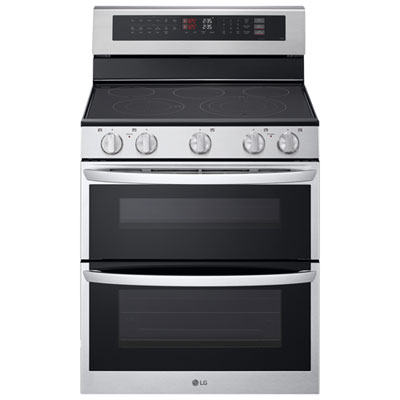
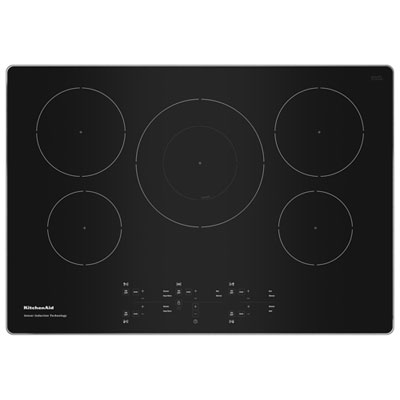
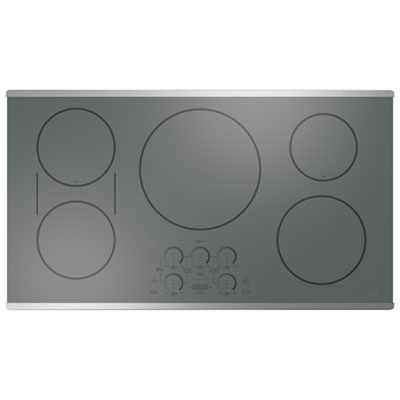
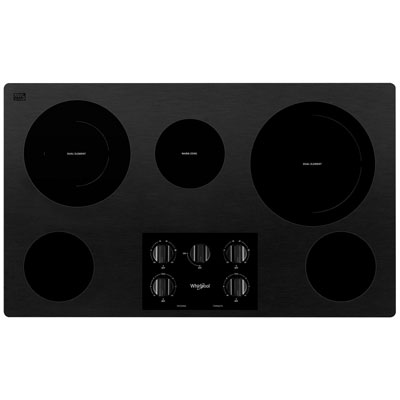
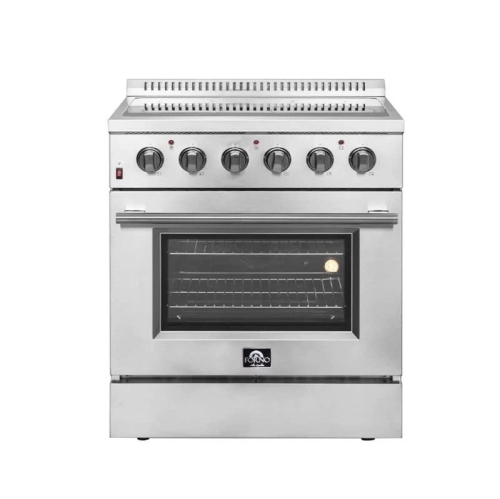
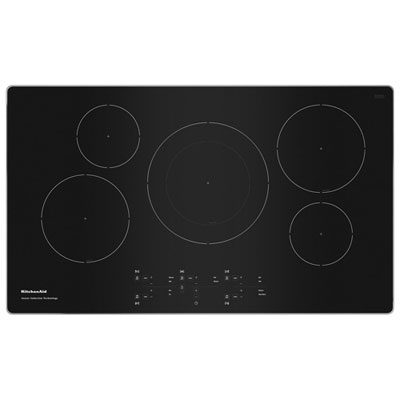
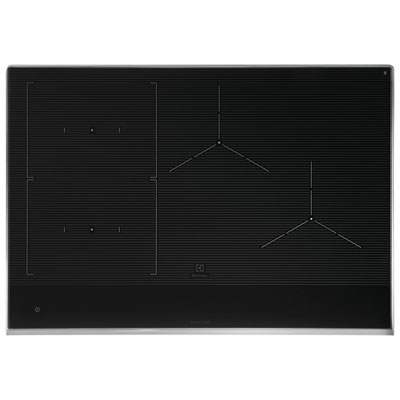
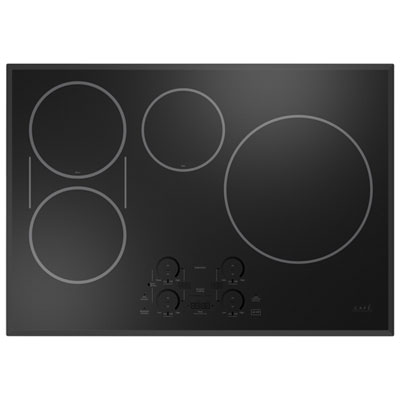
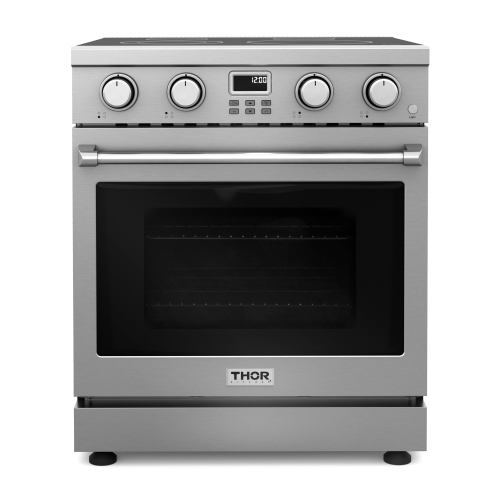
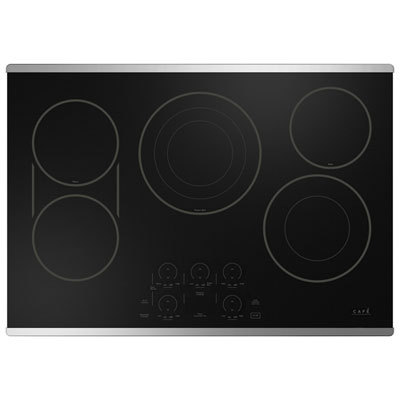
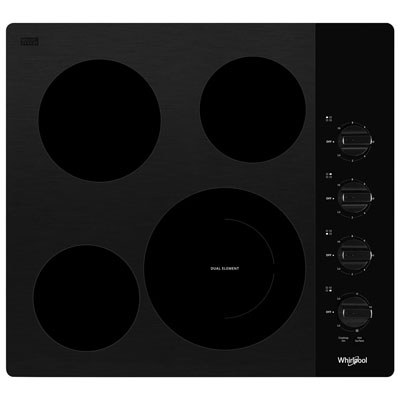
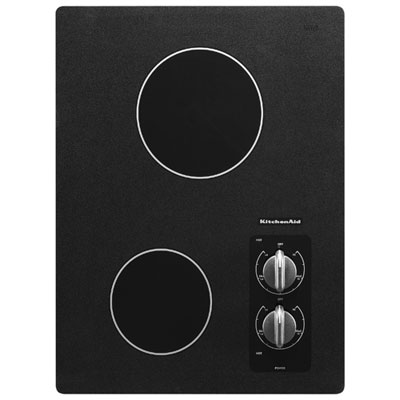
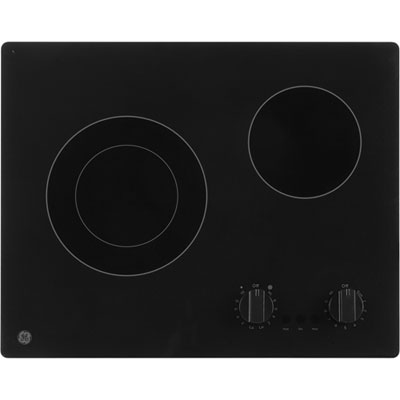
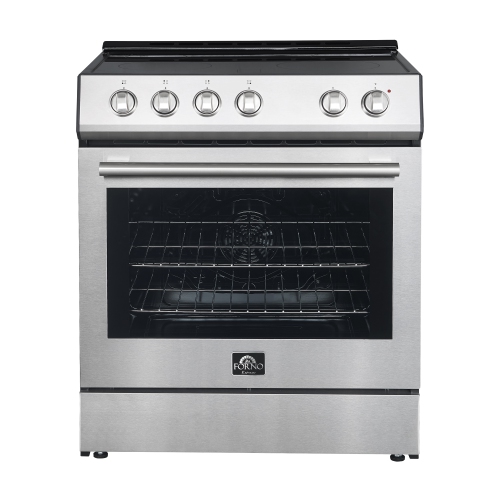
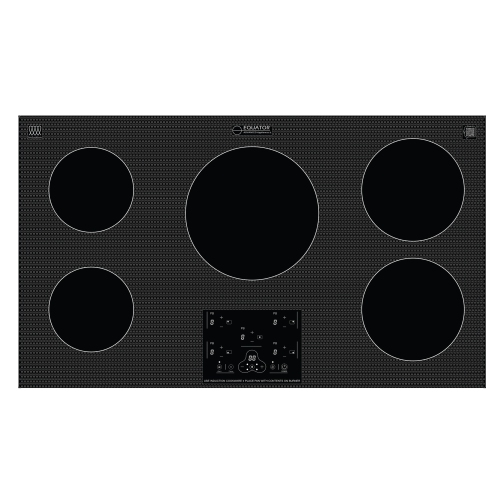
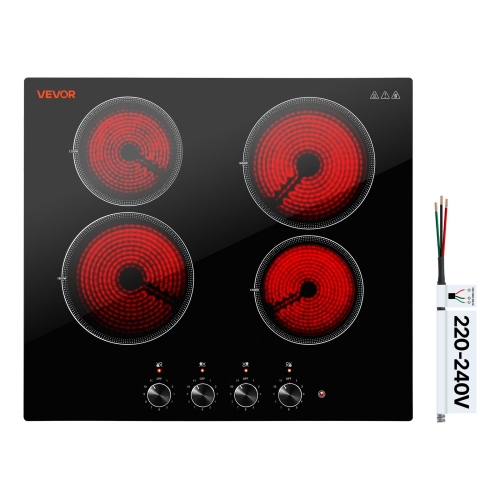
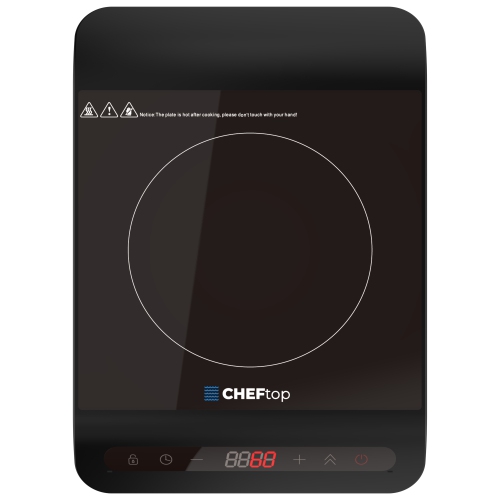
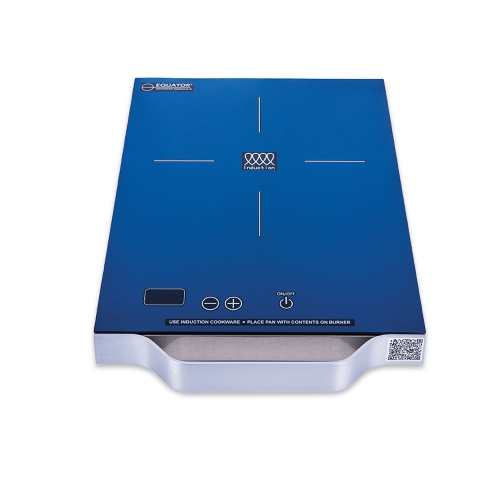
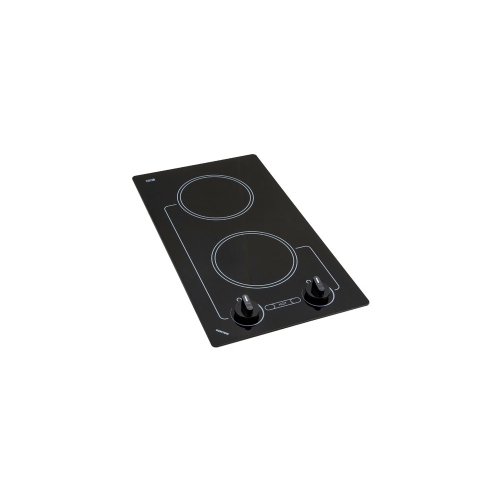
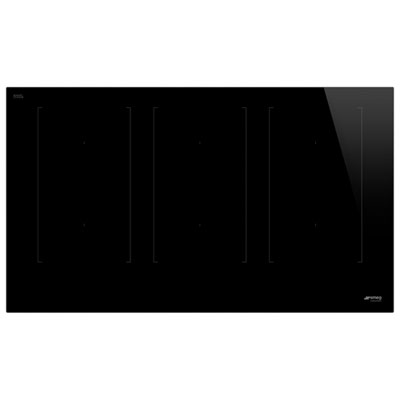
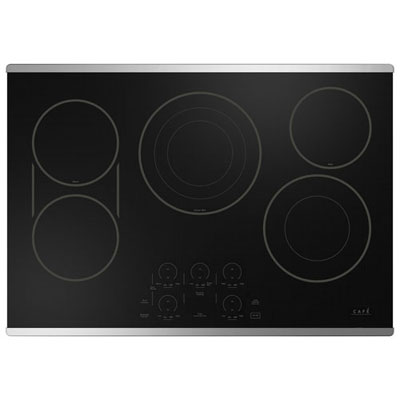
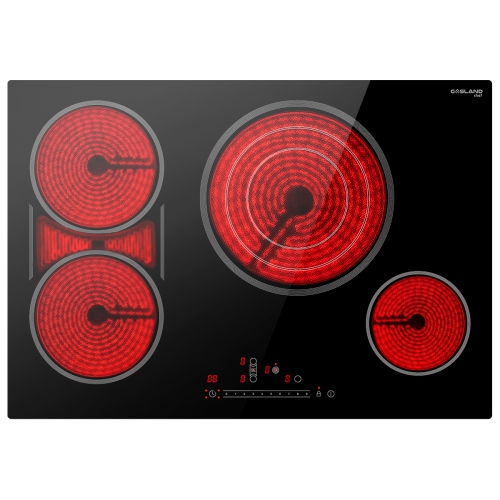
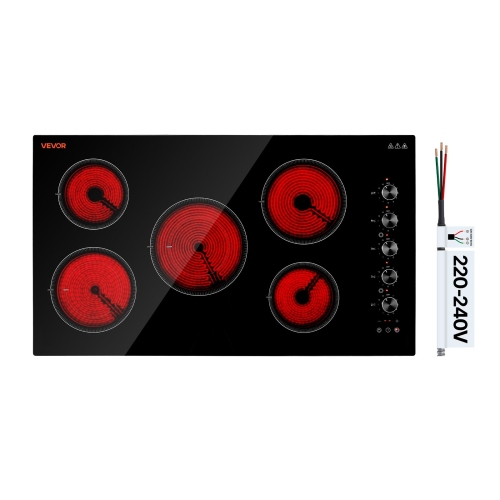
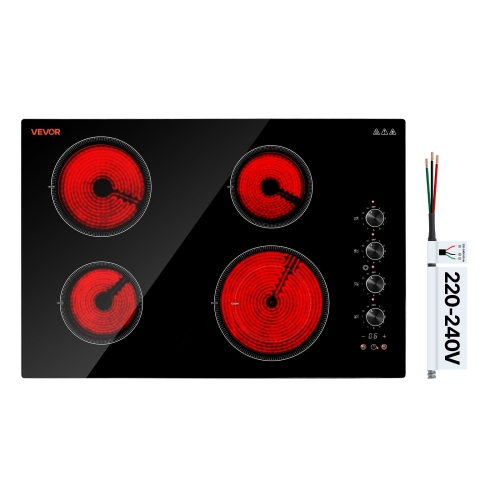
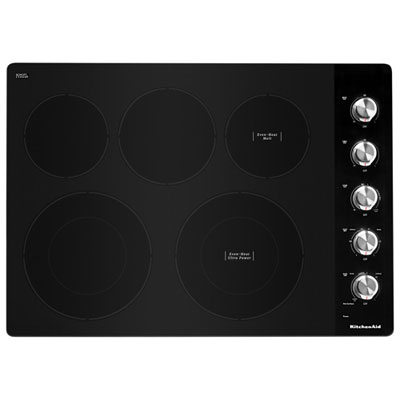
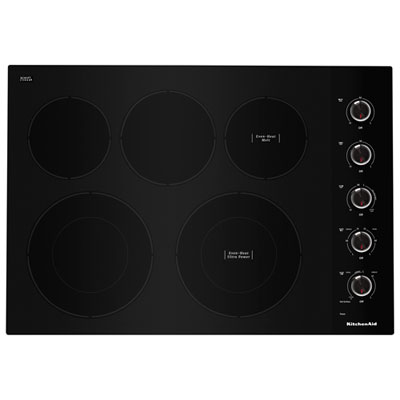
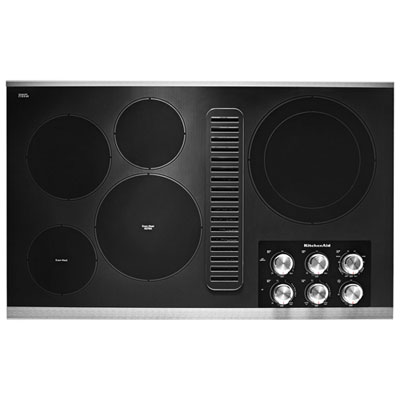
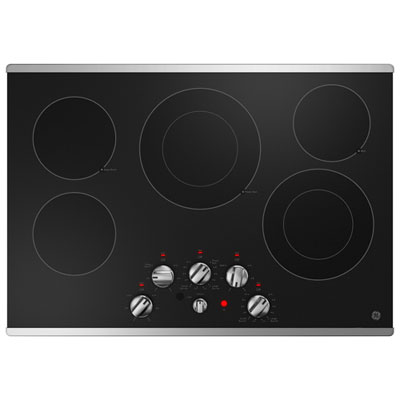
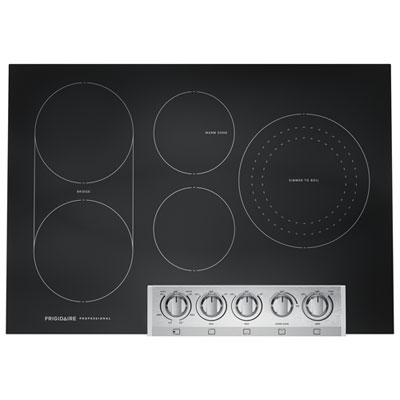
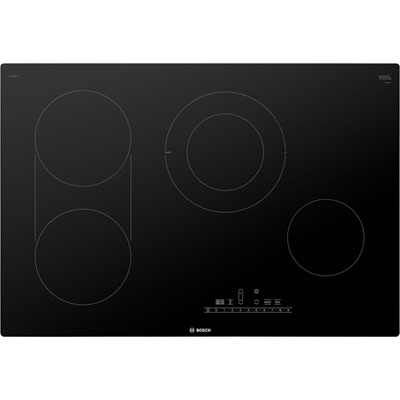
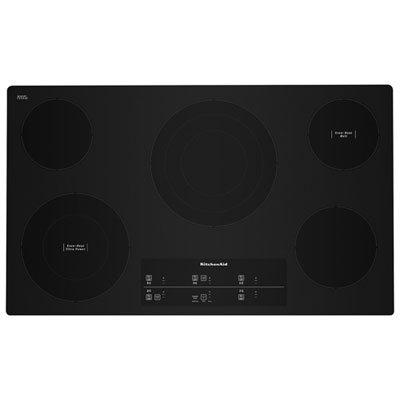
Understand how radiant heat fits everyday cooking and kitchen updates
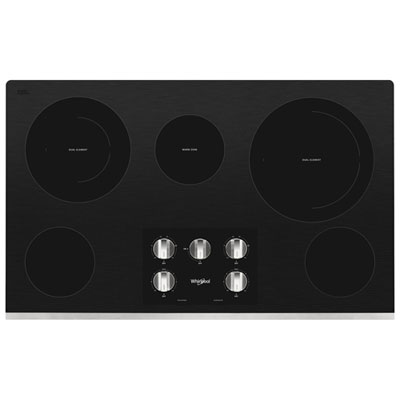
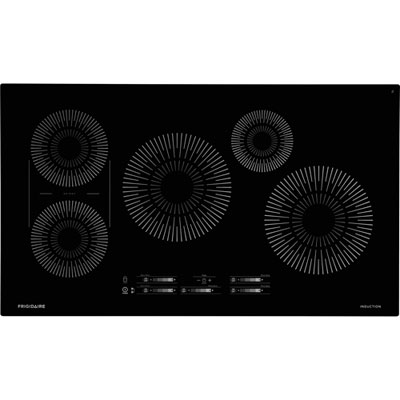
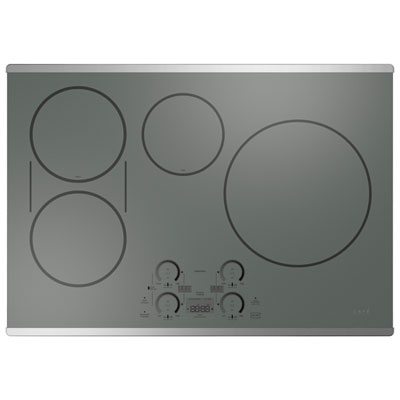
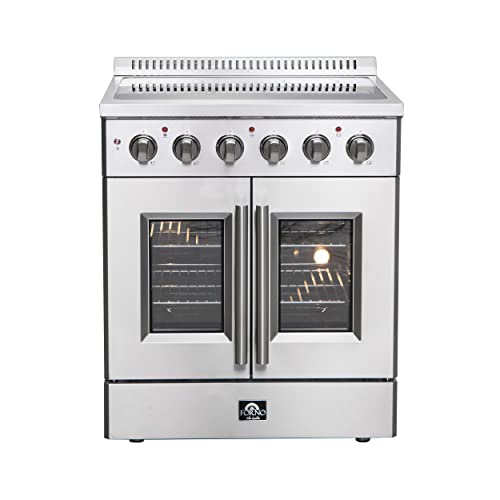
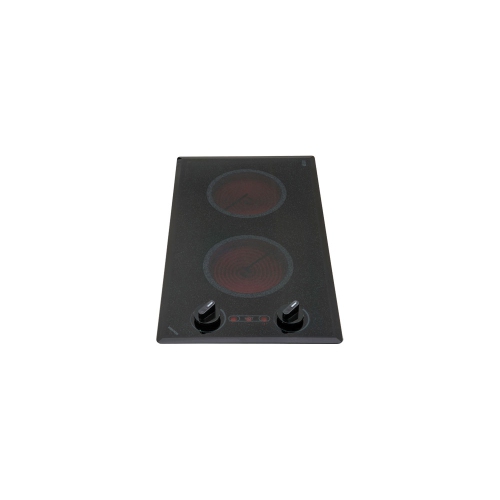
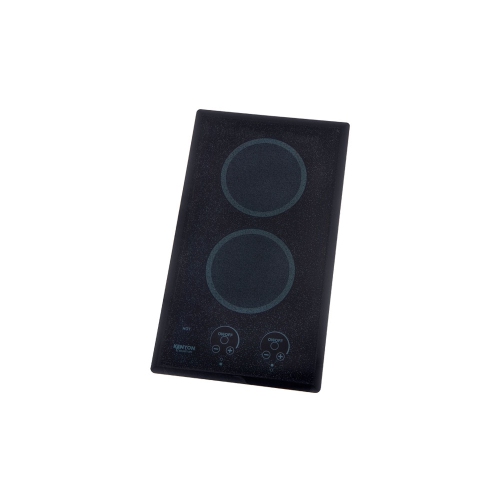
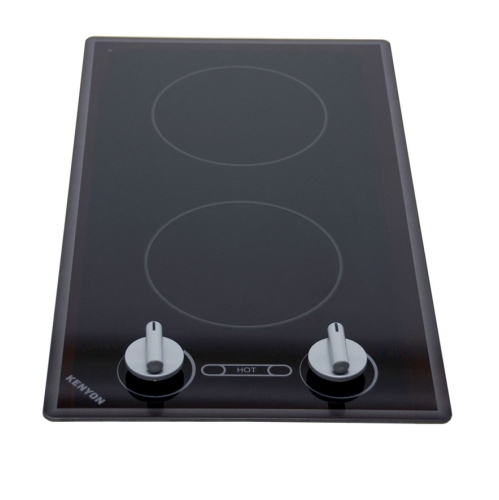
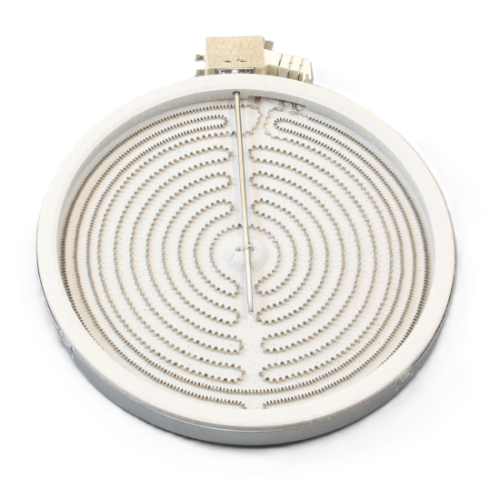
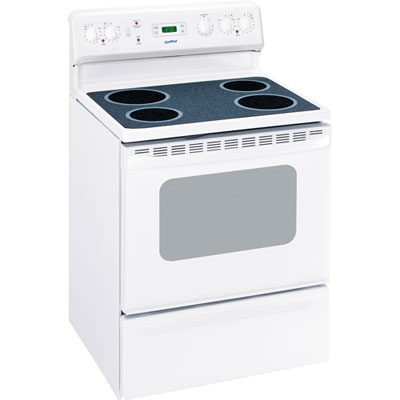
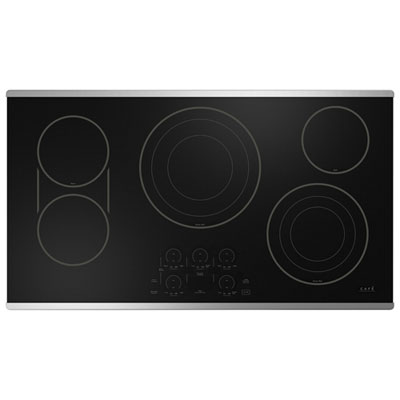
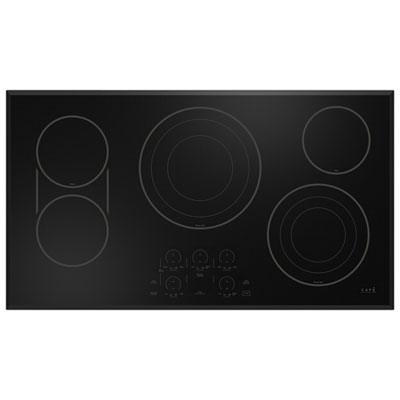
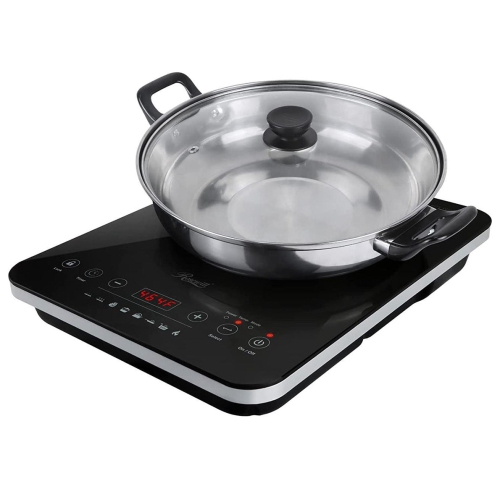
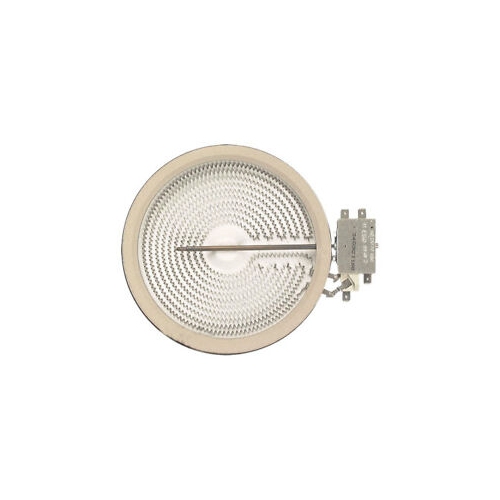
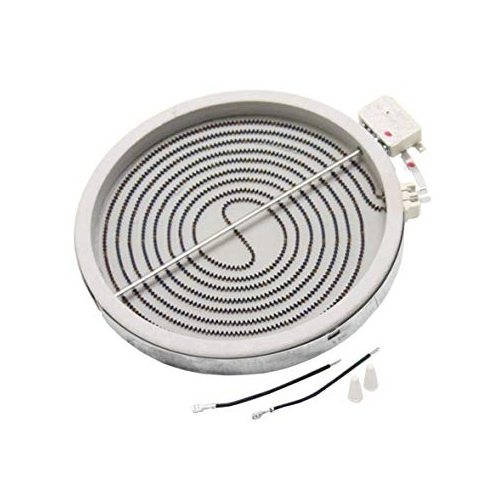
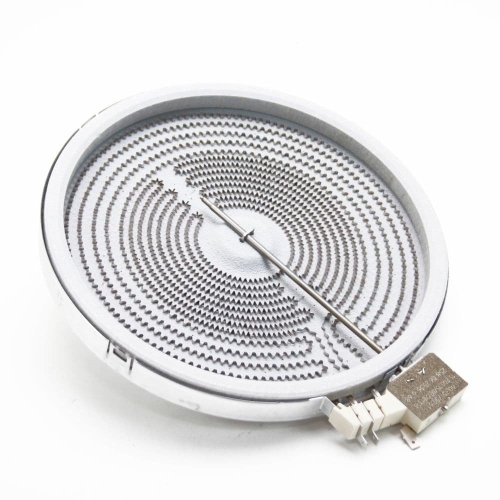
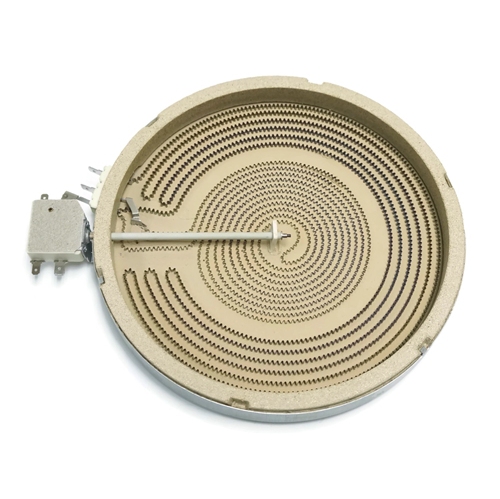
Radiant cooktops bring a clean, streamlined look to the kitchen while providing familiar electric cooking performance for everyday meals. Beneath the smooth glass-ceramic surface, metal heating elements warm when electricity passes through them. That heat transfers through the cooking surface to the base of a pot or pan, allowing you to boil water, simmer sauces, sear vegetables and prepare family dinners without an open flame. Many radiant elements glow red while they are actively heating, then cycle on and off to maintain the selected temperature. This cycling is normal and helps regulate cooking temperatures, although the surface may continue to feel hot after the element stops glowing. Unlike induction cooktops, radiant models do not require magnetic cookware, so they can be used with many common materials, including stainless steel, cast iron, aluminium, copper and oven-safe glass, provided the cookware has a flat, stable base. That broad compatibility can make a radiant cooktop a practical choice when replacing an older range or updating a kitchen without replacing an entire collection of pots and pans. The smooth surface also creates a contemporary appearance that works well in compact kitchens, open-concept spaces, condos, suites and renovated family homes. For additional options with a similar streamlined surface, explore Glass Cooktops. Radiant cooking is especially suited to home cooks who appreciate straightforward controls and dependable heat for familiar recipes. It can be a useful choice for someone furnishing a first home, refreshing a rental kitchen or planning a renovation where a built-in cooktop is preferred over a freestanding range. It may also suit households that regularly cook several dishes at once, since models can offer multiple element sizes for saucepans, frying pans, stockpots and griddles.
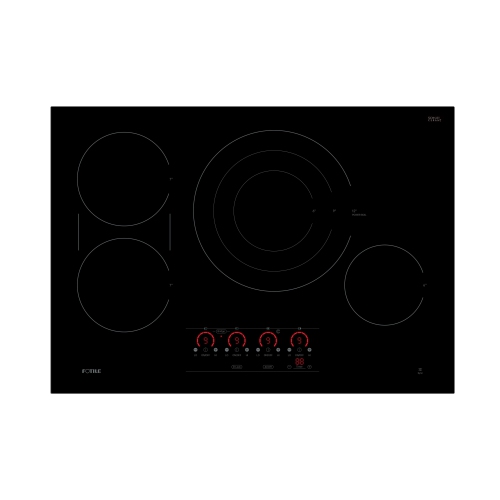
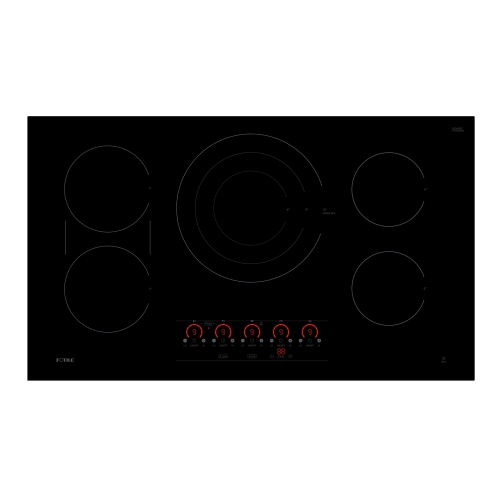
When choosing among radiant cooktops, begin by measuring the available cutout and checking the required electrical connection before making a purchase. Built-in cooktops are designed for a particular countertop opening, and dimensions can vary even when two units appear similar at first glance. Confirm the width, depth, clearance requirements and ventilation needs, then review the installation instructions with a qualified professional. Consider the number, arrangement and size of the cooking elements as well. A smaller element can provide controlled heat for a butter warmer or small saucepan, while a larger element can accommodate a Dutch oven or wide sauté pan. Dual- or expandable-size elements are useful when you want to switch between compact cookware and larger vessels without wasting heat around the pan. Bridge-style zones, where available, can create a longer heated area for a griddle or roasting dish. Controls are another important consideration. Touch controls create a very minimal appearance and are easy to wipe clean, while clearly marked knobs may feel more familiar for cooks who prefer a tactile adjustment. Look for settings that make it easy to move from a low simmer to higher heat, along with features such as control locks, hot-surface indicators and automatic shutoff functions. A radiant cooktop generally costs less upfront than an induction alternative, and its ability to work with a wide range of cookware can help keep the overall kitchen update manageable. It does, however, respond more gradually than induction: the element takes time to heat, and the cooking surface remains warm after the control is turned off. Planning for that residual heat can be helpful when finishing delicate foods, keeping a dish warm or managing several pans during a busy meal.
Careful cookware habits and regular cleaning will help preserve the appearance and performance of a radiant cooktop. Choose pans with smooth, flat bottoms that make even contact with the surface, since warped or rough cookware can heat unevenly and may scratch the glass-ceramic top. Lift cookware rather than sliding it across the surface, and keep the area free of grit before placing a pan down. Spills are easiest to wipe away once the surface has cooled to a safe temperature, though sugary mixtures and melted plastic should be addressed promptly according to the manufacturer’s care instructions. Use a cleaner and non-abrasive pad intended for glass-ceramic cooktops, avoiding harsh scouring powders, steel wool and sharp tools that can leave marks. Because the surface can stay hot well after cooking, keep towels, packaging, utensils and other items away from the elements, and use the hot-surface indicators as a reminder that the glass may not yet be safe to touch. Families with children may appreciate a control lock, while older adults or anyone with limited mobility may value clearly visible indicators and simple, front-facing controls. During the cooler months, a radiant cooktop can become the centre of a comforting kitchen routine, from slowly simmering soup to preparing a hearty pasta sauce or a weekend breakfast. It is also a practical upgrade for hosts who want a broad, uninterrupted work surface that can be cleaned quickly between meals. By comparing the cooktop’s dimensions, element layout, controls, electrical requirements, safety functions and cleaning needs, shoppers can select a radiant cooking surface that fits both the kitchen and the way meals are prepared at home.
When choosing among radiant cooktops, begin by measuring the available cutout and checking the required electrical connection before making a purchase. Built-in cooktops are designed for a particular countertop opening, and dimensions can vary even when two units appear similar at first glance. Confirm the width, depth, clearance requirements and ventilation needs, then review the installation instructions with a qualified professional. Consider the number, arrangement and size of the cooking elements as well. A smaller element can provide controlled heat for a butter warmer or small saucepan, while a larger element can accommodate a Dutch oven or wide sauté pan. Dual- or expandable-size elements are useful when you want to switch between compact cookware and larger vessels without wasting heat around the pan. Bridge-style zones, where available, can create a longer heated area for a griddle or roasting dish. Controls are another important consideration. Touch controls create a very minimal appearance and are easy to wipe clean, while clearly marked knobs may feel more familiar for cooks who prefer a tactile adjustment. Look for settings that make it easy to move from a low simmer to higher heat, along with features such as control locks, hot-surface indicators and automatic shutoff functions. A radiant cooktop generally costs less upfront than an induction alternative, and its ability to work with a wide range of cookware can help keep the overall kitchen update manageable. It does, however, respond more gradually than induction: the element takes time to heat, and the cooking surface remains warm after the control is turned off. Planning for that residual heat can be helpful when finishing delicate foods, keeping a dish warm or managing several pans during a busy meal.
Careful cookware habits and regular cleaning will help preserve the appearance and performance of a radiant cooktop. Choose pans with smooth, flat bottoms that make even contact with the surface, since warped or rough cookware can heat unevenly and may scratch the glass-ceramic top. Lift cookware rather than sliding it across the surface, and keep the area free of grit before placing a pan down. Spills are easiest to wipe away once the surface has cooled to a safe temperature, though sugary mixtures and melted plastic should be addressed promptly according to the manufacturer’s care instructions. Use a cleaner and non-abrasive pad intended for glass-ceramic cooktops, avoiding harsh scouring powders, steel wool and sharp tools that can leave marks. Because the surface can stay hot well after cooking, keep towels, packaging, utensils and other items away from the elements, and use the hot-surface indicators as a reminder that the glass may not yet be safe to touch. Families with children may appreciate a control lock, while older adults or anyone with limited mobility may value clearly visible indicators and simple, front-facing controls. During the cooler months, a radiant cooktop can become the centre of a comforting kitchen routine, from slowly simmering soup to preparing a hearty pasta sauce or a weekend breakfast. It is also a practical upgrade for hosts who want a broad, uninterrupted work surface that can be cleaned quickly between meals. By comparing the cooktop’s dimensions, element layout, controls, electrical requirements, safety functions and cleaning needs, shoppers can select a radiant cooking surface that fits both the kitchen and the way meals are prepared at home.
Top selling and popular products
-
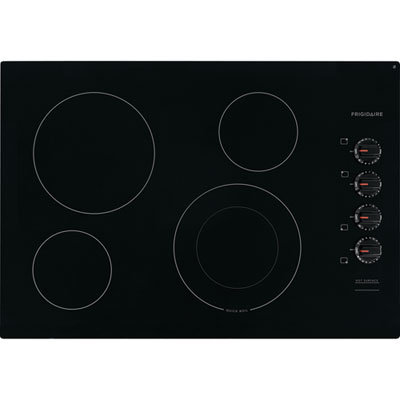 Your price for this item is $699.99
 -
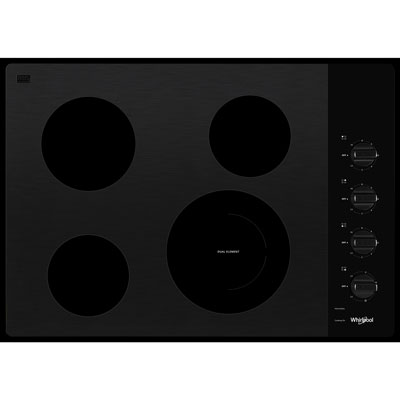 Your price for this item is $949.99
 -
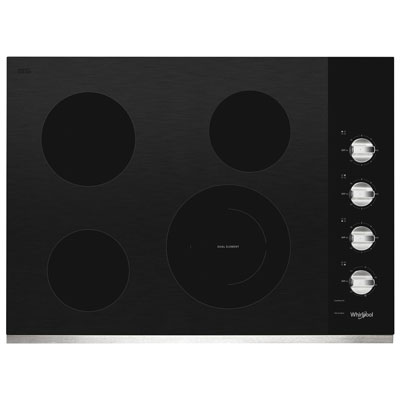 Your price for this item is $949.99
 -
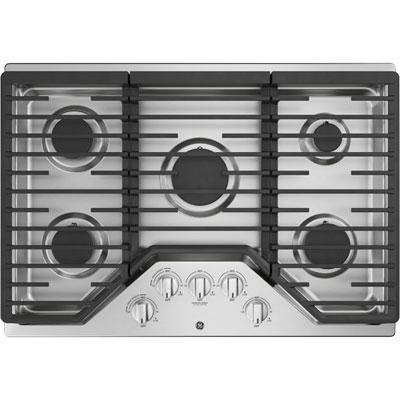 Your price for this item is $1499.99
 -
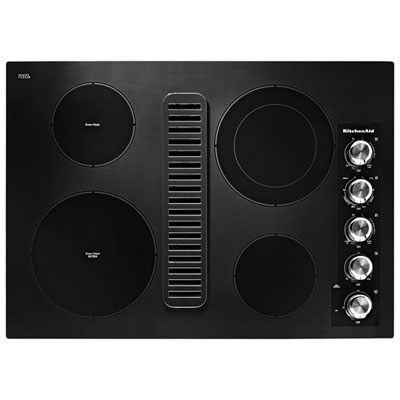 Your price for this item is $2999.99
 -
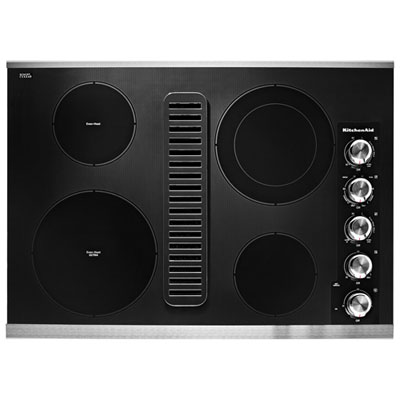 Your price for this item is $3099.99
 -
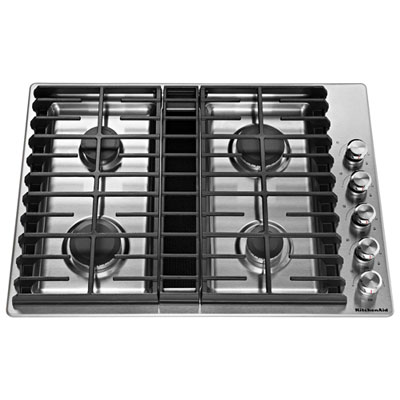 Your price for this item is $3099.99
 -
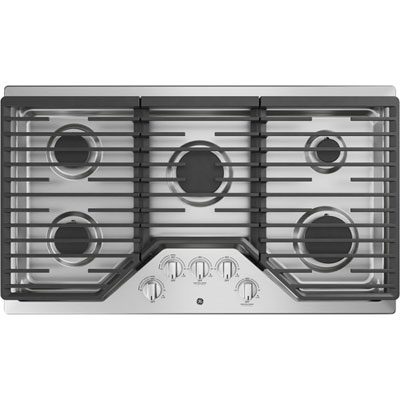 Your price for this item is $1899.99
Discover more categories related to Radiant Cooktops
Top Collections:
Pokemon Centers, Kindle Devices, Best Budget Office Chairs, Apple iPhones 16, Best Laptops for Writers, iPhone 15 Apple, Canon G7X Cameras, Refurbished Apple Laptops, Alarm Clock, Motorola Razr Phones
Some products may be subject to Environmental Handling Fees
(EHF) depending on your province.
Learn more about EHFs.