Recirculating Microwave Vent
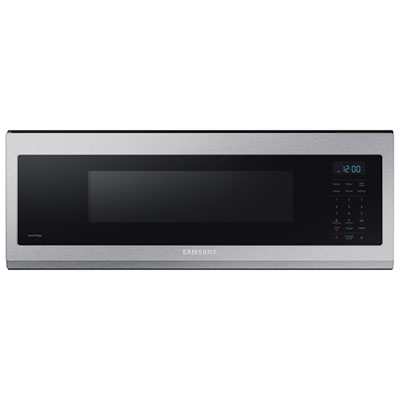
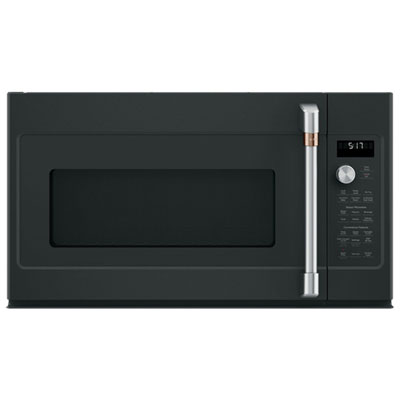
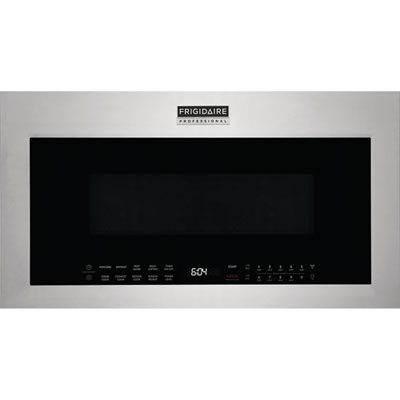
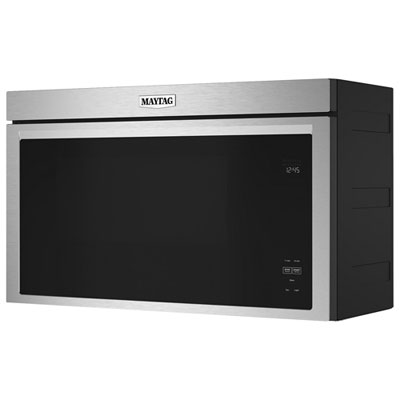
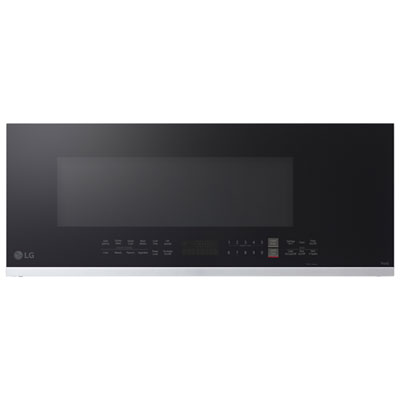
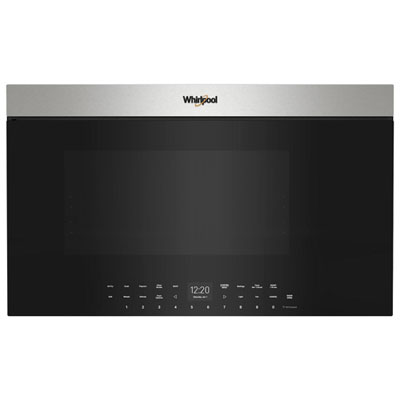
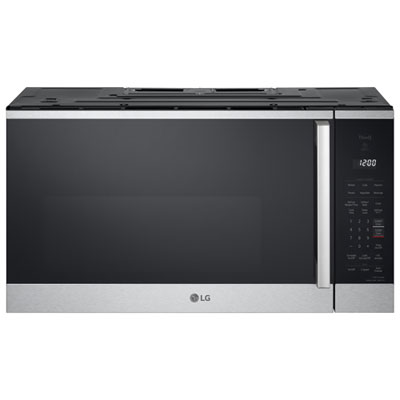
Looking for a convenient and efficient way to keep your kitchen air clean while cooking? Look no further than our selection of recirculating microwave vents. These innovative appliances are designed to effectively remove smoke, steam, and odors from your kitchen, providing you with a fresh and comfortable cooking environment. With their powerful ventilation systems and sleek designs, recirculating microwave vents are the perfect addition to almost any modern kitchen. Here are some great options available.
Sort
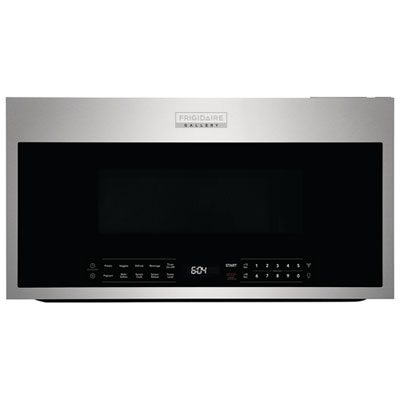
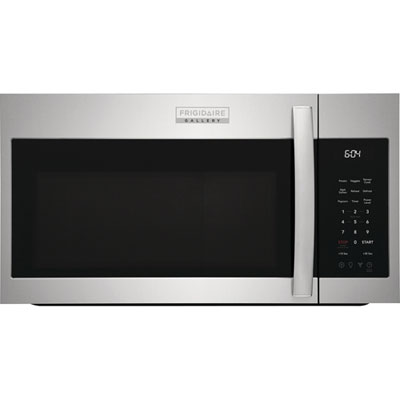
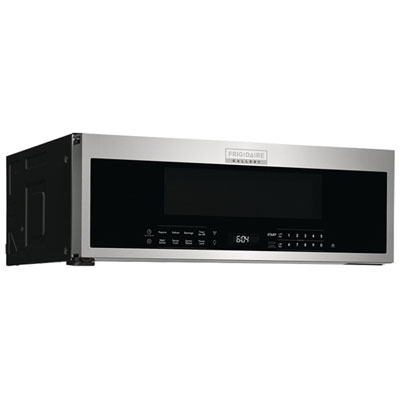
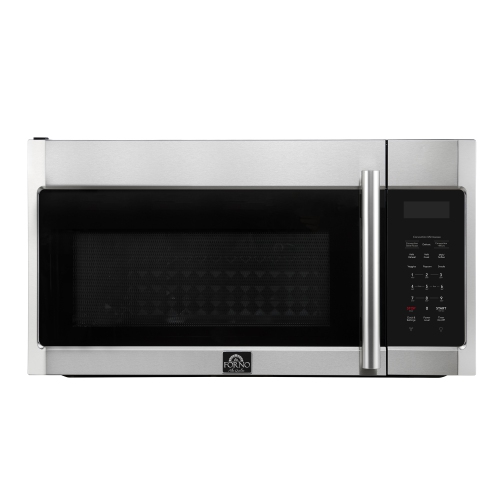
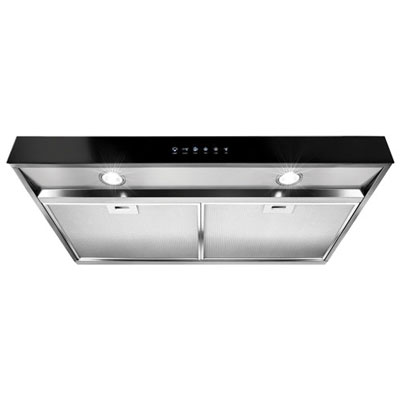
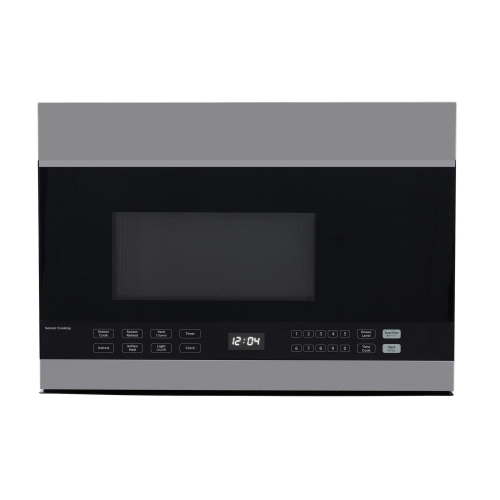
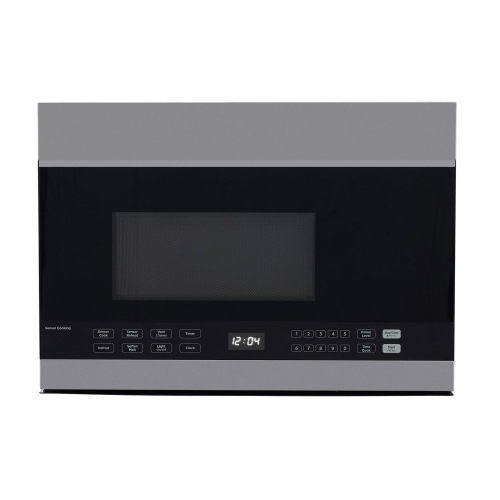
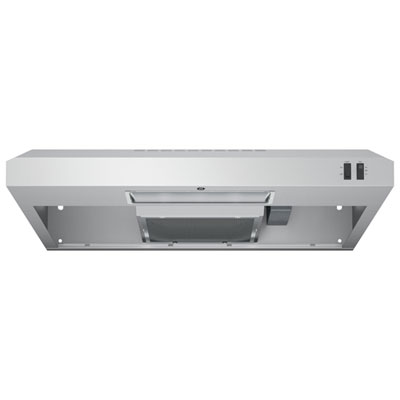
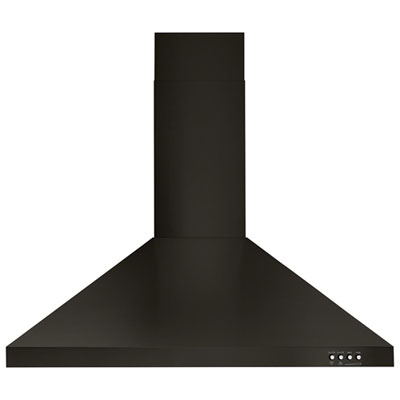
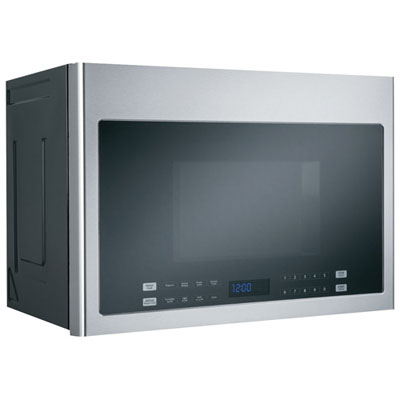
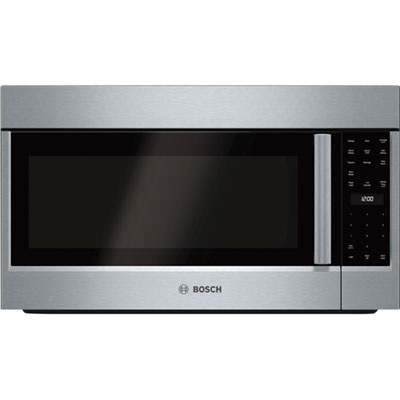
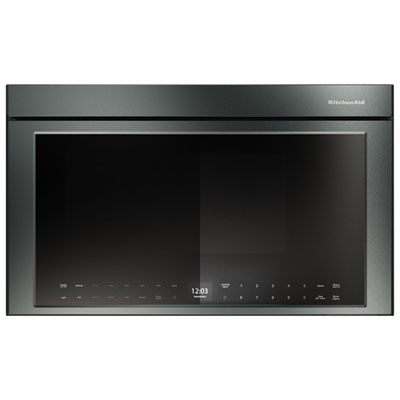
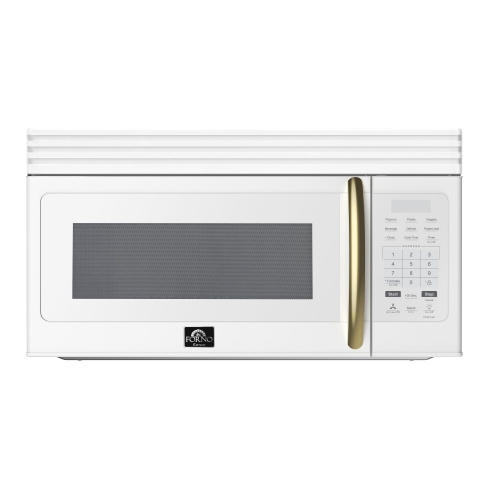
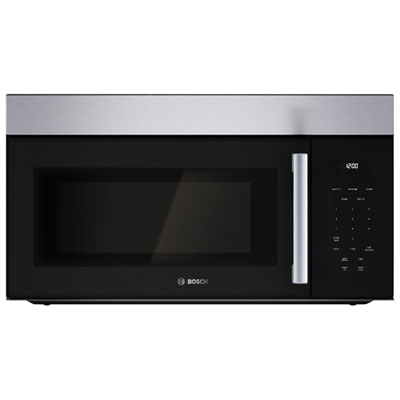
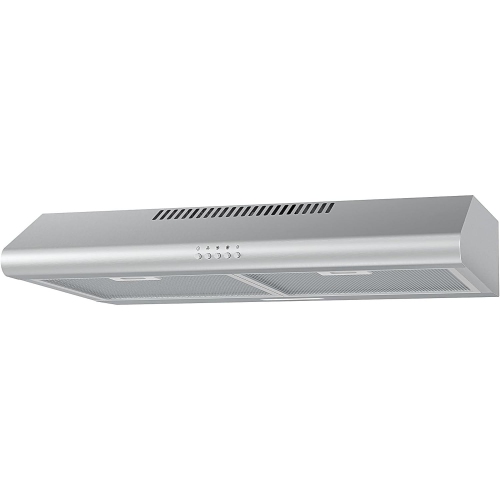
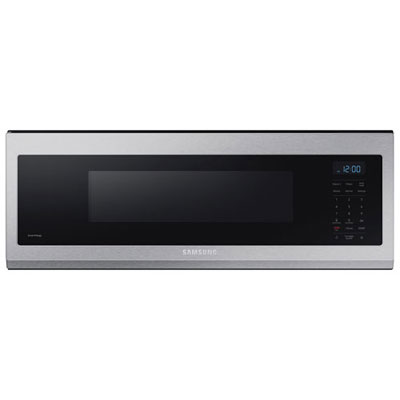
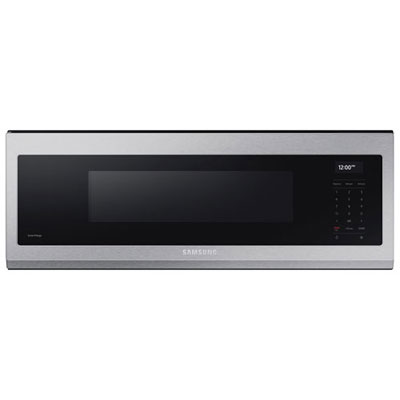
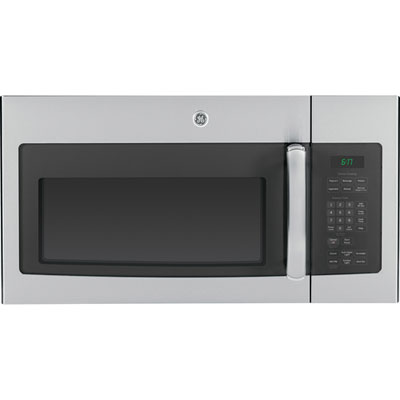
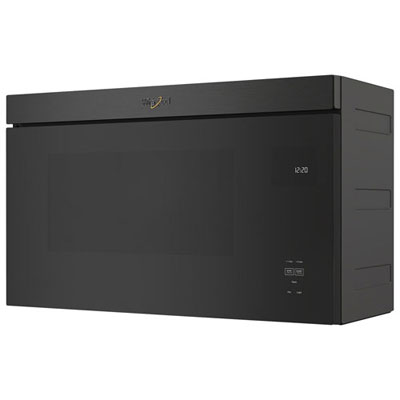
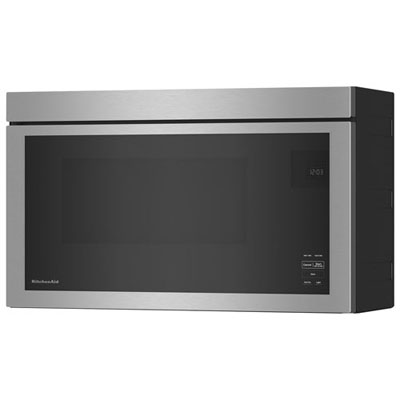
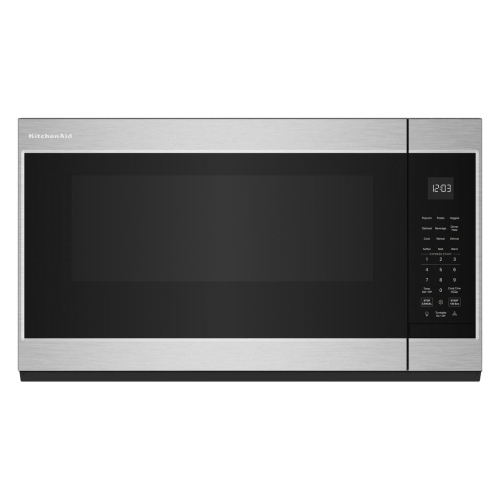
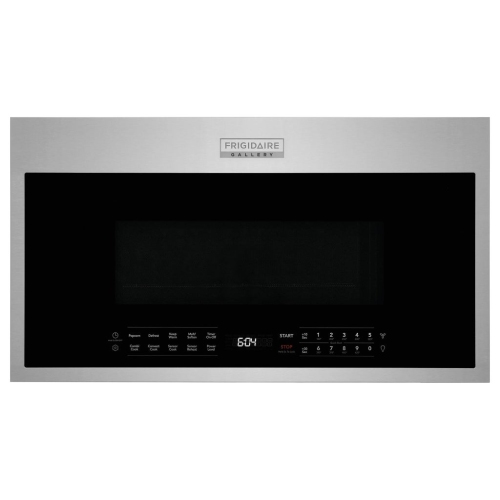
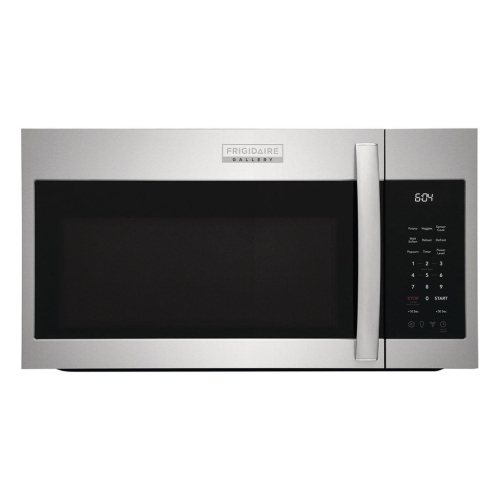
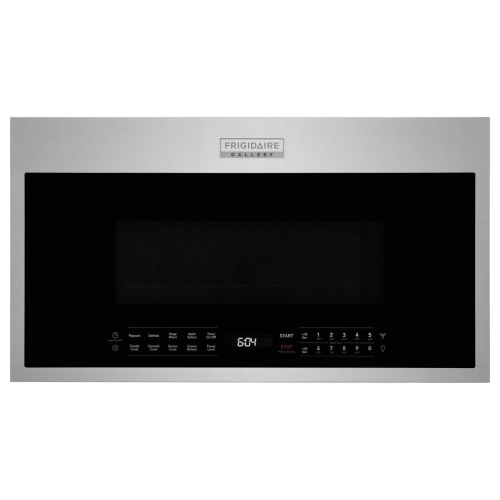
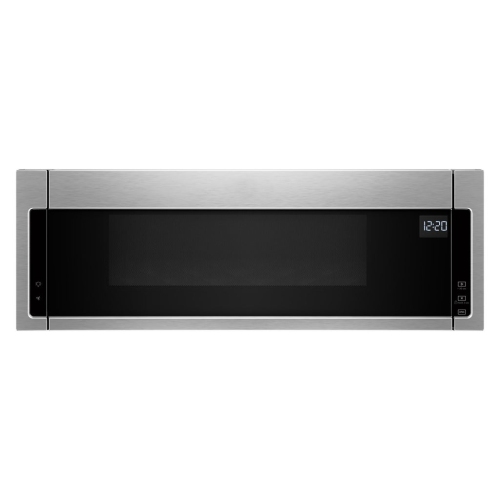
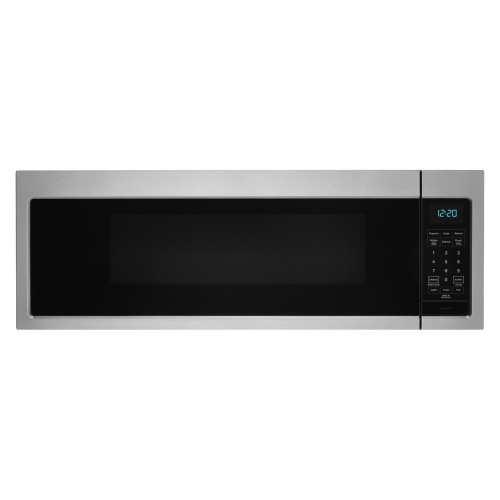
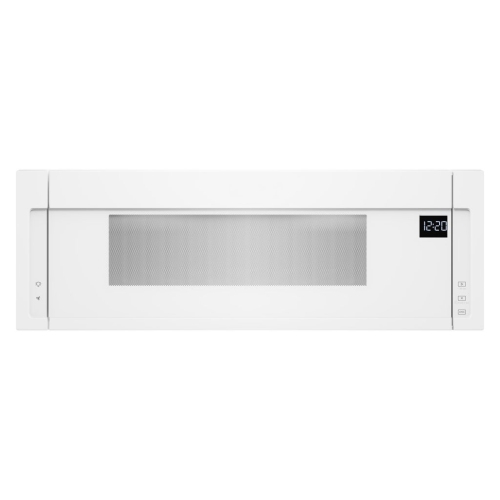
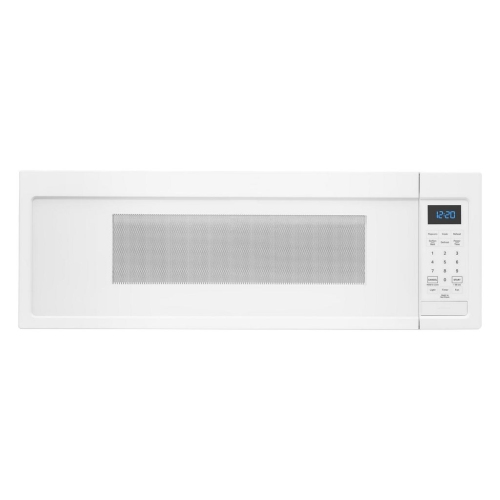
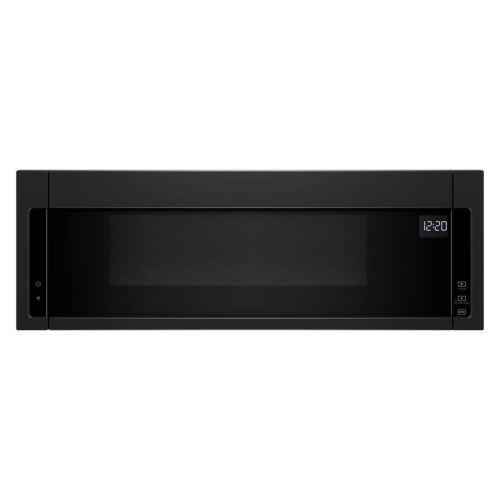
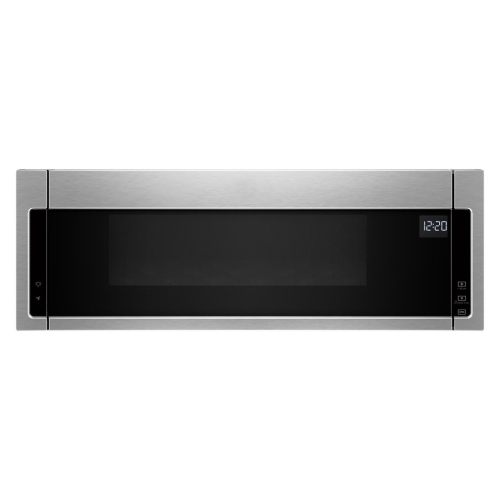
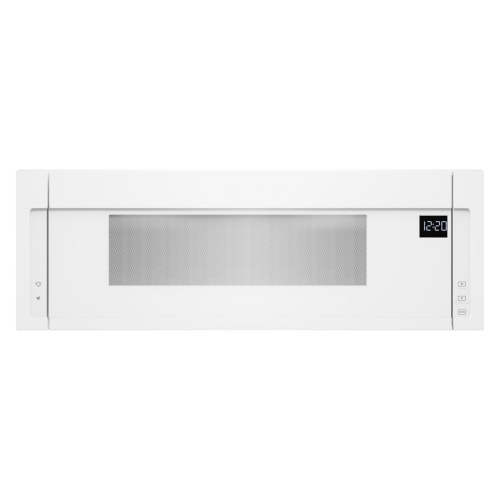
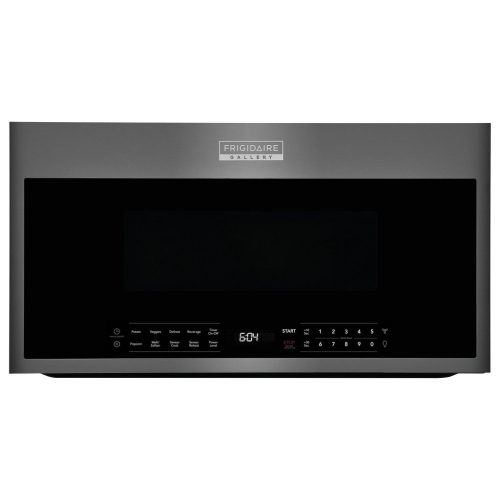
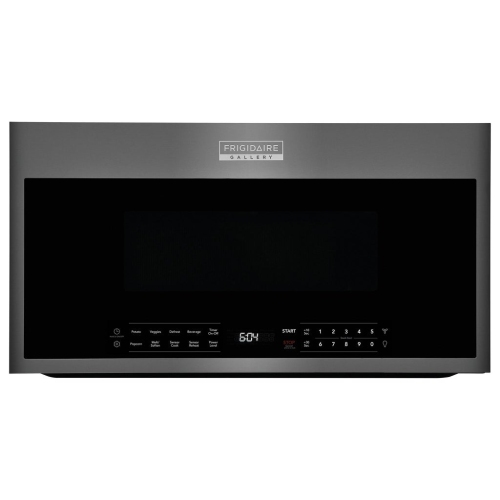
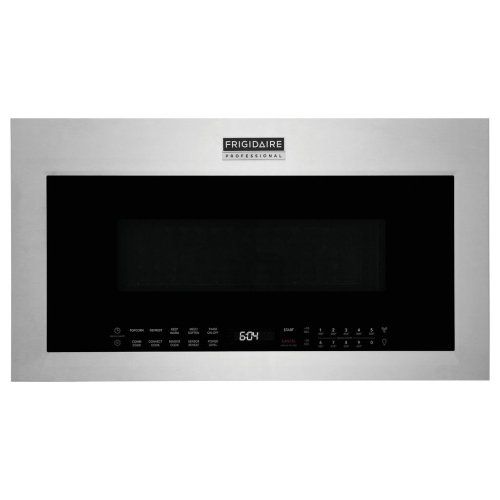
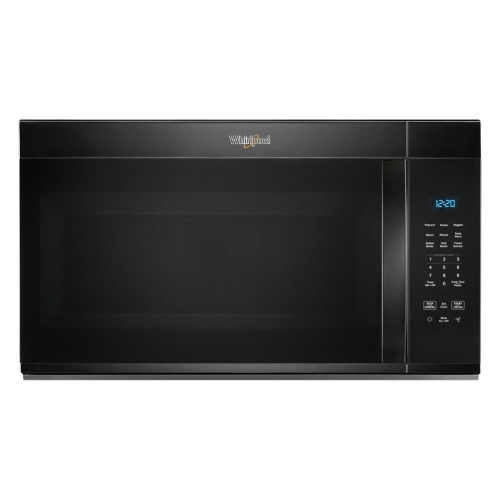
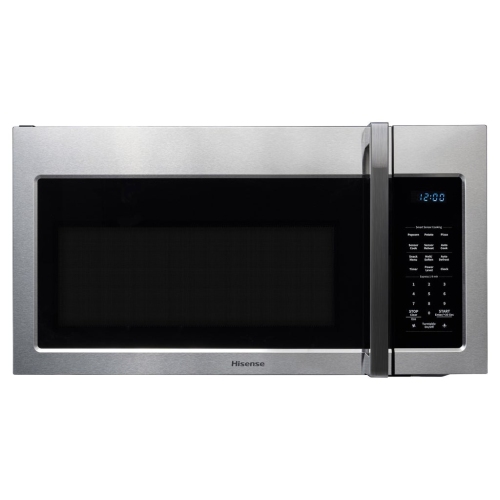
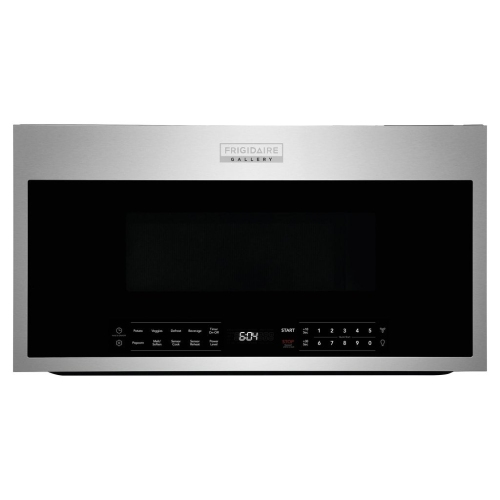
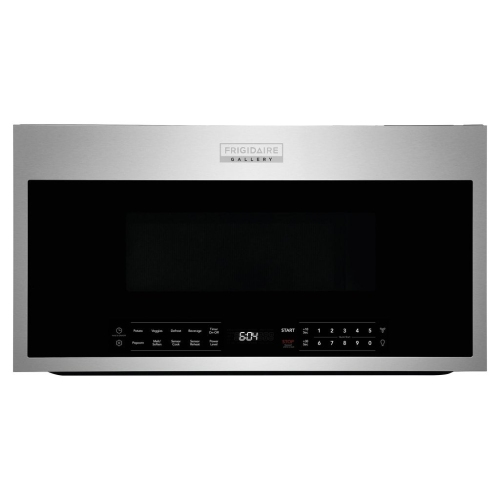
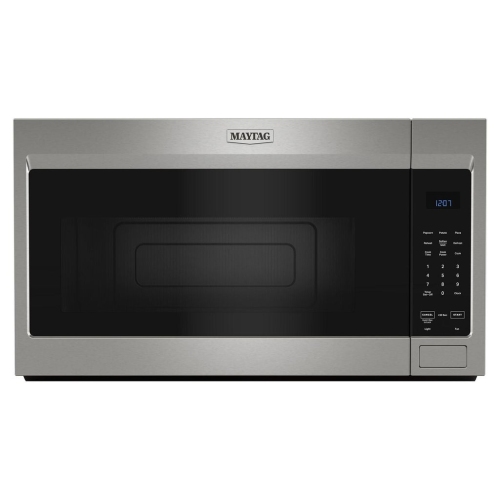
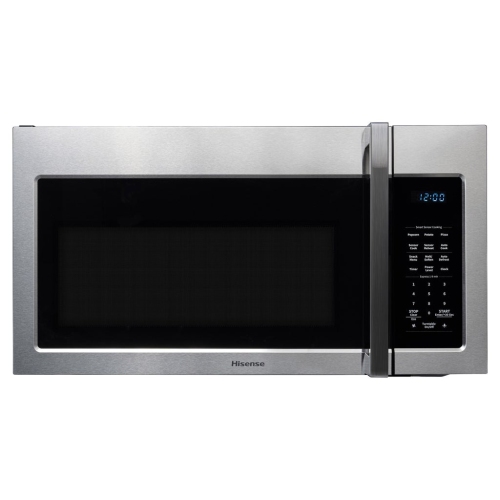
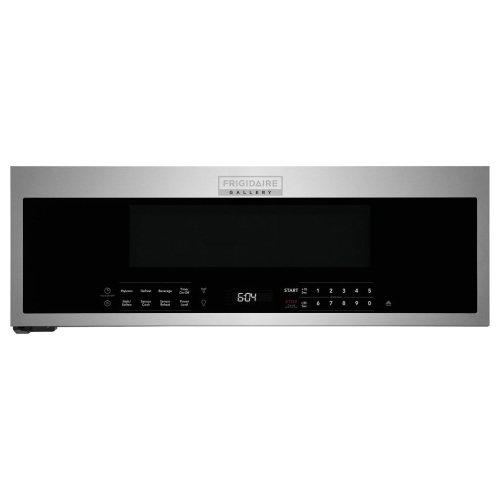
How ductless ventilation supports everyday cooking in compact kitchens
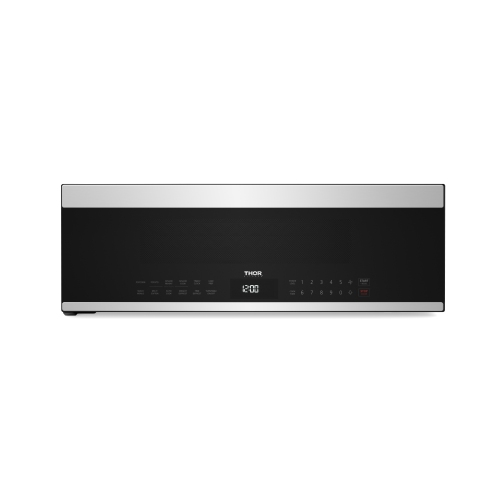
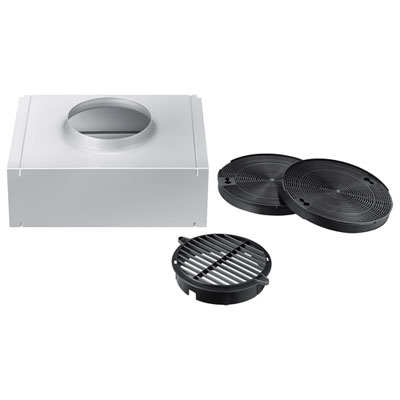
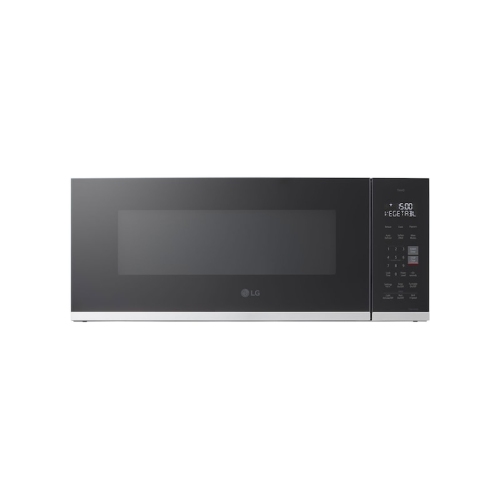
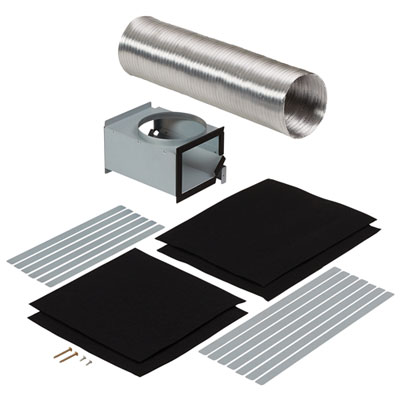
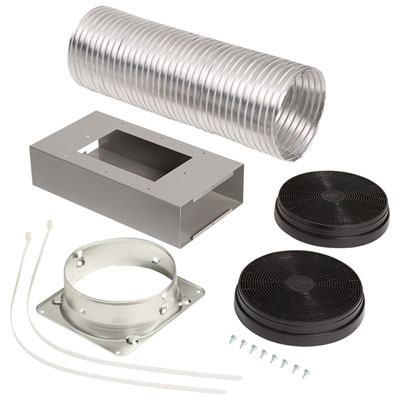
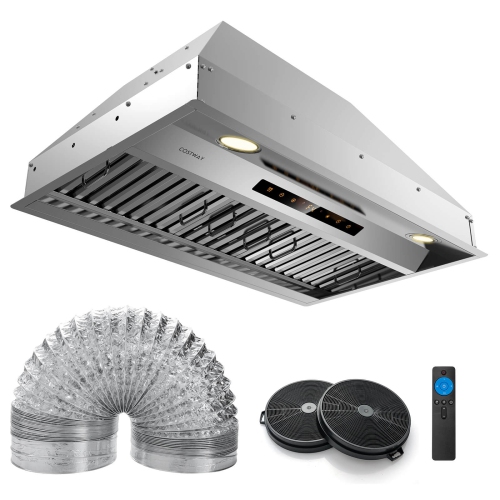
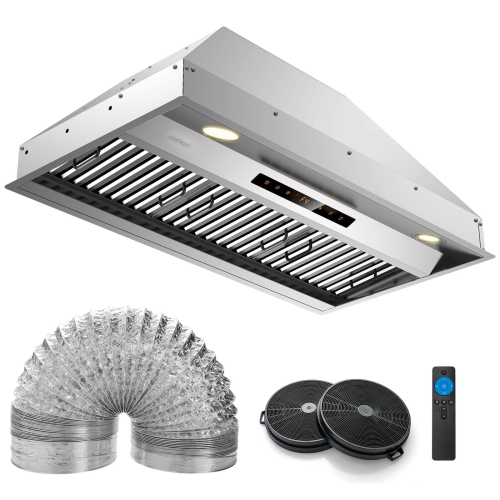
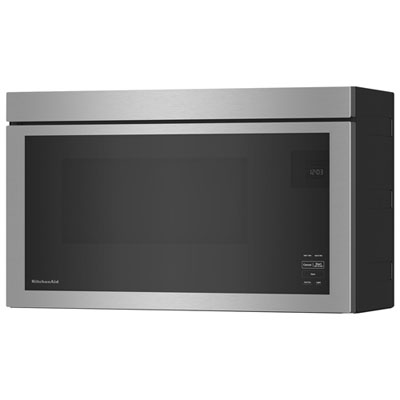
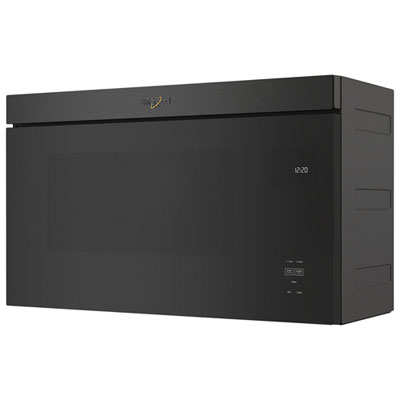
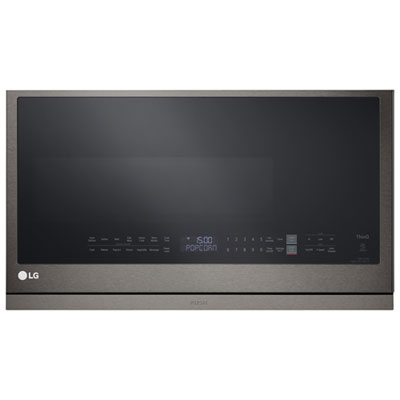
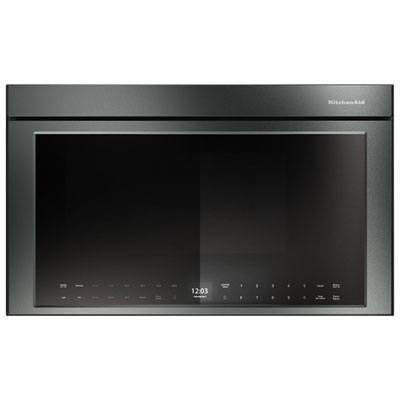
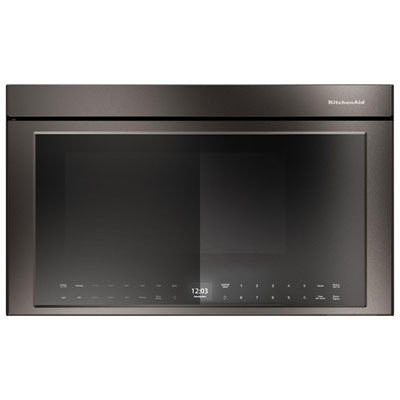
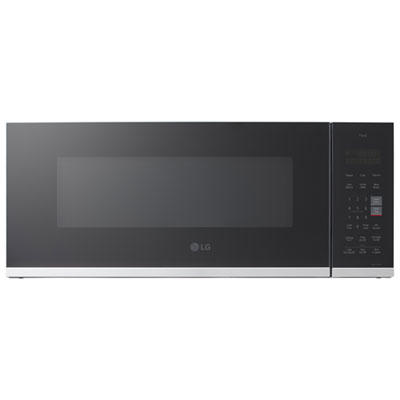
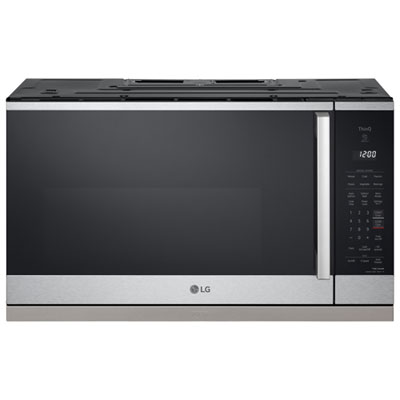
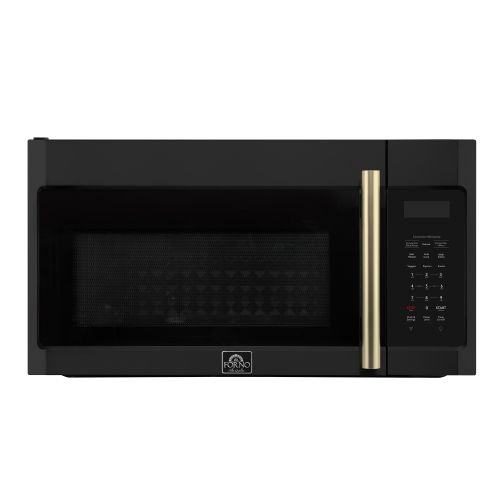
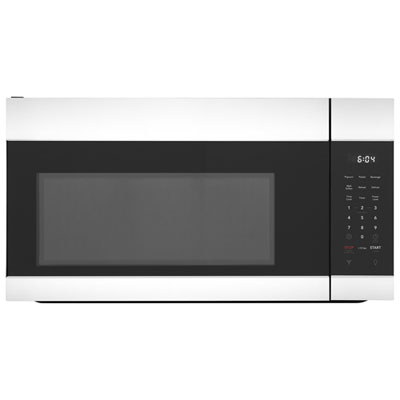
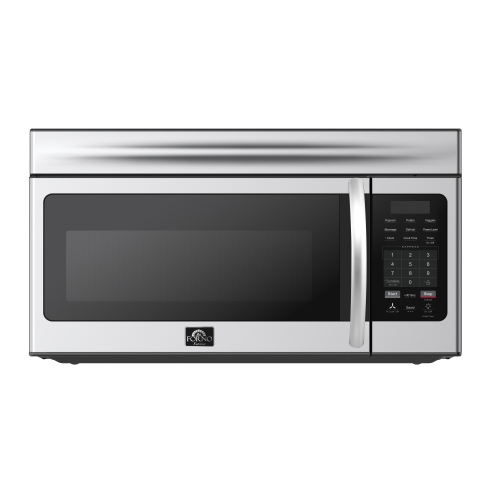
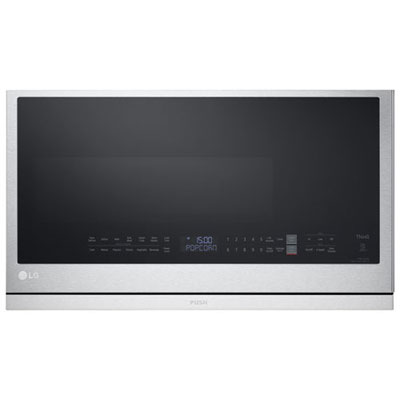
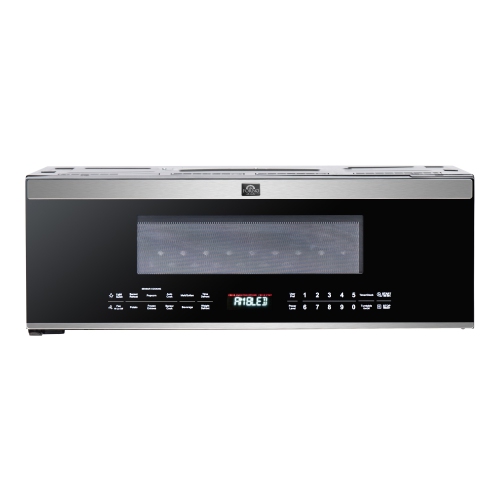
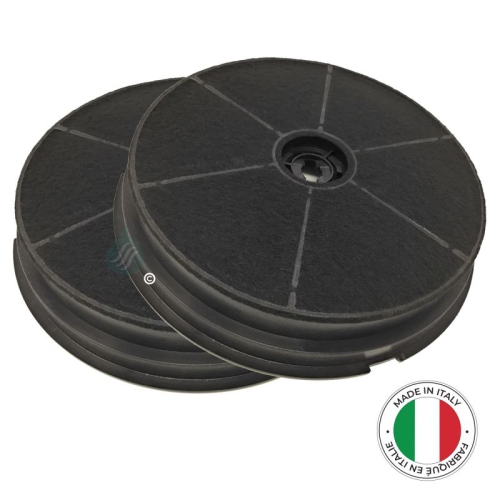
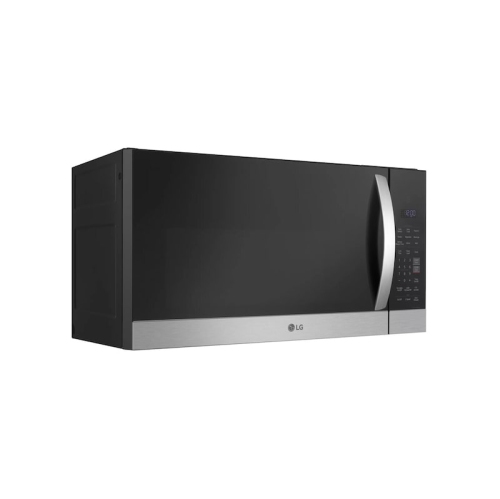
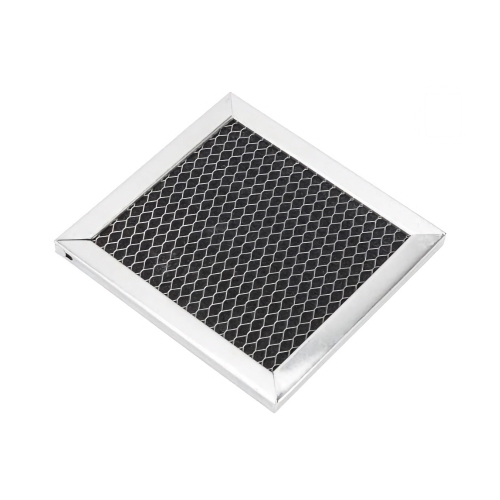
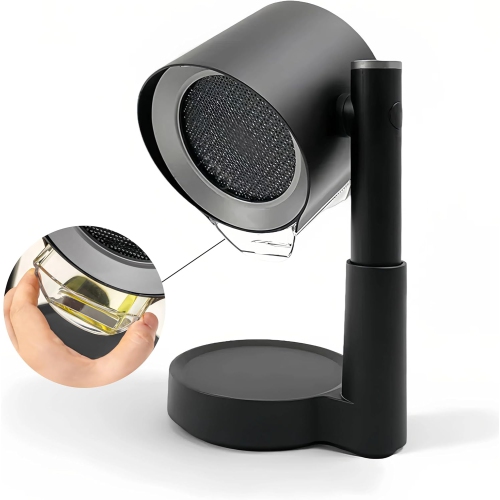
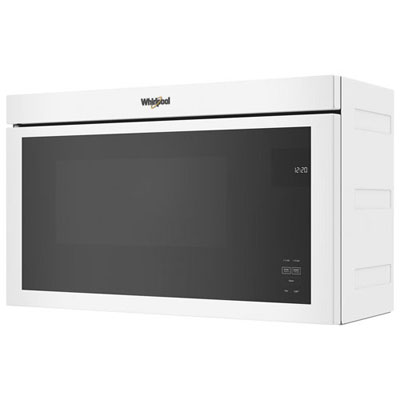
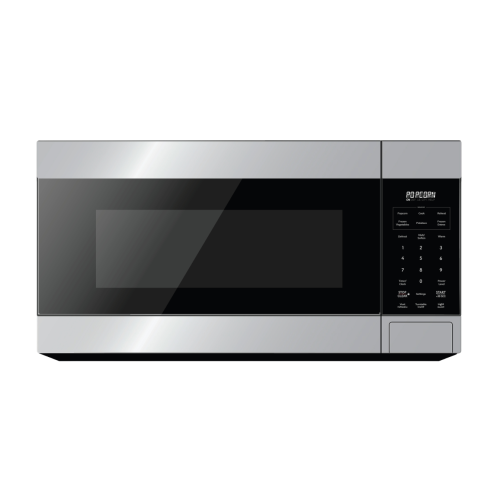
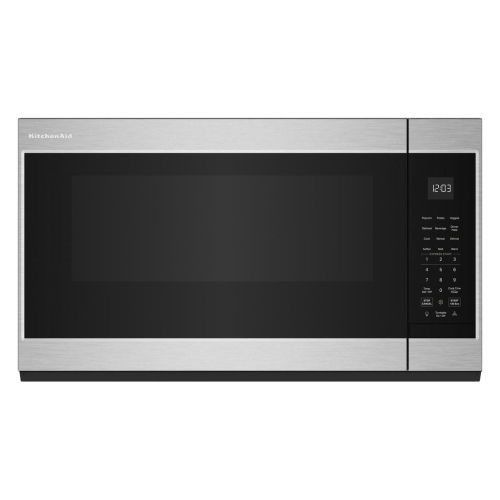
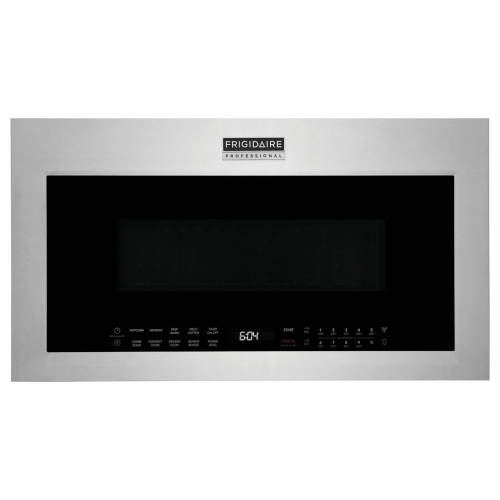
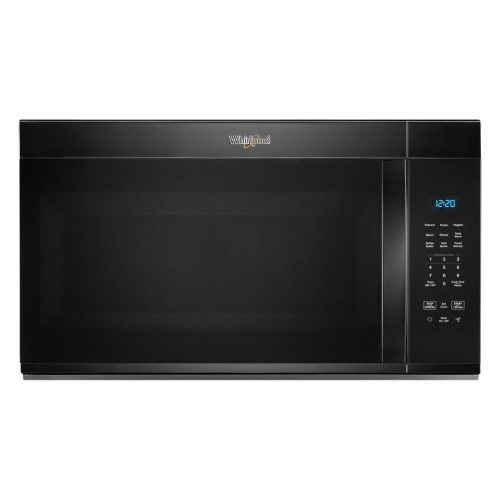
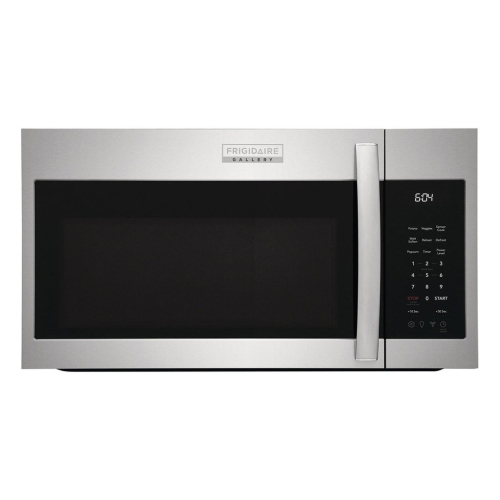
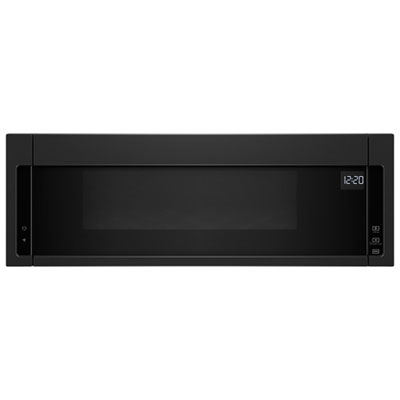
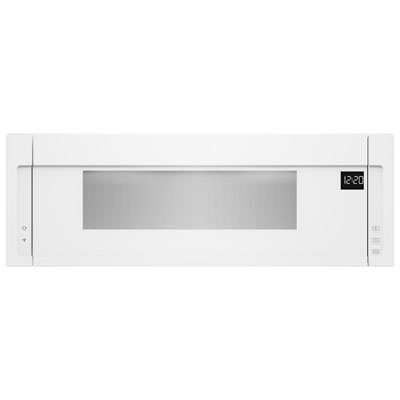
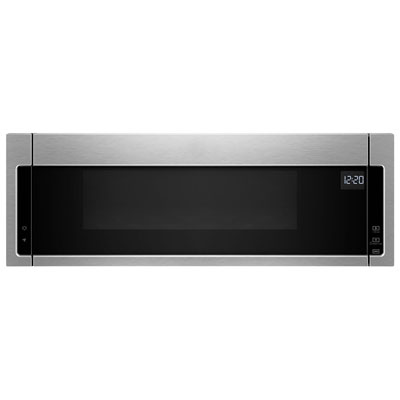
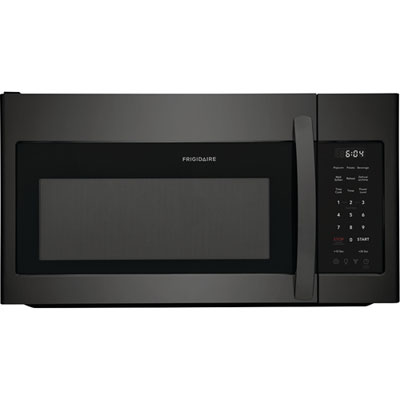
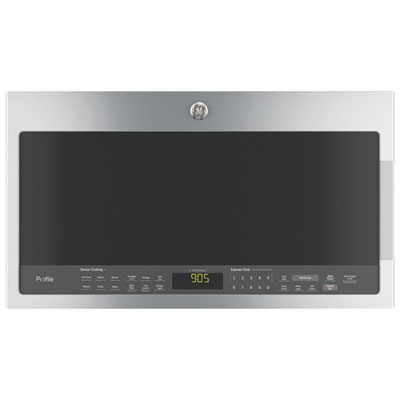
A recirculating microwave vent combines two practical kitchen functions in one over-the-range appliance: microwave cooking and basic ventilation. Rather than sending cooking air through a duct and outside the home, the fan draws air upward through intake openings, usually located beneath the microwave. The air first passes through a washable or replaceable grease filter that helps capture airborne oil and food particles. It then moves through a charcoal filter designed to reduce cooking odours before the cleaner air is released back into the room through a front, top, or underside vent grille. This ductless configuration can be a useful option in apartments, condominiums, rental homes, older houses, and kitchens where exterior ductwork is unavailable or difficult to add. It can also simplify a kitchen refresh by avoiding the need to cut through an exterior wall or alter existing cabinetry. During the cooler months, many households appreciate a setup that does not send heated indoor air outdoors, while the compact over-the-range design helps keep the counter clear for food preparation. A recirculating microwave vent is generally intended for everyday cooking tasks such as reheating, simmering, steaming, and preparing quick meals, where reducing light odours and airborne grease can make the kitchen more comfortable. It is important to understand that recirculating ventilation is different from external exhaust. Because the air returns to the room, it does not remove heat, steam, or strong smoke as thoroughly as a properly ducted system. For households that frequently sear steaks, deep-fry food, use a wok, or prepare meals that produce substantial smoke and moisture, an externally vented hood may offer more effective extraction. For lighter cooking, limited-space layouts, or homes without a suitable duct route, a recirculating microwave vent can provide a convenient balance of cooking performance and installation flexibility.
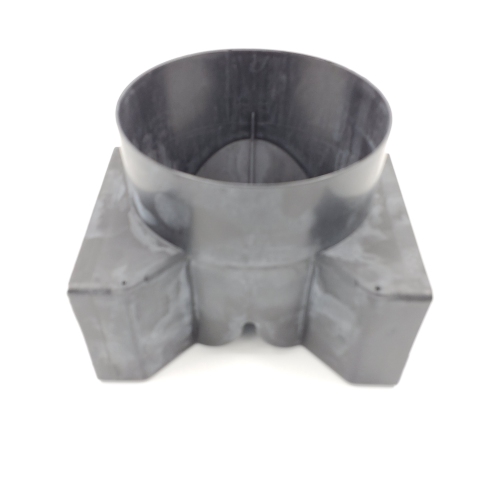
Choosing the right recirculating microwave vent starts with confirming that the appliance will fit the available space and work with the kitchen layout. Measure the opening between the cabinets, the height above the cooktop, and the depth of the surrounding cabinetry, then compare those measurements with the appliance specifications. Allow enough room for the door to open comfortably and check the manufacturer’s recommended clearance above the cooking surface. The width should coordinate with the range or cooktop so the ventilation area can collect rising air effectively, while the microwave’s capacity should suit the dishes and containers used most often. A household that regularly prepares large casseroles may prefer a more spacious interior, whereas a smaller kitchen may benefit from a compact design that leaves more visual and physical room above the cooking surface. Fan settings are another important consideration. Multiple speeds allow gentle airflow for warming soup and stronger circulation for cooking foods with more noticeable aromas, while a quieter motor can make conversation, television, or meal preparation more pleasant in an open-concept space. Look for straightforward controls that are easy to reach and read, especially when adjusting the fan or cooktop light while handling hot cookware. A built-in light can improve visibility over the range, and a timer or automatic fan setting may add convenience during busy meal preparation. The vent outlet and blower configuration should also be checked carefully. Some over-the-range microwaves can be configured for recirculating operation by positioning the blower and installing the appropriate charcoal filter, while others are designed specifically for ductless use. Installation requirements vary, so the product documentation should be reviewed before purchase, particularly when replacing an existing microwave or fitting the appliance into custom cabinetry. A professional installer may be helpful when electrical connections, cabinet reinforcement, clearance adjustments, or blower changes are involved. Renters and condo owners should also confirm any building or landlord requirements before making alterations.
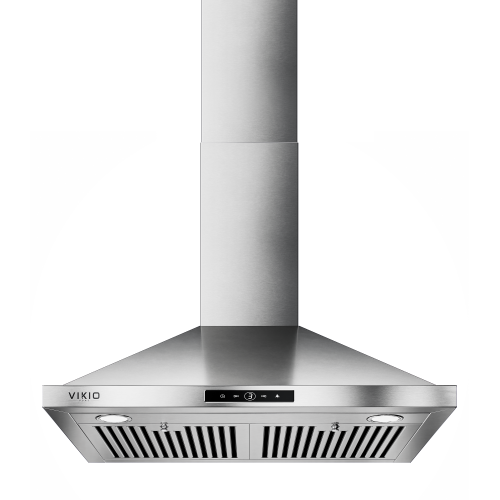
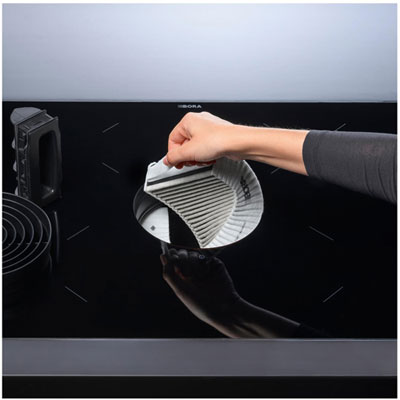
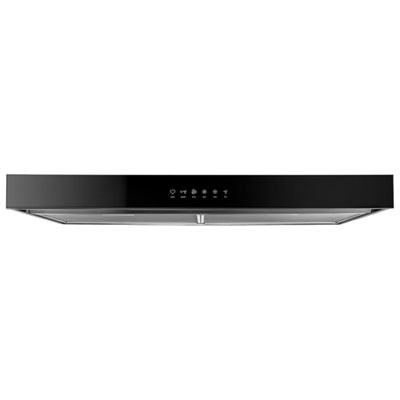
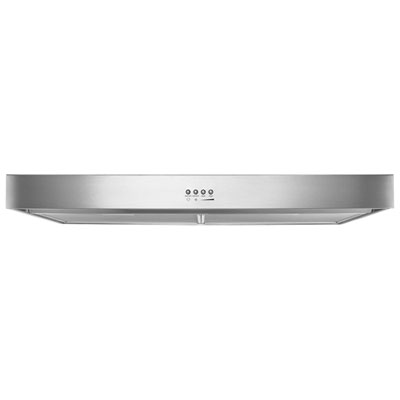
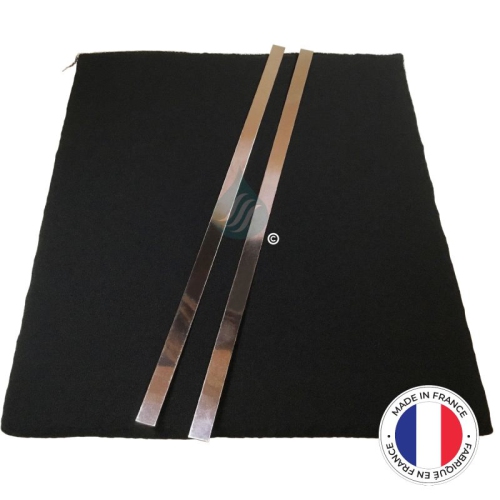
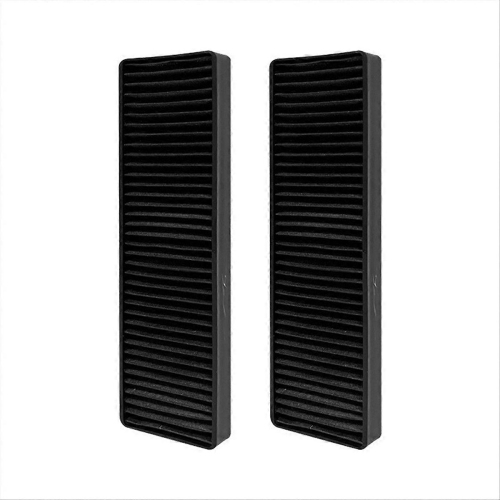
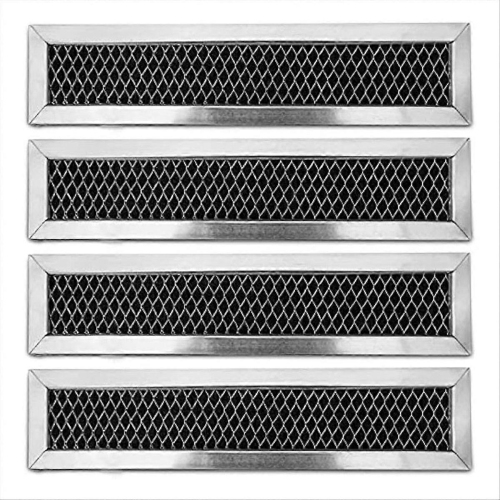
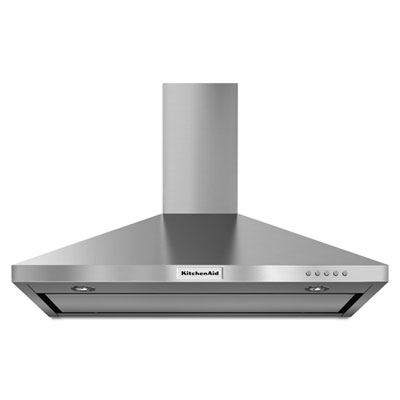
Regular filter care is central to maintaining a recirculating microwave vent. The grease filter beneath the appliance collects particles from everyday cooking and should be inspected often, especially in a kitchen where frying, grilling, or cooking with oil is common. Depending on the design, a metal mesh filter may be removable for washing with warm water and mild detergent, while some filters are disposable and need replacement rather than cleaning. The charcoal filter cannot usually be washed back to its original performance; it needs to be replaced according to the manufacturer’s instructions or sooner if cooking odours linger after the fan has been running. A clogged grease filter can restrict airflow, and a saturated charcoal filter has less ability to reduce odours. Wiping the vent grille and nearby surfaces also helps prevent a film of grease and dust from building up around the air outlet. These simple habits are particularly useful when the kitchen sees frequent cooking during family gatherings, weekend meal preparation, or cooler-weather comfort-food season. Since recirculating ventilation returns air to the room, opening a window or using another available ventilation method can provide additional moisture control when boiling pasta, steaming vegetables, or preparing foods that create substantial humidity. Shoppers comparing ductless microwave ventilation with other options may also wish to explore Recirculating Range Hoods for a dedicated ventilation solution in kitchens where a separate hood is preferred. A recirculating microwave vent can be a thoughtful choice for someone moving into a first apartment, updating a compact kitchen, or replacing an older over-the-range unit without undertaking major renovation work. It brings useful cooking capacity, task lighting, and everyday odour filtration into one coordinated appliance, provided its capabilities match the household’s cooking style and its filters receive regular attention.
Choosing the right recirculating microwave vent starts with confirming that the appliance will fit the available space and work with the kitchen layout. Measure the opening between the cabinets, the height above the cooktop, and the depth of the surrounding cabinetry, then compare those measurements with the appliance specifications. Allow enough room for the door to open comfortably and check the manufacturer’s recommended clearance above the cooking surface. The width should coordinate with the range or cooktop so the ventilation area can collect rising air effectively, while the microwave’s capacity should suit the dishes and containers used most often. A household that regularly prepares large casseroles may prefer a more spacious interior, whereas a smaller kitchen may benefit from a compact design that leaves more visual and physical room above the cooking surface. Fan settings are another important consideration. Multiple speeds allow gentle airflow for warming soup and stronger circulation for cooking foods with more noticeable aromas, while a quieter motor can make conversation, television, or meal preparation more pleasant in an open-concept space. Look for straightforward controls that are easy to reach and read, especially when adjusting the fan or cooktop light while handling hot cookware. A built-in light can improve visibility over the range, and a timer or automatic fan setting may add convenience during busy meal preparation. The vent outlet and blower configuration should also be checked carefully. Some over-the-range microwaves can be configured for recirculating operation by positioning the blower and installing the appropriate charcoal filter, while others are designed specifically for ductless use. Installation requirements vary, so the product documentation should be reviewed before purchase, particularly when replacing an existing microwave or fitting the appliance into custom cabinetry. A professional installer may be helpful when electrical connections, cabinet reinforcement, clearance adjustments, or blower changes are involved. Renters and condo owners should also confirm any building or landlord requirements before making alterations.
Regular filter care is central to maintaining a recirculating microwave vent. The grease filter beneath the appliance collects particles from everyday cooking and should be inspected often, especially in a kitchen where frying, grilling, or cooking with oil is common. Depending on the design, a metal mesh filter may be removable for washing with warm water and mild detergent, while some filters are disposable and need replacement rather than cleaning. The charcoal filter cannot usually be washed back to its original performance; it needs to be replaced according to the manufacturer’s instructions or sooner if cooking odours linger after the fan has been running. A clogged grease filter can restrict airflow, and a saturated charcoal filter has less ability to reduce odours. Wiping the vent grille and nearby surfaces also helps prevent a film of grease and dust from building up around the air outlet. These simple habits are particularly useful when the kitchen sees frequent cooking during family gatherings, weekend meal preparation, or cooler-weather comfort-food season. Since recirculating ventilation returns air to the room, opening a window or using another available ventilation method can provide additional moisture control when boiling pasta, steaming vegetables, or preparing foods that create substantial humidity. Shoppers comparing ductless microwave ventilation with other options may also wish to explore Recirculating Range Hoods for a dedicated ventilation solution in kitchens where a separate hood is preferred. A recirculating microwave vent can be a thoughtful choice for someone moving into a first apartment, updating a compact kitchen, or replacing an older over-the-range unit without undertaking major renovation work. It brings useful cooking capacity, task lighting, and everyday odour filtration into one coordinated appliance, provided its capabilities match the household’s cooking style and its filters receive regular attention.
Top selling and popular products
-
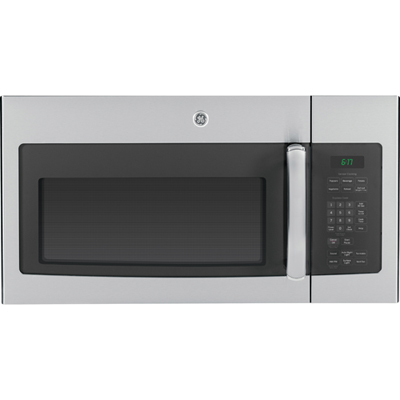 Your price for this item is $399.99
 -
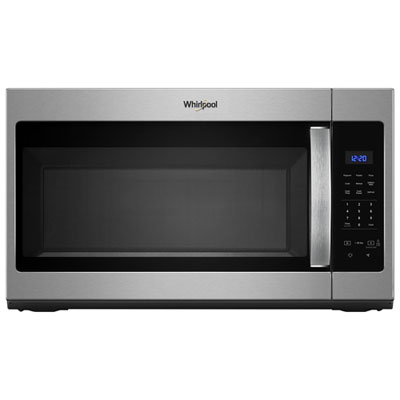 Your price for this item is $349.97
 -
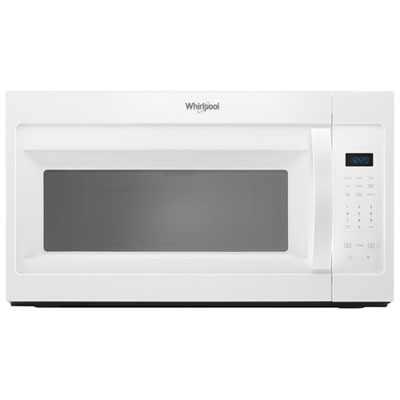 Your price for this item is $399.99
 -
 Your price for this item is $499.99
 -
 Your price for this item is $499.99
 -
 Your price for this item is $499.99
 -
 Your price for this item is $479.99
 -
 Your price for this item is $589.99
Discover more categories related to Recirculating Microwave Vent

Top Collections:
Pokemon Centers, Kindle Devices, Best Budget Office Chairs, Canon G7X Cameras, Apple iPhones 16, Samsung Galaxy Phones, Refurbished Apple Laptops, Laptops for Students, iPhone 15 Apple, Budget Smartphones
Some products may be subject to Environmental Handling Fees
(EHF) depending on your province.
Learn more about EHFs.