Small Fridge Freezers
A small fridge freezer is the perfect solution for compact spaces such as dorm rooms, offices, apartments, or anywhere you need convenient food storage without taking up too much room. With a variety of sizes and styles available, it’s easy to find an option that fits your needs and complements your space. Whether you’re looking to keep snacks handy, store beverages at the ideal temperature, or organize frozen essentials, a small fridge freezer offers both practicality and versatility for everyday use. Explore the selection to discover the right fit for your lifestyle.
Sort
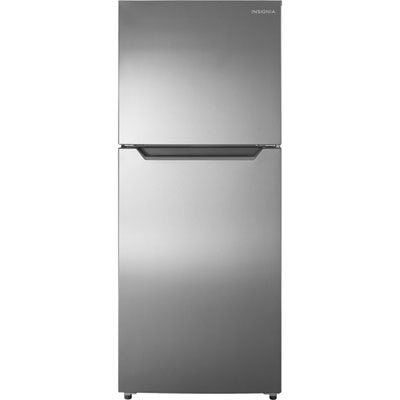
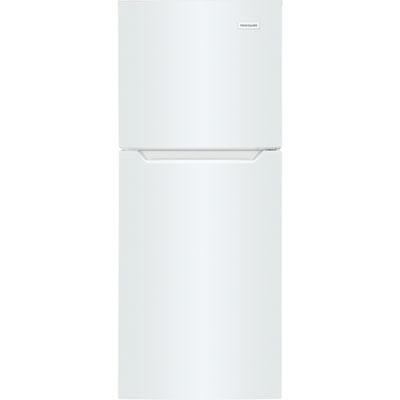
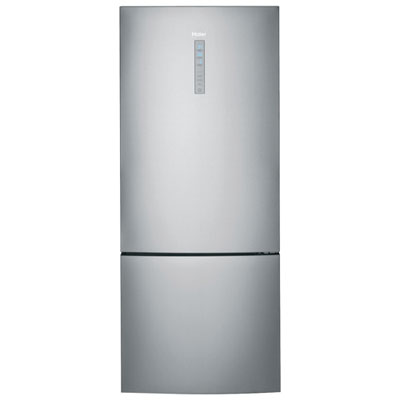
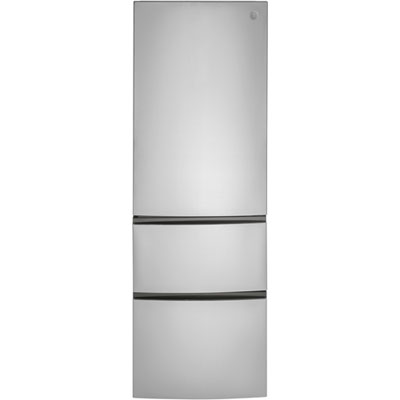
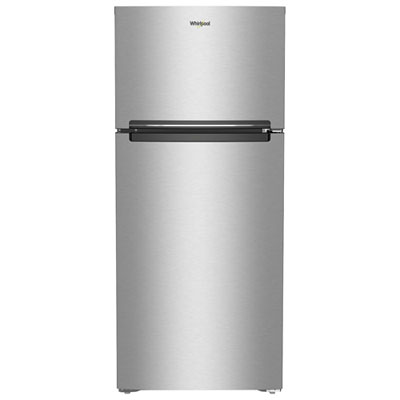
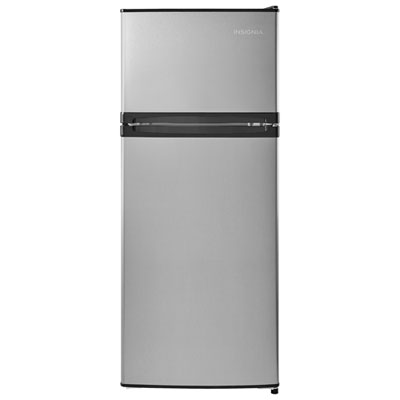
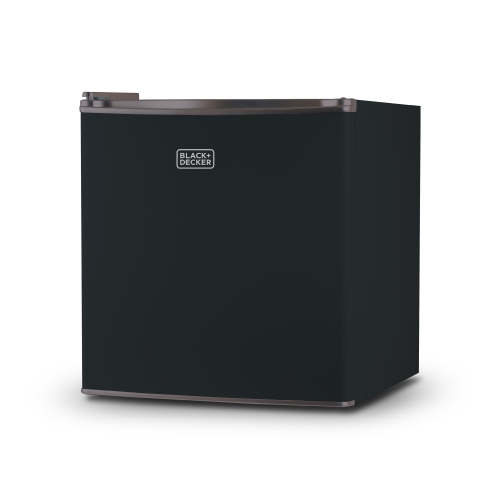


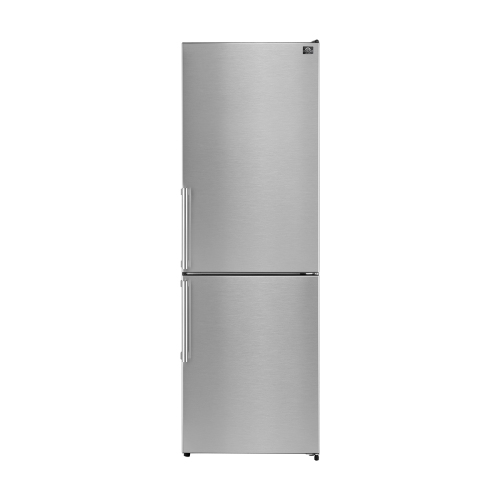

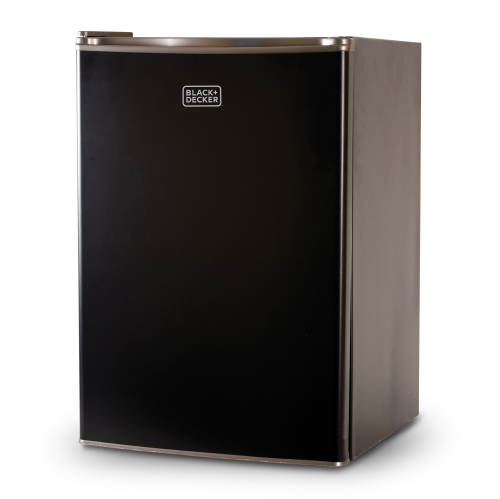
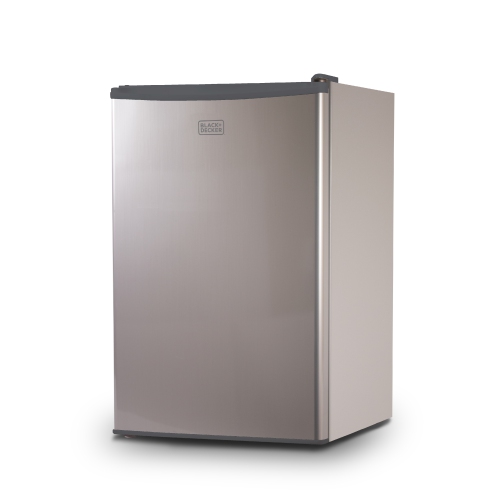
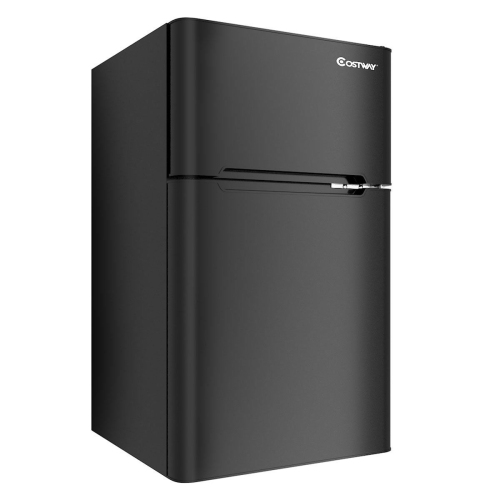
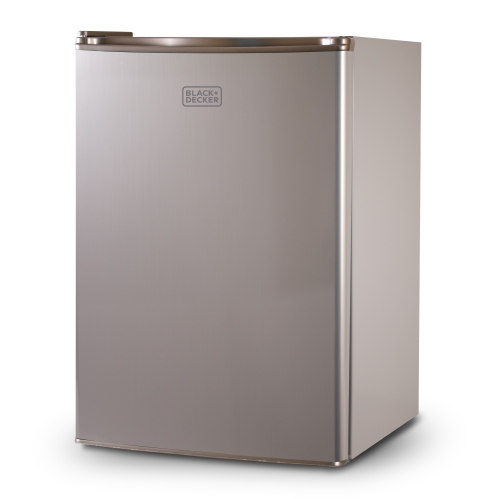
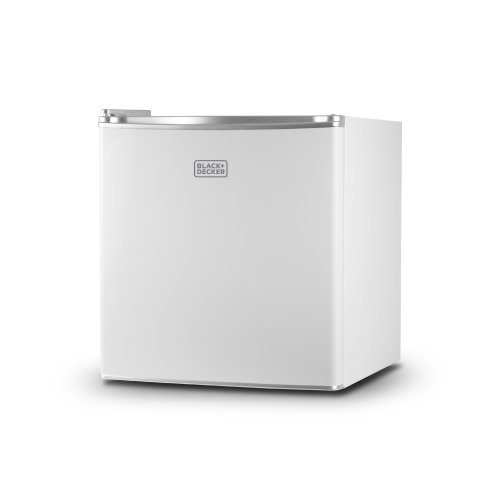
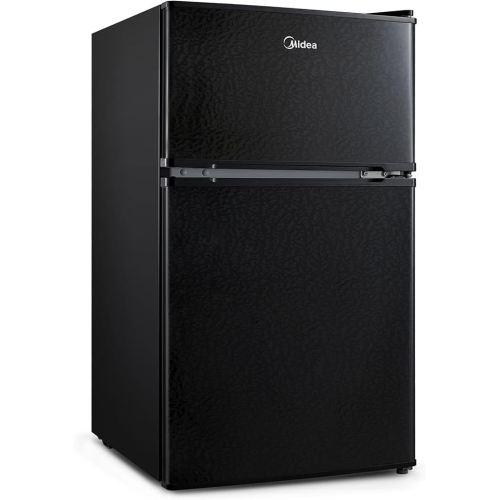
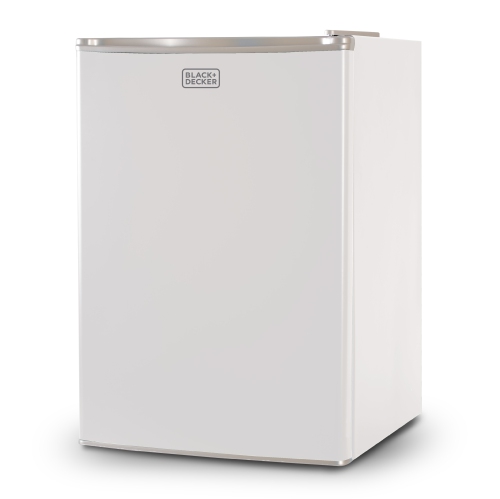
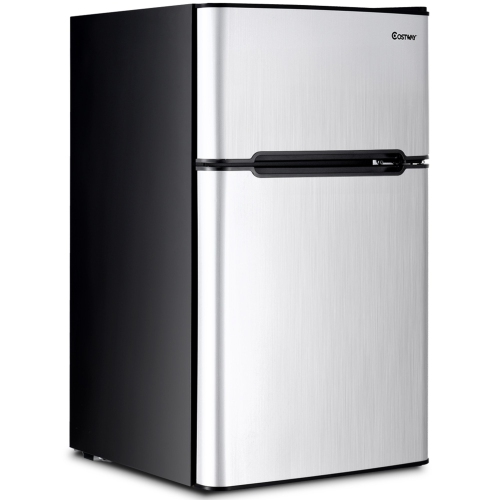
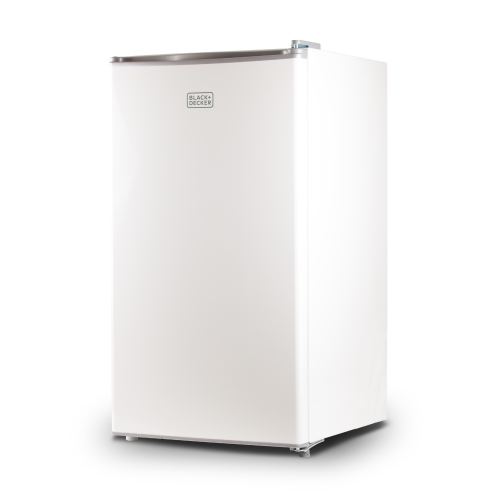
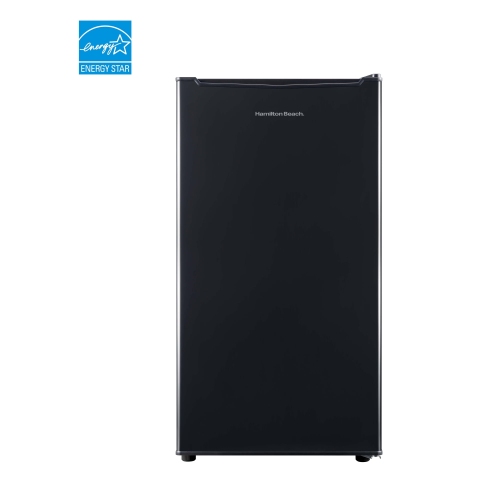
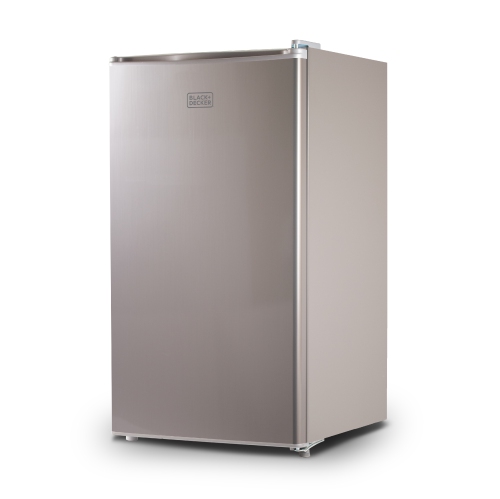
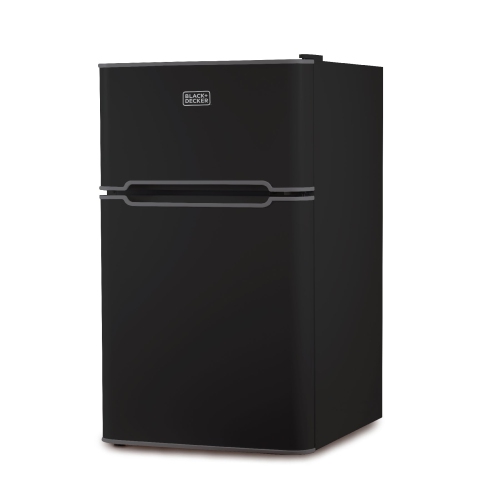
Fresh groceries and frozen meals in a smaller footprint
Small fridge freezers bring chilled food and frozen essentials into spaces where a full-size refrigerator would take up too much room. In a studio apartment, a compact combination can keep milk, vegetables, lunch ingredients, and a few frozen meals close to the cooking area without dominating the kitchen. In a home office or shared workspace, it can separate lunches and snacks from the main household refrigerator. Students, tenants, and people furnishing a guest suite may also appreciate having both types of storage within a modest footprint, provided the appliance is permitted in the space. The balance between refrigerator and freezer capacity matters as much as the overall size. Someone who mainly stores fresh groceries may prefer a larger refrigerator section with room for a small supply of frozen food, while a person who regularly portions meals ahead may need a more substantial freezer compartment. A compact refrigerator with a small internal freezing compartment is not necessarily equivalent to a fridge freezer with a separate freezer door. Storage capabilities vary, and some compartments are intended for ice-making or limited frozen storage rather than keeping a full range of frozen foods over longer periods. The stated freezer rating and manufacturer’s storage guidance help clarify that distinction. Separate exterior doors can make frozen food easier to access without opening the refrigerator section, although door configuration alone does not establish freezing performance. Usable space also depends on the shape of the interior: a wide shelf may accommodate a lunch container more comfortably than a narrow compartment with the same stated volume. For a household using a small fridge freezer as its main appliance, everyday grocery habits help put capacity into perspective. Space for a milk carton, a produce drawer, and stackable food containers may be more useful than extra door storage designed mainly for drinks.
The fit of a small fridge freezer includes the cabinet, its ventilation space, and the path of the opening door. An appliance that slides neatly between two cabinets may still be unsuitable if its installation requirements call for open space around the sides, back, or top. Freestanding models generally need the clearances specified by the manufacturer and should not be treated as built-in appliances unless they are designed for that installation. Height is especially important beneath a countertop, where hinges, levelling feet, and the countertop edge can affect placement. Depth deserves similar attention because the handle and door may extend beyond the appliance body. A door also needs enough room to open fully for shelves and drawers to slide out, particularly beside a wall or in a narrow kitchen aisle. Reversible doors, where supported, offer flexibility when arranging a room, while recessed handles can reduce projections into a walkway. A level, stable position helps the doors close properly and keeps containers sitting evenly on shelves. Access to a suitable electrical outlet and compliance with the appliance’s connection requirements are part of a practical setup, as is keeping the cord clear of pinch points. Materials influence both appearance and daily upkeep. Painted metal cabinets and stainless steel finishes offer different looks, while smooth interior liners make spills easier to reach and wipe away. Glass shelves provide a flat surface for smaller containers and may help contain minor drips when designed with raised edges; wire shelves have an open structure but can be less convenient for narrow jars. Shelf load limits, secure door bins, and sturdy drawer runners matter when the appliance is used frequently. In an open-plan room or sleeping area, operating sound is another consideration, since compressor cycles may be more noticeable nearby than in a separate kitchen.
Inside a small fridge freezer, a useful layout makes everyday food easier to see and reach. Adjustable shelves can create space for a tall carton or a covered bowl, while removable shelves may make occasional cleaning simpler. Door bins keep frequently used bottles accessible, but milk and other perishable foods are best stored according to food-safety guidance rather than wherever they happen to fit. A produce drawer can keep loose vegetables together, and shallow containers help prevent leftovers from disappearing behind larger packages. In the freezer, flat portions of soup, neatly stacked meal containers, and clearly labelled packages make better use of limited space than bulky, loosely filled bags. Enough room for air to circulate is important; packing every gap can interfere with cooling and make food harder to retrieve. Refrigerator storage should generally remain at 4°C or below, with frozen food kept at -18°C or below in a compartment rated for that purpose. An appliance thermometer can help confirm conditions, especially where a numbered control dial does not display an actual temperature. Defrosting arrangements also affect routine care. Manual-defrost compartments need frost removed as directed, whereas automatic-defrost designs handle that process differently and may still require routine cleaning. Ice should never be chipped away with a sharp tool, which can damage the liner or cooling system. Removable parts can usually be cleaned with a mild solution, subject to the manufacturer’s instructions, and door seals benefit from having crumbs and sticky residue gently wiped away. Keeping vents unobstructed and cleaning accessible exterior areas as directed supports dependable operation. For a kitchen that already has enough refrigerator space but needs more room for frozen ingredients, Freezers for Small Kitchens provides a focused alternative to a combination appliance. A small fridge freezer is most useful when its layout matches daily routines, whether that means preparing lunches, keeping a few meals ready, or managing groceries in a compact home.
Top selling and popular products
-
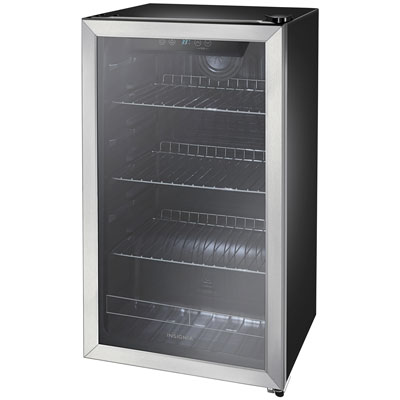 Your price for this item is $249.99
-
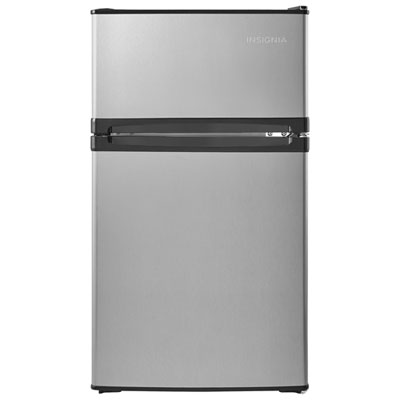 Your price for this item is $179.99
-
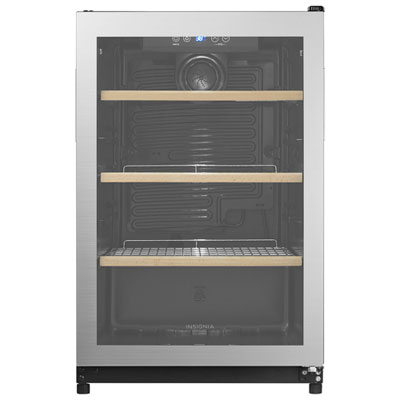 Your price for this item is $349.99
-
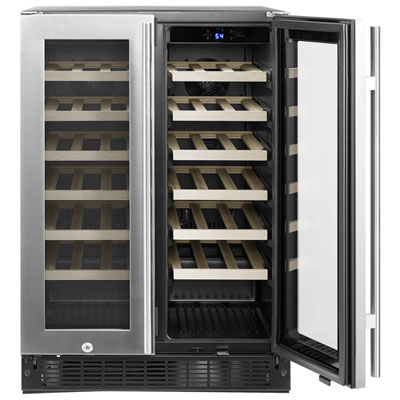 Your price for this item is $649.99
-
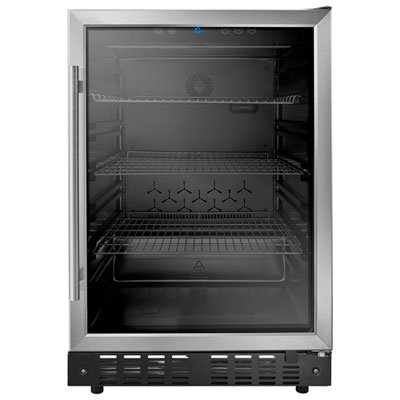 Your price for this item is $399.99
-
 Your price for this item is $699.99
-
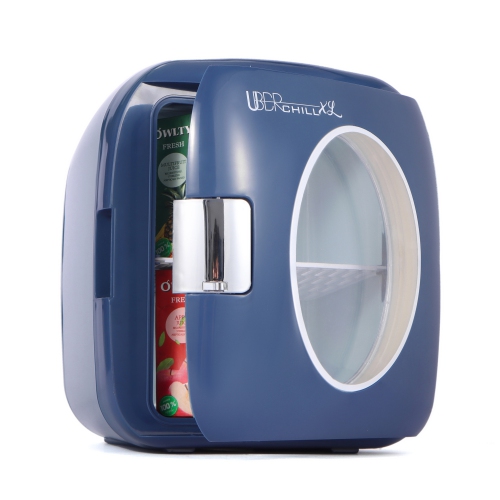 Your price for this item is $169.99
-
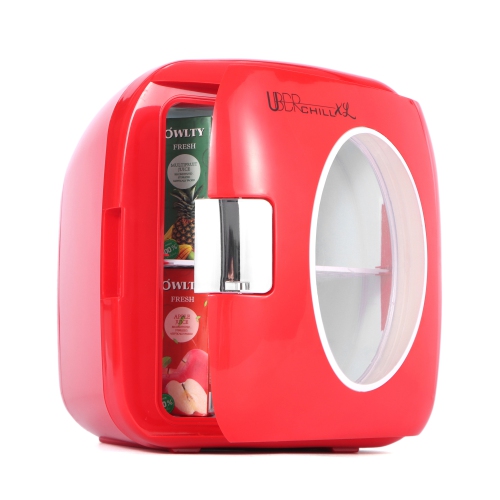 Your price for this item is $169.99
Discover more categories related to Small Fridge Freezers

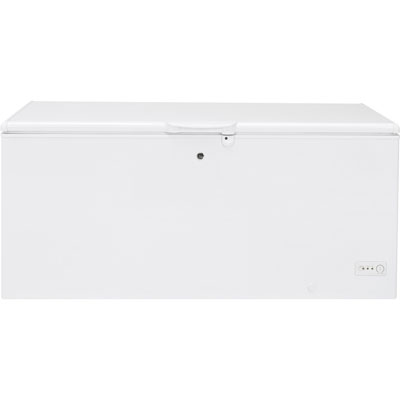
Top Collections:
Best Black Friday Deals This Year, Best Black Friday Deals On Electronics, Kindle Devices, Pokemon Centers, Best Black Friday Deals On Apple Products, Best Cameras for Sports Photography, Dyson Airwrap, Pokémon 30th Celebration Cards, Apple iPhone 17 Pro, Canon G7X Cameras
Some products may be subject to Environmental Handling Fees
(EHF) depending on your province.
Learn more about EHFs.