Space Saver Refrigerators
Space Saver Refrigerators are the perfect solution for maximizing kitchen space without compromising on performance. Ideal for apartments, condos, dorm rooms, or any area with limited square footage, these compact refrigerators offer efficient storage options in a sleek and convenient design. Whether you’re looking to optimize your kitchen layout or add extra cooling capacity to another room, Space Saver Refrigerators provide the versatility and functionality to fit your needs. Explore a wide range of sizes and styles to find the right match for your home.
Sort


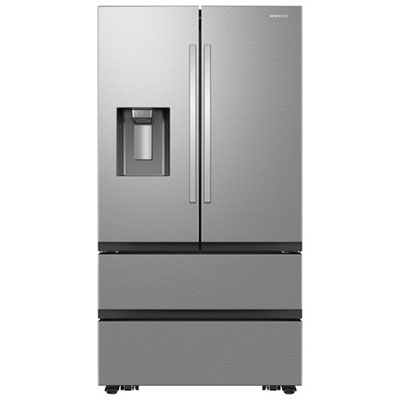
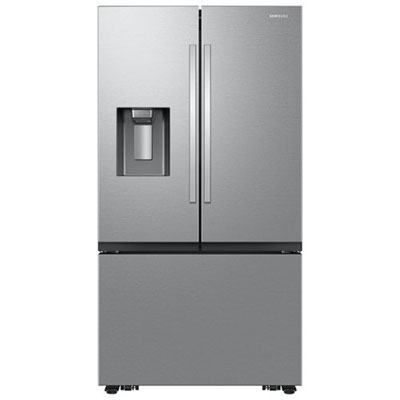
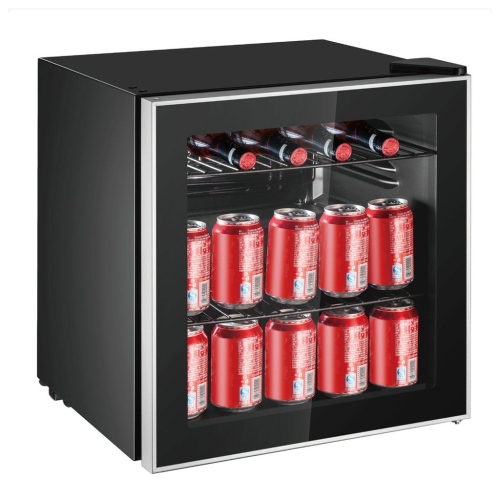
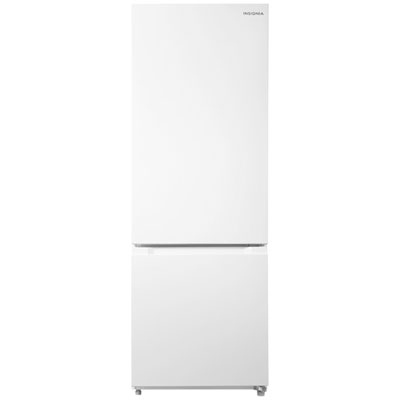

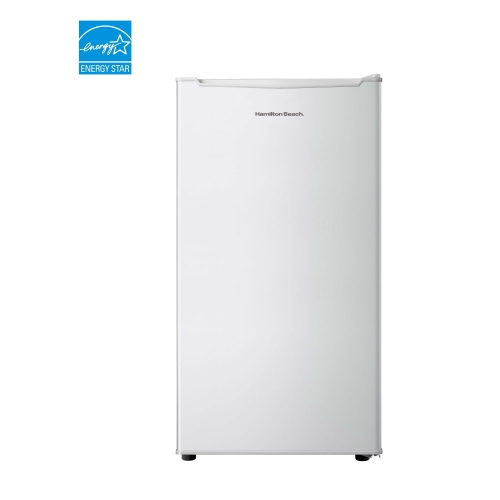
Why fridge layout matters as much as size
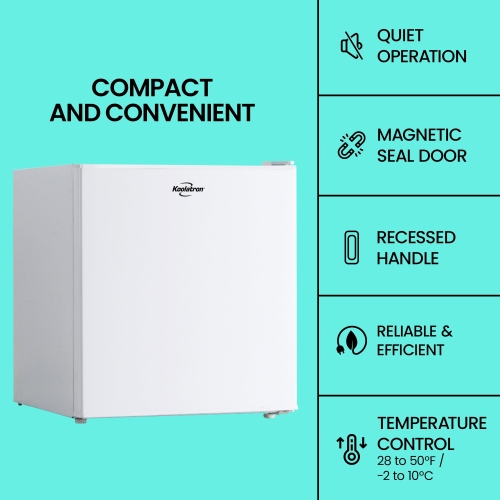
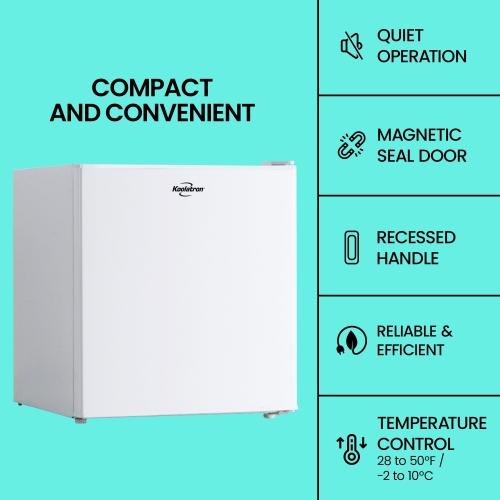
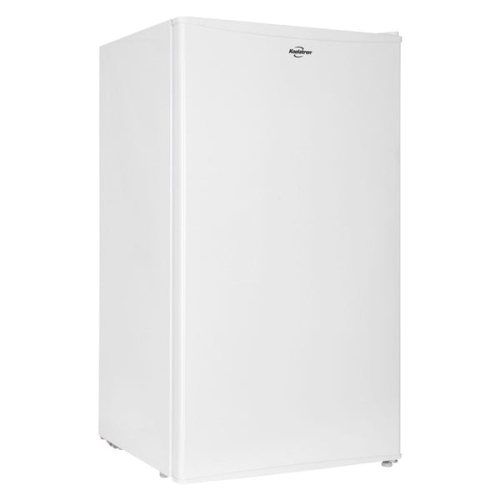
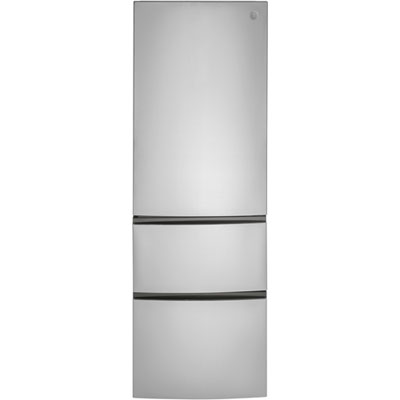
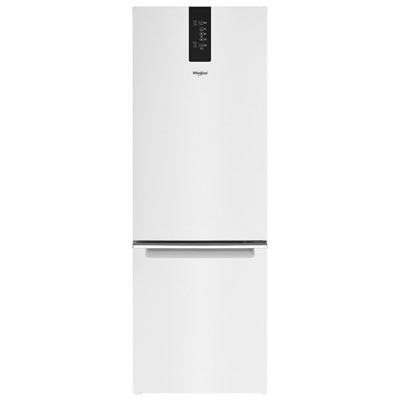
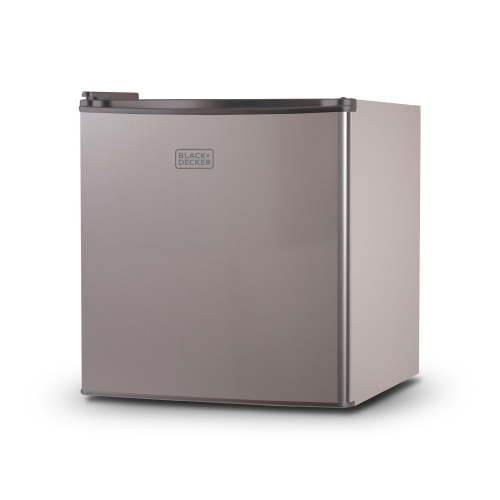
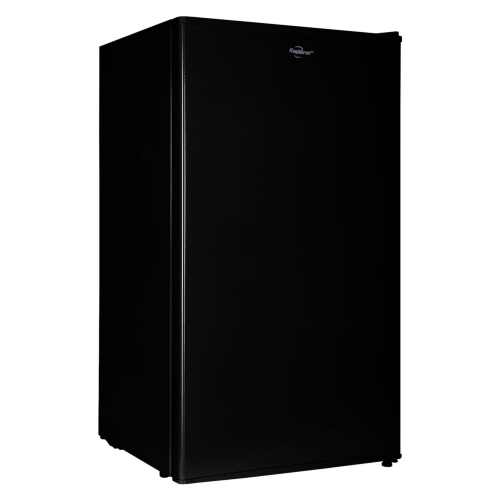
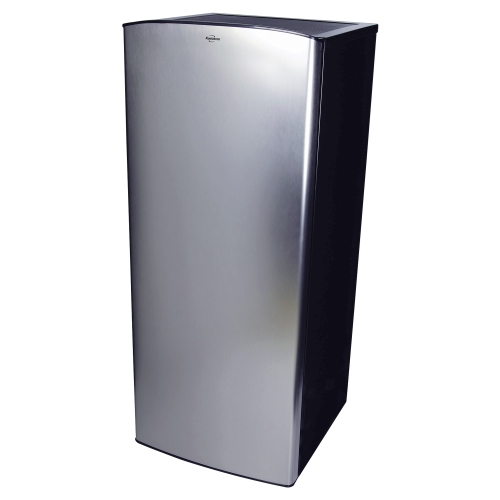
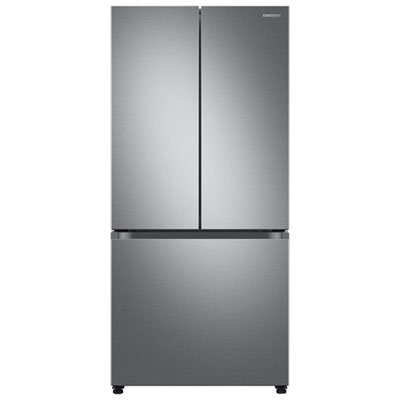
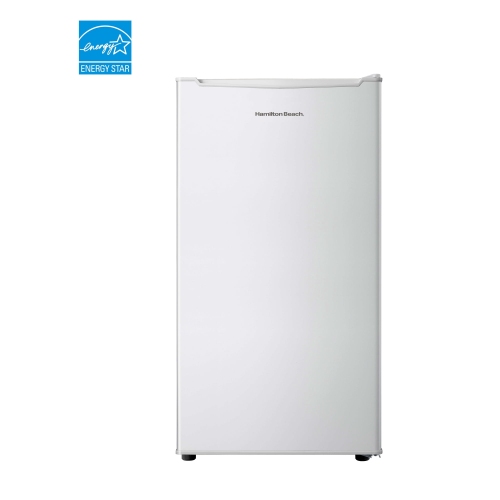
Space saver refrigerators provide chilled storage in a smaller footprint, making them a practical fit for apartments, condos, residence rooms, offices and secondary food-preparation areas. The term covers several refrigerator styles rather than one standard size: compact fridges that tuck beneath a work surface, narrow apartment-size refrigerators with room for everyday groceries, and shallower designs that project less into a kitchen walkway. Mini fridges commonly have capacities of roughly 1 to 5 cubic feet, while many apartment-size refrigerators fall around 7 to 12 cubic feet, although dimensions and layouts vary. Capacity alone does not tell the whole story. A tall, narrow cabinet can hold a useful amount of food without taking up much floor space, while a low-profile fridge may suit a room where space beneath a countertop would otherwise go unused. Counter-depth refrigerators address a different concern by reducing how far the appliance extends beyond surrounding cabinetry; they are not necessarily narrow or compact. The most useful layout depends on what needs to stay cold. Someone storing milk, yogurt and packed lunches may prefer generous refrigerator space, while a small household preparing full meals may need a separate freezer for bread, vegetables and portioned leftovers. An all-refrigerator design dedicates its interior to fresh food and beverages instead of dividing a small cabinet between two functions. For drinks and snacks close to a workstation, Desk Refrigerators suit a different scale of use than a kitchen’s main refrigerator. A beverage-focused appliance should not automatically be treated as a substitute for food storage; its stated operating range and intended use matter. Inside any small refrigerator, adjustable shelves, clear drawers and thoughtfully spaced door bins can make the difference between groceries fitting neatly and containers having to be stacked awkwardly. Usable shelf width, bottle clearance and freezer layout often matter more in daily life than a small difference in the stated capacity.
A space-saving fit depends on the refrigerator’s complete dimensions and installation requirements, not just the width of the opening. Height needs to account for overhead cabinets and any hinges that extend above the cabinet, while depth should include the door and handle where these are listed separately. The door also needs enough room to swing open without hitting a wall, cabinet pull or nearby appliance. Some drawers and shelves require the door to open beyond a right angle before they can slide out fully, an important detail in a narrow galley kitchen. A reversible door can help adapt the opening direction to the room, but the specifications should confirm whether that feature is included and what changing it involves. Ventilation clearances are equally important. A freestanding refrigerator should not be enclosed tightly beneath a countertop or inside cabinetry unless its installation instructions expressly allow that placement; an appliance intended for built-in use has different ventilation provisions. The delivery route deserves the same attention as the final location, particularly where there are tight stair landings, narrow doorways or an elevator. Exterior materials and finishes affect both appearance and upkeep. Stainless steel, coated metal and painted finishes have different cleaning needs, and fingerprint-resistant surfaces still benefit from a soft cloth and suitable cleaner. Inside, glass shelves provide a flat surface for small containers and make spills easier to see, while wire shelving is lighter but may be less convenient for narrow bottles or small jars. Shelf supports, drawer runners and door bins should suit the weight and shape of what they will hold. A sturdy bin for milk cartons, a crisper that slides smoothly and an accessible handle can be especially valuable when the refrigerator is used throughout the day. In an open-plan studio or shared office, the stated sound level and normal compressor cycling also deserve consideration, since the appliance may sit close to a desk, sofa or sleeping area.
Everyday routines help determine which small refrigerator feels spacious rather than restrictive. A household that shops frequently for fresh ingredients may find a narrow refrigerator easy to organize, while someone who prepares several meals at once needs shelf space for wider storage containers. Tall bottles, a water-filter pitcher and a lidded casserole dish can take up more room than their volume suggests. Adjustable shelves help accommodate these shapes, although moving a shelf upward inevitably reduces the clearance above it. A separate freezer compartment is useful for frozen groceries, but a small internal icebox should not be assumed to offer the same storage conditions as a dedicated freezer. For perishable food, the refrigerator should maintain 4°C or lower; frozen food storage calls for a freezer capable of maintaining −18°C. An appliance thermometer makes it easier to check those conditions without relying solely on a numbered control dial. Leaving room around interior vents helps cold air circulate, and keeping frequently used foods visible reduces the time spent searching with the door open. Care is generally straightforward: wipe spills promptly, wash removable shelves and drawers according to the manufacturer’s directions, and clean door gaskets gently so they can seal properly. Manual-defrost compartments need periodic attention as frost builds up, while automatic-defrost designs reduce that particular task. Frost should never be chipped away with a knife or another sharp tool. Keeping the refrigerator level, maintaining the required ventilation space and cleaning accessible components as directed all support dependable operation. For residence rooms, rental suites and workplace break areas, any building or organizational appliance requirements should also be checked before installation. A well-matched space saver refrigerator leaves enough room for daily movement while keeping the foods people actually use within easy reach. The strongest fit is not always the smallest cabinet, but the combination of manageable dimensions, useful storage and a layout that works comfortably with the room.
Top selling and popular products
-
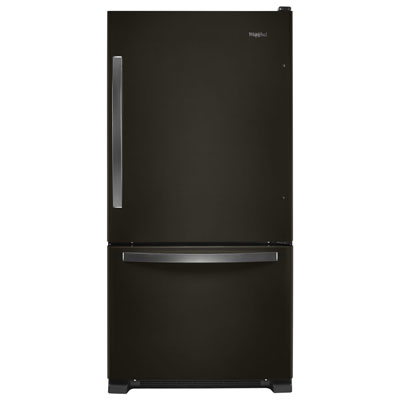 Your price for this item is $2299.99
-
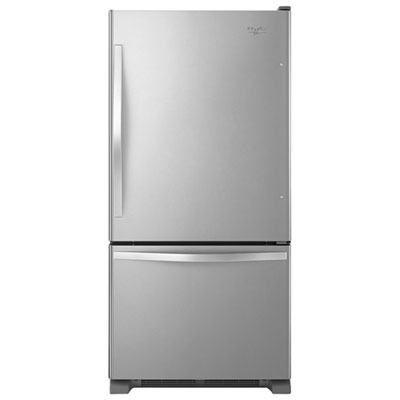 Your price for this item is $2199.99
-
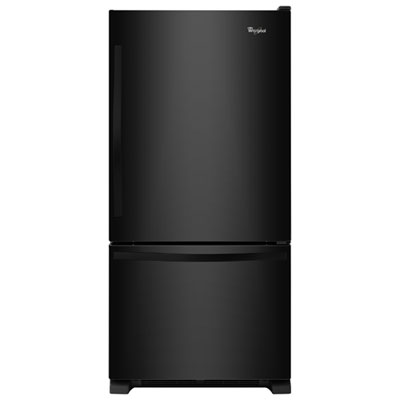 Your price for this item is $2149.99
-
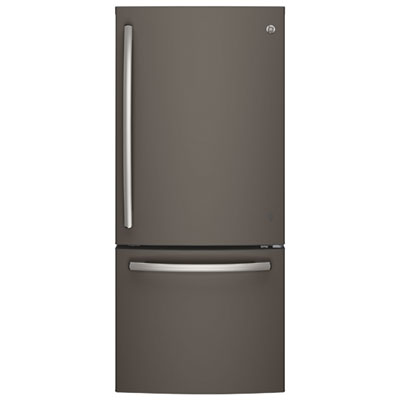 Your price for this item is $1299.99
-
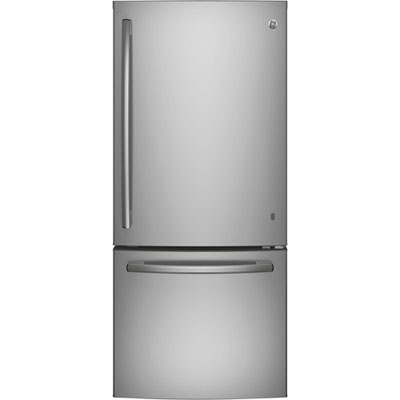 Your price for this item is $1299.99
-
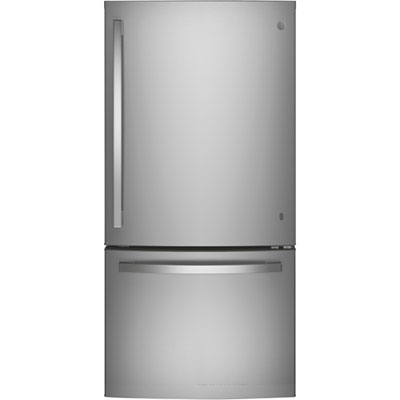 Your price for this item is $1599.99
-
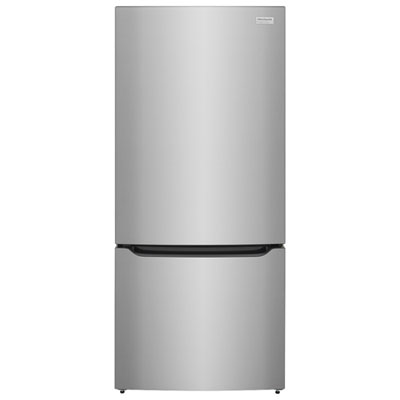 Your price for this item is $1699.99
-
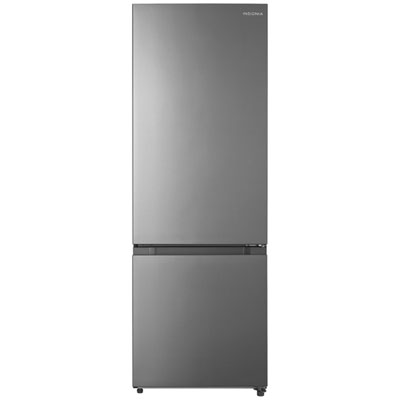 Your price for this item is $549.99
Discover more categories related to Space Saver Refrigerators
Top Collections:
Best Black Friday Deals This Year, Best Black Friday Deals On Electronics, Kindle Devices, Pokemon Centers, Best Black Friday Deals On Apple Products, Best Cameras for Sports Photography, Dyson Airwrap, Pokémon 30th Celebration Cards, Apple iPhone 17 Pro, Canon G7X Cameras
Some products may be subject to Environmental Handling Fees
(EHF) depending on your province.
Learn more about EHFs.