Stainless Steel Electric Cooktops
Stainless steel electric cooktops are a great option for almost any kitchen. They're durable, easy to clean, and can be used on almost all types of surfaces. Plus, they add style and elegance to almost any kitchen.
Sort
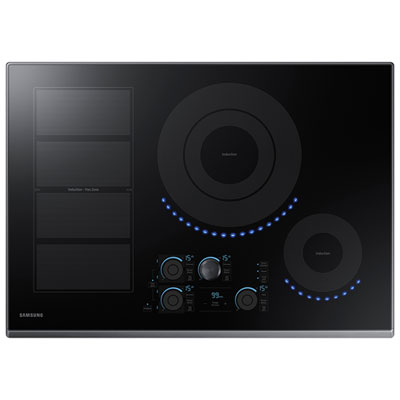
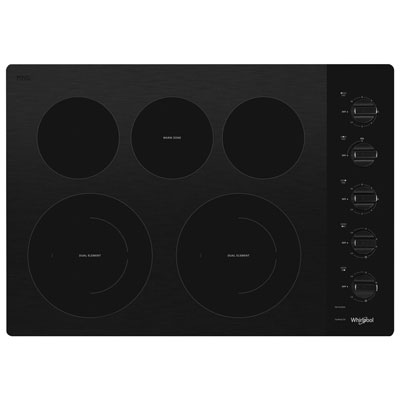
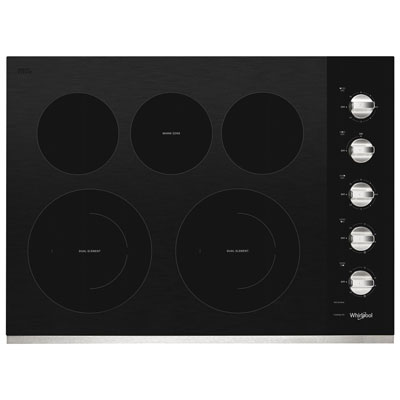
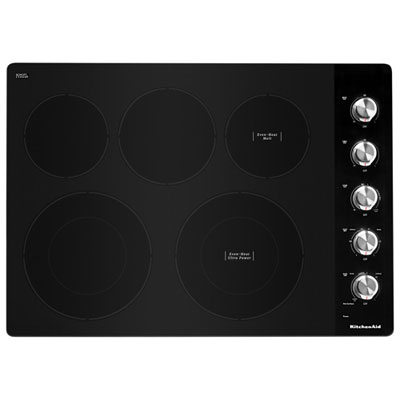
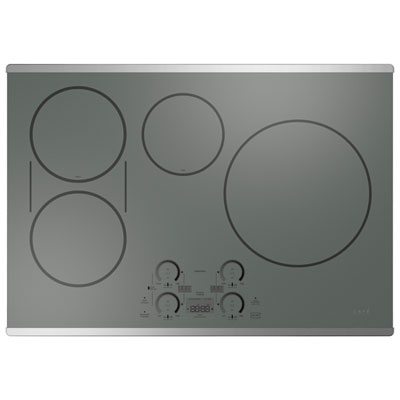
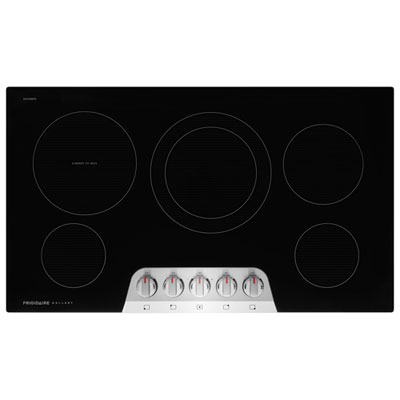
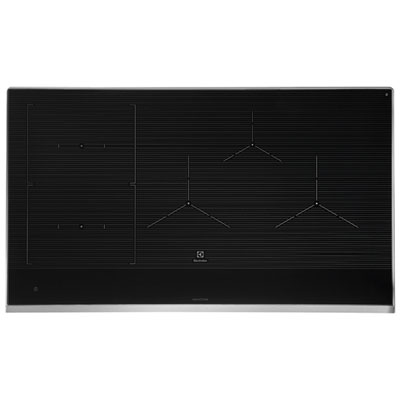
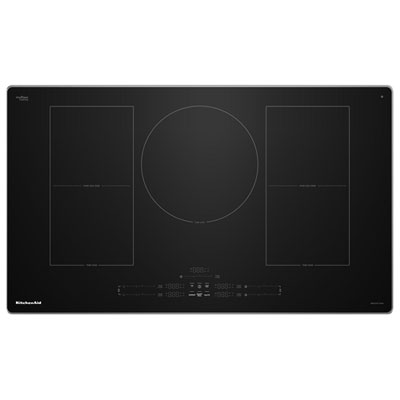
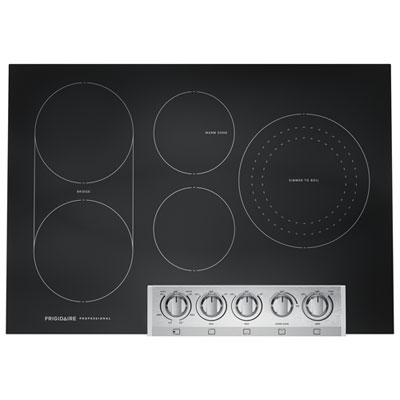
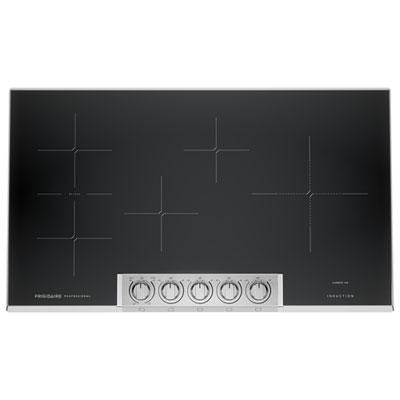
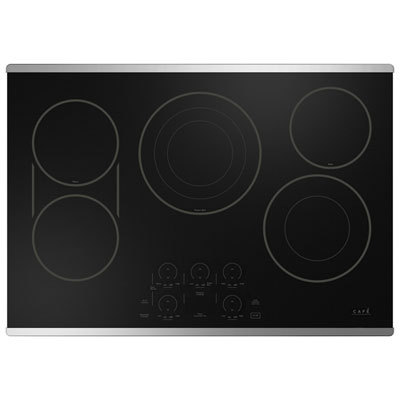
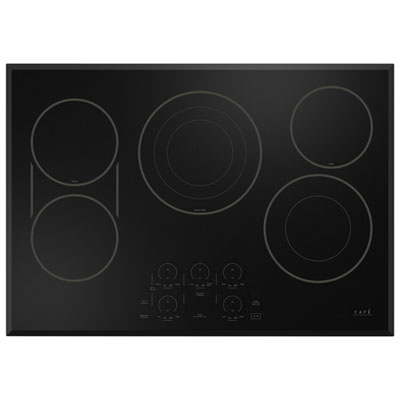
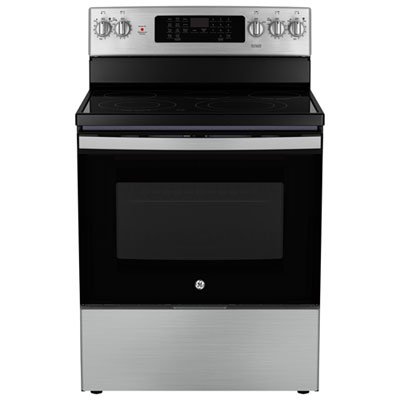
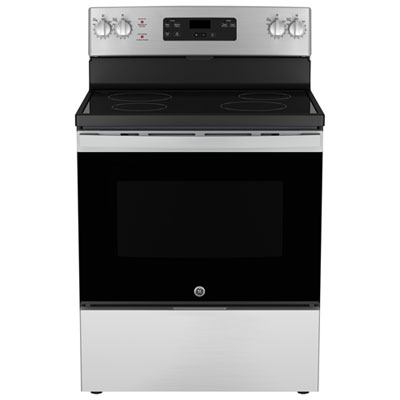
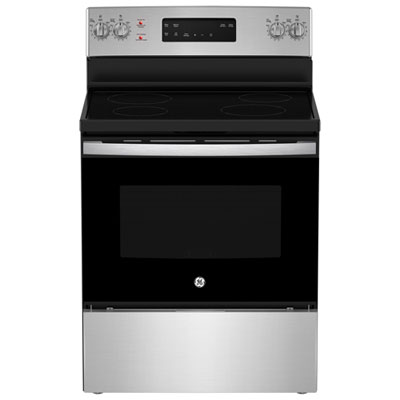
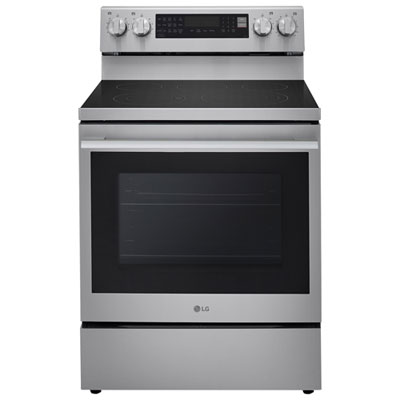
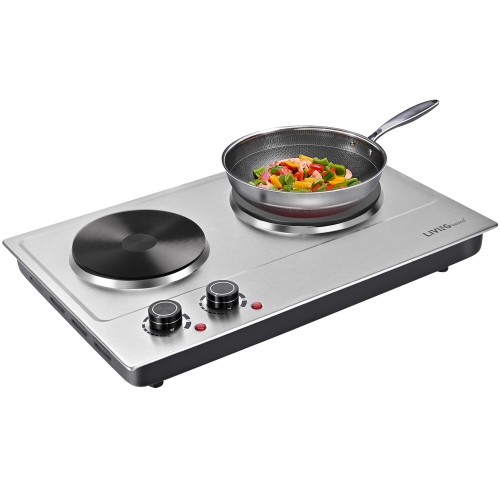
Why stainless steel finishes tell only half the story
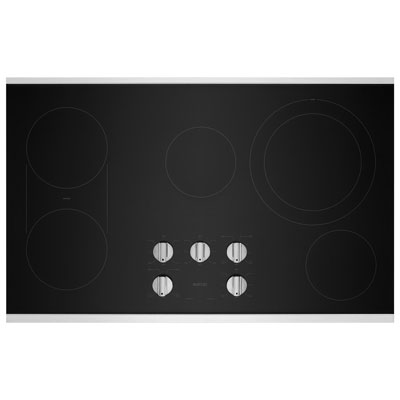
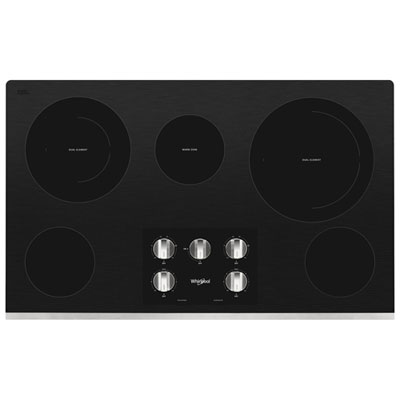
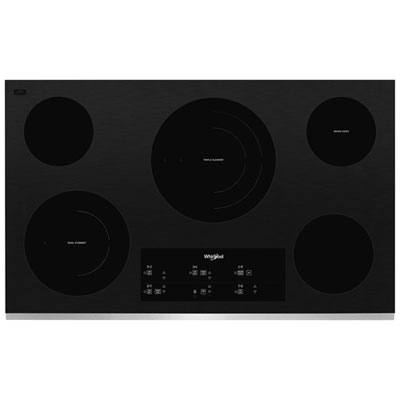
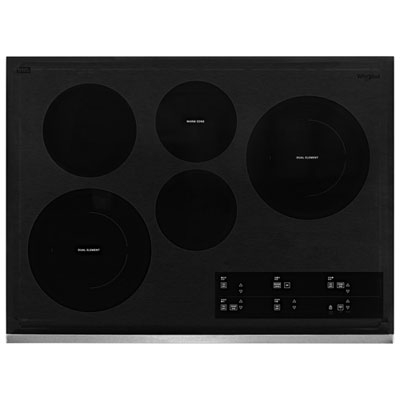
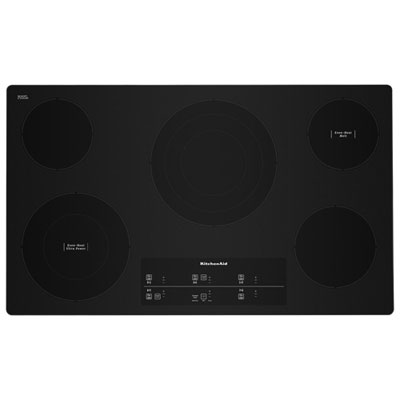
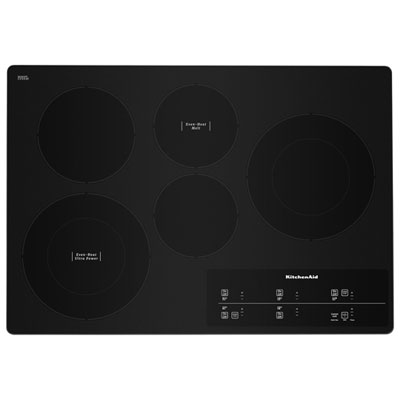
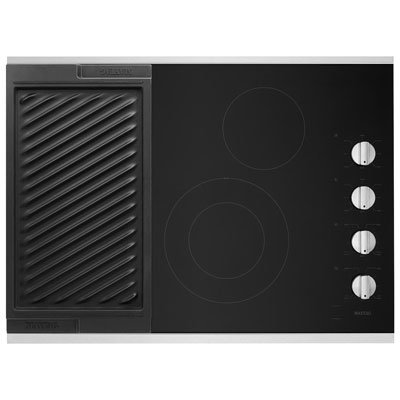
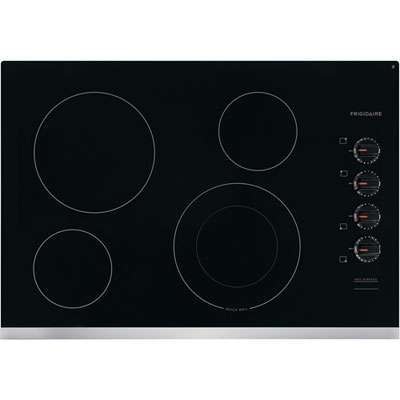
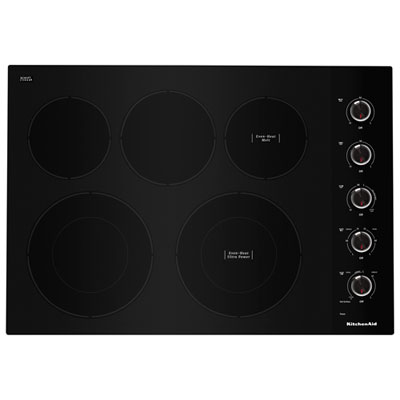
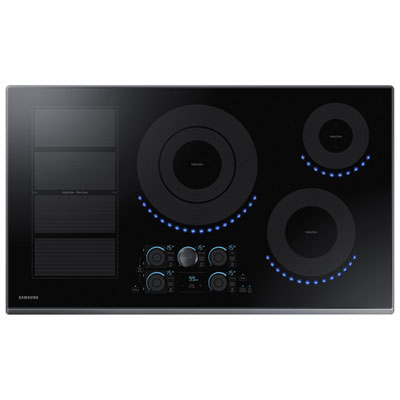
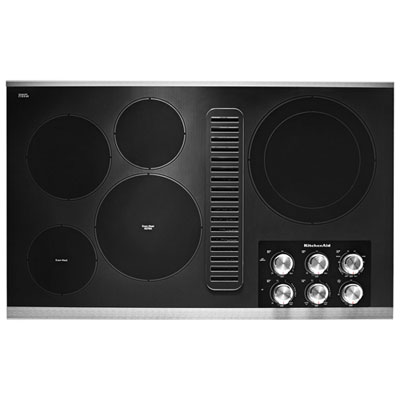
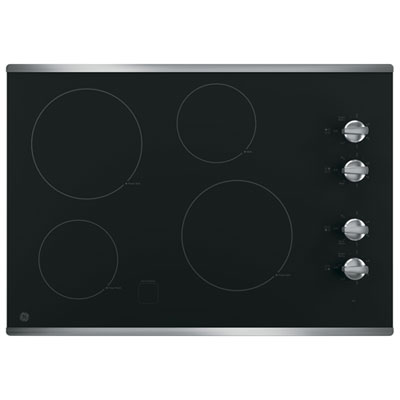
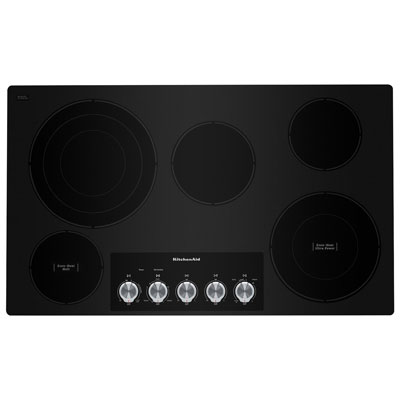
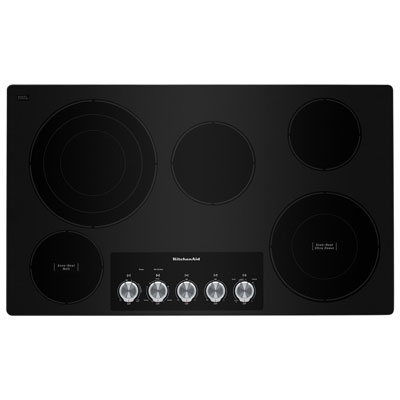
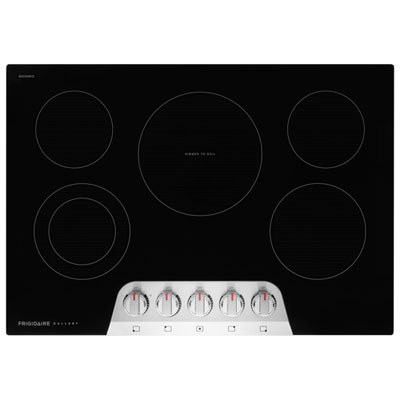
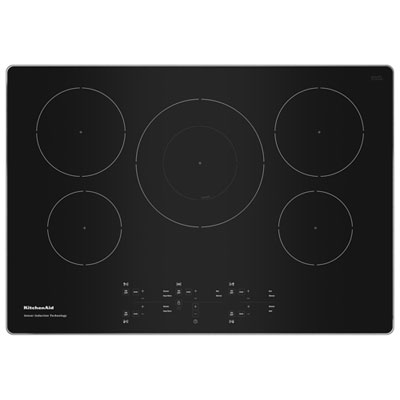
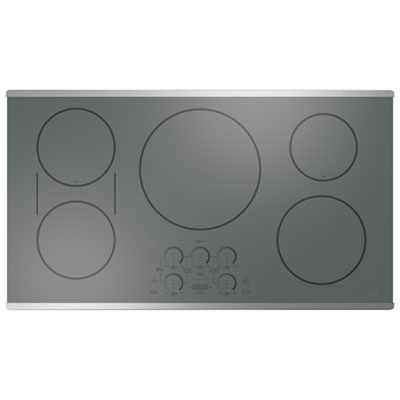
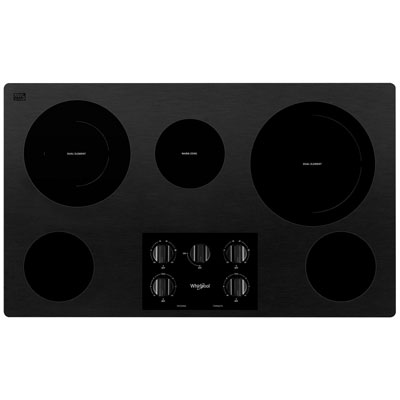
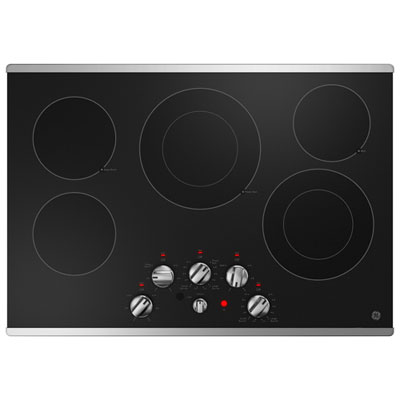
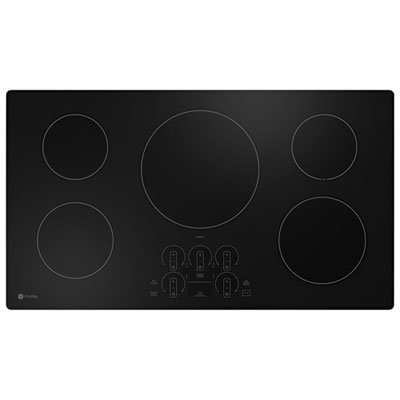
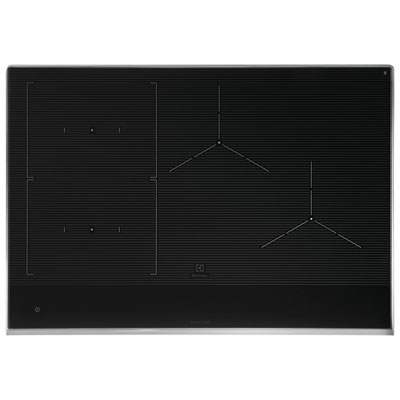
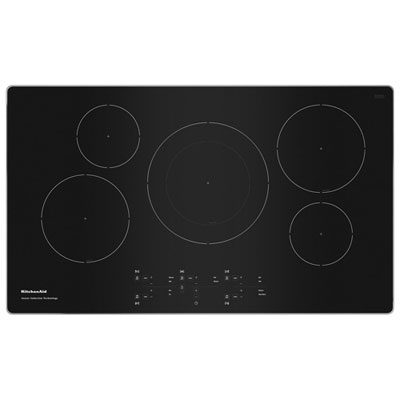
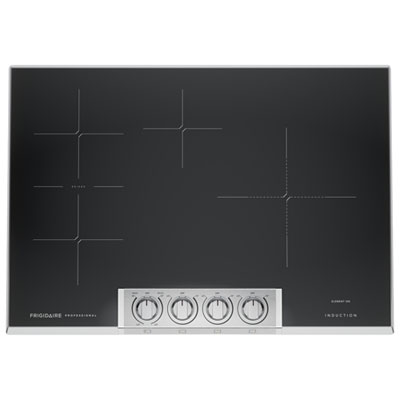
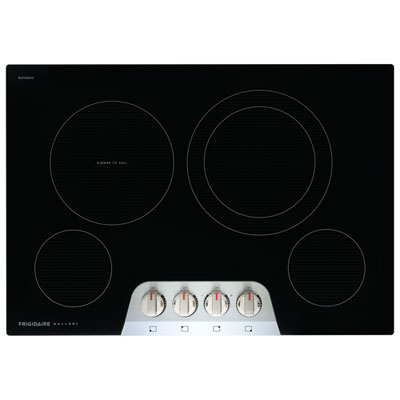
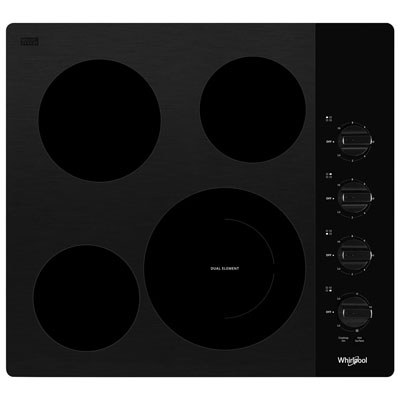
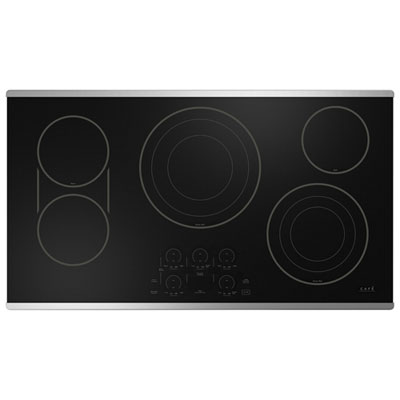
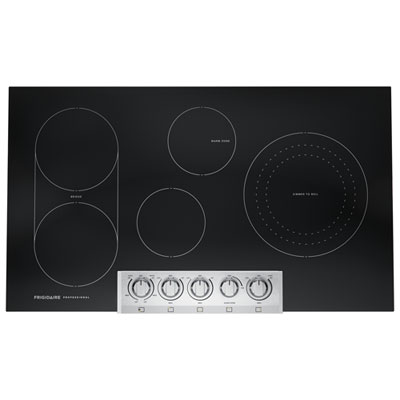
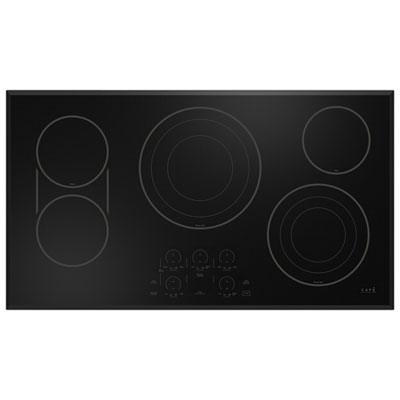
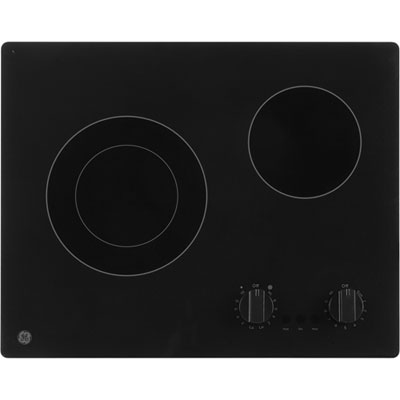
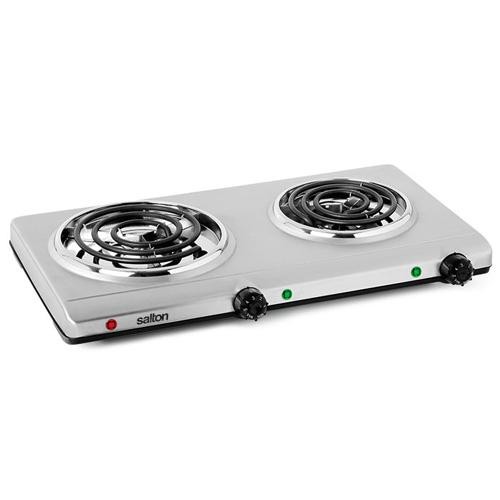
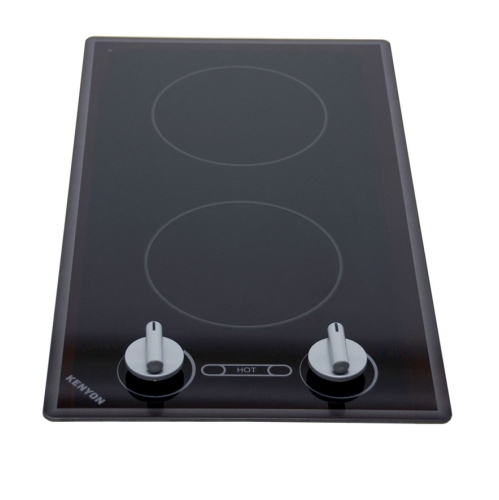
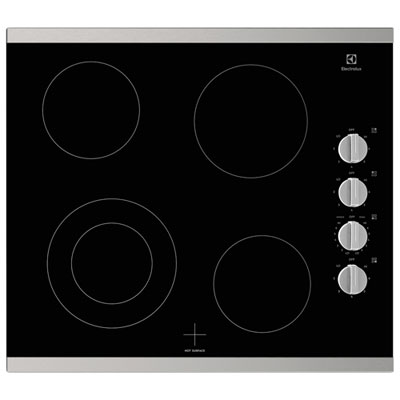
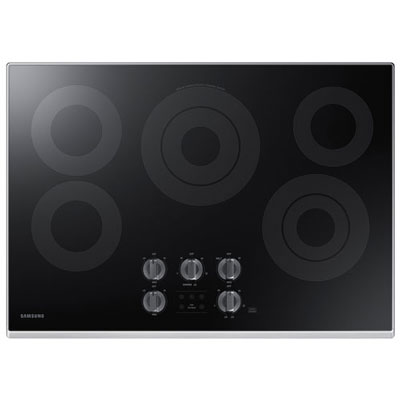
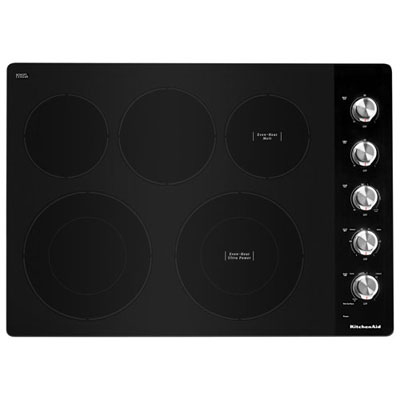
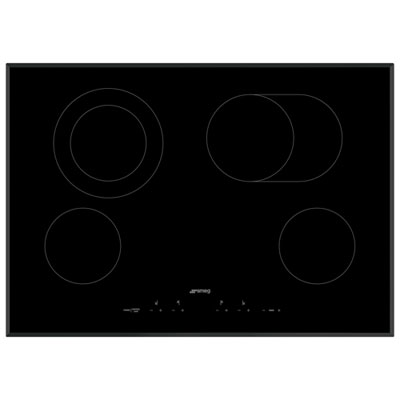
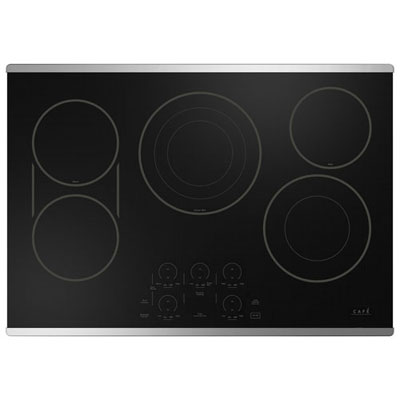
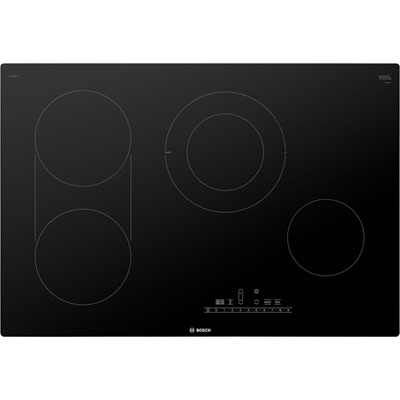
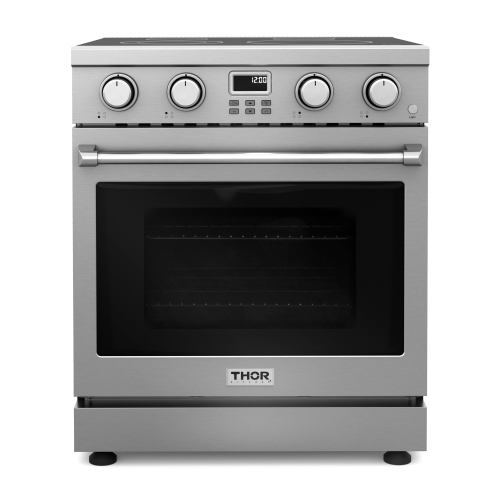
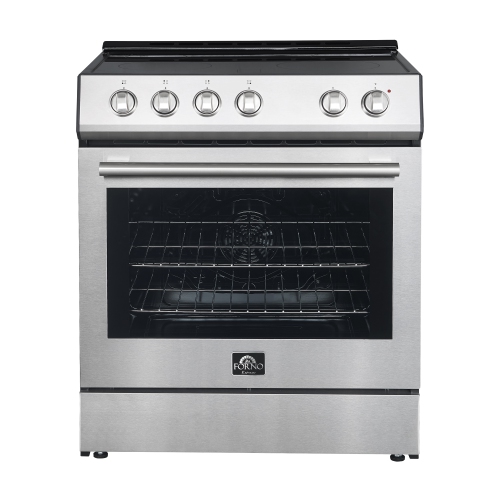
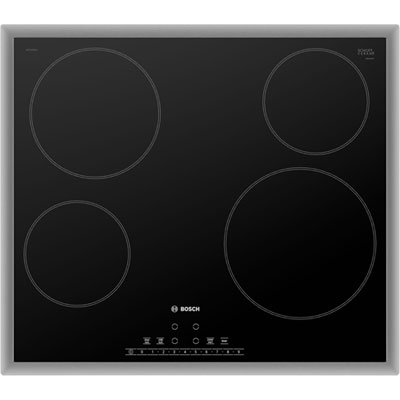
Stainless steel electric cooktops bring a coordinated metallic finish and built-in cooking convenience to kitchens of many sizes. The stainless steel may form the main surface around exposed coil elements, or it may appear as a frame, edge, or accent around a black ceramic glass cooking surface. That distinction matters: a stainless steel finish does not necessarily mean the entire cooking area is metal. On a smooth radiant cooktop, electric elements beneath the glass transfer heat through the surface to the cookware, while traditional coil designs heat pots and pans through direct contact with raised elements. Both formats provide a dedicated cooking area separate from the oven, allowing more flexibility in kitchen layouts. A cooktop can sit above suitable cabinetry while a wall oven occupies another location, giving the kitchen a different working arrangement from a freestanding range. The silver finish pairs naturally with stainless steel sinks, cabinet hardware, and other appliances, while the contrast between dark glass and brushed metal works with light stone, warm wood, or darker countertops. Common nominal widths include 30-inch and 36-inch formats, although the actual dimensions and countertop opening vary by design. A wider layout can offer more breathing room for a frying pan, a stockpot, and a small saucepan at the same time, but width alone does not tell the whole story. Element placement and control position affect how comfortably those pieces fit together. For someone preparing a quick breakfast, a compact arrangement may be entirely practical; for a household cooking several dishes each evening, spacing between larger elements can make the surface feel less crowded. During the cooler months, that difference becomes noticeable when a pot of soup simmers beside vegetables and a skillet. Stainless steel electric cooktops suit everyday meal preparation, kitchen renovations, and replacement projects where a separate cooking surface fits the household’s routines and the home’s existing layout.
Fit involves more than matching the visible width of an old appliance. The countertop cutout, cabinet space beneath the surface, countertop material, and required clearances all influence whether an electric cooktop belongs in a particular installation. Two cooktops described as 30-inch can require different openings, so the installation dimensions are more useful than the nominal size when assessing a replacement. The depth beneath the countertop also matters, especially where drawers, an oven, or other cabinetry occupy the space below. Electrical requirements vary with the appliance’s total connected load, and many built-in electric cooktops require a dedicated 240-volt circuit and a hardwired connection. Installation instructions and a qualified installer can establish the appropriate circuit, connection, clearances, and ventilation arrangement for the home. Within that fitted space, the element configuration shapes daily use. Smaller elements suit modest saucepans, while larger ones provide a better match for broad frying pans or stockpots. Dual or expandable radiant elements offer more than one heating diameter in a single position, helping match the active area to the base of the cookware. A bridge element, where included, links adjacent cooking zones to support compatible elongated cookware, such as a griddle; cookware size and suitability still need to match the cooktop’s specifications. Higher-wattage elements can be useful for heating larger quantities of water, though performance also depends on the pan, its contents, and the electrical supply. Lower settings are important for gentler tasks such as holding gravy warm or maintaining a steady simmer. Knob controls provide a physical grip and visible position, while touch controls create a flatter surface with fewer raised areas to wipe around. Front-mounted controls may be easier to reach without extending an arm over hot cookware, but their position also deserves attention in households with young children. Features such as control locks, hot-surface indicators, and automatic shut-off functions vary by design and support, rather than replace, careful cooking habits. These practical details often make a greater difference to everyday comfort than the finish alone.
Materials and care play an equally important role in how a stainless steel electric cooktop looks and performs over time. Stainless steel is durable, but it is not scratch-proof or immune to marks, and brushed finishes can show fingerprints, grease, and dried water droplets. A soft cloth and a suitable non-abrasive cleaner generally help preserve the appearance, with wiping along the grain where the finish has a visible direction. Ceramic glass needs its own care approach: clean, flat pan bases help maintain contact with the surface, and lifting cookware rather than sliding it reduces the chance of scratches. Heavy cookware deserves particular care because dragging or dropping it can damage the glass. Sugary spills can also harm some glass surfaces, making the manufacturer’s specific cleanup instructions important, including any directions for dealing with spills before the surface has fully cooled. Routine cleaning otherwise begins once the appliance is safe to touch, using products and tools approved for its surface. On coil designs, removable drip bowls may make it easier to address splashes beneath the elements, but components should only be removed or cleaned as directed. Cookware choice influences results as much as cleanup does. Flat-bottomed stainless steel pans, suitable aluminium cookware, and other compatible materials can work well on conventional radiant or coil electric surfaces; a stable base and an appropriate element size help distribute heat more evenly. Radiant and coil elements retain heat after being turned down or switched off, which affects delicate sauces and other dishes that need a quick temperature change. For households comparing cooking technologies as well as finishes, Stainless Steel Induction Cooktops provide a related option that uses a magnetic field to heat compatible cookware directly. Induction requires suitable magnetic cookware, and its surface can still become hot from contact with a heated pan. Conventional electric cooking remains a familiar choice for cooks who value straightforward operation and compatibility with a broad range of suitable cookware. With an appropriate fit, a useful element layout, and care matched to both the metal and cooking surface, a stainless steel electric cooktop can serve comfortably through quiet weekday meals and more involved cooking for family or guests.
Fit involves more than matching the visible width of an old appliance. The countertop cutout, cabinet space beneath the surface, countertop material, and required clearances all influence whether an electric cooktop belongs in a particular installation. Two cooktops described as 30-inch can require different openings, so the installation dimensions are more useful than the nominal size when assessing a replacement. The depth beneath the countertop also matters, especially where drawers, an oven, or other cabinetry occupy the space below. Electrical requirements vary with the appliance’s total connected load, and many built-in electric cooktops require a dedicated 240-volt circuit and a hardwired connection. Installation instructions and a qualified installer can establish the appropriate circuit, connection, clearances, and ventilation arrangement for the home. Within that fitted space, the element configuration shapes daily use. Smaller elements suit modest saucepans, while larger ones provide a better match for broad frying pans or stockpots. Dual or expandable radiant elements offer more than one heating diameter in a single position, helping match the active area to the base of the cookware. A bridge element, where included, links adjacent cooking zones to support compatible elongated cookware, such as a griddle; cookware size and suitability still need to match the cooktop’s specifications. Higher-wattage elements can be useful for heating larger quantities of water, though performance also depends on the pan, its contents, and the electrical supply. Lower settings are important for gentler tasks such as holding gravy warm or maintaining a steady simmer. Knob controls provide a physical grip and visible position, while touch controls create a flatter surface with fewer raised areas to wipe around. Front-mounted controls may be easier to reach without extending an arm over hot cookware, but their position also deserves attention in households with young children. Features such as control locks, hot-surface indicators, and automatic shut-off functions vary by design and support, rather than replace, careful cooking habits. These practical details often make a greater difference to everyday comfort than the finish alone.
Materials and care play an equally important role in how a stainless steel electric cooktop looks and performs over time. Stainless steel is durable, but it is not scratch-proof or immune to marks, and brushed finishes can show fingerprints, grease, and dried water droplets. A soft cloth and a suitable non-abrasive cleaner generally help preserve the appearance, with wiping along the grain where the finish has a visible direction. Ceramic glass needs its own care approach: clean, flat pan bases help maintain contact with the surface, and lifting cookware rather than sliding it reduces the chance of scratches. Heavy cookware deserves particular care because dragging or dropping it can damage the glass. Sugary spills can also harm some glass surfaces, making the manufacturer’s specific cleanup instructions important, including any directions for dealing with spills before the surface has fully cooled. Routine cleaning otherwise begins once the appliance is safe to touch, using products and tools approved for its surface. On coil designs, removable drip bowls may make it easier to address splashes beneath the elements, but components should only be removed or cleaned as directed. Cookware choice influences results as much as cleanup does. Flat-bottomed stainless steel pans, suitable aluminium cookware, and other compatible materials can work well on conventional radiant or coil electric surfaces; a stable base and an appropriate element size help distribute heat more evenly. Radiant and coil elements retain heat after being turned down or switched off, which affects delicate sauces and other dishes that need a quick temperature change. For households comparing cooking technologies as well as finishes, Stainless Steel Induction Cooktops provide a related option that uses a magnetic field to heat compatible cookware directly. Induction requires suitable magnetic cookware, and its surface can still become hot from contact with a heated pan. Conventional electric cooking remains a familiar choice for cooks who value straightforward operation and compatibility with a broad range of suitable cookware. With an appropriate fit, a useful element layout, and care matched to both the metal and cooking surface, a stainless steel electric cooktop can serve comfortably through quiet weekday meals and more involved cooking for family or guests.
Top selling and popular products
-
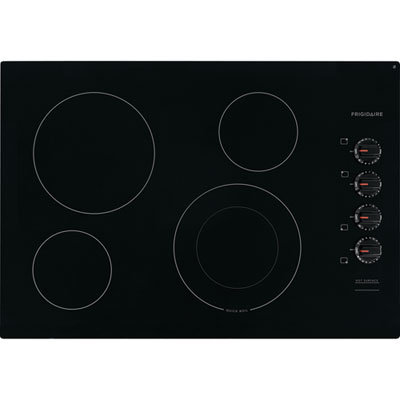 Your price for this item is $699.99
 -
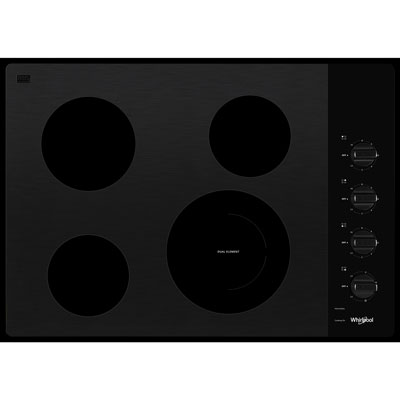 Your price for this item is $949.99
 -
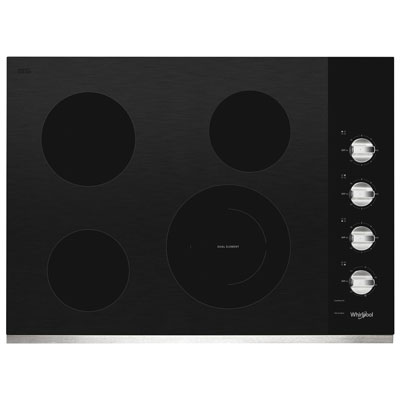 Your price for this item is $949.99
 -
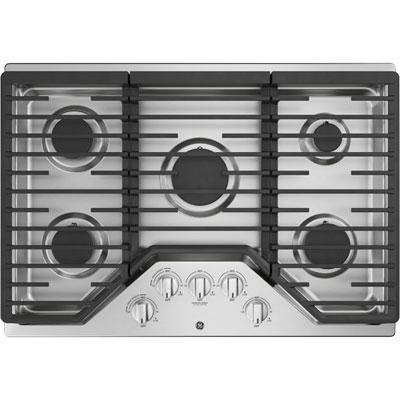 Your price for this item is $1499.99
 -
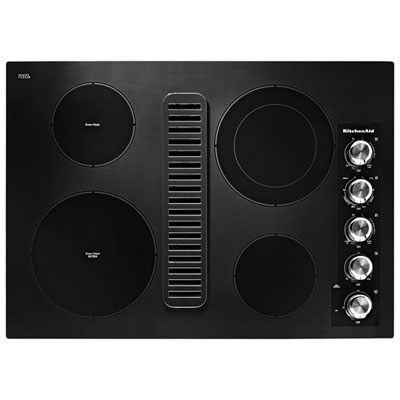 Your price for this item is $2999.99
 -
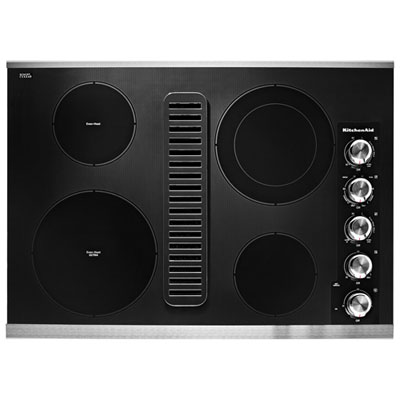 Your price for this item is $3099.99
 -
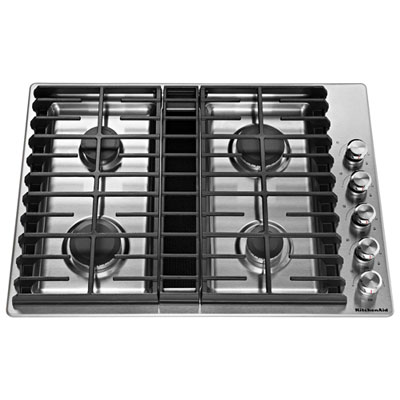 Your price for this item is $3099.99
 -
 Your price for this item is $1899.99
Discover more categories related to Stainless Steel Electric Cooktops
Top Collections:
Pokemon Centers, Kindle Devices, Best Budget Office Chairs, Apple iPhones 16, Best Laptops for Writers, iPhone 15 Apple, Canon G7X Cameras, Refurbished Apple Laptops, Alarm Clock, Motorola Razr Phones
Some products may be subject to Environmental Handling Fees
(EHF) depending on your province.
Learn more about EHFs.