Stainless Steel Stoves
Upgrade your kitchen with a stainless steel stove that combines sleek style and reliable performance. Stainless steel stoves offer a modern look that complements any kitchen décor while providing the durability needed for everyday cooking. Whether you’re preparing family meals or hosting dinner parties, a stainless steel stove delivers both functionality and visual appeal. Explore a wide range of options to find the perfect fit for your home and culinary needs.
Sort
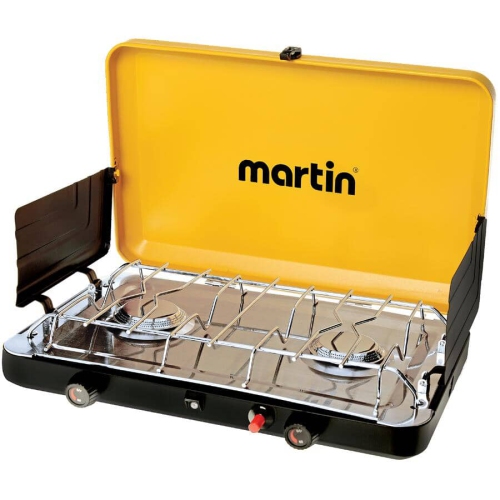
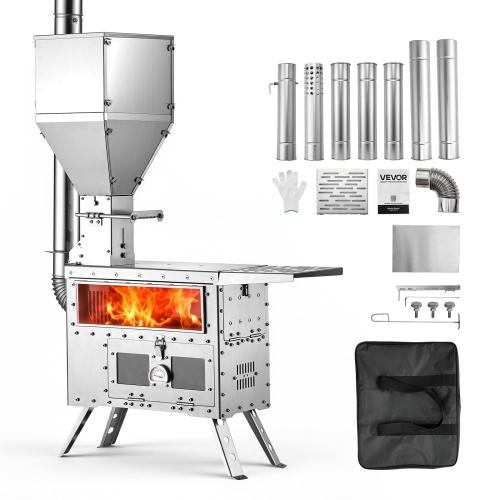
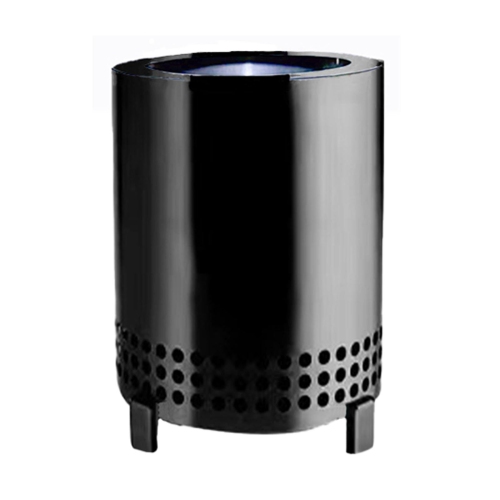
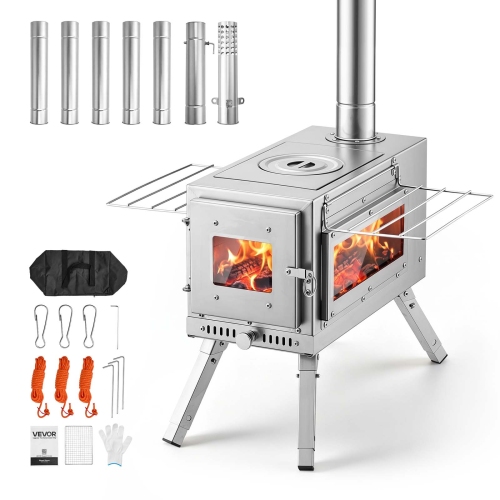
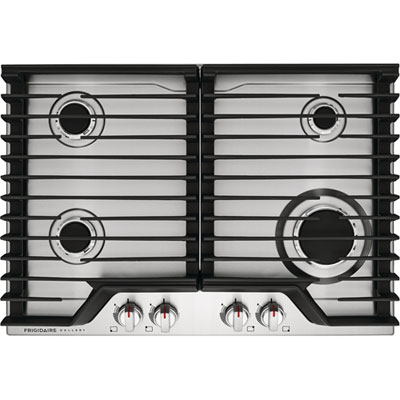
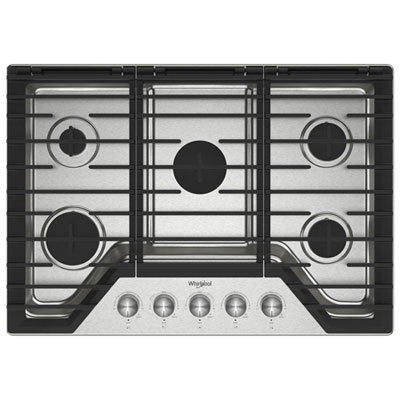
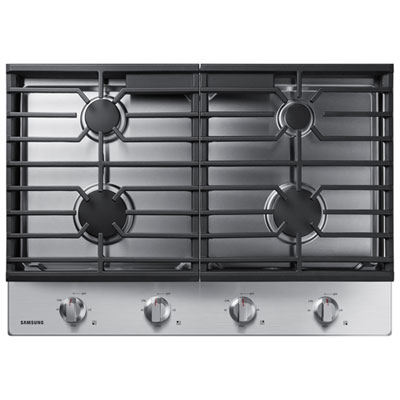
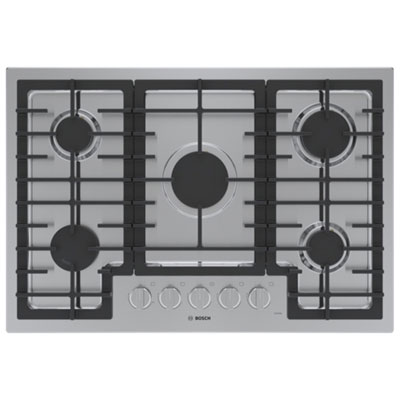
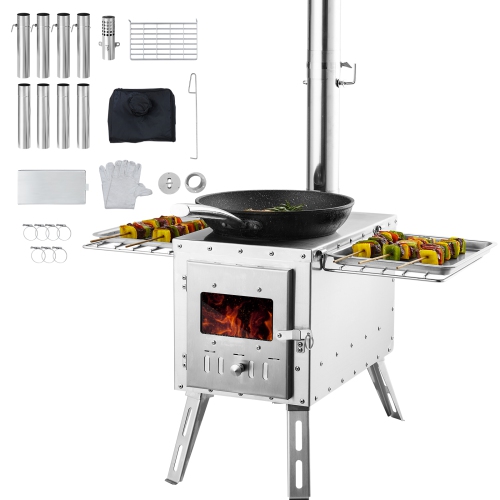
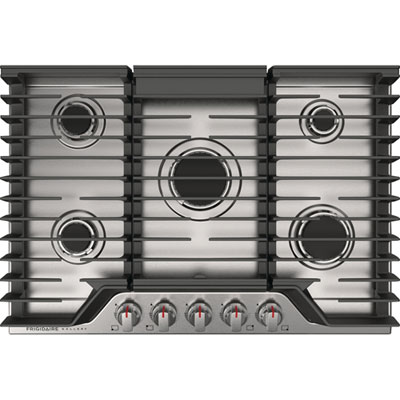
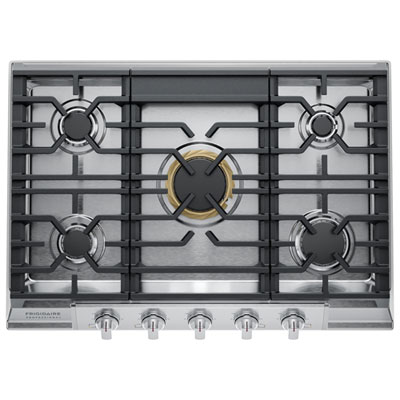
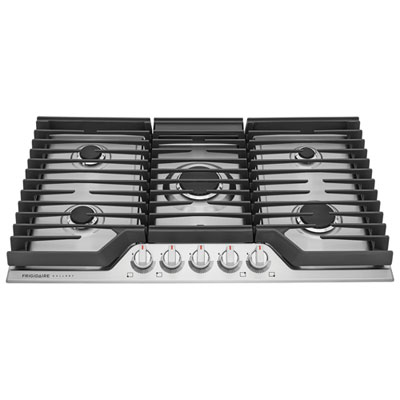

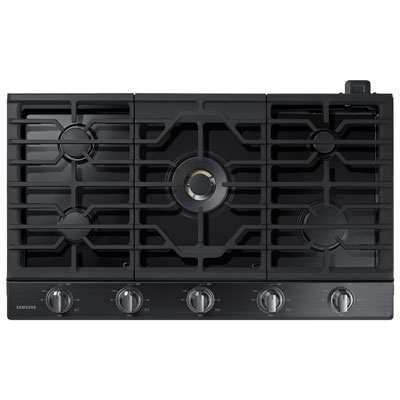
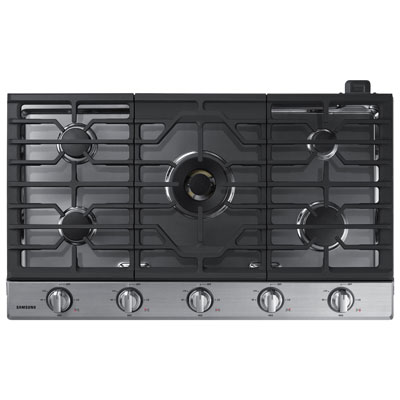
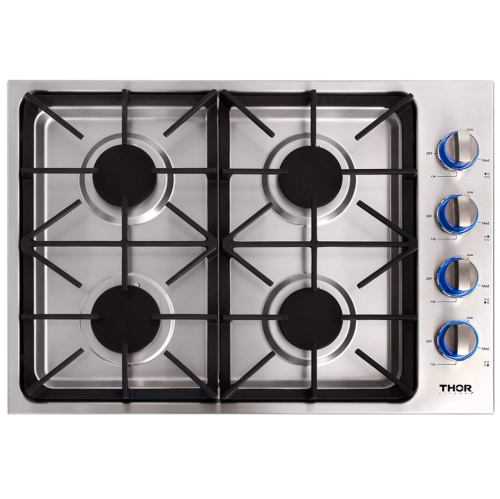
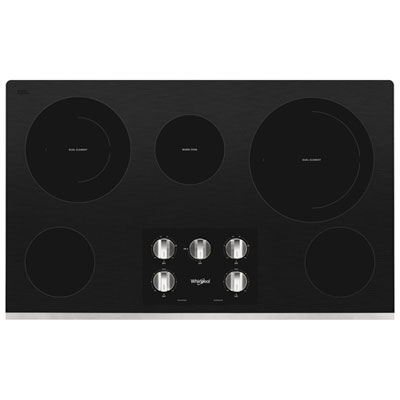
What matters beyond a stove’s stainless steel finish
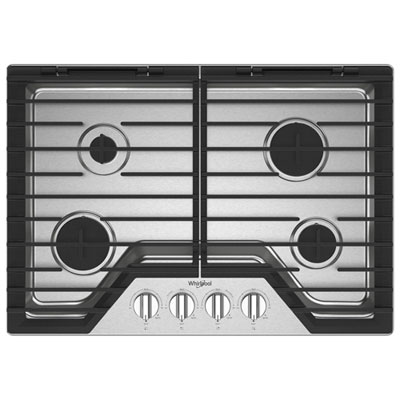
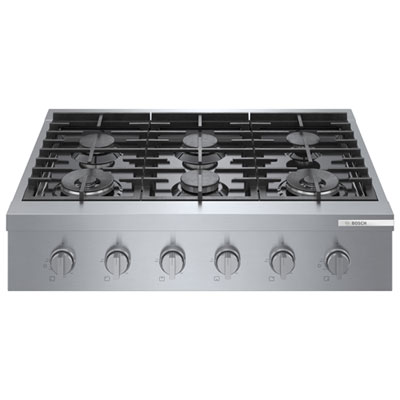
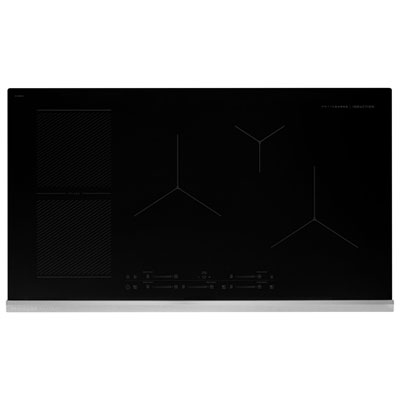
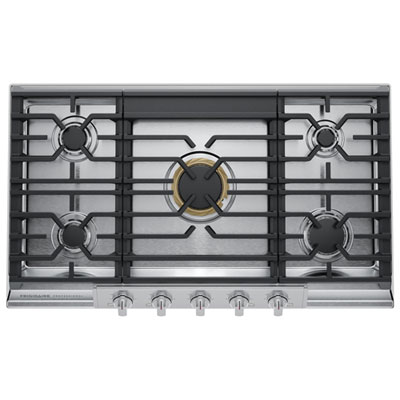
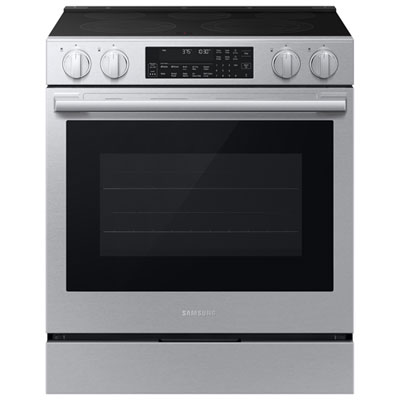
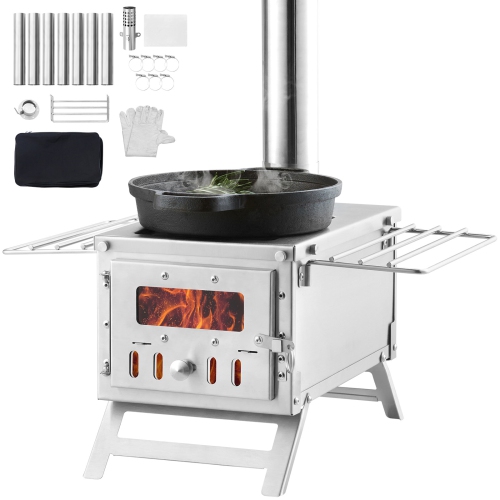
Stainless steel stoves pair a metallic finish with the everyday cooking functions of a kitchen range: a cooktop above and an oven below. The category includes electric, gas, induction and dual-fuel ranges, with differences in how they heat cookware and handle baking, roasting and simmering. Stainless steel usually describes the exterior finish rather than every cooking surface, so a stove may combine a stainless steel front with a glass cooktop, cast-iron grates or an enamelled oven interior. Its neutral colour works alongside white cabinetry, dark cupboards, natural wood and stone countertops without requiring every surface in the kitchen to match. A 30-inch width is common, while 24-inch and 36-inch formats serve different kitchen layouts and cooking needs; the appliance’s exact dimensions still matter more than its nominal size. Conventional electric stoves use coils or radiant elements beneath a smooth surface, making them a familiar option for daily cooking with a broad range of cookware. Gas stoves provide a visible flame and immediate adjustments at the burner, useful when moving from a vigorous boil to a gentle simmer. Induction stoves use magnetic energy to heat compatible cookware directly, offering responsive control without a gas flame. A magnet sticking firmly to the flat bottom of a pot is a useful initial compatibility check, although the cookware and appliance instructions remain the final reference. Dual-fuel stoves combine a gas cooktop with an electric oven, appealing to cooks who prefer flame control for stovetop tasks and electric heat for baking. These distinctions matter more than appearance when preparing several dishes at once. A large pot of pasta, a small saucepan of gravy and a wide skillet each need an appropriately sized cooking area. Burner or element layout, accessible controls and room between pots can make that routine easier. Stainless steel brings a consistent look to these different configurations, but the heating method and kitchen connections determine how well a range fits a household’s habits.
The right fit involves more than measuring the gap between two cabinets. Range width, height and depth all affect installation, and handles or rear connections can extend beyond the dimensions that first catch the eye. Freestanding ranges typically have finished sides and may place controls on a raised rear panel, while many slide-in designs place controls at the front for a less interrupted view of the backsplash. These descriptions do not guarantee interchangeability: required clearances, countertop relationships and side finishing vary by design. An oven door needs enough room to open without blocking an island, and a nearby dishwasher or corner cupboard should remain usable. Delivery access also matters, particularly through narrow doorways, stair turns and condominium corridors. Electrical requirements differ among ranges, and gas and dual-fuel appliances require suitable fuel connections as well as the specified electrical supply. Qualified installation, the required anti-tip bracket and ventilation that meets the appliance instructions and local requirements are important parts of the setup. Inside the oven, capacity is only one measure of usable space. Rack dimensions, the number of rack positions and clearance around a roasting pan help determine what can cook comfortably. Someone who regularly bakes two trays of cookies may value flexible rack placement, while a household preparing large casseroles may care more about a wide, accessible cavity. Double-oven ranges can support dishes that need different temperatures, though each compartment has its own size limits. A smaller upper oven may suit a tray of vegetables, while a larger roasting dish needs the lower cavity. Heavy cookware also makes rack design worth considering; a smoothly moving rack can make it easier to check a full baking dish without reaching far into the oven. Front controls reduce the need to reach across cookware, but their position and any control-lock functions deserve attention in homes with young children. Together, these details connect a stove’s dimensions and layout to the way the kitchen actually gets used.
Cooking features are most useful when they match meals prepared regularly. Convection circulates heated air through the oven and can help with even browning, although recipes may need time or temperature adjustments according to the appliance instructions. Air-fry settings use strong airflow and suitable cookware to crisp foods such as potato wedges or breaded vegetables; leaving space between pieces remains important. A warming zone can hold a finished sauce while another dish cooks, and a bridge element or elongated burner may accommodate compatible griddles or longer cookware. Clear oven lighting, readable controls and a timer that is easy to set can be just as valuable during an ordinary supper as a specialized cooking mode. Care requirements differ across both finishes and cooking surfaces. Stainless steel is durable, but it is not scratchproof or immune to marks. Fingerprint-resistant finishes can reduce visible smudges, though they still need cleaning and may require different care from uncoated stainless steel. A soft cloth and a cleaner approved for the particular finish help preserve its appearance; on brushed surfaces, wiping with the grain can reduce streaking. Abrasive pads and harsh chemicals can damage the finish, and cleaners should not be allowed to pool around controls or seams. Cooktops need their own treatment: cooled glass surfaces require suitable cleaning tools, while removable gas grates and burner caps should be cleaned and dried as directed before being returned to position. Steam-clean and high-heat self-clean cycles are different functions, with specific preparation and rack-removal requirements. Prompt attention to spills, once surfaces are safe to clean, helps keep residue from becoming harder to remove. For a coordinated kitchen, Stainless Steel Appliances can complement a range, though sheen, grain and handle styling may vary between appliances. Comparing those details alongside cooking performance, fit and upkeep helps create a kitchen that feels cohesive and works comfortably for everyday meals.
Top selling and popular products
-
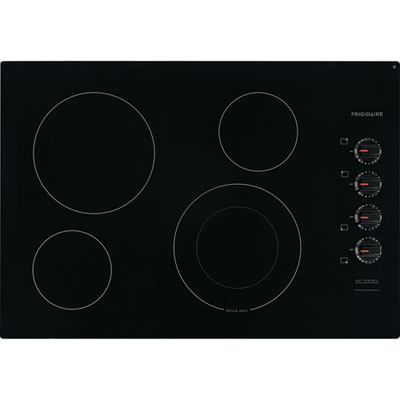 Your price for this item is $699.99
-
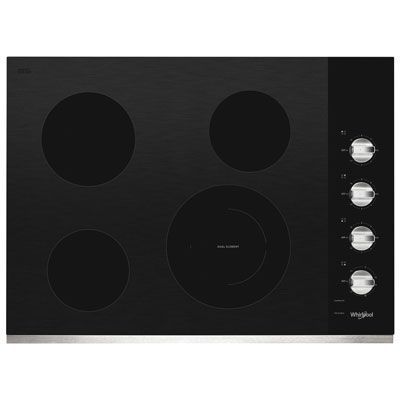 Your price for this item is $949.99
-
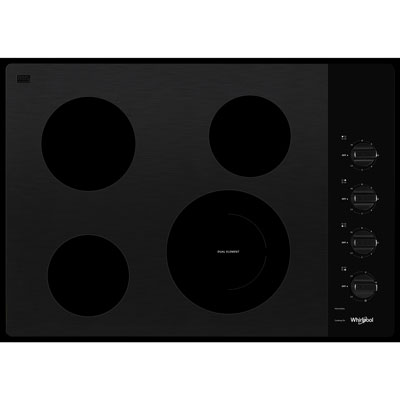 Your price for this item is $899.99
-
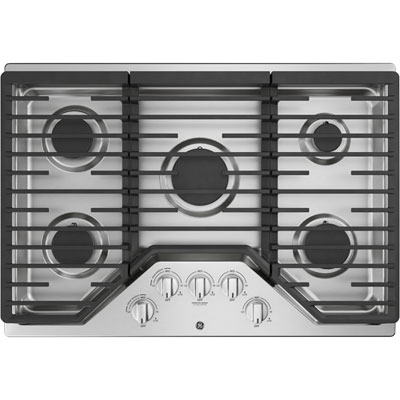 Your price for this item is $1499.99
-
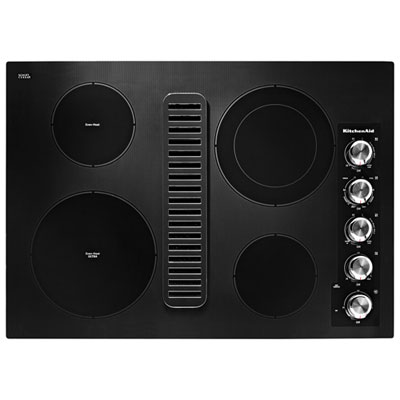 Your price for this item is $3199.99
-
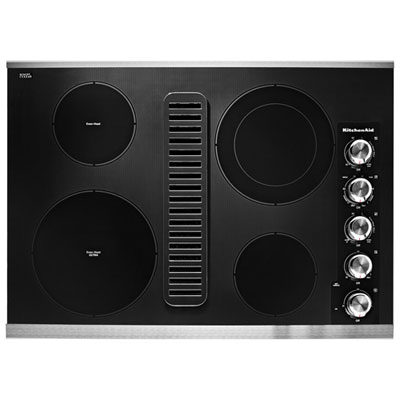 Your price for this item is $3299.99
-
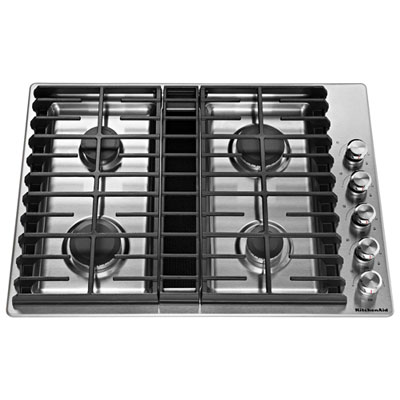 Your price for this item is $3799.99
-
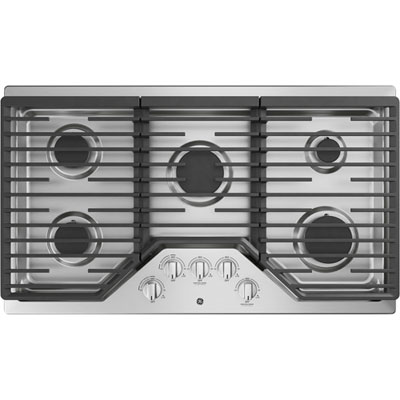 Your price for this item is $1659.99
Discover more categories related to Stainless Steel Stoves


Top Collections:
Best Black Friday Deals This Year, Best Black Friday Deals On Electronics, Kindle Devices, Pokemon Centers, Best Black Friday Deals On Apple Products, Best Cameras for Sports Photography, Dyson Airwrap, Pokémon 30th Celebration Cards, Apple iPhone 17 Pro, Canon G7X Cameras
Some products may be subject to Environmental Handling Fees
(EHF) depending on your province.
Learn more about EHFs.