Steam Combi Ovens
Looking to take your cooking skills to the next level? Look no further than steam combi ovens. These versatile appliances seamlessly combine the power of steam with traditional oven cooking, allowing you to achieve deliciously moist and flavorful dishes every time. Whether you're a seasoned chef or just starting out in the kitchen, steam combi ovens offer a range of cooking options that will revolutionize the way you prepare meals. From baking and roasting to steaming and grilling, these innovative appliances provide endless possibilities for creating culinary masterpieces. Discover the perfect steam combi oven for your kitchen and elevate your cooking game today.
Sort
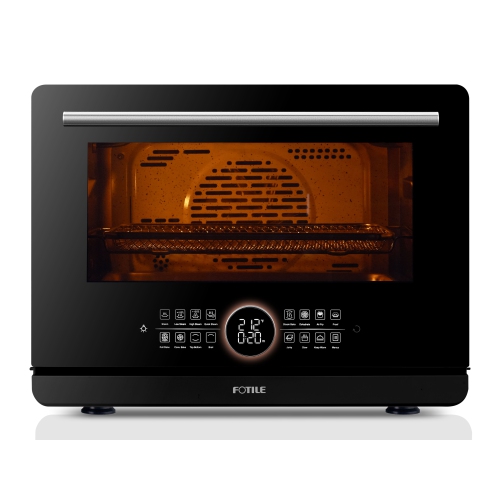
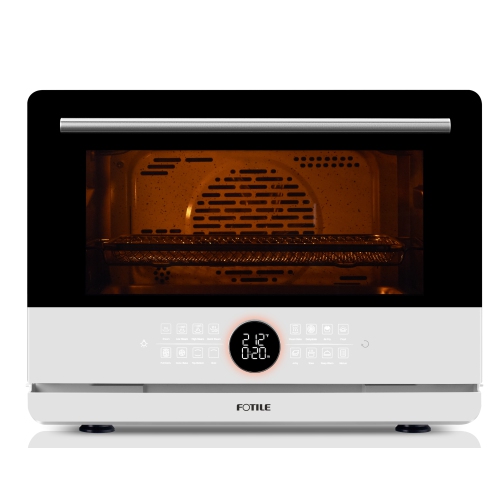
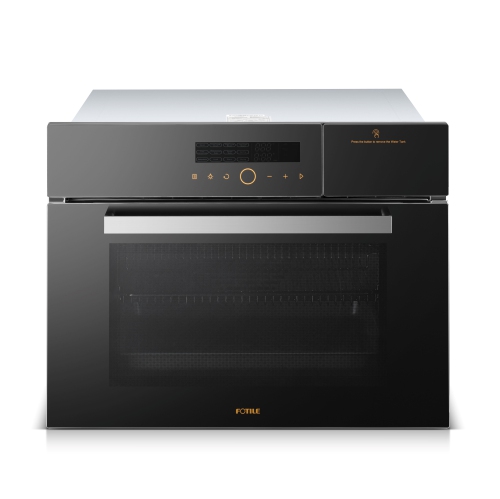
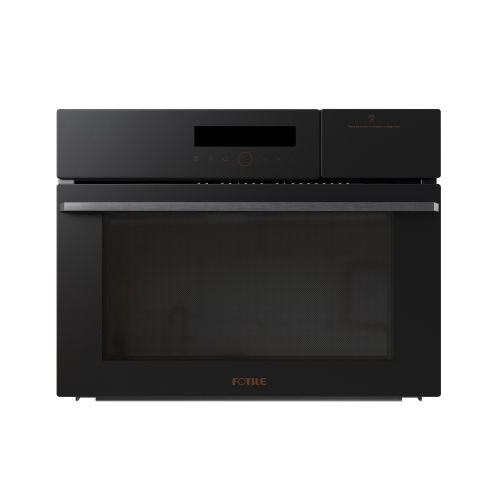
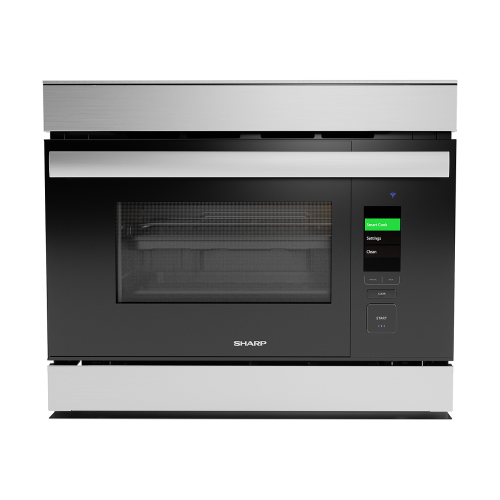
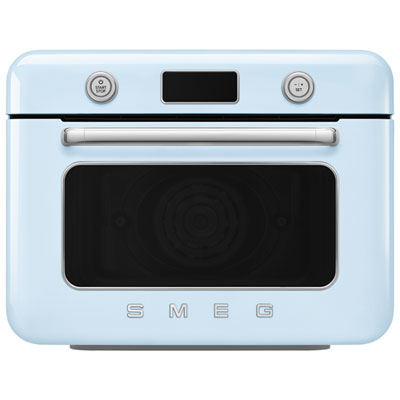
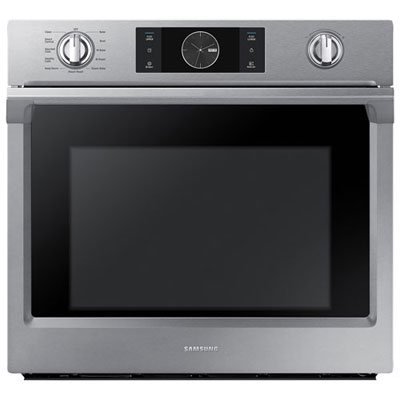
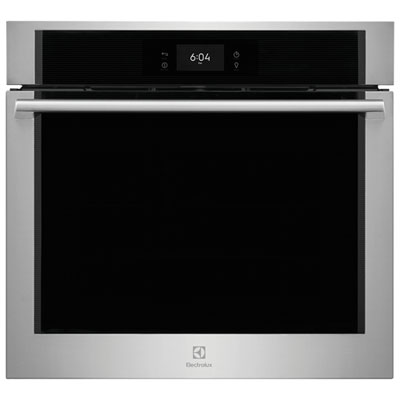
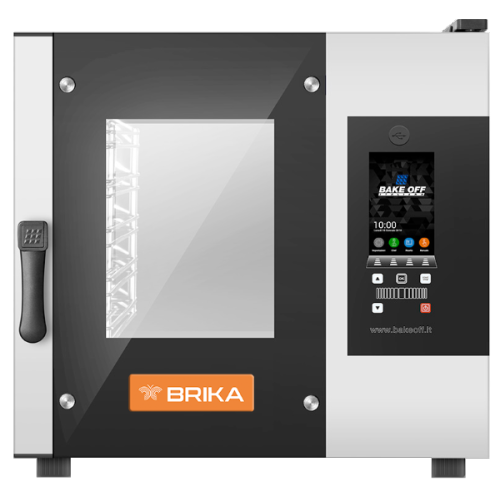
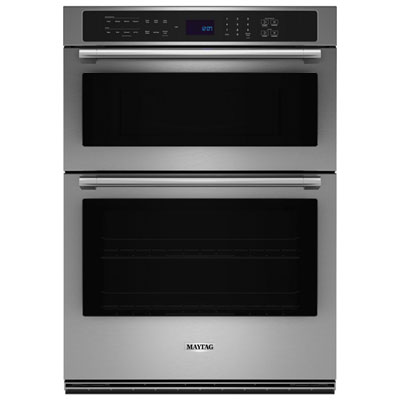
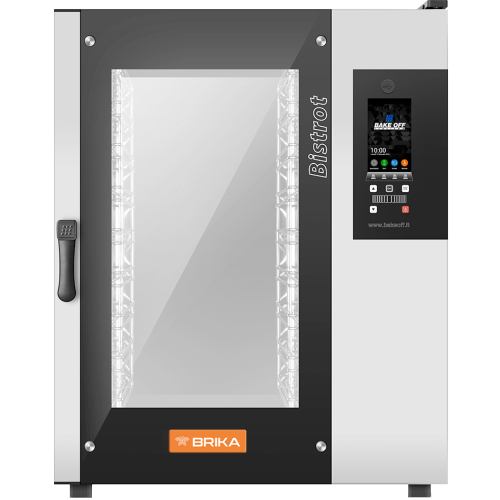
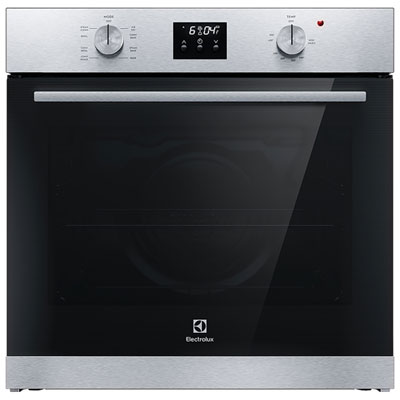
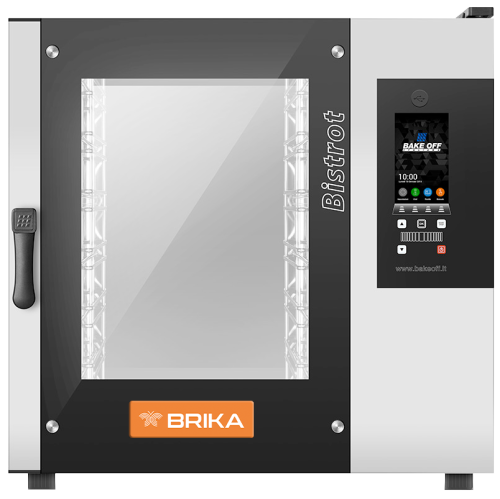
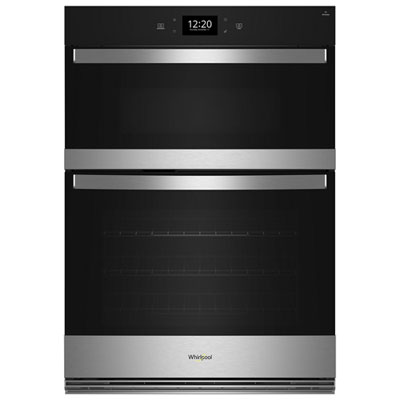
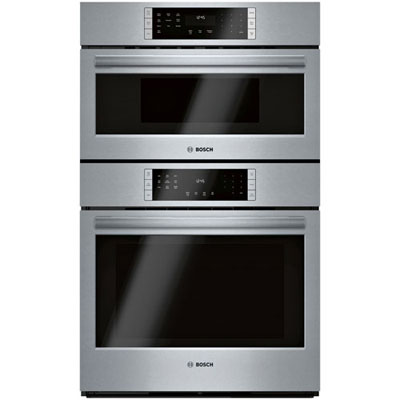

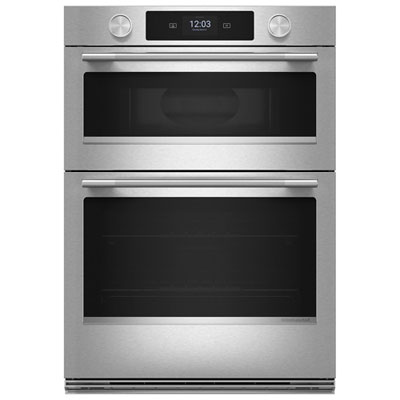
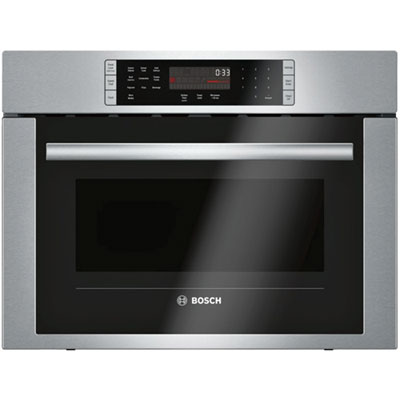

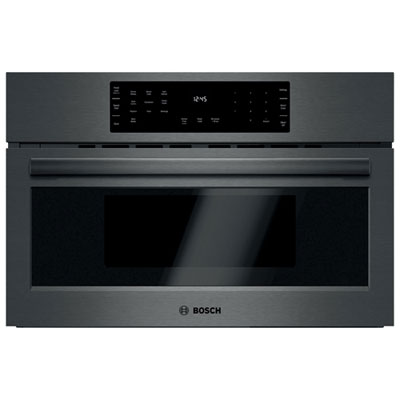
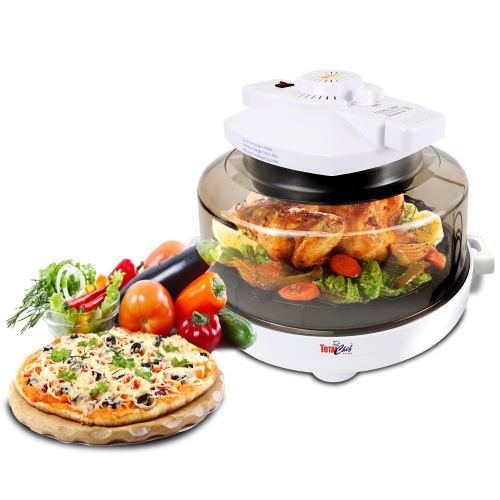
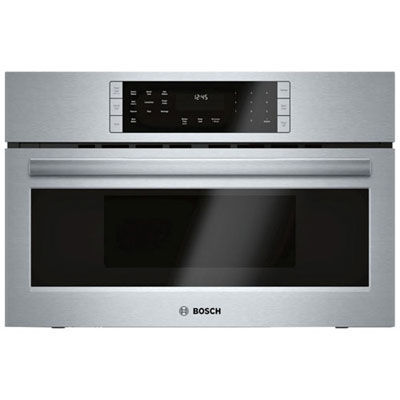
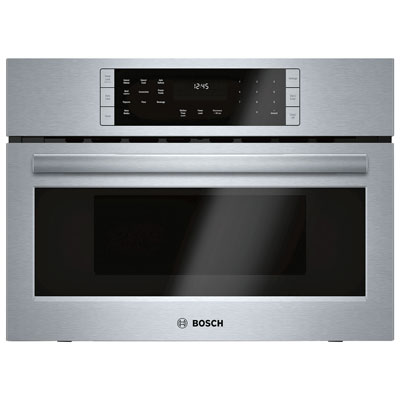
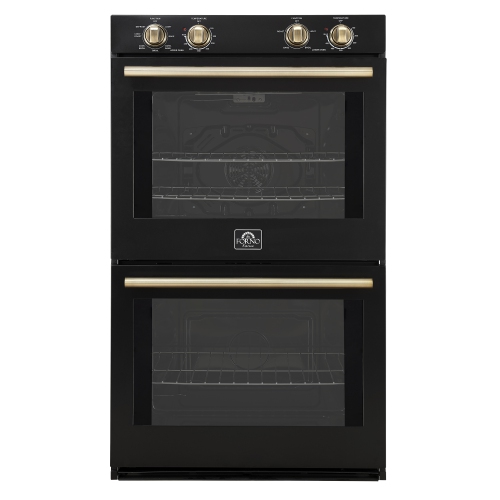
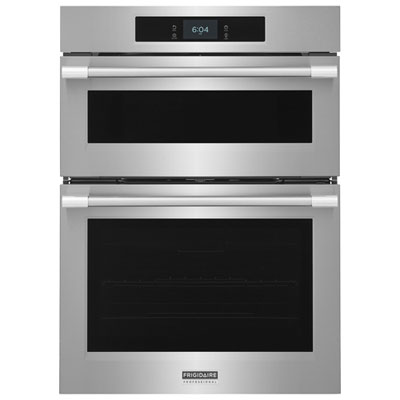
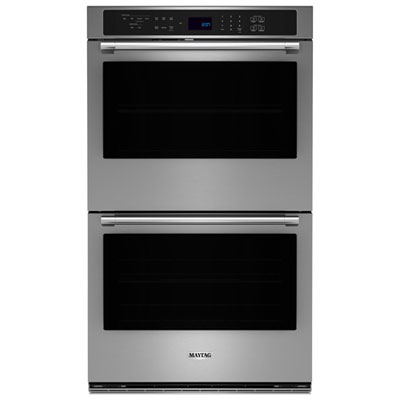
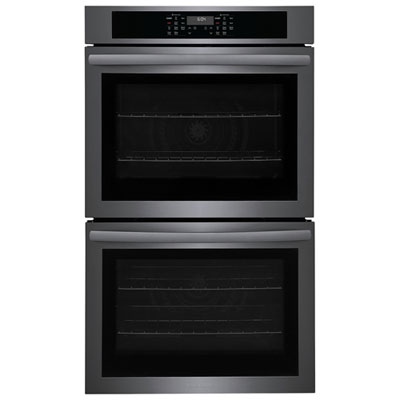
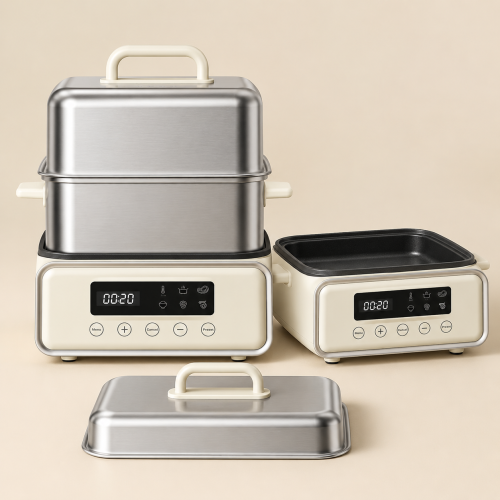


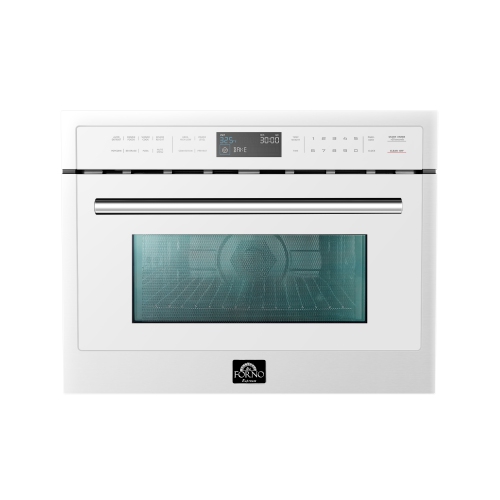
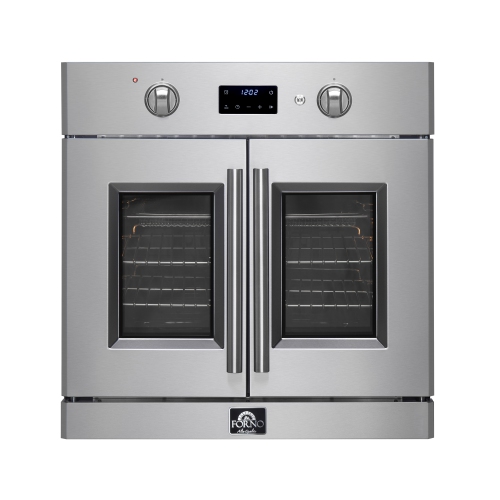
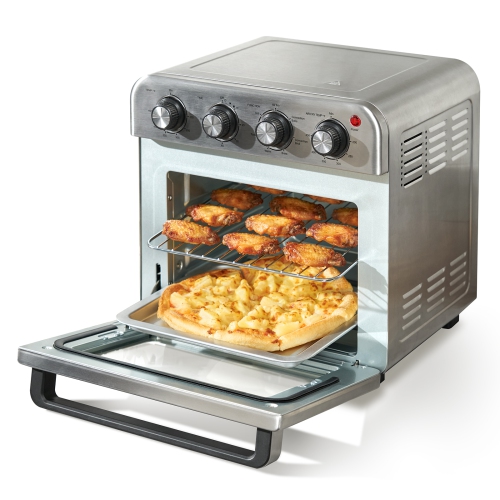
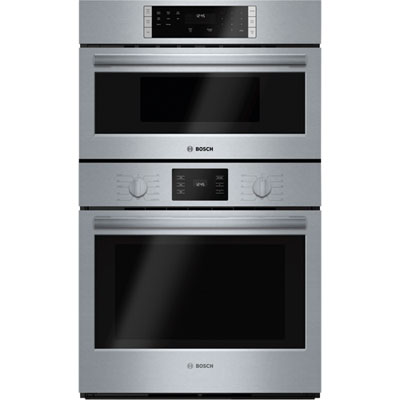
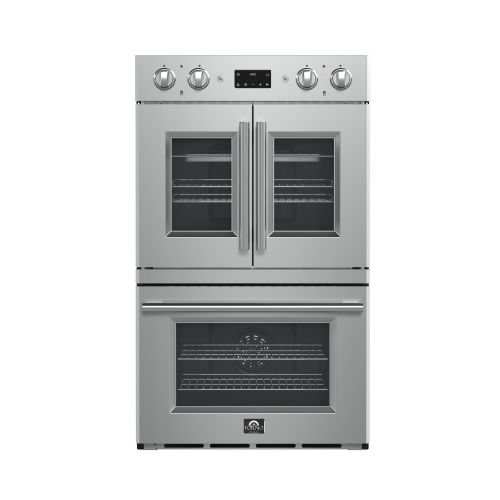
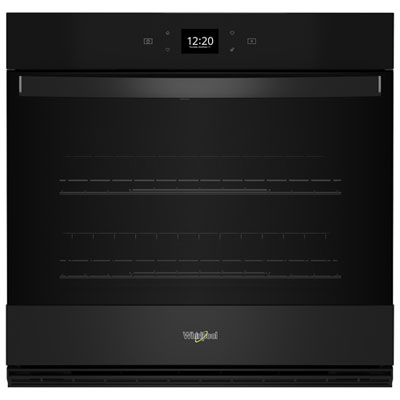
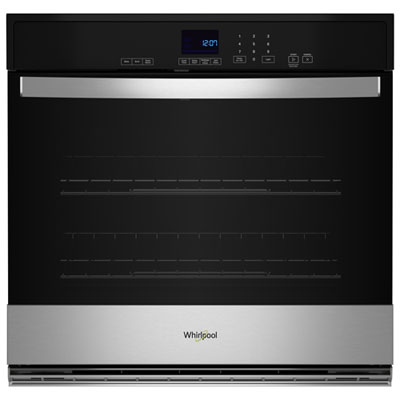
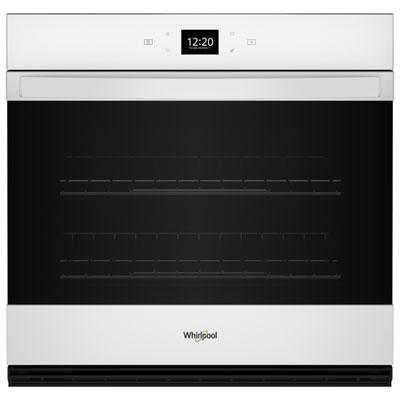
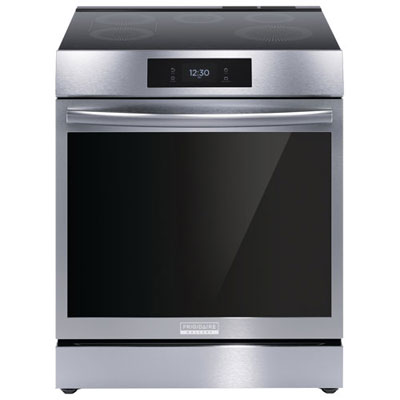
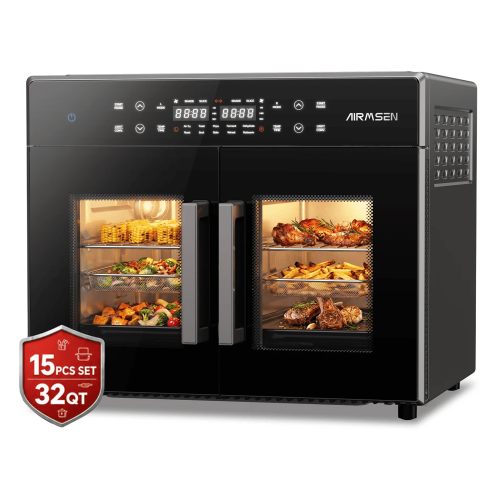
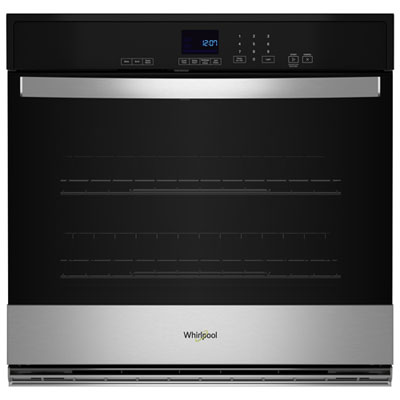
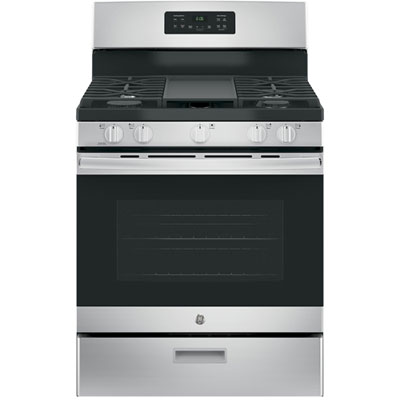
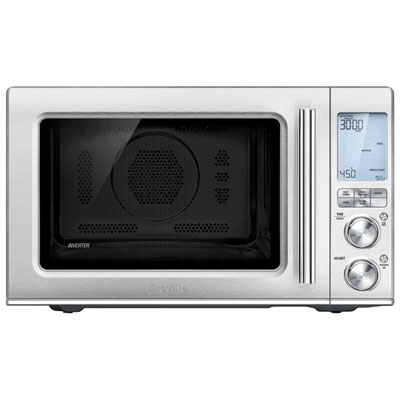
How steam and convection work together in everyday cooking
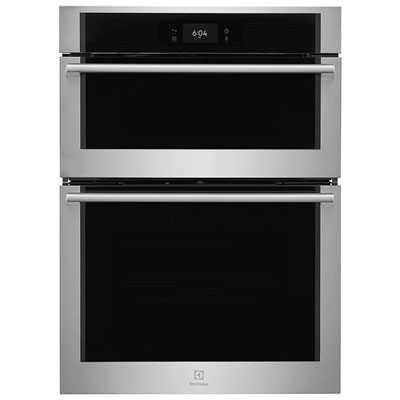
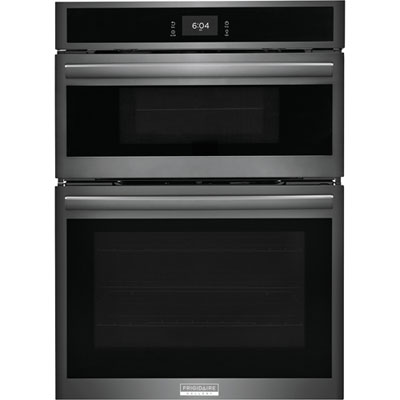
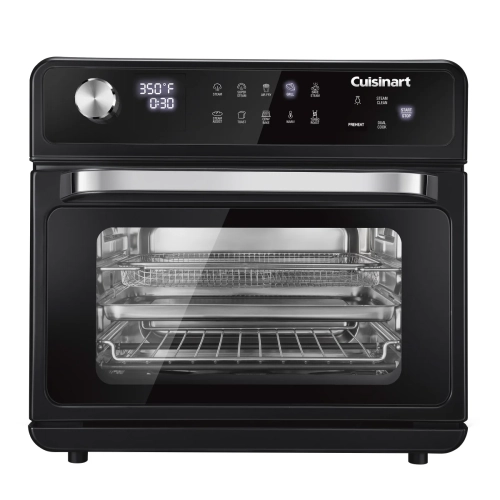
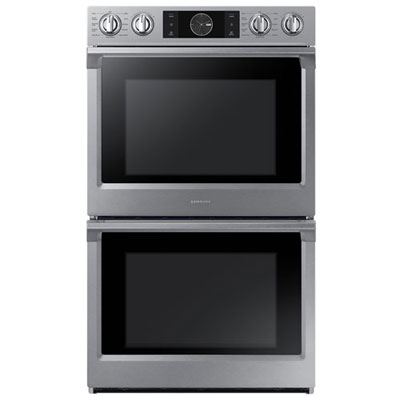
Steam combi ovens bring convection heat and steam together in one appliance, offering different ways to handle everything from a tray of vegetables to a crusty loaf of bread. Depending on the model, cooking options may include dry convection, steam alone, and a combination of hot air and moisture. Each mode serves a different purpose. Steam surrounds food with moist heat, making it useful for fish, dumplings, rice, and vegetables, while convection circulates heated air for baking and roasting. Combination cooking introduces moisture alongside oven heat to help limit drying while still allowing browning under suitable settings. Bread is a familiar example: steam early in the bake can support expansion before a drier finish develops the crust. A roast can benefit from added moisture during cooking, although its final texture still depends on the cut, cooking time, temperature, and chosen setting. Reheating is another practical use. A portion of rice or a slice of lasagna can regain a more appealing texture with controlled moisture than with dry heat alone, while foods meant to stay crisp may need a convection finish. Results vary by recipe, and steam does not automatically make every dish better. A delicate custard and a tray of biscuits need different conditions, even when prepared in the same oven. Steam-assisted ovens also differ from full combination steam ovens: some add moisture to selected baking programmes without providing a dedicated steam-only function. Within the broader category of Combo Ovens, steam capability is a specific feature rather than a promise that every appliance includes it. Likewise, “combi” does not necessarily mean microwave cooking is included. Understanding those distinctions helps match the appliance to everyday meals, whether the priority is preparing vegetables alongside dinner, baking regularly, or reheating prepared portions without drying their edges. For households that cook a varied menu, the appeal is having several useful cooking methods in a single cavity rather than relying on one setting for every dish.
The choice between countertop and built-in steam combi ovens affects both kitchen layout and daily use. A countertop design can suit a kitchen without space for another wall oven, but its footprint includes more than the base measurements. Ventilation clearances, room for the door to open, access to the water reservoir, and space to set down a hot tray all matter. Check the required distance from nearby cabinetry and avoid assuming an appliance can operate inside an enclosed cupboard. Built-in models create a more integrated finish and may work alongside a full-size oven, but they need the correct cabinet opening, electrical supply, and installation clearances. Depending on the design, a direct water connection or drainage provision may also be required. Installation requirements should be confirmed before cabinetry or plumbing work begins. Tank-based ovens use a refillable reservoir, which offers flexibility in placement but adds a regular filling task. Plumbed models connect to a water supply, reducing manual refilling while requiring a suitable installation. Neither arrangement determines cooking quality on its own. Cavity dimensions and usable rack space are just as important as exterior width: a favourite baking dish, tall loaf pan, or family-sized roasting tray needs to fit with enough room for proper circulation. Someone cooking mainly for one or two people may value a compact cavity, while batch cooking and larger meals call for enough space to accommodate the intended portions. Stainless steel interiors and trays are common, and some designs use enamelled surfaces or other finishes that require their own care methods. Smooth surfaces, accessible corners, removable racks, and sturdy tray supports make a difference over repeated use. Door construction, hinge feel, readable controls, and comfortable access to the cavity are worth considering, particularly when lifting a filled casserole dish. Exterior finishes can coordinate with surrounding appliances, but practical fit deserves equal attention. A streamlined appearance is most useful when the controls are easy to read, the reservoir is easy to reach, and the oven can be loaded without an awkward stretch.
Everyday convenience depends on how well a steam combi oven’s features match the way food is prepared at home. Adjustable moisture settings give experienced cooks more control, while automatic programmes can simplify familiar tasks when the food type and quantity match the programme’s limits. A food probe, where included, measures internal temperature and can help take the guesswork out of roasting; safe cooking temperatures still depend on the food being prepared. Bread proofing, dedicated reheating, and air-frying functions are model-specific rather than standard features across the category. Recipe adjustments may also be needed, since adding steam changes cooking conditions and conventional oven timings do not always transfer directly. Beginning with the appliance’s tested recipes provides a useful reference before adapting a familiar loaf or casserole. Suitable cookware matters too. Perforated steam trays let moisture circulate around food, while a solid tray underneath can catch drips when the oven’s instructions call for it. Solid dishes are useful for sauces, grains, and other foods that need to retain liquid. Containers must be suitable for the selected cooking mode; something safe for steam alone may not tolerate a high-temperature convection programme. Care is part of long-term ownership, especially because these ovens handle both water and cooking residue. After use, residual moisture may need to be wiped from the cavity once it has cooled, and removable reservoirs may need emptying, cleaning, and drying. Descaling intervals depend on water hardness, frequency of use, and the appliance’s maintenance system. Use the specified water type and cleaning products rather than assuming distilled water, household descalers, or abrasive pads are appropriate. Door seals and drainage areas also need attention according to the manufacturer’s directions. Keeping these parts clean supports reliable operation and helps prevent lingering food odours. Hot steam deserves the same care as a hot pan: stand back when opening the door, allow escaping steam to clear, and use suitable oven gloves for trays and cookware. With the right capacity, accessible controls, and a manageable cleaning routine, steam combi ovens can become a practical part of regular cooking, from a simple steamed lunch to a carefully browned bake.
Top selling and popular products
-
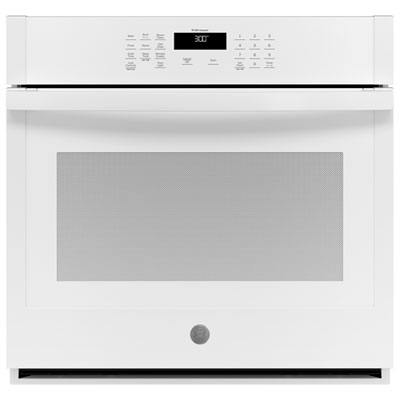 Your price for this item is $2369.99
-
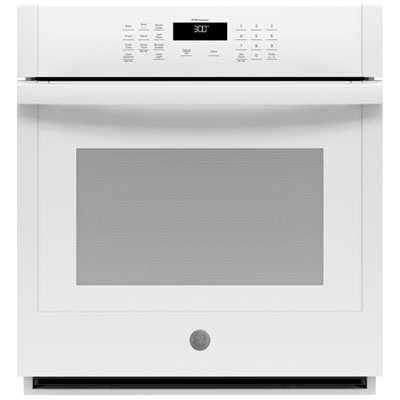 Your price for this item is $2249.99
-
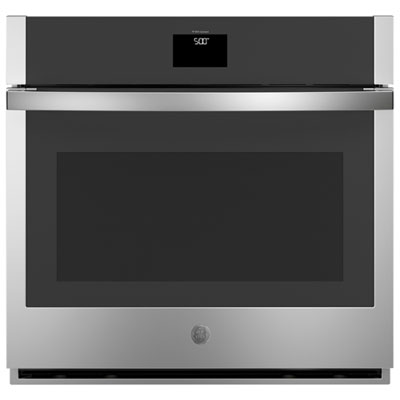 Your price for this item is $2369.99
-
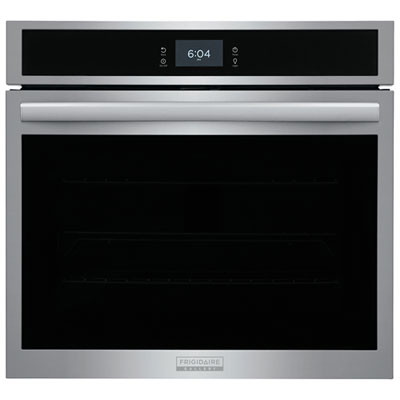 Your price for this item is $2199.99
-
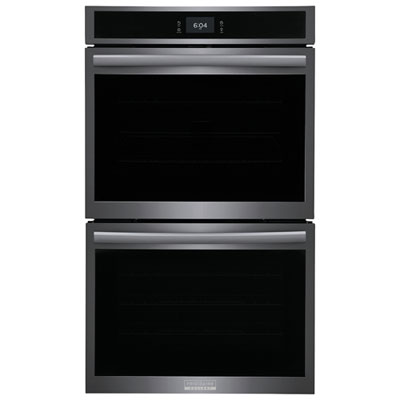 Your price for this item is $3699.99
-
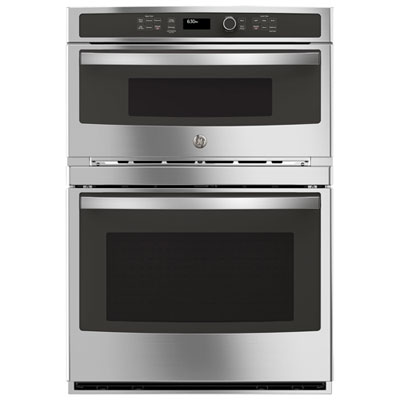 Your price for this item is $3749.99
-
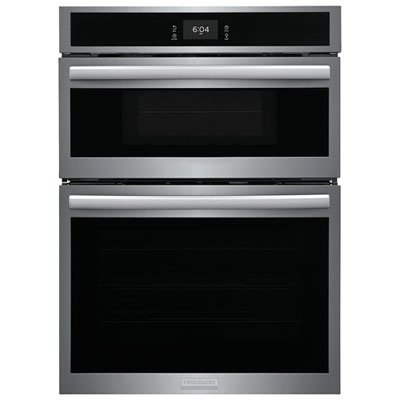 Your price for this item is $3699.99
-
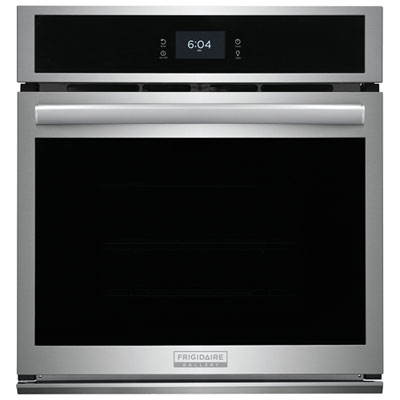 Your price for this item is $2199.99
Discover more categories related to Steam Combi Ovens
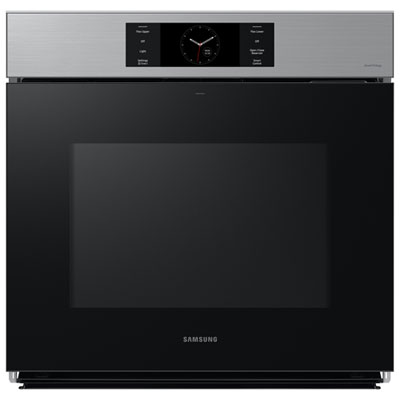
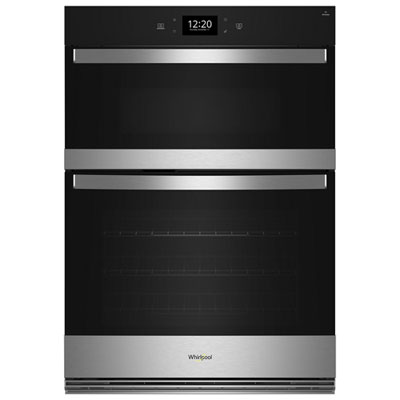
Top Collections:
Best Black Friday Deals This Year, Best Black Friday Deals On Electronics, Kindle Devices, Pokemon Centers, Best Black Friday Deals On Apple Products, Best Cameras for Sports Photography, Dyson Airwrap, Pokémon 30th Celebration Cards, Apple iPhone 17 Pro, Canon G7X Cameras
Some products may be subject to Environmental Handling Fees
(EHF) depending on your province.
Learn more about EHFs.