Steam Oven Built In
Upgrade your kitchen with a sleek and modern steam oven built-in. With their innovative technology and stylish design, a steam oven built-in is the perfect addition to almost any culinary enthusiast's dream kitchen. Experience the benefits of steam cooking, from faster cooking times to healthier meals, all while adding a touch of elegance to your home. Whether you're a seasoned chef or just love experimenting in the kitchen, a steam oven built-in offers endless possibilities for creating delicious and nutritious meals for you and your family. Here are some great options available.
Sort
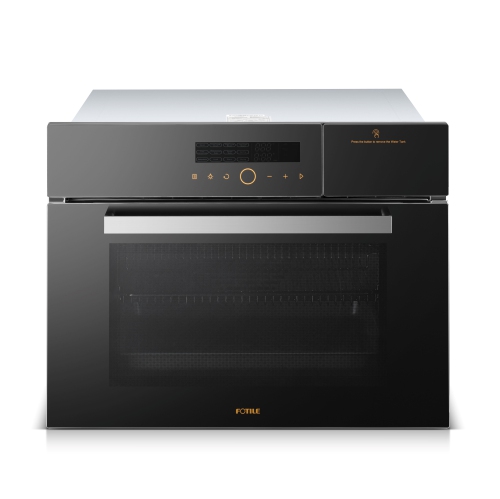
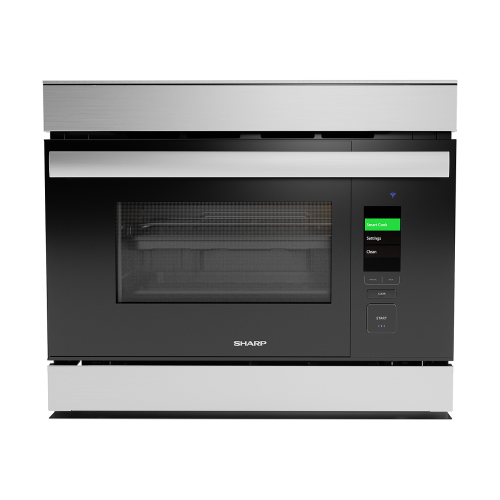
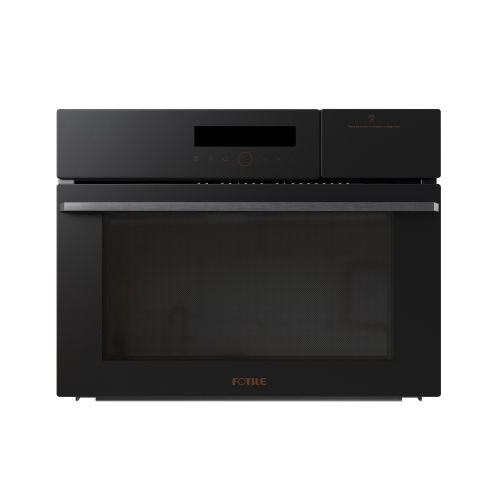
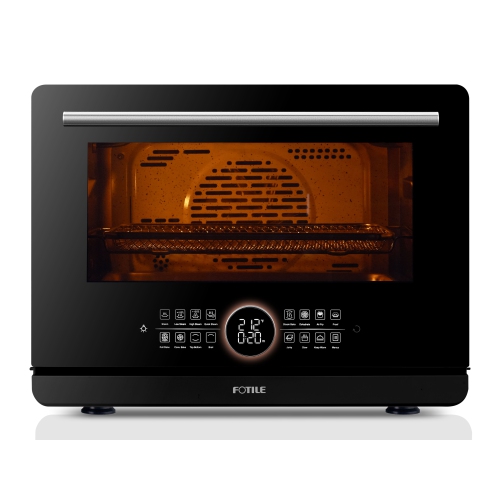
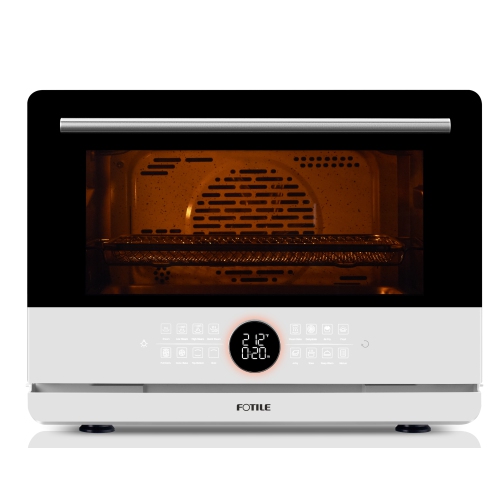
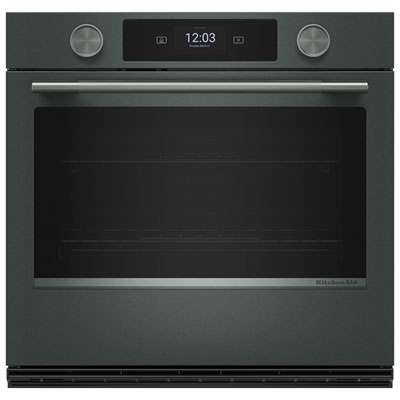
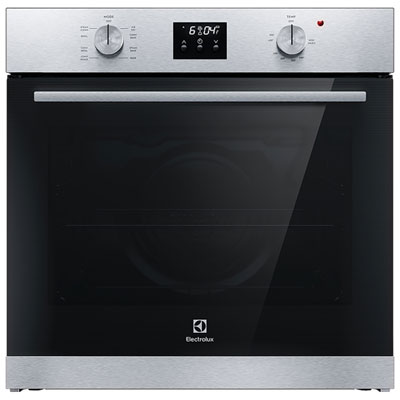
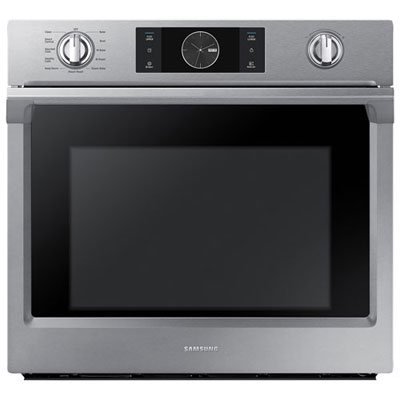
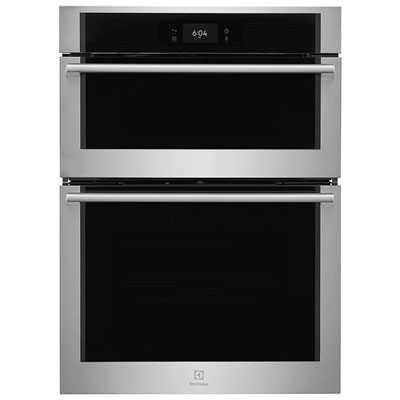
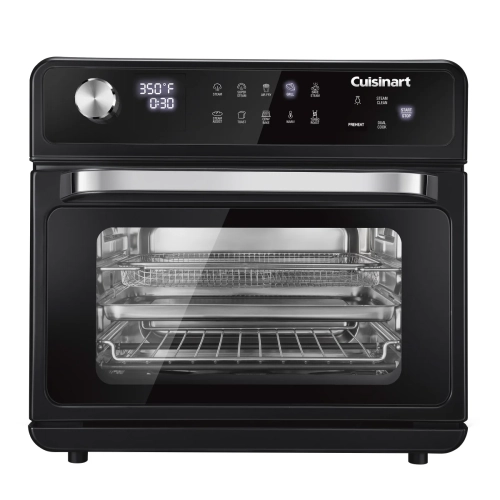
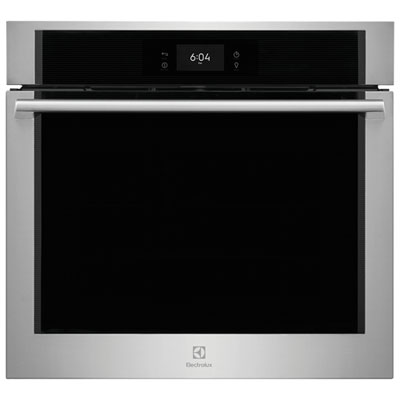
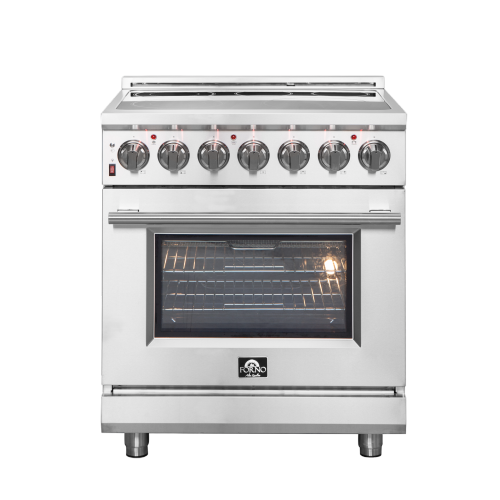
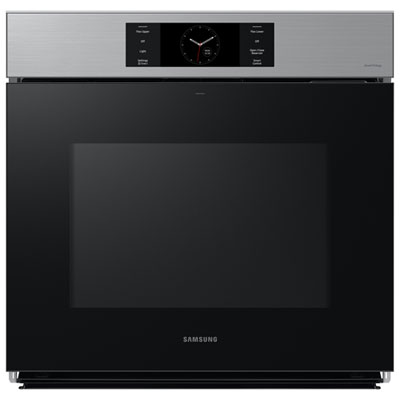
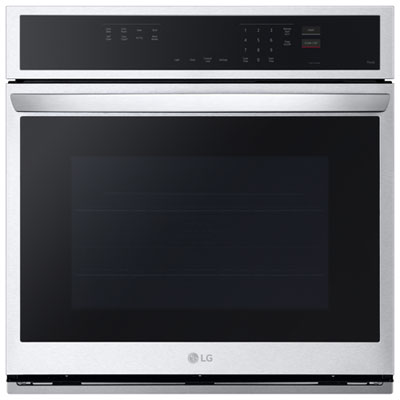
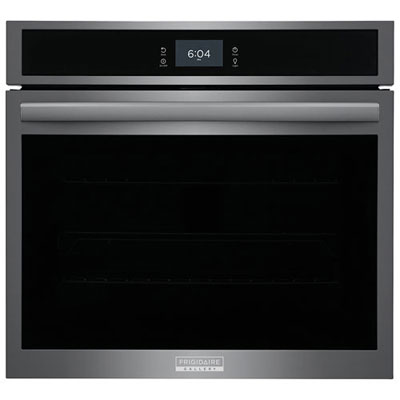
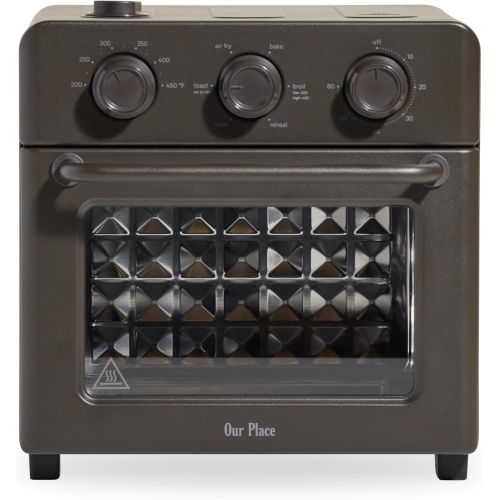
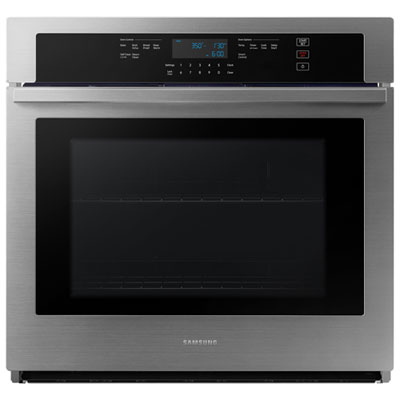
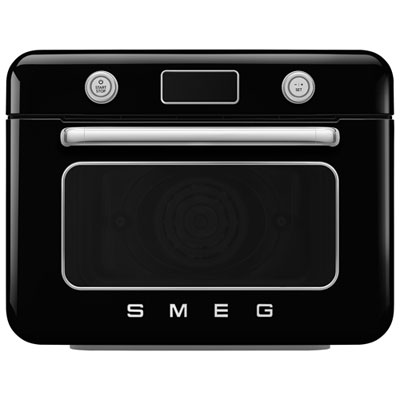
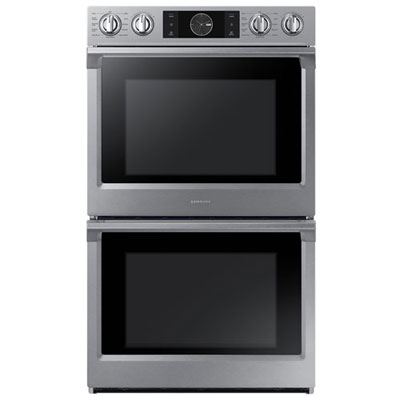
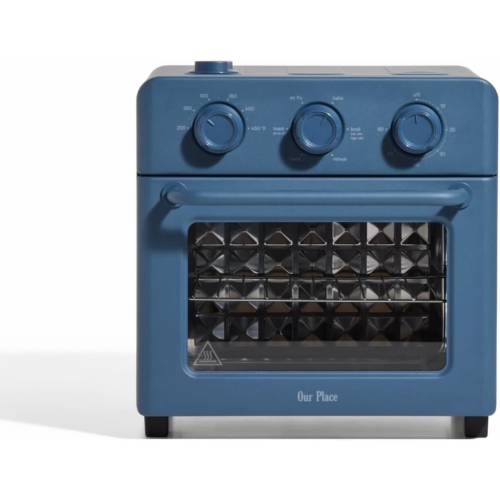
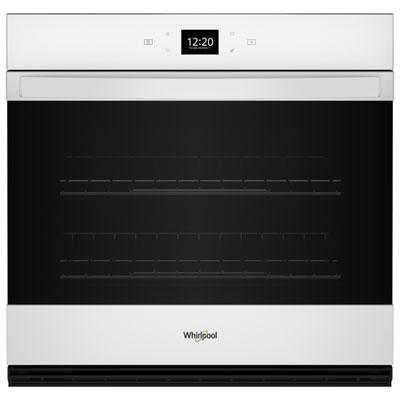
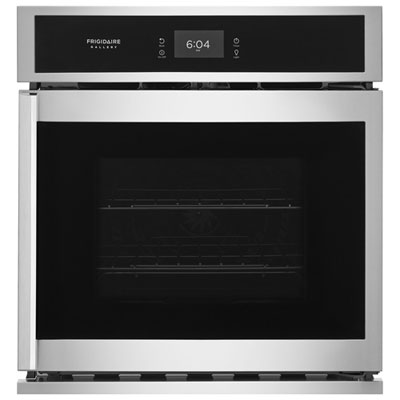
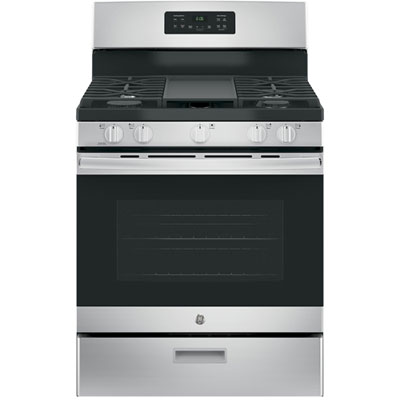
Moisture-controlled cooking for tender, evenly cooked meals
Built-in steam ovens bring controlled moisture and convection heat into a streamlined wall-oven format, making them a versatile choice for kitchens where texture and even cooking matter. Unlike a conventional oven that relies on dry heat alone, a steam oven adds moisture during cooking to help food stay tender inside while developing colour and crispness outside. Depending on the design, you may be able to use full steam, convection heat, or a combination of both. Full-steam cooking is well suited to vegetables, fish, dumplings, rice, grains and delicate foods that can dry out in a standard oven, while combination steam can be useful for roasting chicken, baking bread and preparing casseroles. A roast can remain juicy through the centre while the exterior browns, and a loaf of bread can develop a crisp crust with a soft, airy interior. Steam is also particularly effective for reheating, restoring moisture to rice, pasta, pizza, roasted vegetables and proteins instead of leaving them tough or rubbery. For households that prepare meals in advance, this reheating performance can make leftovers taste closer to freshly cooked food. Built-in steam ovens may also include practical programs for proofing dough, warming plates, cooking at lower temperatures, or preparing several dishes on multiple shelves. When steam and convection are used together, the enclosed cooking environment can help food cook evenly without requiring frequent basting or turning. The result is a flexible appliance for everyday meals as well as more ambitious cooking, whether you are preparing a quick tray of vegetables after work or serving a carefully timed dinner during the cooler months.
The first step in choosing a built-in steam oven is confirming that it will fit both your cabinet cutout and your kitchen’s electrical setup. Compact units are often designed around a 24-inch width, while larger wall-oven formats may be closer to 30 inches, so measure the opening carefully rather than relying only on the appliance’s advertised width. Check the required height, depth, ventilation clearances and door swing, and compare those measurements with the surrounding cabinetry. Electrical requirements can vary considerably: some compact steam or combination units use a standard 120V connection, while larger models may require a dedicated 208–240V, high-amp circuit. A qualified installer or electrician can help confirm whether your existing wiring is suitable before installation begins. Water supply is another important consideration. Many built-in steam ovens use a removable reservoir that you fill by hand, which can simplify installation and offer more flexibility when renovating an existing kitchen. Reservoir capacity affects how often you need to refill the unit, especially during long steam cycles or when cooking several dishes in succession. Other models connect directly to a water line, avoiding manual refills and offering convenience for frequent steam cooking, but this setup may require additional plumbing and professional installation. Look for an oven with a reservoir that is easy to remove and clean, or a clearly accessible water connection if the appliance is intended to be plumbed. A built-in steam oven may also include a drain system, descaling reminders, automatic cleaning functions or a drying cycle. These details are easy to overlook while comparing cooking programs, but they have a noticeable effect on everyday use. Wipe away condensation after cooking, empty standing water as directed and follow the manufacturer’s instructions for descaling, particularly in areas with hard water. It is also worth considering control layout, interior lighting, shelf positions, temperature range, steam levels and whether the oven can operate as a conventional convection oven when steam is not needed.
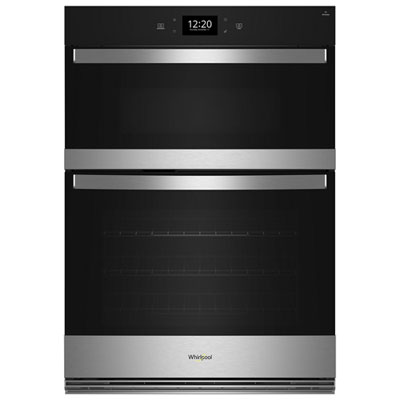
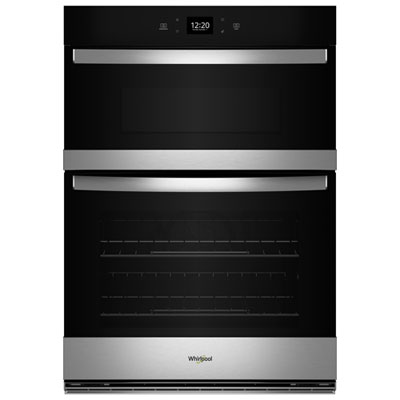
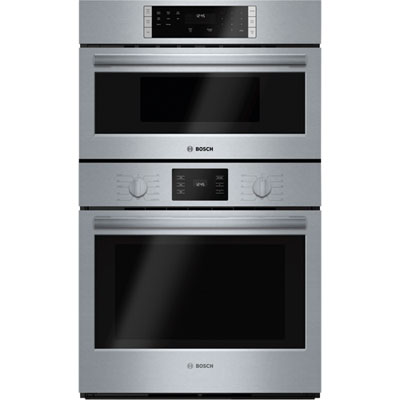
Built-in steam ovens are a natural fit for home cooks who enjoy fresh bread, tender roasts, vibrant vegetables and carefully prepared fish, but they can also serve busy households that value efficient meal preparation. A parent can steam vegetables and warm a prepared entrée without drying either one out, while a baking enthusiast can use a proofing setting to create a warm, humid environment for yeast dough. Someone cooking for guests may appreciate the ability to prepare multiple components with less concern about dry edges or uneven heating. The cooking process can feel especially satisfying on a quiet afternoon: vegetables retain their bright colour, a salmon fillet flakes cleanly under a fork, and bread emerges with a fragrant crust that crackles as it cools. These appliances may also be considered for a kitchen renovation, a new-home project or as a substantial gift for someone who enjoys cooking and has the cabinet space and electrical capacity to support one. For shoppers comparing a steam oven with a broader wall-oven arrangement, reviewing Wall Oven Combos can help clarify whether a single combination unit or a more extensive built-in cooking setup better suits the kitchen. Before making a selection, consider how often you expect to use steam, whether the oven will replace an existing wall oven, how many people you typically cook for and whether the available interior capacity matches your usual cookware. Families may prefer generous shelf space and easy-to-clean interiors, while smaller households may favour a compact design that delivers steam and convection cooking without taking over the kitchen. Features such as delayed start, temperature probes, guided cooking programs and app connectivity can add convenience, but the most useful choice is the one that matches your habits. With the right fit, a built-in steam oven can support everything from weeknight reheating to slow, gentle cooking and celebratory meals, adding moisture control and dependable versatility to the heart of the home.
Top selling and popular products
-
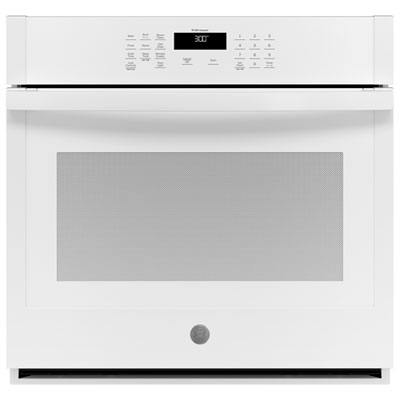 Your price for this item is $2369.99
-
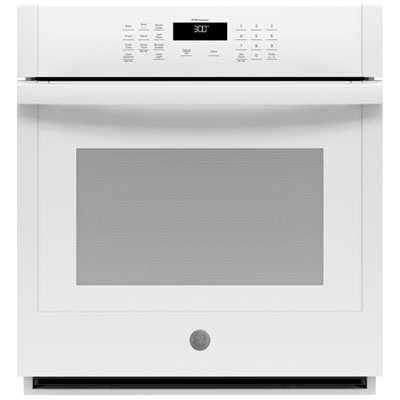 Your price for this item is $2249.99
-
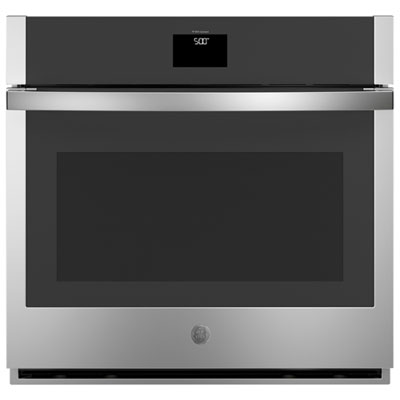 Your price for this item is $2369.99
-
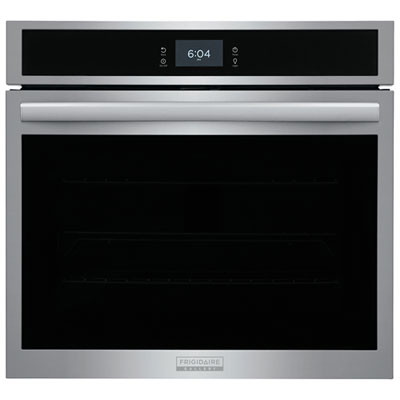 Your price for this item is $2199.99
-
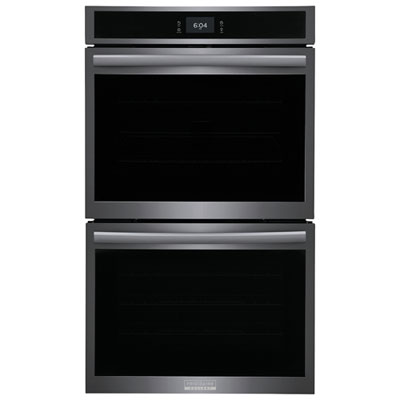 Your price for this item is $3699.99
-
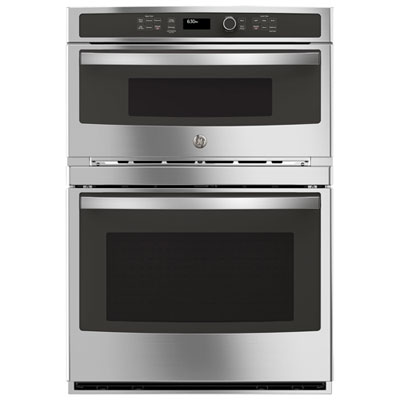 Your price for this item is $3749.99
-
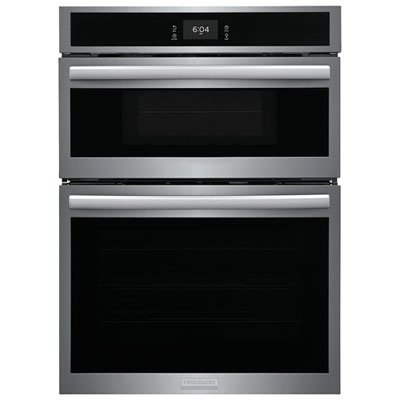 Your price for this item is $3699.99
-
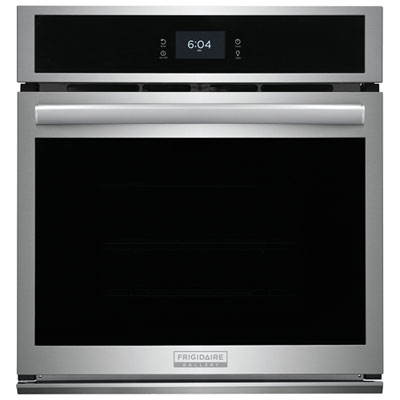 Your price for this item is $2199.99
Discover more categories related to Steam Oven Built In
Top Collections:
Best Black Friday Deals This Year, Best Black Friday Deals On Electronics, Kindle Devices, Pokemon Centers, Best Black Friday Deals On Apple Products, Best Cameras for Sports Photography, Dyson Airwrap, Pokémon 30th Celebration Cards, Apple iPhone 17 Pro, Canon G7X Cameras
Some products may be subject to Environmental Handling Fees
(EHF) depending on your province.
Learn more about EHFs.