Timer Heaters
Discover the convenience and comfort that a Timer Heater can bring to your home or office. Designed to deliver warmth exactly when you need it, Timer Heaters offer an efficient way to manage your indoor climate. Whether you're looking to take the chill out of a room before you wake up or ensure a cozy environment during colder months, these heaters provide flexible solutions for your heating needs. Explore a variety of Timer Heater options to find the perfect fit for your space and schedule.
Sort
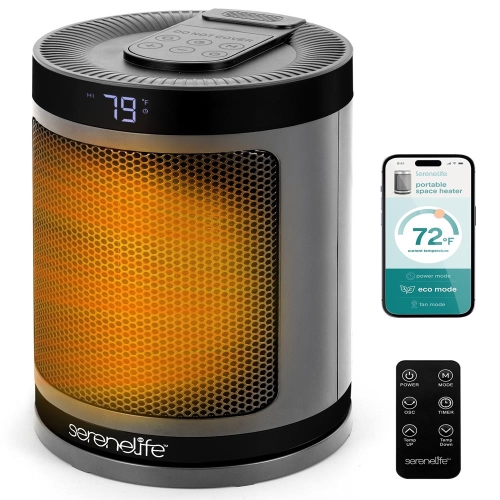
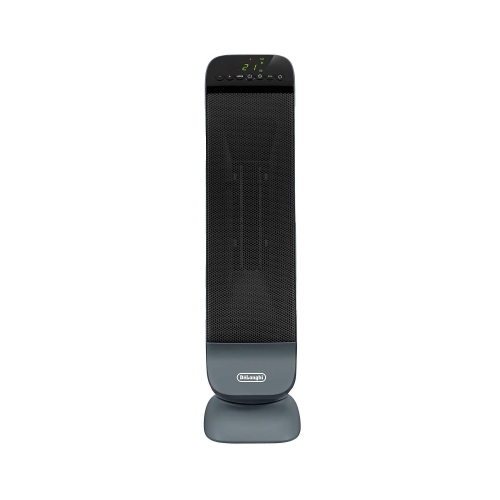
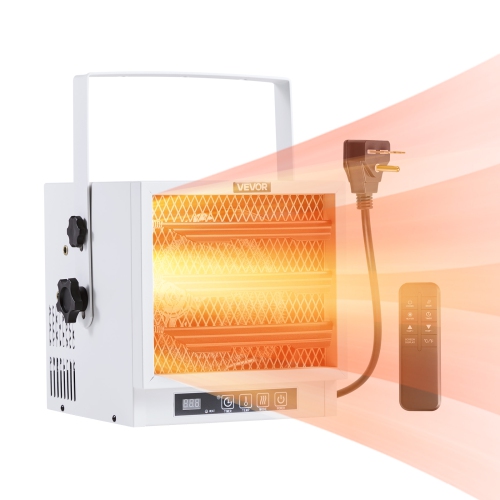
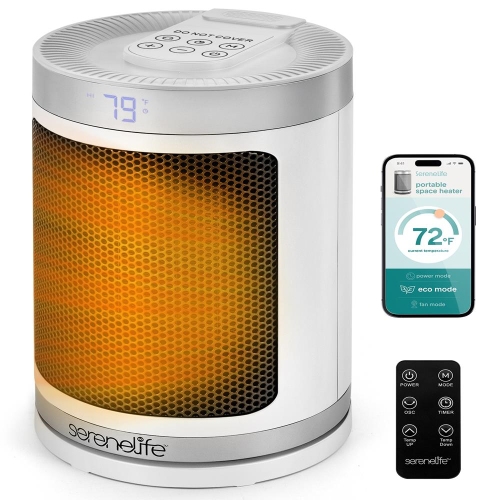
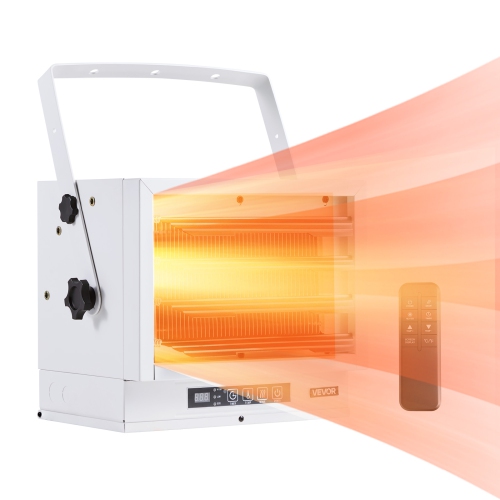
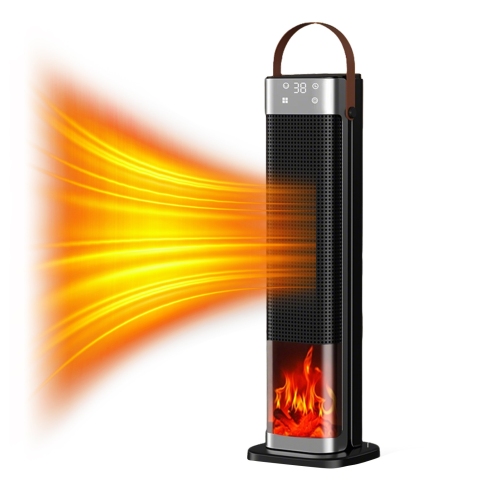
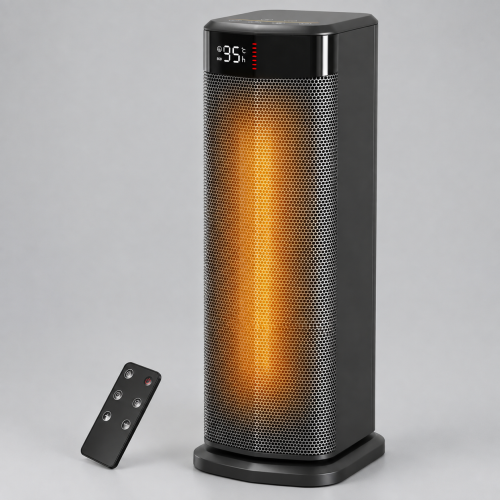
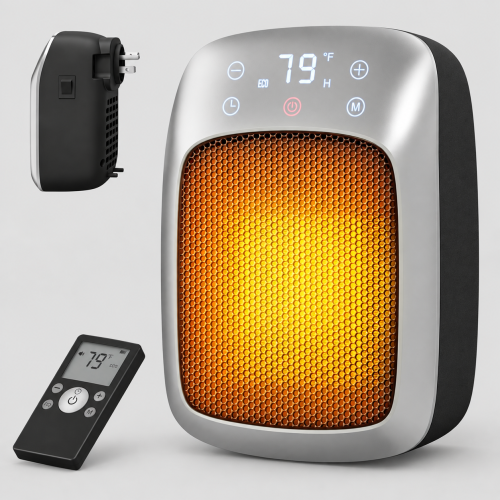
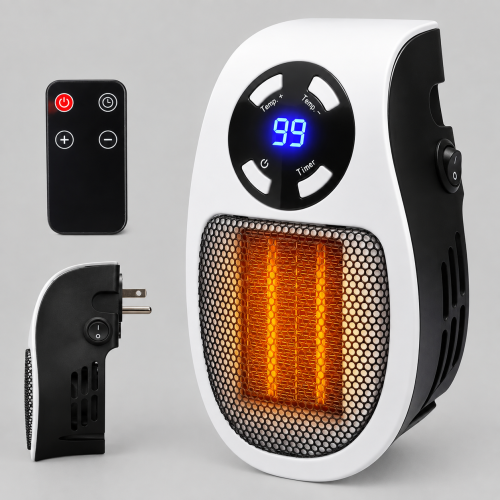
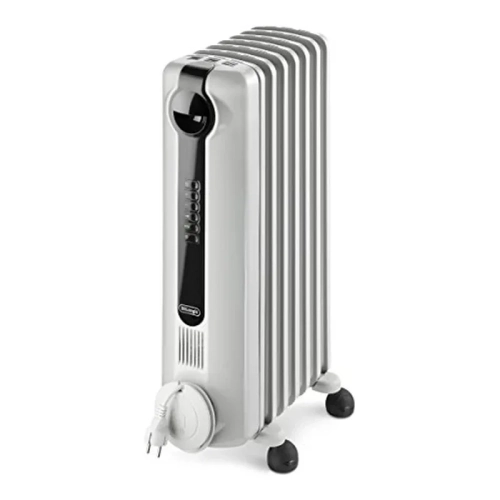
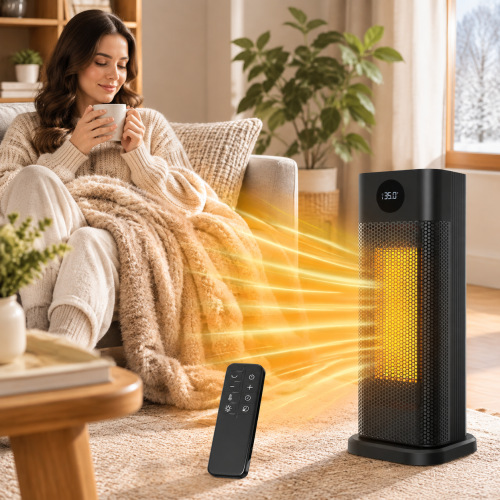
There’s more to timed heating than automatic shut-off
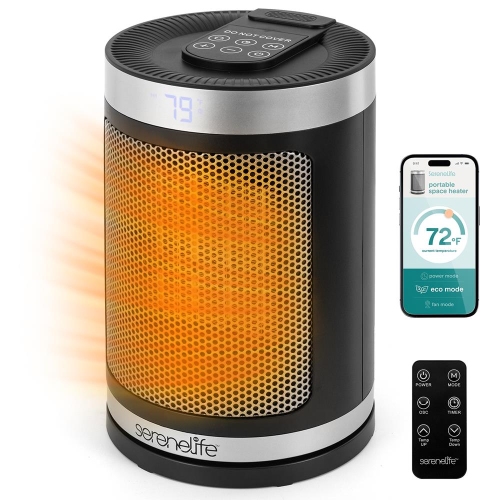
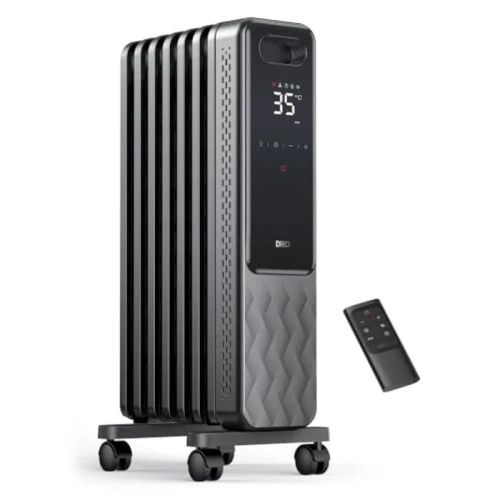
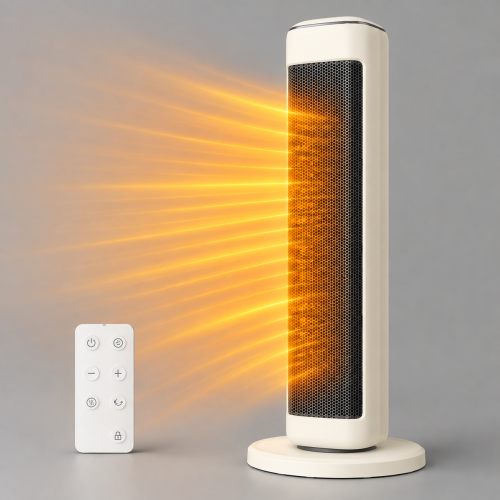
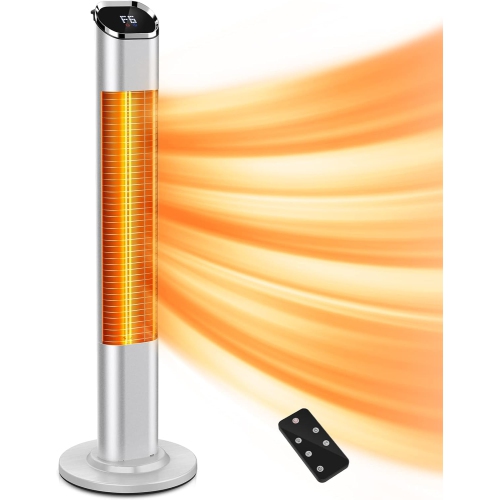
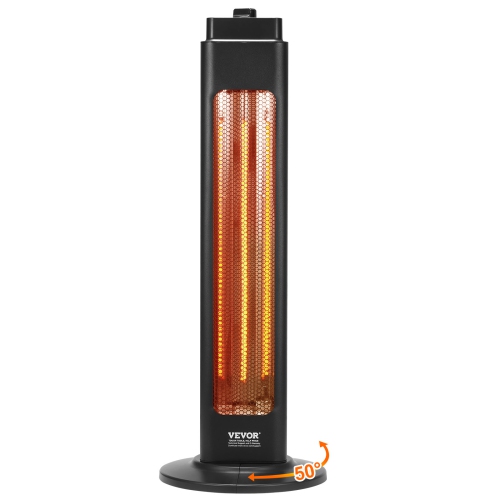
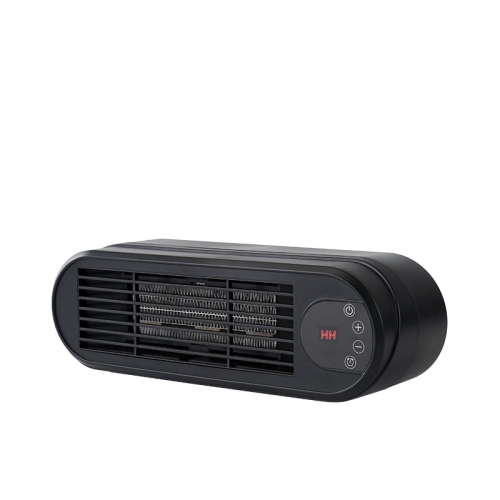
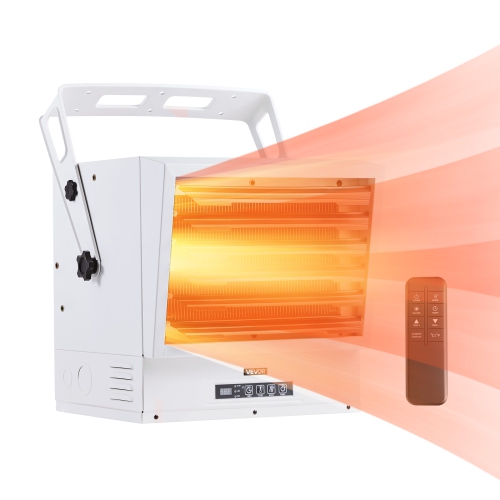
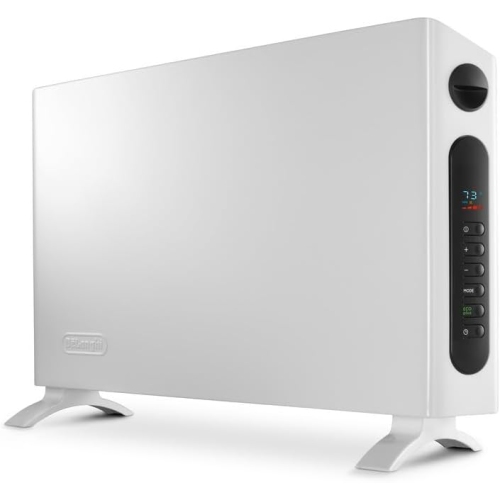
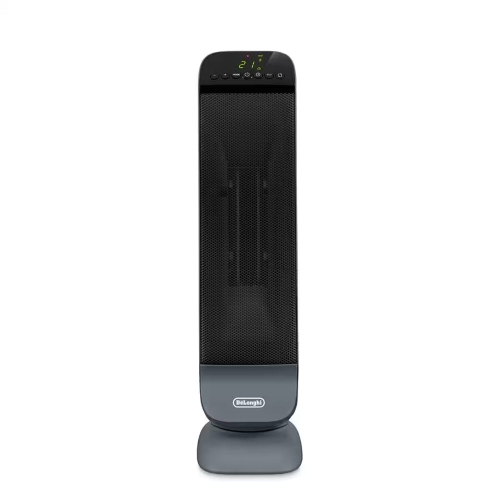
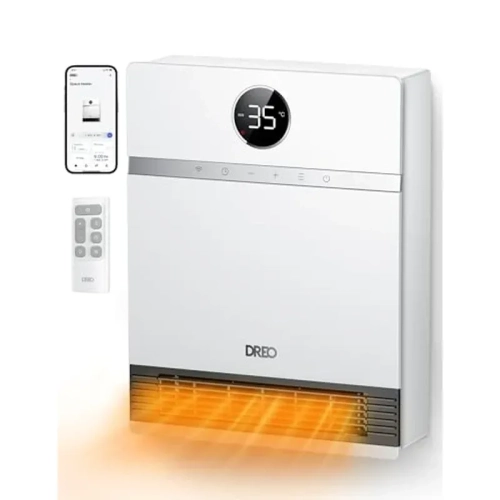
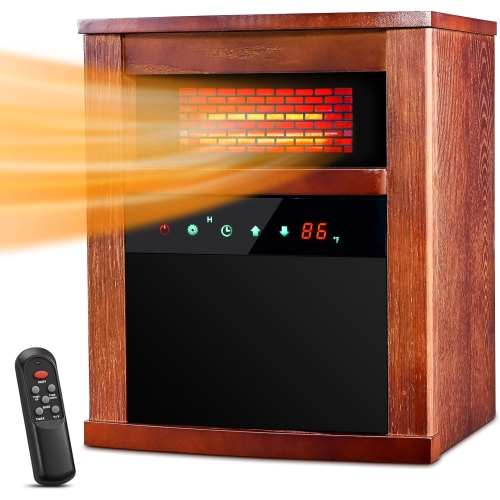
Timer heaters are electric space heaters with built-in controls that automatically switch the appliance off after a set period. Some models also offer scheduled operation, although a countdown timer and a programmable heating schedule are different features. A countdown timer runs for a selected interval before shutting the heater off, while scheduling controls may allow operation at specified times, depending on the design. This makes timer-equipped heaters useful for adding warmth during a defined activity, such as working at a desk, reading in an armchair, or spending an evening in a living room. The timer manages operating time; a thermostat manages temperature by cycling the heat as needed to maintain the selected setting. Together, these controls can make supplemental heating easier to manage without requiring repeated manual adjustments. Neither feature replaces the heater’s separate safety protections or the need for supervision. The details of the timer matter in everyday use: selectable intervals, a clearly visible countdown, and straightforward cancellation controls all affect how convenient it feels. A display that can be dimmed may be less distracting beside a television, while large buttons and readable numbers can make adjustments easier from a seated position. Remote controls offer convenience when the heater is positioned safely away from furniture, although essential functions should still be accessible on the unit itself. Some heaters remember previous settings, while others reset after being switched off or unplugged, so restart behaviour is worth checking in the operating instructions. Connected features, where included, may provide additional scheduling options, but they do not make a portable heater suitable for unattended operation. For shared rooms, a control lock can help prevent accidental changes, though it is not a substitute for keeping children away from hot surfaces. The most useful combination of timer and temperature controls is one that suits the length of the activity and is easy for the people using the room to understand.
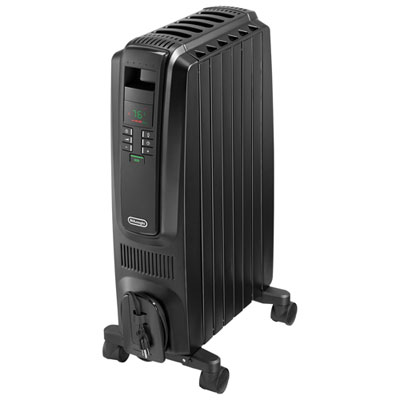
Heating technology influences how a timer heater feels in use. Ceramic fan heaters move air across a heated ceramic element and distribute it into the surrounding space, making them a practical format for localized warmth near an occupied area. Their fans create some sound, which may be noticeable during phone calls or quiet reading. Oil-filled radiator heaters use an enclosed heating element to warm sealed fluid within a metal body. They generally warm more gradually and continue releasing residual warmth after the element switches off, so the end of a timer cycle does not mean the exterior immediately becomes cool. Radiant heaters deliver warmth more directly to people and objects within their heating path, while convection designs encourage warm air to circulate through the room. These differences matter as much as the timer itself: a short period at a desk calls for a different heating response than a longer stretch in a sitting room. Room size, ceiling height, insulation, draughts, and open doorways also affect results, so a stated coverage area is best treated as a reference rather than a promise of identical performance in every home. A portable heater is normally intended to supplement a home’s main heating system, not replace it throughout an entire residence. Physical fit includes more than whether the base fits beside a chair. The heater needs the clear space specified by its manufacturer, unobstructed air intake and outlet openings, and a stable position away from foot traffic. Slim tower shapes can occupy less floor area, while broader bases may offer a different balance of footprint and stability. Carry handles, manageable weight, and securely fitted castors can make moving a cooled heater between suitable locations easier. Metal grilles, heat-resistant housings, and secure controls contribute to everyday durability, but no housing material should be assumed safe to touch while the heater is operating.
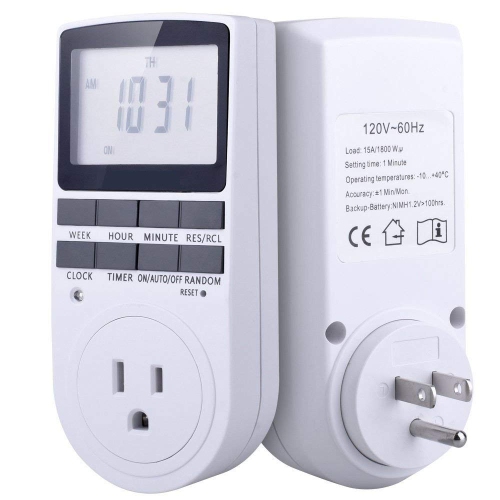
Safe placement and electrical compatibility remain essential, regardless of how precisely the timer can be set. Portable electric heaters should be connected directly to a suitable wall outlet in accordance with their instructions, rather than powered through an extension cord or power bar. Their electrical demand also matters when other appliances share the same circuit; a timer changes operating duration, not the power drawn while the heating element is running. General-purpose Electric Timers are not equivalent to a heater’s integrated controls and should not be assumed suitable for switching a high-wattage heating appliance. Manufacturer instructions determine whether any external control is permitted. Overheat protection and, for portable designs, tip-over shut-off provide separate safeguards, but a countdown timer itself does not detect blocked airflow, fallen fabric, or unsafe placement. Curtains, bedding, upholstered furniture, papers, and clothing need to remain outside the specified clearance area; a heater is not a drying rack. It should stand on a stable surface approved in its instructions, with the cord positioned where it cannot be pinched, covered by a rug, or become a tripping hazard. Portable space heaters should be switched off when leaving the room or going to sleep, even when an automatic shut-off has been selected. Bathrooms, laundry areas, and other locations exposed to moisture require equipment explicitly approved for that use and placement. Routine care is usually straightforward but important: unplug the heater, let it cool completely, and remove dust from accessible grilles using the method described by the manufacturer. Water, cleaning sprays, and tools should not enter the housing. A damaged cord, loose plug, cracked casing, unusual smell, or discoloured outlet calls for stopping use and having the issue assessed. During storage, a clean, fully cooled heater benefits from a dry location and a loosely arranged cord rather than a tight wrap around its body. These practical details help keep timer-controlled supplemental warmth a dependable part of daily use.
Top selling and popular products
-
 Your price for this item is $549.99
-
 Your price for this item is $549.99
-
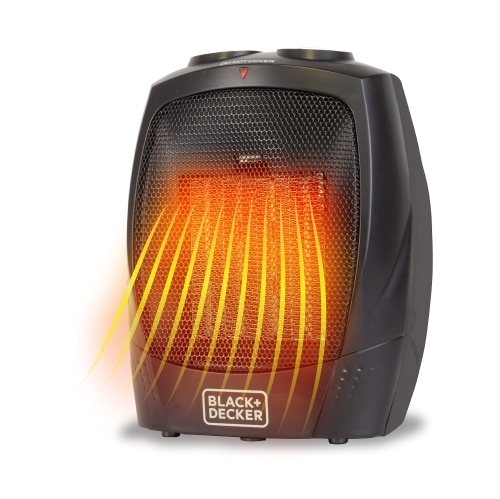 Your price for this item is $41.99
-
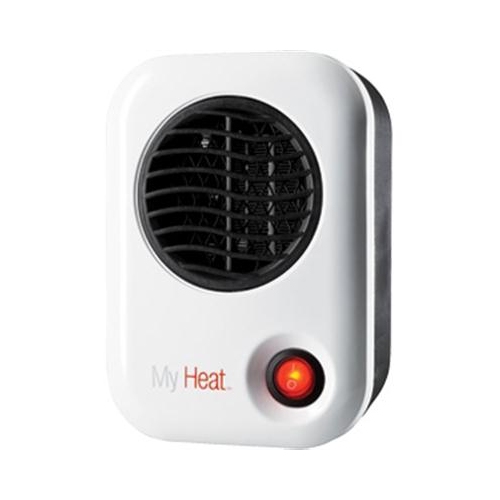 Your price for this item is $136.99
-
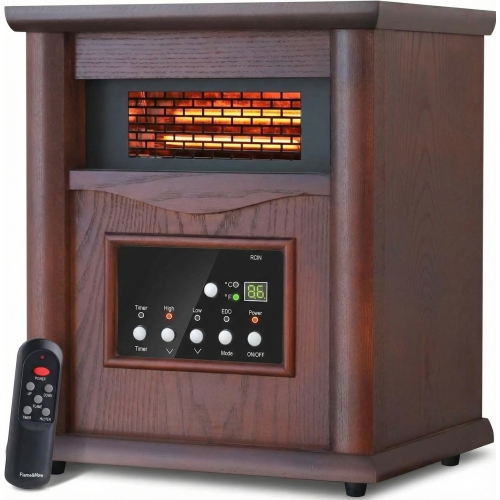 Your price for this item is $159.95
-
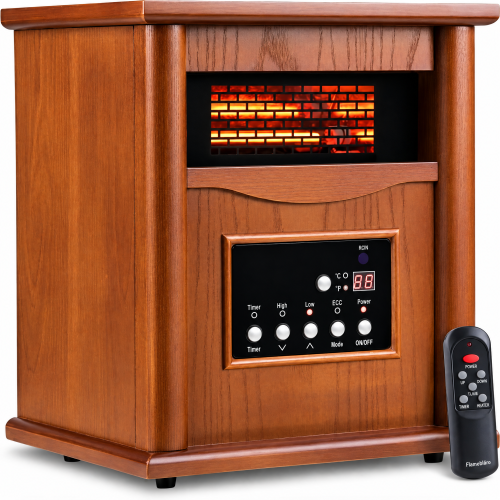 Your price for this item is $159.95
-
 Your price for this item is $219.95
-
 Your price for this item is $159.95
Discover more categories related to Timer Heaters
Top Collections:
Best Black Friday Deals This Year, Best Black Friday Deals On Electronics, Kindle Devices, Pokemon Centers, Best Black Friday Deals On Apple Products, Best Cameras for Sports Photography, Dyson Airwrap, Pokémon 30th Celebration Cards, Apple iPhone 17 Pro, Canon G7X Cameras
Some products may be subject to Environmental Handling Fees
(EHF) depending on your province.
Learn more about EHFs.